2014 Steve Matson 2014 Steve Matson 2014 Steve Matson 2014 Steve Matson 2014 Steve Matson 2014 Steve Matson 2022 Mike Russler 2022 Mike Russler 2016 Jim Moore 2019 Susan McDougall 2019 Susan McDougall 2019 Susan McDougall 2019 Susan McDougall 2019 Susan McDougall 2014 David popp
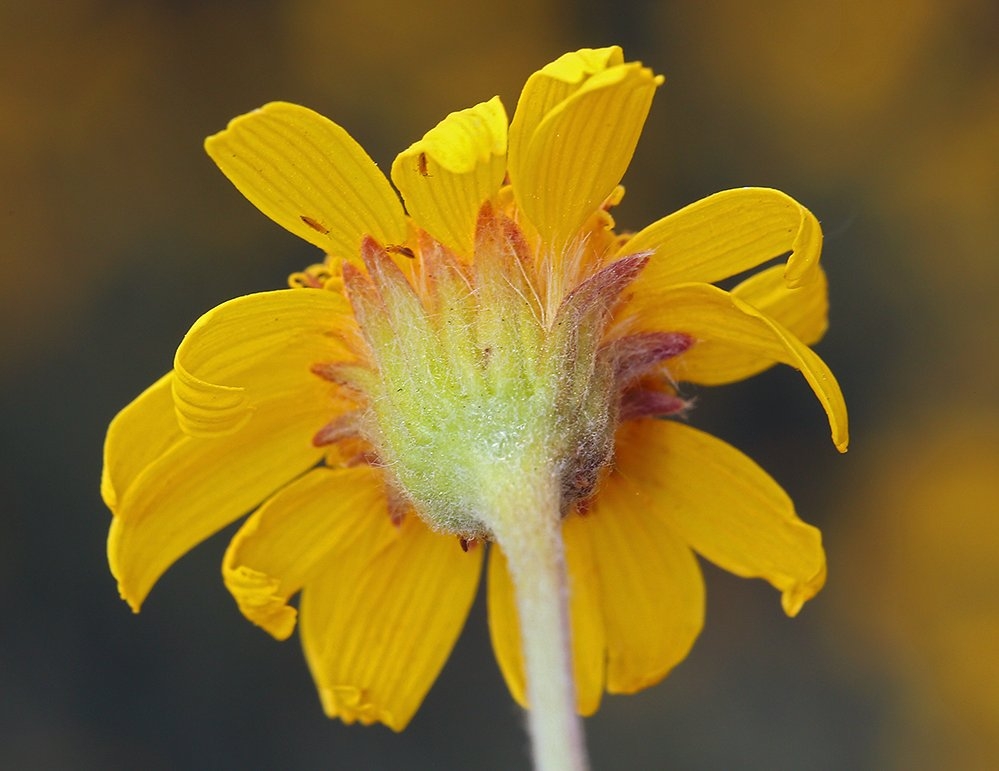
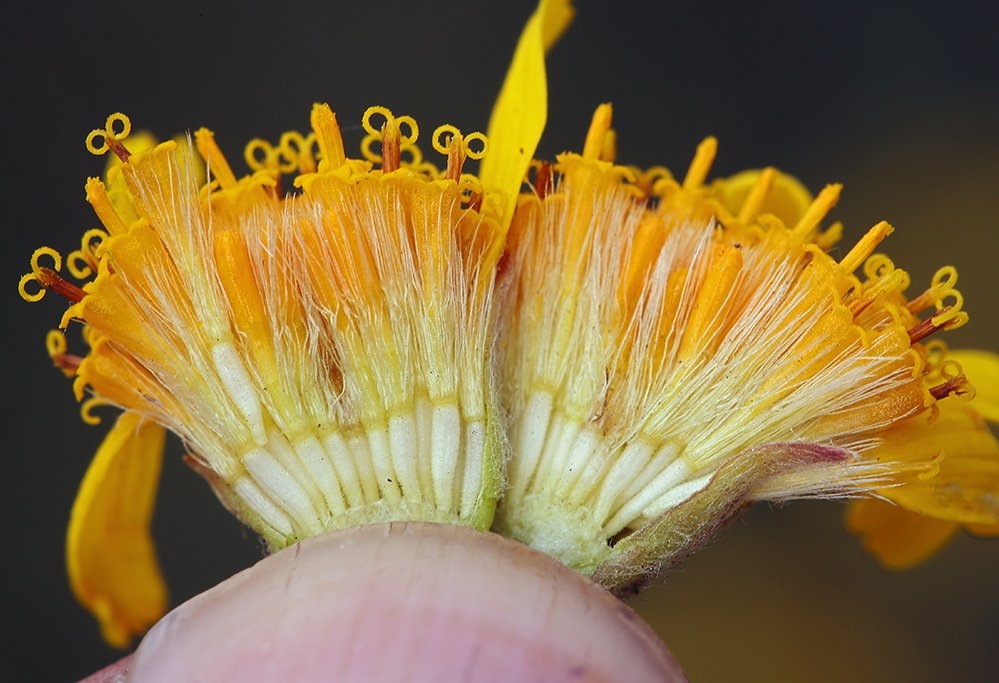
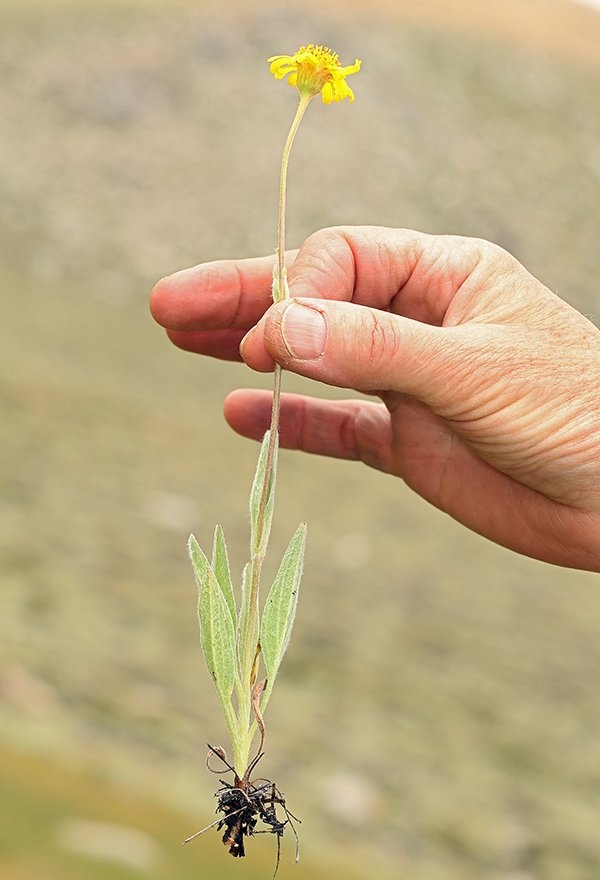
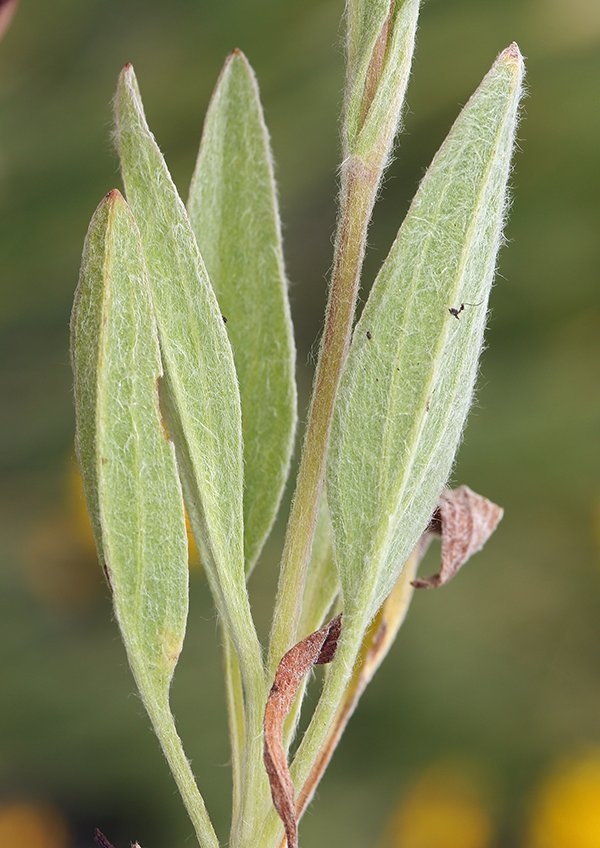
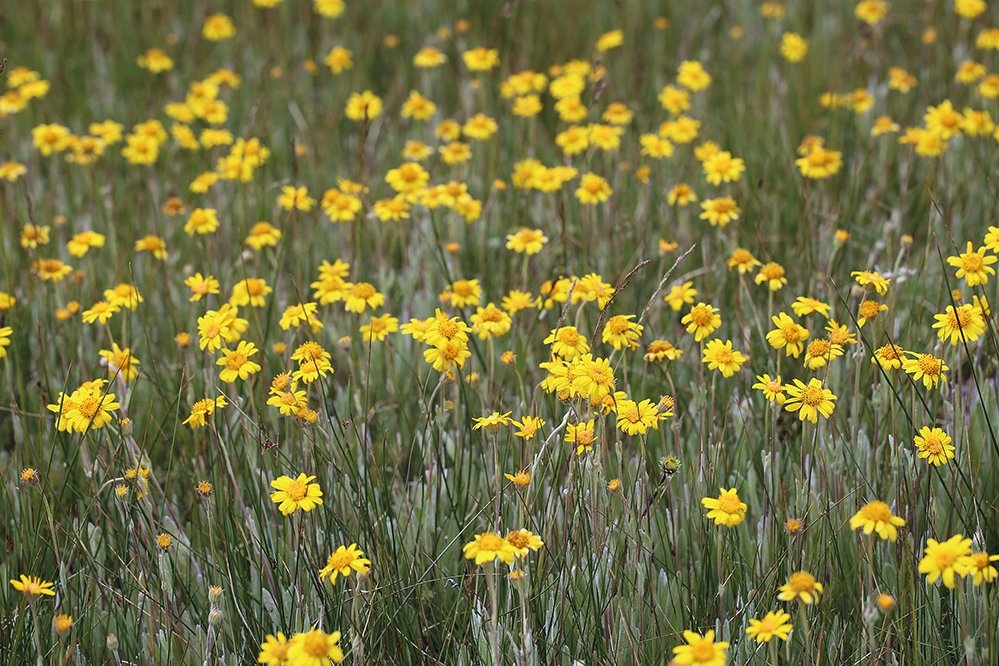
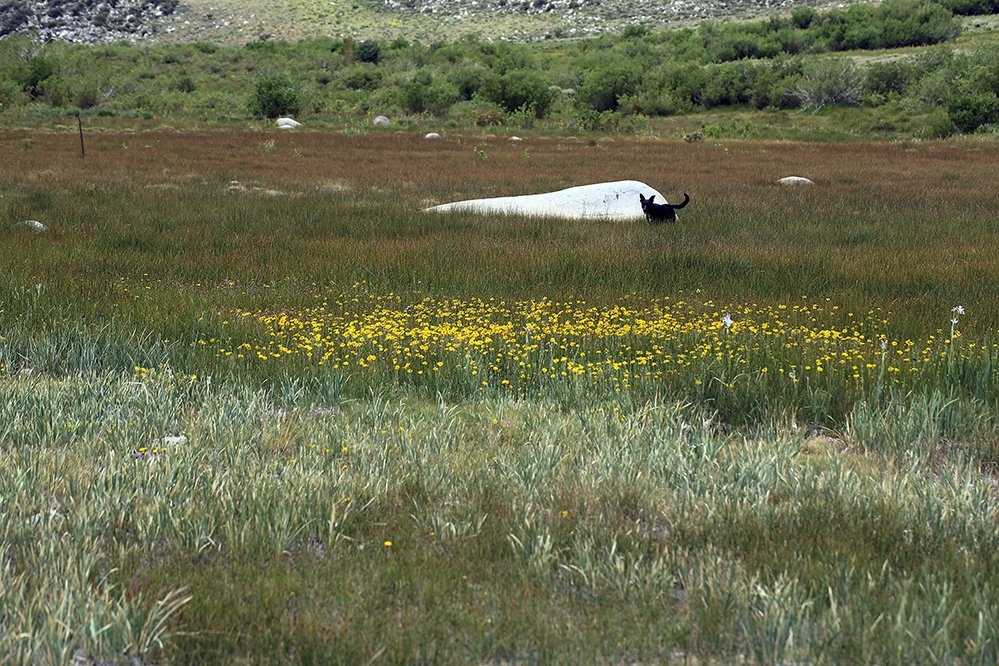
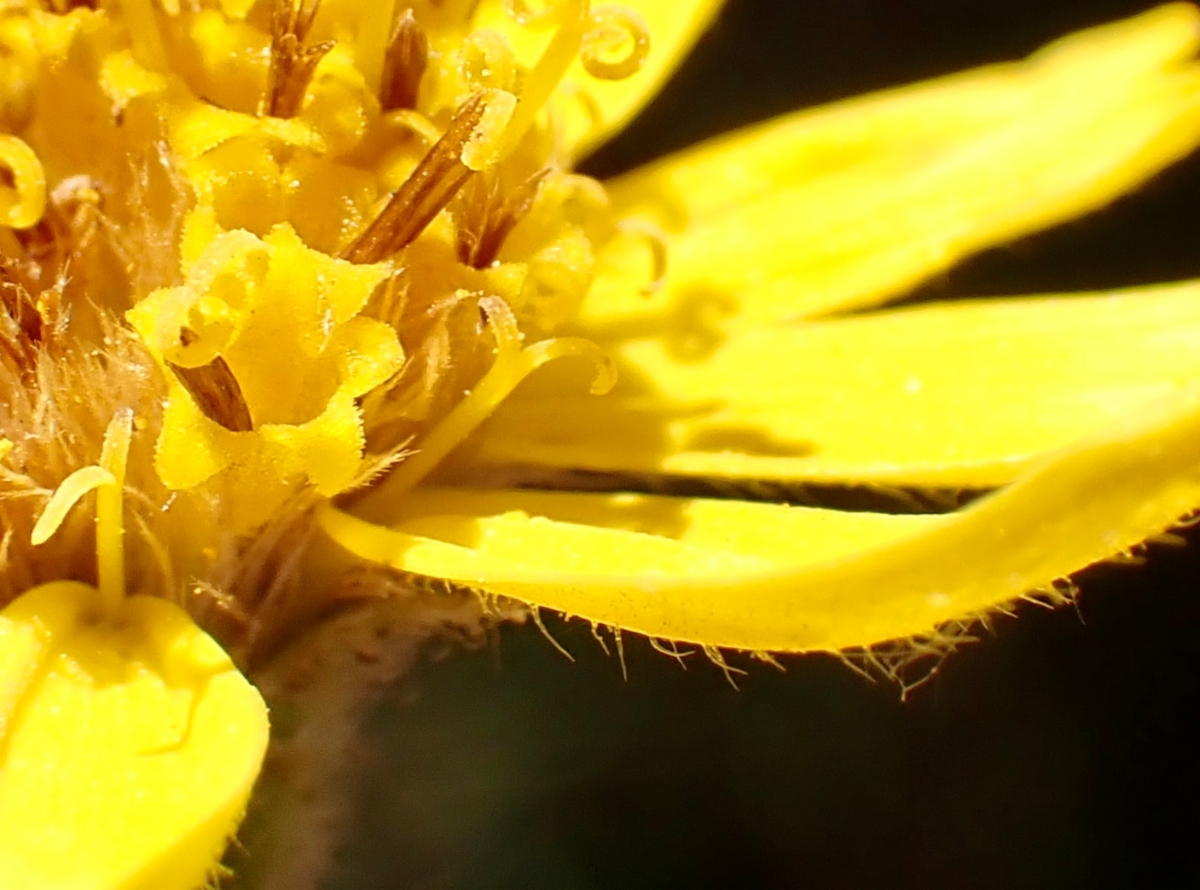
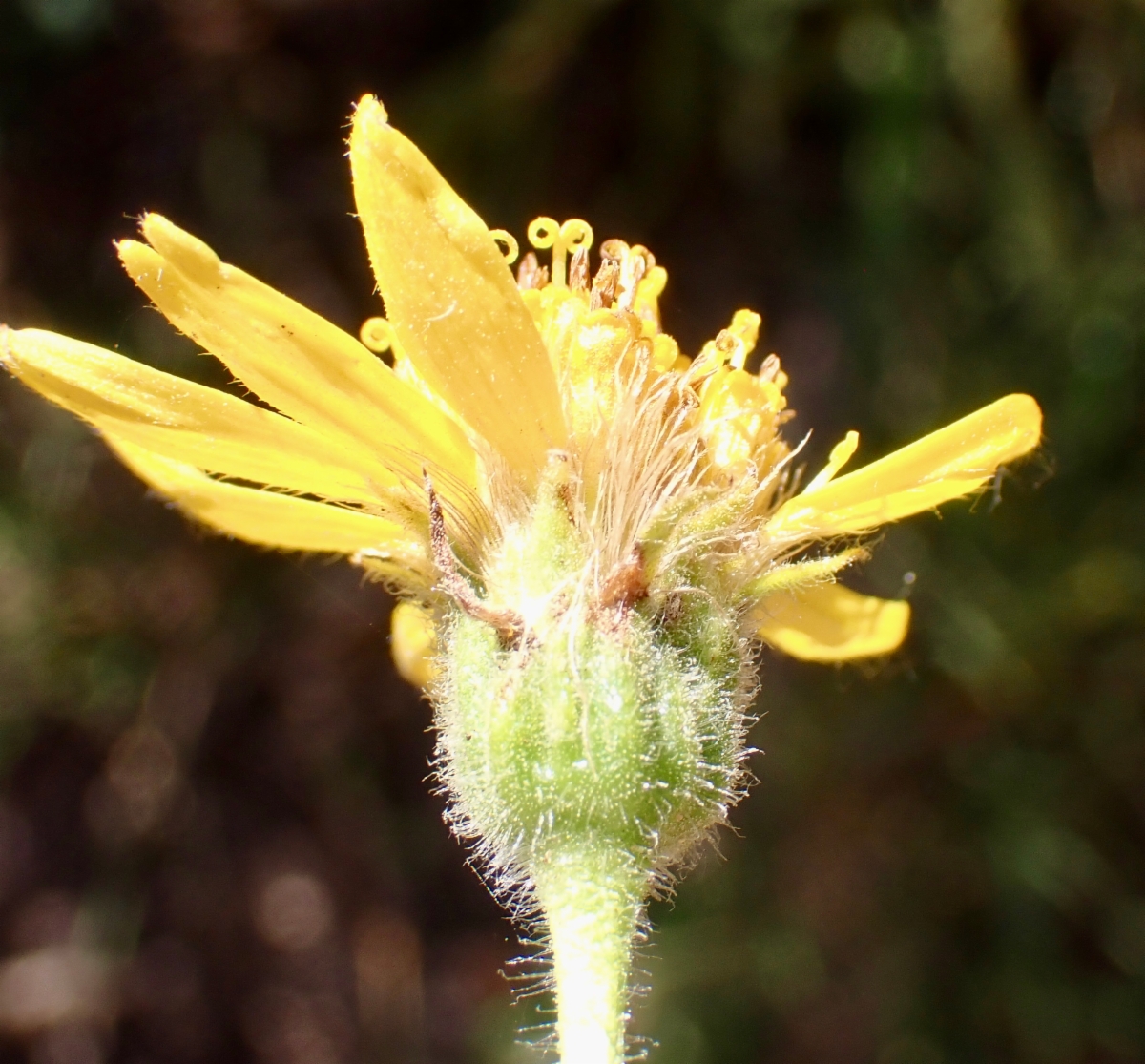
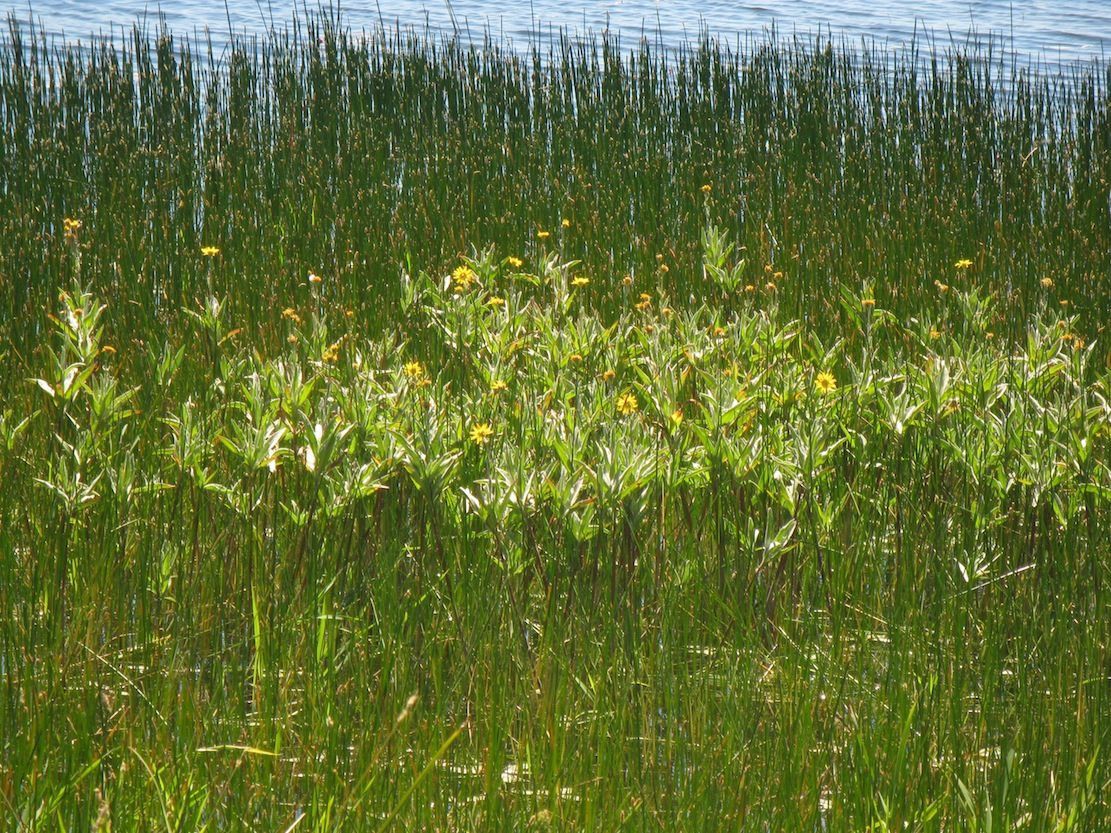
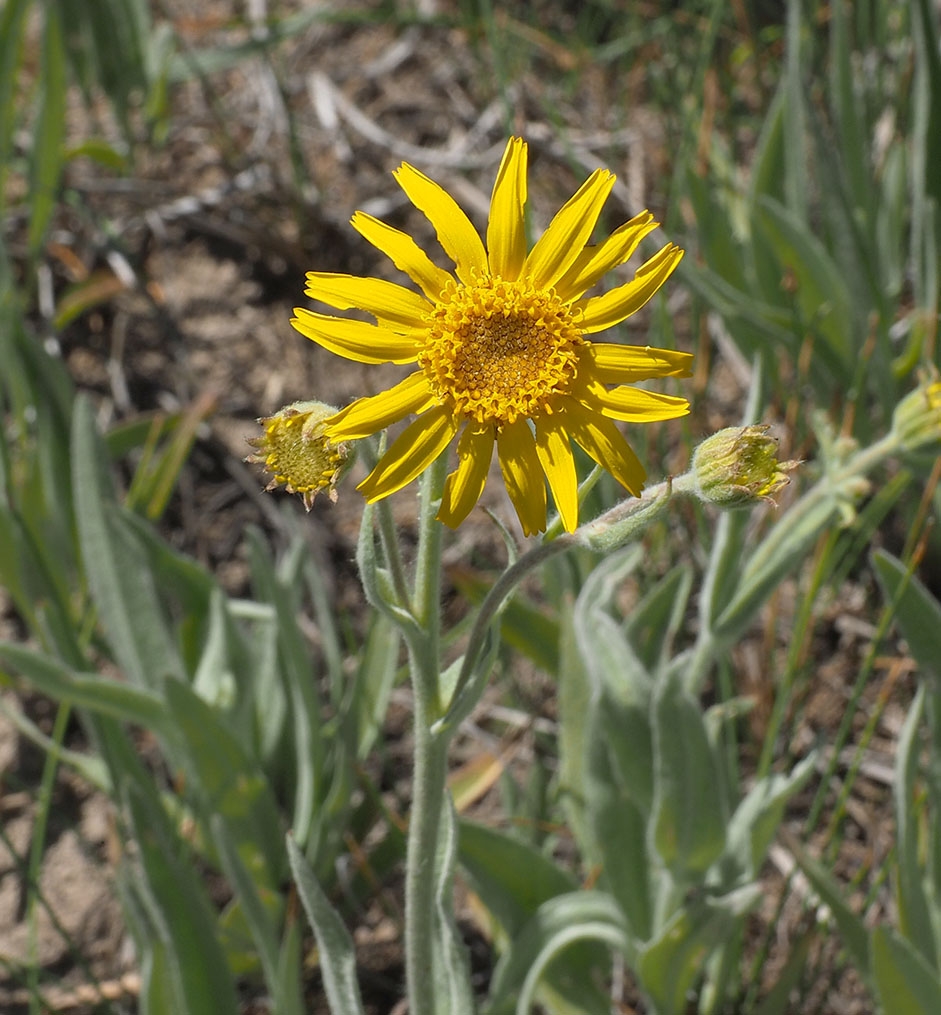
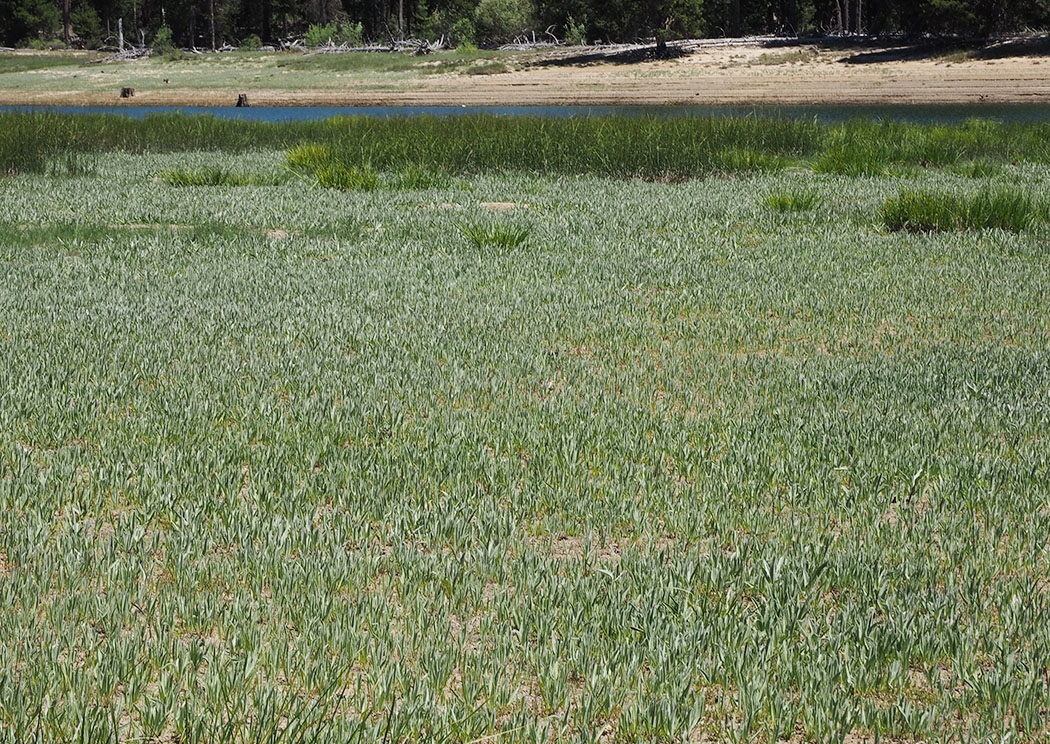
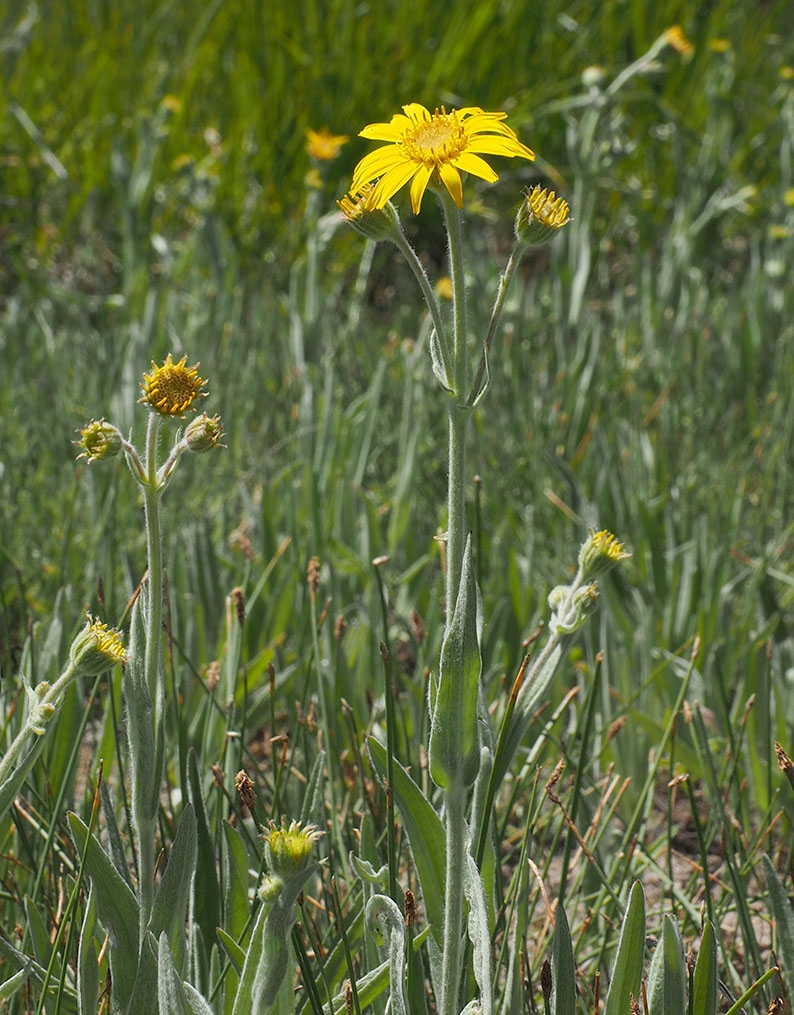
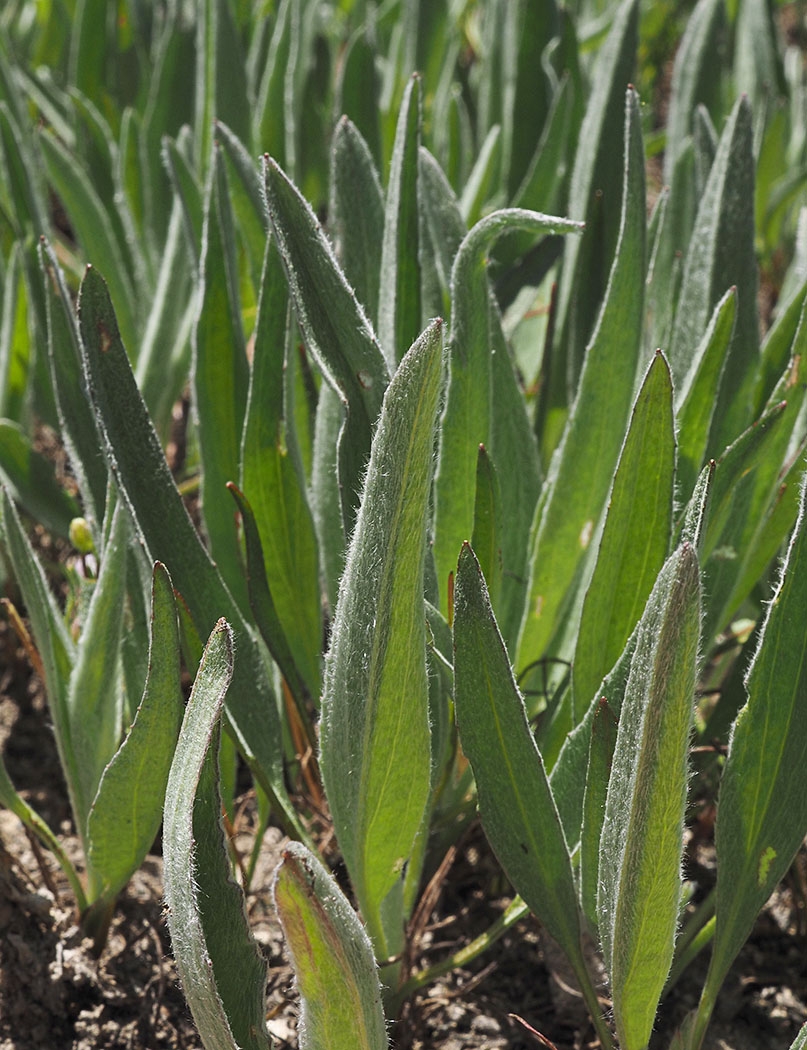
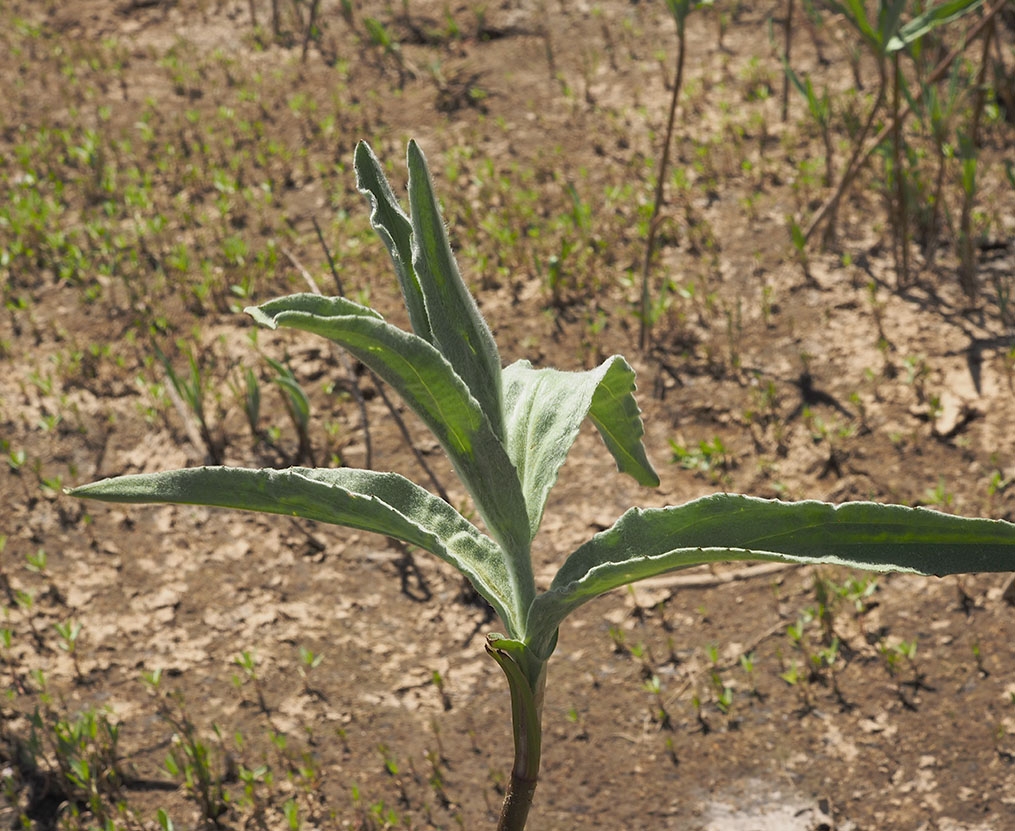
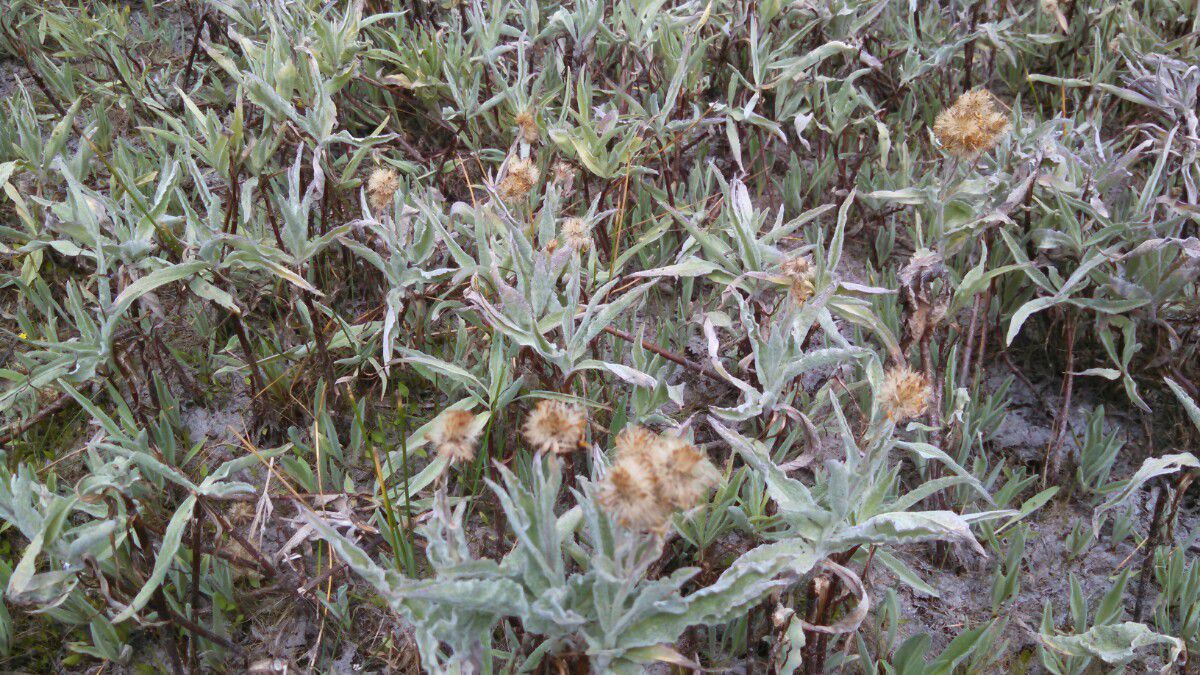
Arnica chamissonis is a perennial herb that is native to California, and also found elsewhere in North America and beyond.
[Wikipedia] Seed Details & Vigor, Toxin, Etymology: Arnica chamissonis has an active bloom period throughout the summer. There are approximately 400,000 seeds per pound. These individuals have a medium seedling vigor and a moderate vegetative spread rate. Seedling vigor refers to "the expected seedling survival percentage of the plant compared to other species with the same growth habit." A vegetative spread rate refers to how quickly a plant can spread through a given area. In general, A. chamissonis can be grown in a container, by using seeds or sprigs.
Both A. montana and A. chamissonis contain the toxin helenalin.
The species is named for German poet and botanist Adelbert von Chamisso, 1781?1838. (link added by Mary Ann Machi)
/app/up/entry/199/th/59711.jpg:!/app/up/entry/199/th/59707.jpg:!/app/up/entry/199/th/59706.jpg:!/app/up/entry/199/th/59708.jpg:!/app/up/entry/199/th/59710.jpg:!/app/up/entry/199/th/59709.jpg:!/app/up/entry/479/th/143738.jpg:!/app/up/entry/479/th/143736.jpg:!/app/up/entry/28/th/8616.jpg:!/app/up/entry/105/th/31741.jpg:!/app/up/entry/105/th/31745.jpg:!/app/up/entry/105/th/31744.jpg:!/app/up/entry/105/th/31743.jpg:!/app/up/entry/105/th/31742.jpg:!/app/up/mg/19/th/mg5892-0.jpg:!
2014 Steve Matson:!2014 Steve Matson:!2014 Steve Matson:!2014 Steve Matson:!2014 Steve Matson:!2014 Steve Matson:!2022 Mike Russler:!2022 Mike Russler:!2016 Jim Moore:!2019 Susan McDougall:!2019 Susan McDougall:!2019 Susan McDougall:!2019 Susan McDougall:!2019 Susan McDougall:!2014 David popp:!
mu7057:!mu7057:!mu7057:!mu7057:!mu7057:!mu7057:!io79962:!io79962:!po22450:!po139037:!po139037:!po139037:!po139037:!po139037:!mg5892:!
Suggested Citation
Calflora:
Information on California plants for education, research and conservation,
with data contributed by
public and private institutions and individuals.
[web application]. 2024. Berkeley, California:The Calflora Database
[a non-profit organization].Available:
https://www.calflora.org/(Accessed: 07/26/2024).