Silene salmonacea T. W. Nelson, J. P. Nelson, & S. A. Erwin
Klamath mountain catchfly
2021 Jamie Spielmann 2022 joaquin hale 2021 Jamie Spielmann 2022 joaquin hale 2021 Jamie Spielmann 2024 Jamie Spielmann 2022 joaquin hale 2024 Jamie Spielmann 2022 joaquin hale 2022 joaquin hale 2021 Jamie Spielmann 2021 Jamie Spielmann 2022 Jamie Spielmann 2022 Jamie Spielmann 2022 Jamie Spielmann 2019 joaquin hale
Silene salmonacea is a perennial herb that is native to California, and endemic (limited) to California.
California Rare Plant Rank: 1B.2 (rare, threatened, or endangered in CA and elsewhere).
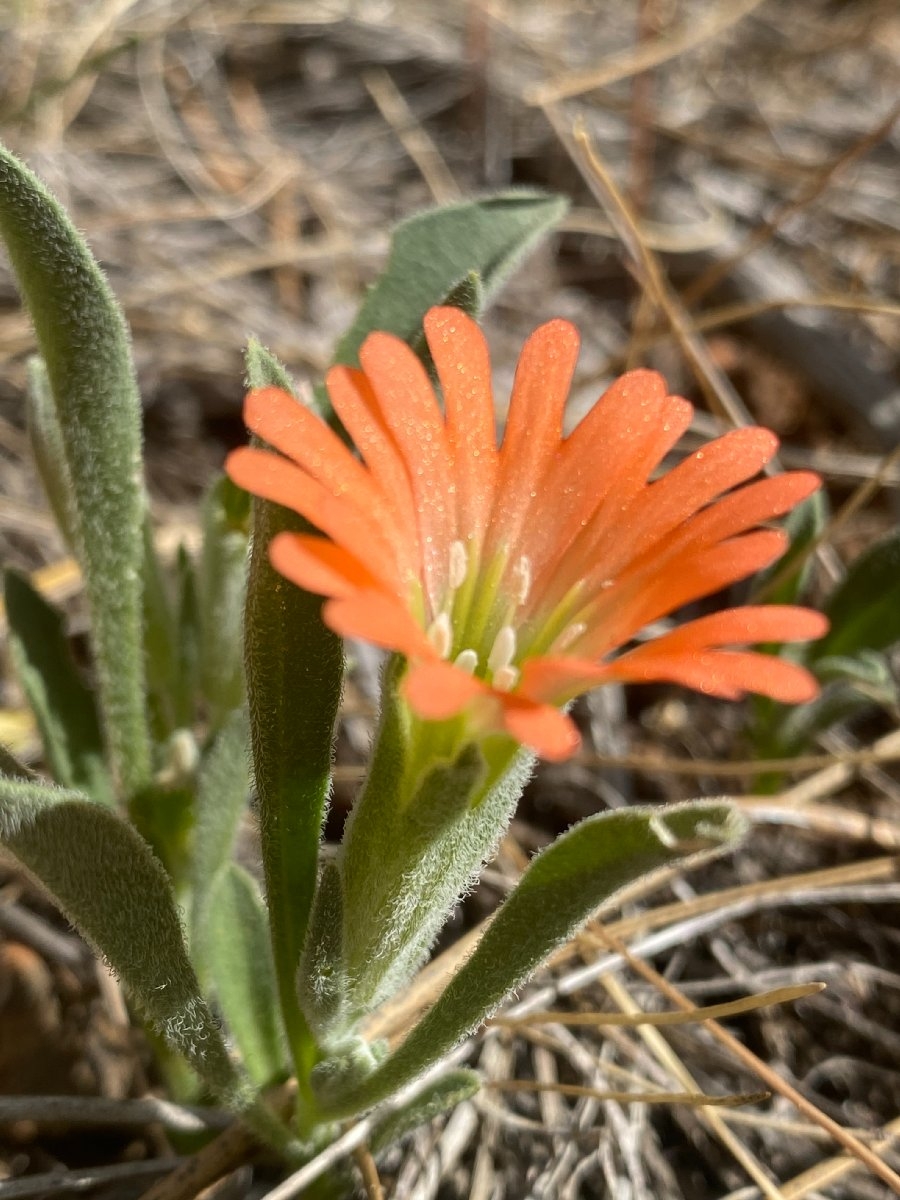
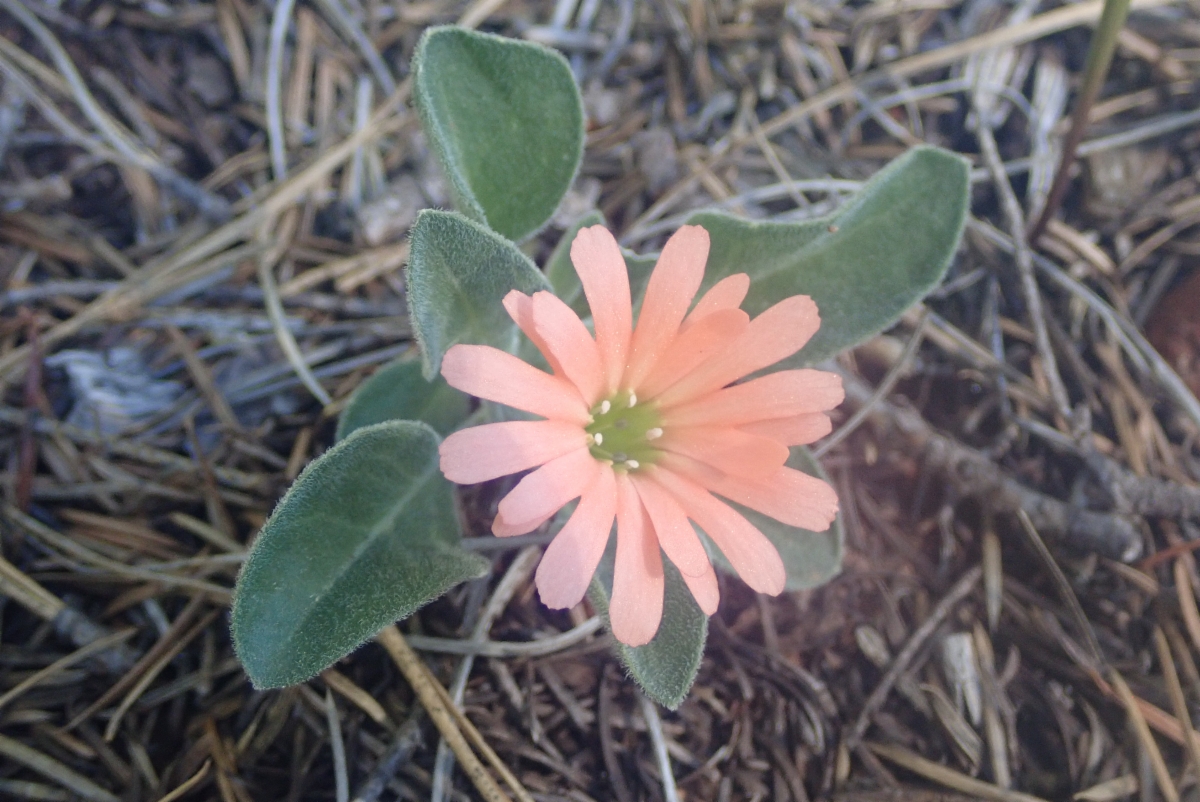
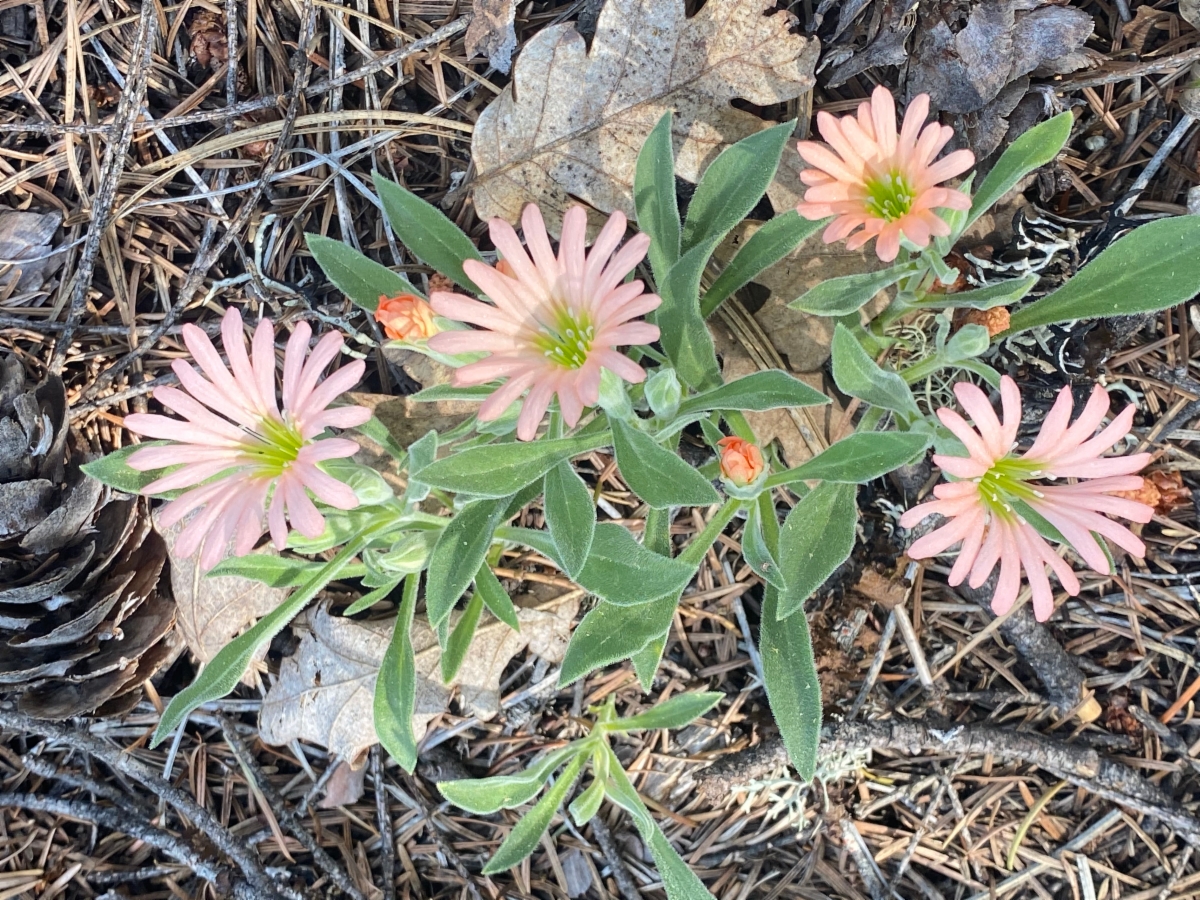
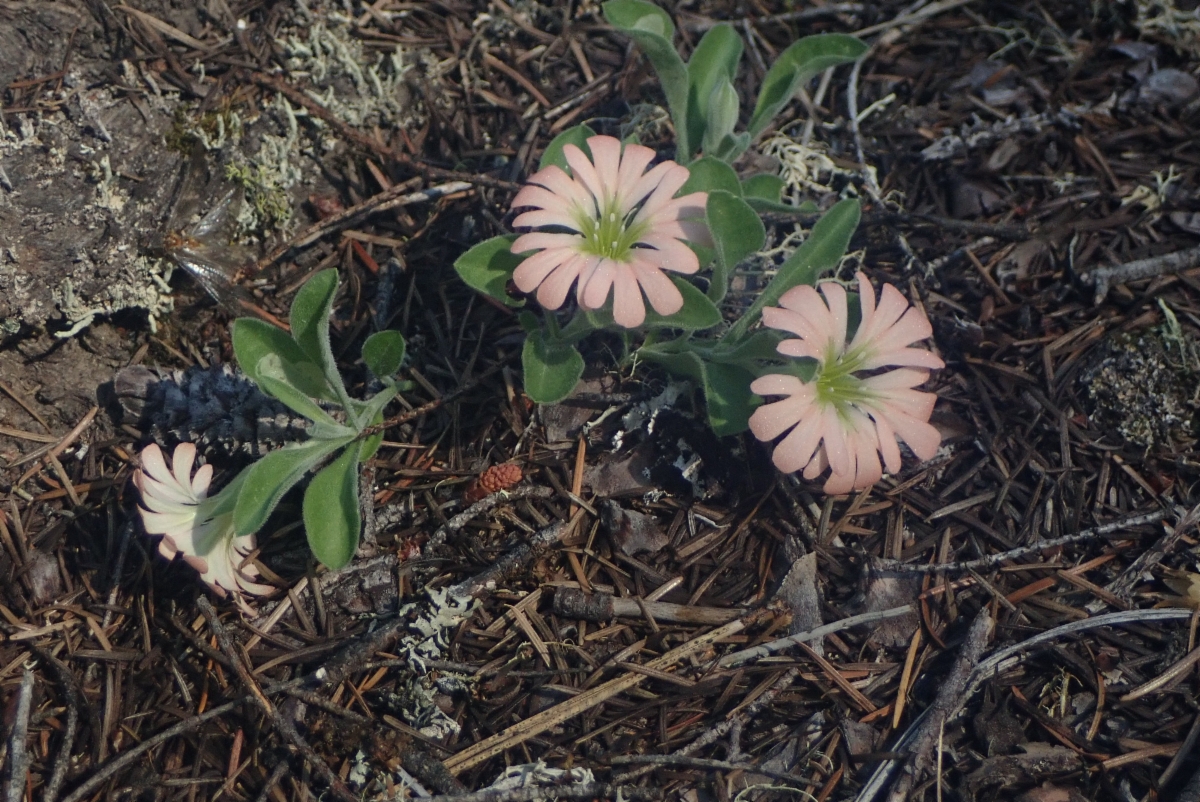
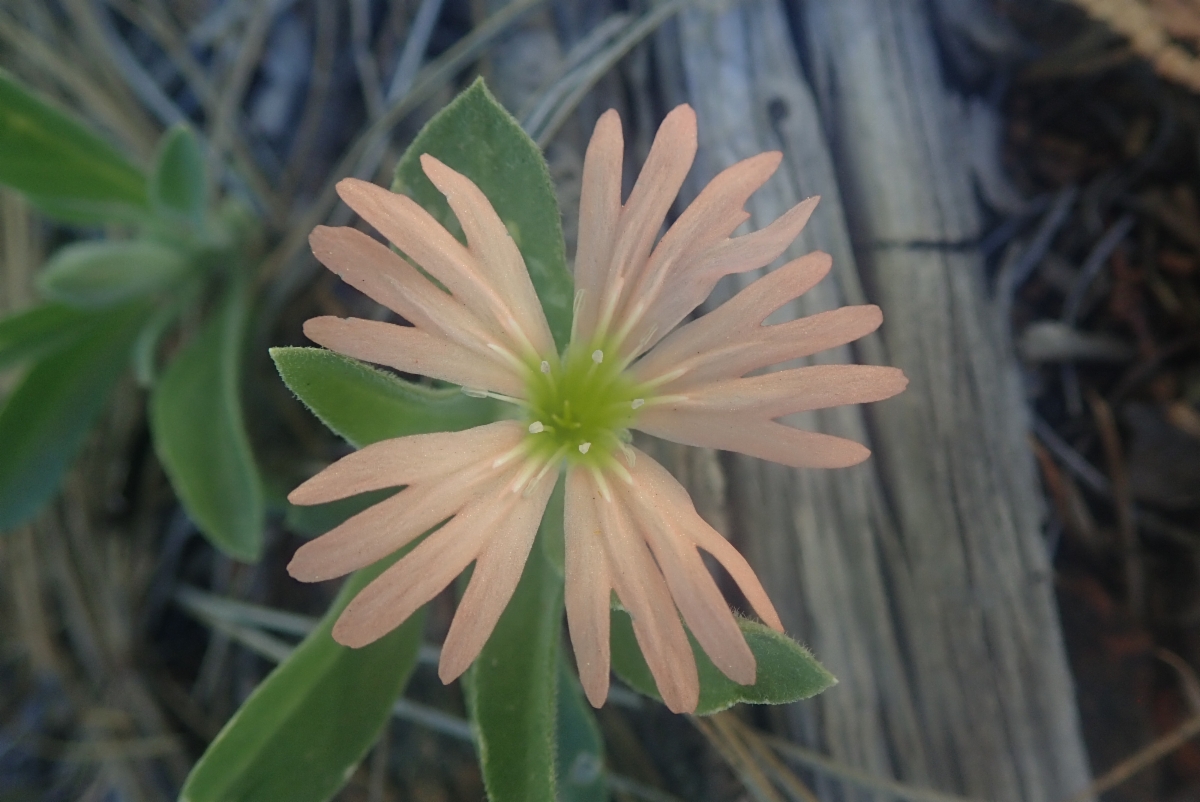
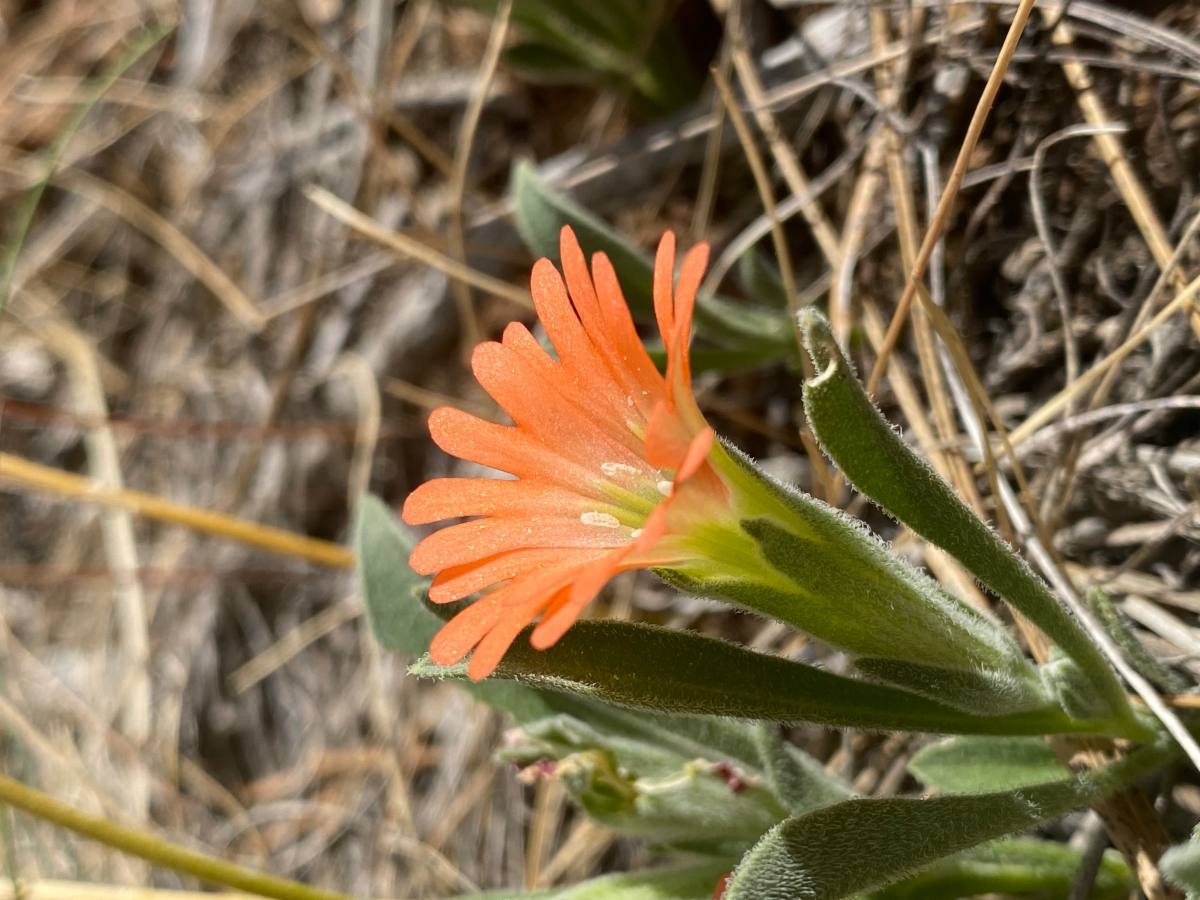
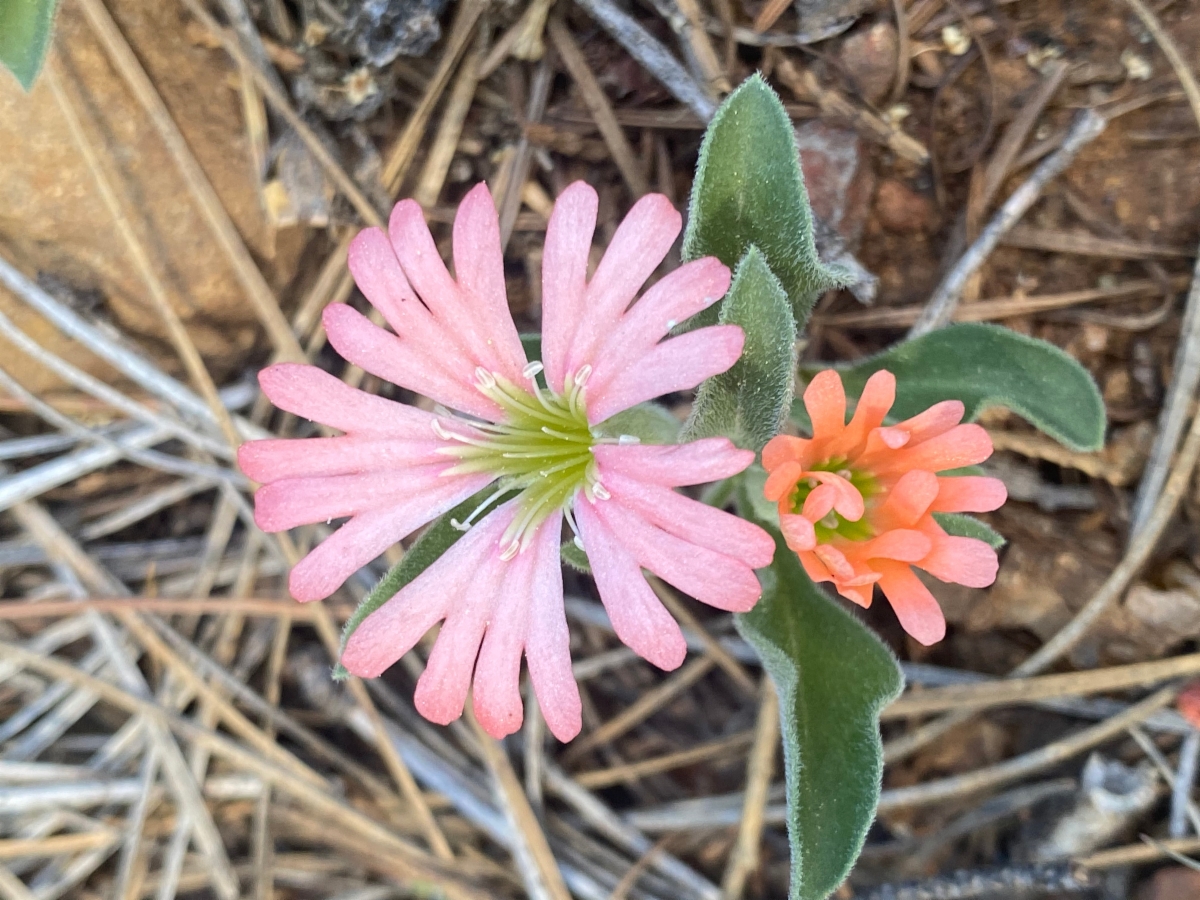
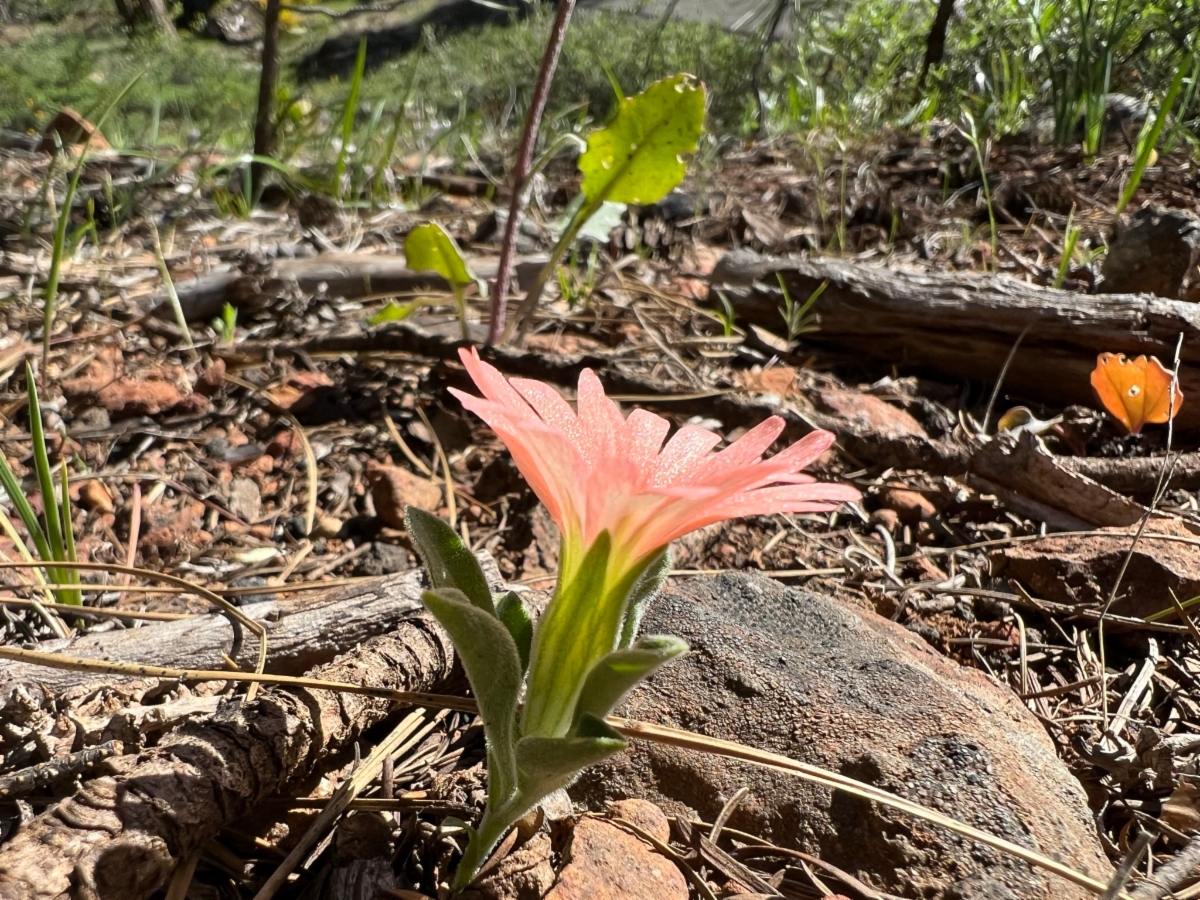
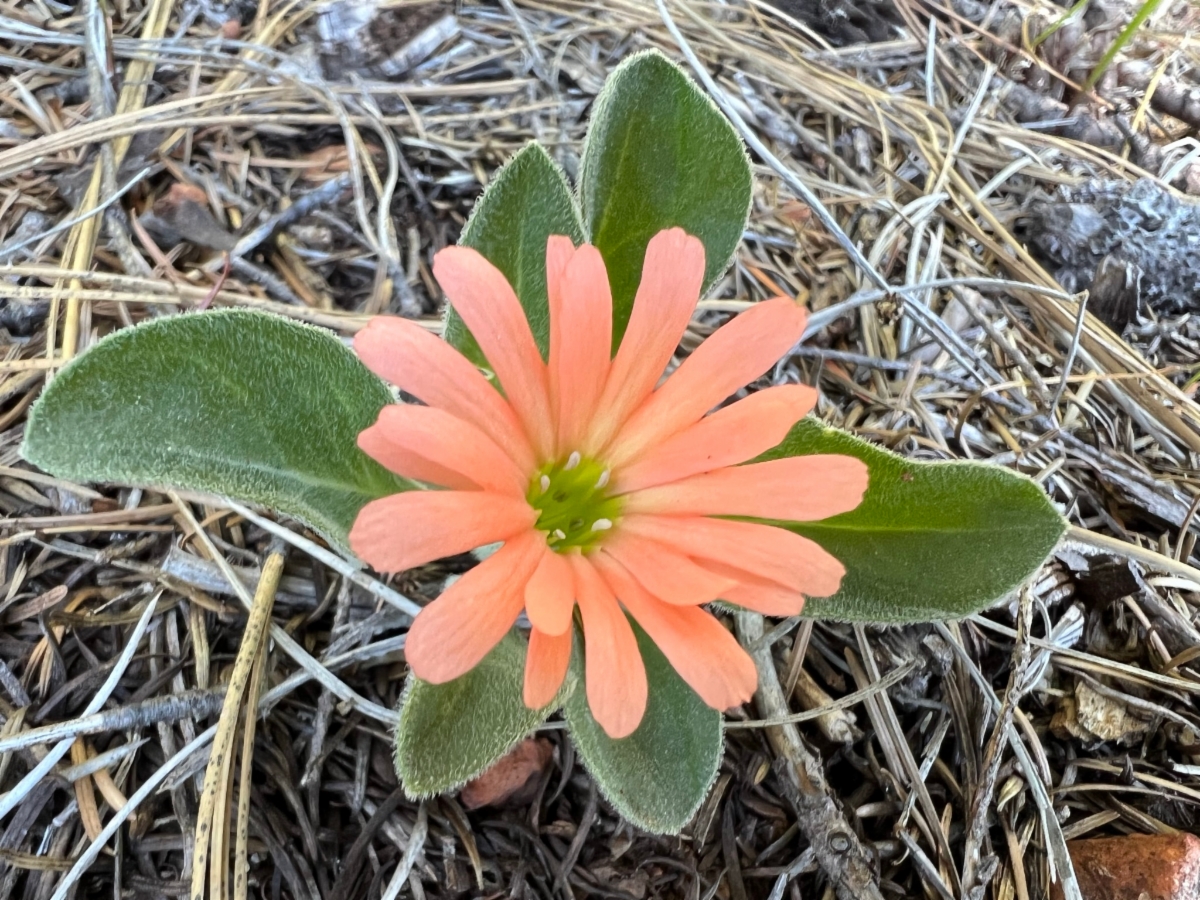
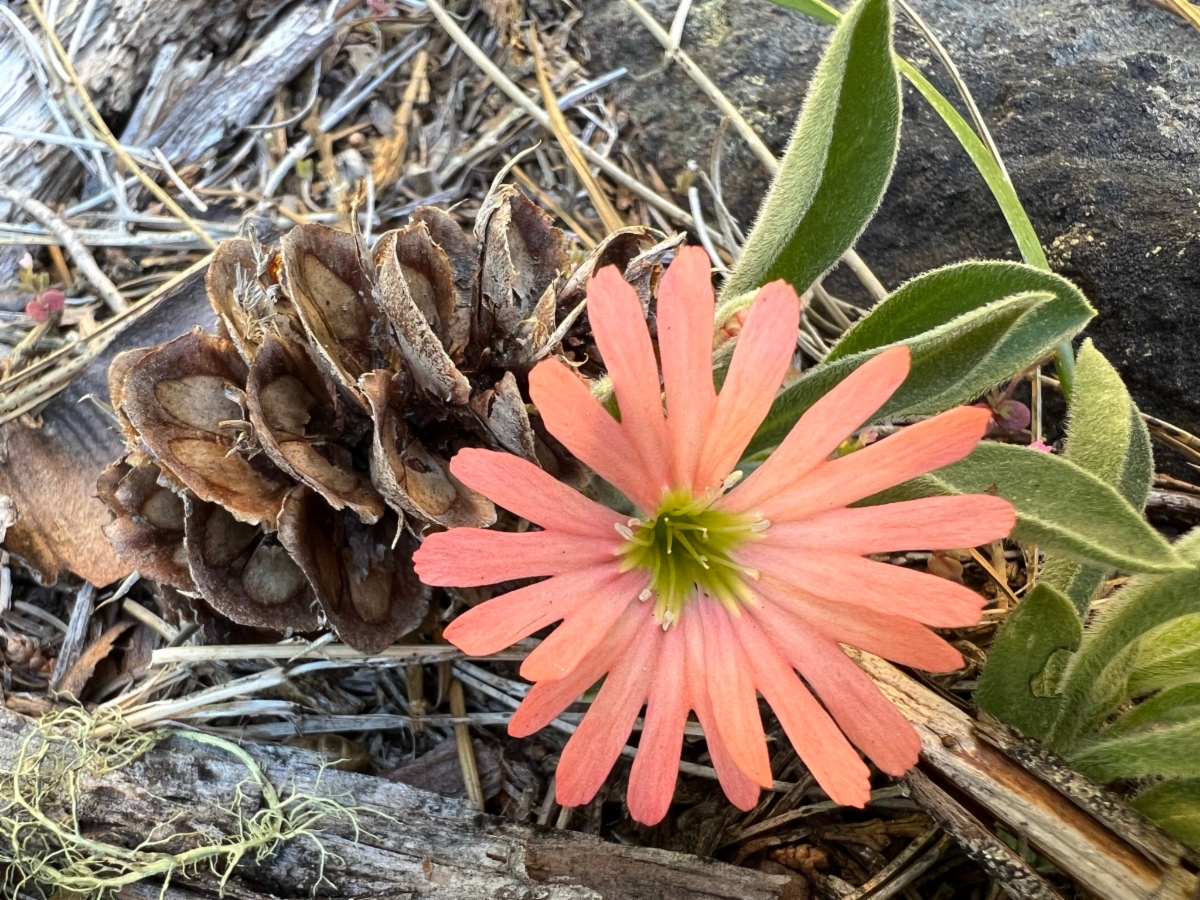
[Wikipedia] Rarity, Range, Description: Silene salmonacea is a rare, newly described species of flowering plant in the family Caryophyllaceae known by the common names Klamath Mountain catchfly[2] and salmon-flowered catchfly. It is known only from Trinity County, California, where it grows in the forests of the southern Klamath Mountains.[3] It is a member of the serpentine soils flora. It is a small perennial herb growing just a few centimeters tall. The spoon-shaped leaves are up to 3.5 centimeters long. The herbage is gray-green and lightly woolly in texture. Each flower has a tubular calyx of fused sepals lined with ten veins. There are five salmon pink petals, each with four lobes at the tip.
This plant occurs in six areas, two of which contain fewer than five individuals.[1] (link added by Mary Ann Machi)
Calflora:
Information on California plants for education, research and conservation,
with data contributed by
public and private institutions and individuals.
[web application]. 2024. Berkeley, California:The Calflora Database
[a non-profit organization].Available:
https://www.calflora.org/(Accessed: 07/26/2024).





 one or more occurrences