2019 Jacob Smith 2021 David Greenberger 2021 David Greenberger 2021 David Greenberger 2021 David Greenberger 2019 Jacob Smith 2019 Jacob Smith 2019 Jacob Smith 2019 Jacob Smith 2018 Steve Matson
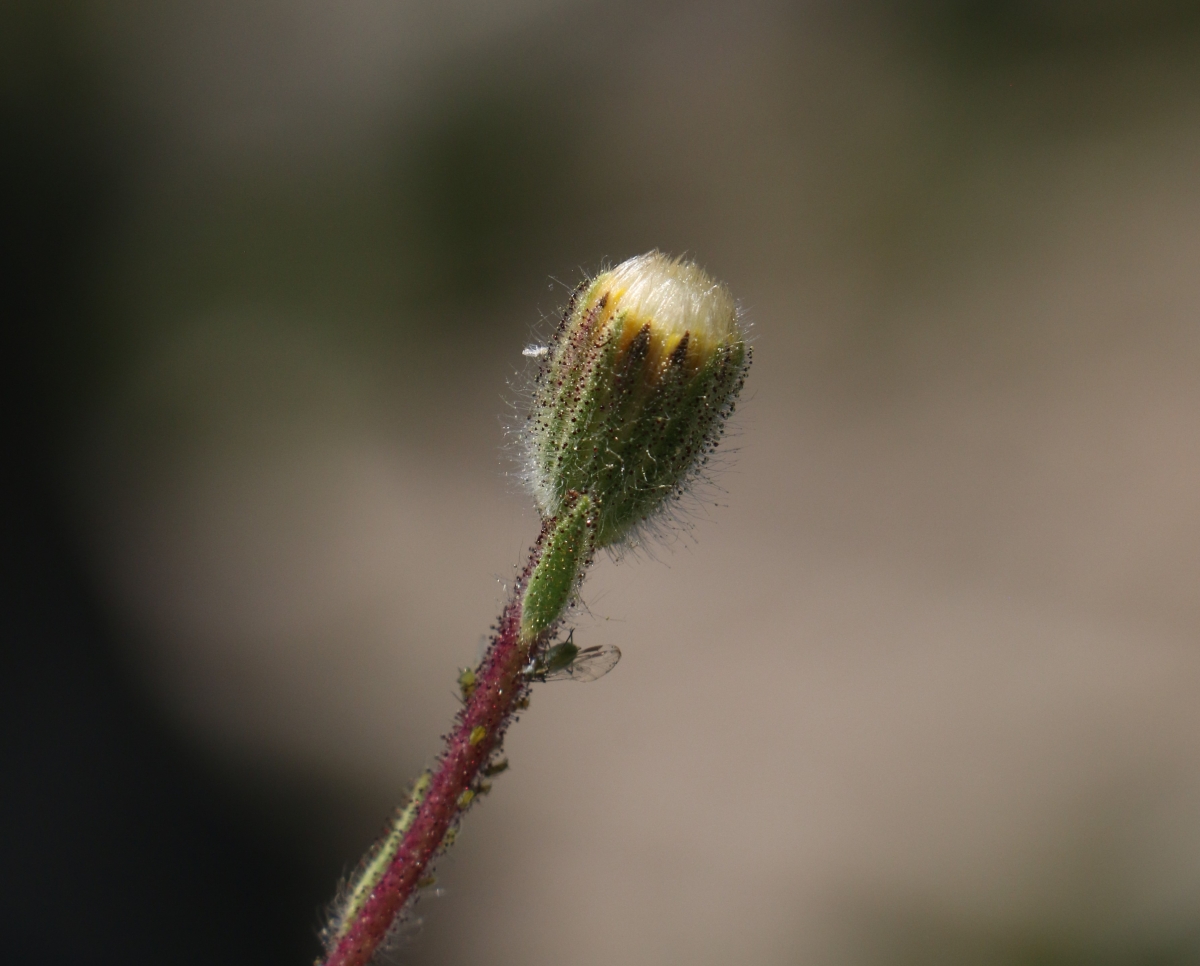
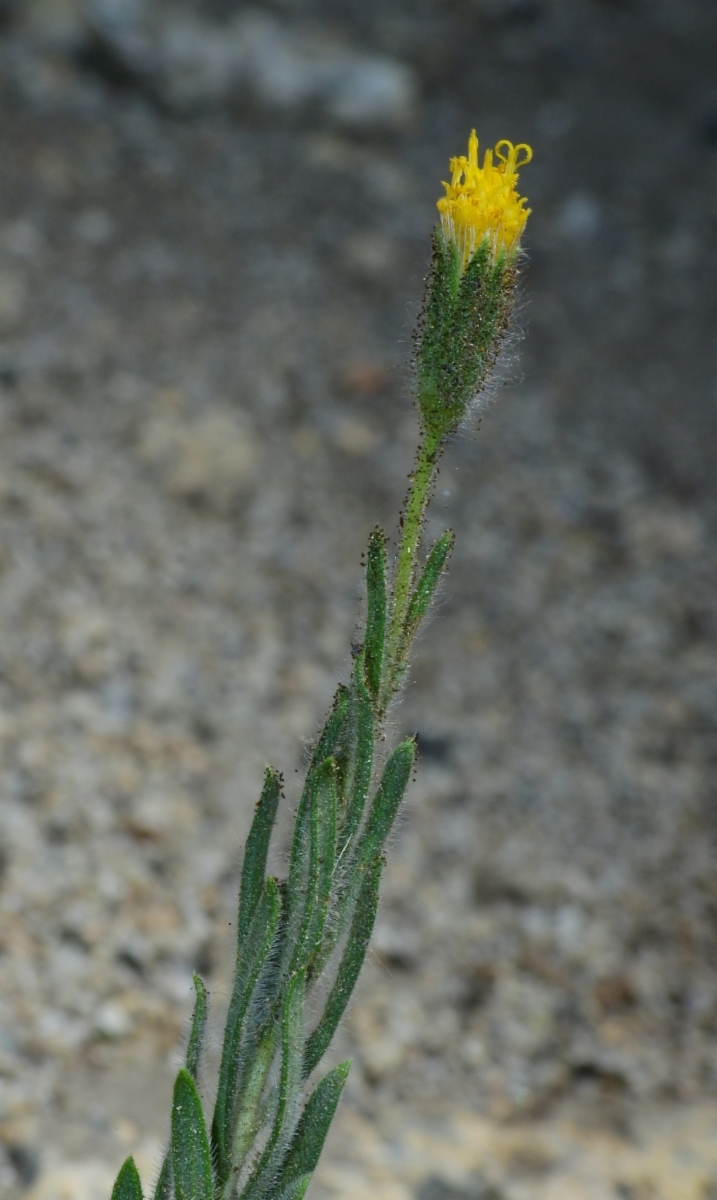
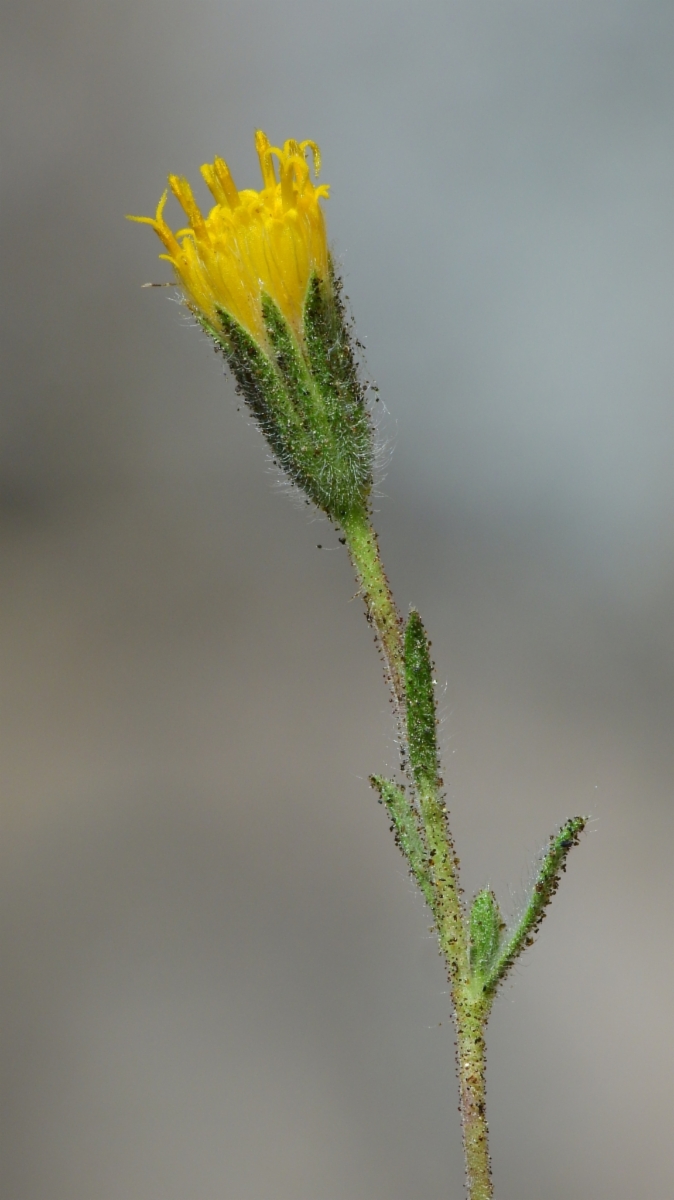
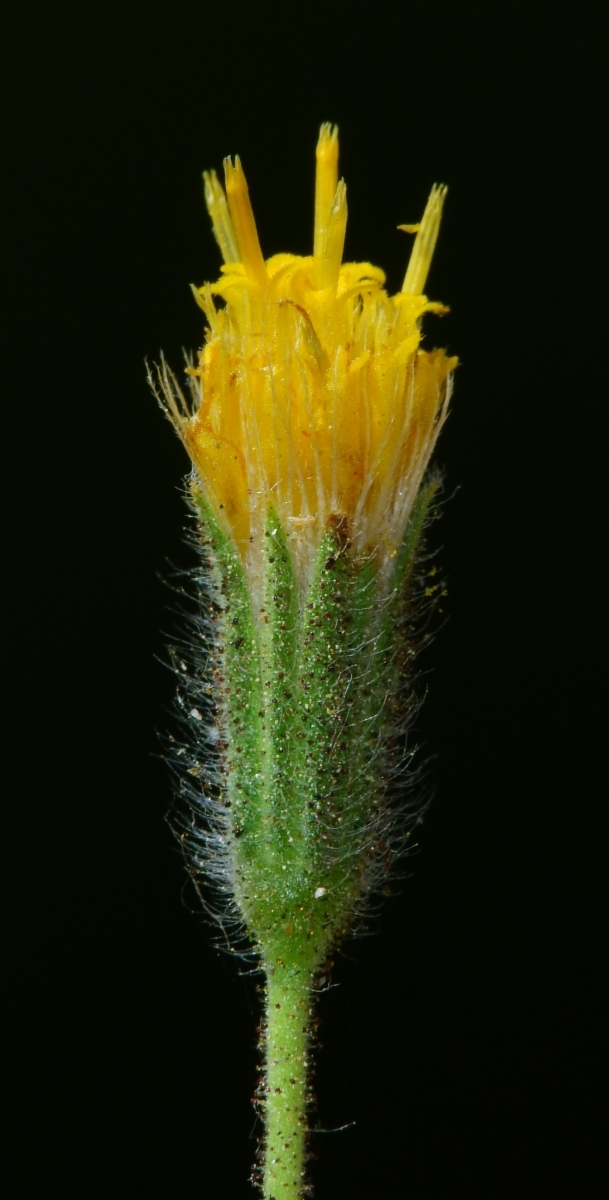
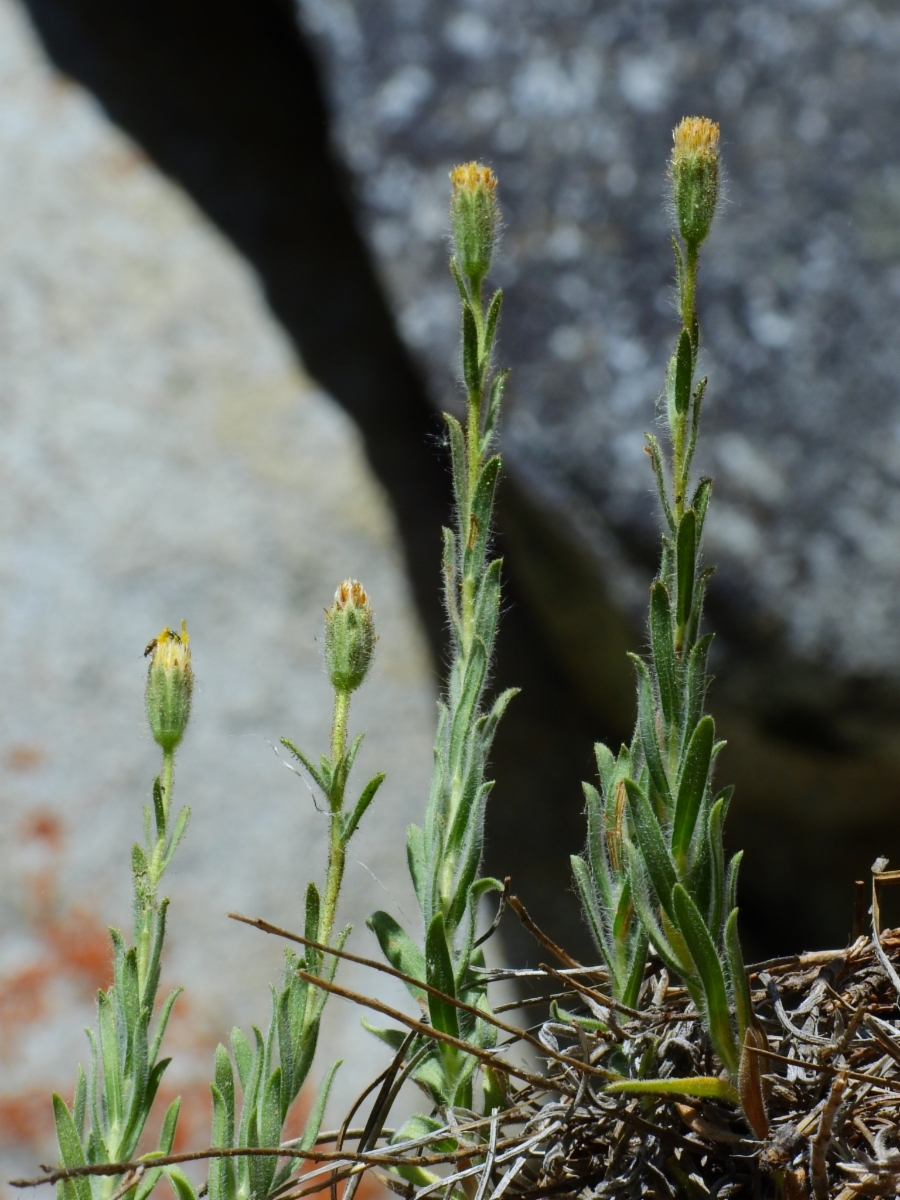
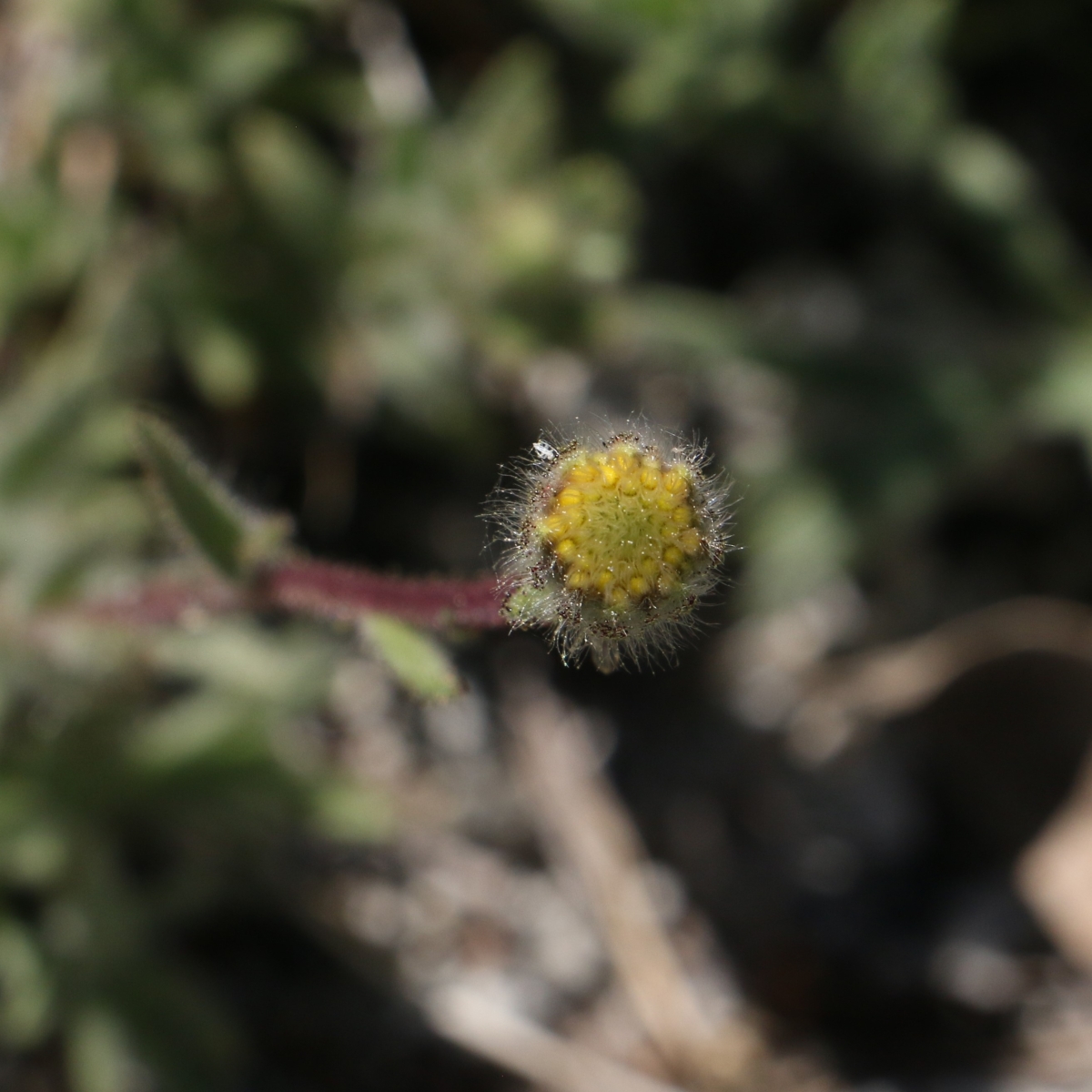
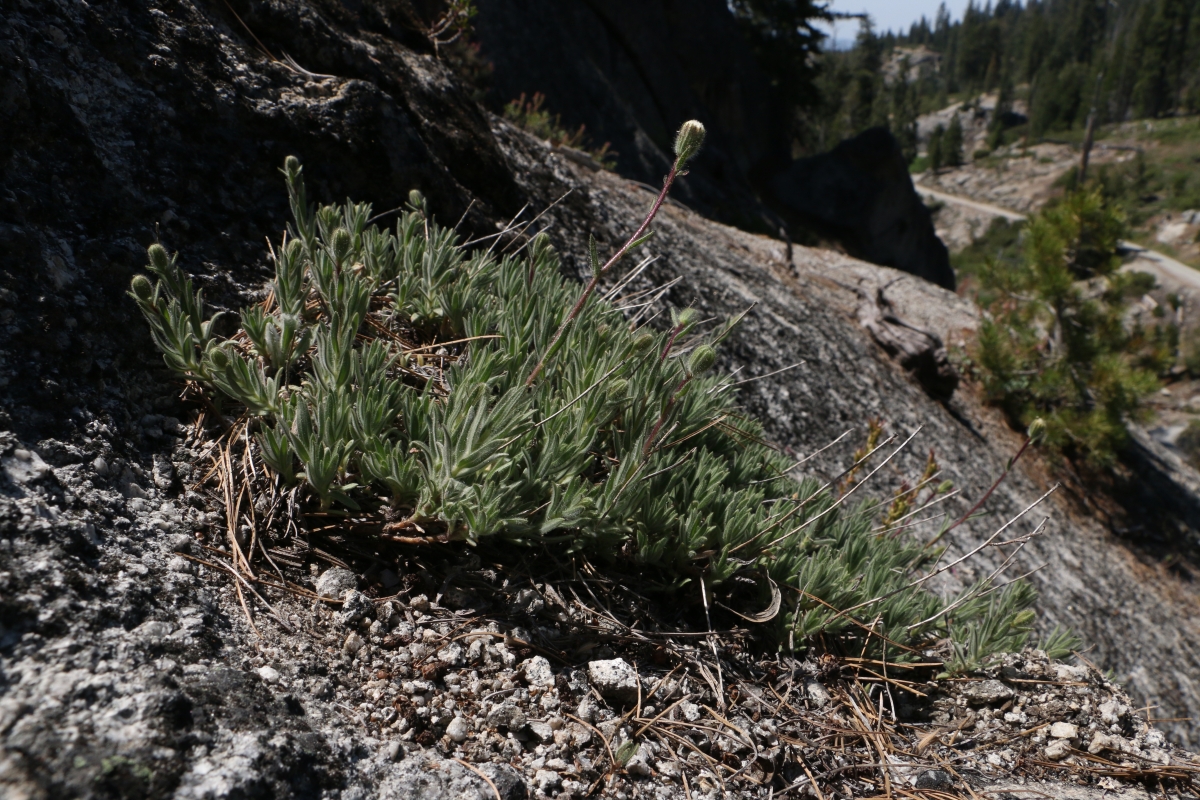
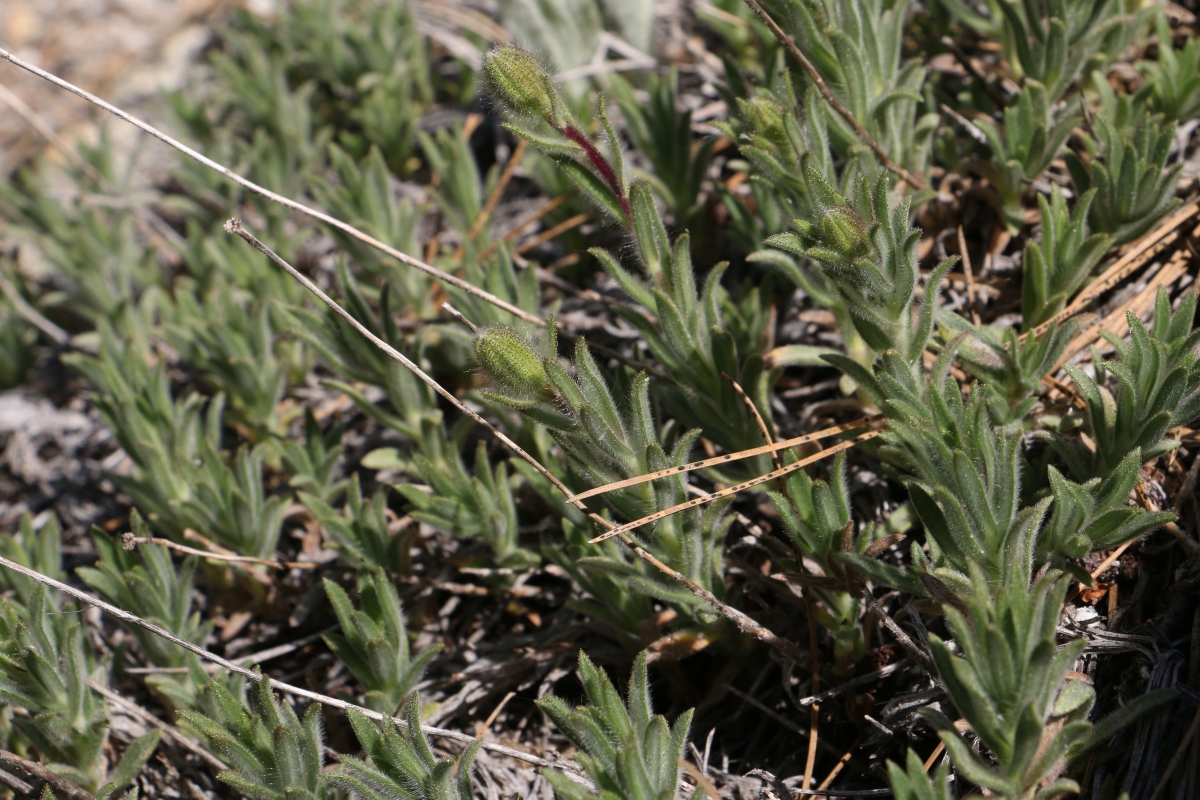
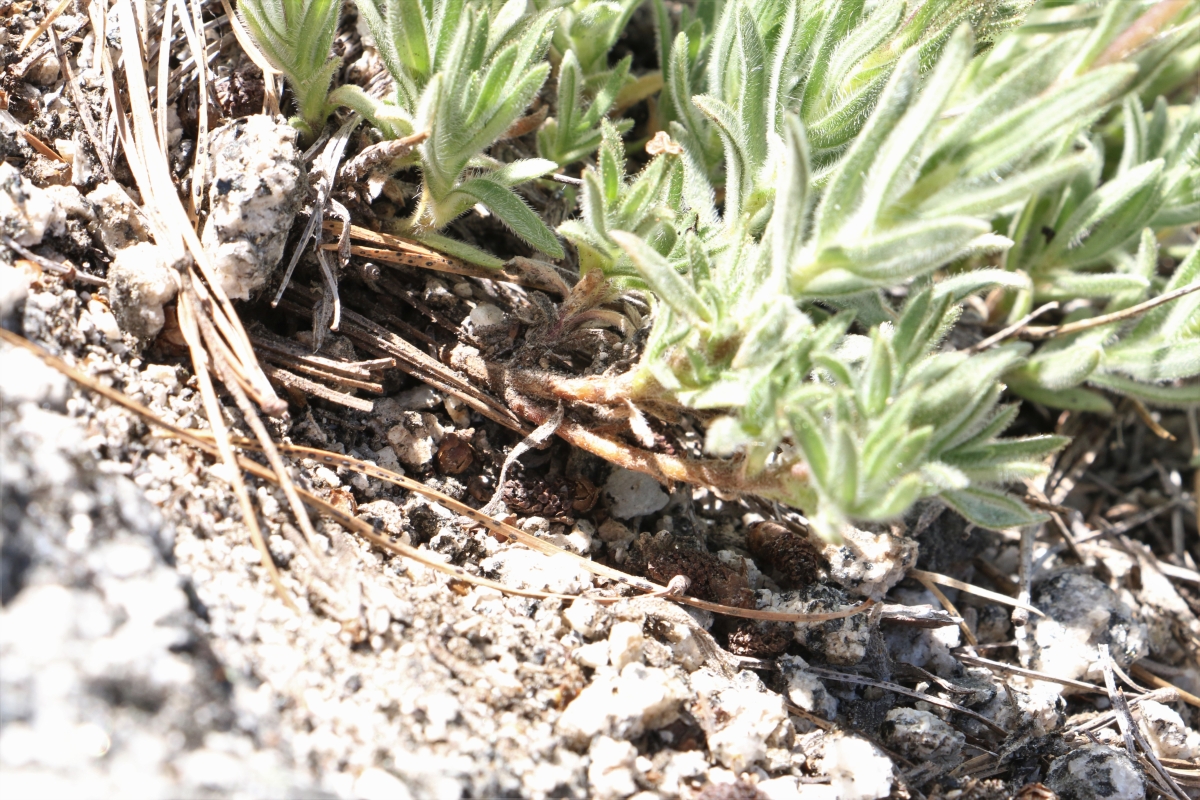
Carlquistia muirii is a perennial herb (rhizomatous) that is native to California, and endemic (limited) to California.
/app/up/entry/105/th/31533.jpg:!/app/up/entry/376/th/112800.jpg:!/app/up/entry/375/th/112798.jpg:!/app/up/entry/375/th/112799.jpg:!/app/up/entry/376/th/112801.jpg:!/app/up/entry/105/th/31534.jpg:!/app/up/entry/105/th/31541.jpg:!/app/up/entry/105/th/31542.jpg:!/app/up/entry/105/th/31535.jpg:!0000 0000 0718 0389:!
2019 Jacob Smith:!2021 David Greenberger:!2021 David Greenberger:!2021 David Greenberger:!2021 David Greenberger:!2019 Jacob Smith:!2019 Jacob Smith:!2019 Jacob Smith:!2019 Jacob Smith:!2018 Steve Matson:!
po137789:!wb2407-839:!wb2407-839:!wb2407-839:!wb2407-839:!po137789:!po137789:!po137789:!po137789:!null:!
Suggested Citation
Calflora:
Information on California plants for education, research and conservation,
with data contributed by
public and private institutions and individuals.
[web application]. 2024. Berkeley, California:The Calflora Database
[a non-profit organization].Available:
https://www.calflora.org/(Accessed: 07/26/2024).



 one or more occurrences