2015 ken moore 2019 Cynthia Powell 2015 Ellen Uhler 2016 David Greenberger 2020 James McDonough 2020 David Greenberger 2006 Dr. Amadej Trnkoczy 2023 Maria Alvarez 2016 David Greenberger 2006 Dr. Amadej Trnkoczy
Clematis vitalba is a vine that is not native to California.
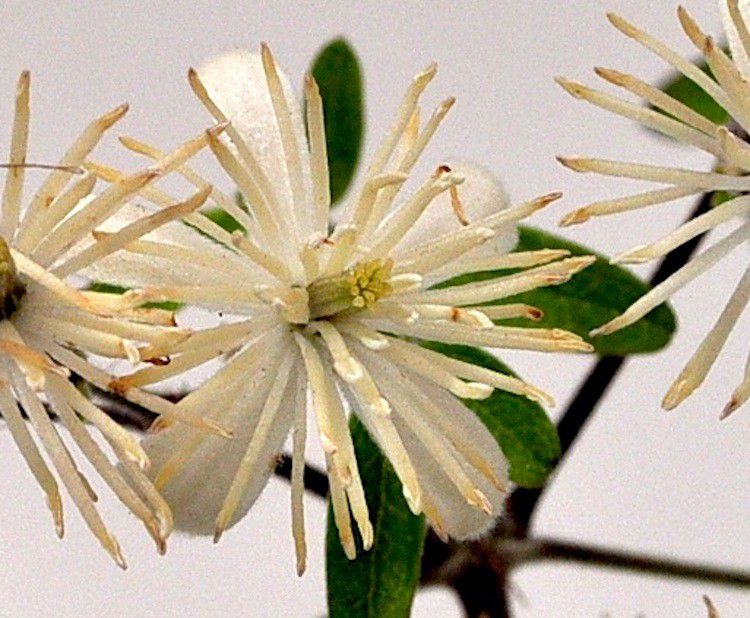
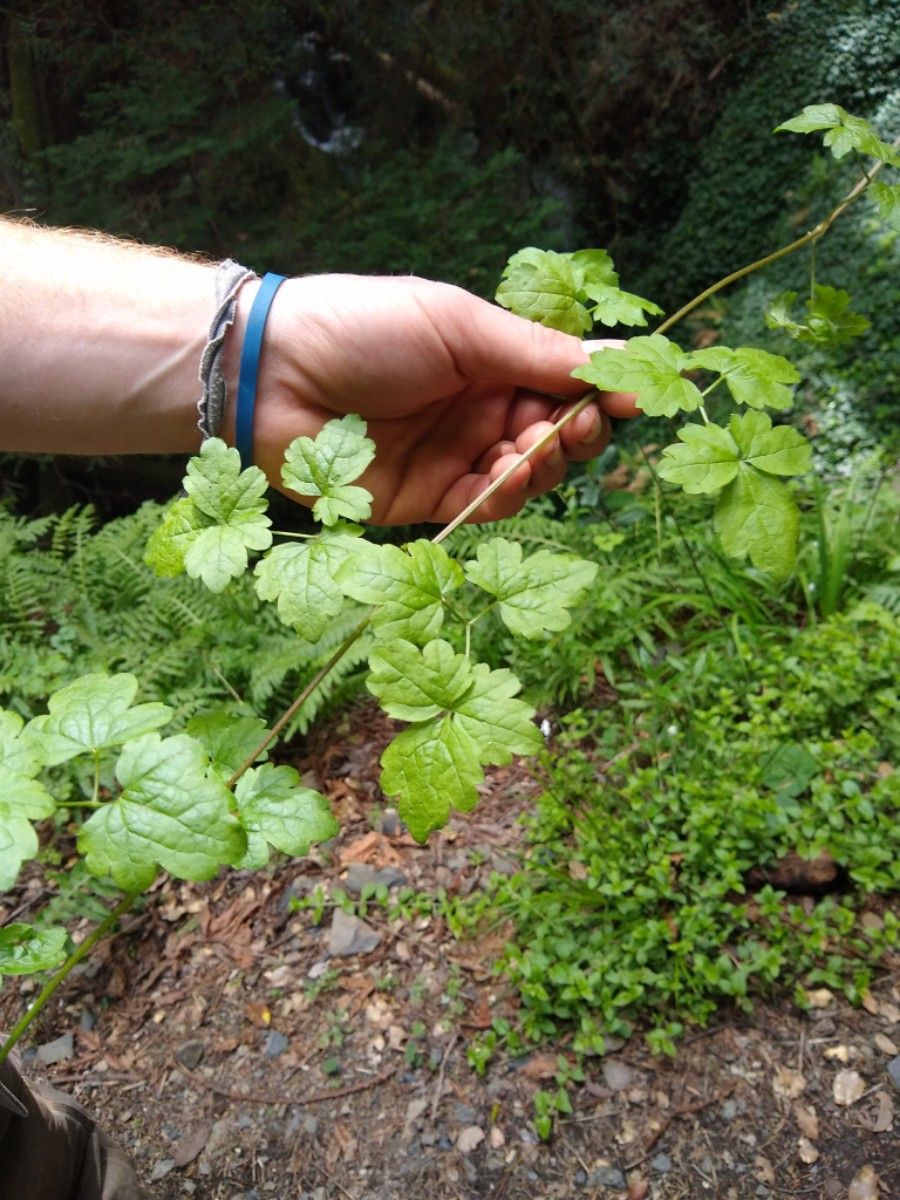
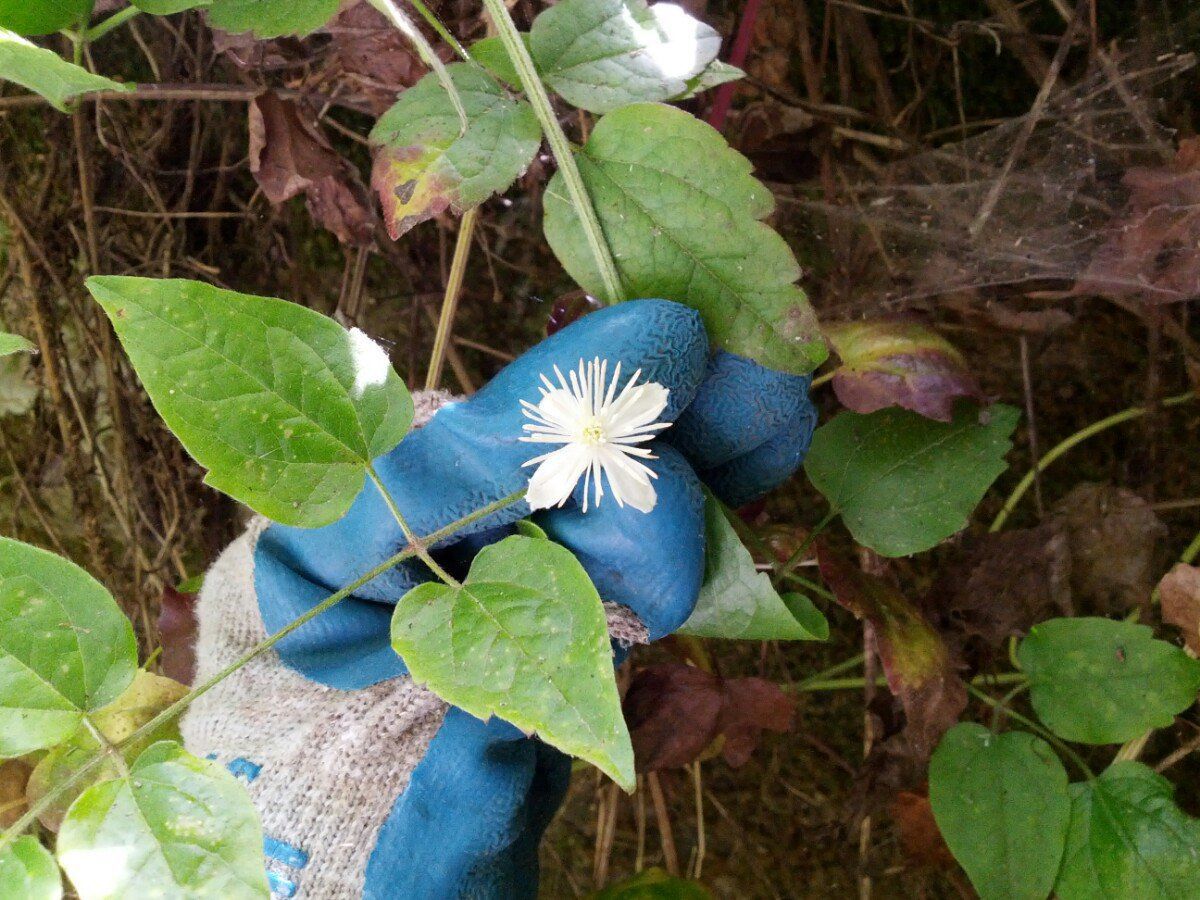
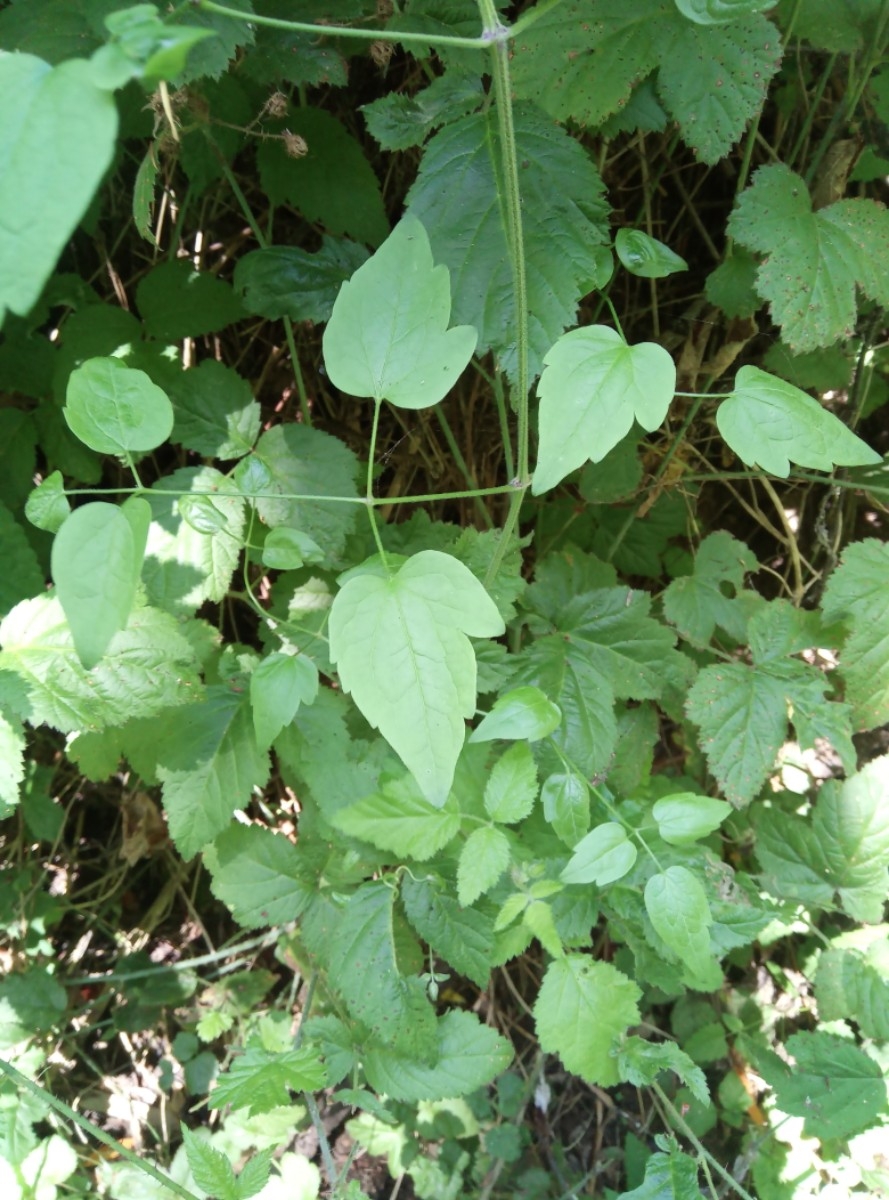
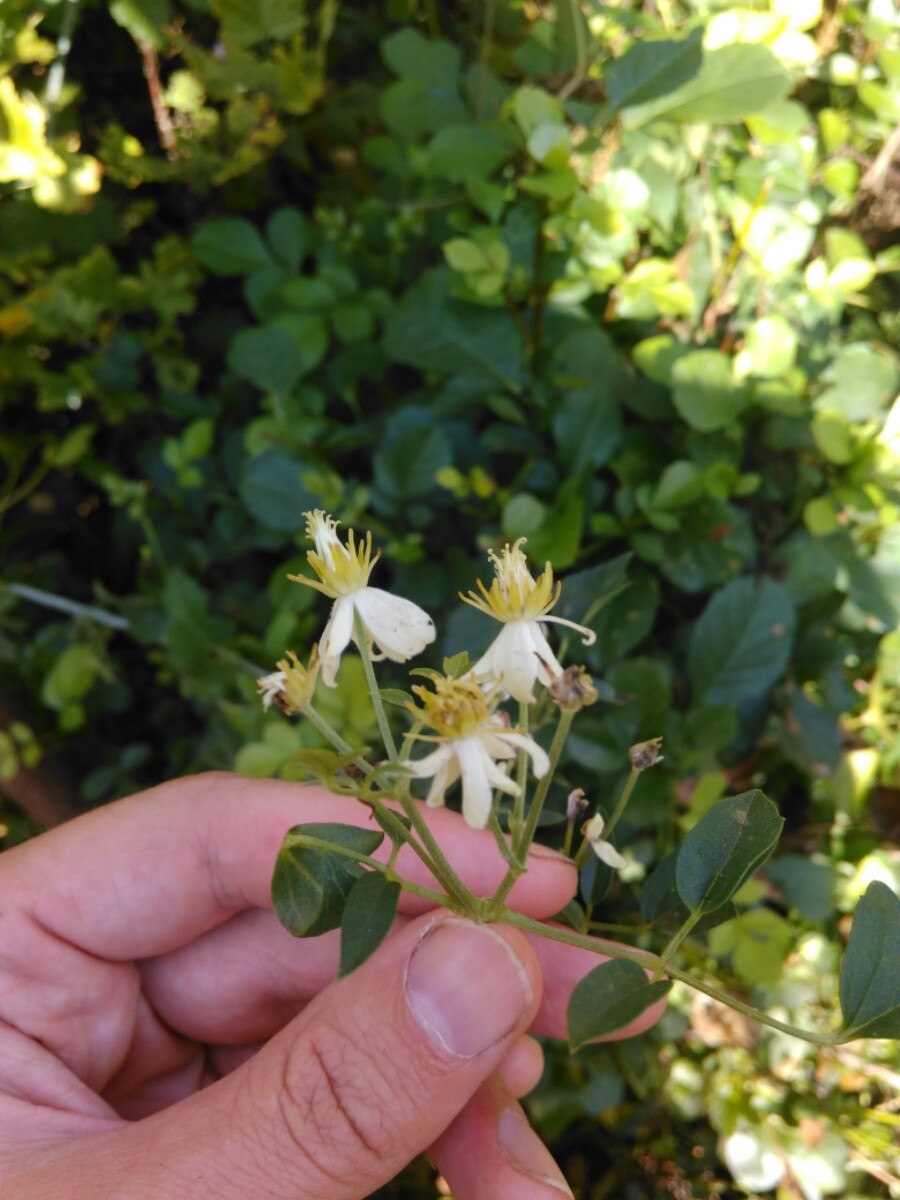
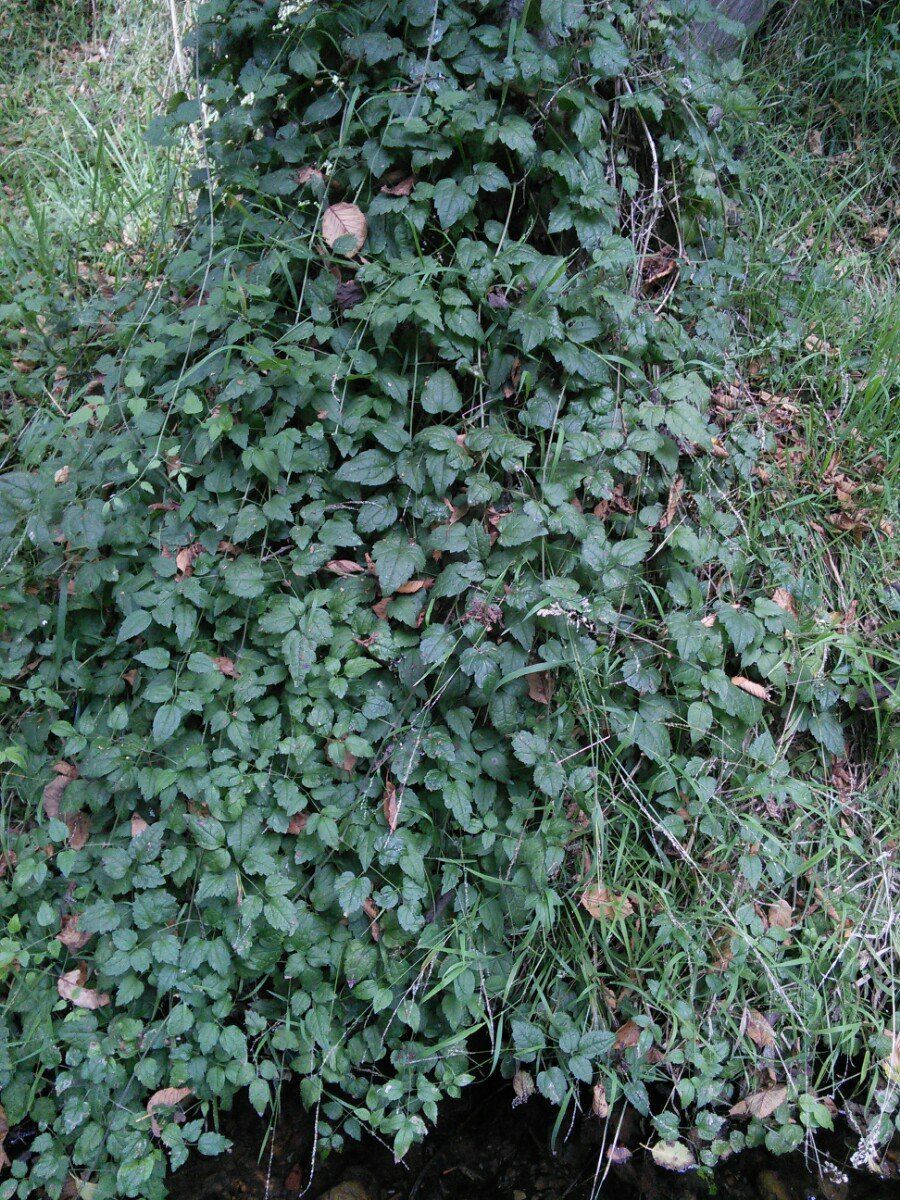
[Cal-IPC] Invasiveness alert: Clematis vitalba (old mans beard) is a vine (family Ranunculaceae) with white flowers and oval-shaped leaves found in the central coast ranges of California. It is native to the United Kingdom. It favors forests and woodlands. It spreads via seeds and roots. Means of dispersal include water, wind, humans and animals.
Cal-IPC Rating: Moderate Alert (link added by Mary Ann Machi)
[your.kingcounty.gov] Europe, Africa, southwest Asia native: Impacts and History
Old mans beard smothers trees, causing them to
weaken, then to collapse.
Fast growing, new shoots can grow at least 6 feet
per year, older plants 30 feet per year.
Reduces biodiversity in the understory by blocking light and outcompeting native plants and tree seedlings.
Increases fire hazards.
Toxic if ingested and causes severe dermatological
reactions in some people.
Native to Europe, Africa and southwest Asia.
Ornamental escapee in Washington, first introduced to San Juan County in 1904. Was introduced to New Zealand in 1922, had spread by 1935 and is now considered naturalized and very difficult to control there. (link added by Mary Ann Machi)
/app/up/mg/12/th/3717.jpg:!/app/up/mg/275/th/mg82556-0.jpg:!/app/up/mg/65/th/mg19612-1.jpg:!/app/up/mg/98/th/mg29691-1.jpg:!/app/up/mg/388/th/mg116647-0.jpg:!/app/up/mg/402/th/mg120694-0.jpg:!0000 0000 1106 0766:!/app/up/io/377/th/io113222-0.jpg:!/app/up/mg/112/th/mg33635-0.jpg:!0000 0000 1106 0769:!
2015 ken moore:!2019 Cynthia Powell:!2015 Ellen Uhler:!2016 David Greenberger:!2020 James McDonough:!2020 David Greenberger:!2006 Dr. Amadej Trnkoczy:!2023 Maria Alvarez:!2016 David Greenberger:!2006 Dr. Amadej Trnkoczy:!
po862:!mg82556:!mg19612:!mg29691:!mg116647:!mg120694:!null:!io113222:!mg33635:!null:!
Suggested Citation
Calflora:
Information on California plants for education, research and conservation,
with data contributed by
public and private institutions and individuals.
[web application]. 2024. Berkeley, California:The Calflora Database
[a non-profit organization].Available:
https://www.calflora.org/(Accessed: 10/23/2024).





 one or more occurrences