Calflora Taxon Report
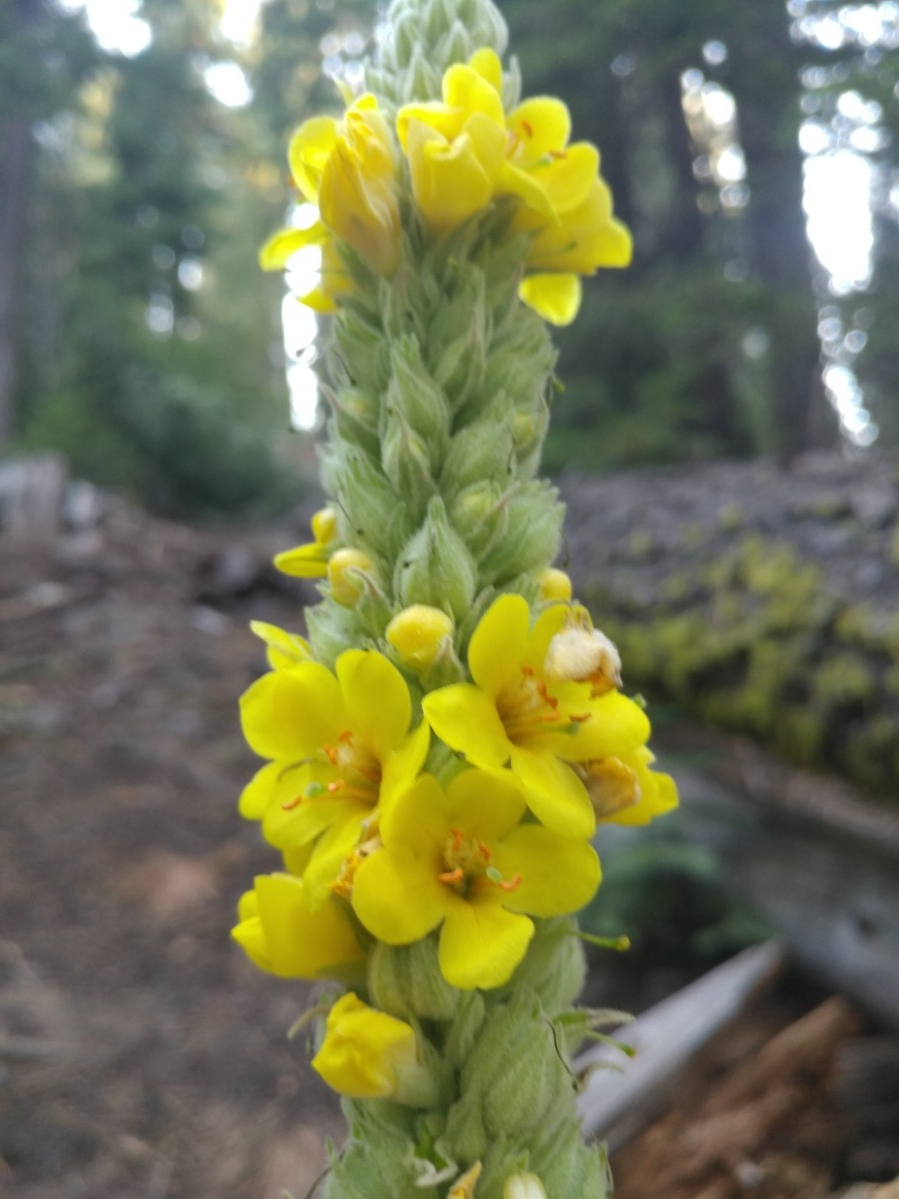
Verbascum thapsus  L.
Common mullein, Woolly mullein
photo on Calflora
2021 R.A. Chasey
photo on Calflora
2020 Kim Cabrera
photo on Calflora
2016 Cynthia Powell
photo on Calflora
2023 Ron Vanderhoff
photo on Calflora
2021 Joy England
photo on Calflora
2018 Paul Gipe
photo on Calflora
2019 Marisa Persaud
photo on Calflora
2019 Marisa Persaud
photo on Calflora
2020 David popp
photo on Calflora
2020 Anthony Southwood
photo on Calflora
2021 David popp
photo on Calflora
2021 Ecological Concerns Inc
photo on Calflora
2016 Cynthia Powell
photo on Calflora
2019 Zachary Snider
photo on Calflora
2019 Zachary Snider
photo on Calflora
2020 Chico Hiking Association
photo on Calflora
2023 Bob Sweatt
photo on Calflora
2023 Alaine Arslan
photo on Calflora
2024 Alaine Arslan
photo on Calflora
2024 Alaine Arslan
photo on Calflora
2024 Julie A. Kierstead
photo on Calflora
2024 Julie A. Kierstead
photo on Calflora
2023 Ron Vanderhoff
photo on Calflora
2023 Ron Vanderhoff
photo on Calflora
2022 David popp
Verbascum thapsus is a perennial herb that is not native to California.
Cal-IPC rating: limited
Siskiyou Del Norte Modoc Humboldt Shasta Lassen Trinity Plumas Tehama Butte Mendocino Glenn Sierra Yuba Lake Nevada Colusa Placer Sutter El Dorado Yolo Alpine Napa Sonoma Sacramento Mono Amador Solano Calaveras Tuolumne San Joaquin Marin Contra Costa Alameda Santa Cruz Mariposa Madera San Francisco San Mateo Merced Fresno Stanislaus Santa Clara Inyo San Benito Tulare Kings Monterey San Bernardino San Luis Obispo Kern Santa Barbara Ventura Los Angeles Riverside Orange San Diego Imperial
DJJJASONAFMM

Bloom Period
Genus: Verbascum
Family: Scrophulariaceae  
Category: angiosperm  
PLANTS group:Dicot
Jepson eFlora section: eudicot
Wetlands: Occurs usually in non wetlands, occasionally in wetlands

Habitat: disturbed

Communities: weed, characteristic of disturbed places

Name Status:
Accepted by JEF + PLANTS + POWO
External links:

[Wikipedia] Importation, Spread: In the United States, it was imported very early in the 18th century and cultivated for its medicinal and piscicide properties. By 1818, it had begun spreading so much that Amos Eaton thought it was a native plant. In 1839, it was already reported in Michigan and in 1876, in California. It is now found commonly in all the states. (link added by Mary Ann Machi)

Suggested Citation
“Calflora - Taxon Report.” The Calflora Database, a non-profit organization. .

Accessed: