Devil's blacksnakeroot, Diablo sanicle, Rock sanicle
2015 Ken Hickman 2021 R.A. Chasey 2023 R.A. Chasey 2023 R.A. Chasey 2023 R.A. Chasey 2023 R.A. Chasey 1995 Saint Mary's College of California 2021 R.A. Chasey 2023 R.A. Chasey 2023 R.A. Chasey 1998 John Game
Sanicula saxatilis is a perennial herb that is native to California, and endemic (limited) to California.
California Rare Plant Rank: 1B.2 (rare, threatened, or endangered in CA and elsewhere).
State of California status: Rare.
[Wikipedia] Distribution, Description, Rarity: Sanicula saxatilis is a rare species of flowering plant in the parsley family known by the common names devil's blacksnakeroot[2] and rock sanicle.
Distribution
It is endemic to the eastern San Francisco Bay Area of California. It is known only from Mount Diablo and Mount Hamilton, both in the Diablo Range.
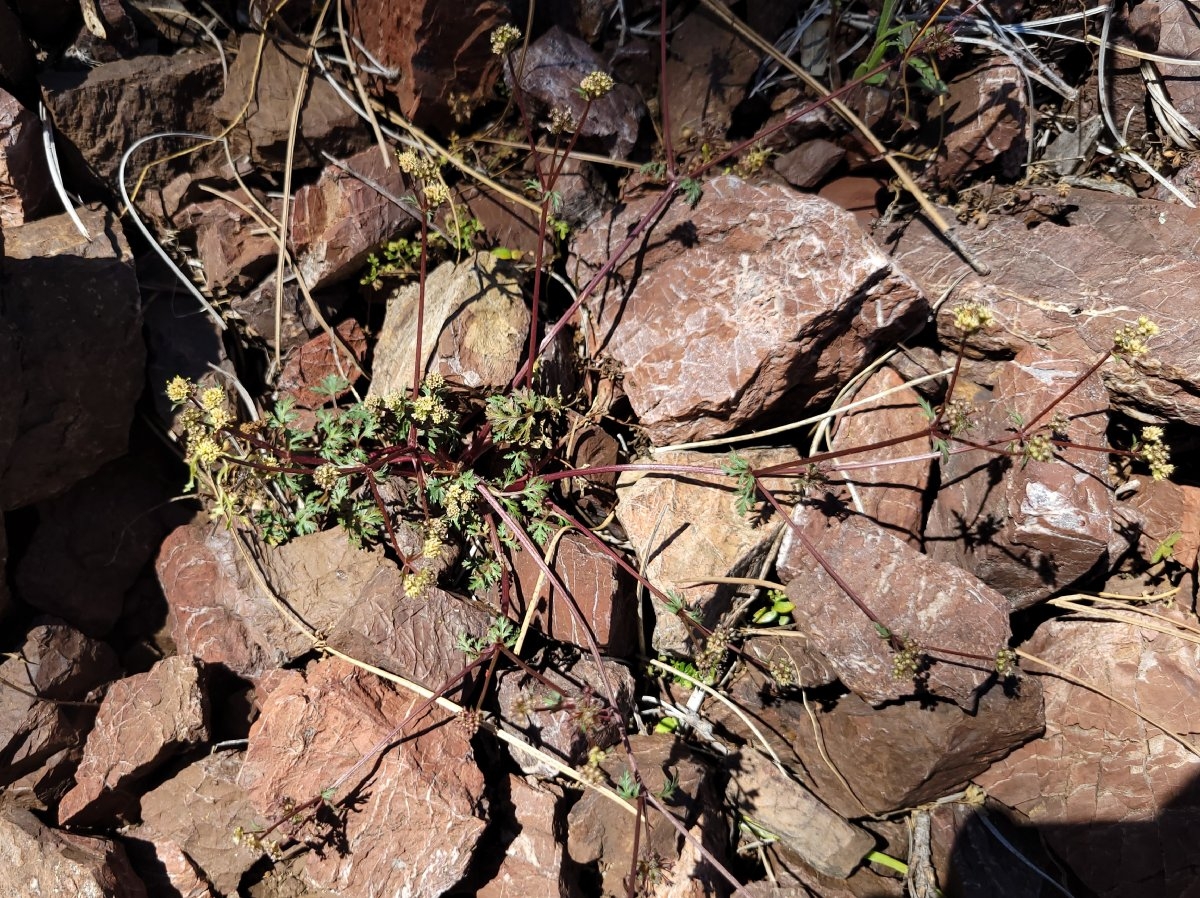
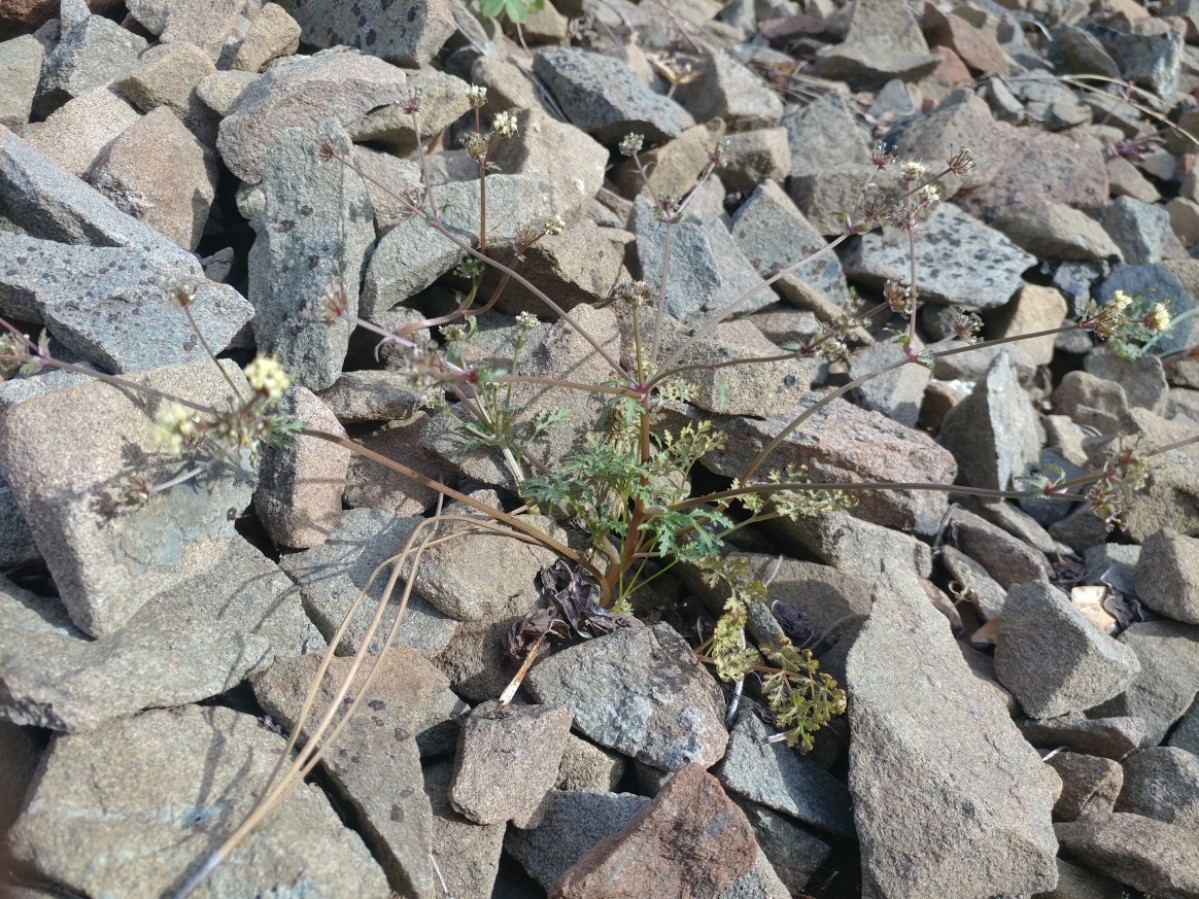
Its habitat is mostly rocky chaparral slopes and talus. Although it is rare, most occurrences are in remote mountainous locales that are relatively safe from disturbance.[1]
Description
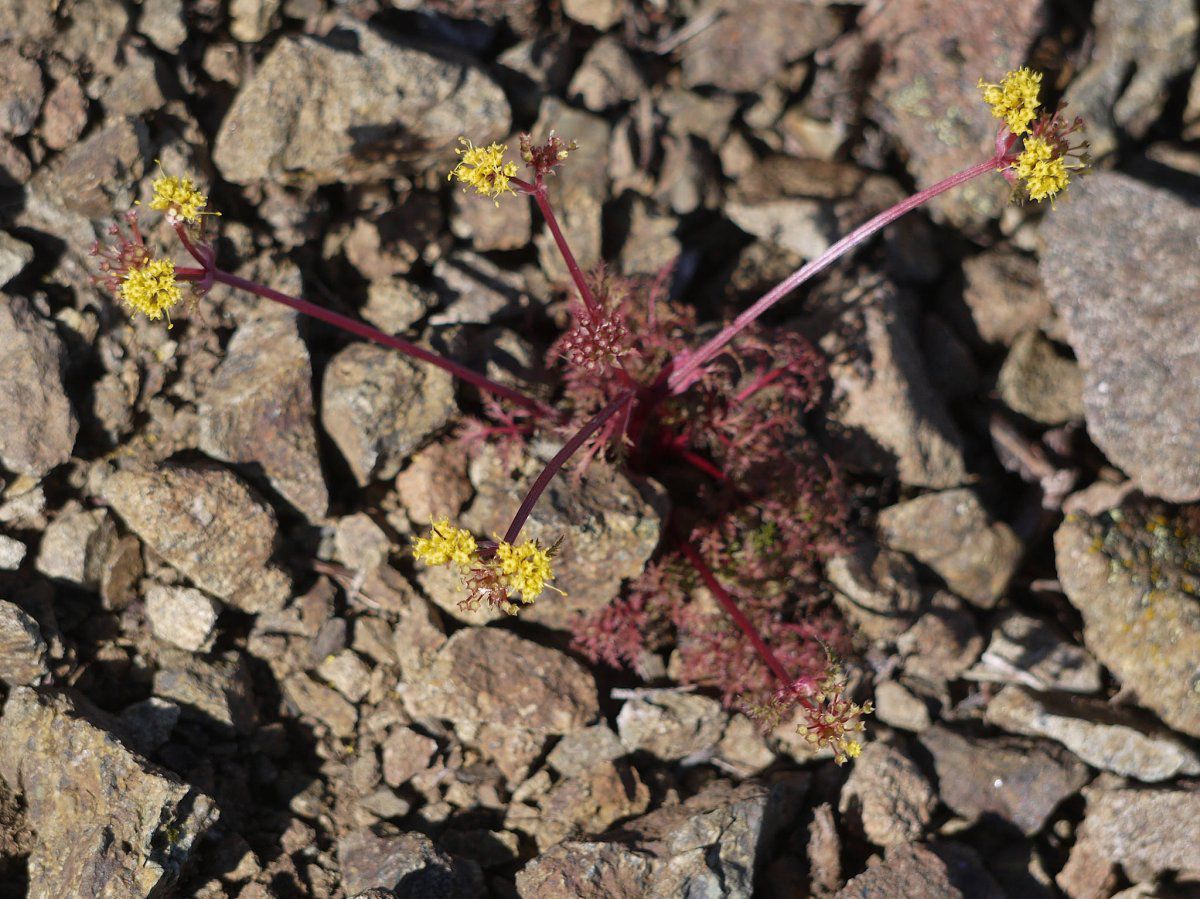
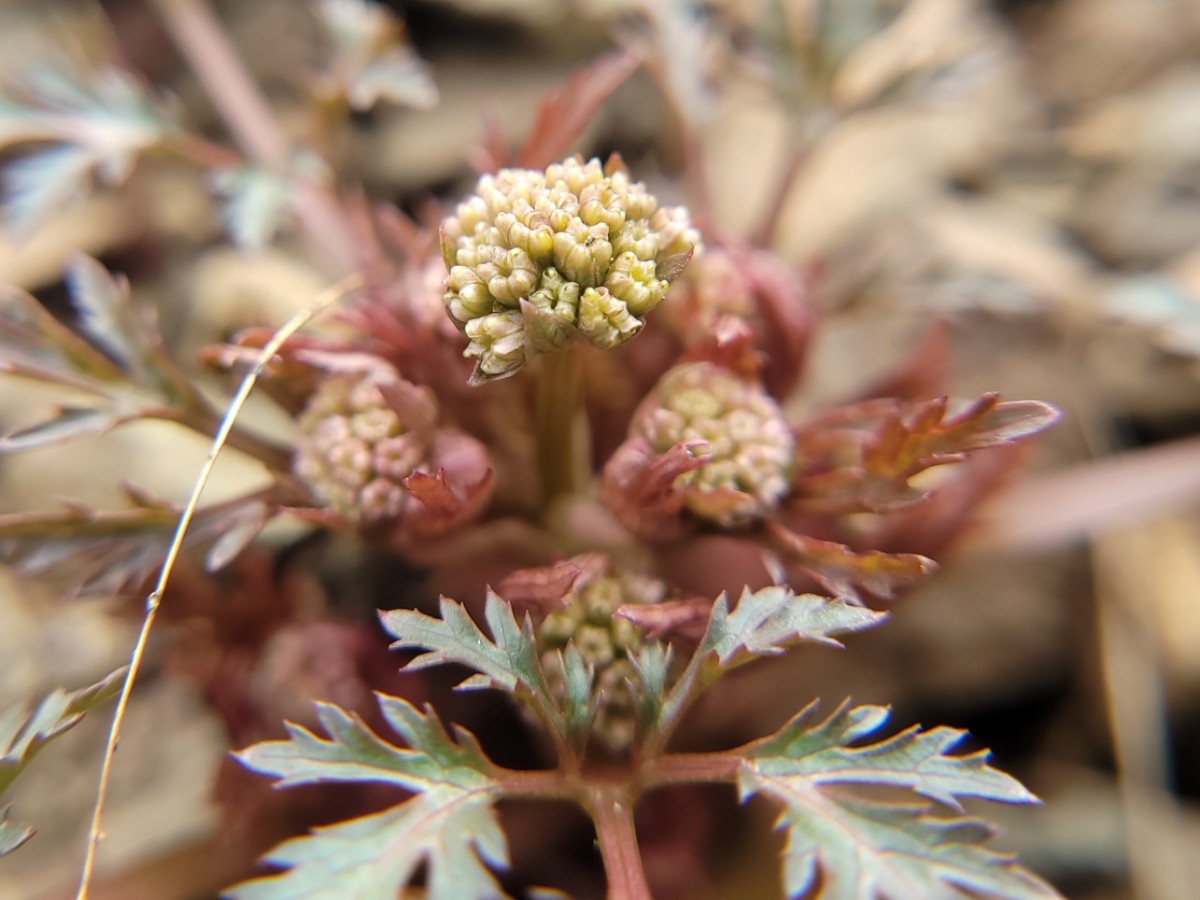
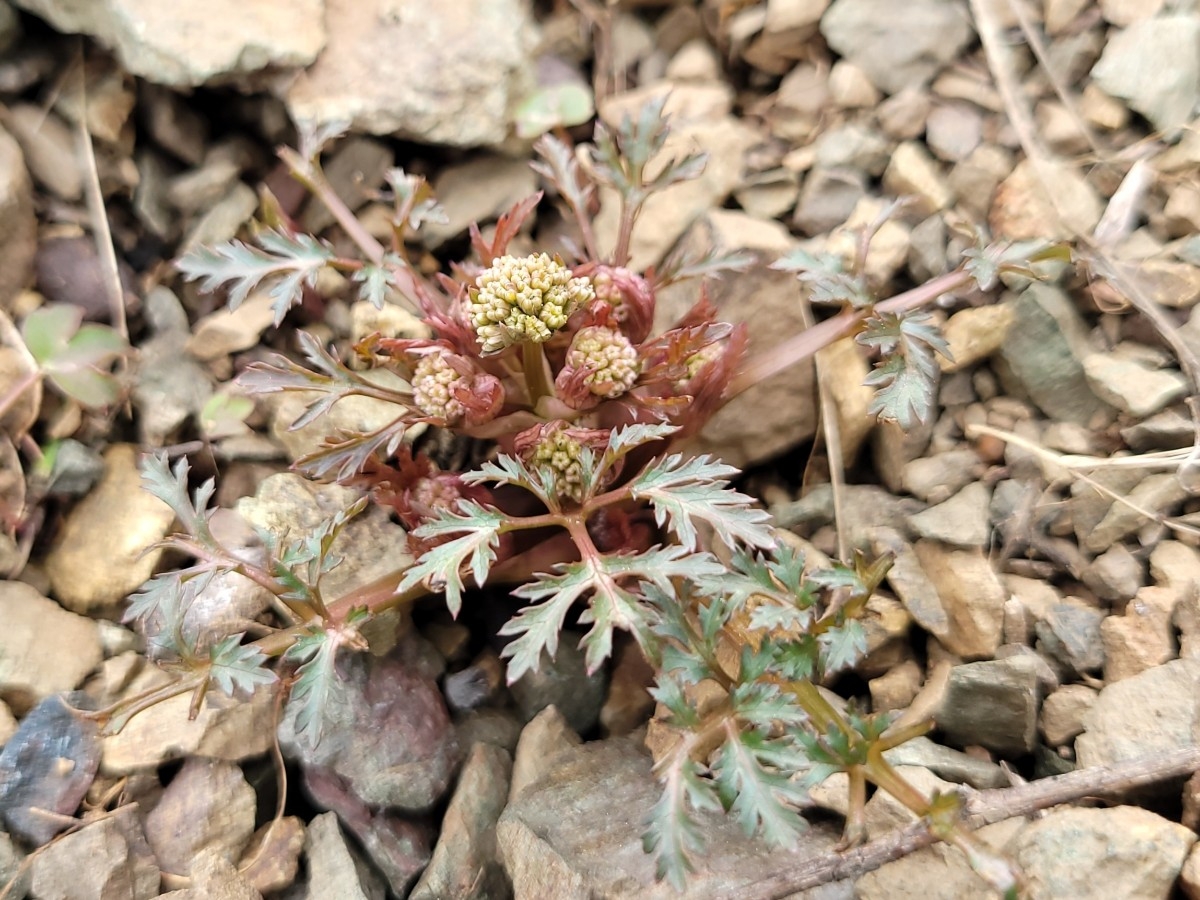
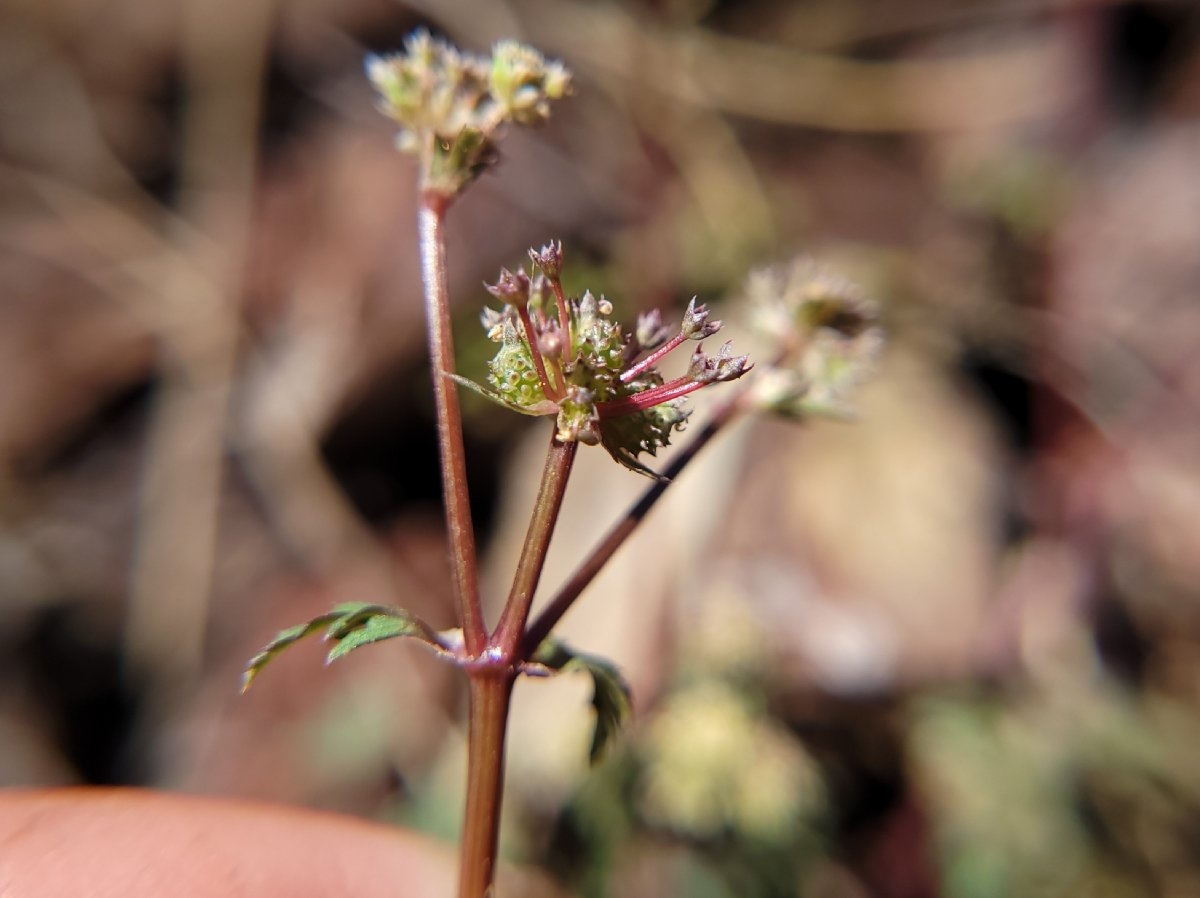
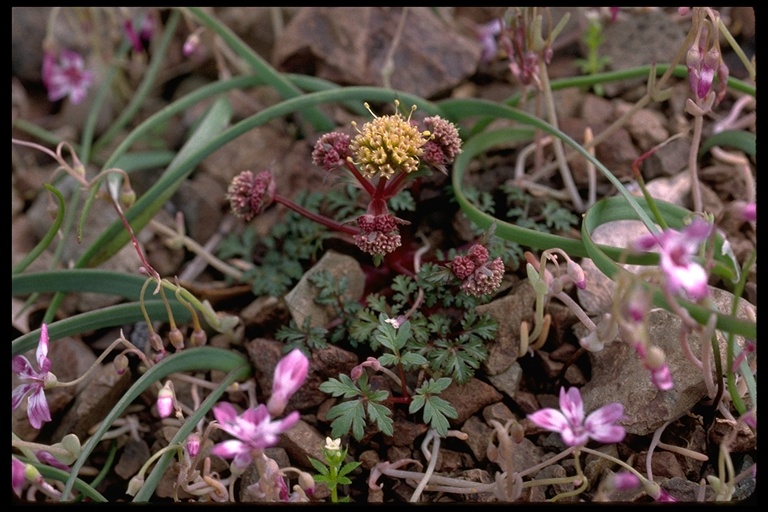
Sanicula saxatilis is a perennial herb producing a thick stem 10 to 25 centimeters tall from a spherical tuber. The leaves are compound, each divided into three leaflets which are deeply cut into serrated lobes. The foliage is green to purple and sometimes waxy in texture.
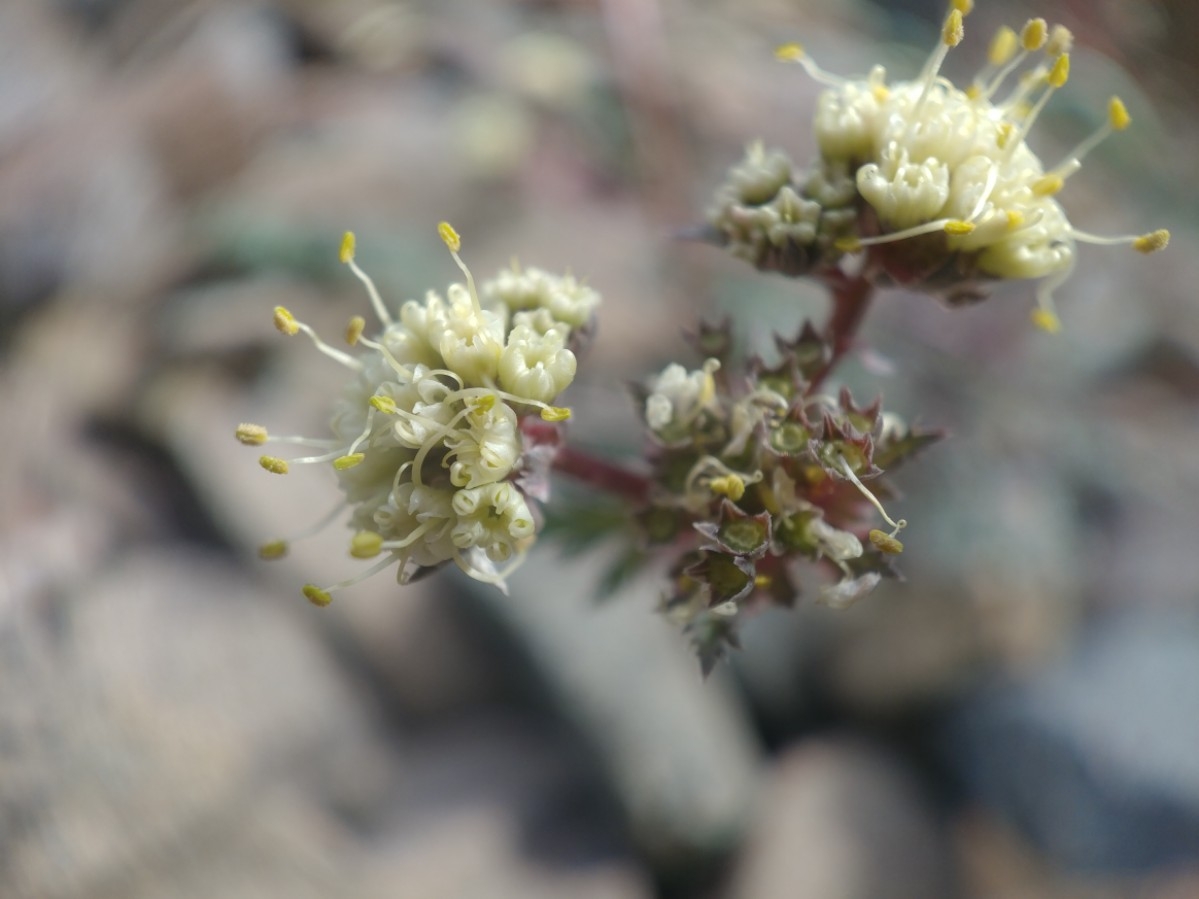
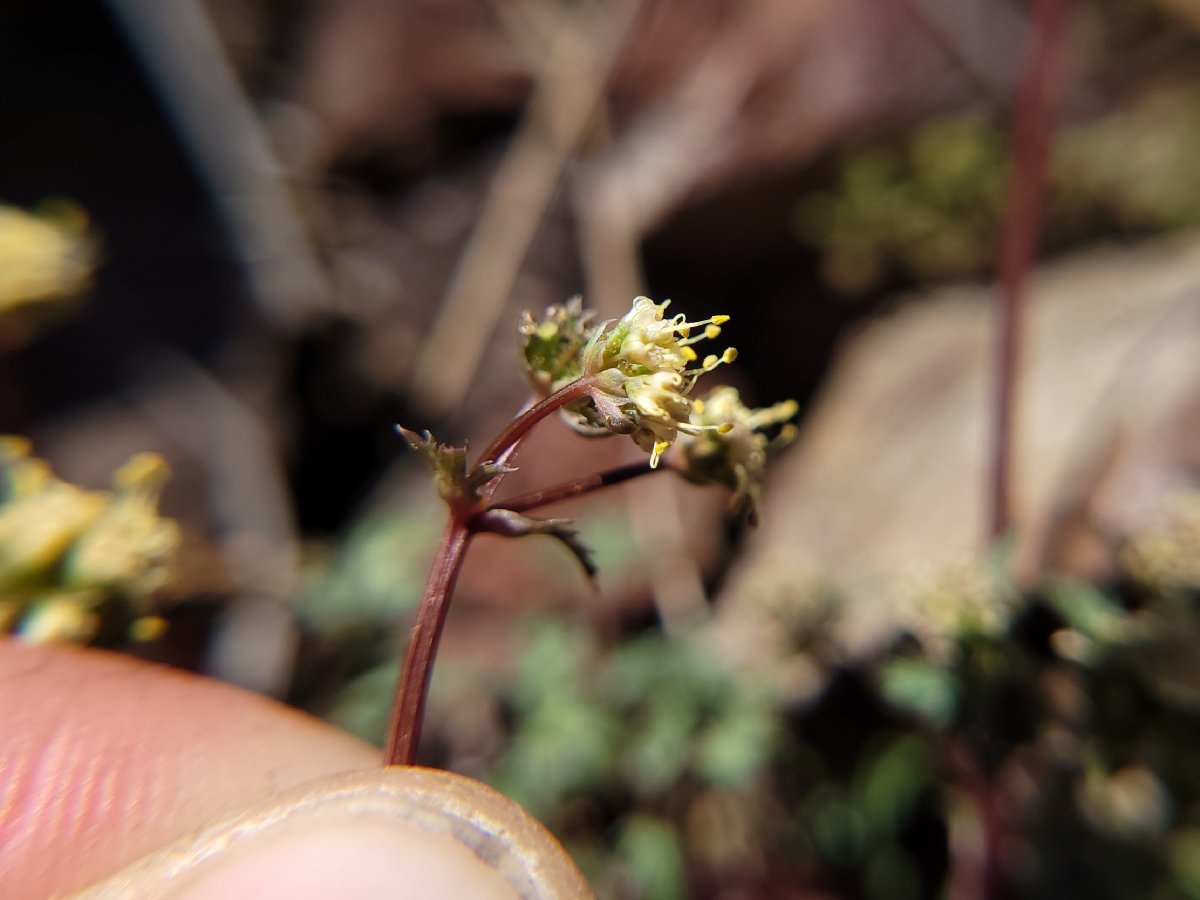
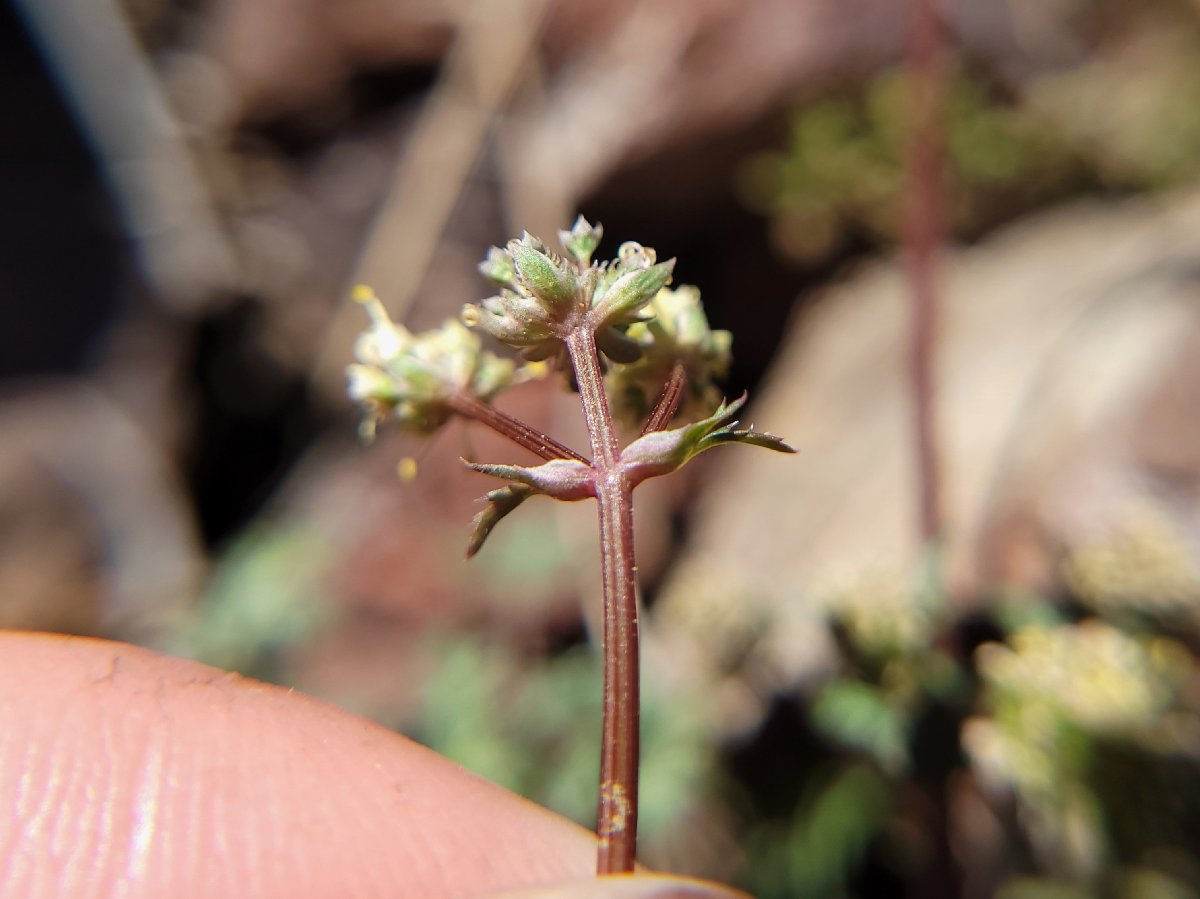
The inflorescence is made up of one or more heads of bisexual and male-only flowers with tiny, curving, pale salmon pink, yellowish or straw-colored petals.
The fruits are a few millimeters wide and covered in bumps and sometimes bristles. (link added by Mary Ann Machi)
/app/up/mg/39/th/11869.jpg:!/app/up/mg/442/th/mg132641-0.jpg:!/app/up/entry/535/th/160744.jpg:!/app/up/entry/535/th/160746.jpg:!/app/up/mg/650/th/mg195197-1.jpg:!/app/up/mg/650/th/mg195197-2.jpg:!6259 3022 1591 0083:!/app/up/mg/442/th/mg132641-2.jpg:!/app/up/entry/535/th/160742.jpg:!/app/up/entry/535/th/160745.jpg:!7271 3192 3248 0080:!
2015 Ken Hickman:!2021 R.A. Chasey:!2023 R.A. Chasey:!2023 R.A. Chasey:!2023 R.A. Chasey:!2023 R.A. Chasey:!1995 Saint Mary's College of California:!2021 R.A. Chasey:!2023 R.A. Chasey:!2023 R.A. Chasey:!1998 John Game:!
po38844:!mg132641:!mu31460:!mu31460:!mg195197:!mg195197:!null:!mg132641:!mu31460:!mu31460:!null:!
Suggested Citation
Calflora:
Information on California plants for education, research and conservation,
with data contributed by
public and private institutions and individuals.
[web application]. 2024. Berkeley, California:The Calflora Database
[a non-profit organization].Available:
https://www.calflora.org/(Accessed: 07/26/2024).



 one or more occurrences