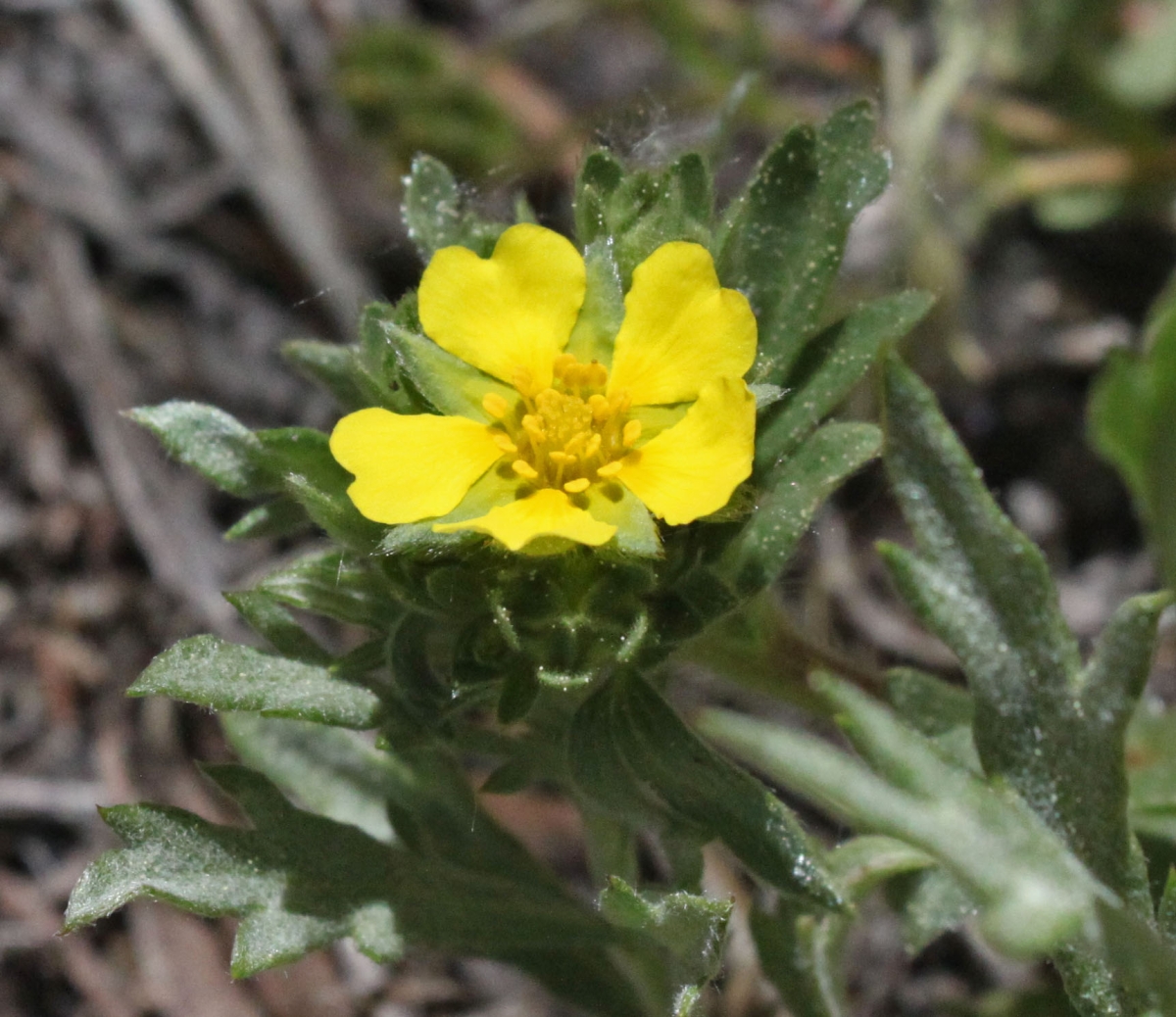
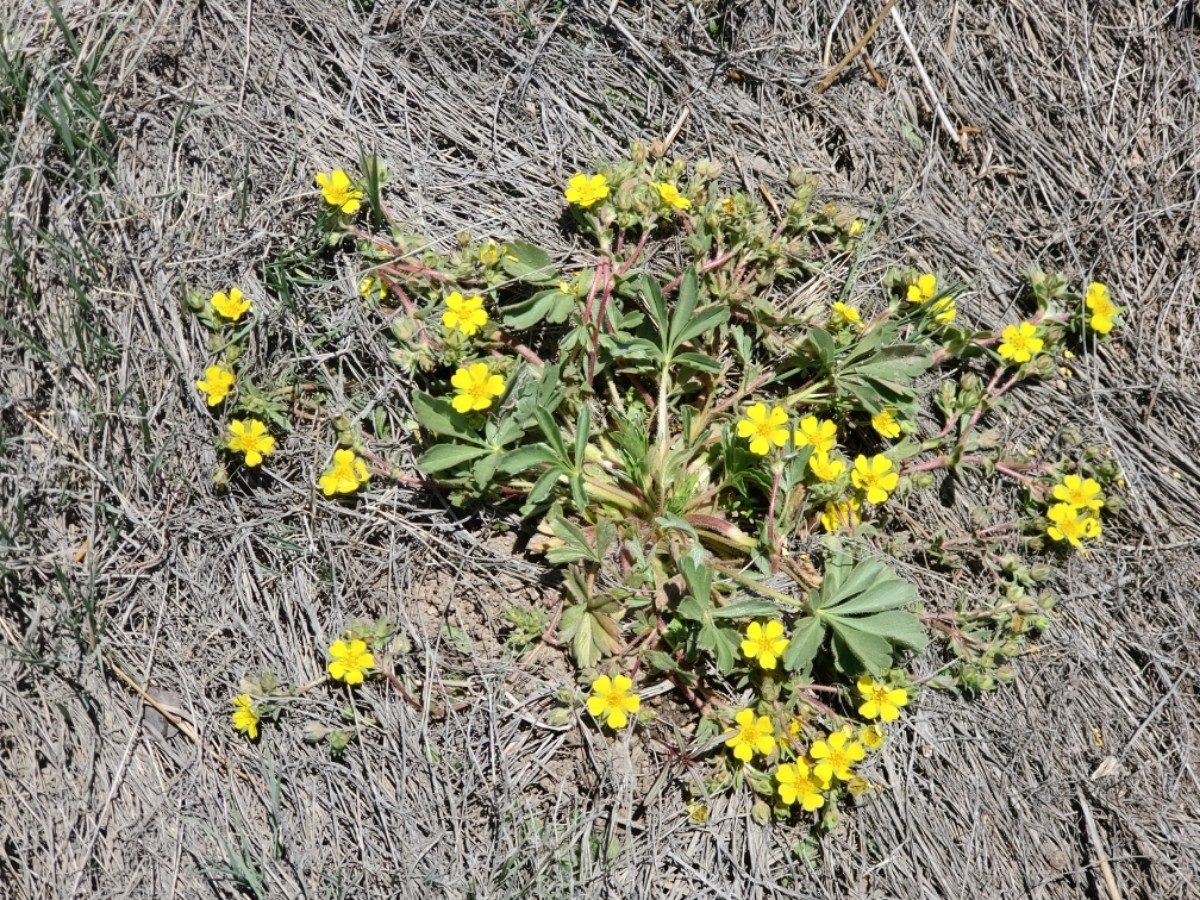
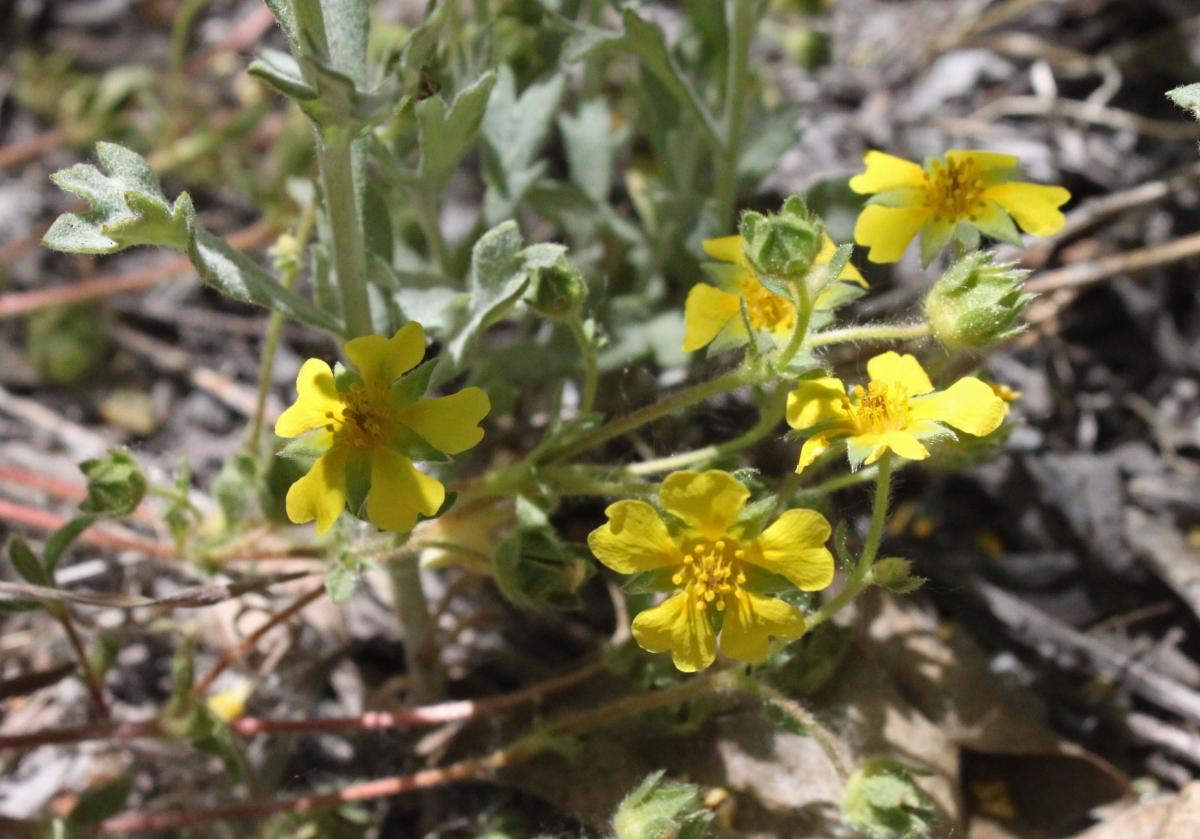
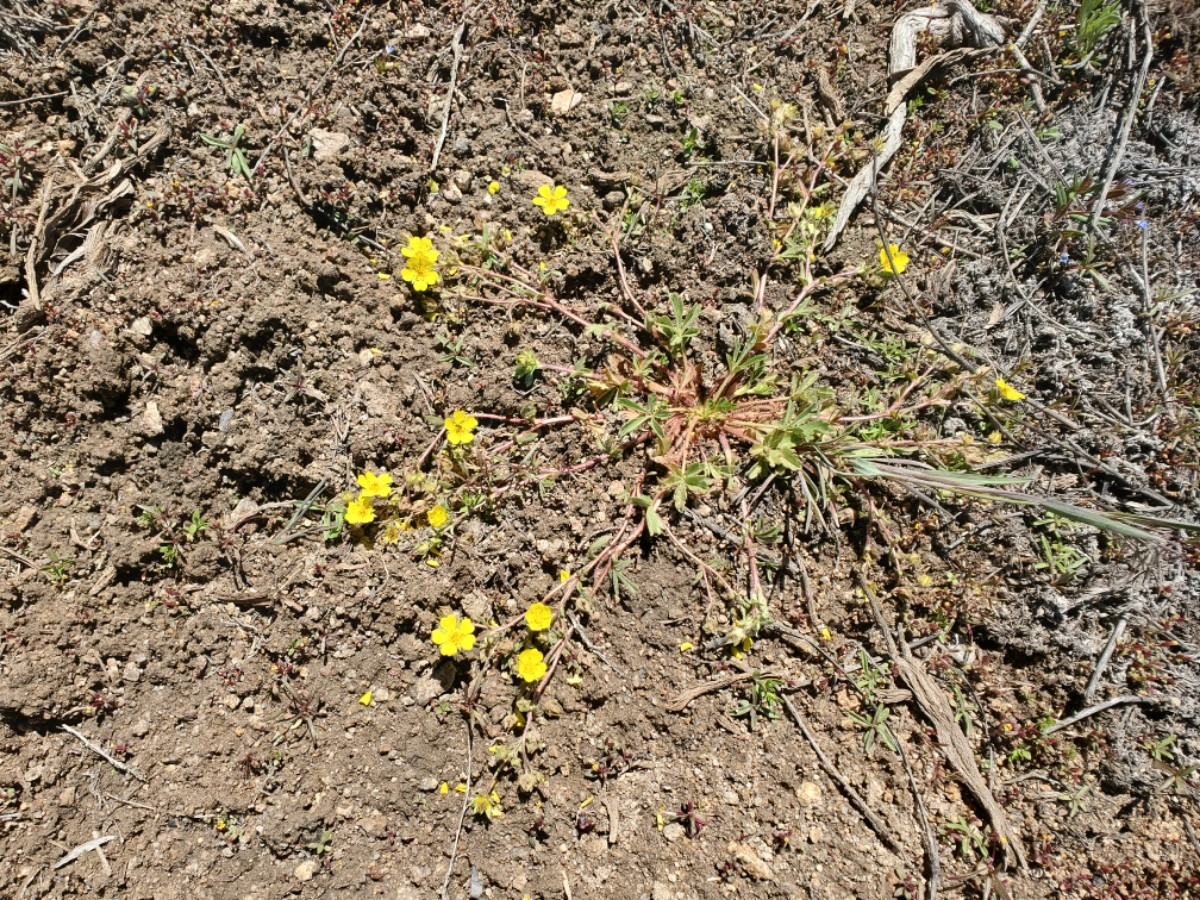
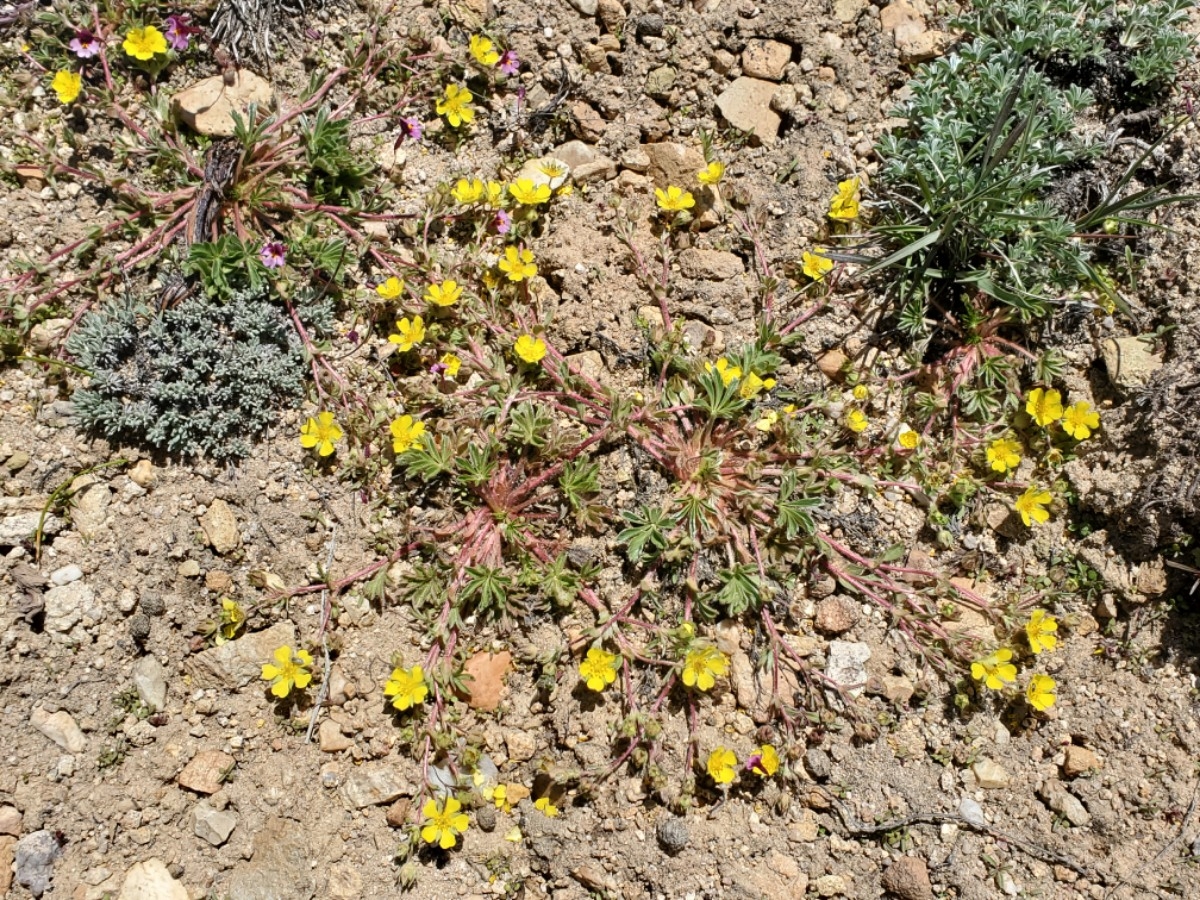
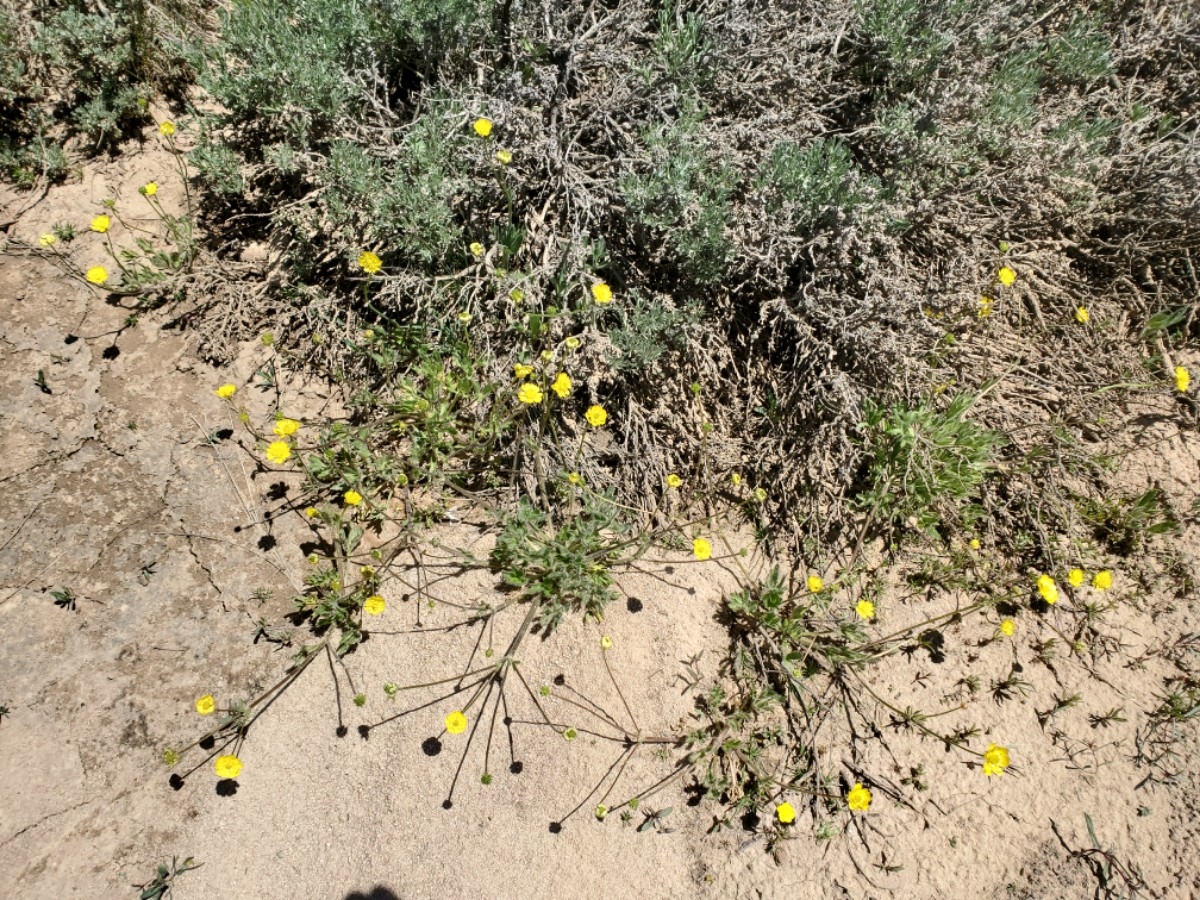
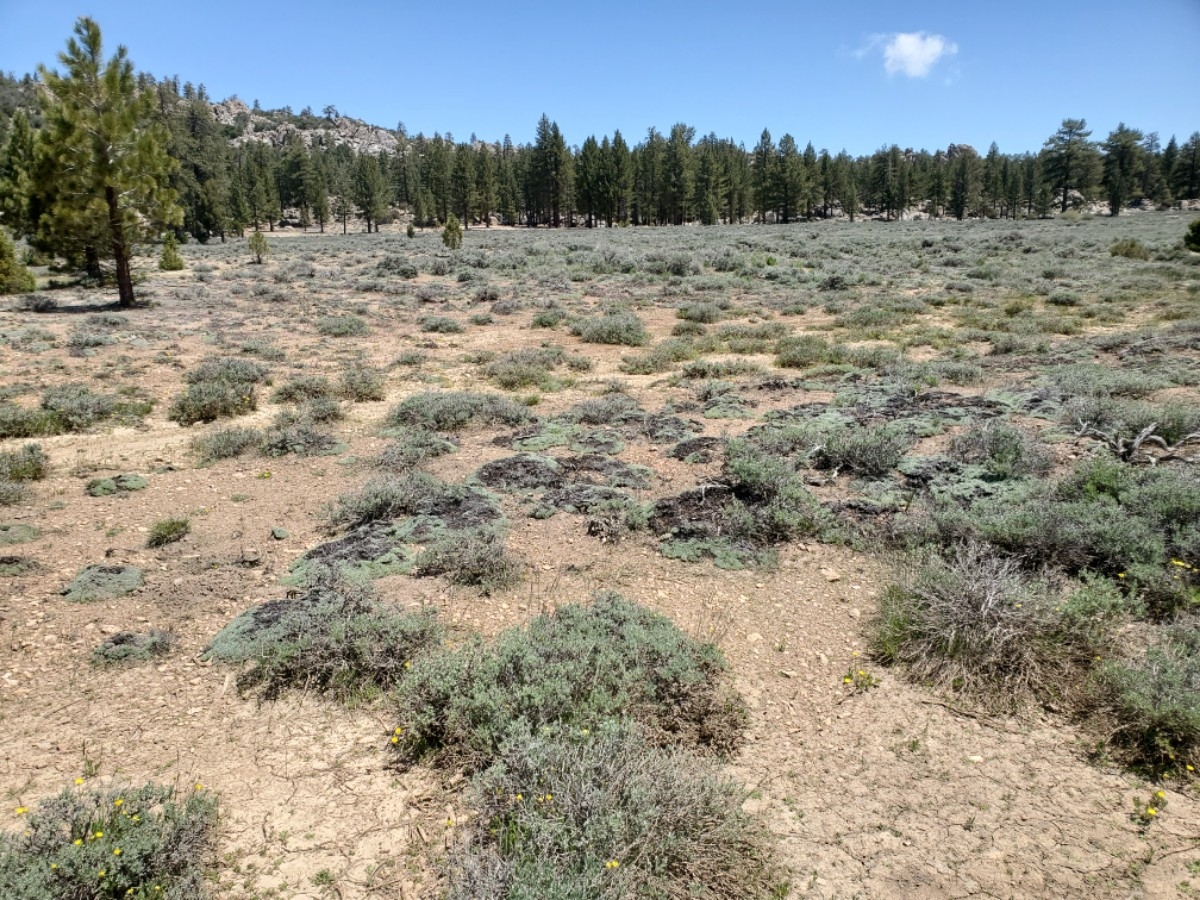
[Wikipedia] Range, Habitat, Description: Potentilla wheeleri is a species of cinquefoil known by the common name Kern cinquefoil[1] or Wheeler's cinquefoil.[2] It is native to the Sierra Nevada and nearby ranges of California and it has been reported from Arizona[1] and Baja California.[2] Its habitat includes moist areas in mountainous regions. This tuftlike plant produces spreading, decumbent stems with leaves sometimes arranged in a rosette about the caudex. The hairy stems reach a maximum length near 25 centimeters. The rough-haired leaves are palmate, each divided into five wedge-shaped leaflets which are lined or tipped with teeth. The inflorescence is a cyme of several flowers with yellow petals each a few millimeters long. (link added by Mary Ann Machi)
/app/up/entry/99/th/29853.jpg:!/app/up/mg/690/th/mg207147-1.jpg:!/app/up/entry/99/th/29854.jpg:!/app/up/mg/690/th/mg207081-0.jpg:!/app/up/mg/690/th/mg207088-0.jpg:!/app/up/mg/690/th/mg207086-0.jpg:!/app/up/mg/690/th/mg207086-1.jpg:!
2019 Diane Etchison:!2023 Ryan O'Dell:!2019 Diane Etchison:!2023 Ryan O'Dell:!2023 Ryan O'Dell:!2023 Ryan O'Dell:!2023 Ryan O'Dell:!
po136123:!mg207147:!po136123:!mg207081:!mg207088:!mg207086:!mg207086:!
Suggested Citation
Calflora:
Information on California plants for education, research and conservation,
with data contributed by
public and private institutions and individuals.
[web application]. 2024. Berkeley, California:The Calflora Database
[a non-profit organization].Available:
https://www.calflora.org/(Accessed: 10/23/2024).