2017 Brian Powell 2017 Brian Powell 2023 richard mcneill 2022 richard mcneill 2022 richard mcneill 2022 richard mcneill 2017 Brian Powell 2022 richard mcneill 2005 Louis-M. Landry
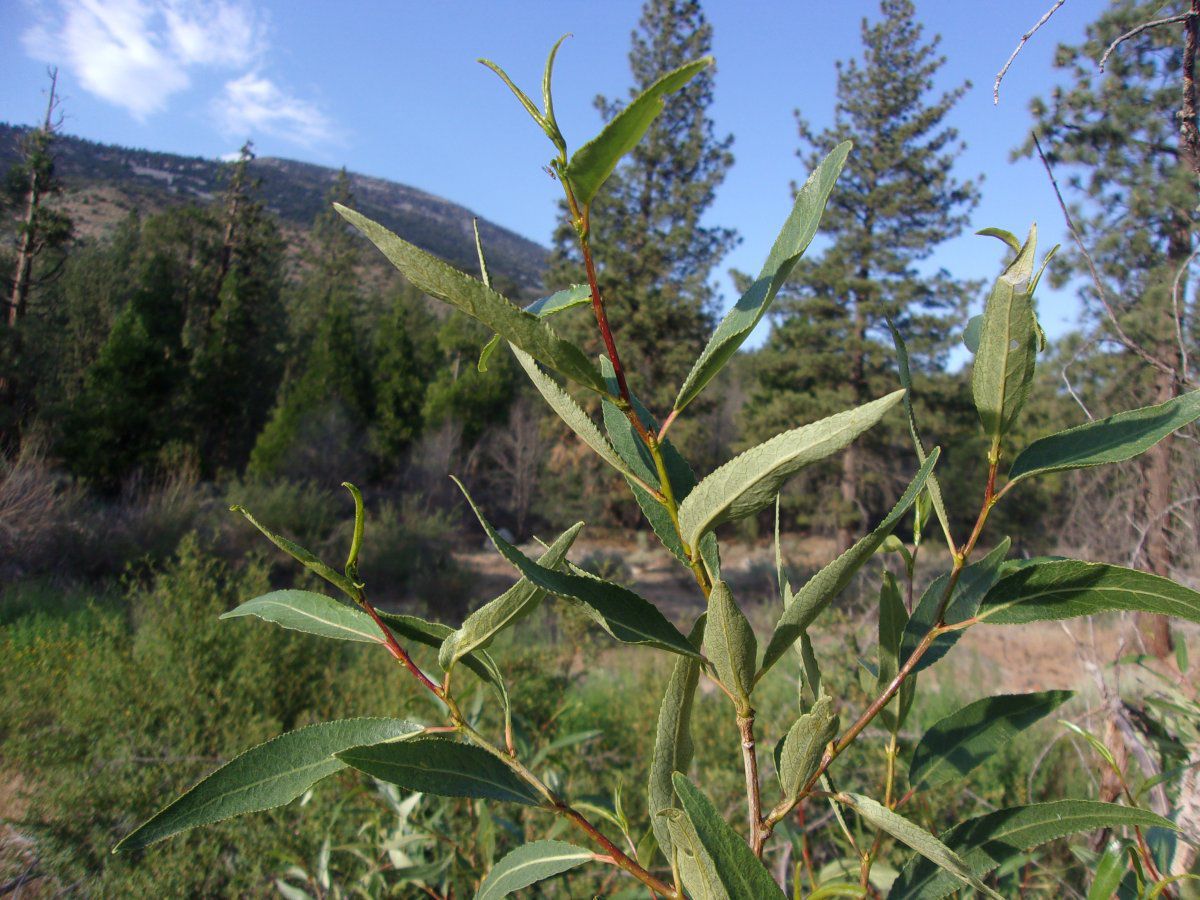
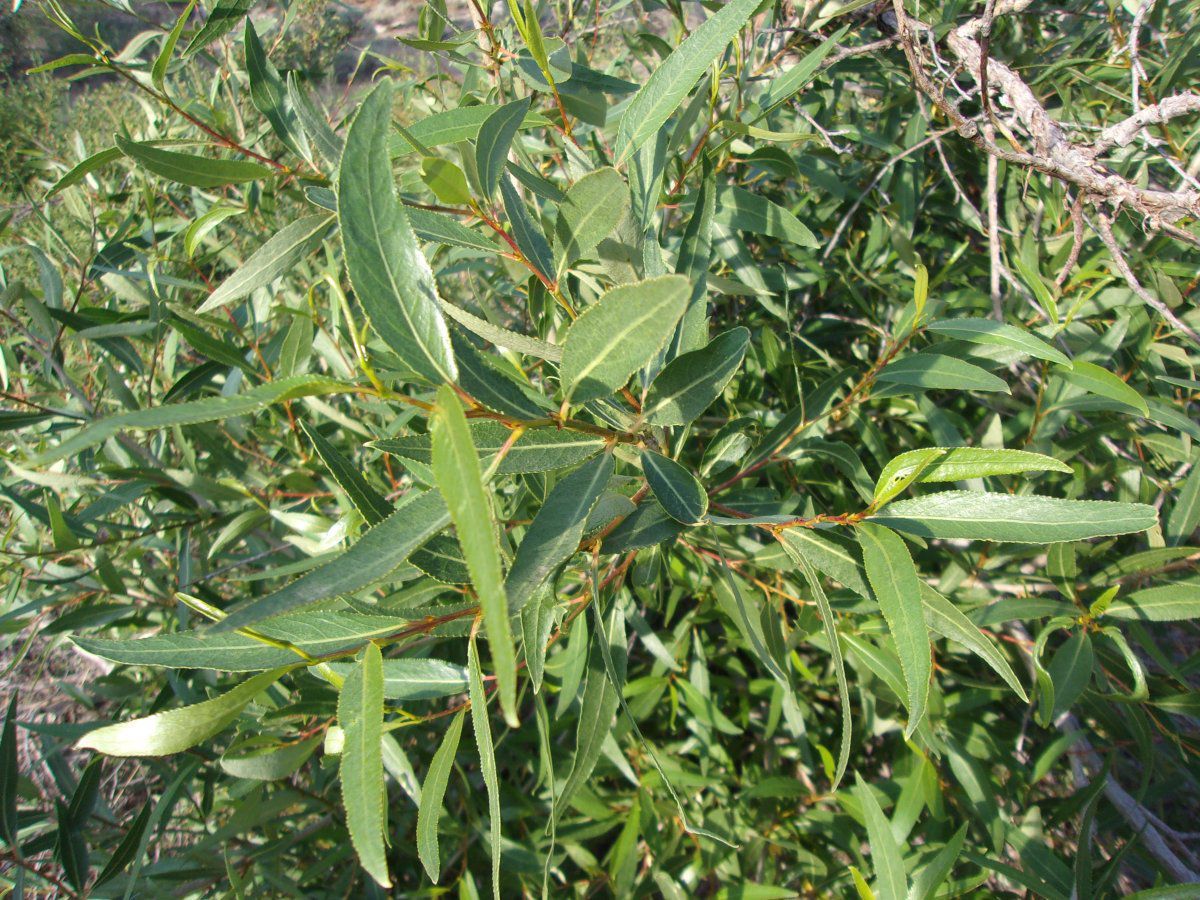
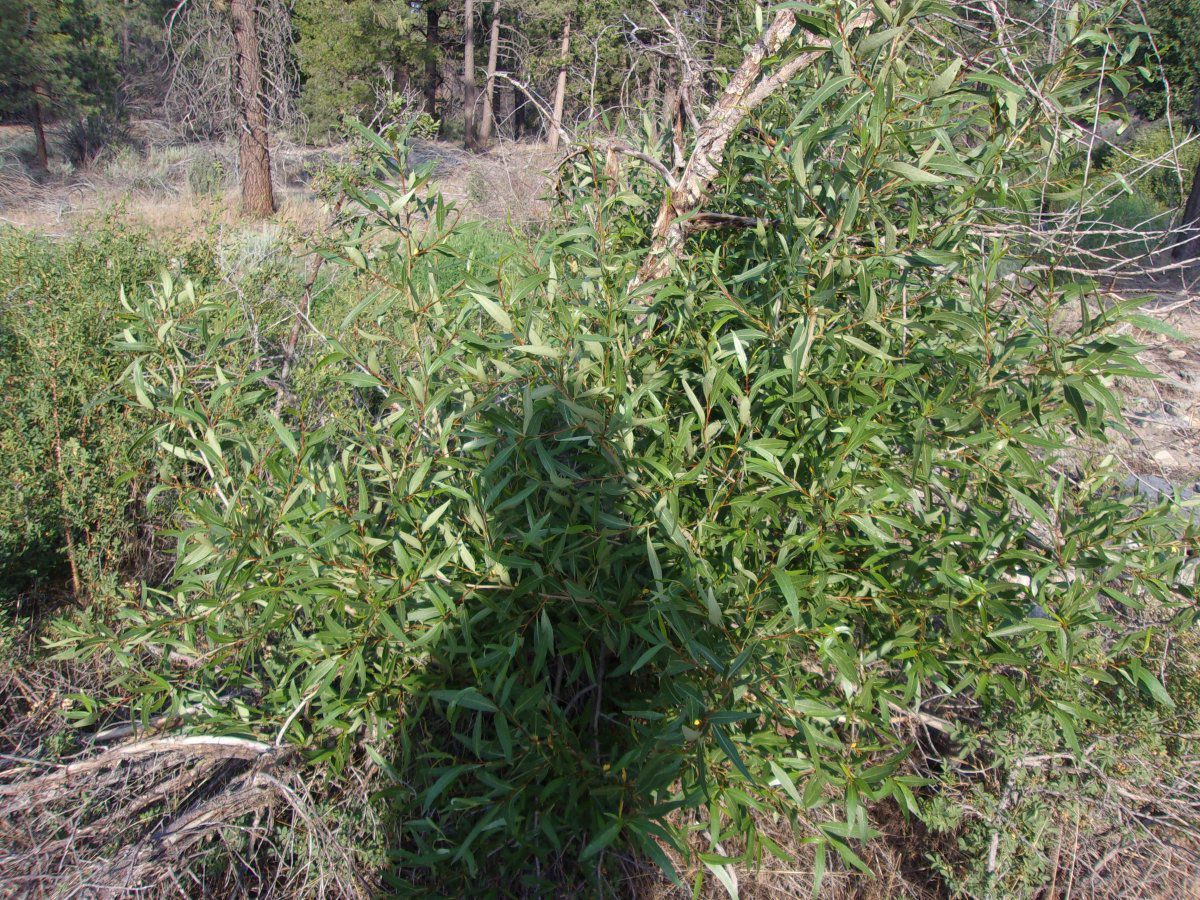
Populus angustifolia is a tree that is native to California, and also found elsewhere in North America and beyond.
California Rare Plant Rank: 2B.2 (rare, threatened, or endangered in CA; common elsewhere).
[Wikipedia] Taxonomy: Where their ranges come into contact, this species will readily hybridize with Populus balsamifera, Populus deltoides, Populus fremontii, and Populus trichocarpa. These hybrids can form extensive populations in some regions. Due to the frequency and morphological consistency of P. angustifolia × P. deltoides hybrids, they were initially described as a fully separate species ("P. acuminata") until its hybrid origin was firmly established in the 1980s. (link added by Mary Ann Machi)
/app/up/mg/40/th/12066.jpg:!/app/up/mg/40/th/12064.jpg:!/app/up/mg/752/th/mg225674-2.jpg:!/app/up/mg/623/th/mg187179-2.jpg:!/app/up/mg/623/th/mg187179-0.jpg:!/app/up/mg/623/th/mg187179-3.jpg:!/app/up/mg/40/th/12065.jpg:!/app/up/mg/623/th/mg187179-1.jpg:!0000 0000 0105 0473:!
2017 Brian Powell:!2017 Brian Powell:!2023 richard mcneill:!2022 richard mcneill:!2022 richard mcneill:!2022 richard mcneill:!2017 Brian Powell:!2022 richard mcneill:!2005 Louis-M. Landry:!
po43319:!po43319:!mg225674:!mg187179:!mg187179:!mg187179:!po43319:!mg187179:!null:!
Suggested Citation
Calflora:
Information on California plants for education, research and conservation,
with data contributed by
public and private institutions and individuals.
[web application]. 2024. Berkeley, California:The Calflora Database
[a non-profit organization].Available:
https://www.calflora.org/(Accessed: 10/23/2024).





 one or more occurrences