Calflora Taxon Report
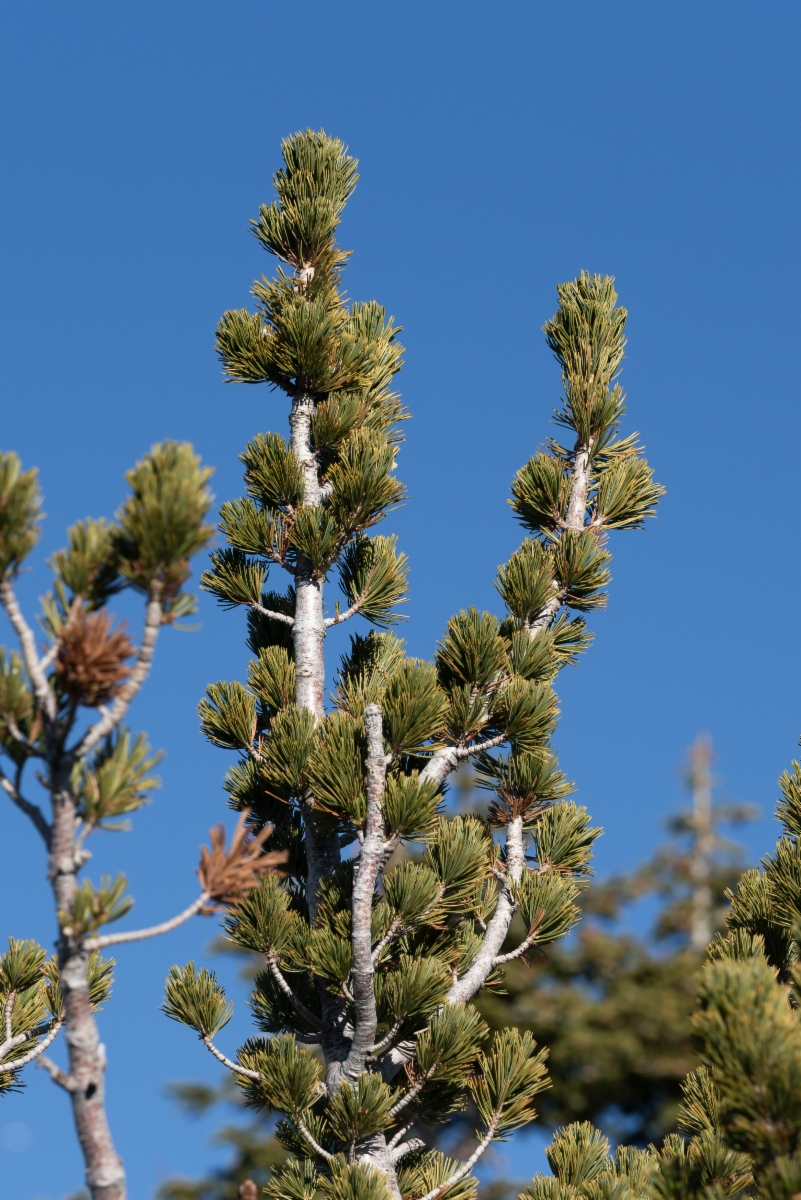
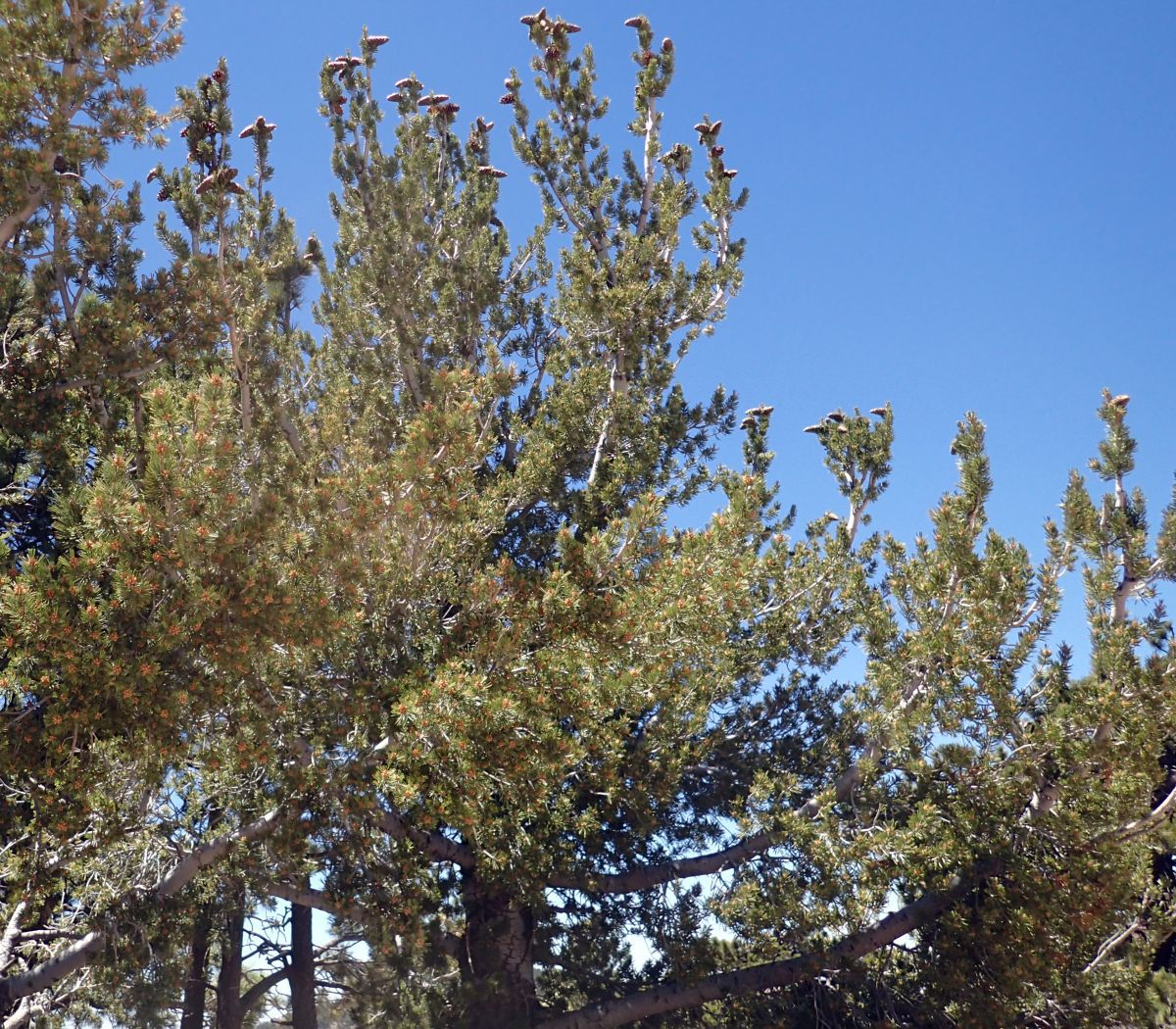
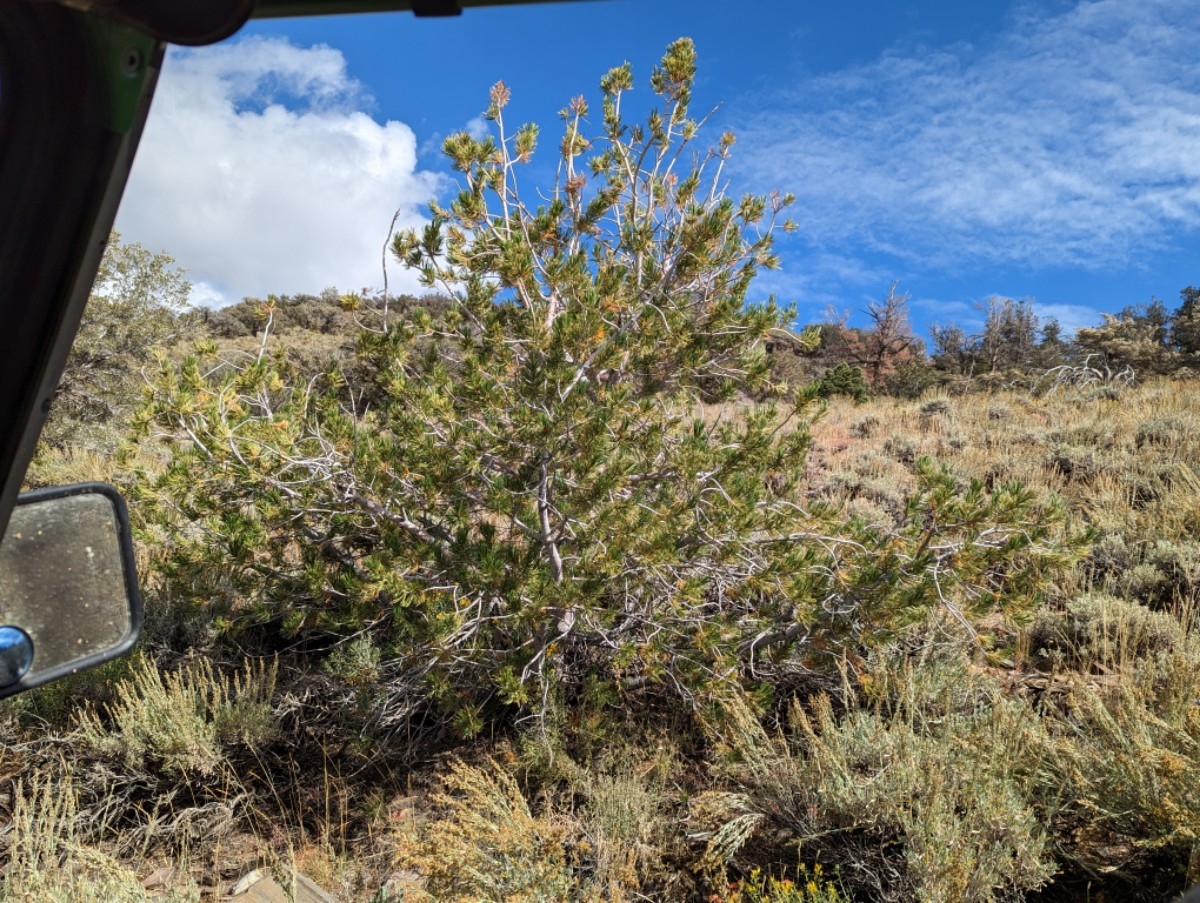
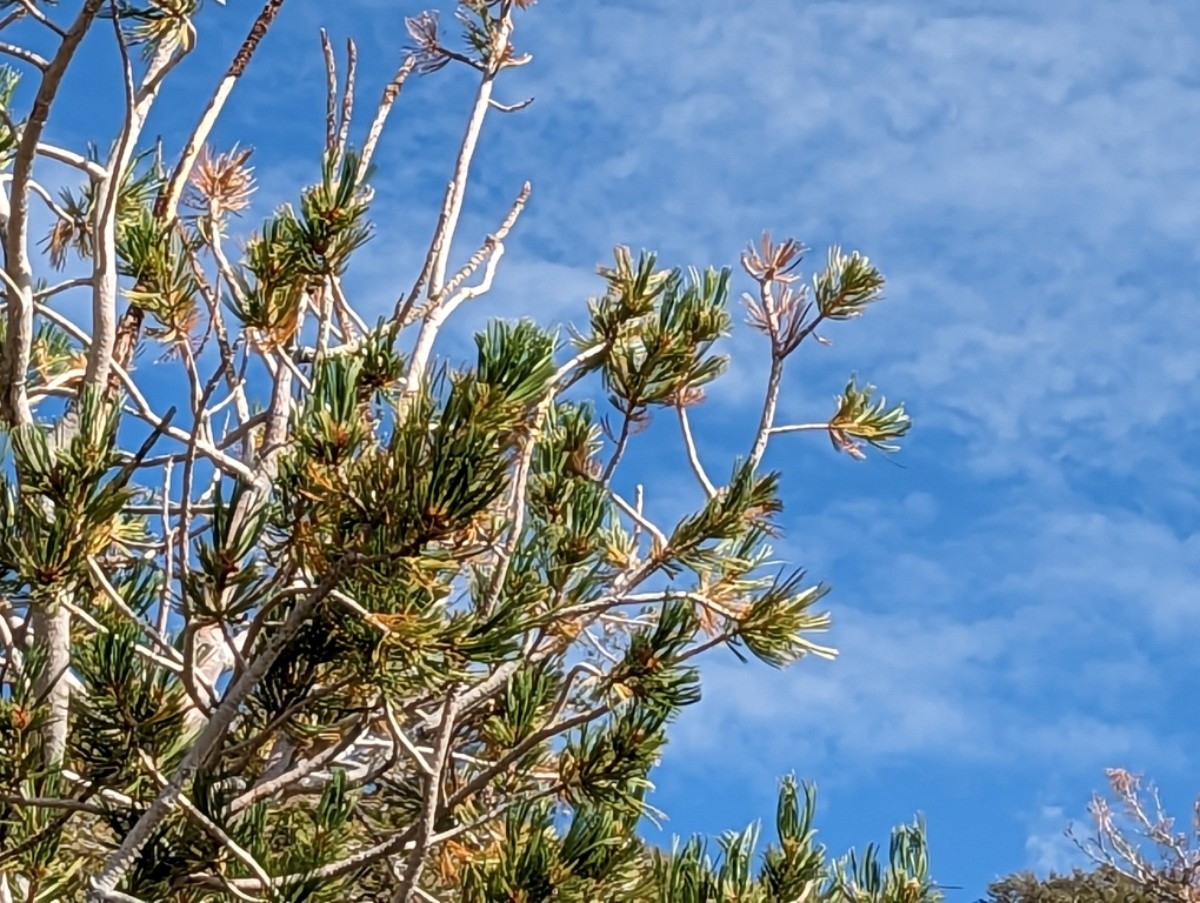
Pinus flexilis  E. James
Limber pine, White pine
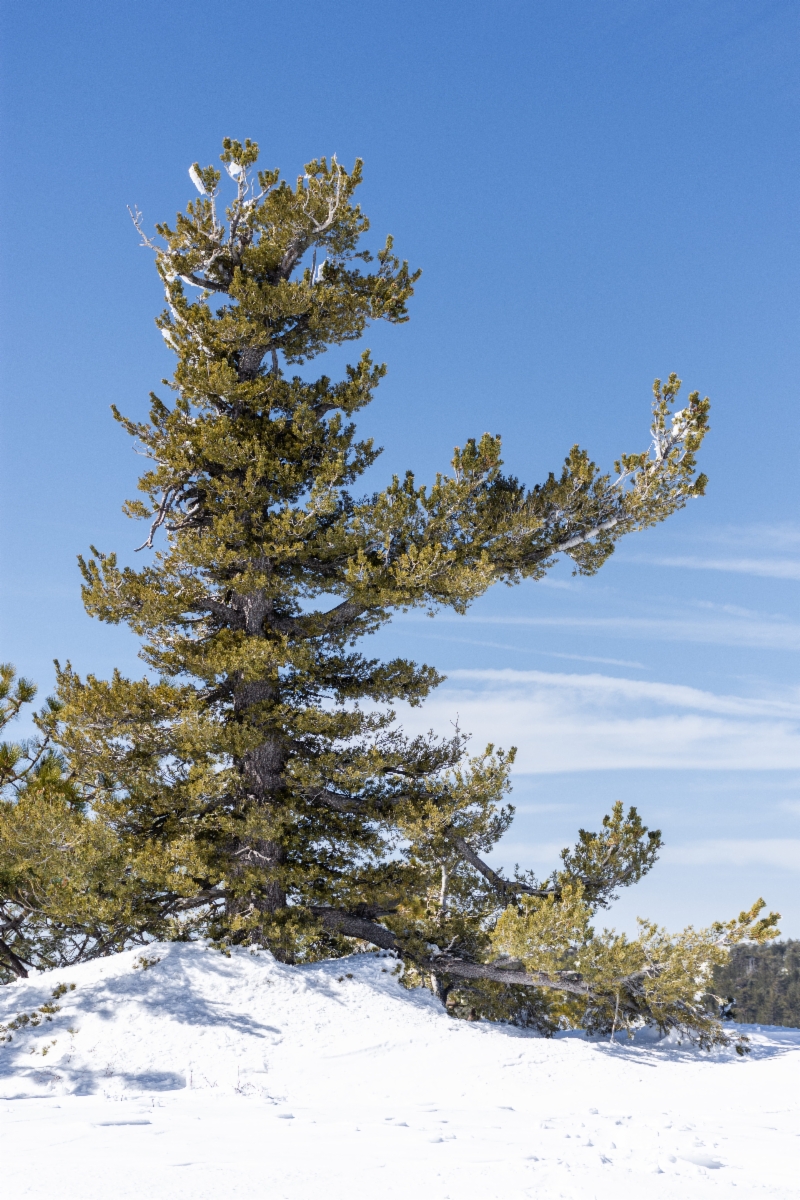
photo on Calflora
2023 Bryant Baker
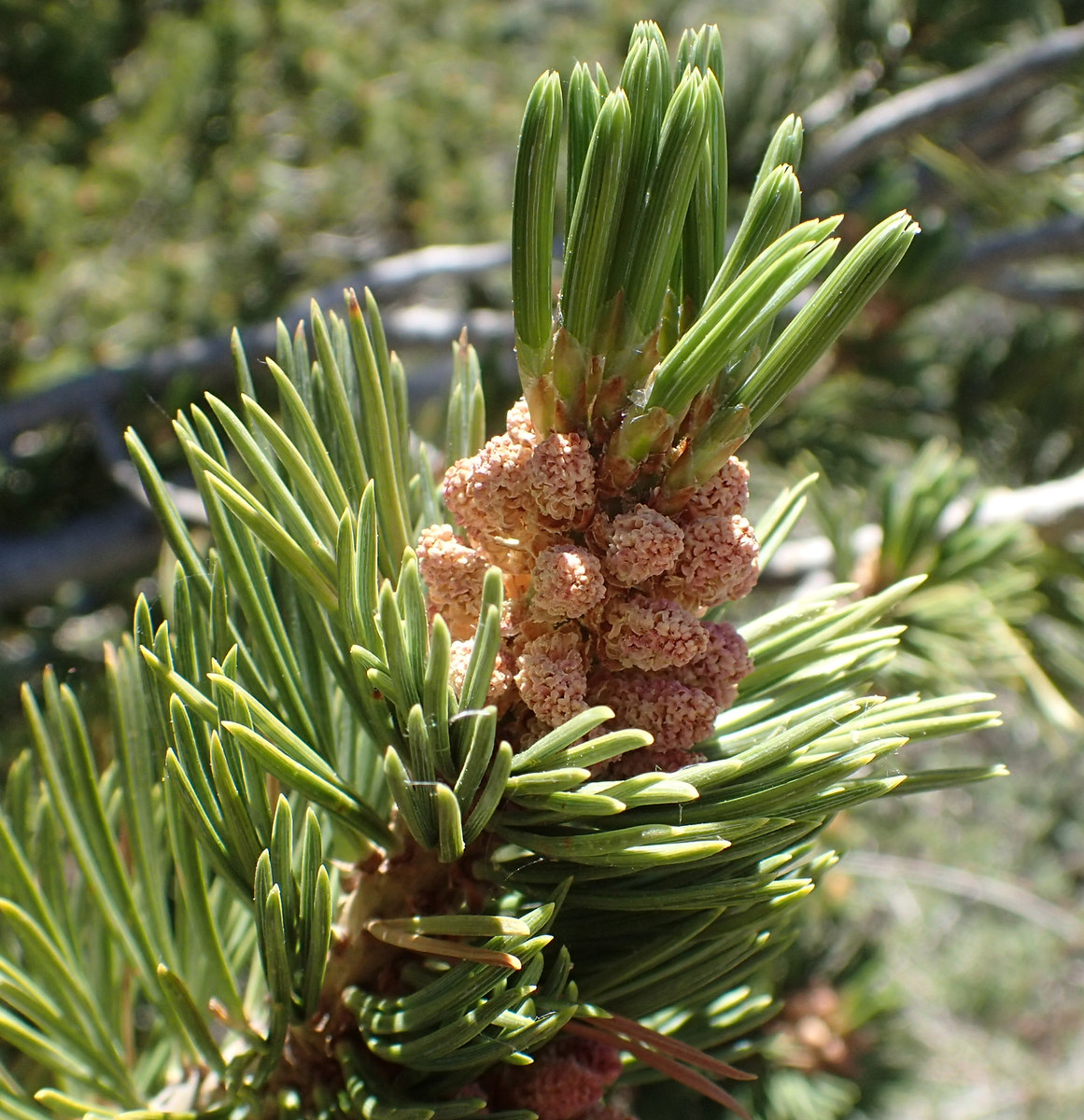
photo on Calflora
2023 Bryant Baker
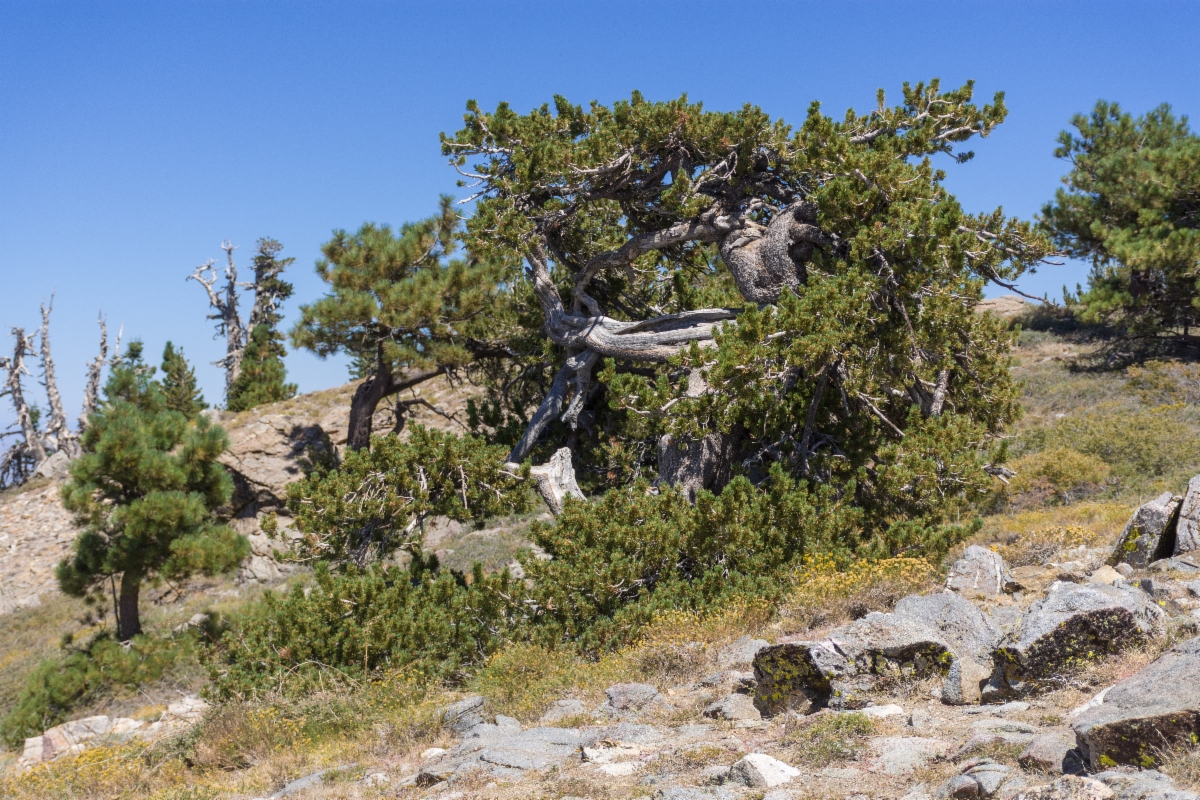
photo on Calflora
2023 Bryant Baker
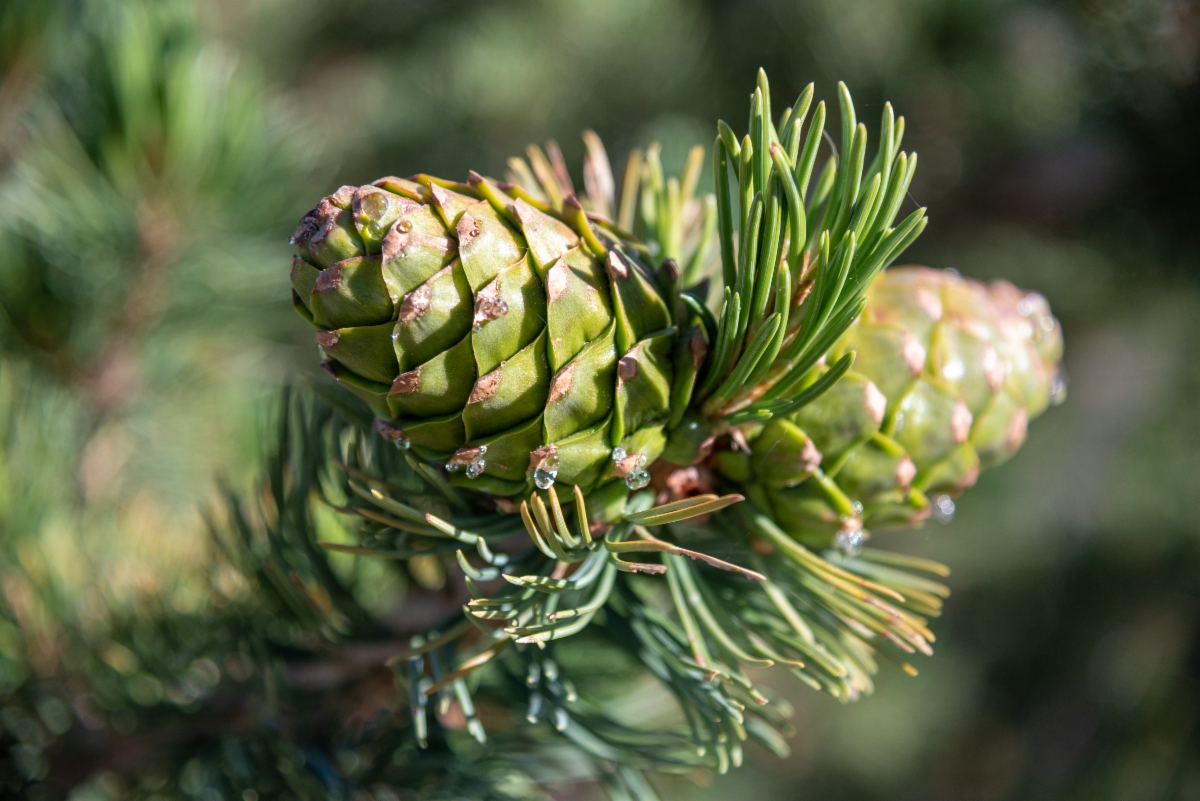
photo on Calflora
2017 Keir Morse
photo on Calflora
2023 Bryant Baker
photo on Calflora
2016 Richard Spjut
photo on Calflora
2022 richard mcneill
photo on Calflora
2023 richard mcneill
photo on Calflora
2024 Erin Bergman
photo on Calflora
2024 Erin Bergman
photo on Calflora
2019 Richard Spjut
photo on Calflora
2023 Bryant Baker
photo on Calflora
2023 Bryant Baker
photo on Calflora
2023 Bryant Baker
photo on Calflora
2023 richard mcneill
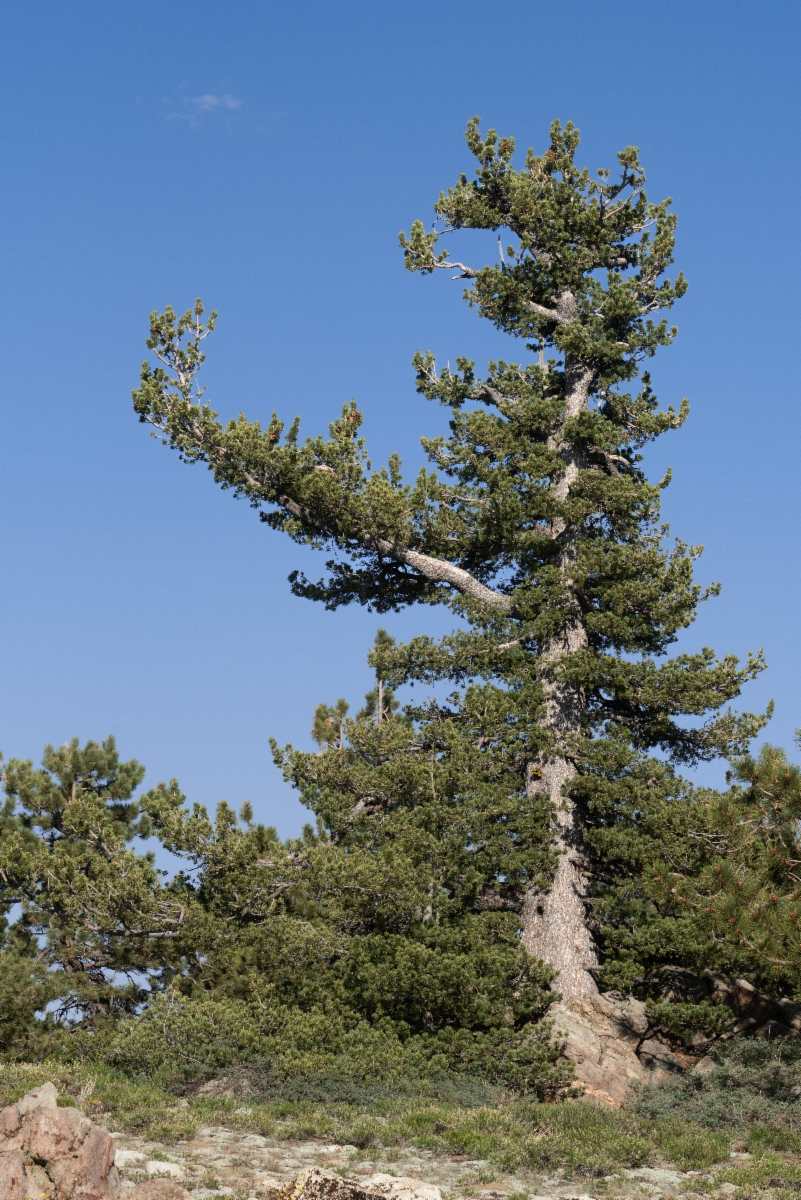
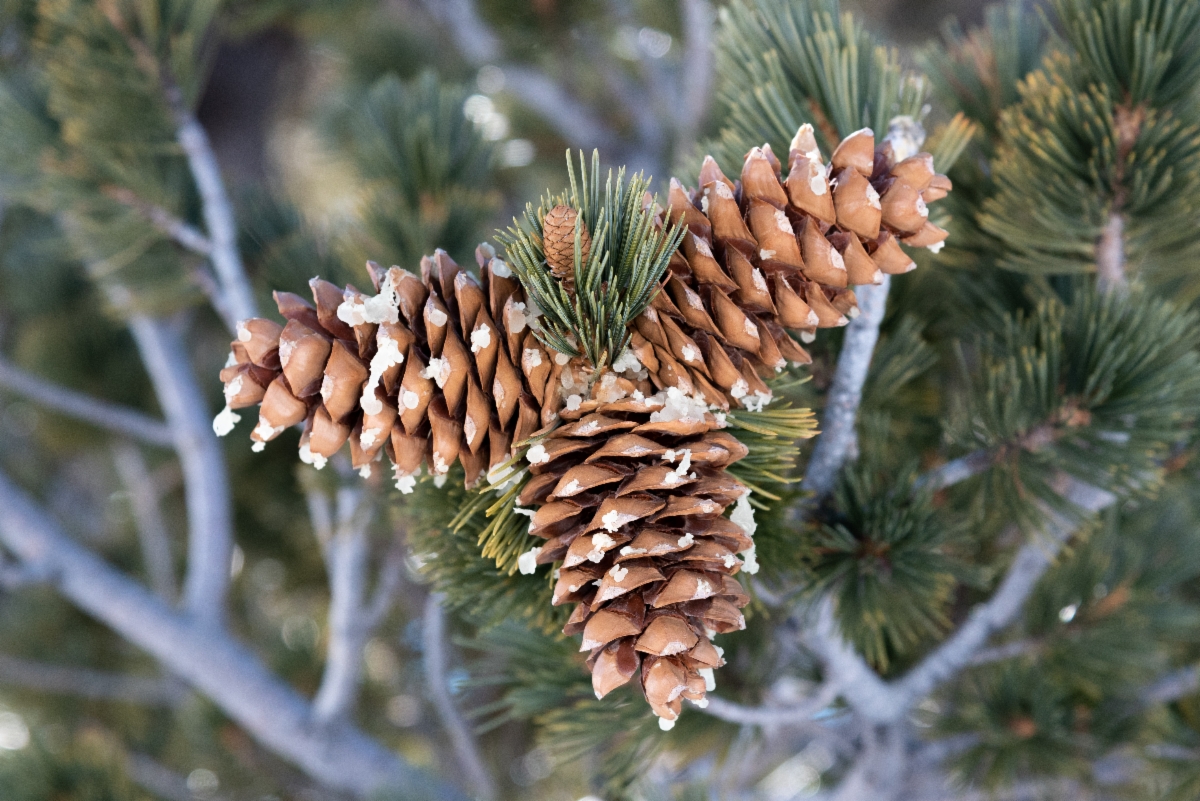
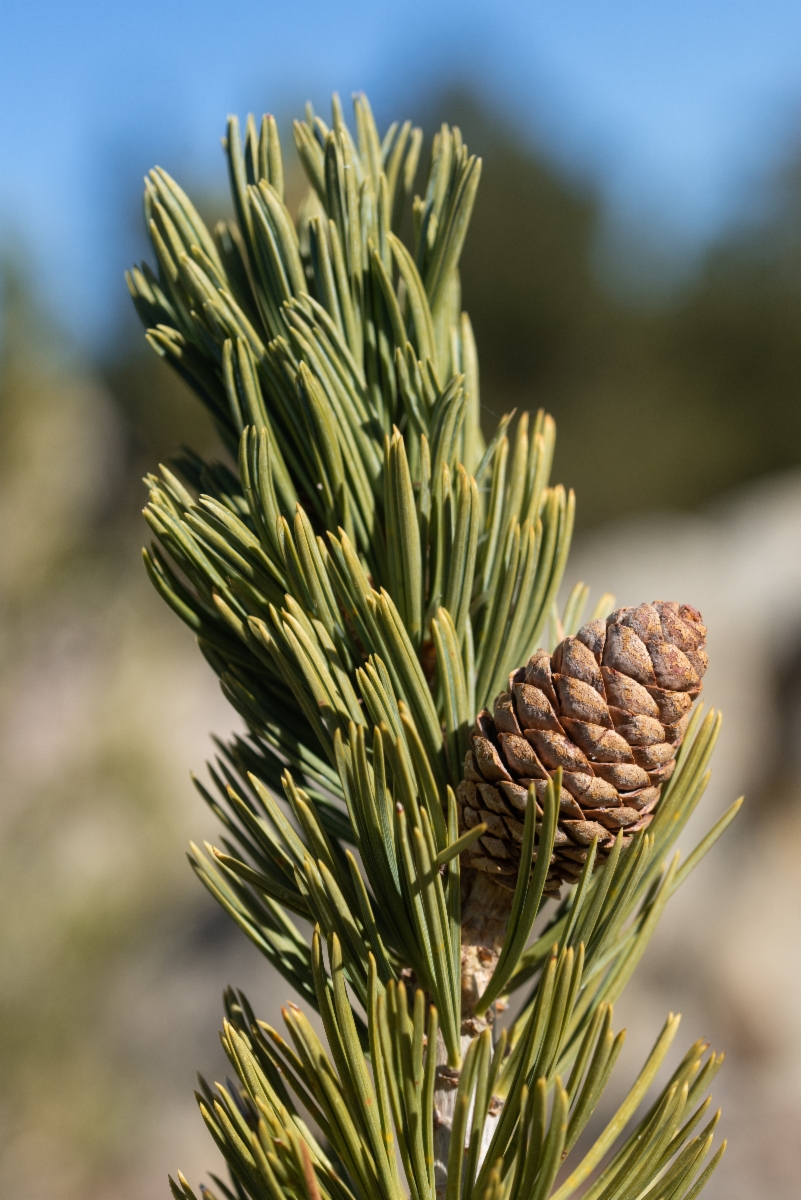
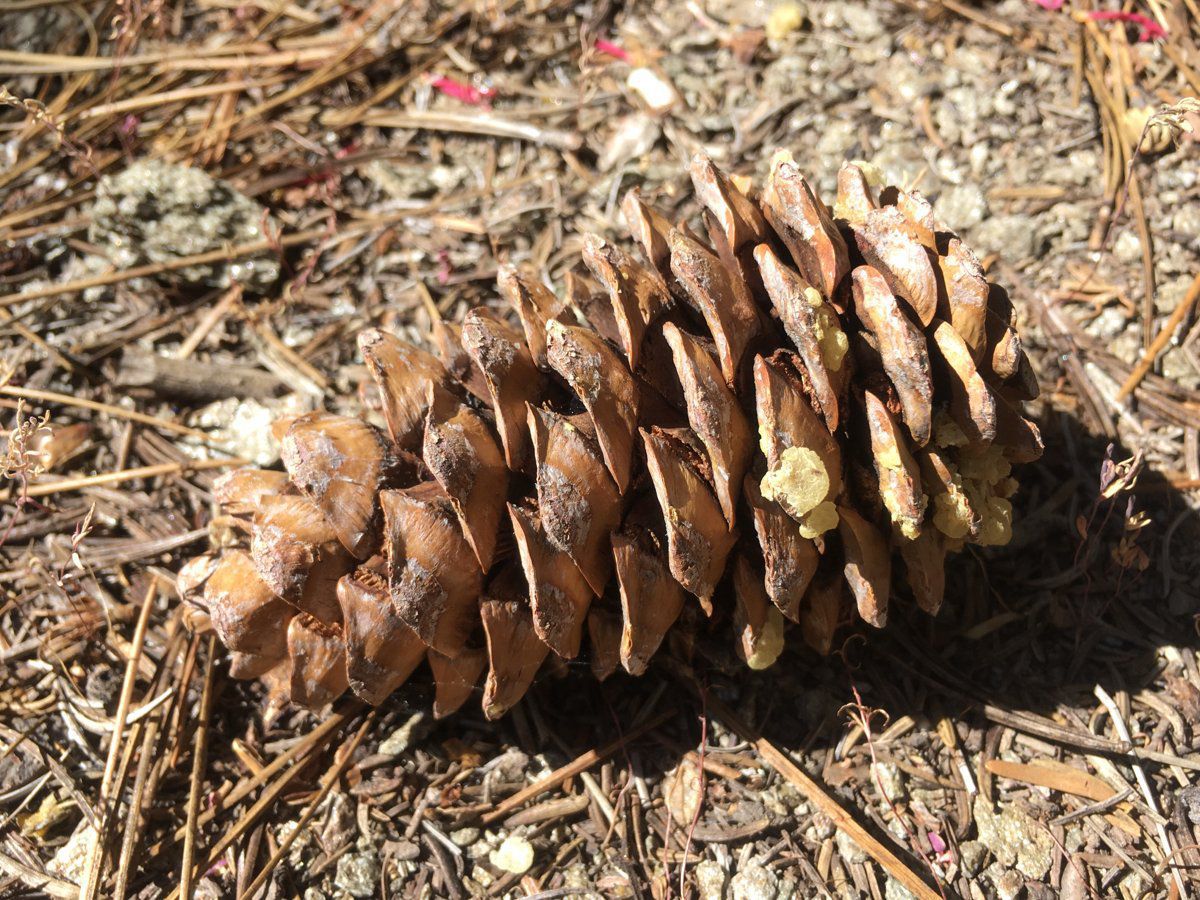
Pinus flexilis is a tree that is native to California, and also found elsewhere in western North America.
Siskiyou Del Norte Modoc Humboldt Shasta Lassen Trinity Plumas Tehama Butte Mendocino Glenn Sierra Yuba Lake Nevada Colusa Placer Sutter El Dorado Yolo Alpine Napa Sonoma Sacramento Mono Amador Solano Calaveras Tuolumne San Joaquin Marin Contra Costa Alameda Santa Cruz Mariposa Madera San Francisco San Mateo Merced Fresno Stanislaus Santa Clara Inyo San Benito Tulare Kings Monterey San Bernardino San Luis Obispo Kern Santa Barbara Ventura Los Angeles Riverside Orange San Diego Imperial
DJJJASONAFMM

Bloom Period
Genus: Pinus
Family: Pinaceae  
Category: gymnosperm  
PLANTS group:Gymnosperm
Jepson eFlora section: gymnosperm
Habitat: slopes

Communities: Lodgepole Forest, Subalpine Forest, Bristle-cone Pine Forest

Name Status:
Accepted by JEF + PLANTS + POWO
Alternate Names:
PLANTSPinus flexilis ssp. alpina
PLANTSPinus flexilis ssp. callahanii
PLANTSPinus flexilis var. alpina
PLANTSPinus flexilis var. callahanii
External links:

[Wikipedia] Ecology: Pinus flexilis is an important source of food for several species, including red squirrels and Clark's nutcrackers, the latter being an important distributor of seeds.[14][7] There is evidence that limber pines co-evolved with Clark's nutcrackers, which are the primary dispersers of the seeds.[15][14][16] In a relic, low elevation population, seeds are also dispersed by small rodents.[17] American black bears and grizzly bears may raid squirrel caches for limber pine nuts.[7] Squirrels, Northern flickers, and mountain bluebirds often nest in the trees. There is some evidence that P. flexilis has a symbiotic relationship with nitrogen-fixing bacteria that inhabit the needles.[18] (link added by Mary Ann Machi)

Suggested Citation
“Calflora - Taxon Report.” The Calflora Database, a non-profit organization. .

Accessed: