2020 Ron Vanderhoff 2022 Ron Vanderhoff 2021 James Bailey 2019 Ron Vanderhoff 2022 Ron Vanderhoff 2022 Ron Vanderhoff 2023 Ron Vanderhoff 2023 Ron Vanderhoff 2020 Ron Vanderhoff 2019 Ron Vanderhoff 2023 Ron Vanderhoff
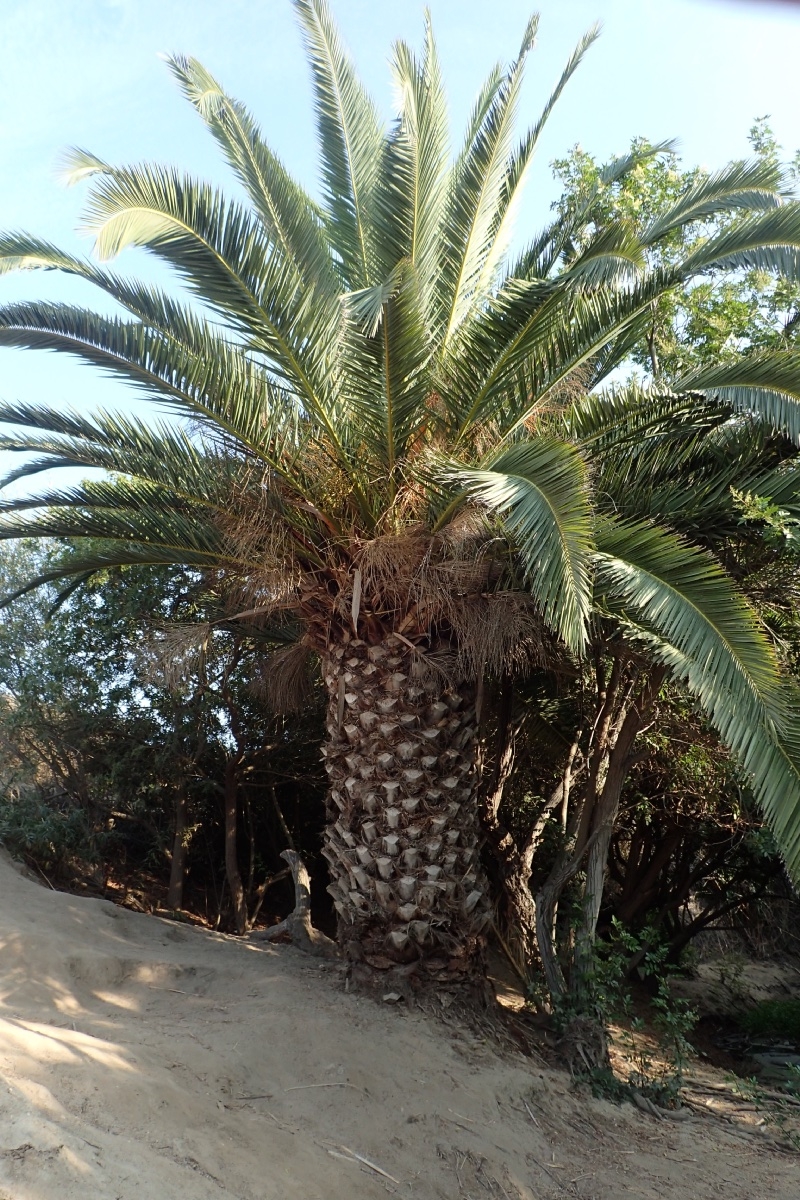
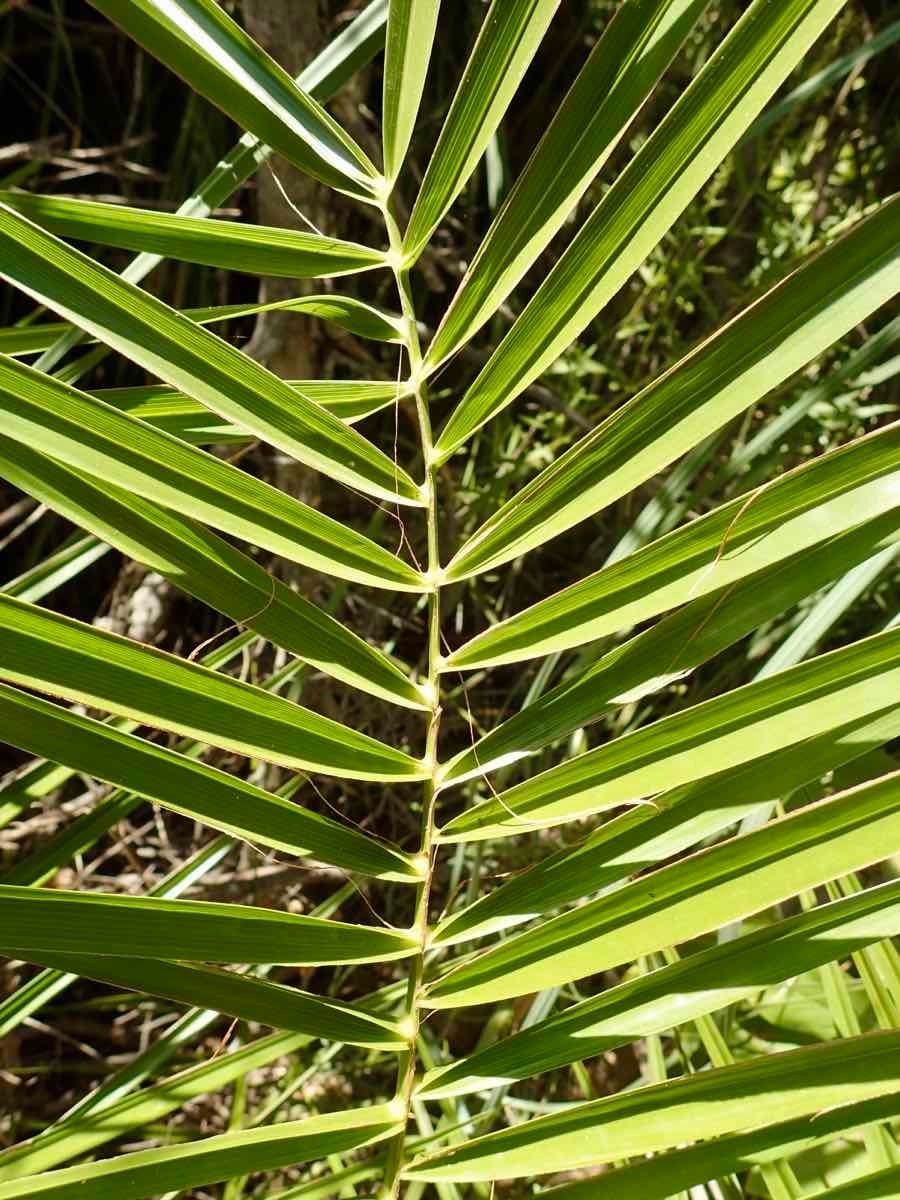
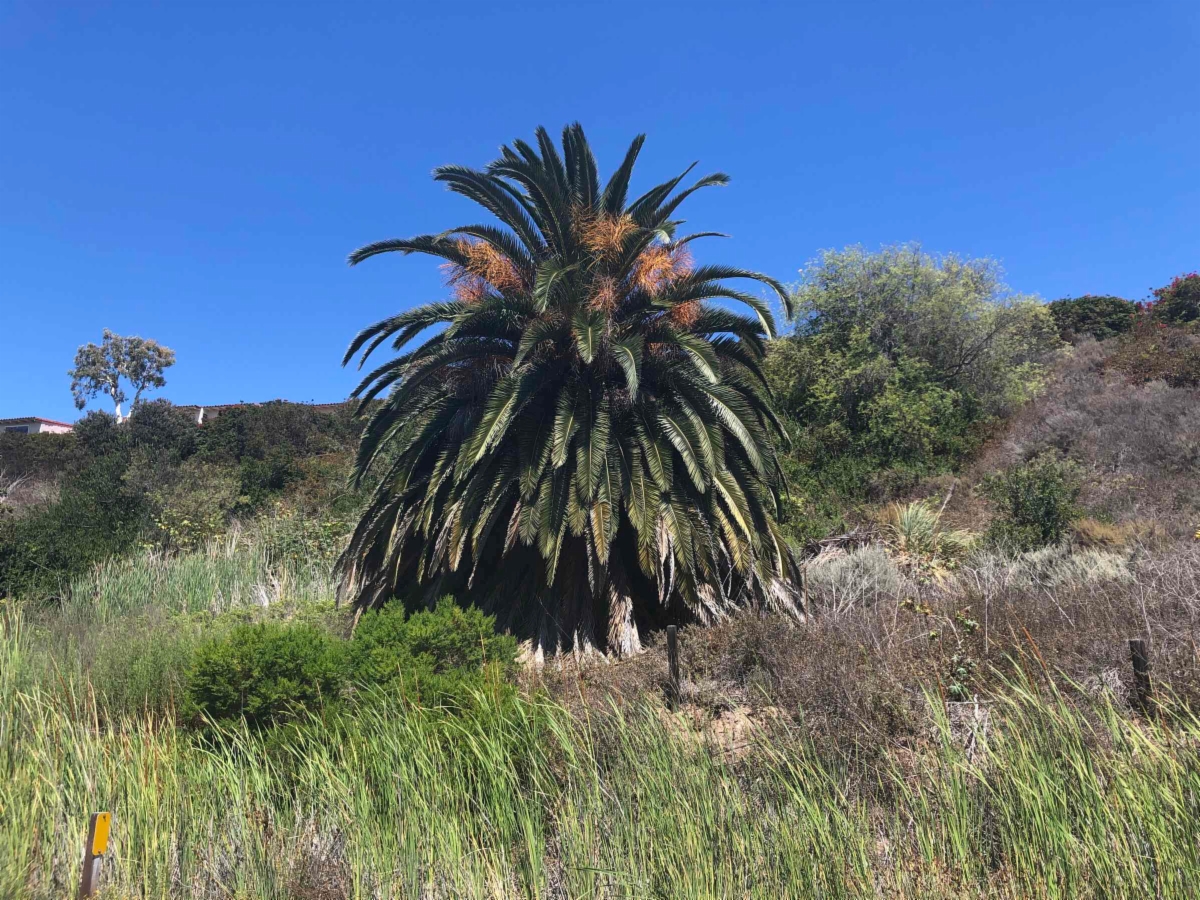
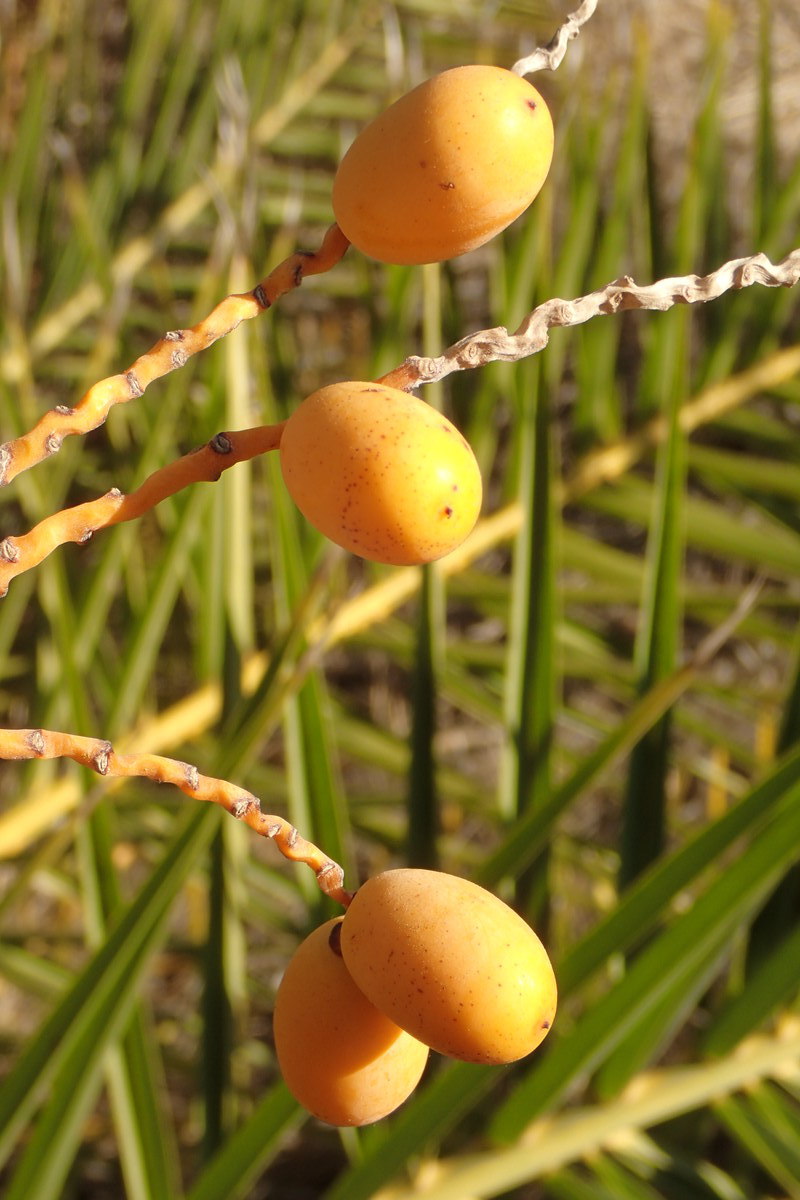
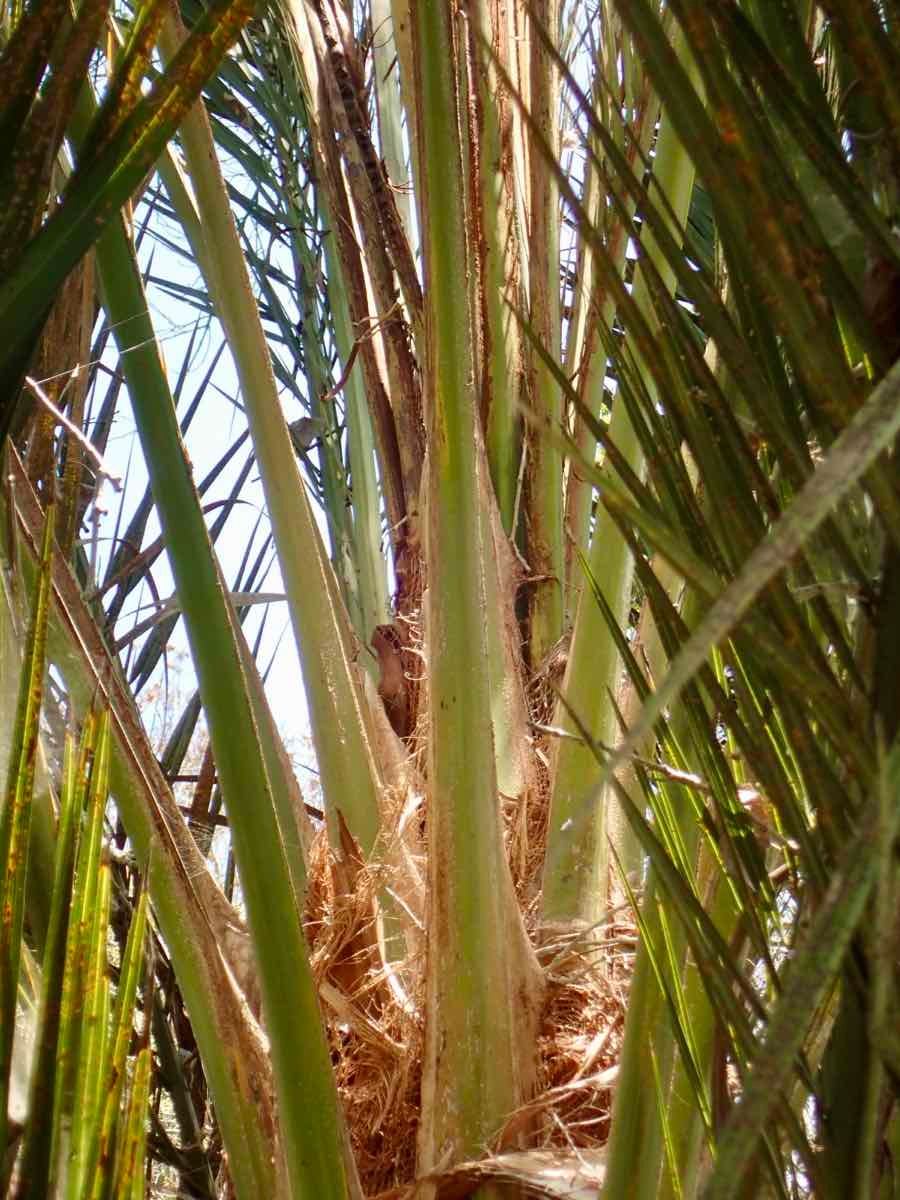
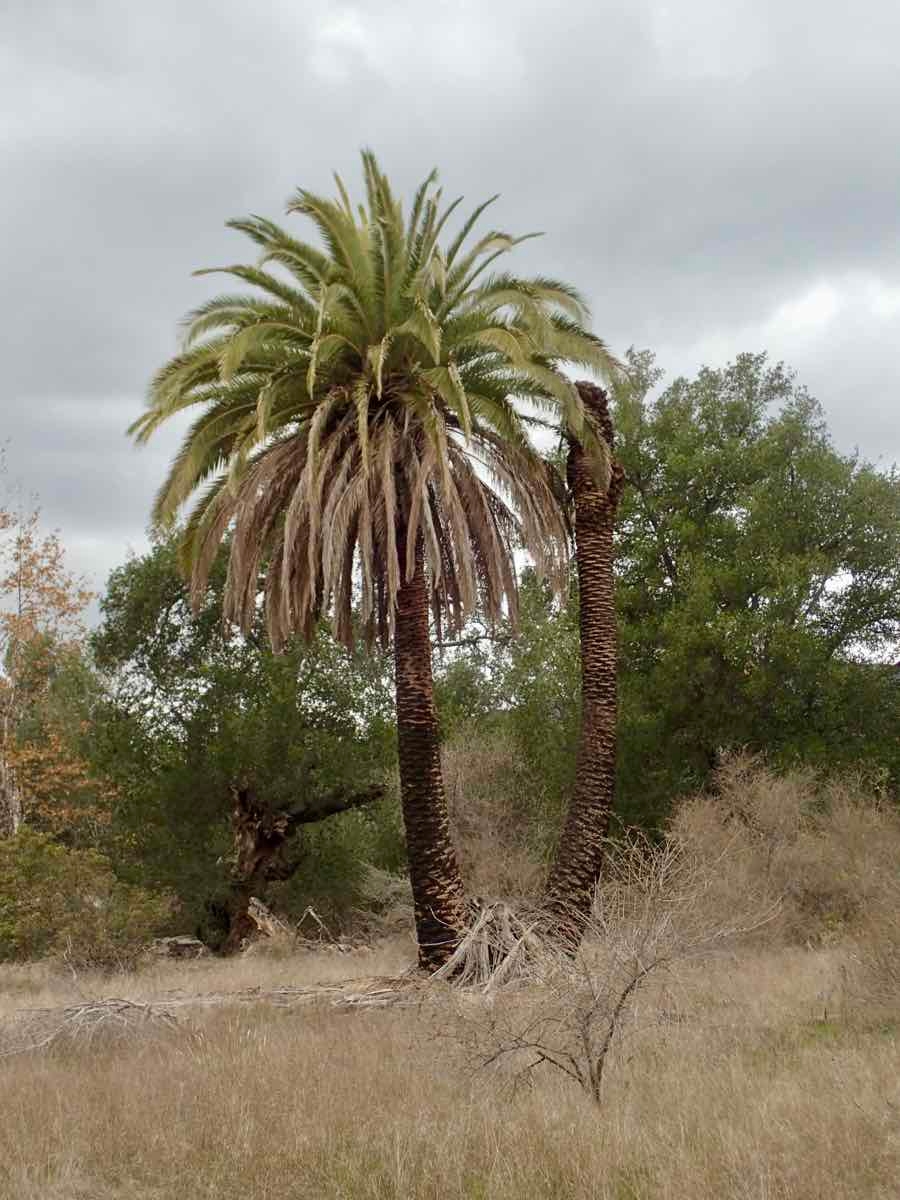
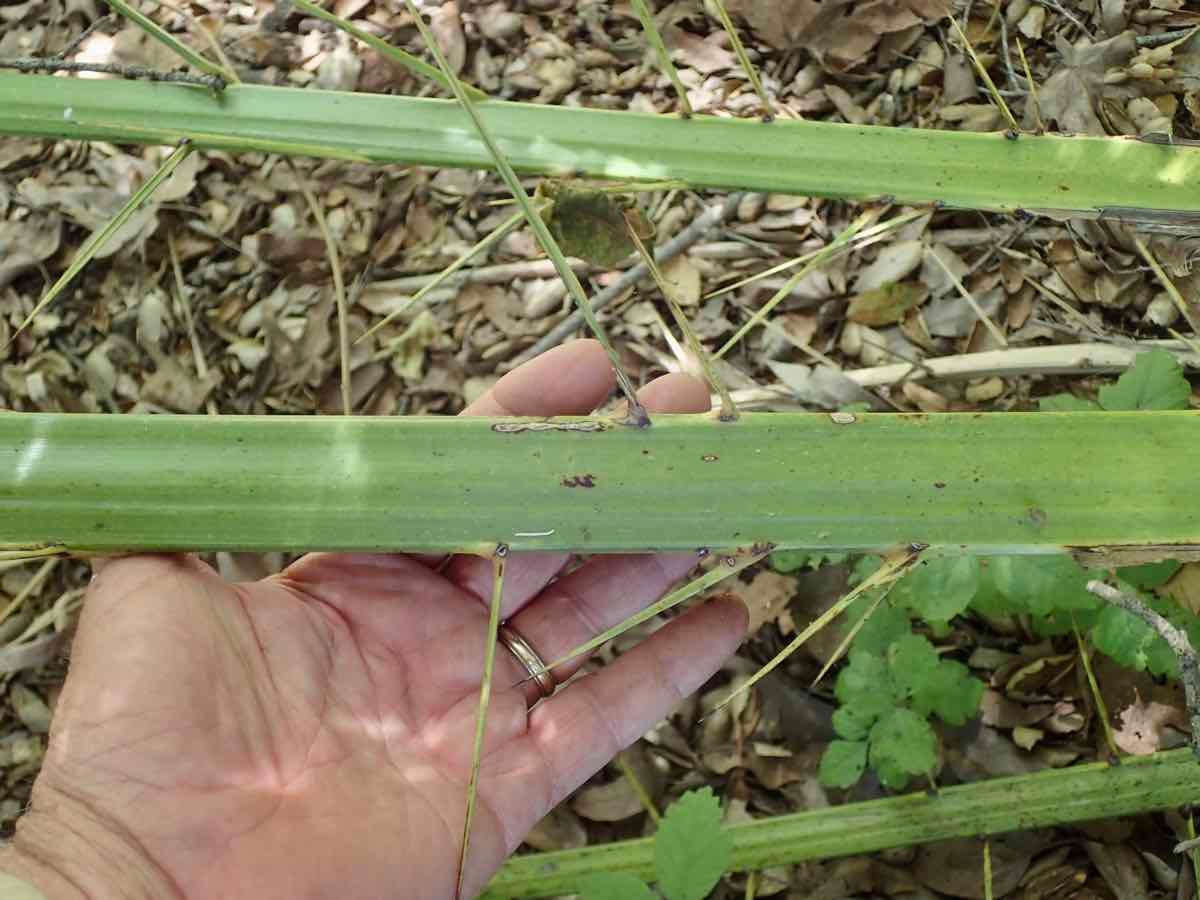
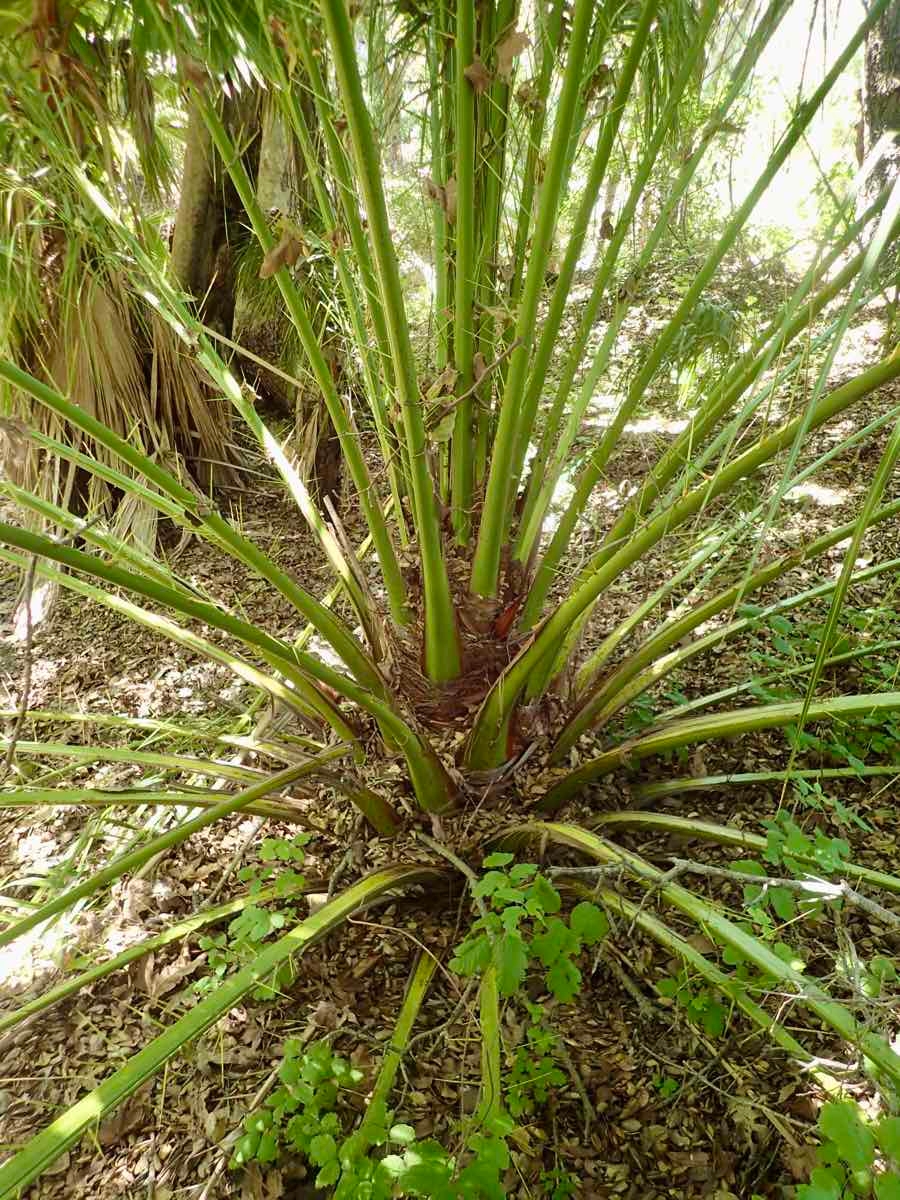
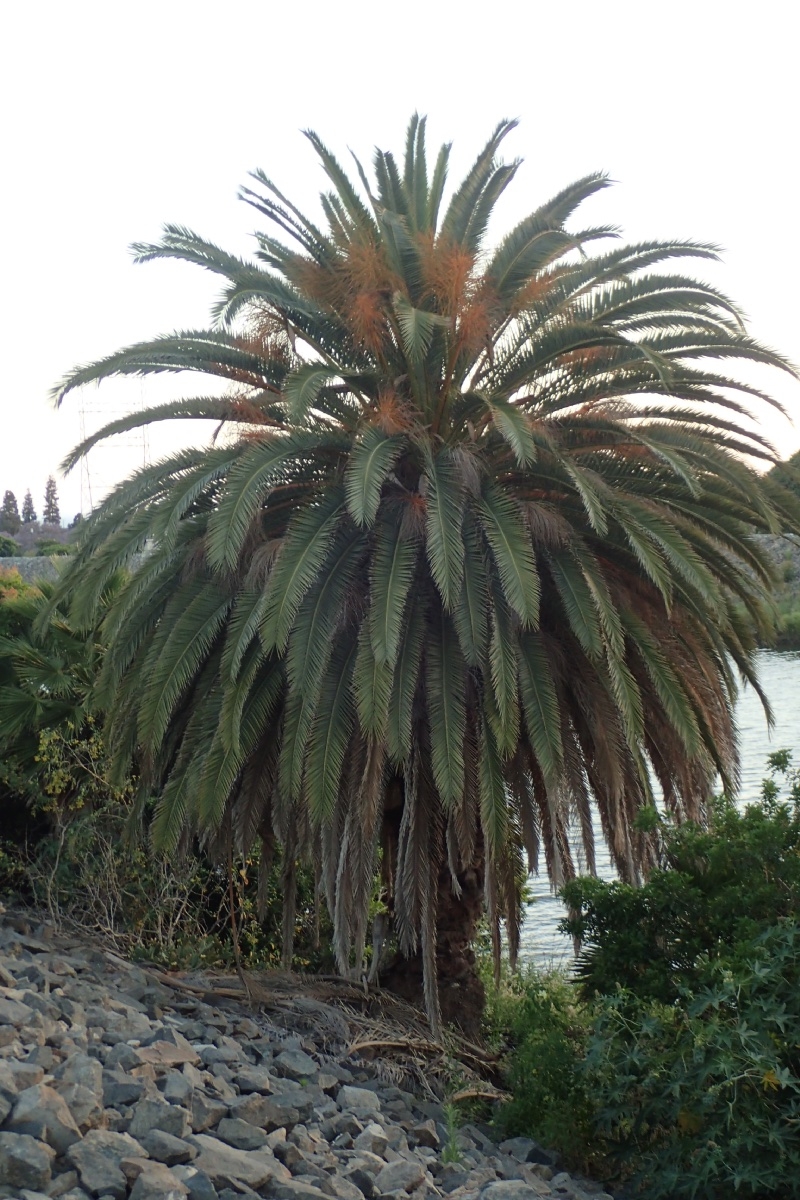
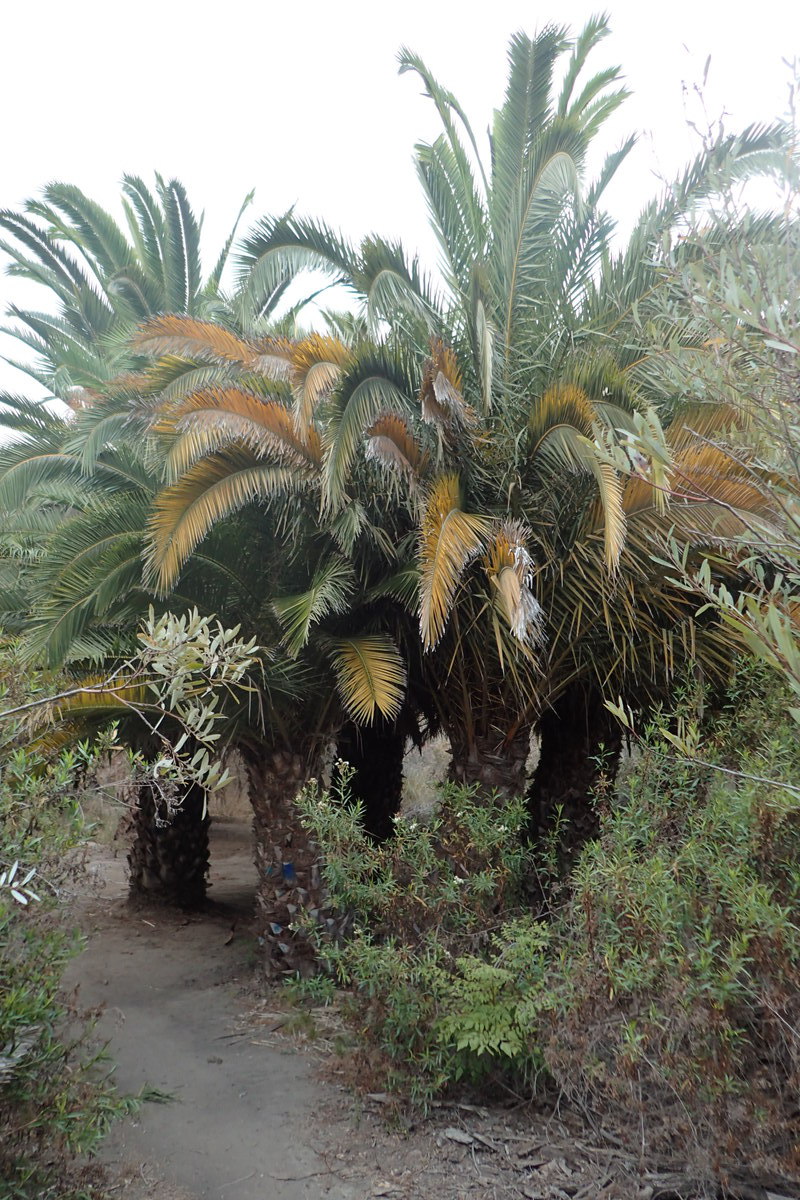
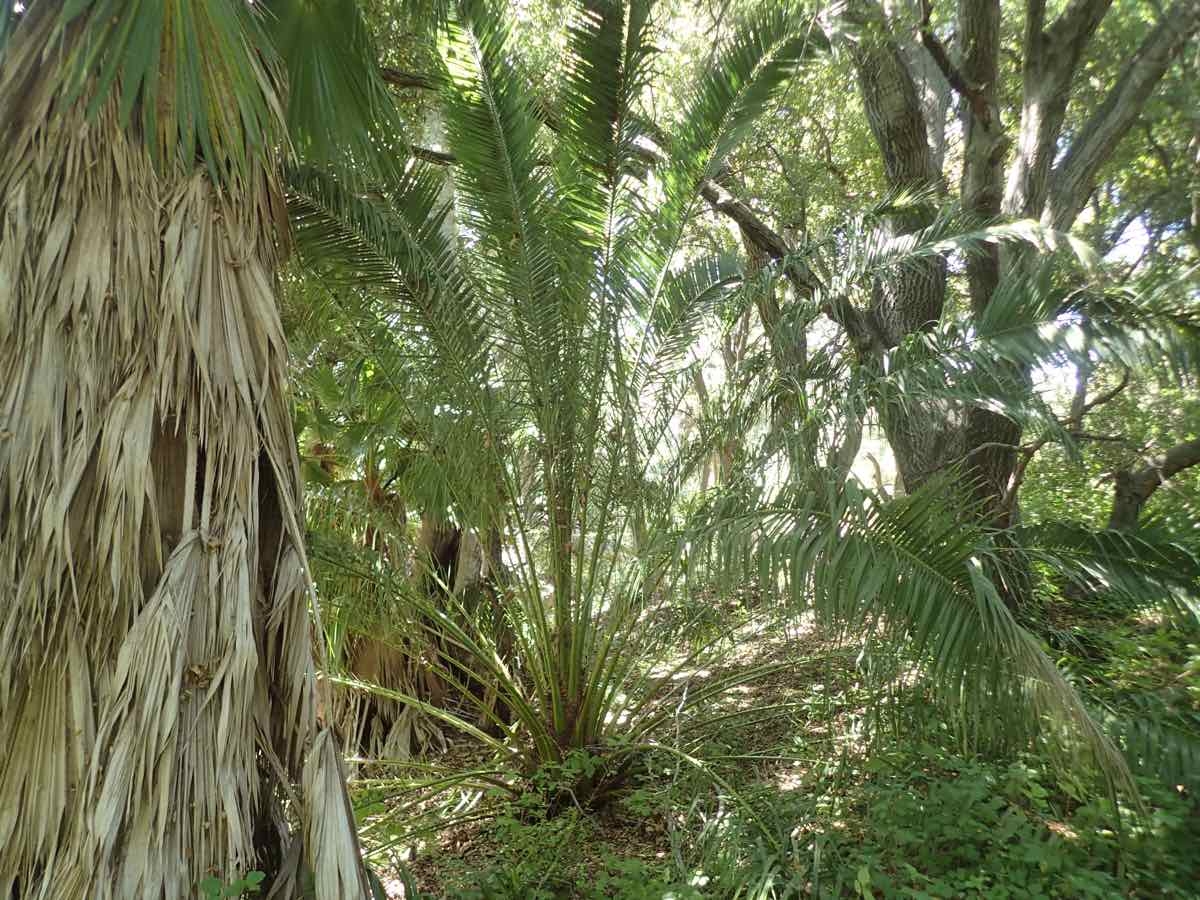
Phoenix canariensis is a tree that is not native to California.
[Wikipedia] Canary Islands native: Phoenix canariensis, the Canary Island date palm or pineapple palm, is a species of flowering plant in the palm family Arecaceae, native to the Canary Islands off the coast of Morocco. It is a relative of Phoenix dactylifera, the true date palm. It is the natural symbol of the Canary Islands, together with the canary Serinus canaria.[2] Mature P. canariensis are often used in ornamental landscaping and are collected and transplanted to their new planting location. A Canary Island date palm with 10 m (30 ft) of trunk is approximately 60 years of age. (link added by Mary Ann Machi)
[Wikipedia] Invasiveness: In some areas, Phoenix canariensis has proven to be an invasive plant. In Bermuda and the United States (Florida and California) it is considered naturalised (lives wild in a region where it is not indigenous). It has also spread in some areas of peninsular Spain, Portugal, Italy, Australia, and New Zealand.[10][11][12] It is listed as invasive (naturalized) in coastal southern California.[13] In Auckland, New Zealand, the palm has itself become a host for the naturalised Australian strangler fig, Ficus macrophylla. (link added by Mary Ann Machi)
/app/up/entry/223/th/67028.jpg:!/app/up/io/252/th/io75894-0.jpg:!/app/up/io/174/th/io52461-0.jpg:!/app/up/gp/95/th/19061.jpg?a:!/app/up/io/243/th/io73169-0.jpg:!/app/up/io/264/th/io79318-0.jpg:!/app/up/io/316/th/io95011-2.jpg:!/app/up/io/316/th/io95011-0.jpg:!/app/up/entry/166/th/50032.jpg:!/app/up/gp/94/th/18807.jpg?a:!/app/up/io/316/th/io95011-3.jpg:!
2020 Ron Vanderhoff:!2022 Ron Vanderhoff:!2021 James Bailey:!2019 Ron Vanderhoff:!2022 Ron Vanderhoff:!2022 Ron Vanderhoff:!2023 Ron Vanderhoff:!2023 Ron Vanderhoff:!2020 Ron Vanderhoff:!2019 Ron Vanderhoff:!2023 Ron Vanderhoff:!
mu8765:!io75894:!io52461:!gp19061:!io73169:!io79318:!io95011:!io95011:!mu4081:!gp18807:!io95011:!
Suggested Citation
Calflora:
Information on California plants for education, research and conservation,
with data contributed by
public and private institutions and individuals.
[web application]. 2024. Berkeley, California:The Calflora Database
[a non-profit organization].Available:
https://www.calflora.org/(Accessed: 07/26/2024).


 one or more occurrences