Calflora Taxon Report
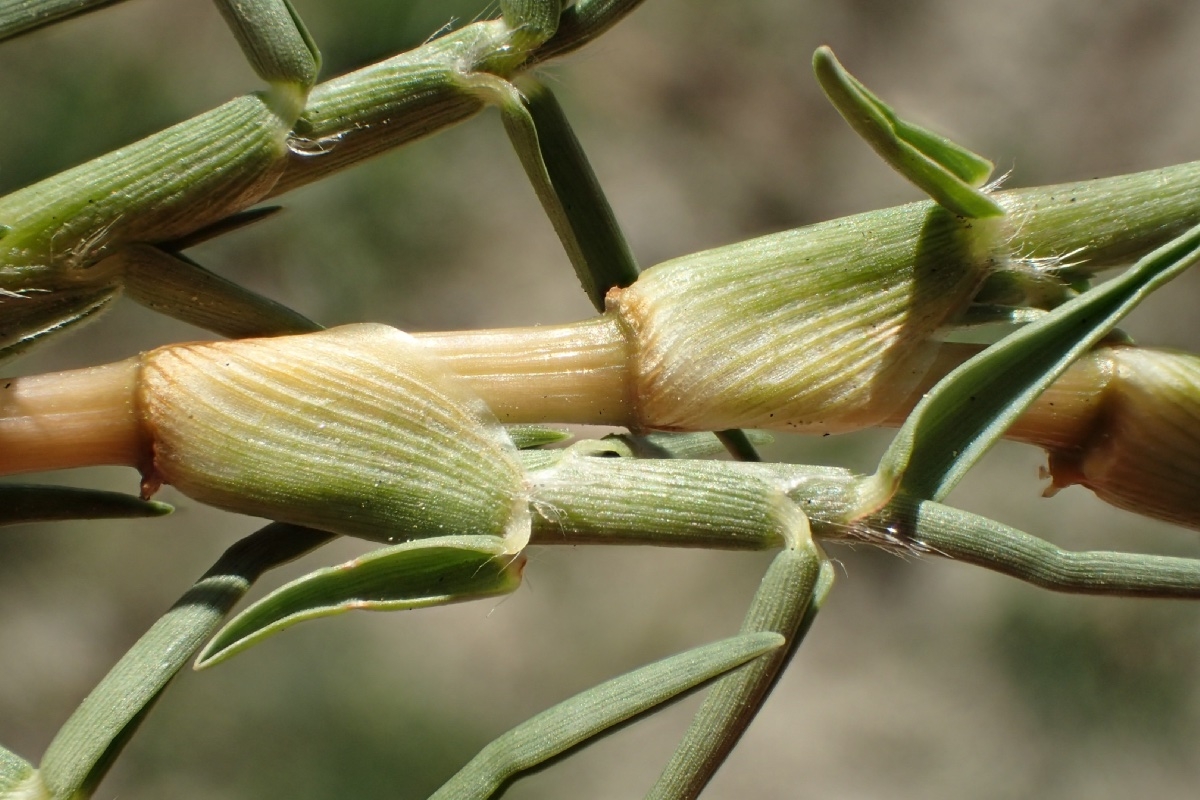
Pennisetum clandestinum  Chiov.
Kikuyu grass, Kikuyugrass
photo on Calflora
2020 Ron Vanderhoff
photo on Calflora
2020 Ron Vanderhoff
photo on Calflora
2017 Josh Nuzzo
photo on Calflora
2023 Ron Vanderhoff
photo on Calflora
2020 Ramona Robison
photo on Calflora
2020 Diana Wahl
photo on Calflora
2018 Sarah Inman
photo on Calflora
2020 David Greenberger
photo on Calflora
2020 David Greenberger
photo on Calflora
2021 El Byrne
photo on Calflora
2024 Andrew Will
photo on Calflora
2025 Ron Vanderhoff
photo on Calflora
2023 Ron Vanderhoff
photo on Calflora
2023 Ron Vanderhoff
photo on Calflora
2020 Ramona Robison
photo on Calflora
2024 Jennifer Mo
photo on Calflora
2010 Toni Corelli
photo on Calflora
2020 Ron Vanderhoff
photo on Calflora
2020 Ron Vanderhoff
photo on Calflora
2024 Andrew Will
Pennisetum clandestinum is a perennial grasslike herb that is not native to California.
Cal-IPC rating: limited
Siskiyou Del Norte Modoc Humboldt Shasta Lassen Trinity Plumas Tehama Butte Mendocino Glenn Sierra Yuba Lake Nevada Colusa Placer Sutter El Dorado Yolo Alpine Napa Sonoma Sacramento Mono Amador Solano Calaveras Tuolumne San Joaquin Marin Contra Costa Alameda Santa Cruz Mariposa Madera San Francisco San Mateo Merced Fresno Stanislaus Santa Clara Inyo San Benito Tulare Kings Monterey San Bernardino San Luis Obispo Kern Santa Barbara Ventura Los Angeles Riverside Orange San Diego Imperial
DJJJASONAFMM

Bloom Period
Genus: Pennisetum
Family: Poaceae  
Category: angiosperm  
PLANTS group:Monocot
Jepson eFlora section: monocot
Wetlands: Occurs usually in non wetlands, occasionally in wetlands

Habitat: disturbed

Communities: weed, characteristic of disturbed places, agricultural weed

Name Status:
Accepted by JEF + PLANTS
Alternate Names:
PLANTSCenchrus clandestinus
POWOCenchrus clandestinus
External links:

[Cal-IPC] Invasive: Pennisetum clandestinum (kikuyugrass) is a perennial grass (family Poaceae) that prefers disturbed areas, such as roadsides, urban areas, cropland, turf, forested sites and wetland areas. Kikuyugrass reproduces from seed and vegetatively, using its extensive system of creeping stolons and rhizomes. Kikuyugrass populations can be controlled by hand removal if detected early. Agricultural and landscape maintenance equipment should be cleaned after use in areas with kikuyu grass infestations in order to prevent the spread of rhizome and stolon fragments. Cal-IPC Rating: Limited (link added by Mary Ann Machi)

[Wikipedia] East Africa native, Noxious weed: The tropical grass species Cenchrus clandestinus (previously Pennisetum clandestinum) is known by several common names, most often Kikuyu grass, as it is native to the highland regions of East Africa that is home to the Kikuyu people. Because of its rapid growth and aggressive nature, it is categorised as a noxious weed in some regions.[2][3] However, it is also a popular garden lawn species in Australia, New Zealand, South Africa and the southern region of California in the United States, as it is inexpensive and moderately drought-tolerant. In addition, it is useful as pasture for livestock grazing and serves as a food source for many avian species, including the long-tailed widowbird.[4] The flowering culms are very short and "hidden" amongst the leaves, giving this species its specific epithet (clandestinus). (link added by Mary Ann Machi)

Suggested Citation
“Calflora - Taxon Report.” The Calflora Database, a non-profit organization. .

Accessed: