San bruno mountain manzanita, San bruno mtn. manzanita
2020 Mike Russler 2022 Cynthia Powell 2019 Patrick Furtado 2022 Cynthia Powell 2019 Patrick Furtado 2022 Cynthia Powell 2019 Patrick Furtado 2024 John Rawlings 2024 John Rawlings 2024 John Rawlings 2022 Cynthia Powell 2022 Cynthia Powell 2022 Cynthia Powell 2022 Cynthia Powell 2020 Mike Russler 2020 Mike Russler 2016 Richard Chasey
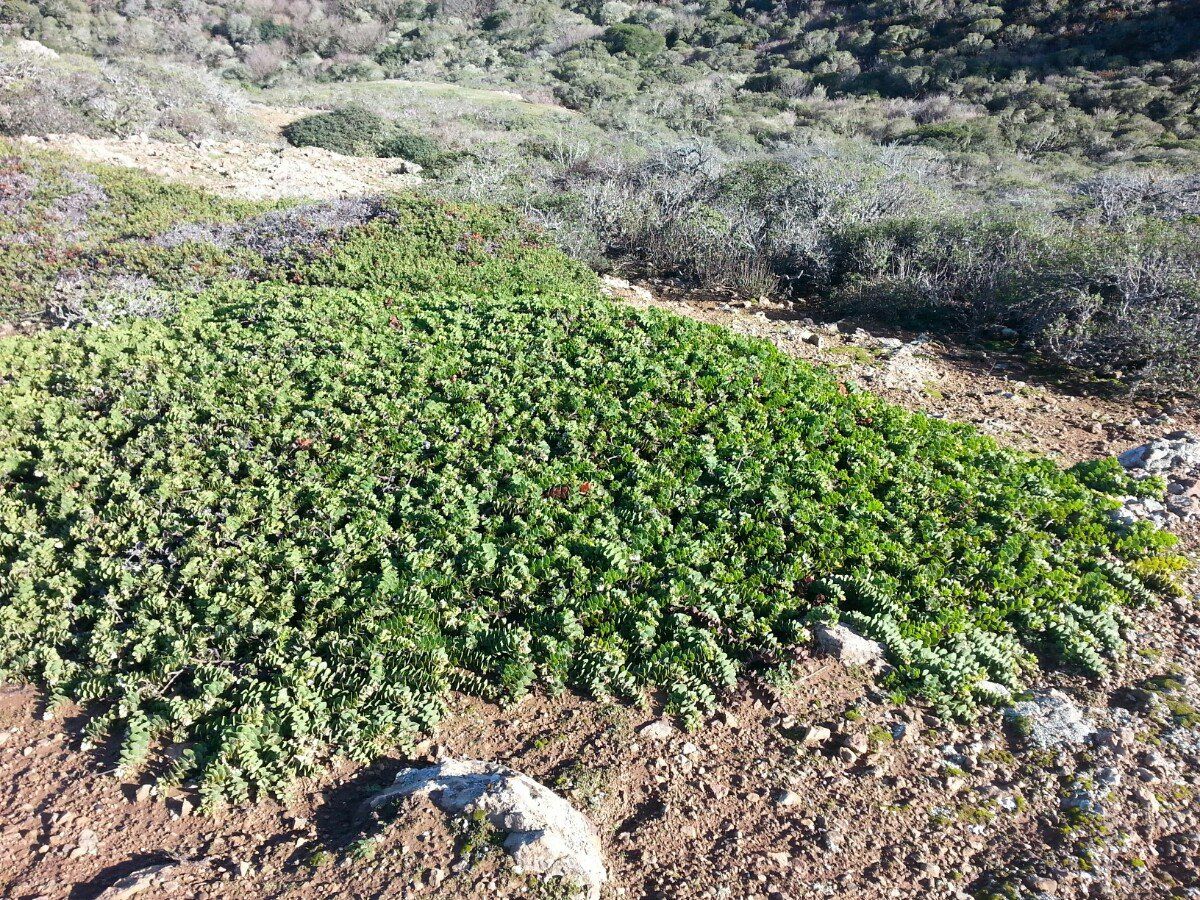
Arctostaphylos imbricata is a shrub that is native to California, and endemic (limited) to California.
California Rare Plant Rank: 1B.1 (rare, threatened, or endangered in CA and elsewhere).
State of California status: Endangered.
[Wikipedia] Description, Range: Arctostaphylos imbricata is a species of manzanita known by the common name San Bruno Mountain manzanita.
It is endemic to San Mateo County, California, where it is known only from six populations on San Bruno Mountain. Despite its rarity, this manzanita is not a federally listed endangered species because five of its six remaining populations are protected by the San Bruno Mountain Habitat Conservation Plan.[2]
This plant grows in the chaparral plant community. Like many other chaparral species, it requires wildfire for reproduction. Fire suppression in its native habitat is one threat to its survival.
Description
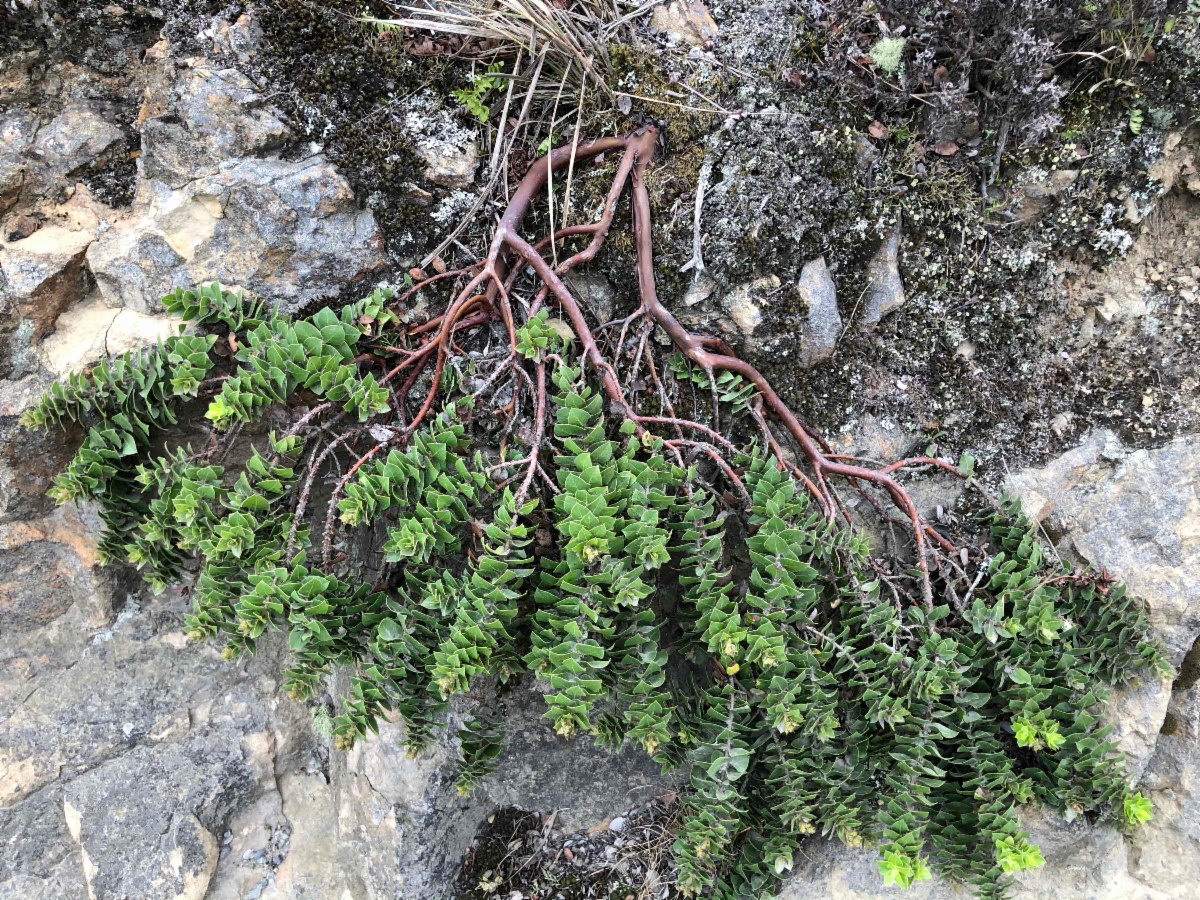
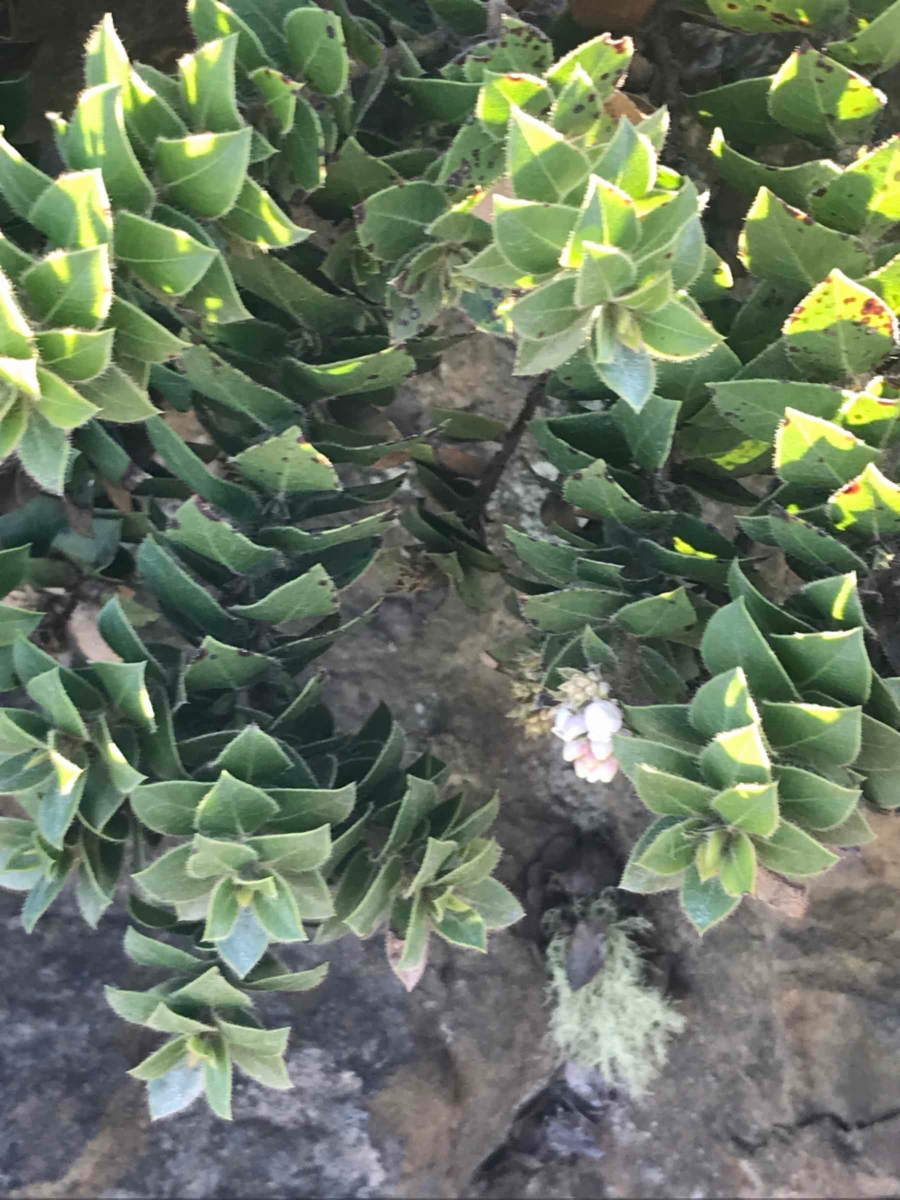
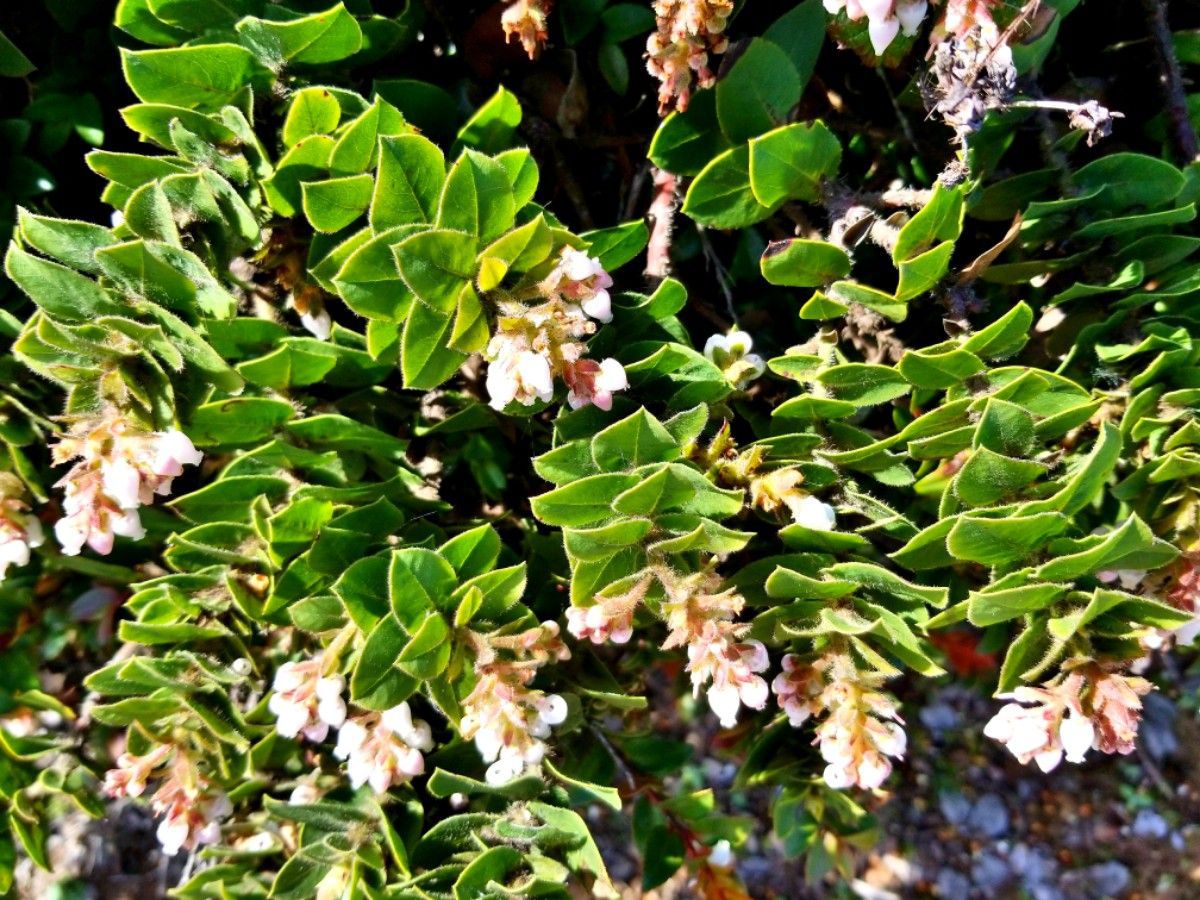
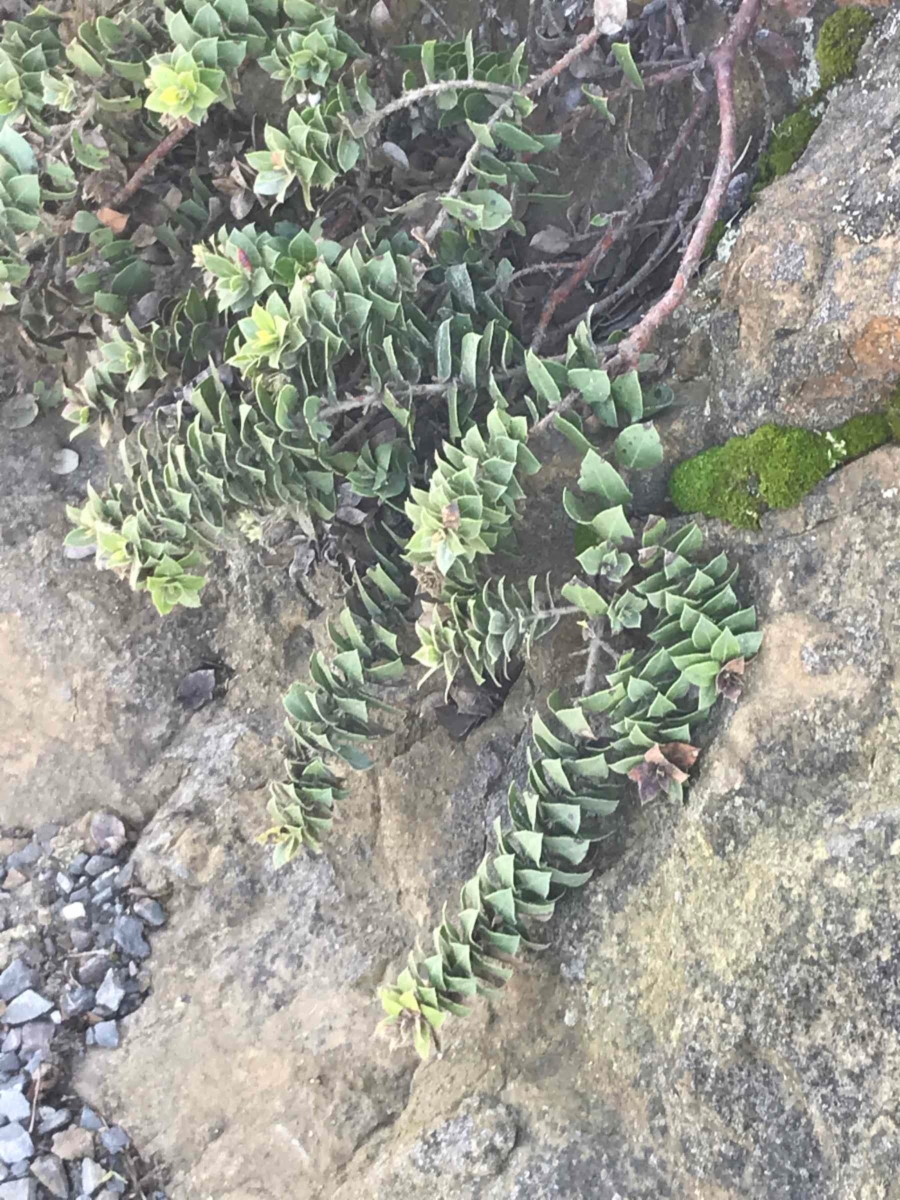
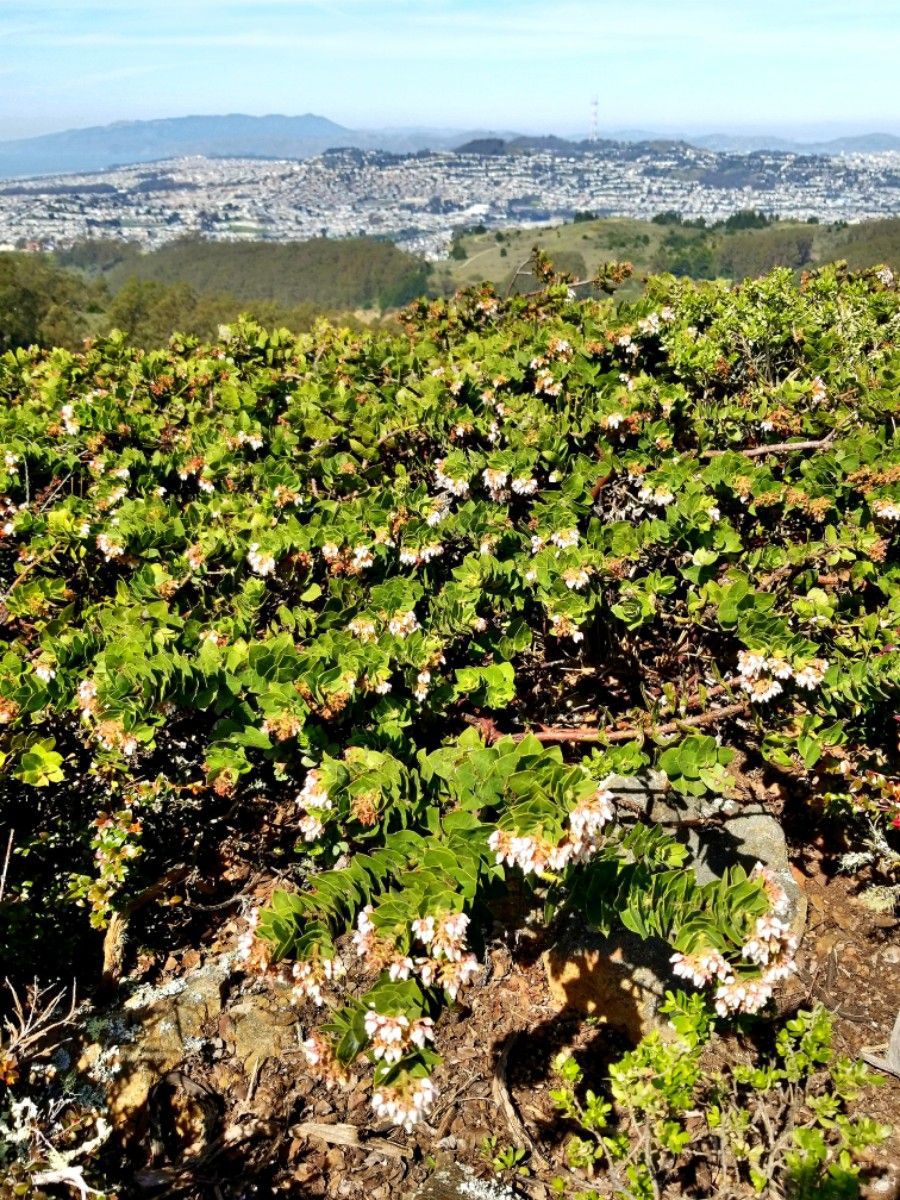
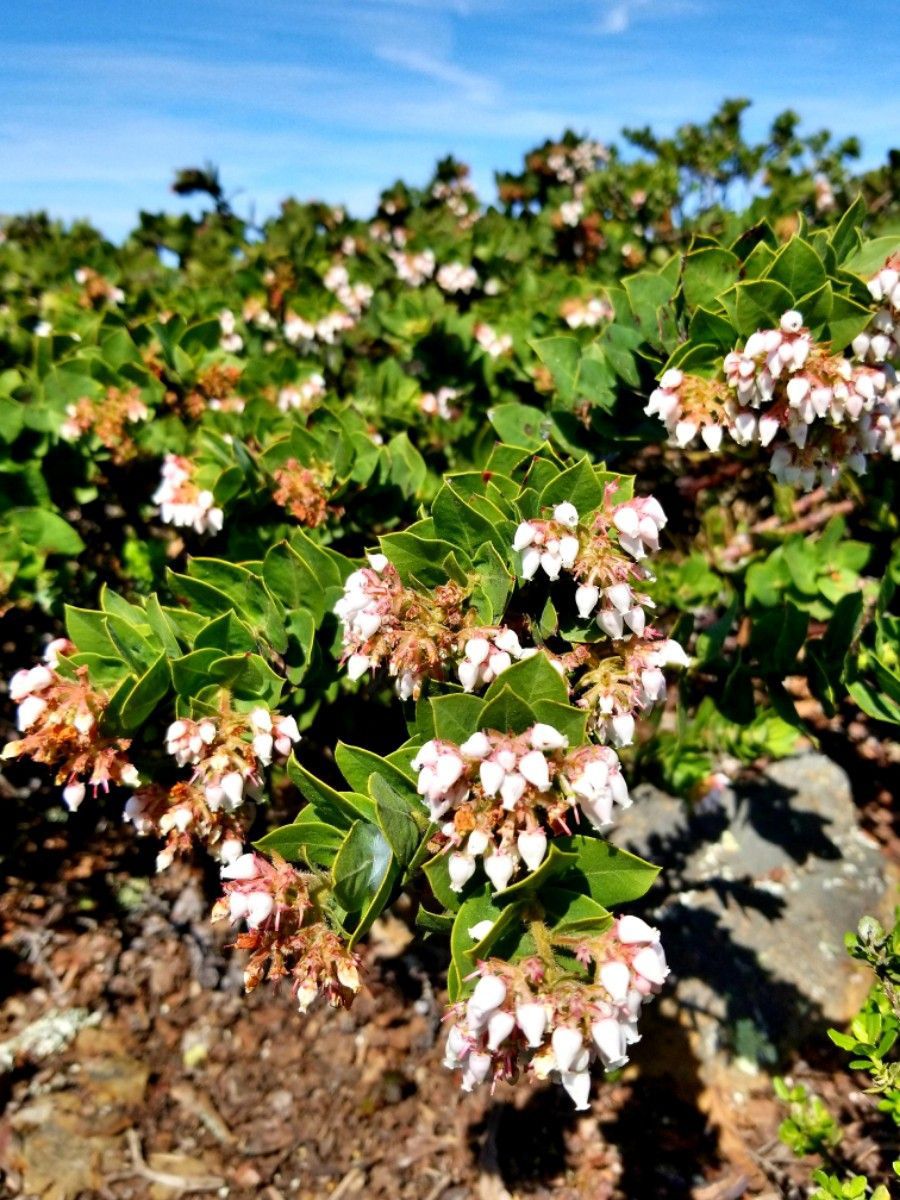
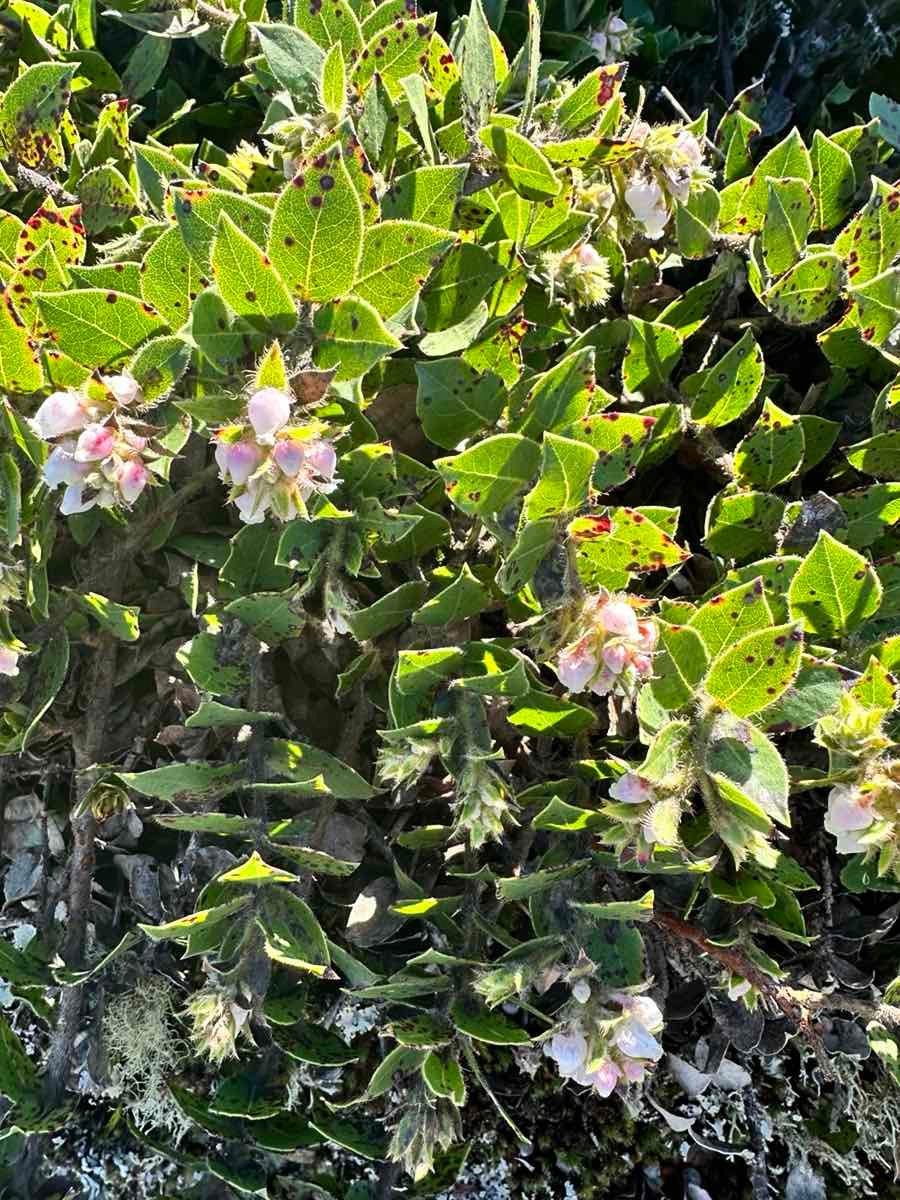
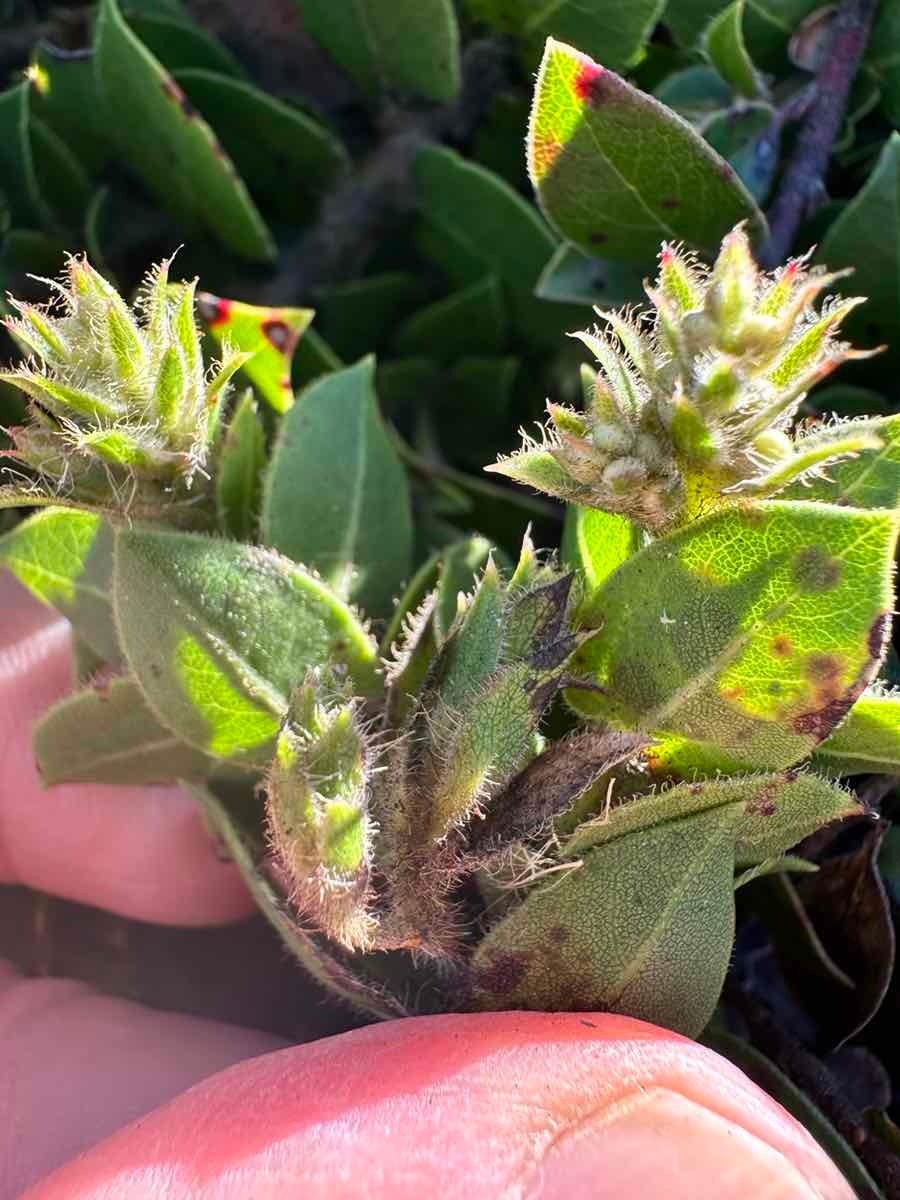
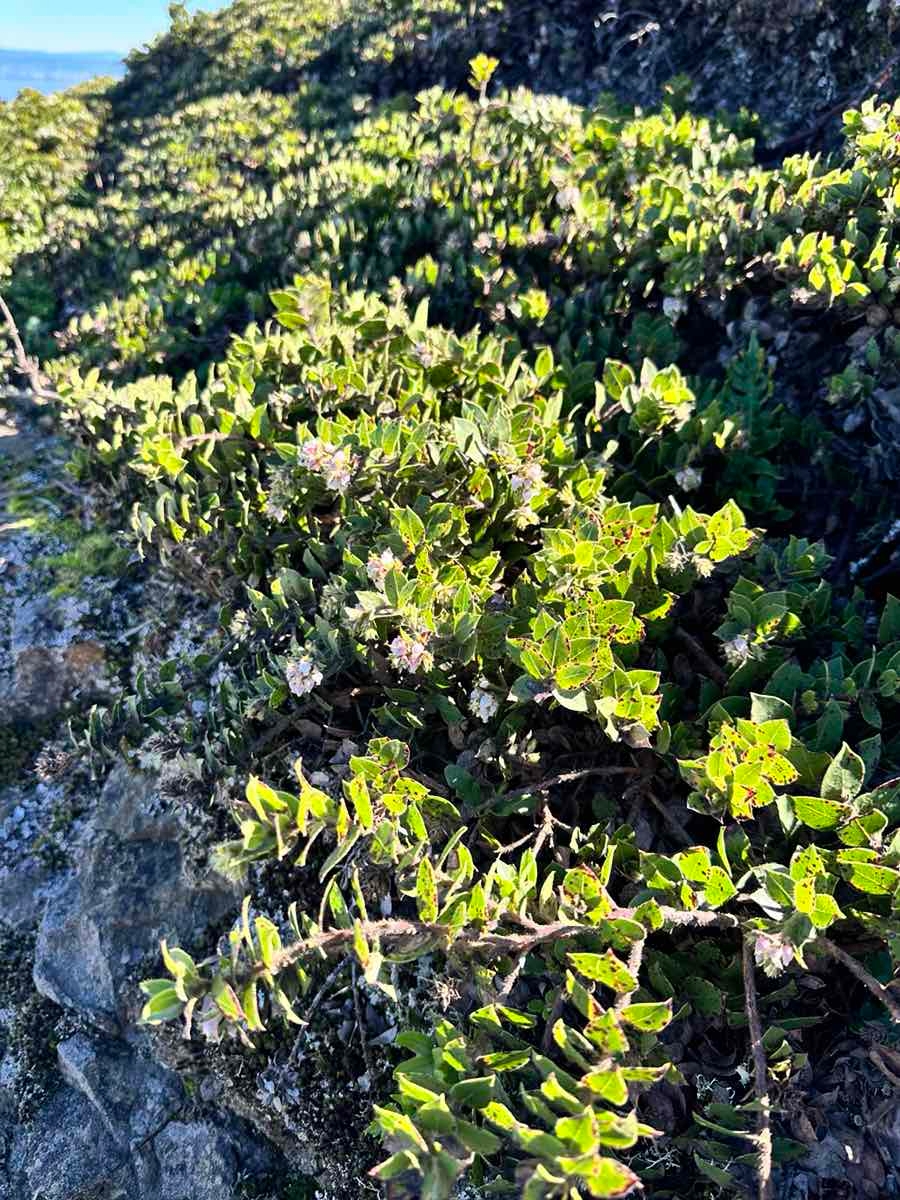
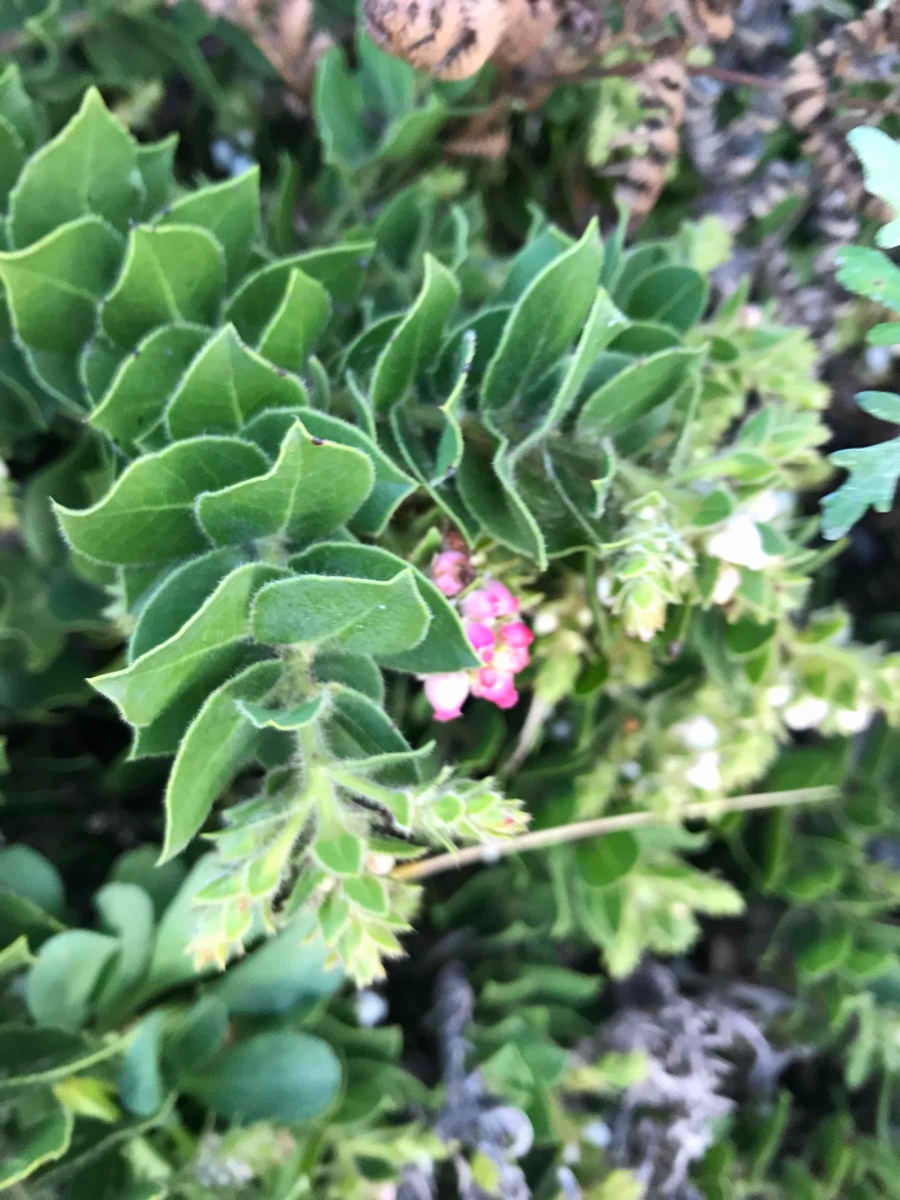
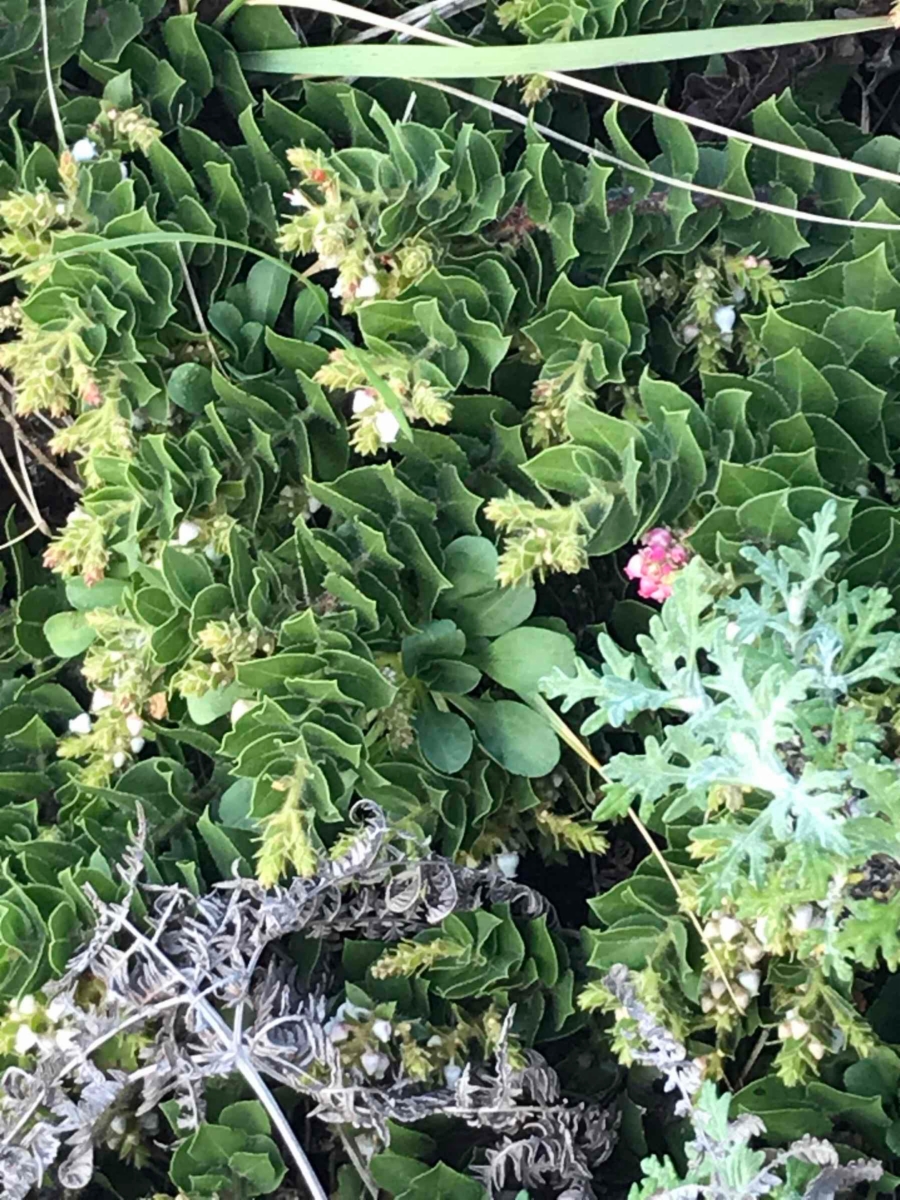
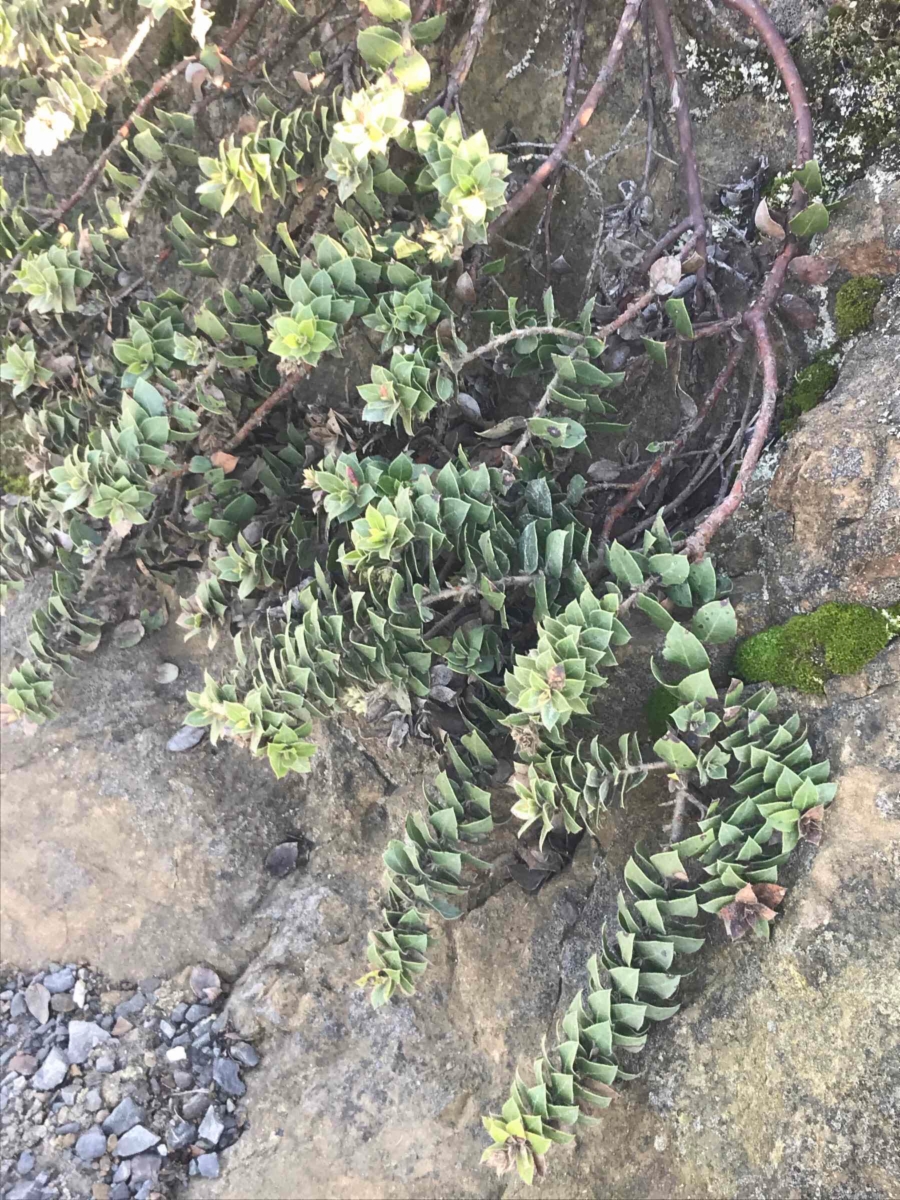
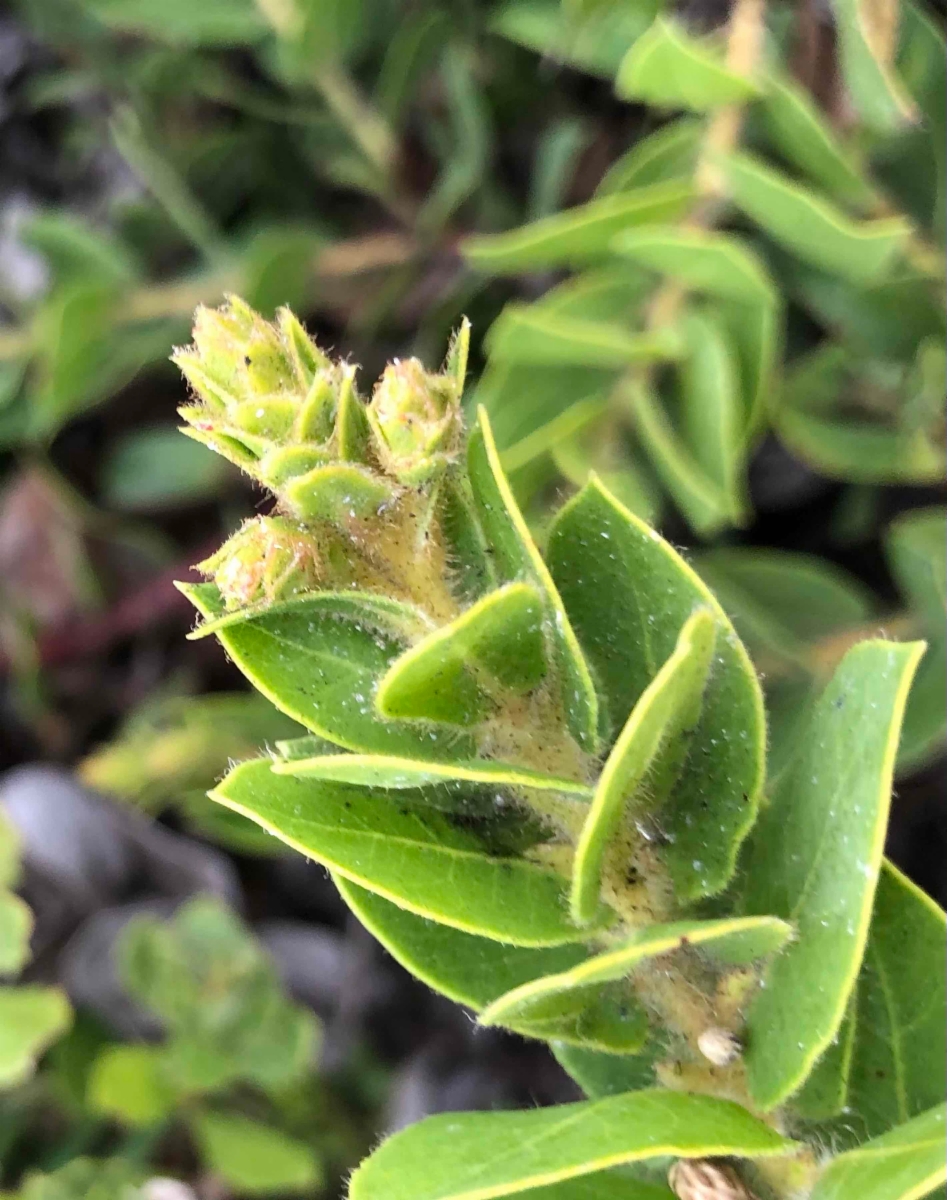
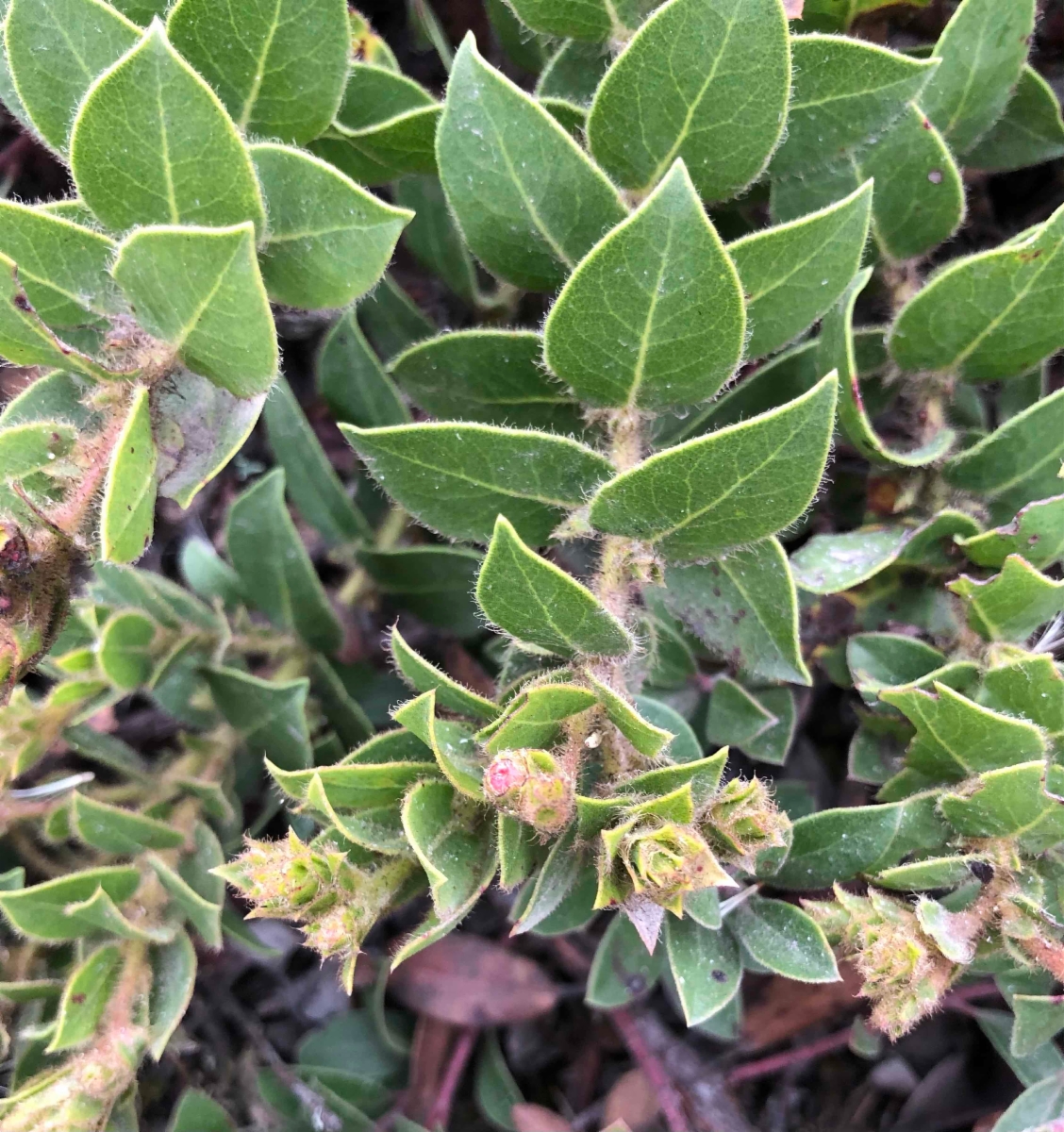
Arctostaphylos imbricata is a small, spreading, matlike shrub forming flat tangles or mounds less than a meter in height. The branches are coated in long bristles tipped in resin glands. The light green, glandular leaves are round to oval with rough, bristly, dull surfaces and smooth or toothed edges. They are up to 4 centimeters long and 3 wide.
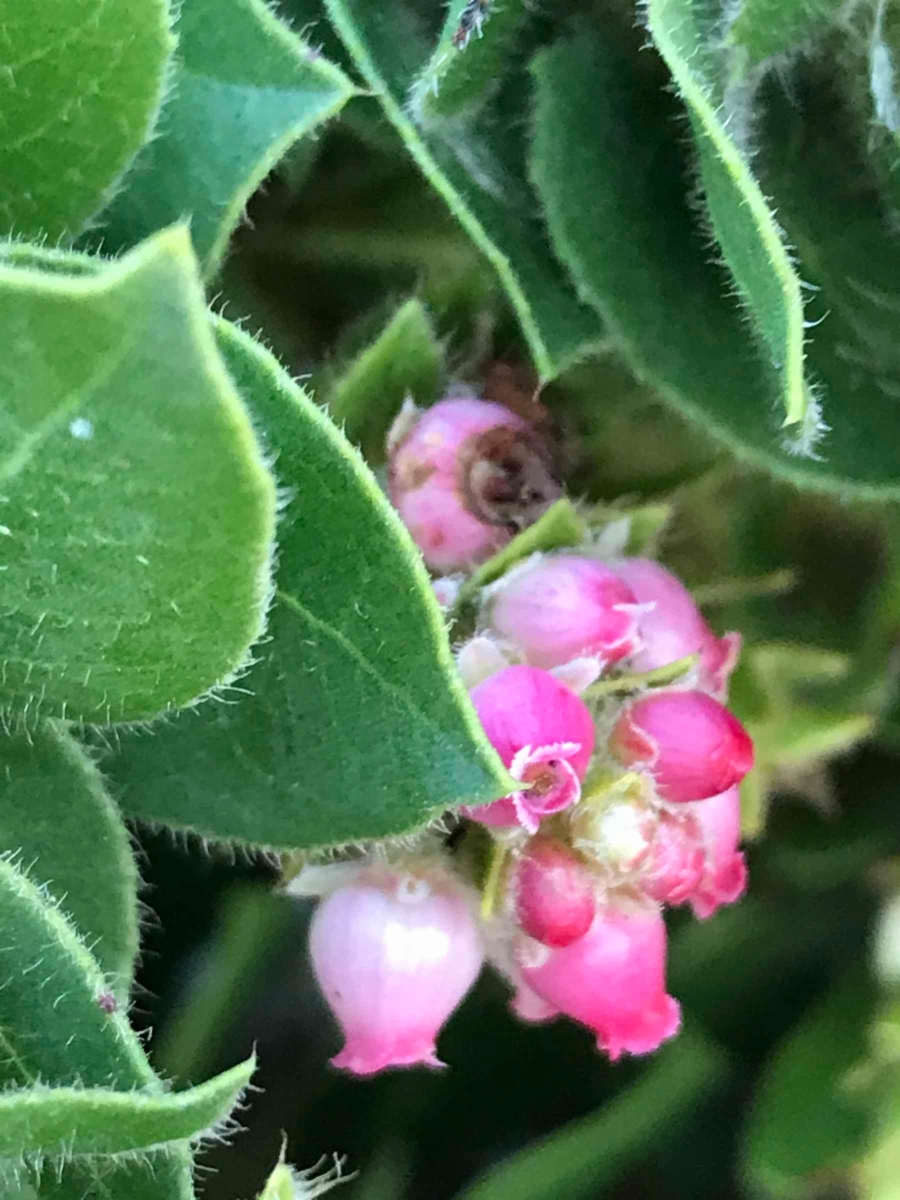
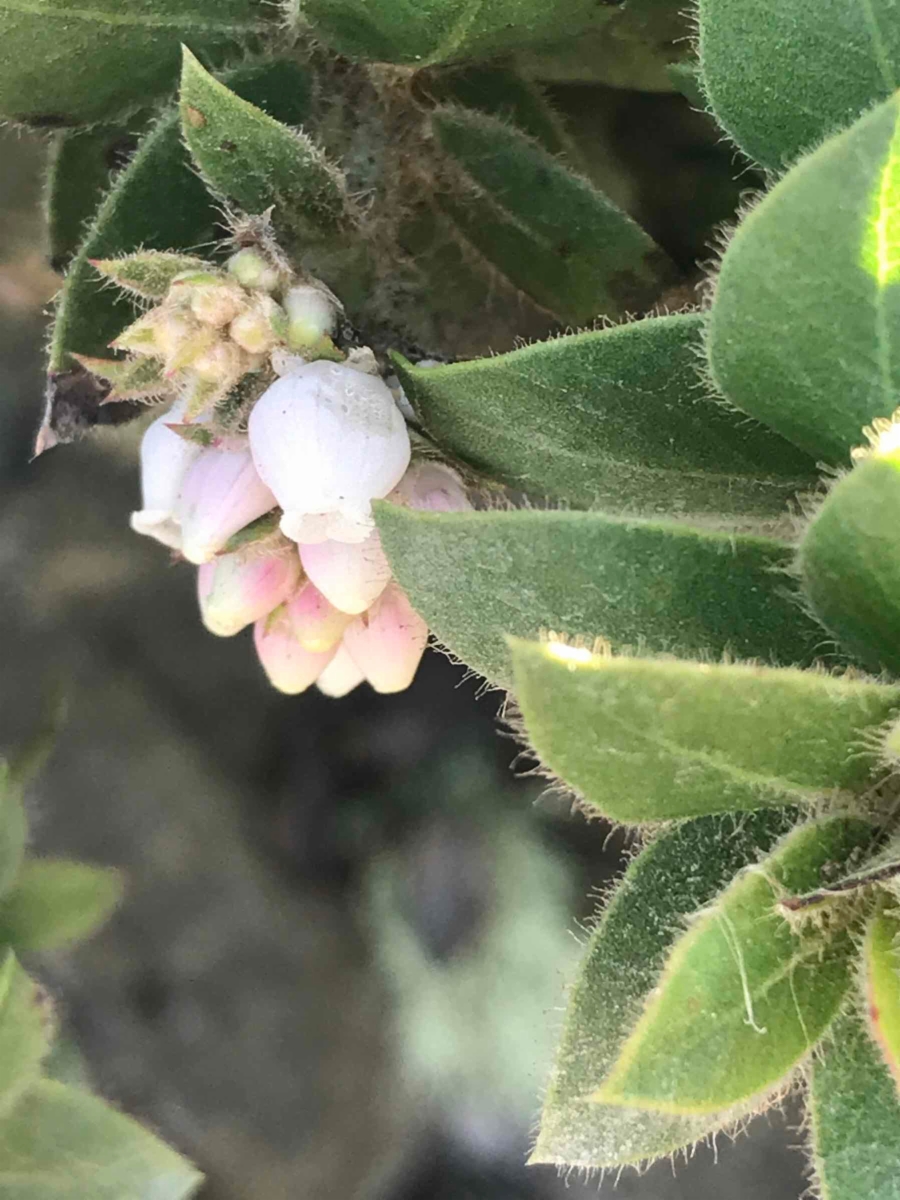
The dense inflorescence is crowded with rounded, urn-shaped white flowers, each only 3 to 5 millimeters long. The fruit is a hairy, glandular drupe about 7 millimeters wide. (link added by Mary Ann Machi)
/app/up/io/129/th/io38829-0.jpg:!/app/up/io/199/th/io59852-1.jpg:!/app/up/mg/266/th/mg79800-0.jpg:!/app/up/io/199/th/io59852-3.jpg:!/app/up/mg/266/th/mg79800-1.jpg:!/app/up/io/199/th/io59859-3.jpg:!/app/up/mg/266/th/mg79800-2.jpg:!/app/up/io/399/th/io119845-1.jpg:!/app/up/io/399/th/io119845-0.jpg:!/app/up/io/399/th/io119845-2.jpg:!/app/up/io/199/th/io59859-2.jpg:!/app/up/io/199/th/io59859-1.jpg:!/app/up/io/199/th/io59852-2.jpg:!/app/up/io/199/th/io59852-0.jpg:!/app/up/io/129/th/io38831-0.jpg:!/app/up/io/129/th/io38829-1.jpg:!/app/up/mg/67/th/mg20349-0.jpg:!
2020 Mike Russler:!2022 Cynthia Powell:!2019 Patrick Furtado:!2022 Cynthia Powell:!2019 Patrick Furtado:!2022 Cynthia Powell:!2019 Patrick Furtado:!2024 John Rawlings:!2024 John Rawlings:!2024 John Rawlings:!2022 Cynthia Powell:!2022 Cynthia Powell:!2022 Cynthia Powell:!2022 Cynthia Powell:!2020 Mike Russler:!2020 Mike Russler:!2016 Richard Chasey:!
io38829:!io59852:!mg79800:!io59852:!mg79800:!io59859:!mg79800:!io119845:!io119845:!io119845:!io59859:!io59859:!io59852:!io59852:!io38831:!io38829:!mg20349:!
Suggested Citation
Calflora:
Information on California plants for education, research and conservation,
with data contributed by
public and private institutions and individuals.
[web application]. 2024. Berkeley, California:The Calflora Database
[a non-profit organization].Available:
https://www.calflora.org/(Accessed: 07/26/2024).


 one or more occurrences