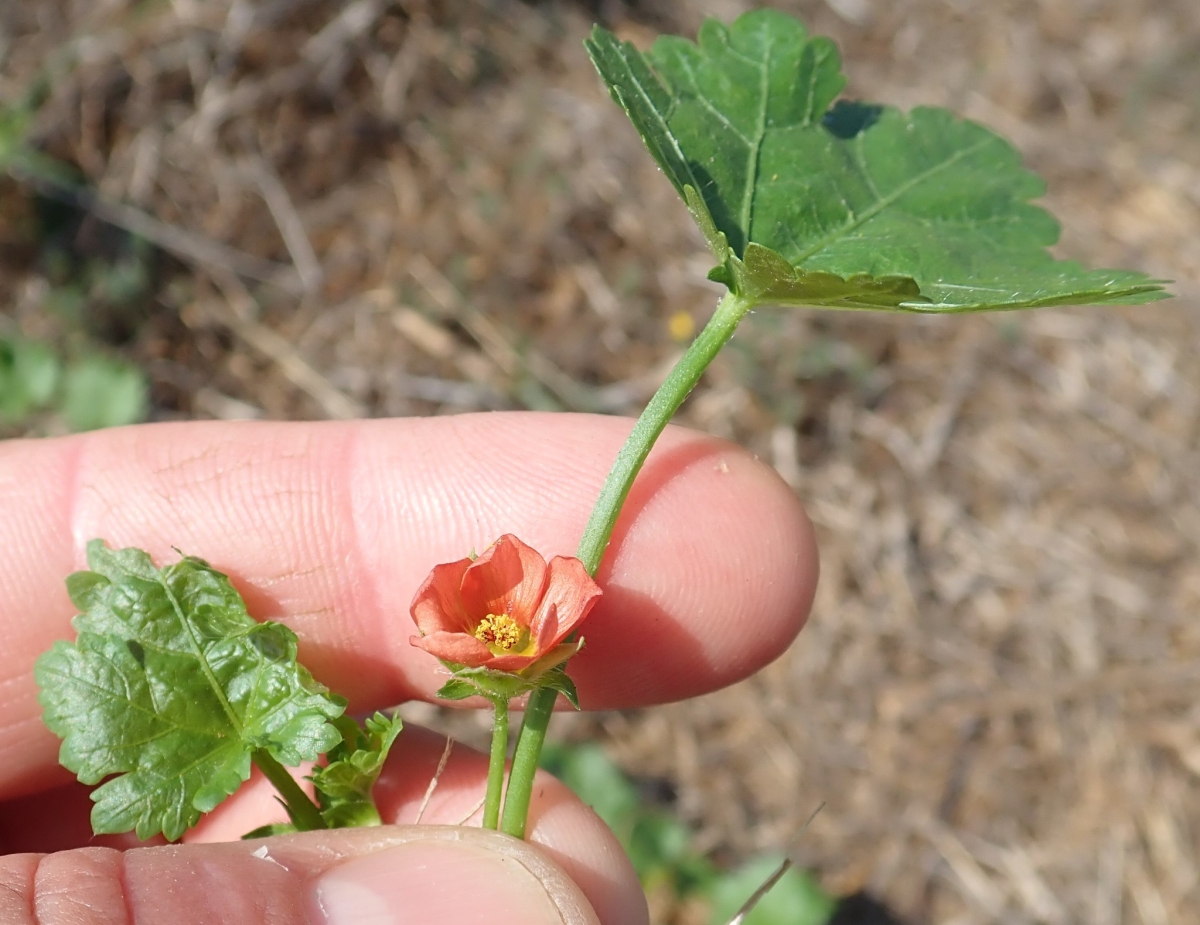
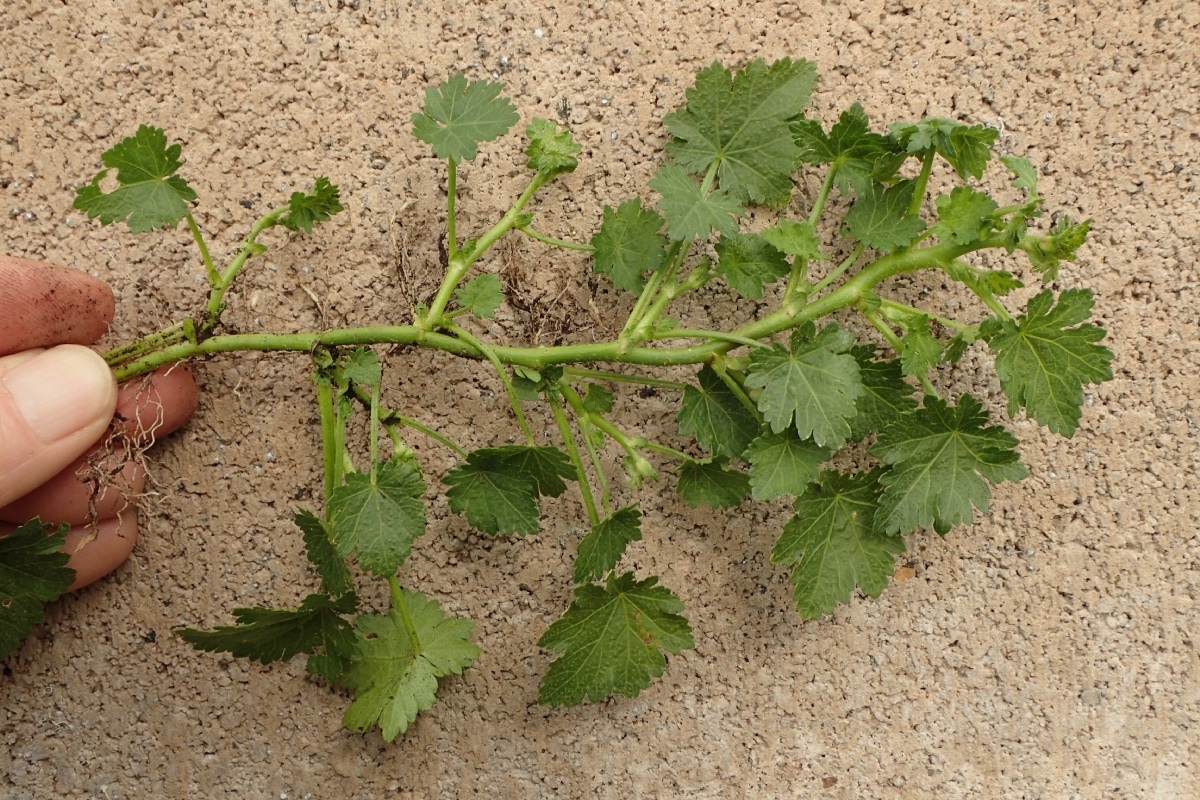
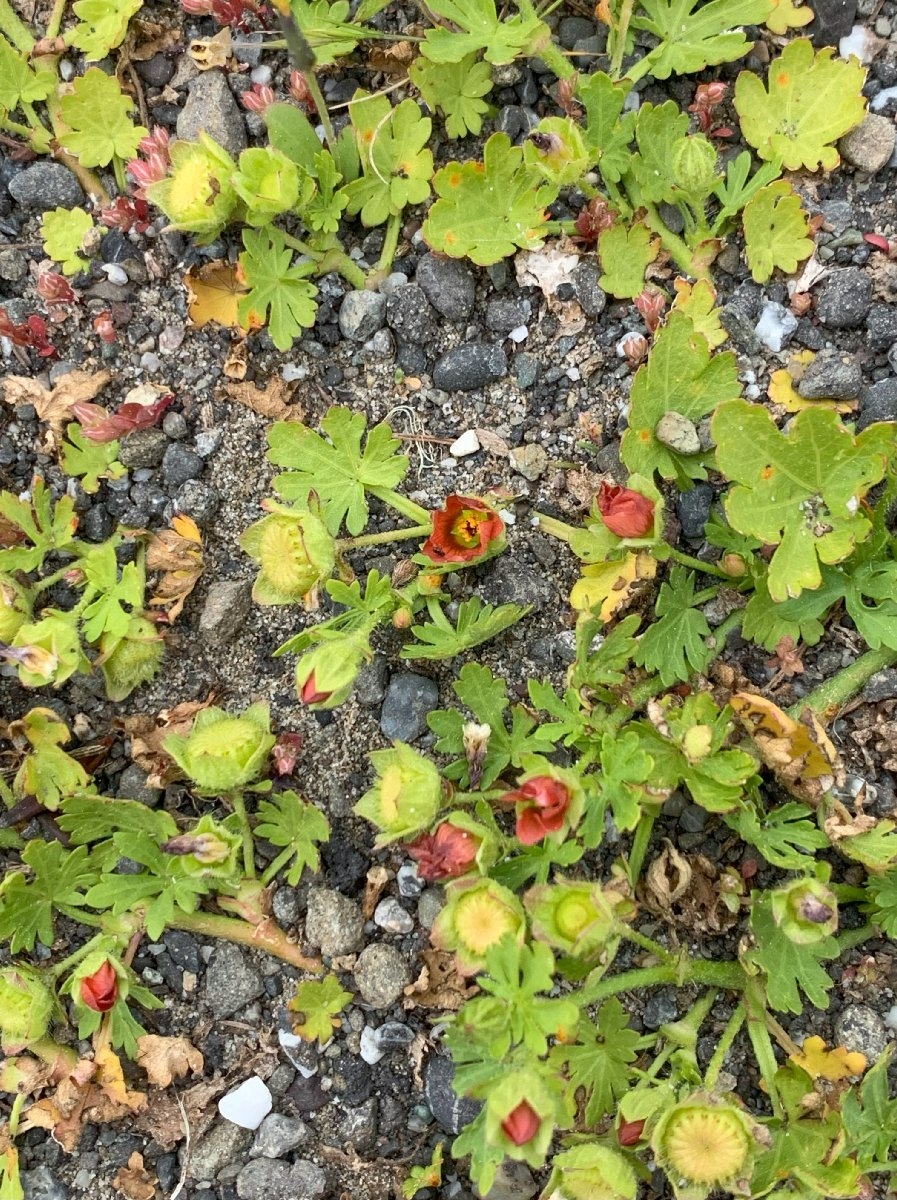
2020 David Wolfson 2020 Asa B Spade 2019 Ron Vanderhoff 2018 Ron Vanderhoff 2020 Ron Vanderhoff 2020 Ron Vanderhoff 2020 Ron Vanderhoff 2020 Ron Vanderhoff 2020 Asa B Spade 2021 Ron Vanderhoff 2023 Dana York
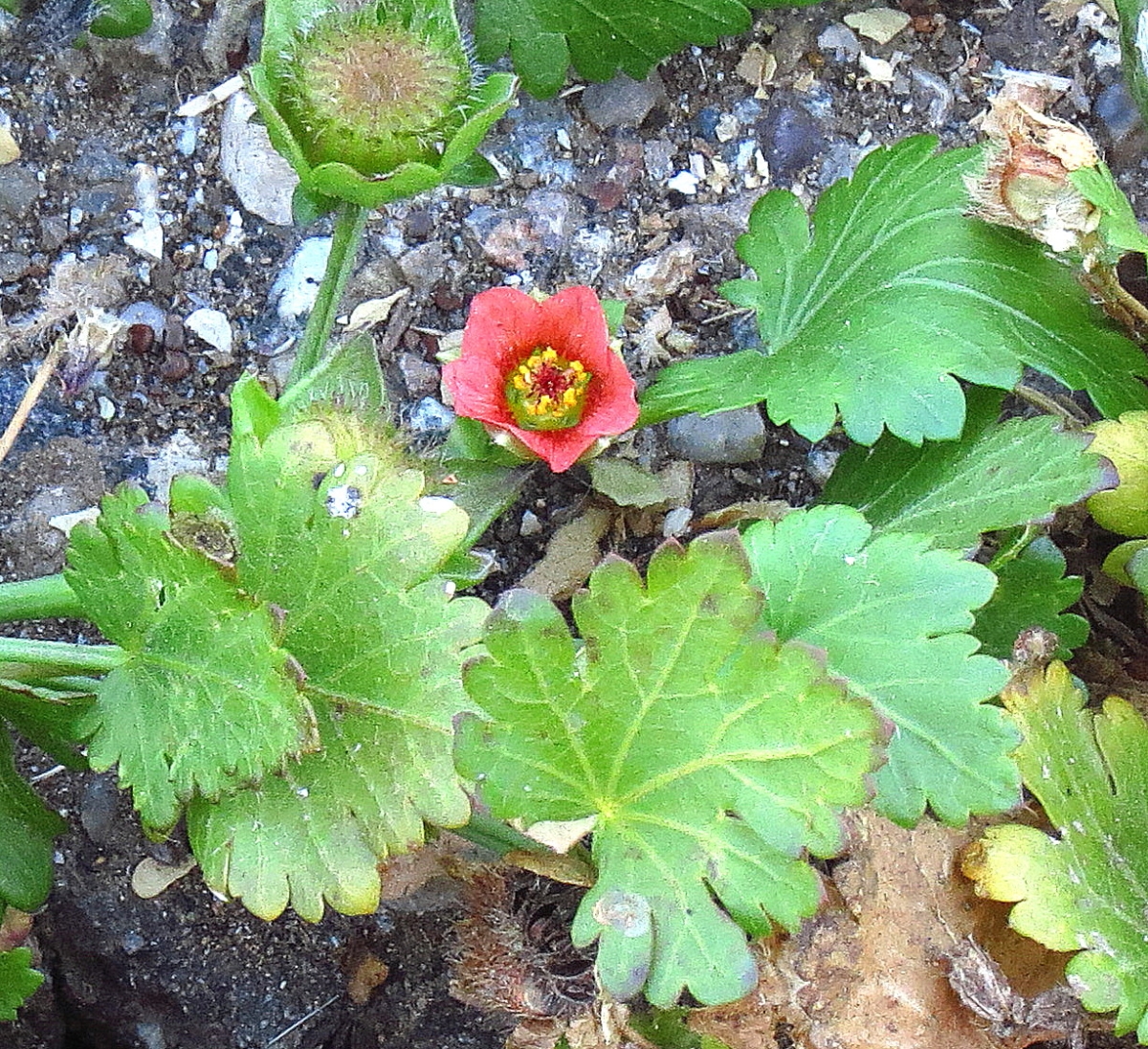
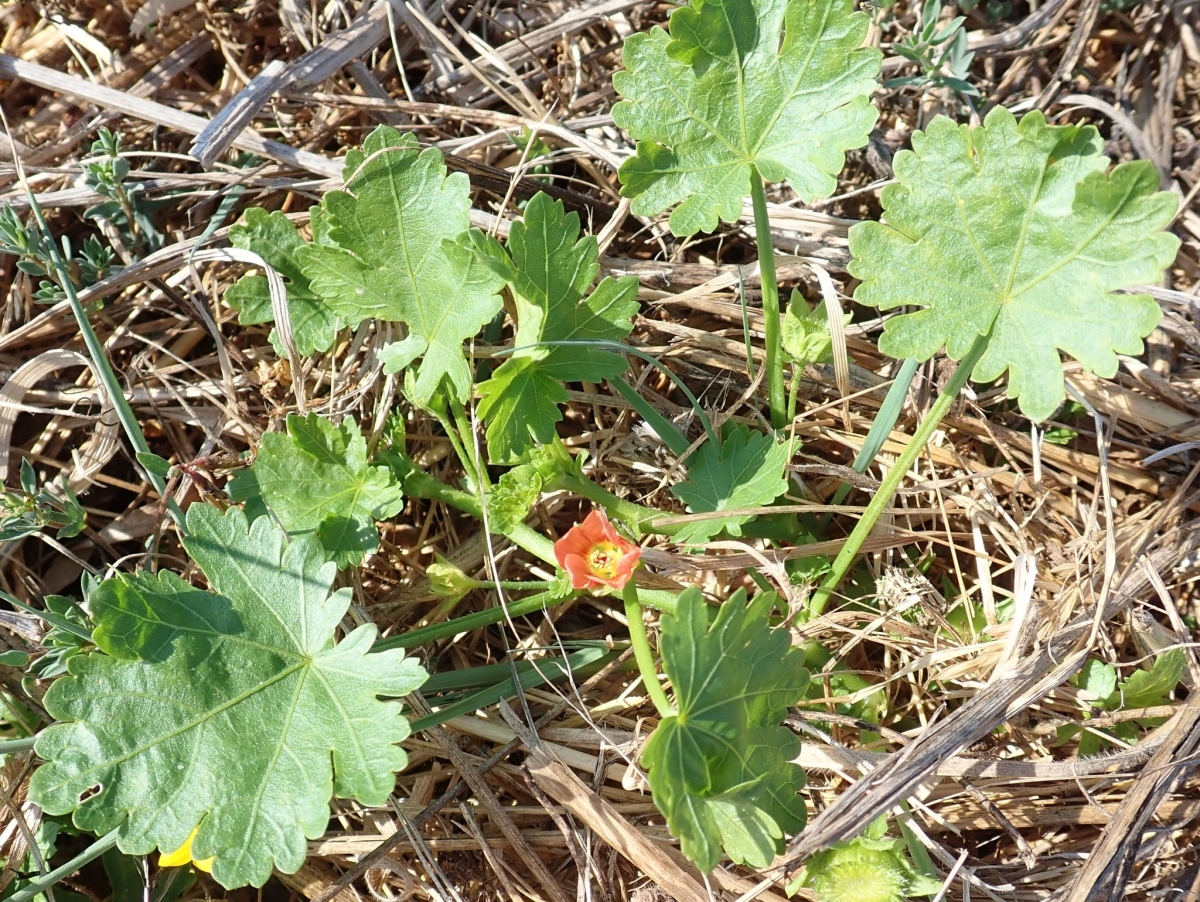
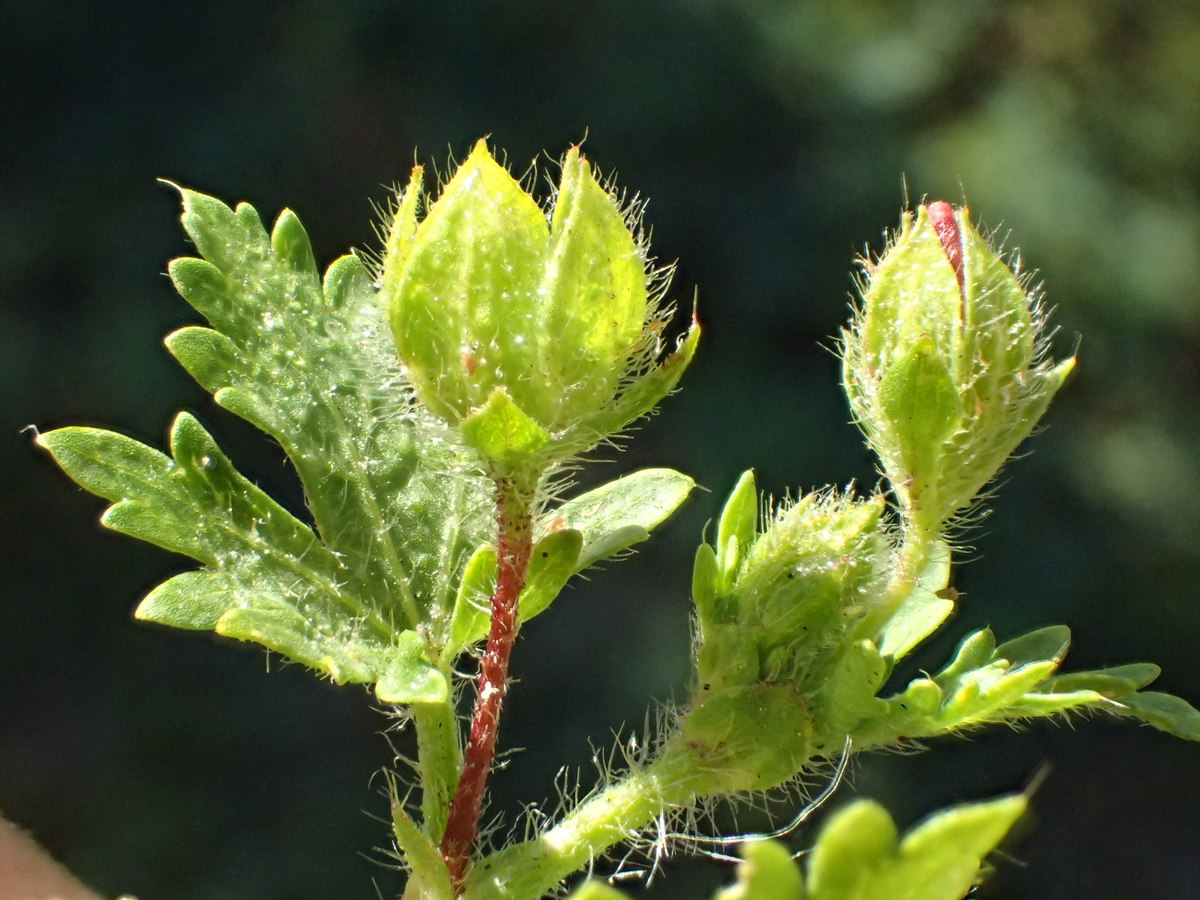
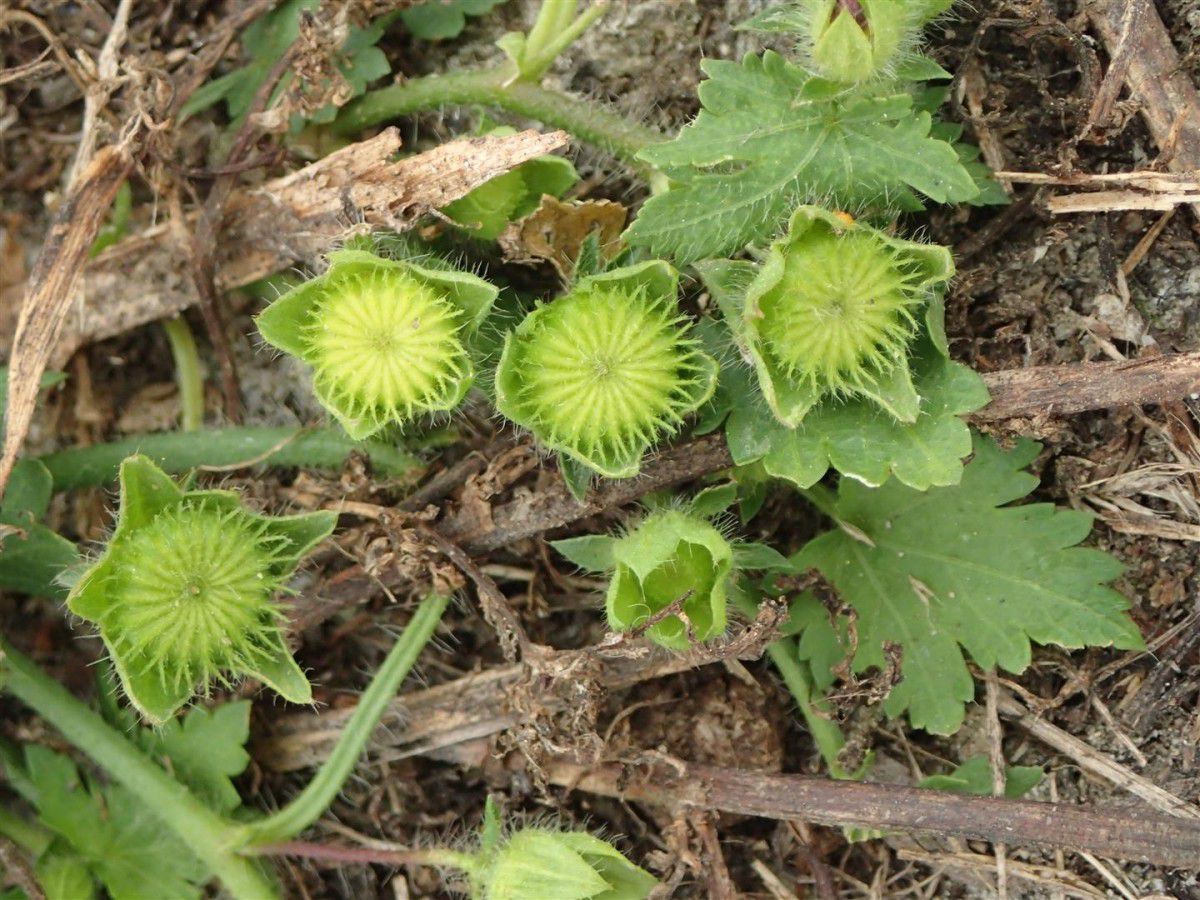
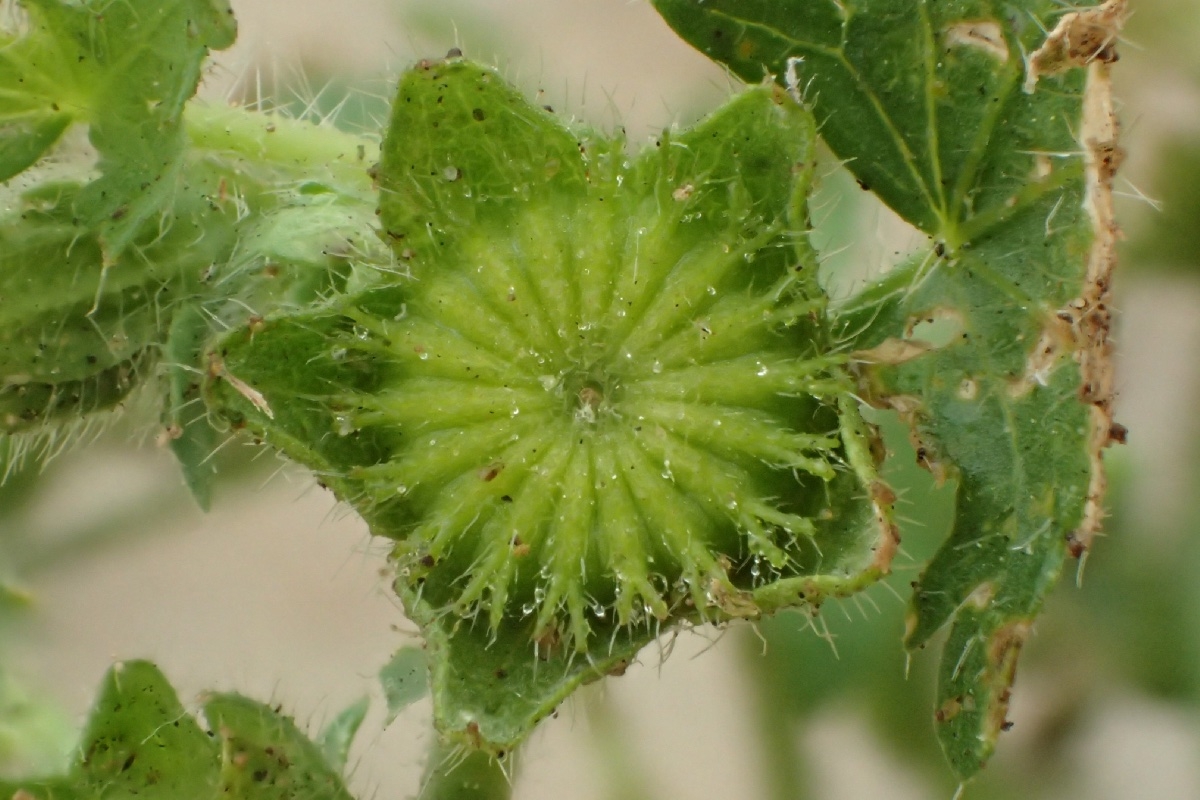
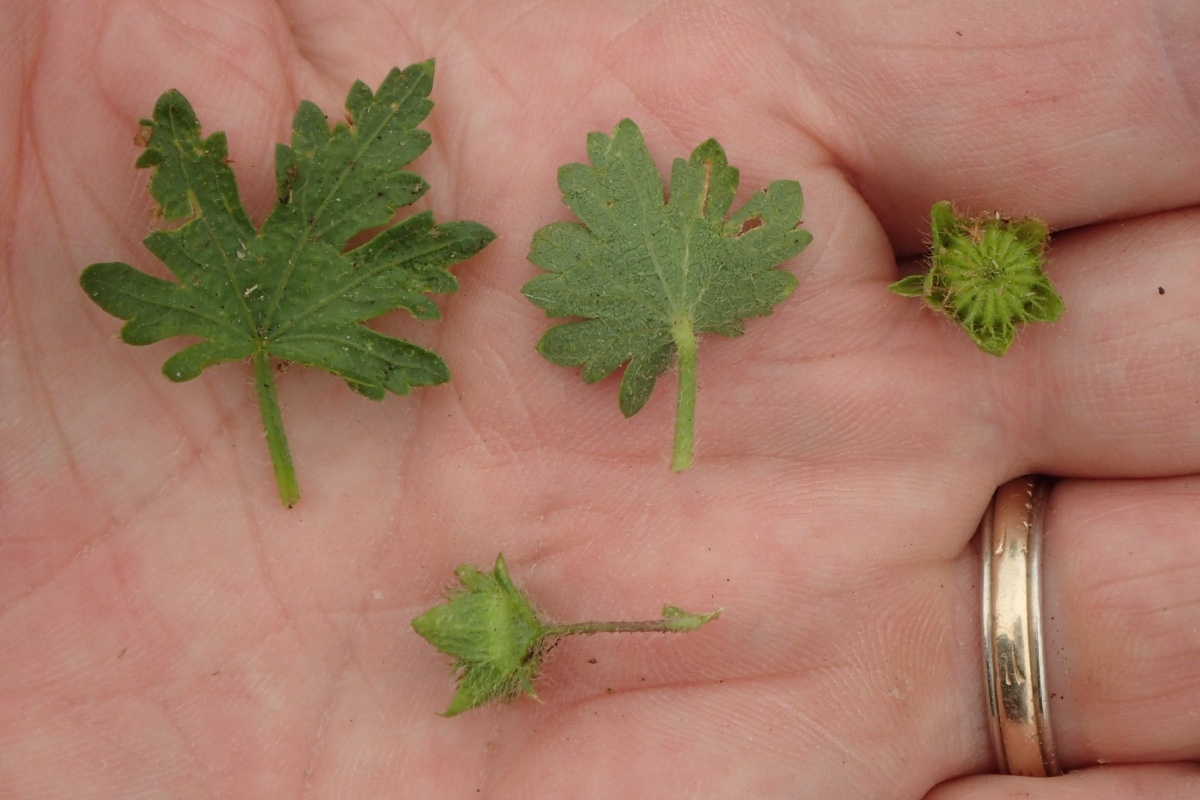
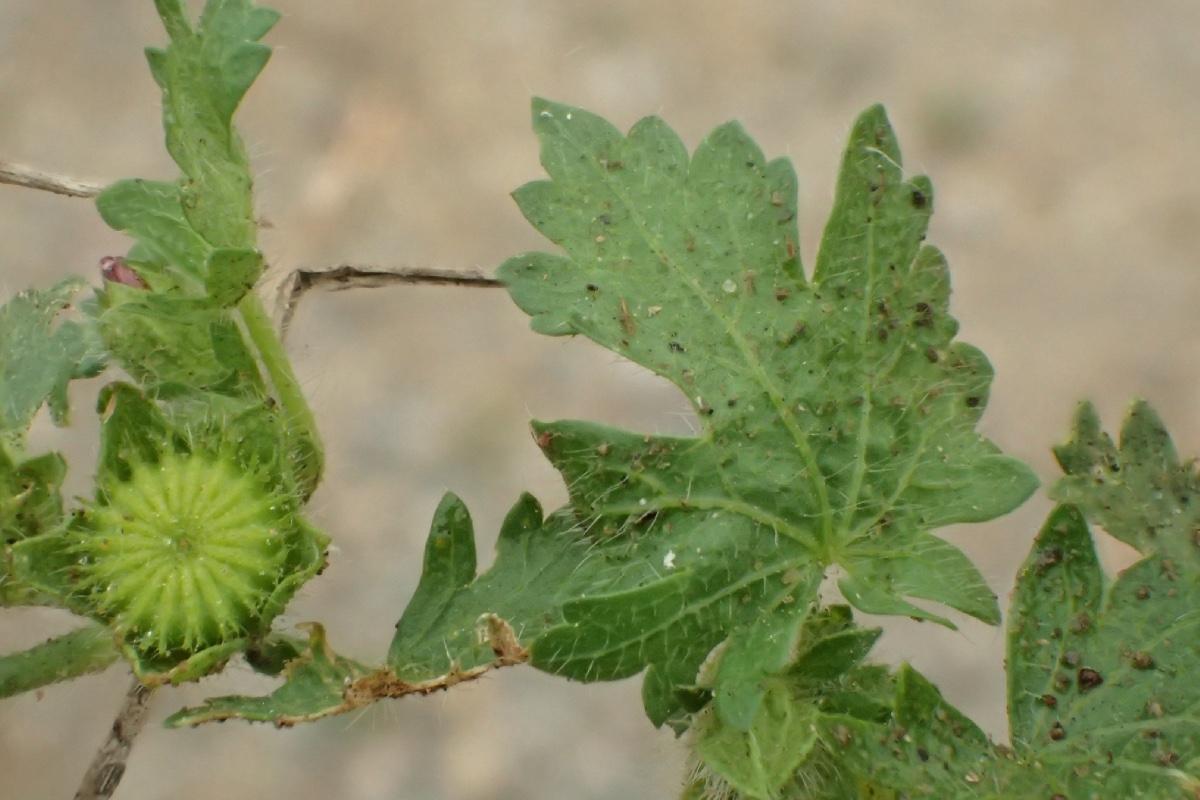
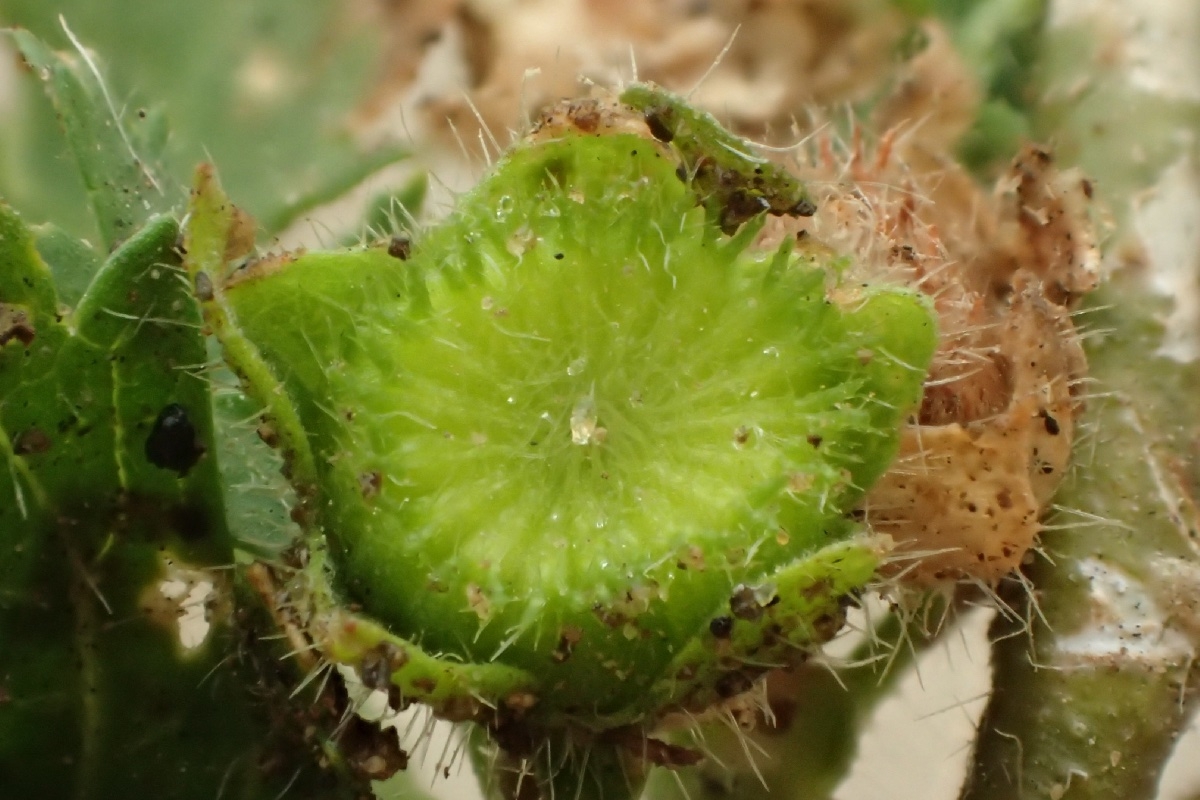
Modiola caroliniana is a perennial herb that is not native to California.
Wetlands: Arid West: Equally likely to occur in wetlands and non wetlands Mountains, Valleys and Coast: Occurs usually in non wetlands, occasionally in wetlands
/app/up/entry/178/th/53520.jpg:!/app/up/entry/160/th/48149.jpg:!/app/up/gp/72/th/14538.jpg:!/app/up/entry/59/th/17986.jpg:!/app/up/entry/165/th/49524.jpg:!/app/up/entry/165/th/49526.jpg:!/app/up/entry/165/th/49525.jpg:!/app/up/entry/165/th/49523.jpg:!/app/up/entry/160/th/48150.jpg:!/app/up/entry/255/th/76595.jpg:!/app/up/entry/535/th/160537.jpg:!
2020 David Wolfson:!2020 Asa B Spade:!2019 Ron Vanderhoff:!2018 Ron Vanderhoff:!2020 Ron Vanderhoff:!2020 Ron Vanderhoff:!2020 Ron Vanderhoff:!2020 Ron Vanderhoff:!2020 Asa B Spade:!2021 Ron Vanderhoff:!2023 Dana York:!
po160793:!po17388:!gp14538:!gp8297:!mu3801:!mu3801:!mu3801:!mu3801:!po17388:!mu11072:!mu31405:!
Suggested Citation
Calflora:
Information on California plants for education, research and conservation,
with data contributed by
public and private institutions and individuals.
[web application]. 2024. Berkeley, California:The Calflora Database
[a non-profit organization].Available:
https://www.calflora.org/(Accessed: 04/28/2024).