Calflora Taxon Report
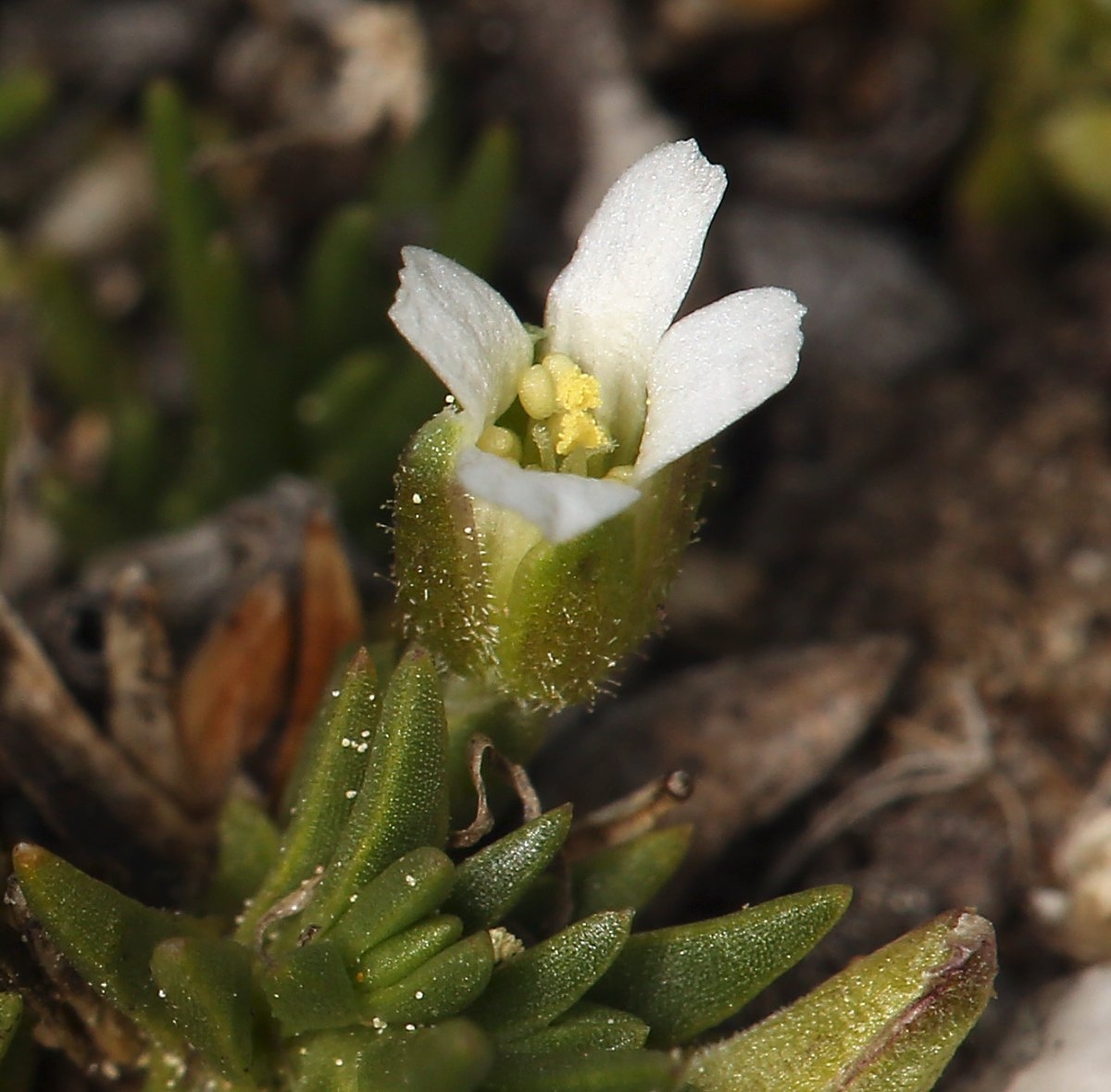
Minuartia obtusiloba (Rydb.) House
Alpine sandwort, Twinflower sandwort
Not an active name
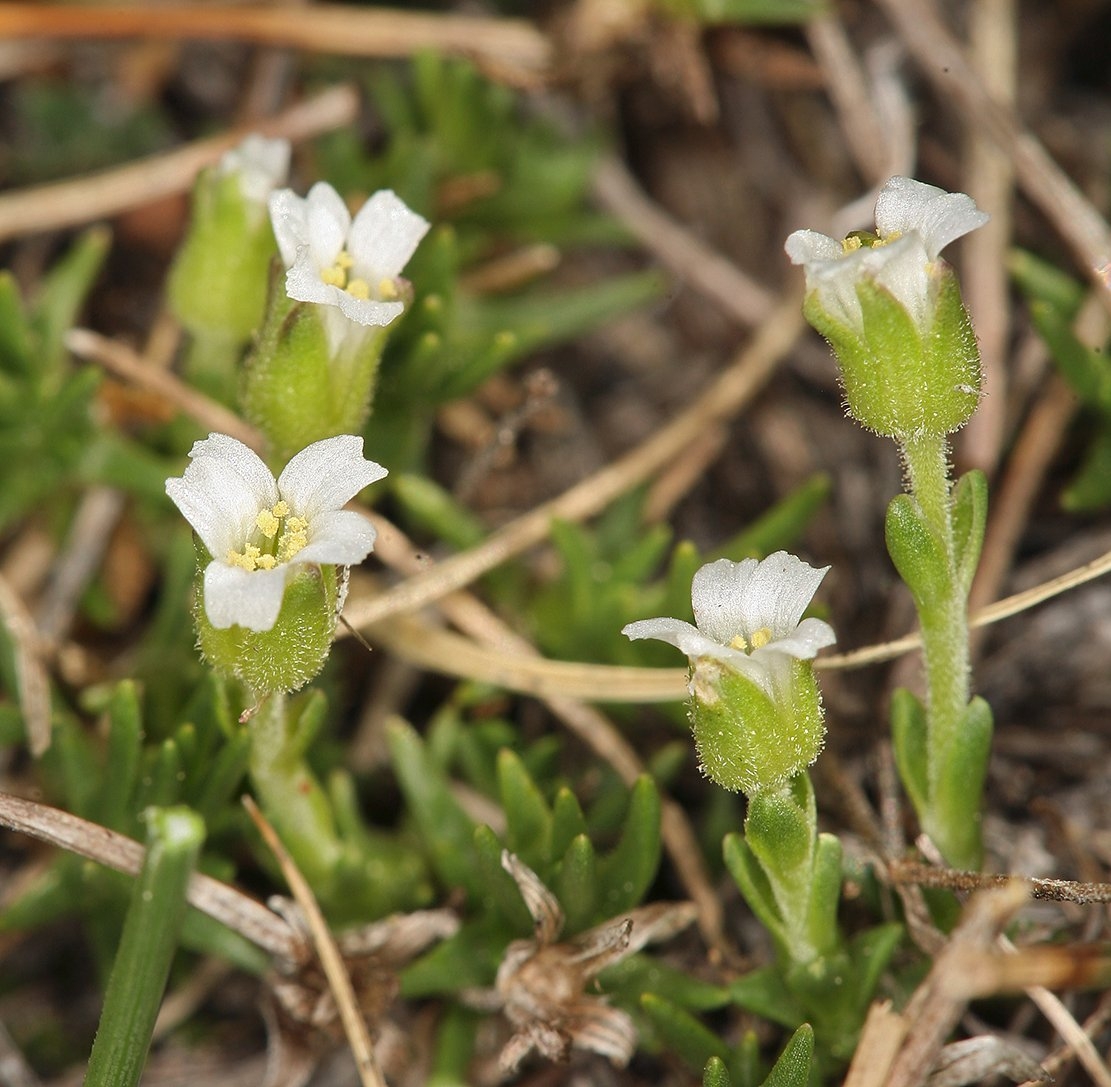
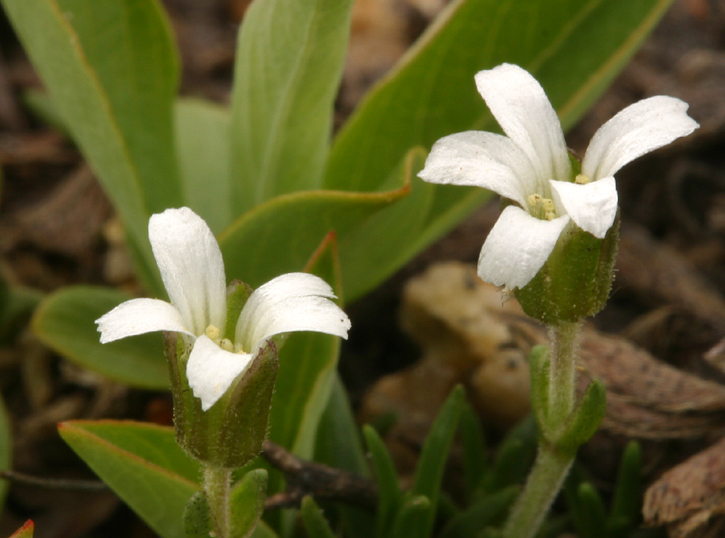
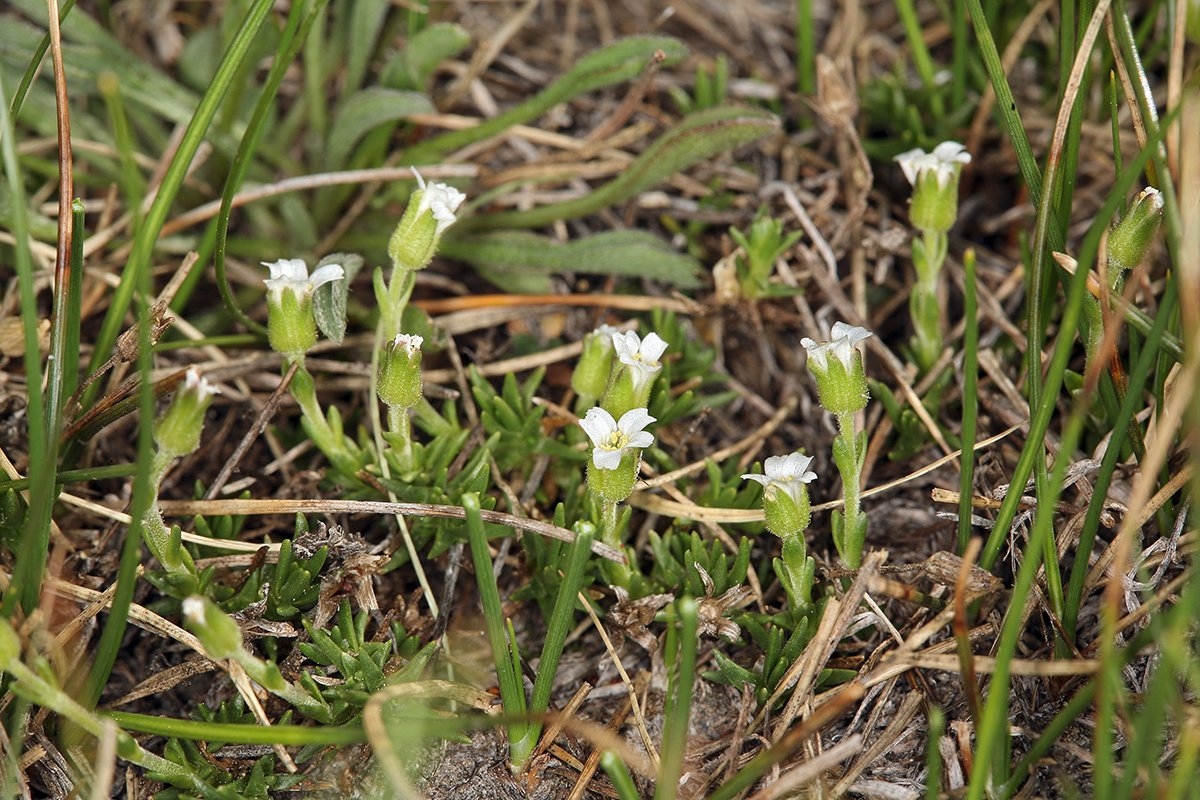
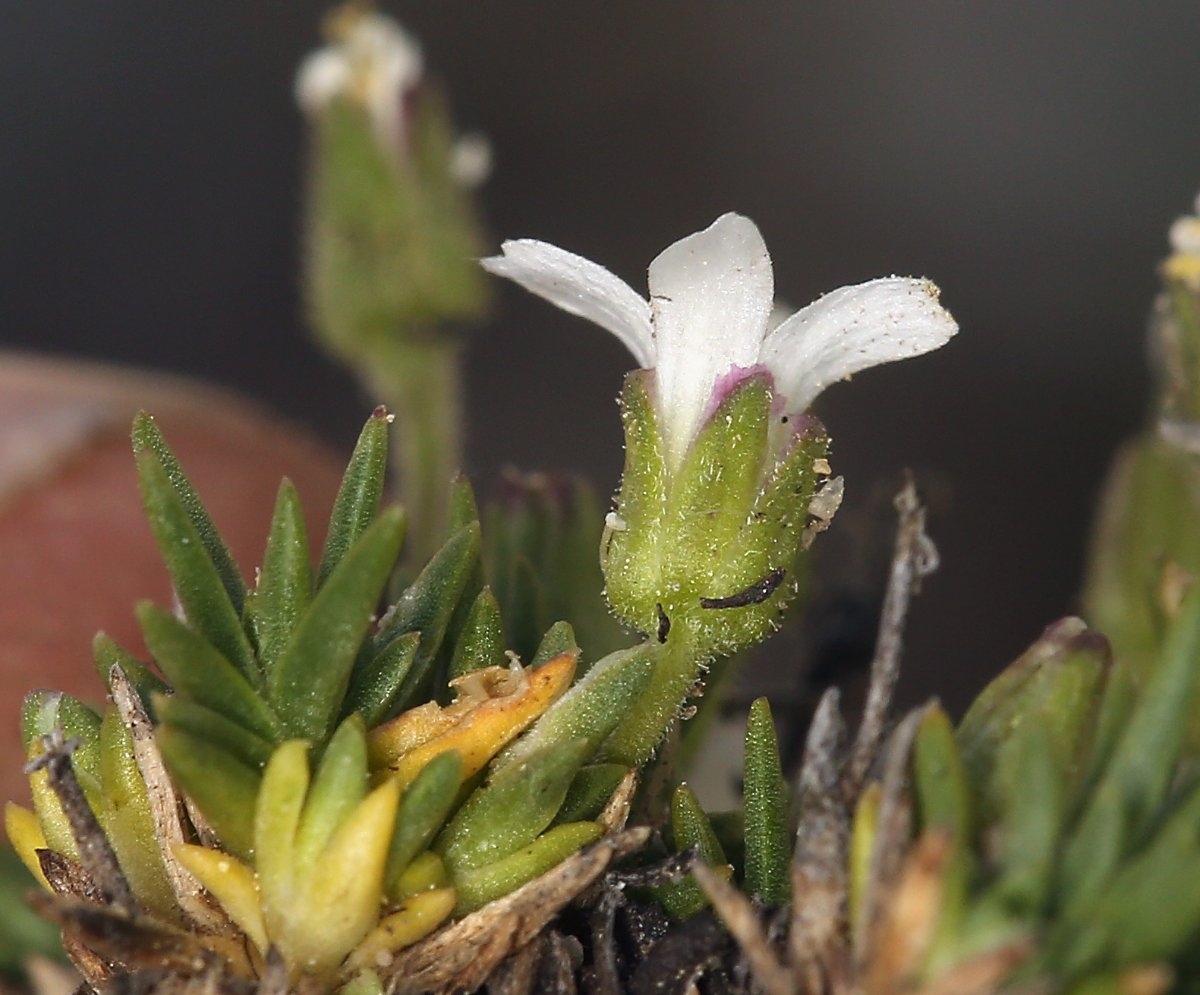
Minuartia obtusiloba is a perennial herb that is native to California, and also found elsewhere in North America and beyond.

Alternate Names and Sources:
Alsinopsis obtusilobaPLANTS
Arenaria obtusilobaPLANTS
Arenaria sajanensisPLANTS
Cherleria obtusilobaiNat
Lidia obtusilobaPLANTS
Minuartia sajanensisPLANTS
Cherleria obtusilobaPOWO
Siskiyou Del Norte Modoc Humboldt Shasta Lassen Trinity Plumas Tehama Butte Mendocino Glenn Sierra Yuba Lake Nevada Colusa Placer Sutter El Dorado Yolo Alpine Napa Sonoma Sacramento Mono Amador Solano Calaveras Tuolumne San Joaquin Marin Contra Costa Alameda Santa Cruz Mariposa Madera San Francisco San Mateo Merced Fresno Stanislaus Santa Clara Inyo San Benito Tulare Kings Monterey San Bernardino San Luis Obispo Kern Santa Barbara Ventura Los Angeles Riverside Orange San Diego Imperial
DJJJASONAFMM

Bloom Period
yellowone or more occurrences
within a 7.5-minute quadrangle
The blue points on the map indicate observations in Calflora.
Click on the map to view observations within a specific county.


Accepted by: PLANTS
Jepson eFlora section:
eudicot
USDA PLANTS group:
Dicot

Occurs usually in non wetlands, occasionally in wetlands
Subalpine Forest, Alpine Fell-fields

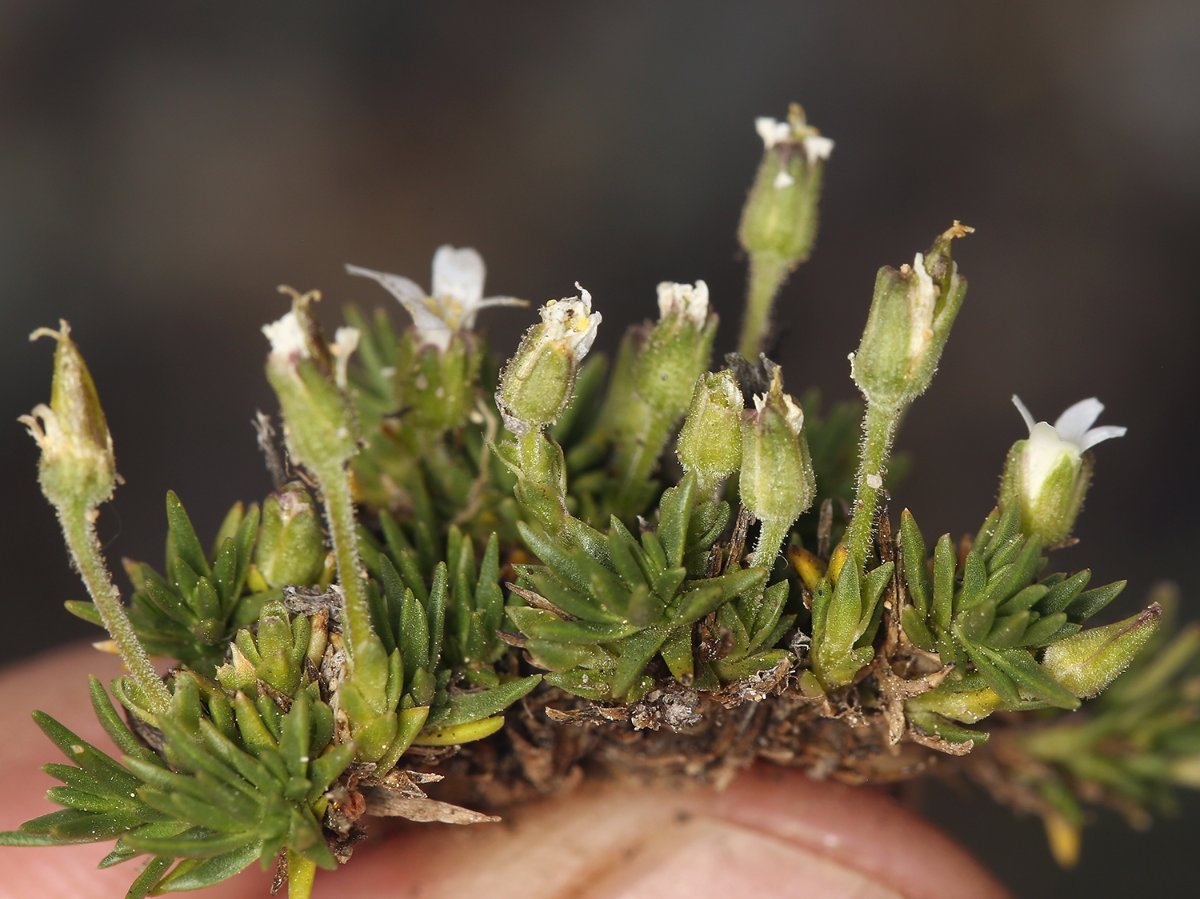
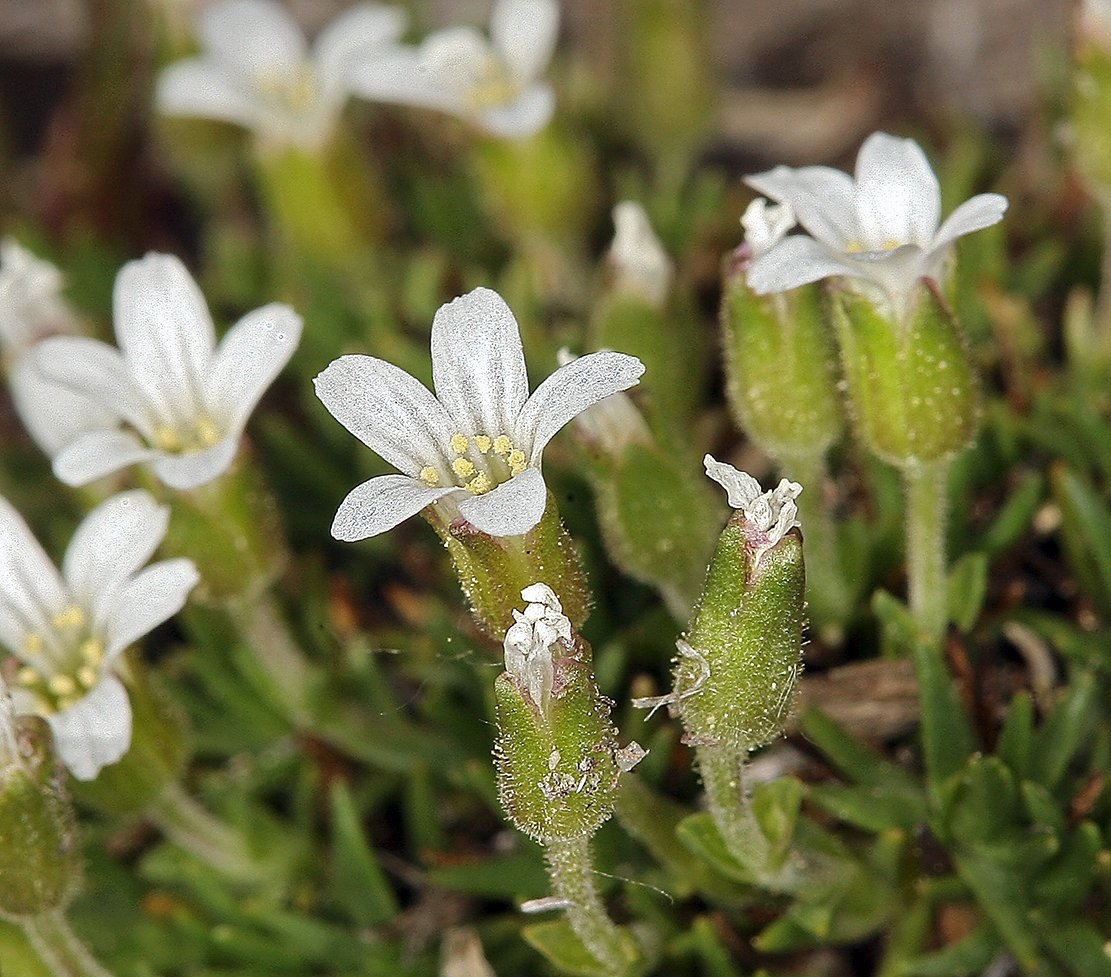
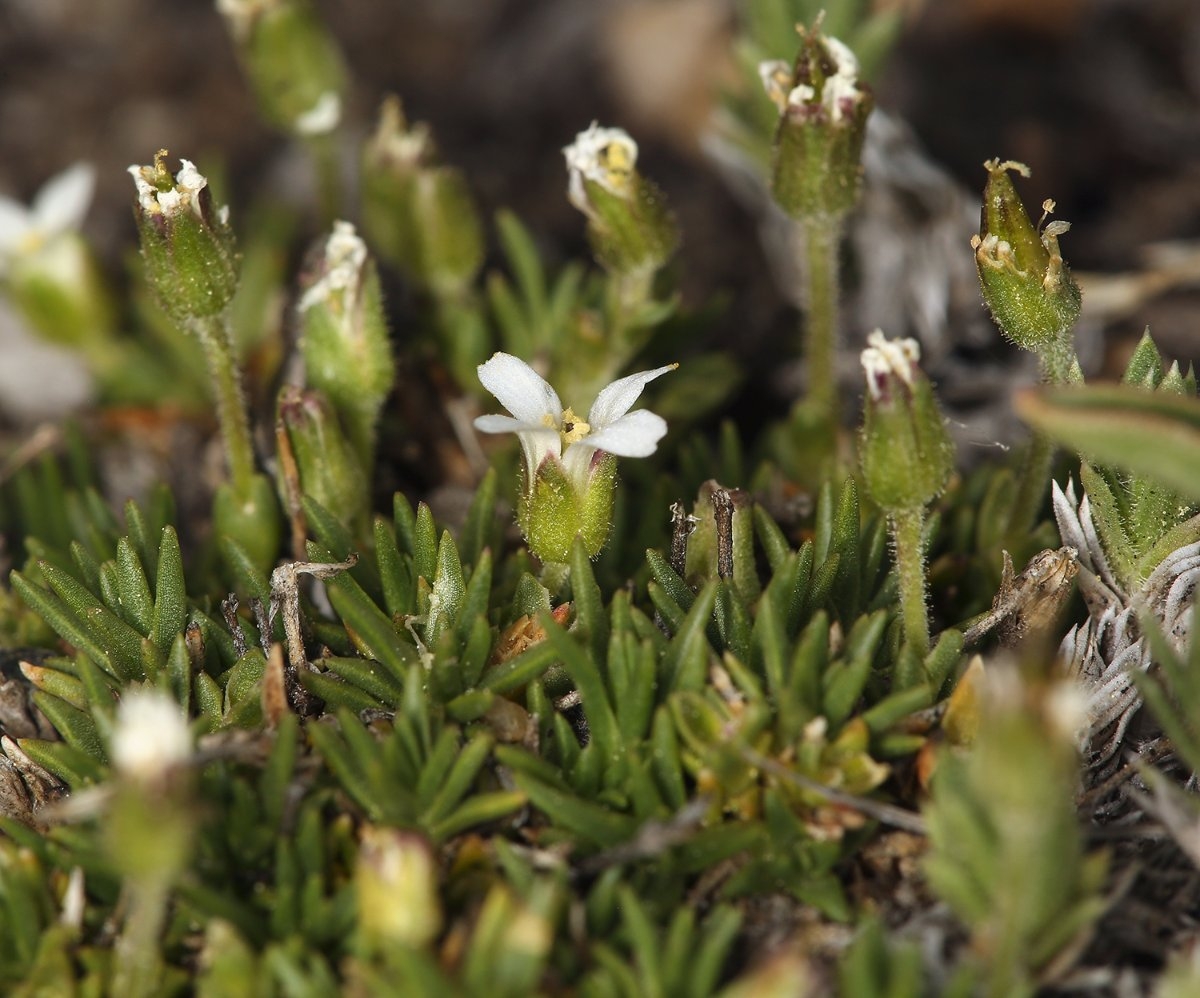
[fs.usda.gov] Habitat, Cushion Plant: Twinflower sandwort, also called alpine sandwort, is found in alpine tundra throughout the West. The word tundra comes from the Finnish word “tunturia” which means treeless land. Alpine tundra is found on mountain tops above the elevation where trees will grow. At these elevations, often above 11,000 feet, the summers are short, freezing temperatures are possible at any time, there are harsh drying winds, and the sunlight is intense. The soils tend to be rocky, dry, and nutrient poor. Twinflower sandwort is a cushion plant, which is a term that describes the growth form of many alpine tundra plants. Apparently, this growth form works well to protect plants from alpine weather extremes because it has been adopted by many unrelated alpine plants. The cushion shape helps protect tender parts from frost and high winds, helps retain moisture, and holds in heat. Studies have shown that the temperature within a plant cushion can be up to 10 centigrade degrees higher than the ambient temperature. (link added by Mary Ann Machi)

Suggested Citation
“Calflora - Taxon Report.” The Calflora Database, a non-profit organization. .

Accessed:
My Calflora My Observations Add Observations Phone Applications Donate to Calflora HOME About Calflora NEWS Search for Plants Observation Search What Grows Here? Planting Guide NRCS eVegGuide Weed Manager Contact Calflora