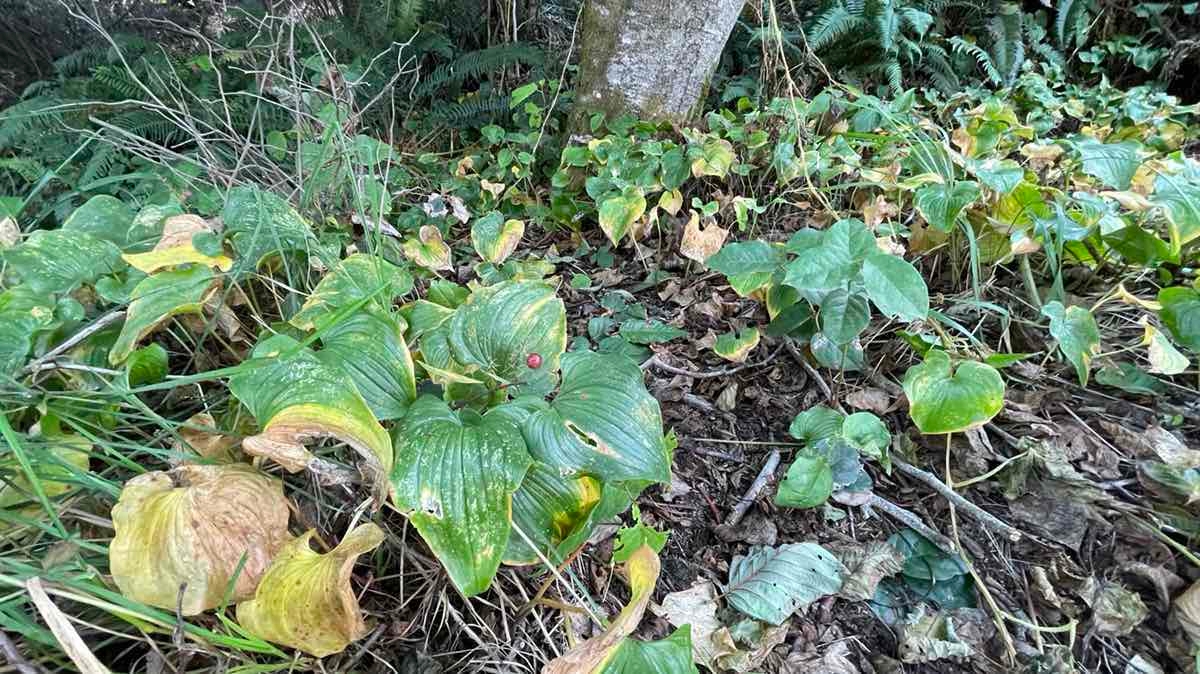
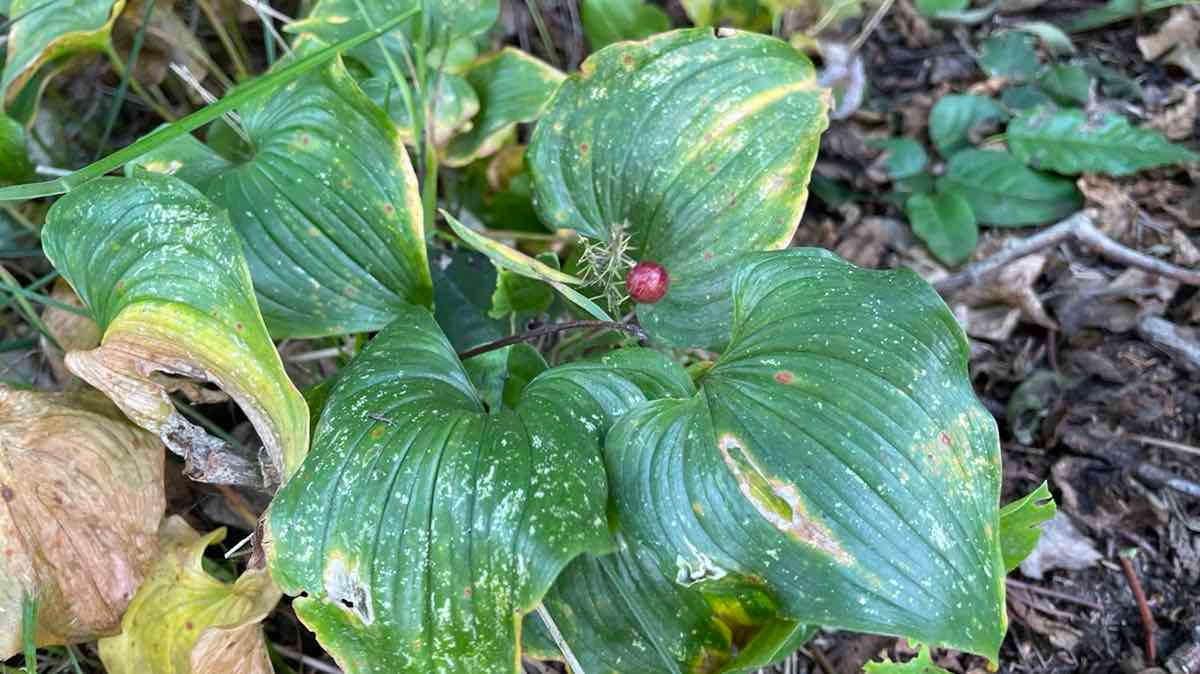
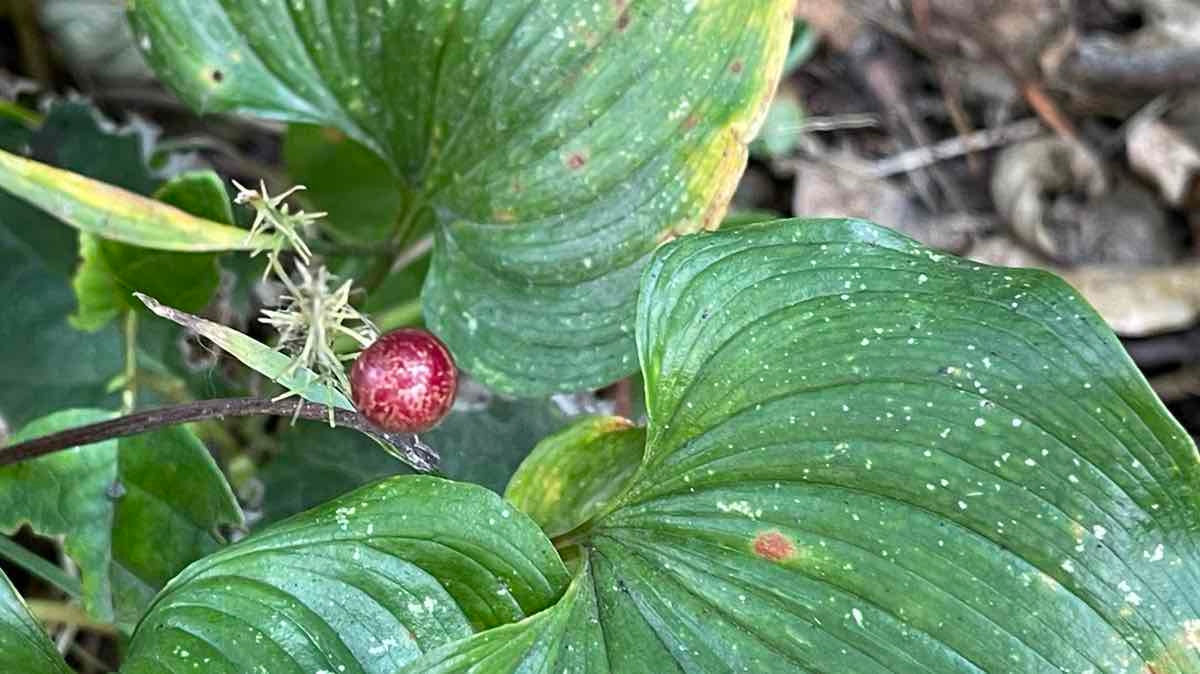
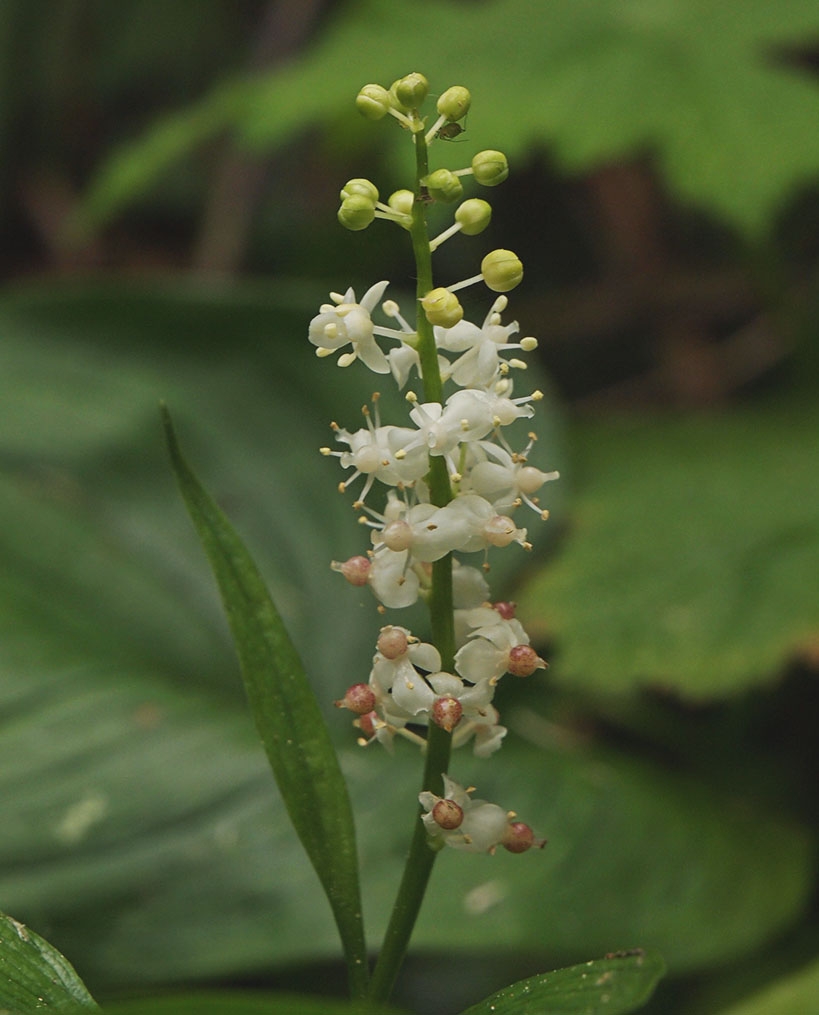
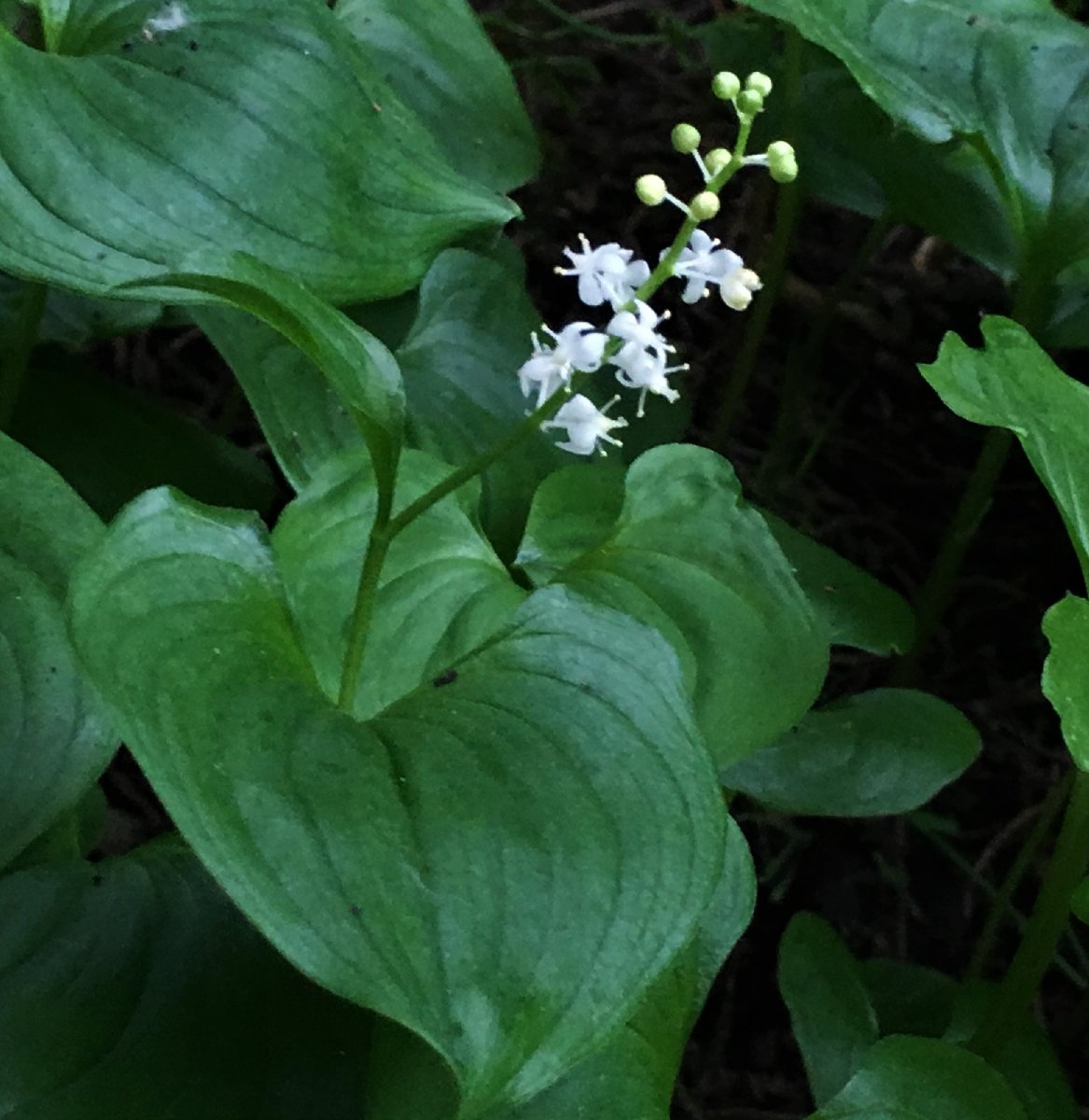
Maianthemum dilatatum (Alph. Wood) A. Nelson & J. F. Macbr.
False lily of the valley, False lily of the vally, Pacific may lily, Twoleaf solomon seal
2021 Steve Matson 2021 Steve Matson 2021 Steve Matson 2021 Steve Matson 2019 Ken Hickman 2024 Steve Conger 2022 Dee Shea Himes 2022 Dee Shea Himes 2022 Dee Shea Himes 2020 Susan McDougall 2024 Steve Conger 2023 Jamie Spielmann 2023 Richard Spjut 2022 Mary Sue Ittner 2020 Doug Allshouse 2023 R.A. Chasey
Maianthemum dilatatum is a perennial herb that is native to California, and also found elsewhere in western North America.
[Wikipedia] Ethnobotanical Uses: The plant has many ethnobotanical uses. The roots and leaves were used medicinally, and the berries were occasionally used for food.[1] Native Americans used the plant to treat wounds and eyestrain. (link added by Mary Ann Machi)
/app/up/entry/331/th/99439.jpg:!/app/up/entry/331/th/99438.jpg:!/app/up/entry/331/th/99437.jpg:!/app/up/entry/331/th/99436.jpg:!/app/up/entry/93/th/28100.jpg:!/app/up/entry/718/th/215576.jpg:!/app/up/io/260/th/io78036-1.jpg:!/app/up/io/260/th/io78036-0.jpg:!/app/up/io/260/th/io78036-2.jpg:!/app/up/entry/124/th/37341.jpg:!/app/up/entry/718/th/215579.jpg:!/app/up/entry/636/th/190930.jpg:!/app/up/entry/519/th/155930.jpg:!/app/up/entry/425/th/127510.jpg:!/app/up/entry/215/th/64730.jpg:!/app/up/mg/683/th/mg204974-0.jpg:!
2021 Steve Matson:!2021 Steve Matson:!2021 Steve Matson:!2021 Steve Matson:!2019 Ken Hickman:!2024 Steve Conger:!2022 Dee Shea Himes:!2022 Dee Shea Himes:!2022 Dee Shea Himes:!2020 Susan McDougall:!2024 Steve Conger:!2023 Jamie Spielmann:!2023 Richard Spjut:!2022 Mary Sue Ittner:!2020 Doug Allshouse:!2023 R.A. Chasey:!
mu18174:!mu18174:!mu18174:!mu18174:!po120649:!po266701:!io78036:!io78036:!io78036:!po149090:!po266701:!mu38420:!po246859:!mu24132:!mu8338:!mg204974:!
Suggested Citation
Calflora:
Information on California plants for education, research and conservation,
with data contributed by
public and private institutions and individuals.
[web application]. 2024. Berkeley, California:The Calflora Database
[a non-profit organization].Available:
https://www.calflora.org/(Accessed: 07/26/2024).