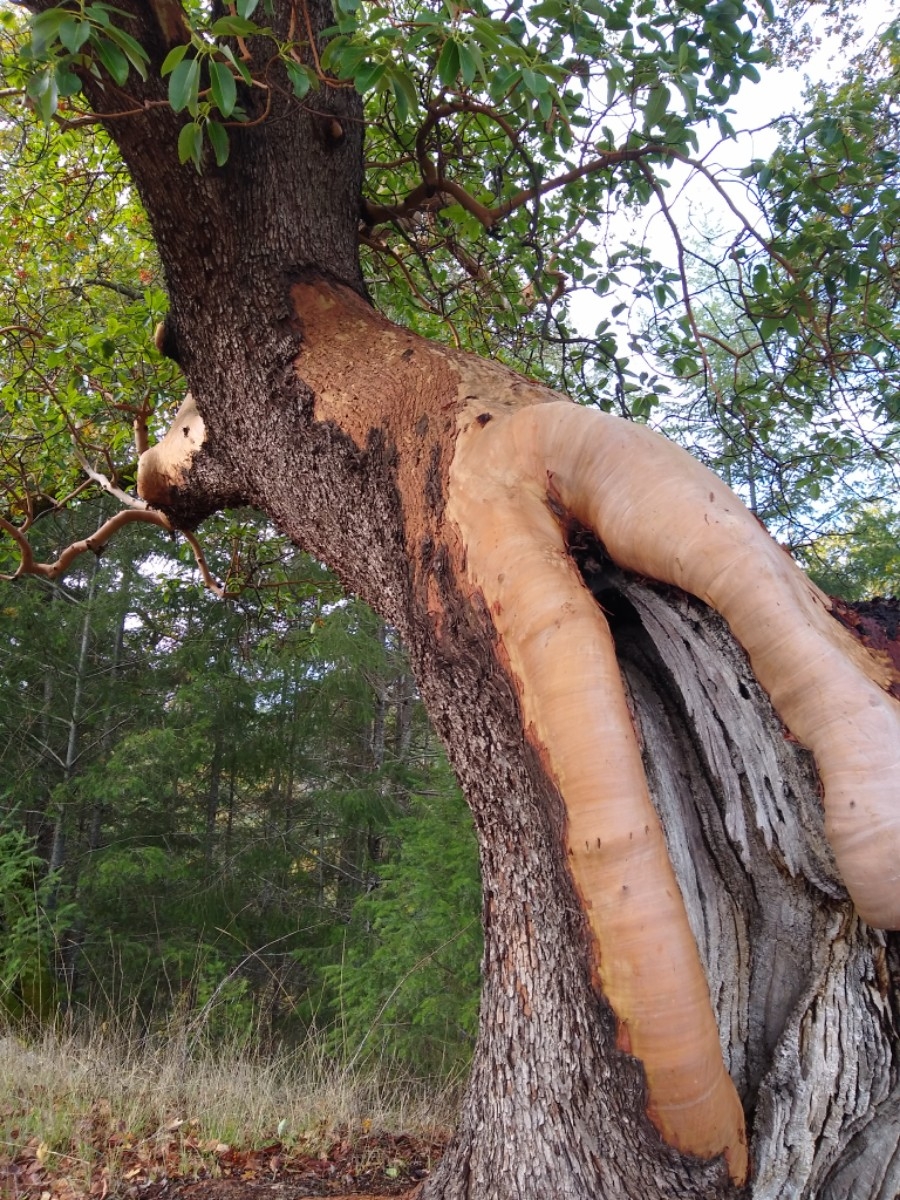
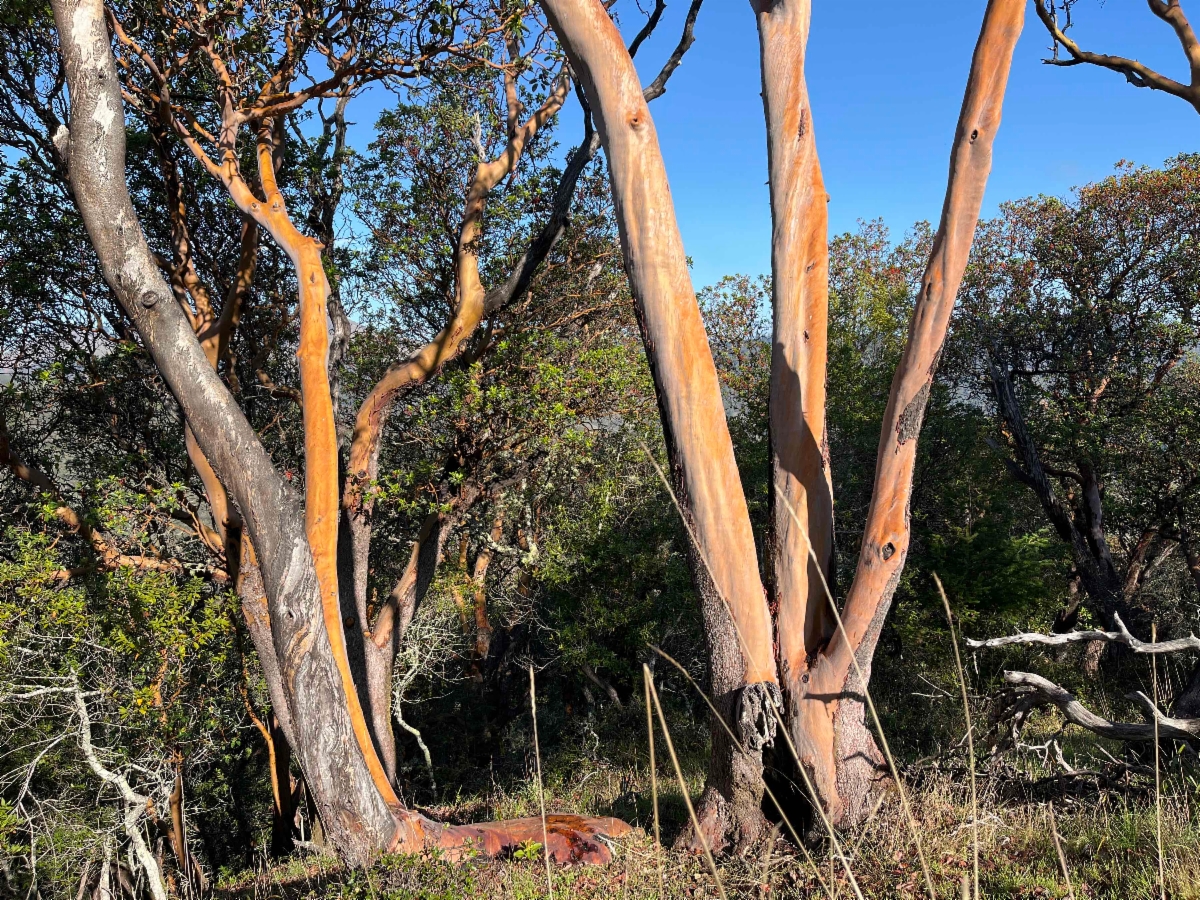
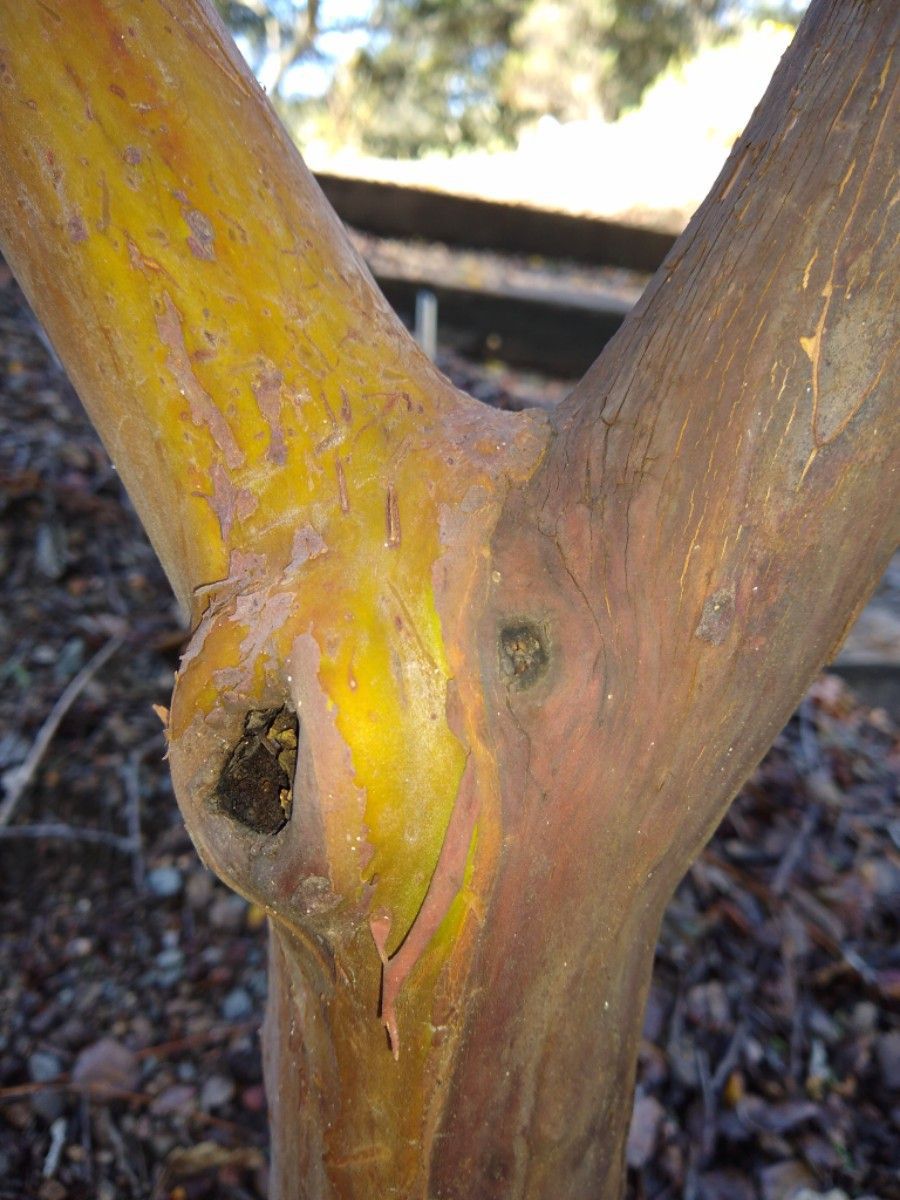
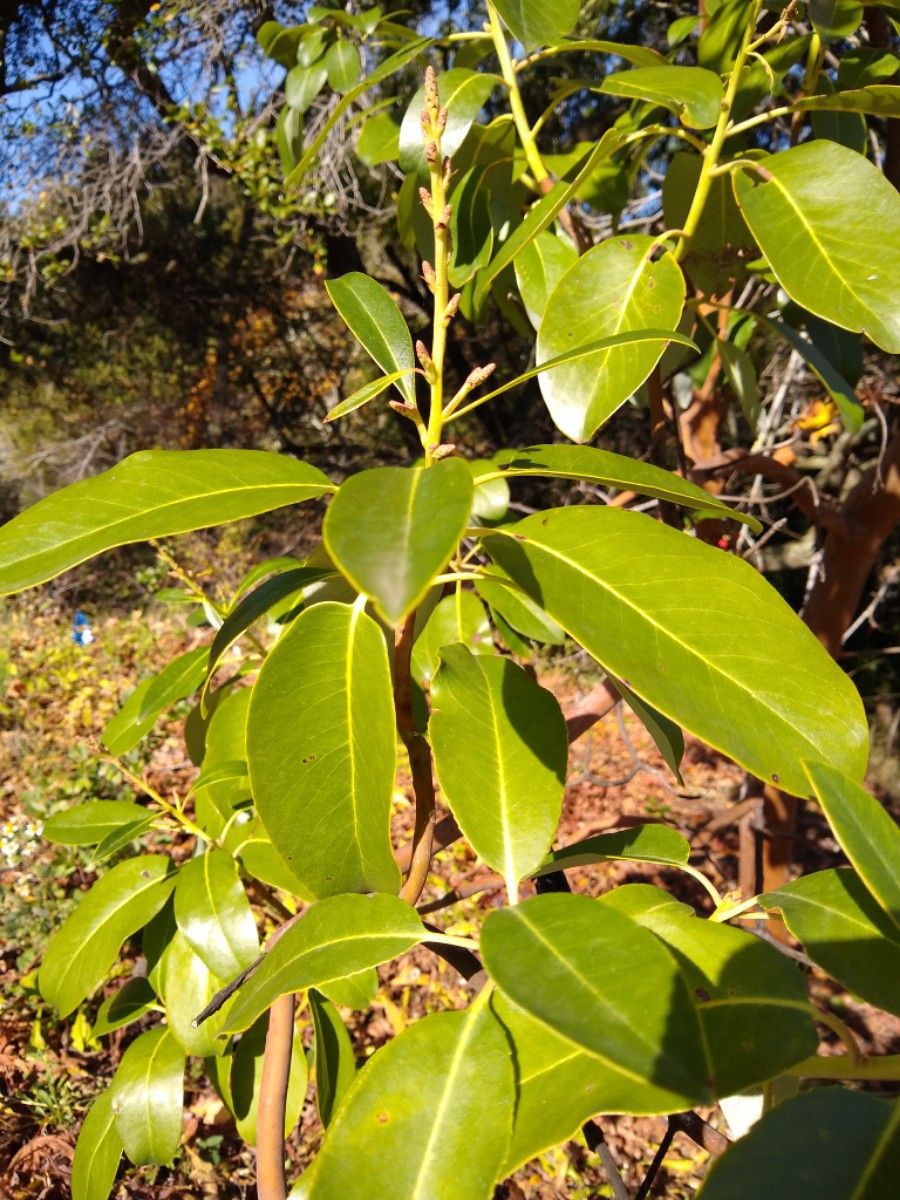
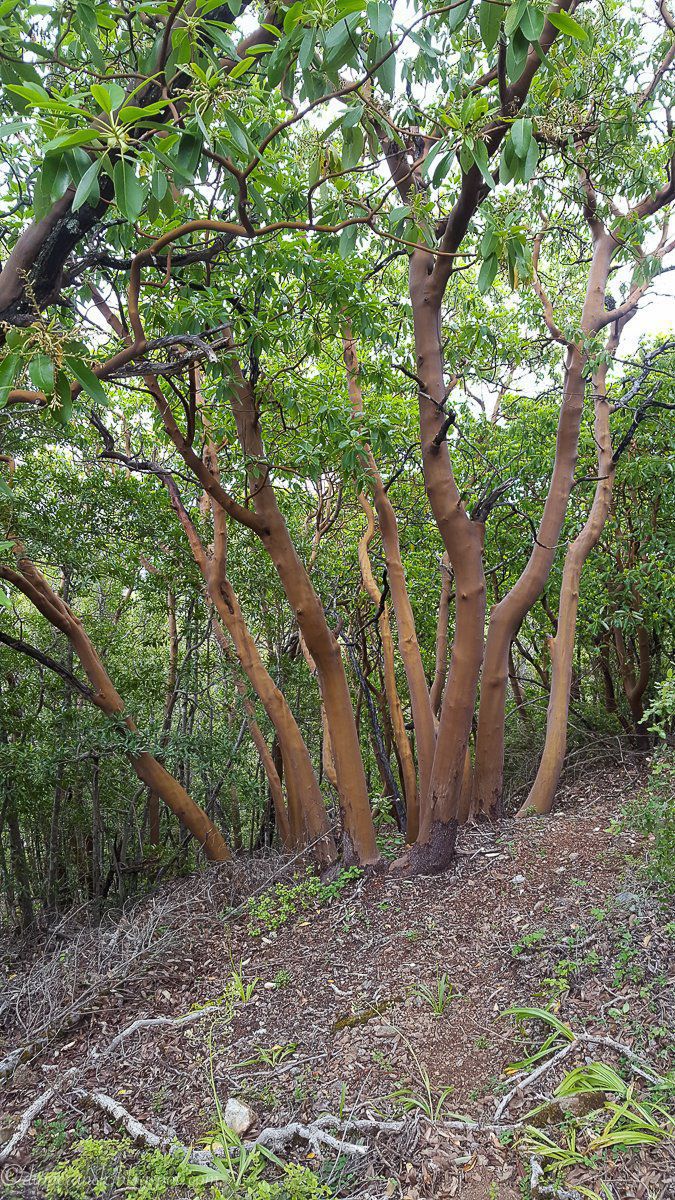
[Wikipedia] Nickname, Longevity, Food Source: It is nicknamed the "Refrigerator Tree" due to the fact that its bark contains water, and it stays cool in the summer.
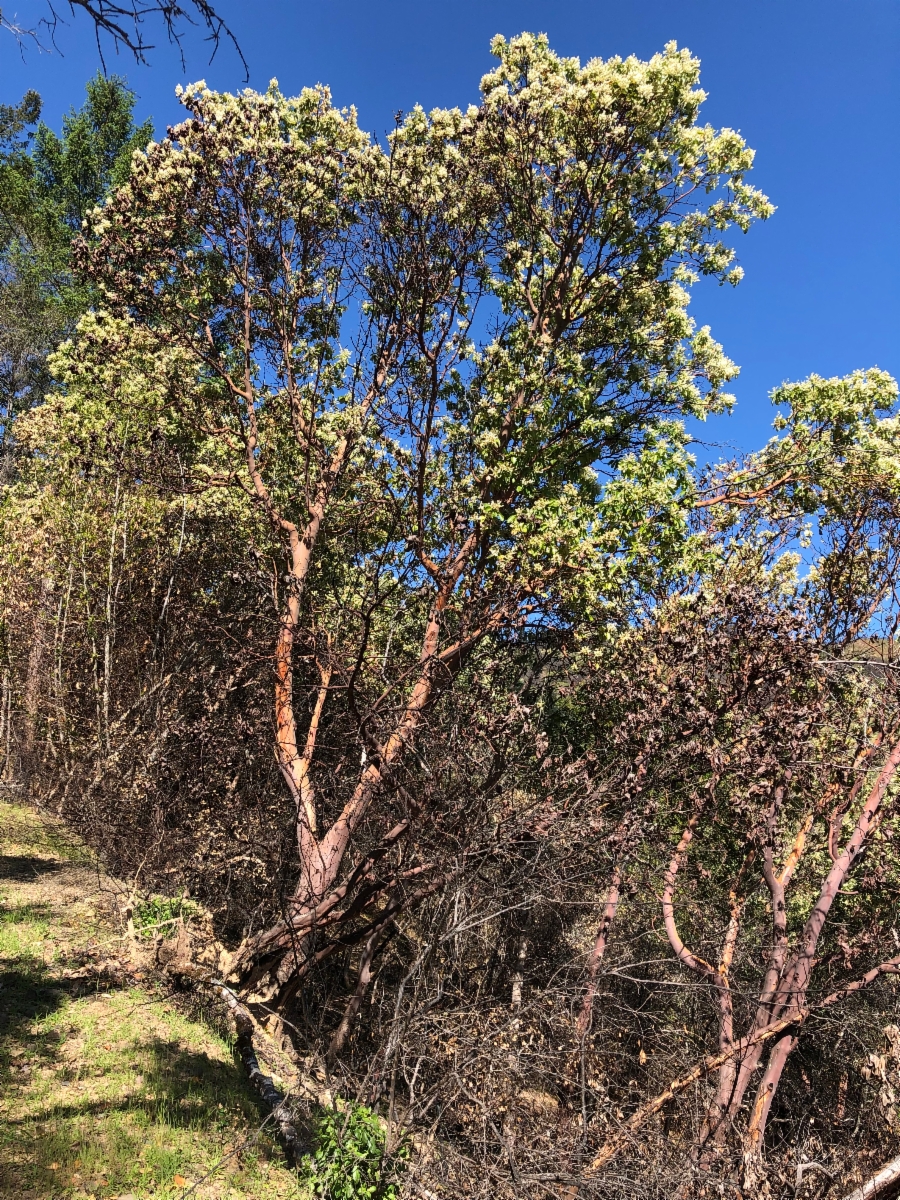
Individual specimens can live for over 300 years.
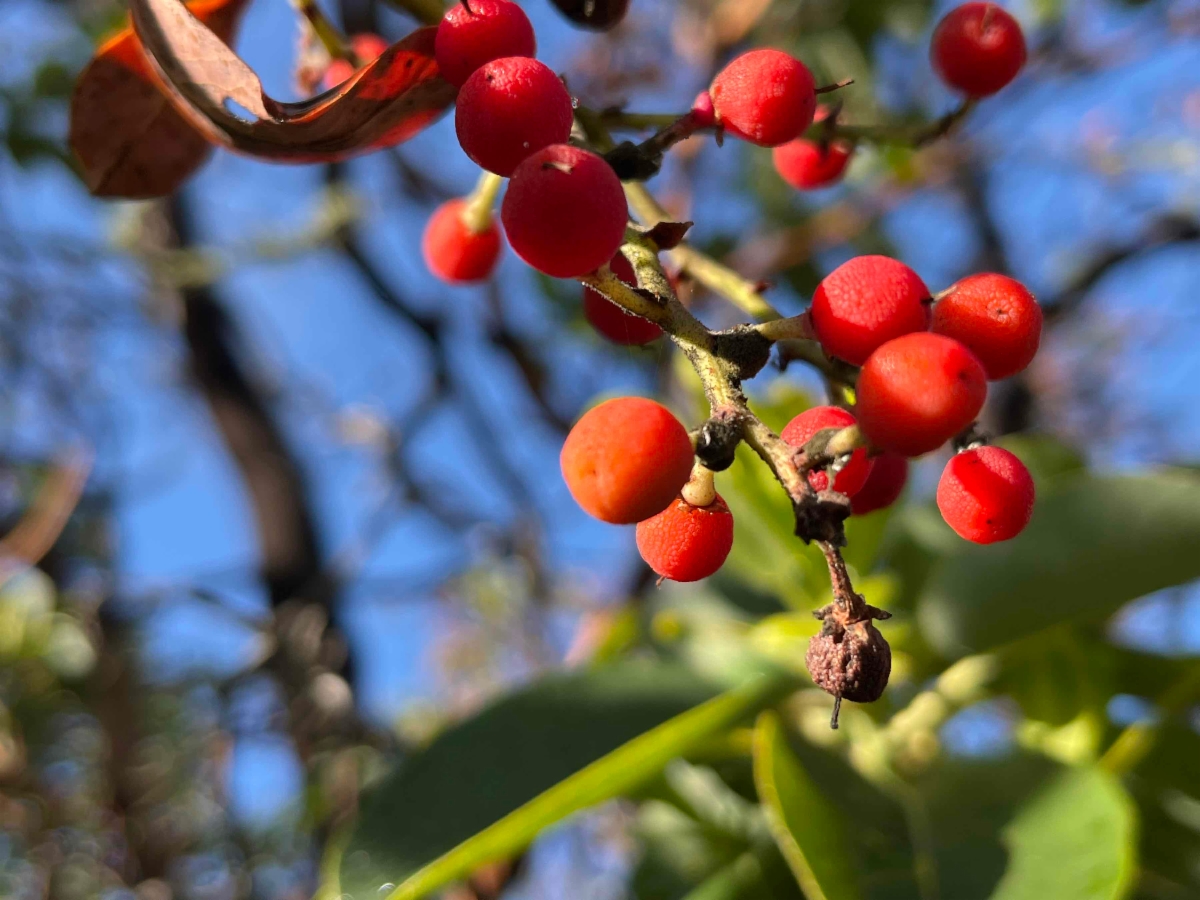
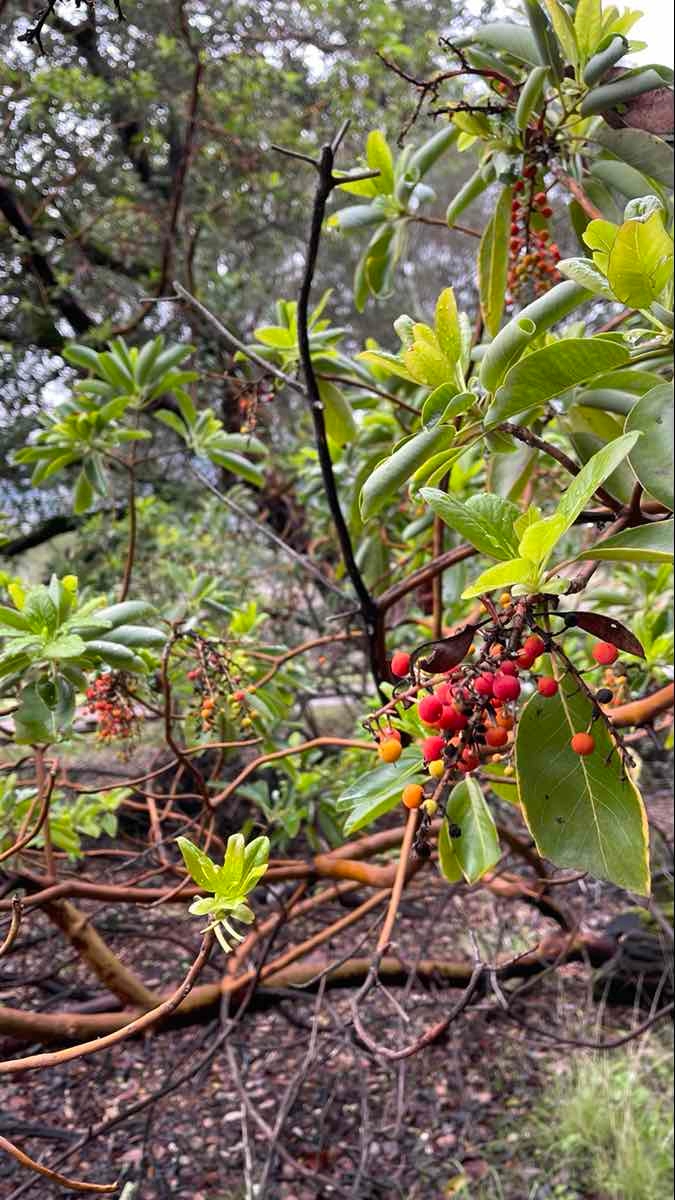
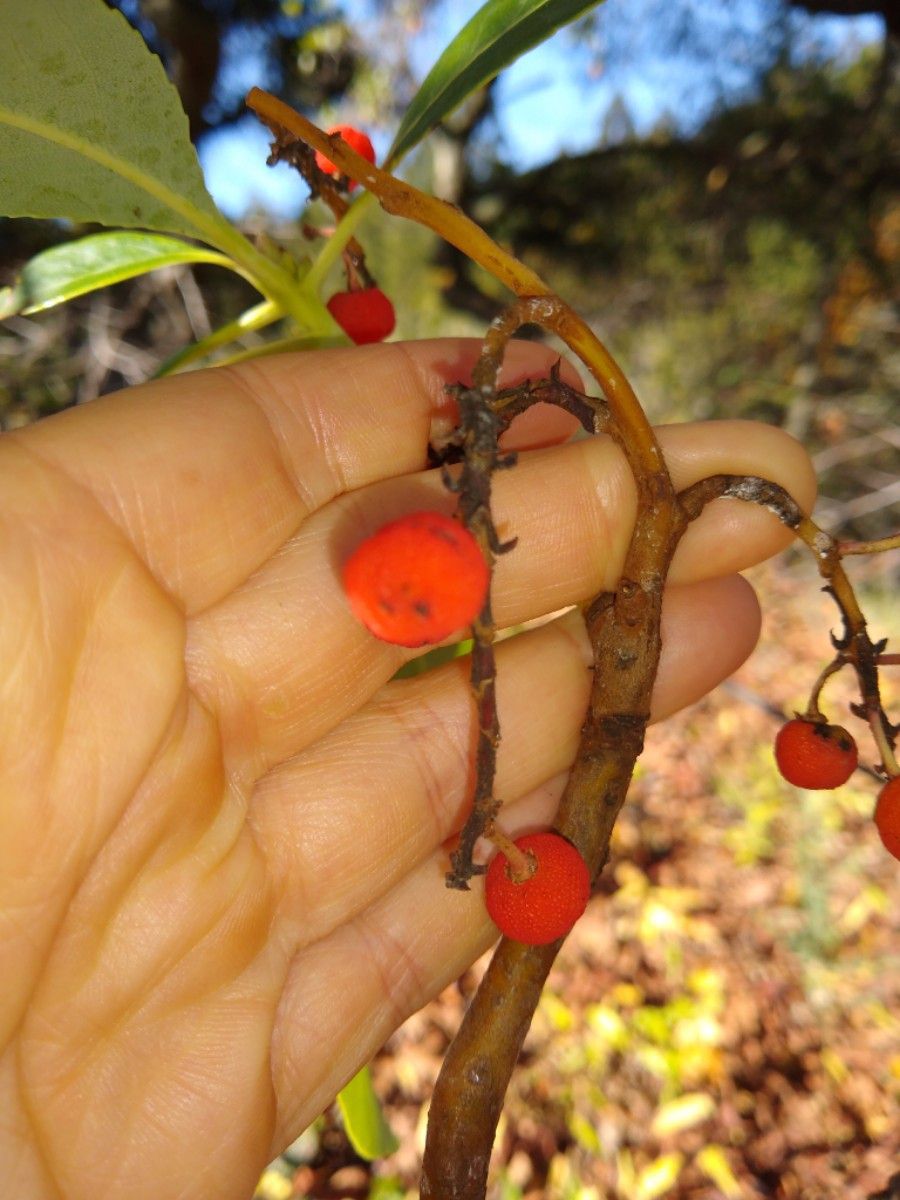
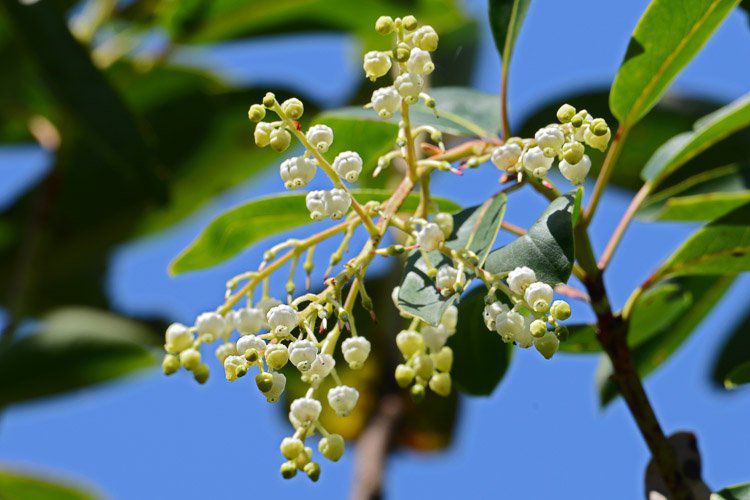
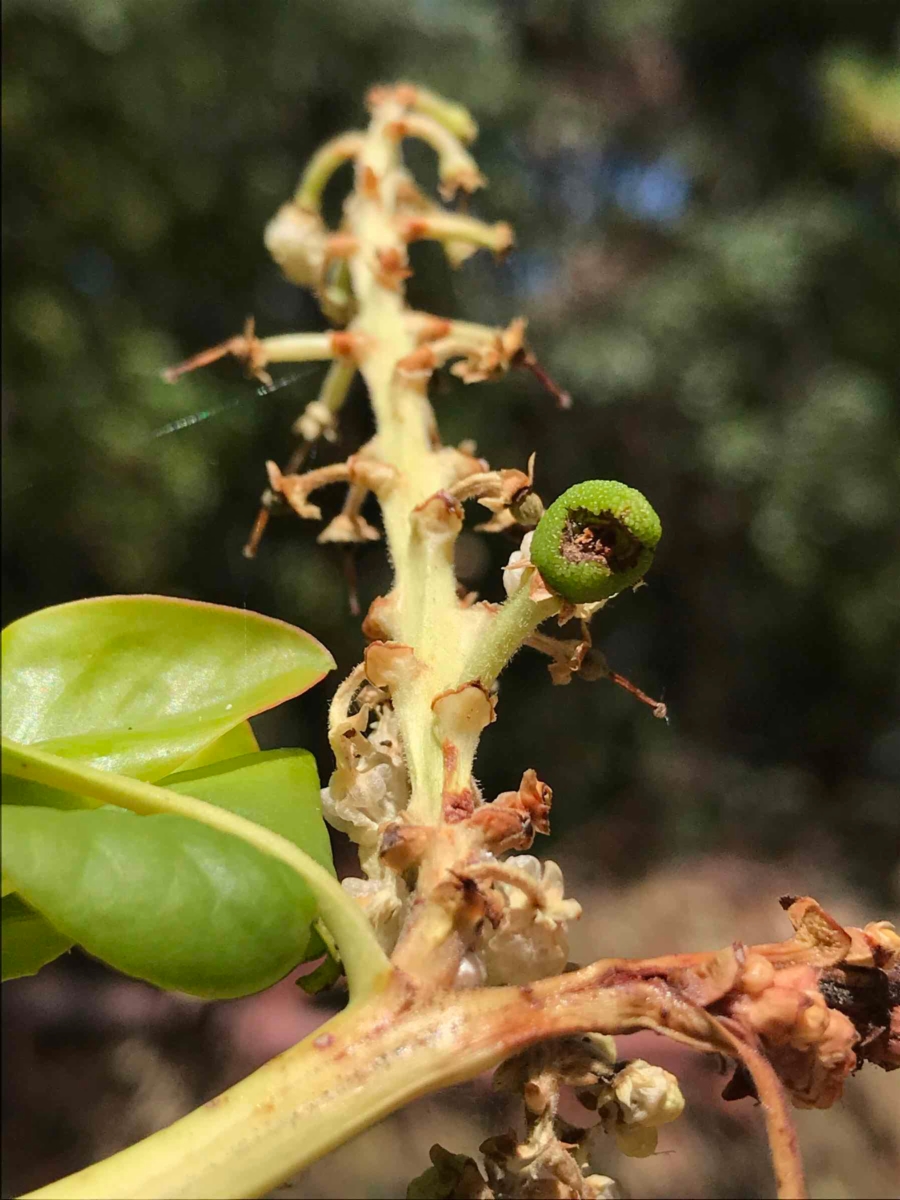
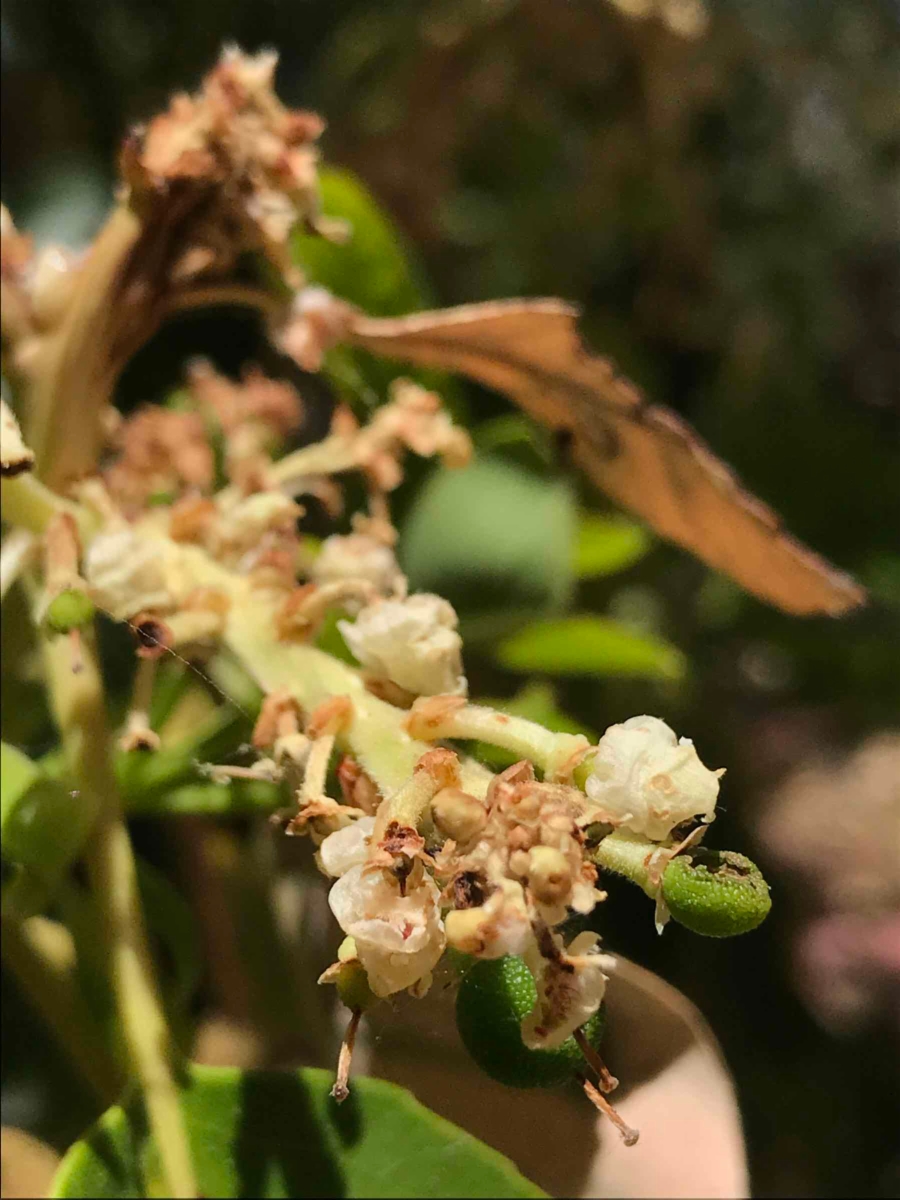
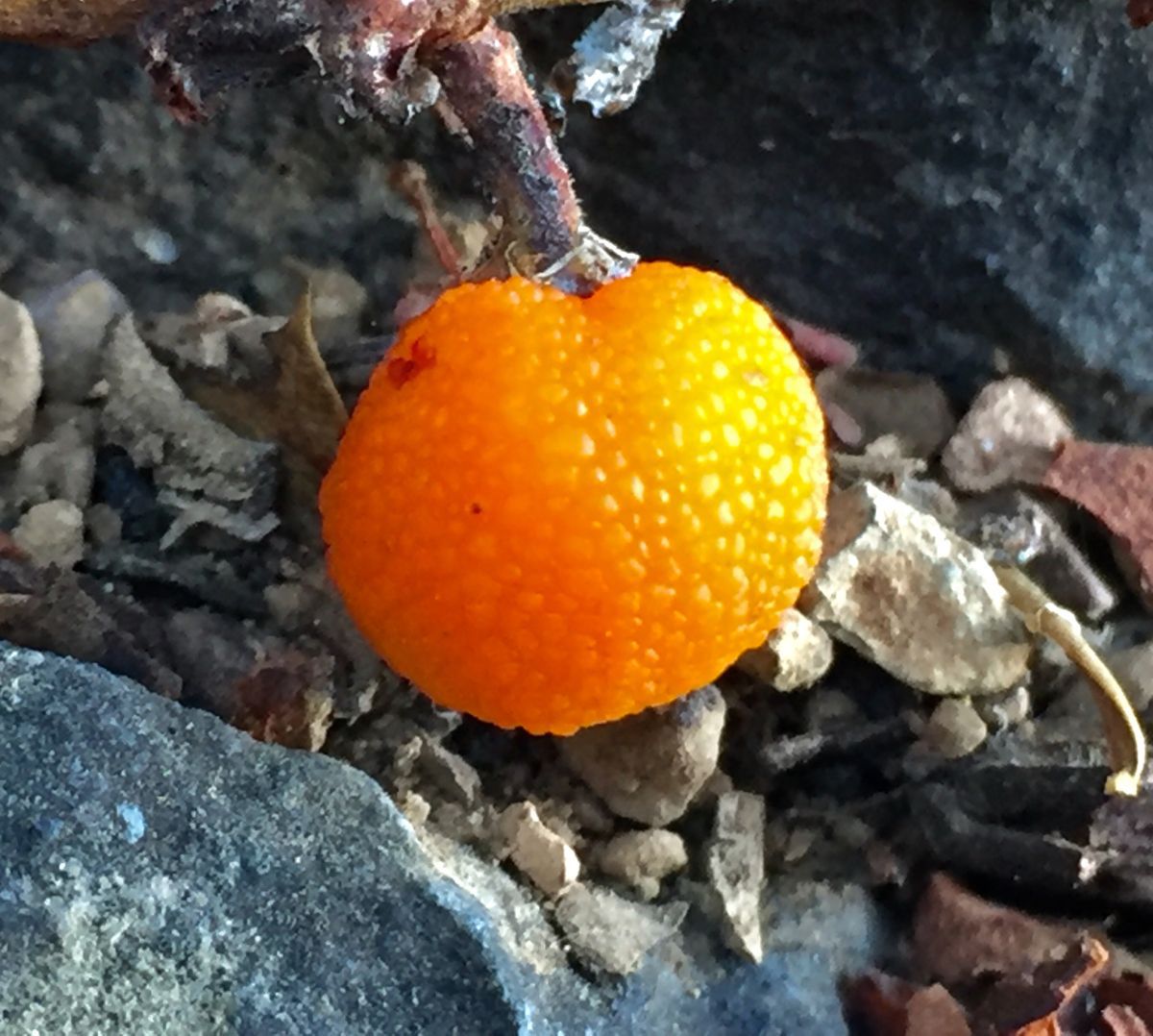
Many mammal and bird species feed off the berries,[14] including juncos, American robins, cedar waxwings, band-tailed pigeons, varied thrushes, quail, mule deer, raccoons, ring-tailed cats, and bears. As the fruit are produced in great quantity and may persist on the tree into winter, their value as a food source is great. (link added by Mary Ann Machi)
/app/up/mg/512/th/mg153821-0.jpg:!/app/up/mg/434/th/mg130495-0.jpg:!/app/up/io/196/th/io59066-1.jpg:!/app/up/io/196/th/io59066-0.jpg:!/app/up/io/197/th/io59265-0.jpg:!/app/up/io/196/th/io59066-3.jpg:!/app/up/entry/242/th/72777.jpg:!/app/up/mg/255/th/mg76759-2.jpg:!/app/up/mg/255/th/mg76762-0.jpg:!/app/up/mg/255/th/mg76762-1.jpg:!/app/up/mg/827/th/mg248392-0.jpg:!/app/up/mg/25/th/7547.jpg:!/app/up/mg/25/th/7545.jpg:!/app/up/io/44/th/13386.jpg:!/app/up/io/44/th/13385.jpg:!/app/up/io/44/th/13384.jpg:!/app/up/io/196/th/io59066-2.jpg:!/app/up/io/167/th/io50163-1.jpg:!/app/up/io/167/th/io50163-0.jpg:!/app/up/entry/67/th/20364.jpg:!0000 0000 0509 0494:!
2021 Cynthia Powell:!2021 R.A. Chasey:!2021 Hunter Breck:!2021 Hunter Breck:!2021 Dee Shea Himes:!2021 Hunter Breck:!2019 David Magney:!2018 Cynthia Powell:!2018 Cynthia Powell:!2018 Cynthia Powell:!2024 David popp:!2016 Cindy Roessler:!2016 Cindy Roessler:!2017 Gary McDonald:!2017 Gary McDonald:!2017 Gary McDonald:!2021 Hunter Breck:!2021 Mary Conway:!2021 Mary Conway:!2018 Eliezer Margolis:!2009 John W. Wall:!
mg153821:!mg130495:!io59066:!io59066:!io59265:!io59066:!wb2231-203:!mg76759:!mg76762:!mg76762:!mg248392:!po18690:!po18690:!po60353:!po60353:!po60353:!io59066:!io50163:!io50163:!po109226:!null:!
Suggested Citation
Calflora:
Information on California plants for education, research and conservation,
with data contributed by
public and private institutions and individuals.
[web application]. 2024. Berkeley, California:The Calflora Database
[a non-profit organization].Available:
https://www.calflora.org/(Accessed: 07/26/2024).