2015 Steve Matson 2015 Steve Matson 2015 Steve Matson 2011 Steve Matson 2011 Steve Matson 2015 Steve Matson 2017 Joseph Clark 2017 Joseph Clark 2017 Joseph Clark 2017 Robert Barnard 2017 Robert Barnard 2023 Mike Russler 2019 James Gonsman 2018 Patty Ciesla 2023 Mike Russler 2019 Ken Hickman 2011 Steve Matson 2011 Steve Matson 2020 Mary Merriman 2020 Hunter Breck 2019 Suzanne L. Weakley 2018 Robert Barnard
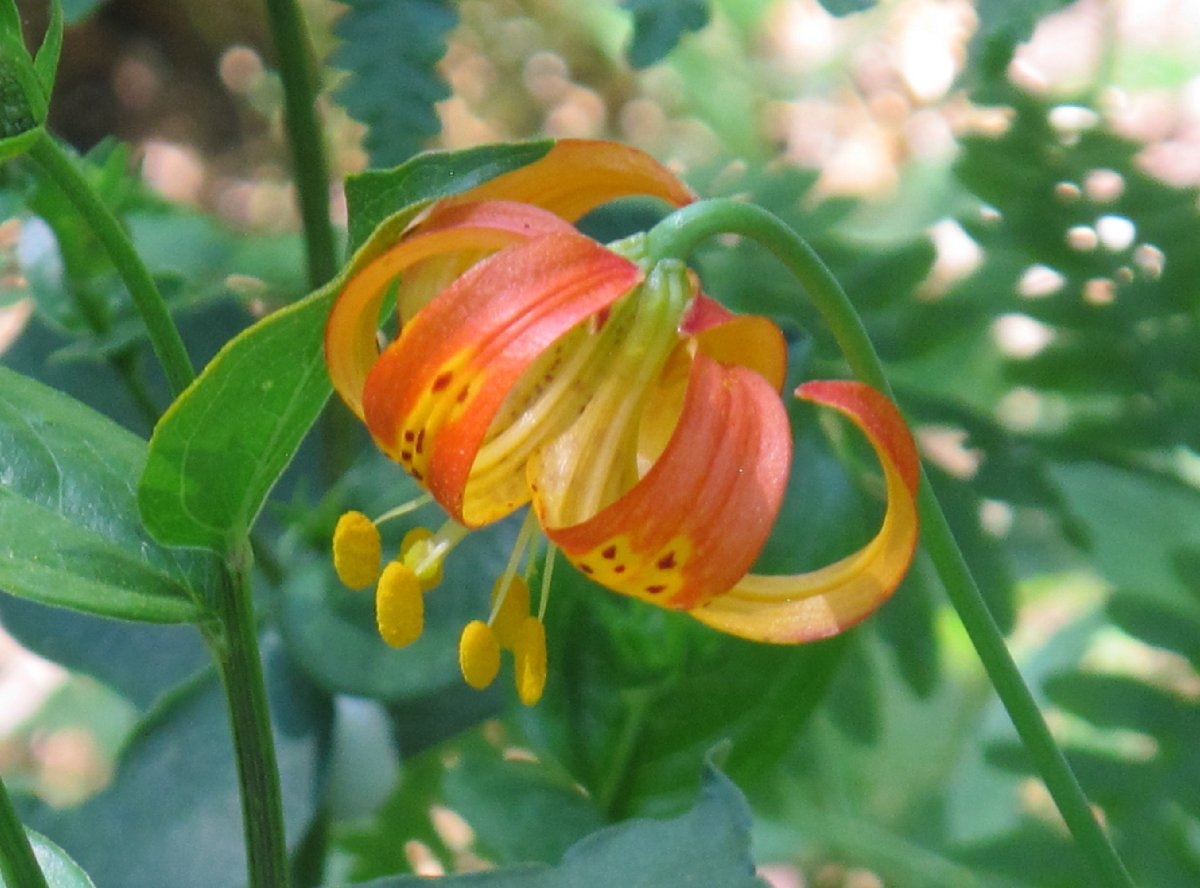
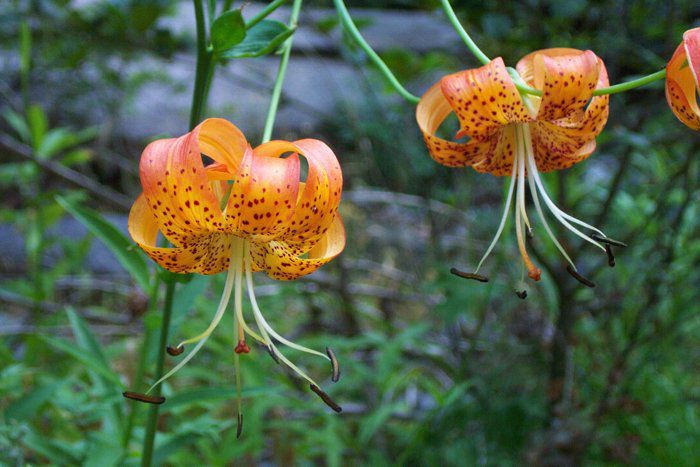
Lilium pardalinum ssp. pardalinum is a perennial herb that is native to California, and endemic (limited) to California.
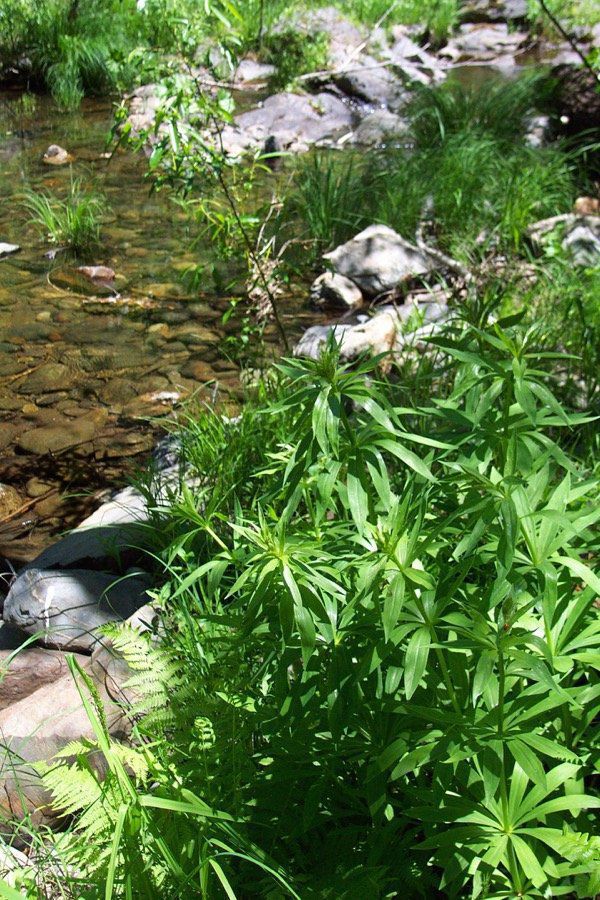
[Wikipedia] Range, Description, Subspecies: Lilium pardalinum, also known as the leopard lily or panther lily, is a flowering bulbous perennial plant in the lily family, native to Oregon, California, and Baja California.[1] It usually grows in damp areas. Its range includes California chaparral and woodlands habitats and the Sierra Nevada.[2][3]
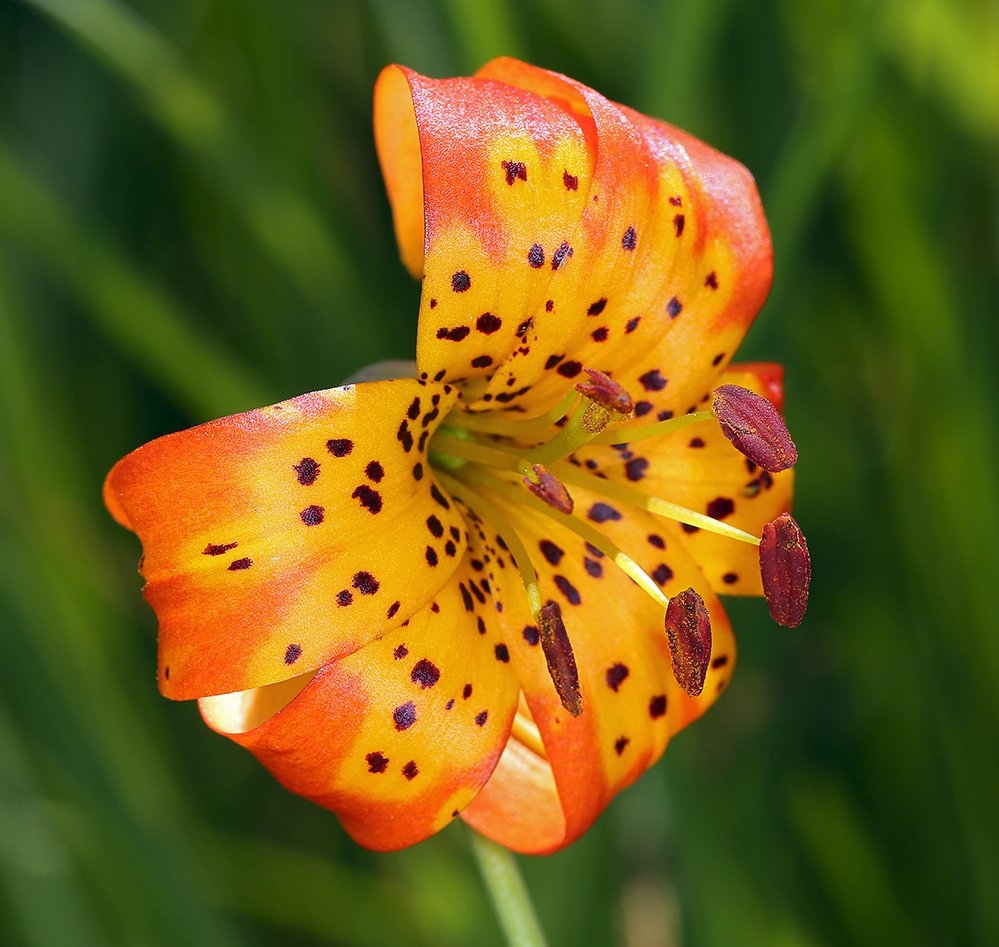
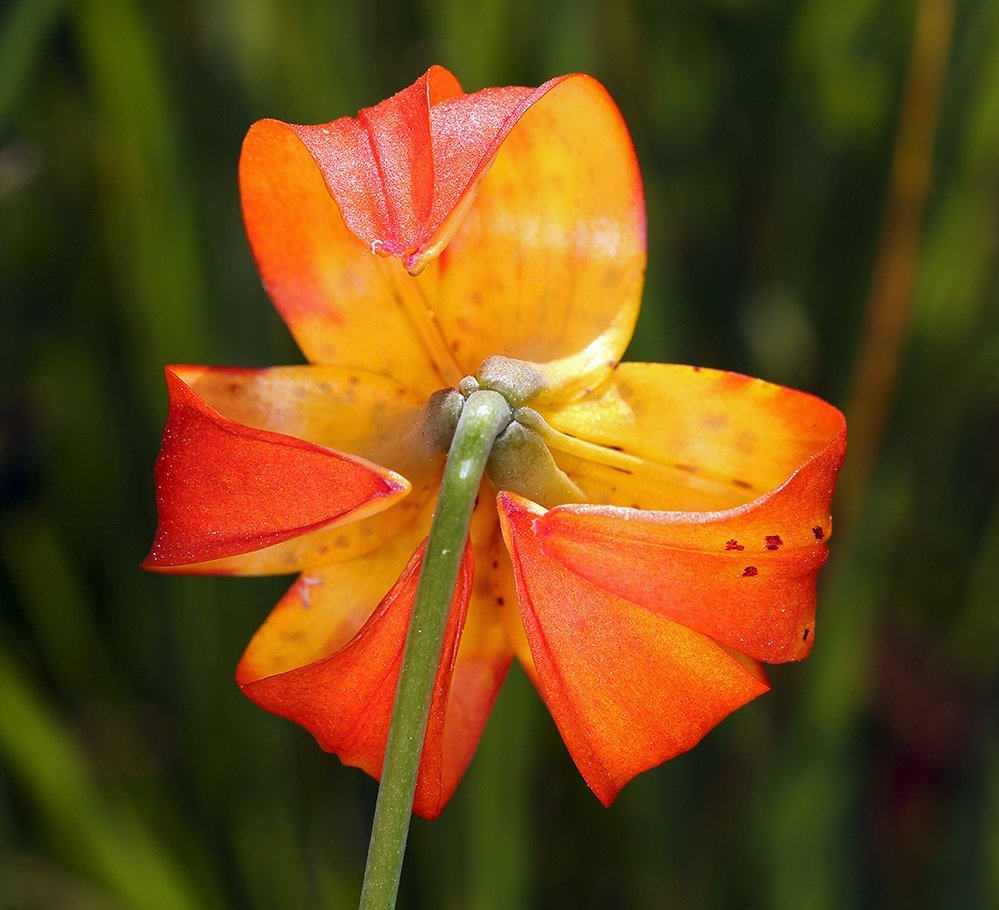
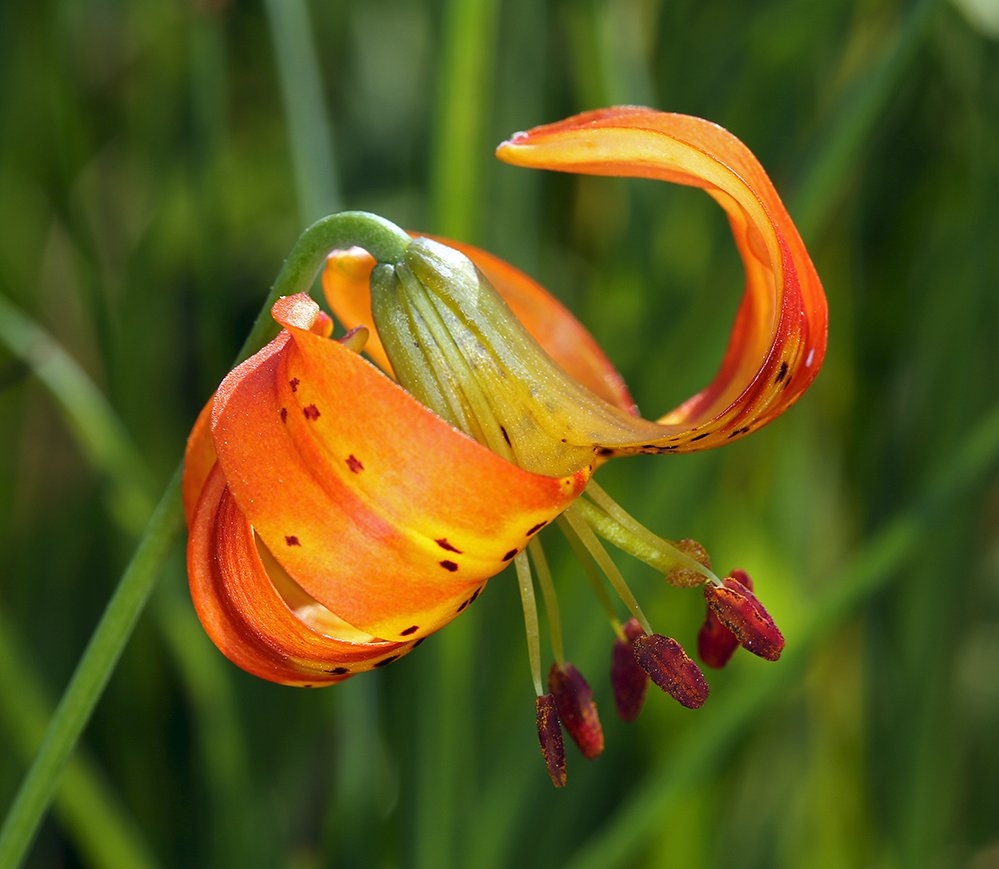
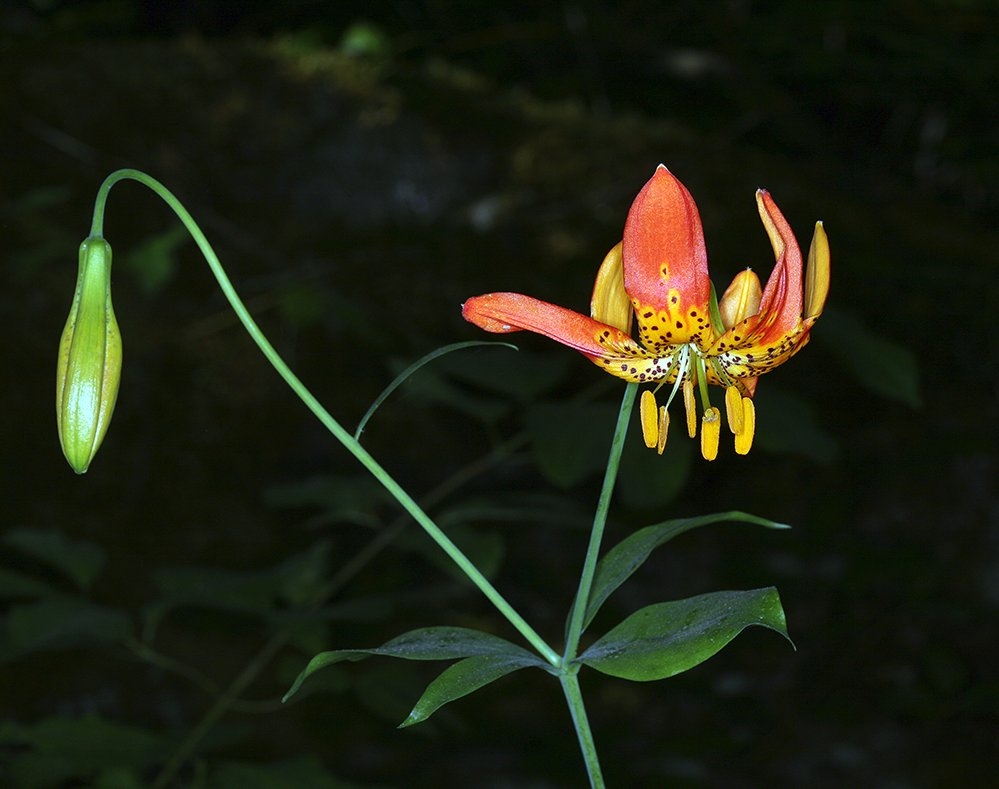
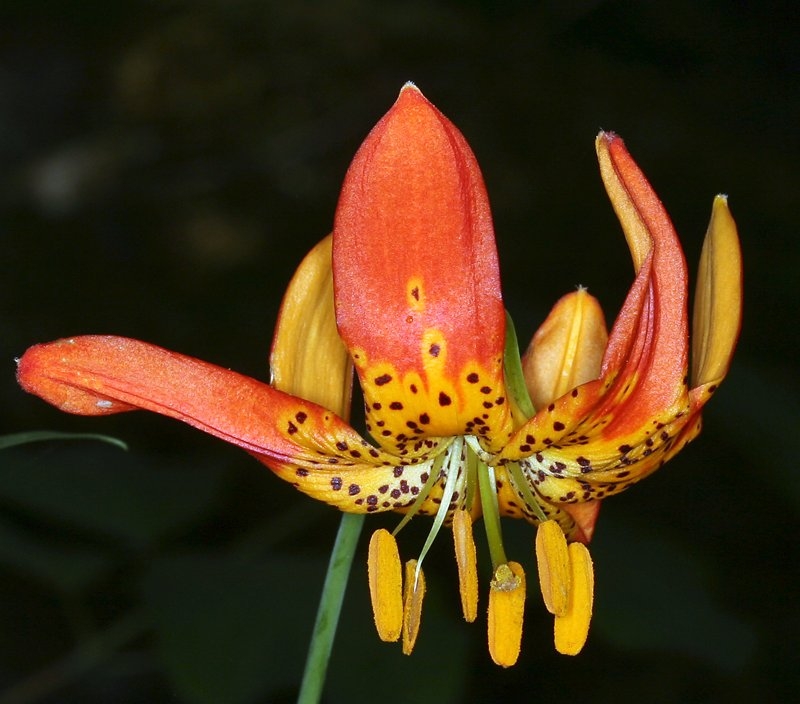
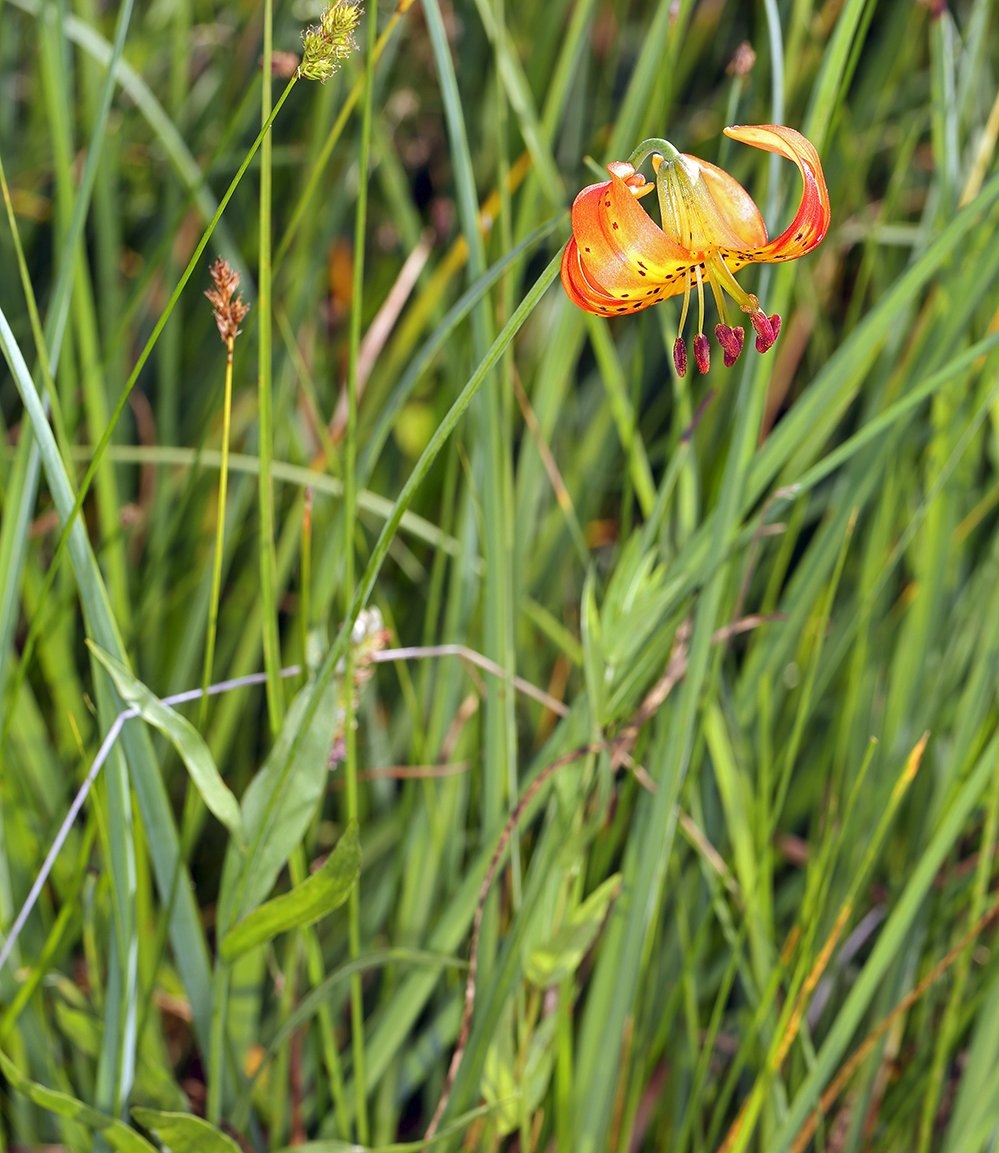
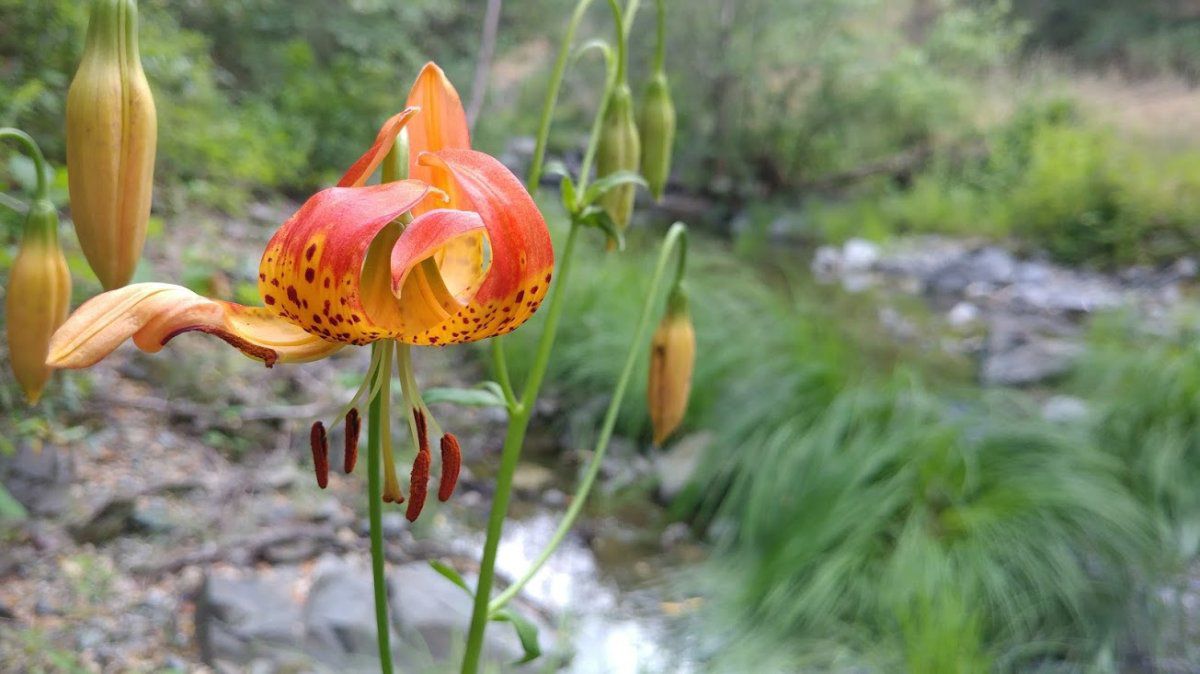
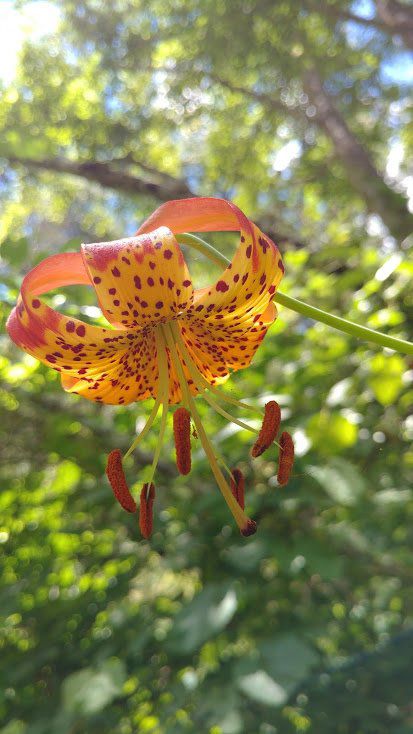
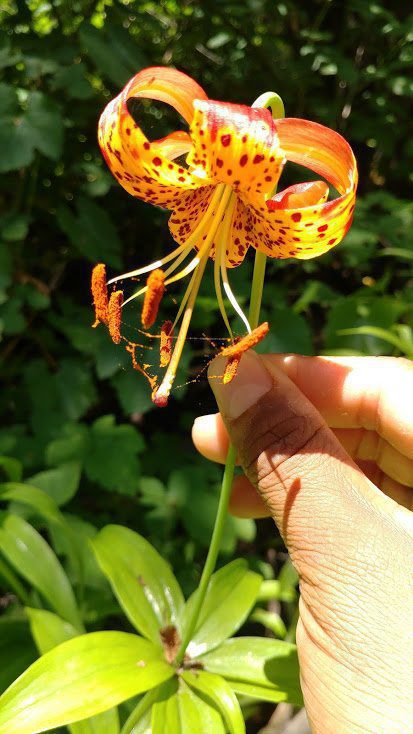
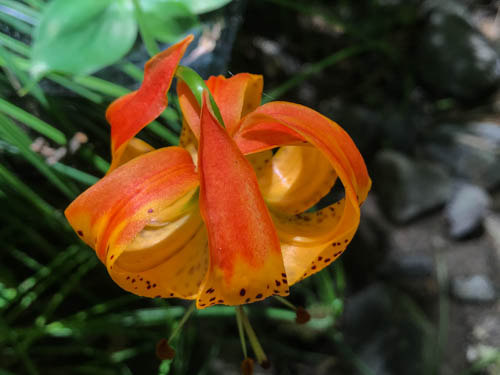
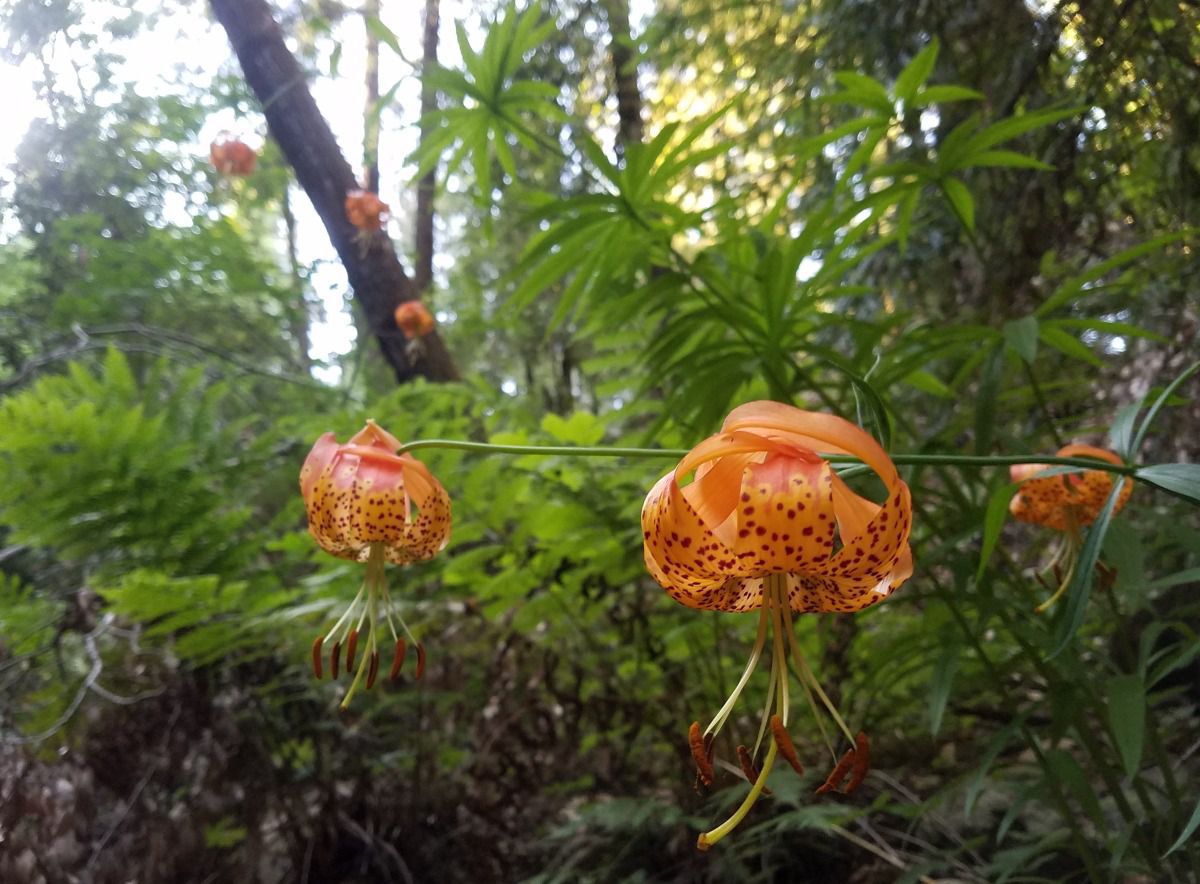
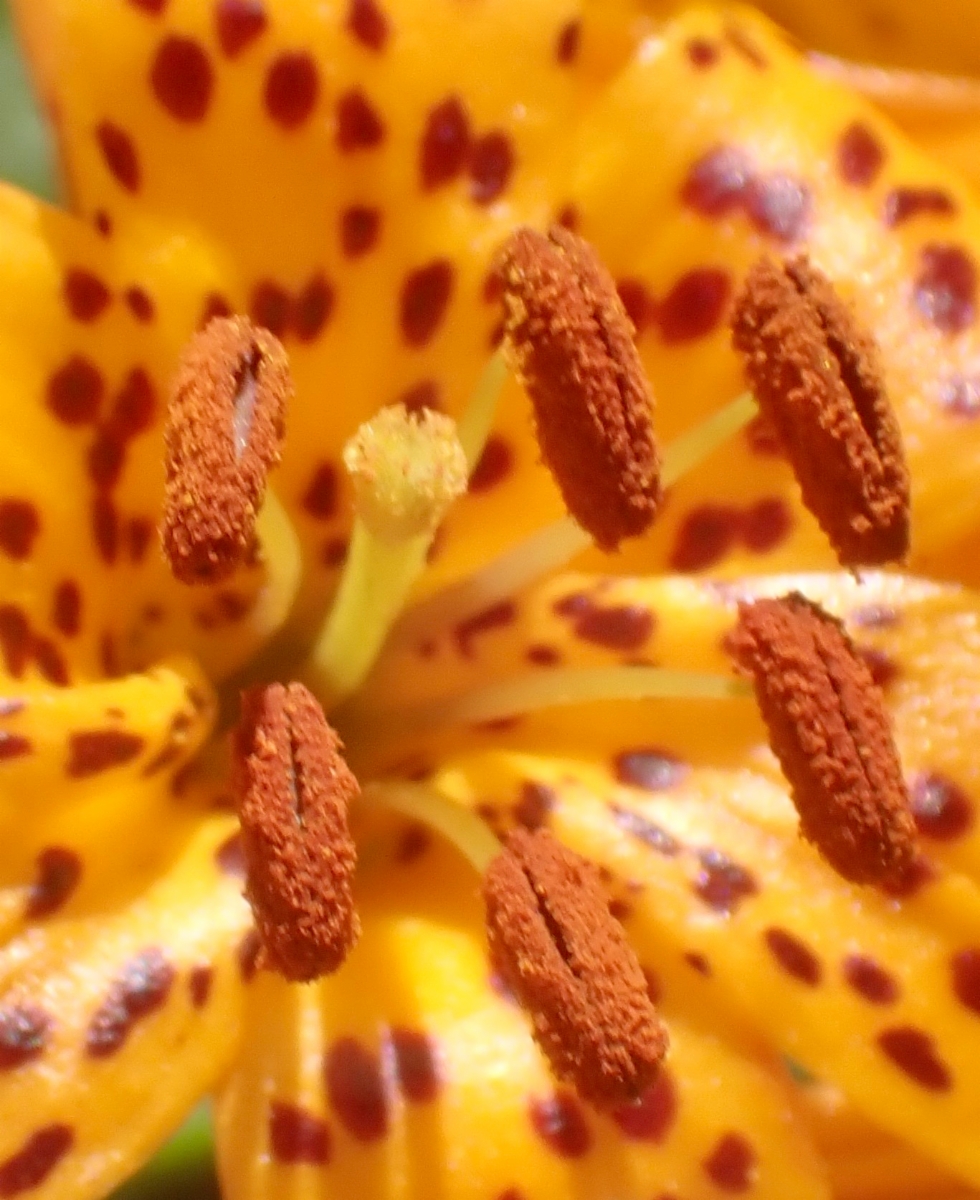
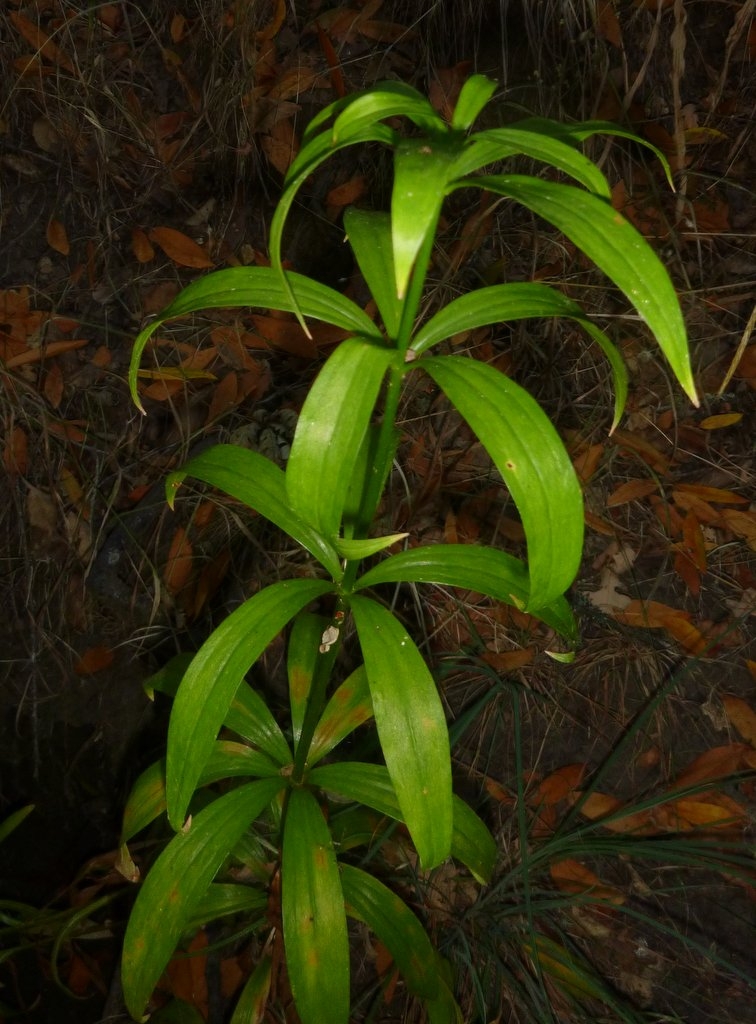
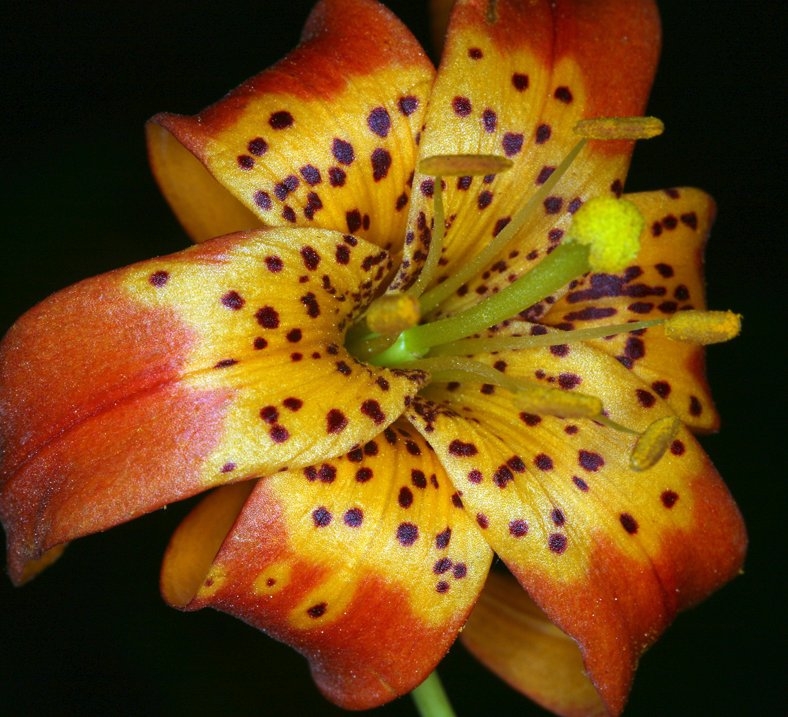
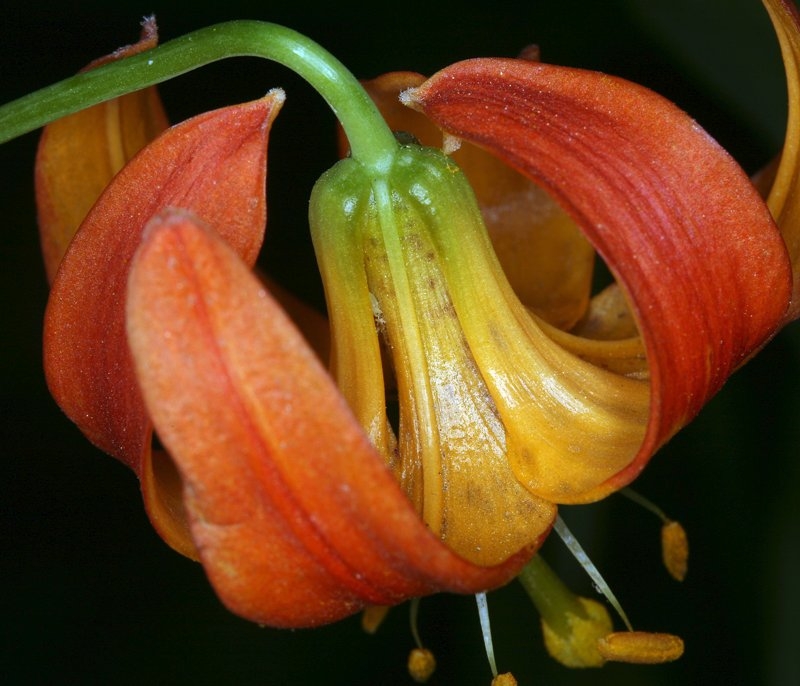
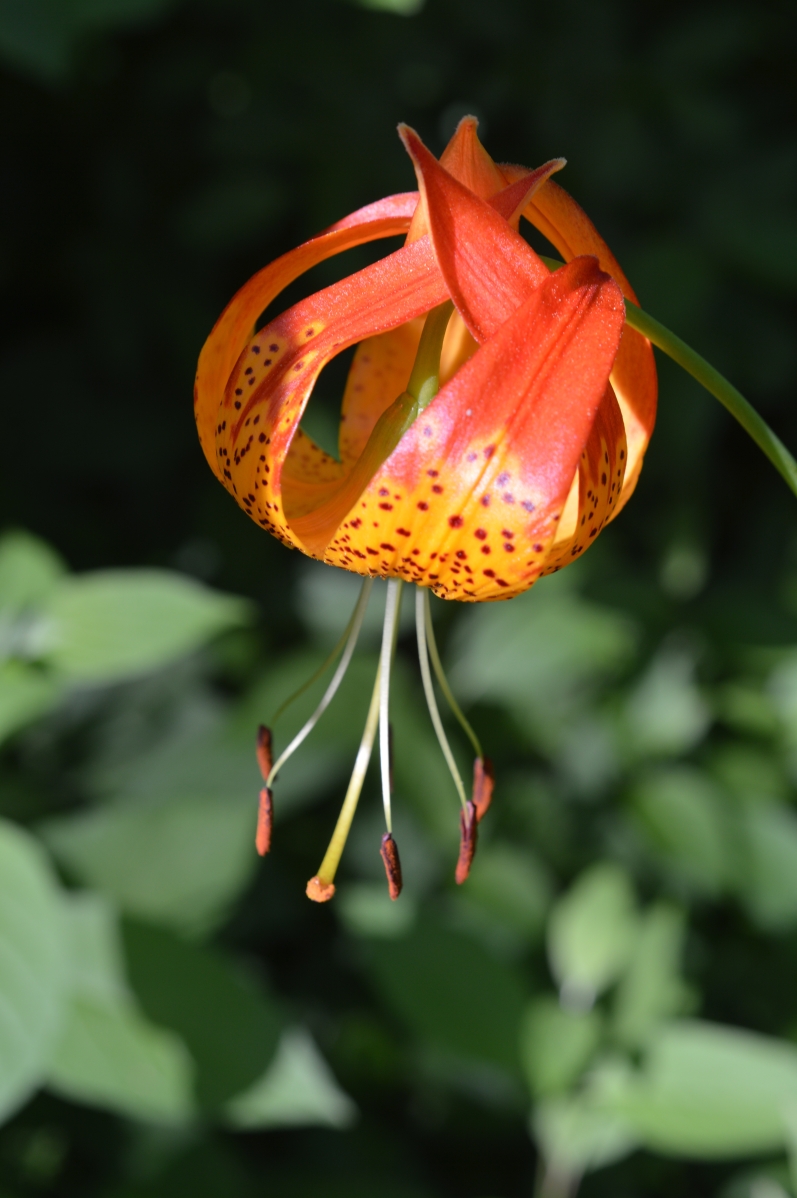
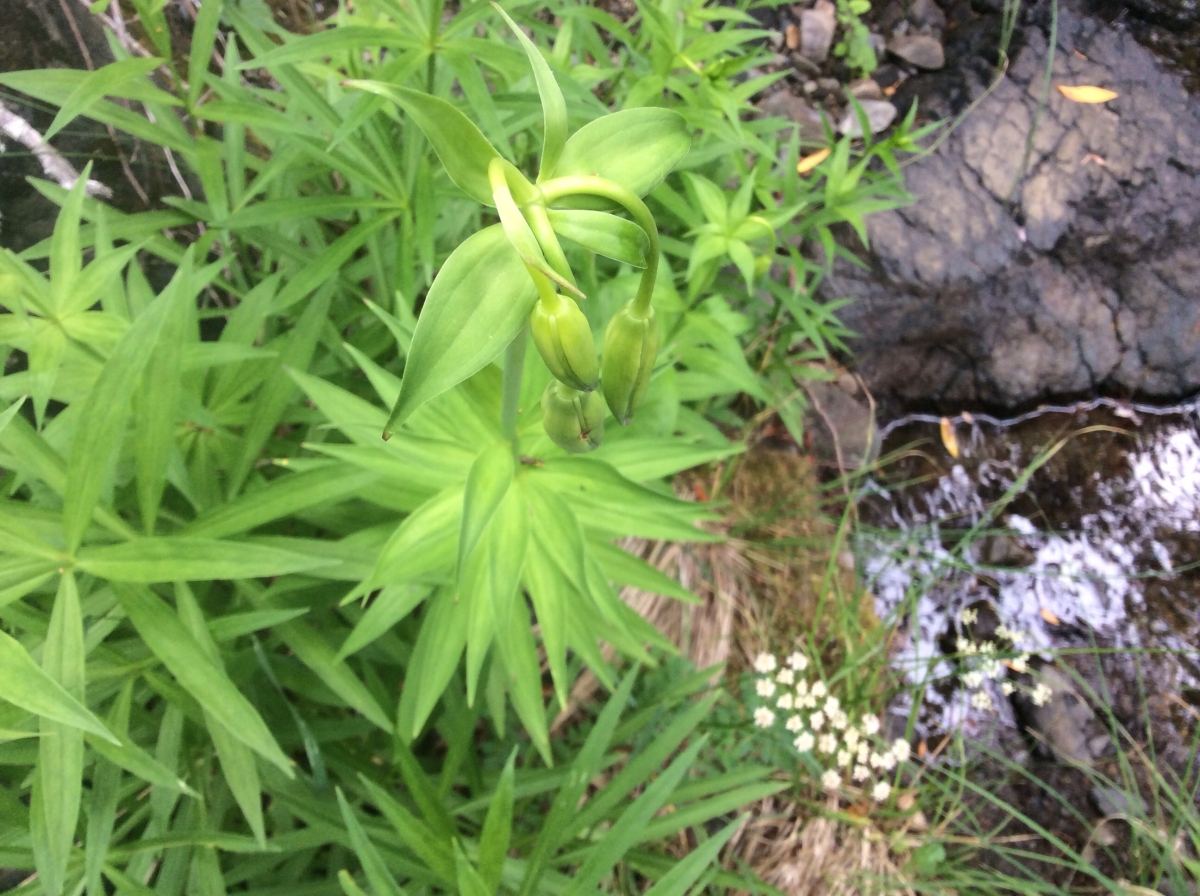
Typically L. pardalinum grows to about 2 metres (6.6 ft) high; the tallest and most vigorous plants can reach up to 2.5 metres (8.2 ft). The bulbs are small, and many are usually clustered together on a rhizomatous stock. The flowers are Turk's-cap shaped, red-orange, with numerous brown spots, usually flowering in July.
Subspecies[1][4][5]
Lilium pardalinum subsp. pardalinum Kellogg - leopard lily - southern California, Baja California
Lilium pardalinum subsp. pitkinense (Beane & Vollmer) Skinner - Pitkin Marsh lily - northwestern California
Lilium pardalinum subsp. shastense (Eastw.) Skinner - Shasta lily - Oregon, northern California
Lilium pardalinum subsp. vollmeri (Eastw.) Skinner - Vollmer's lily - southwestern Oregon, northwestern California
Lilium pardalinum subsp. wigginsii (Beane & Vollmer) Skinner - Wiggins' lily - southwestern Oregon, northwestern California
The subspecies Pitkin Marsh lily, Lilium pardalinum subsp. pitkinense, is federally listed as an endangered species.
Cultivation
Lilium pardalinum is cultivated by specialty plant nurseries as an ornamental plant, for use in native plant gardens and wildlife gardening; as well as providing height and colour in the flower border and for cut flowers. It has gained the Royal Horticultural Society's Award of Garden Merit.[6] (link added by Mary Ann Machi)
/app/up/entry/252/th/75673.jpg:!/app/up/entry/252/th/75671.jpg:!/app/up/entry/252/th/75670.jpg:!/app/up/entry/252/th/75668.jpg:!/app/up/entry/252/th/75667.jpg:!/app/up/entry/252/th/75672.jpg:!/app/up/mg/39/th/11760.jpg:!/app/up/mg/39/th/11761.jpg:!/app/up/mg/39/th/11759.jpg:!/app/up/mg/47/th/14246.jpg:!/app/up/mg/47/th/14247.jpg:!/app/up/io/337/th/io101334-2.jpg:!/app/up/gp/93/th/18710.jpg:!/app/up/entry/66/th/19935.jpg:!/app/up/entry/574/th/172428.jpg:!/app/up/entry/112/th/33661.jpg:!/app/up/entry/252/th/75669.jpg:!/app/up/entry/252/th/75666.jpg:!/app/up/entry/193/th/58019.jpg:!/app/up/entry/172/th/51646.jpg:!/app/up/entry/154/th/46412.jpg:!/app/up/mg/49/th/14812.jpg:!
2015 Steve Matson:!2015 Steve Matson:!2015 Steve Matson:!2011 Steve Matson:!2011 Steve Matson:!2015 Steve Matson:!2017 Joseph Clark:!2017 Joseph Clark:!2017 Joseph Clark:!2017 Robert Barnard:!2017 Robert Barnard:!2023 Mike Russler:!2019 James Gonsman:!2018 Patty Ciesla:!2023 Mike Russler:!2019 Ken Hickman:!2011 Steve Matson:!2011 Steve Matson:!2020 Mary Merriman:!2020 Hunter Breck:!2019 Suzanne L. Weakley:!2018 Robert Barnard:!
mu10738:!mu10738:!mu10738:!mu10737:!mu10737:!mu10738:!po40865:!po40865:!po40865:!po67250:!po67251:!io101334:!gp18710:!po103063:!io101334:!po142771:!mu10737:!mu10737:!po162603:!po159359:!mu2842:!po76877:!
Suggested Citation
Calflora:
Information on California plants for education, research and conservation,
with data contributed by
public and private institutions and individuals.
[web application]. 2024. Berkeley, California:The Calflora Database
[a non-profit organization].Available:
https://www.calflora.org/(Accessed: 07/26/2024).