2018 Jeff Bisbee 2020 Jeff Bisbee 2020 Jeff Bisbee 2018 Jeff Bisbee 2020 Jeff Bisbee 2010 Dana York
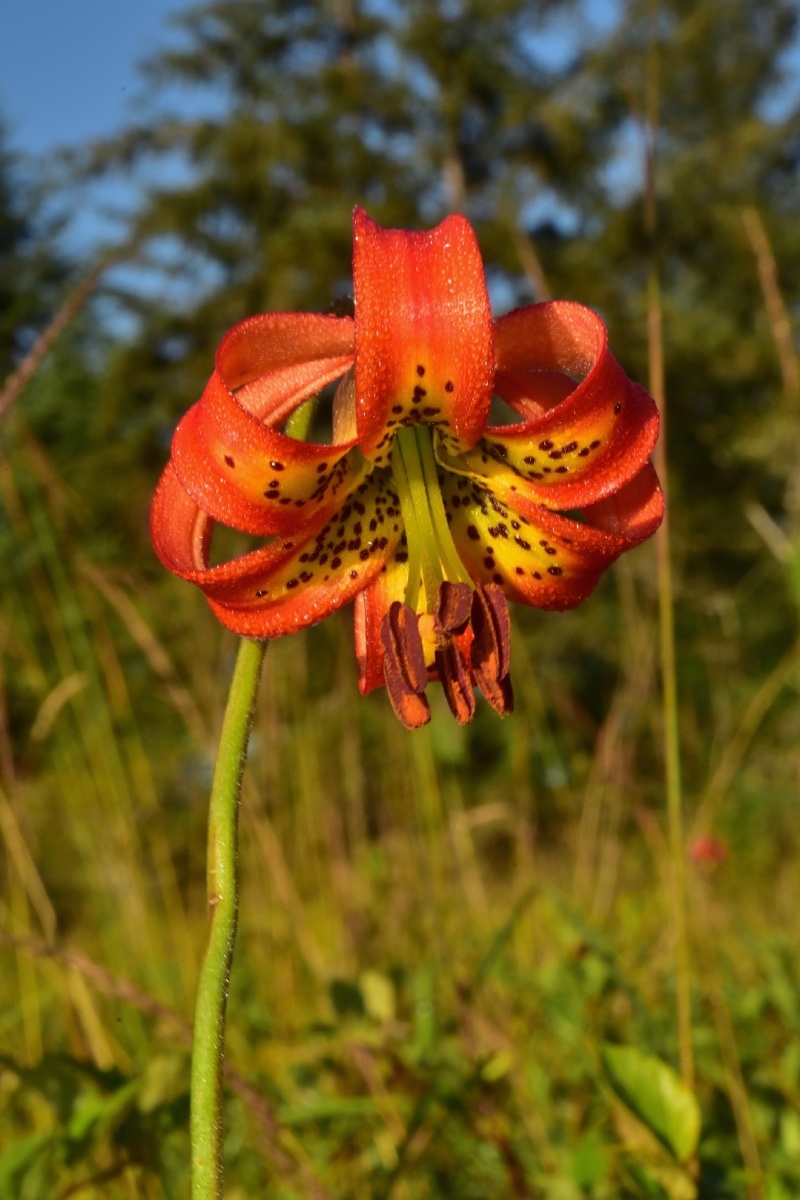
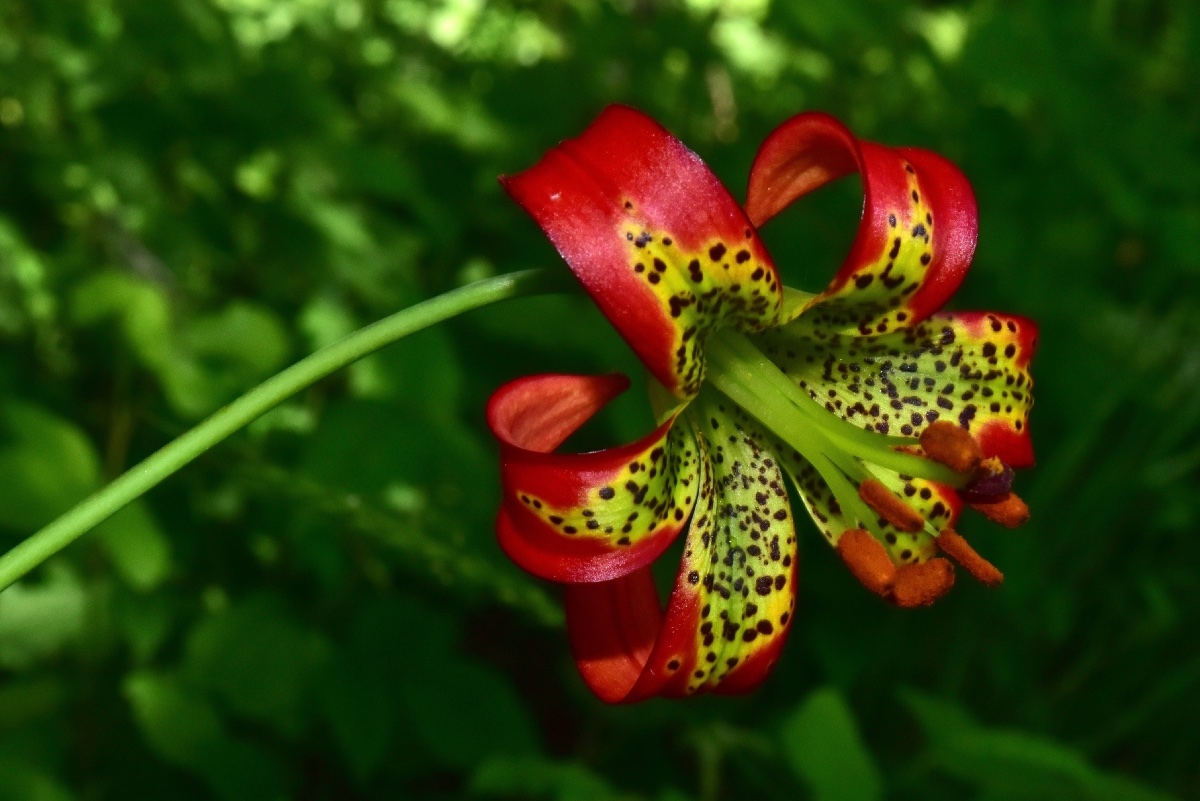
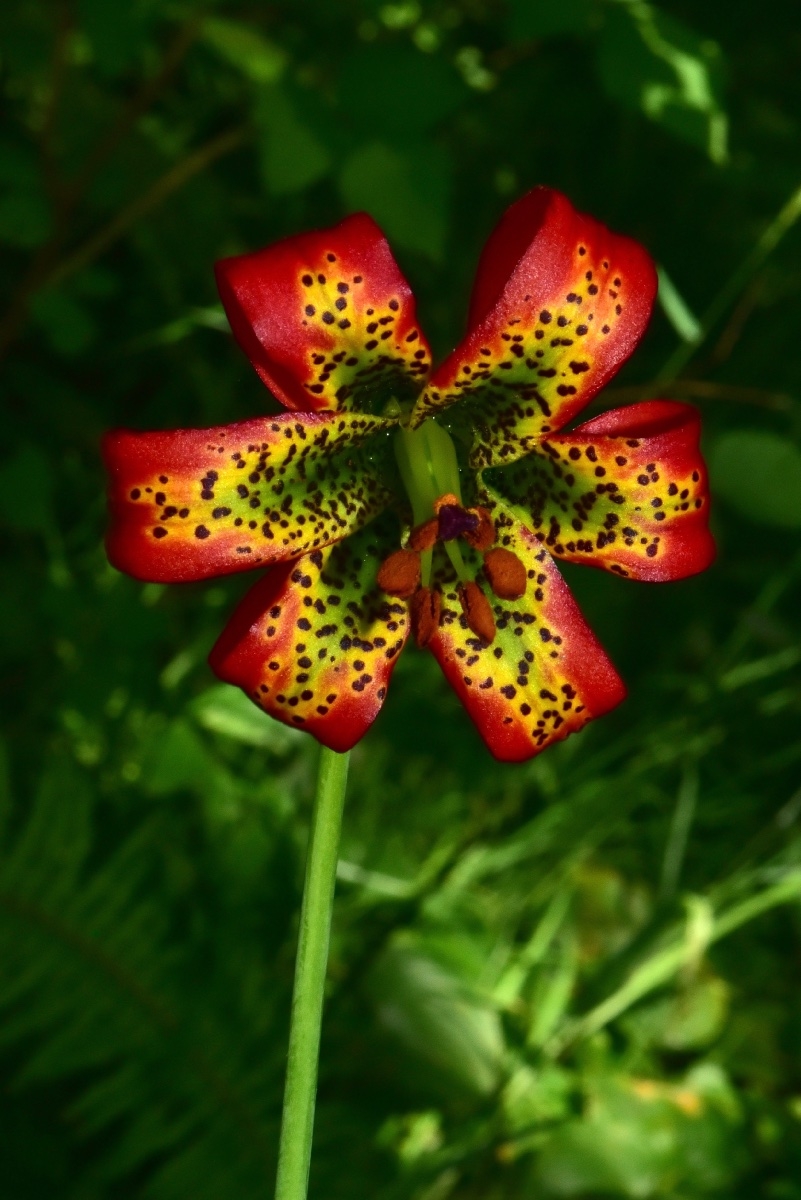
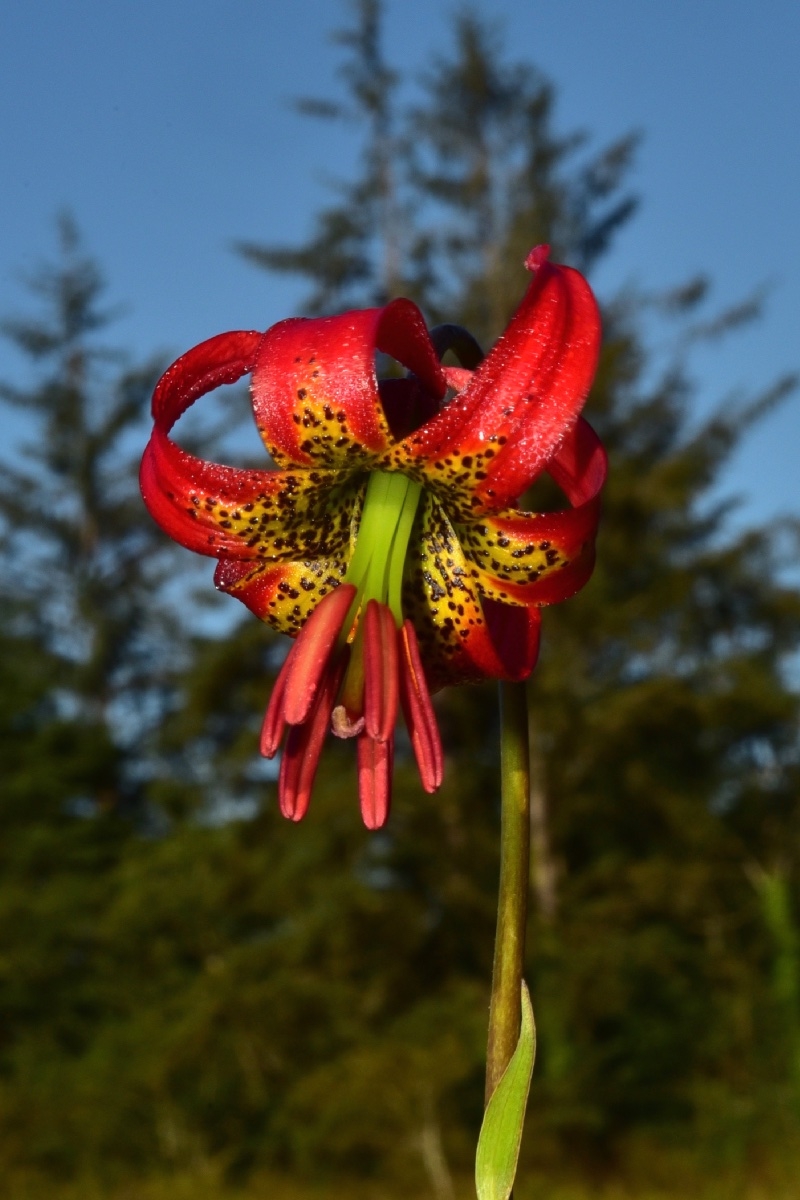
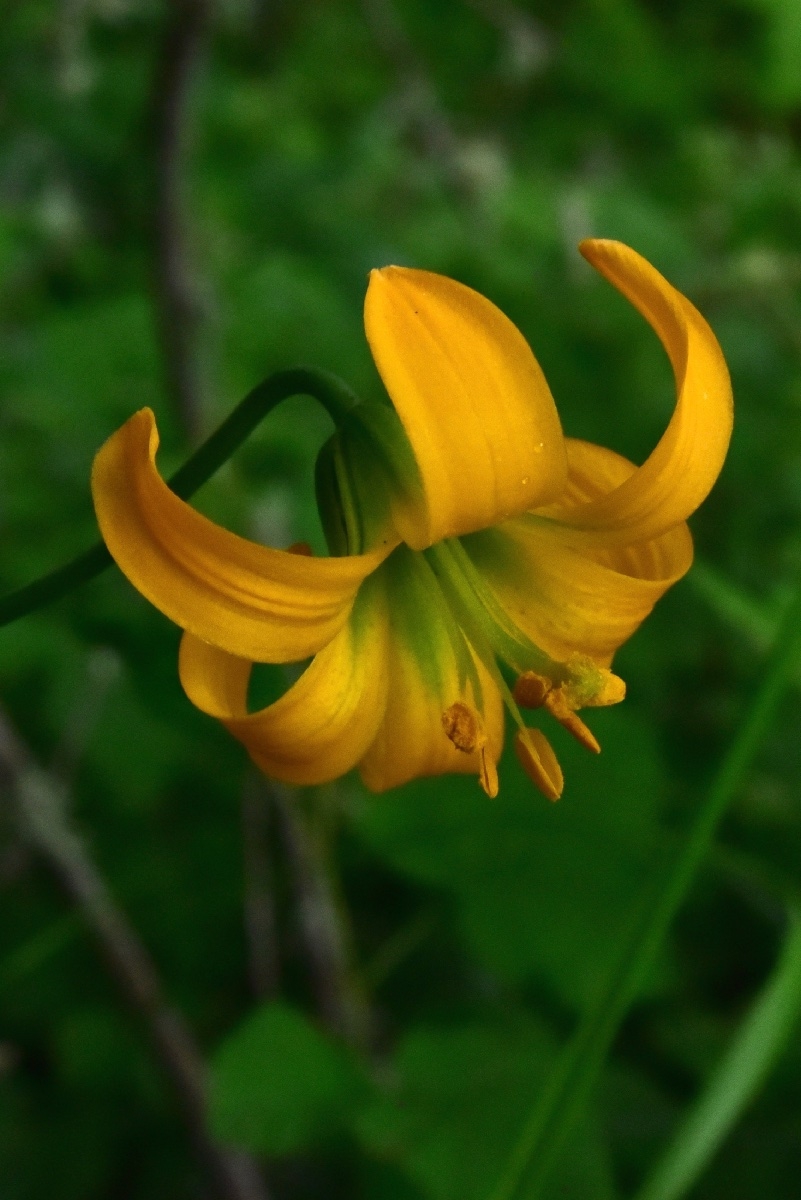
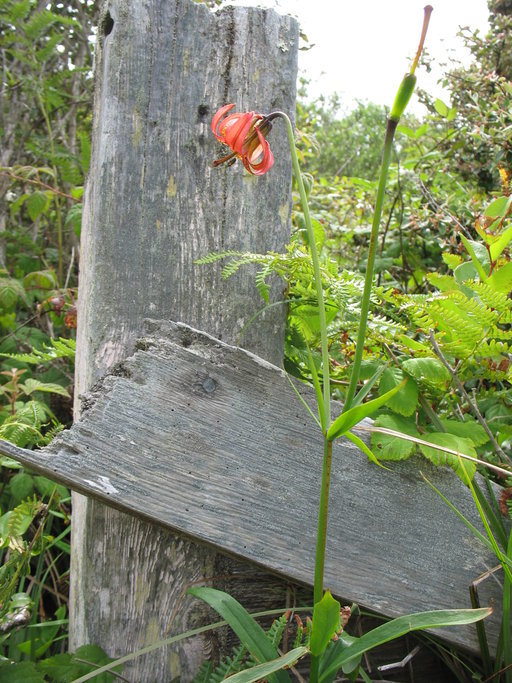
Lilium occidentale is a perennial herb (bulb) that is native to California, and also found in Oregon.
California Rare Plant Rank: 1B.1 (rare, threatened, or endangered in CA and elsewhere).
State of California status: Endangered.
Federal status: Endangered.
[Wikipedia] Rarity, Habitat, Range, Pollinators, Conservation: Lilium occidentale is a rare North American species of lily known by the common name western lily. Its species name 'Occidentale' means 'westernmost' and refers to its location along the West Coast. It is native to northwestern California and southwestern Oregon.[1][2][3] It grows in coastal prairie habitat, swamps and stagnant bogs with Drosera species, bluffs and sandy cliffs, and seaside spruce forests. This rare wildflower is limited in distribution and directly endangered by a number of environmental factors. It is a federally listed endangered species and it is listed as endangered by the states of California and Oregon.
It is found growing along a narrow 200 mile stretch of coast between Southern Oregon and Northern California usually within sight of the ocean. Its furthest northern distribution is Florence, Oregon to as far south as Eureka, California.
The flower is pollinated chiefly by hummingbirds, including Allen's hummingbird (Selasphorus sasin).[4]
Lilium occidentale produces more nectar than any other American lily, which is not surprising given that hummingbirds are the primary pollinator.
Conservation
Threats to this species have included grazing and trampling by livestock, development and ranching, cranberry farming, genetic drift, vehicles and road maintenance, and horticultural collecting of the bulbs and flowers. New sprouts and shoots dry out quickly and are easily crushed. The invasion of trees into the plant's habitat, either by natural succession or deliberate planting and fire suppression, can alter the hydrology and soil structure enough to eliminate it.[1] When the plant was listed as an endangered species in 1994, there were 2000 to 3000 individuals remaining.[5] (link added by Mary Ann Machi)
/app/up/entry/188/th/56649.jpg:!/app/up/entry/188/th/56647.jpg:!/app/up/entry/188/th/56650.jpg:!/app/up/entry/188/th/56653.jpg:!/app/up/entry/188/th/56651.jpg:!0000 0000 0810 1357:!
2018 Jeff Bisbee:!2020 Jeff Bisbee:!2020 Jeff Bisbee:!2018 Jeff Bisbee:!2020 Jeff Bisbee:!2010 Dana York:!
mu6062:!mu6059:!mu6061:!mu6065:!mu6063:!null:!
Suggested Citation
Calflora:
Information on California plants for education, research and conservation,
with data contributed by
public and private institutions and individuals.
[web application]. 2024. Berkeley, California:The Calflora Database
[a non-profit organization].Available:
https://www.calflora.org/(Accessed: 07/26/2024).


 one or more occurrences