2021 Ron Vanderhoff 2022 David Strauch 2022 David Strauch 2021 Ron Vanderhoff 2016 Ron Vanderhoff 2023 Ron Vanderhoff 2020 Ron Vanderhoff 2022 David Strauch 2022 David Strauch 2015 Neal Kramer
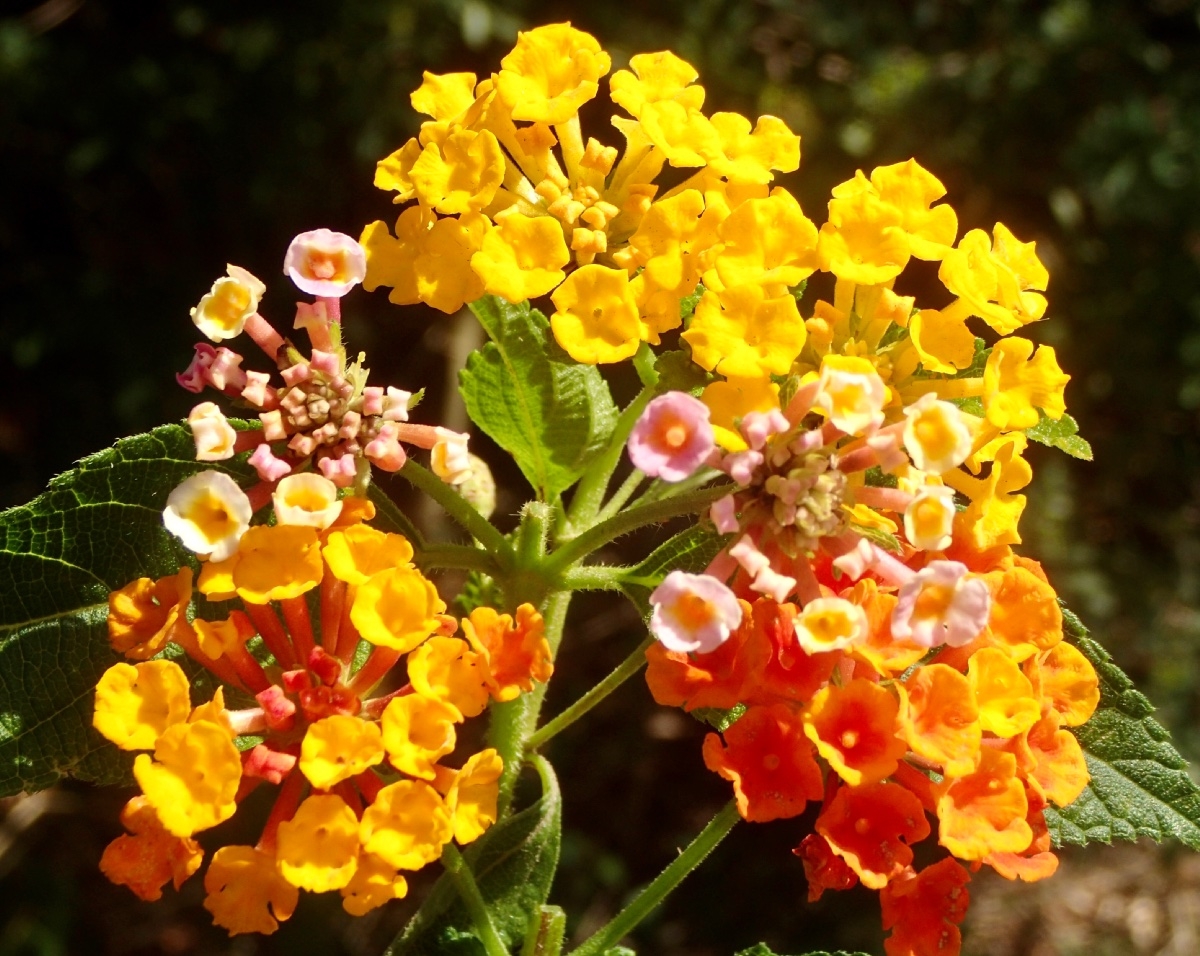
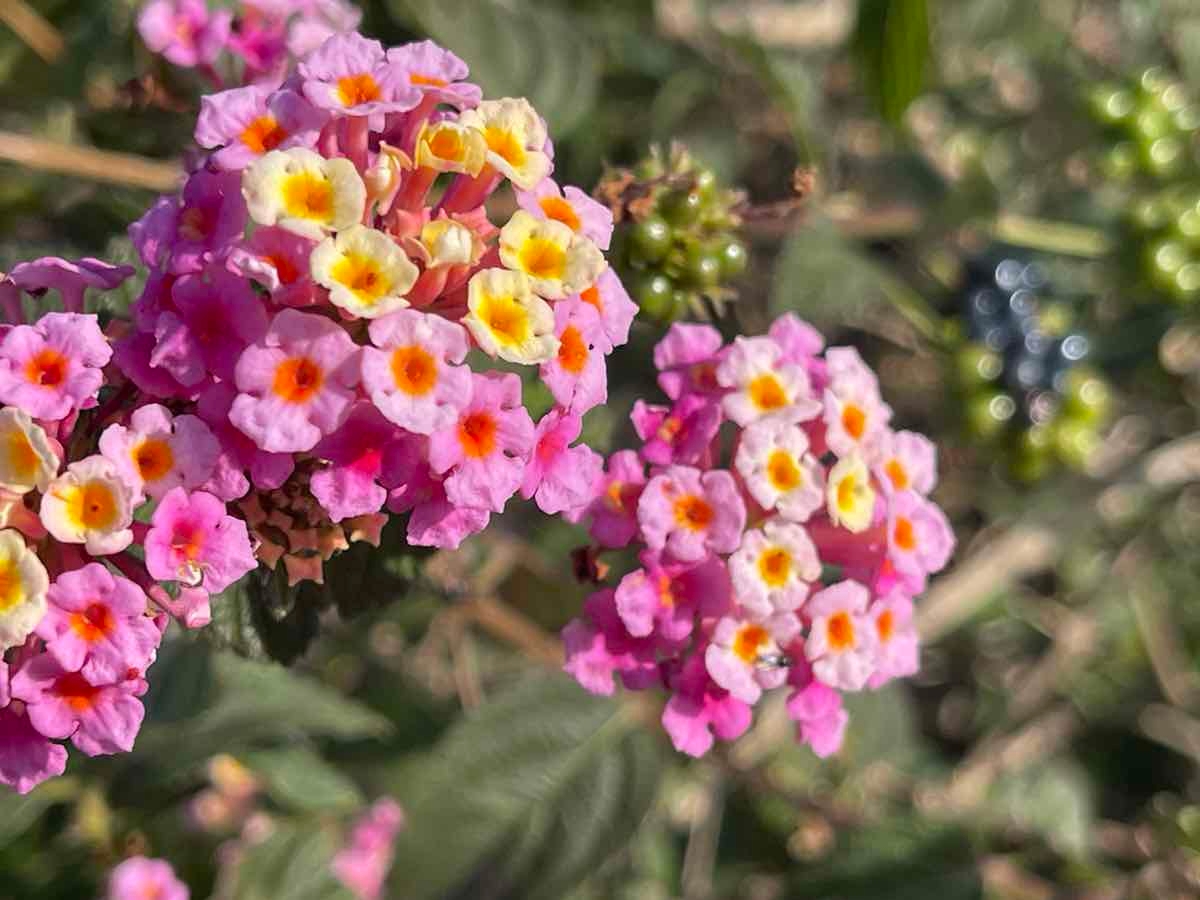
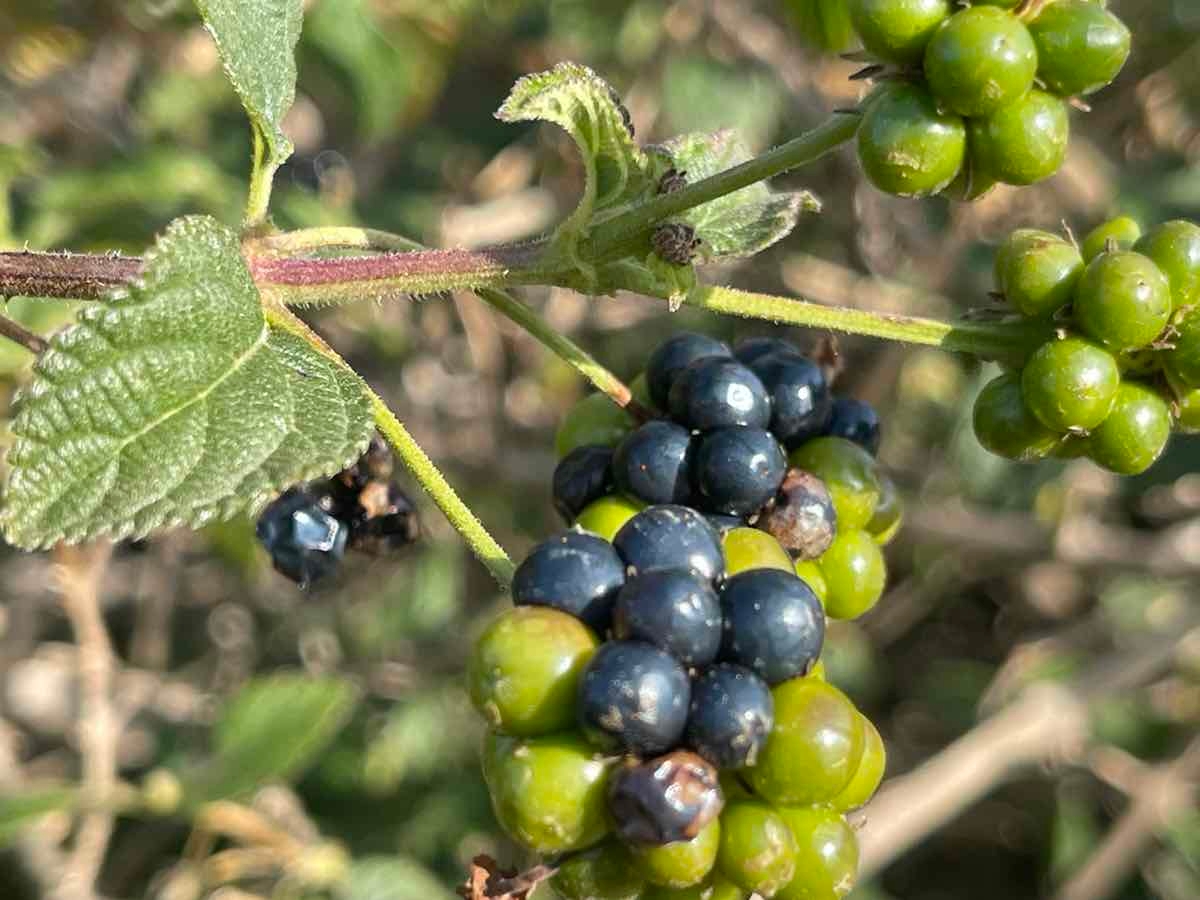
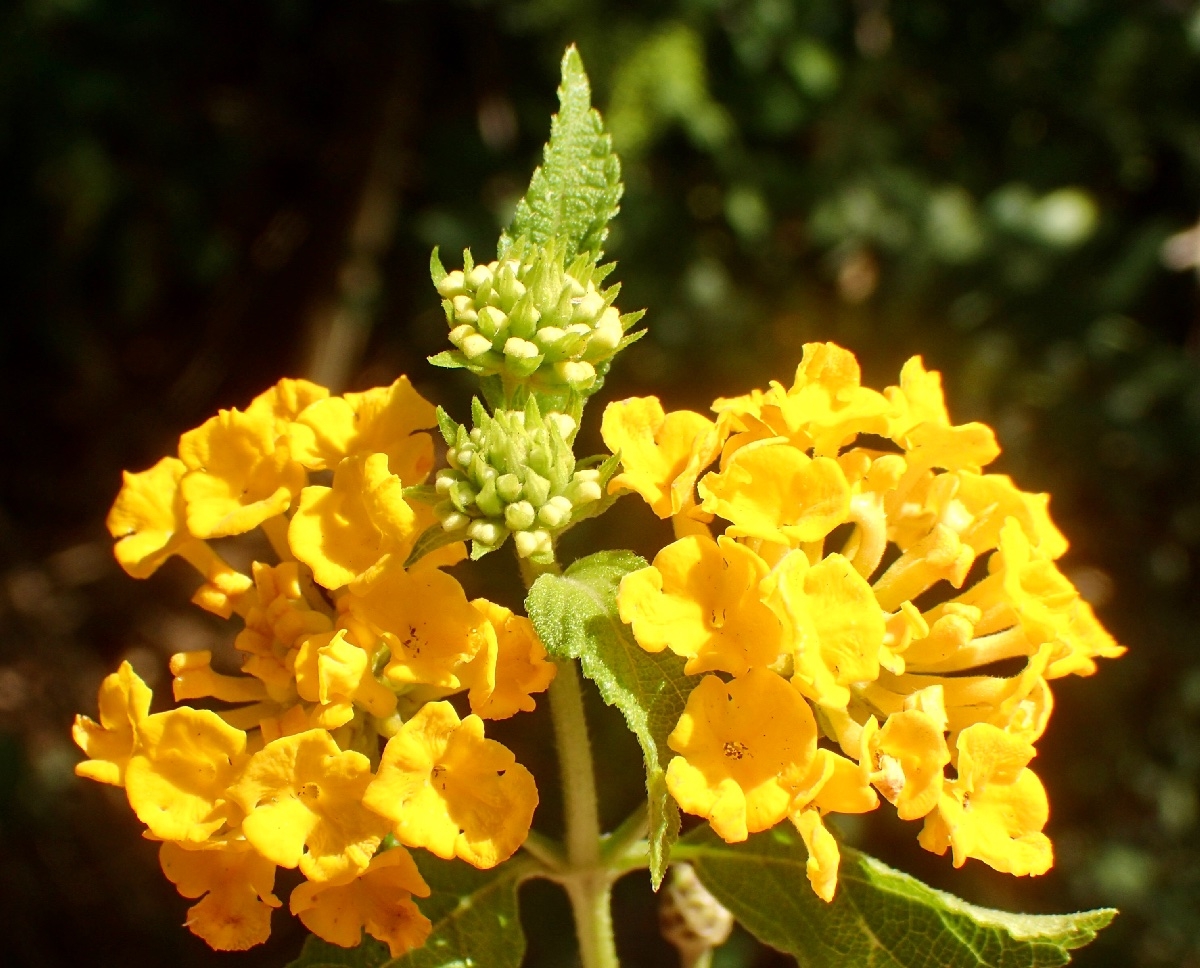
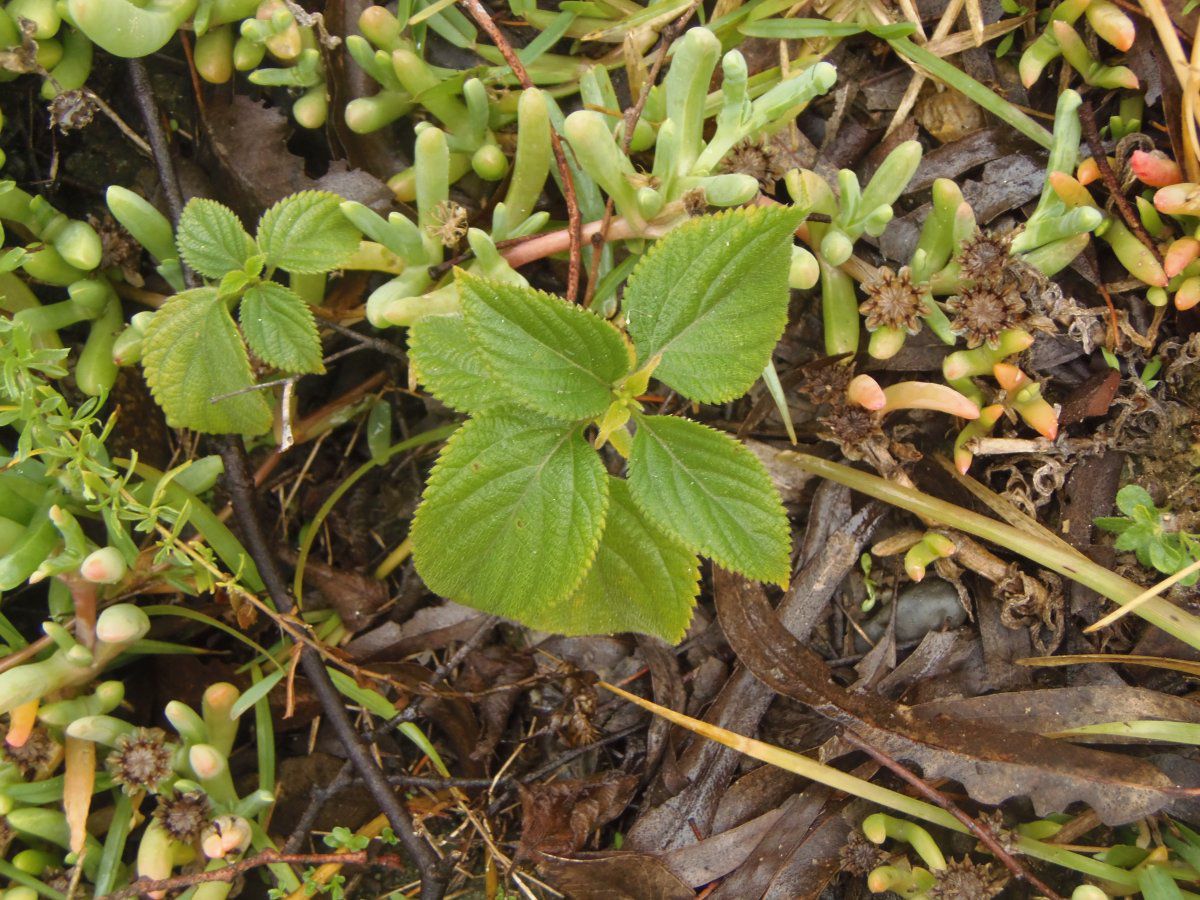
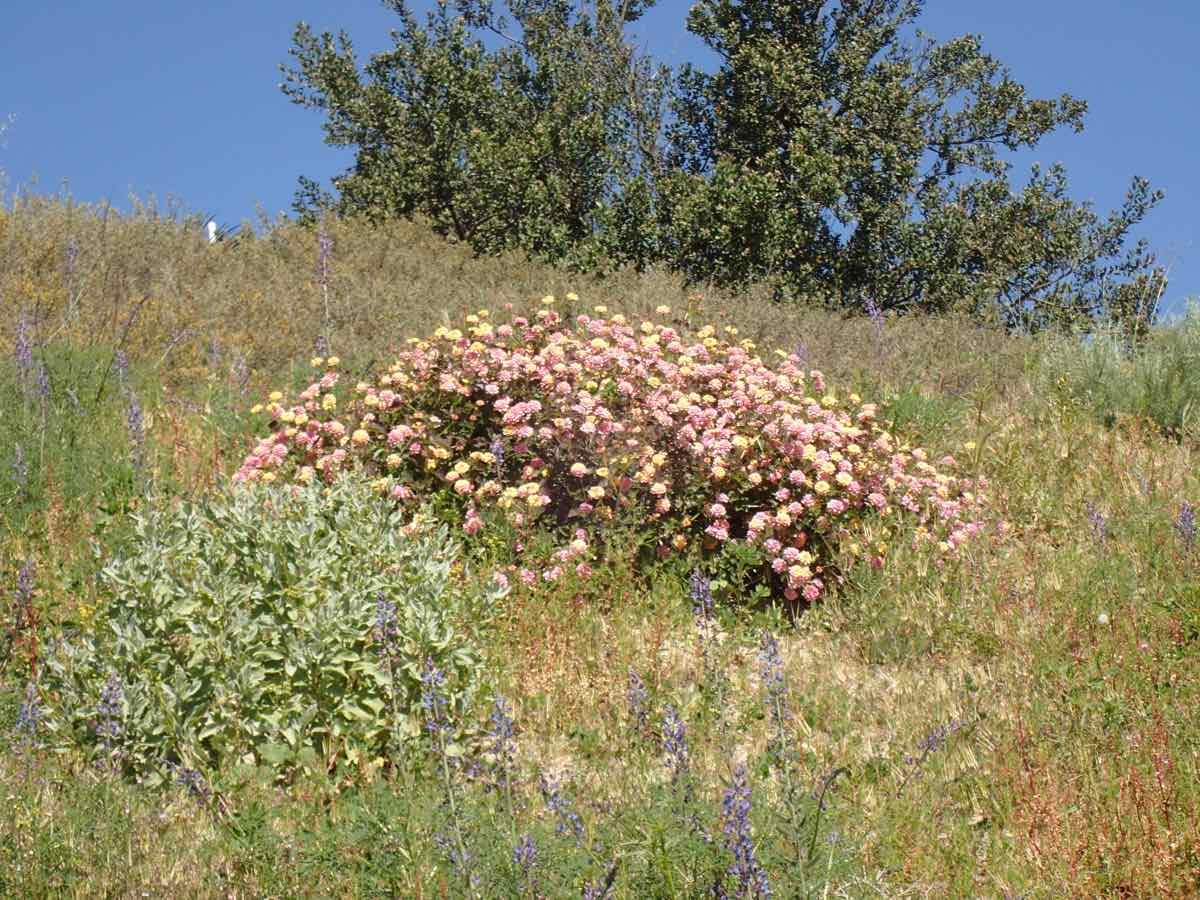
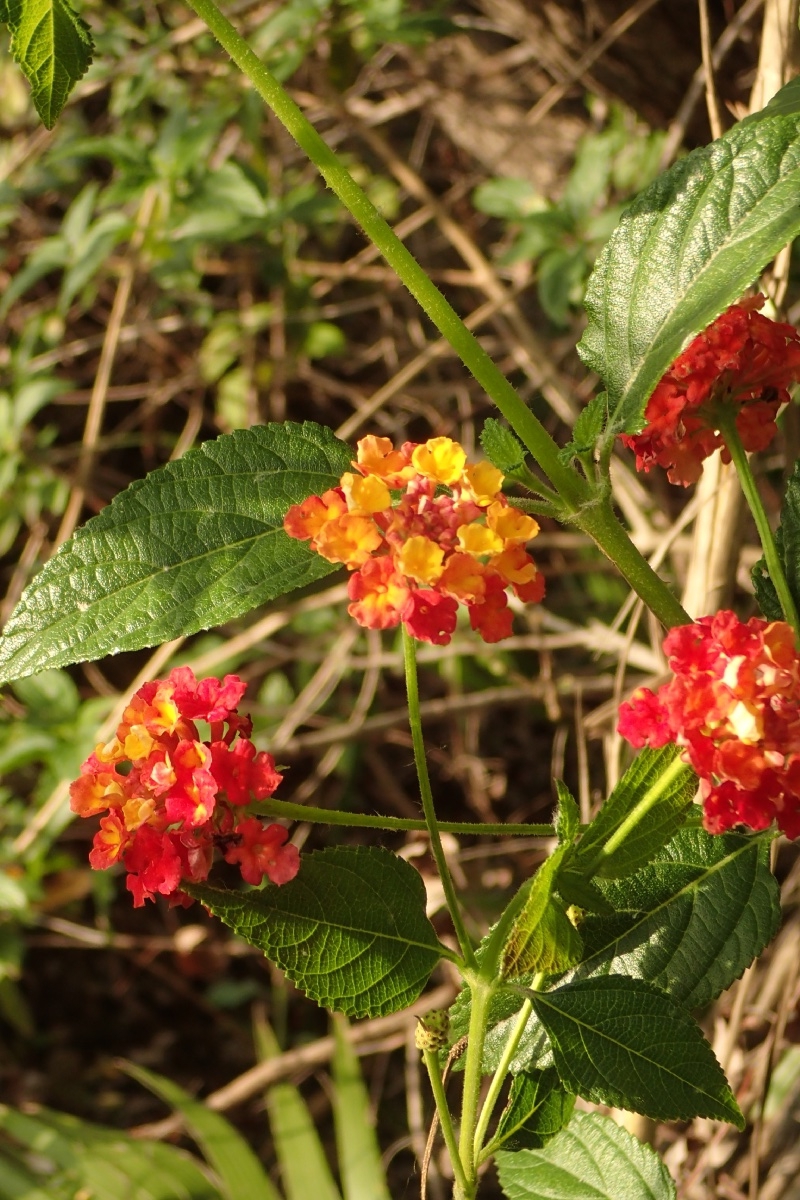
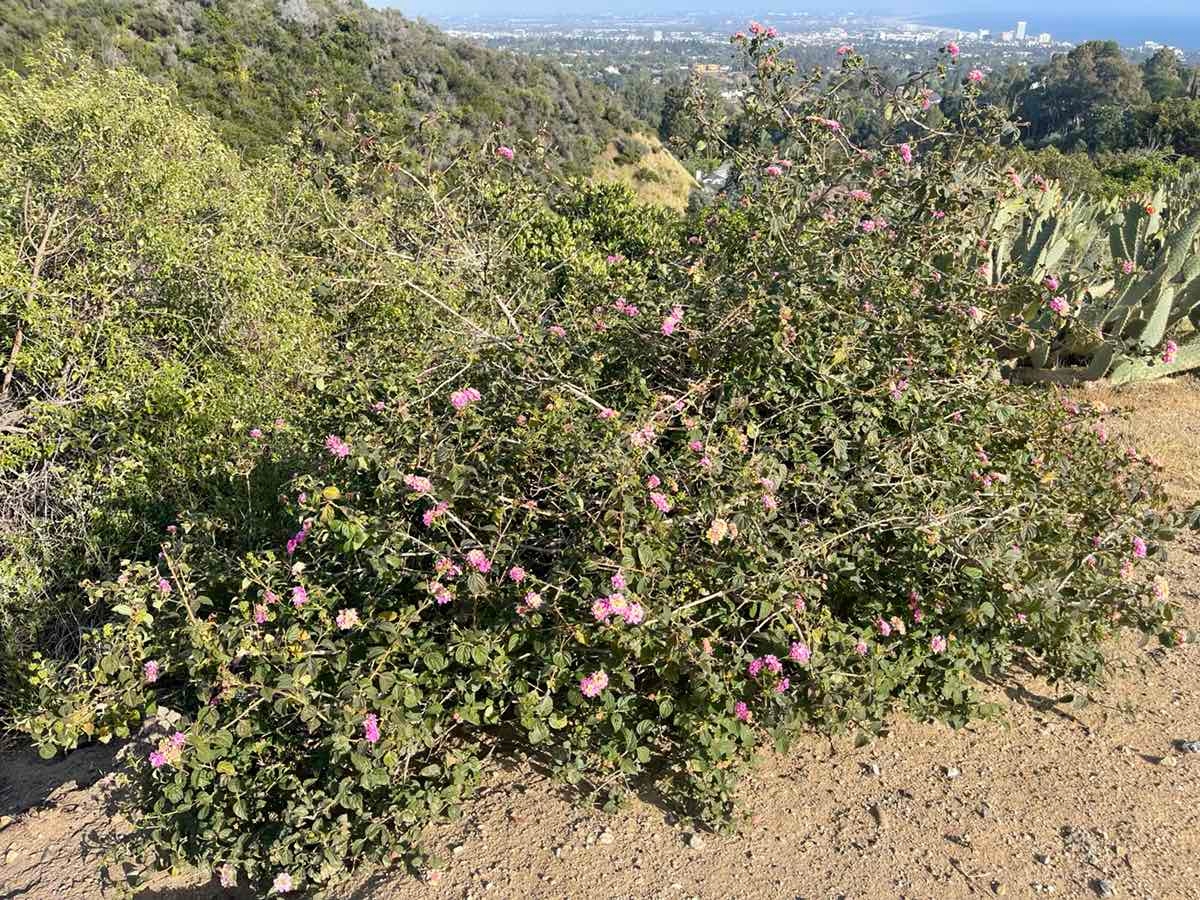
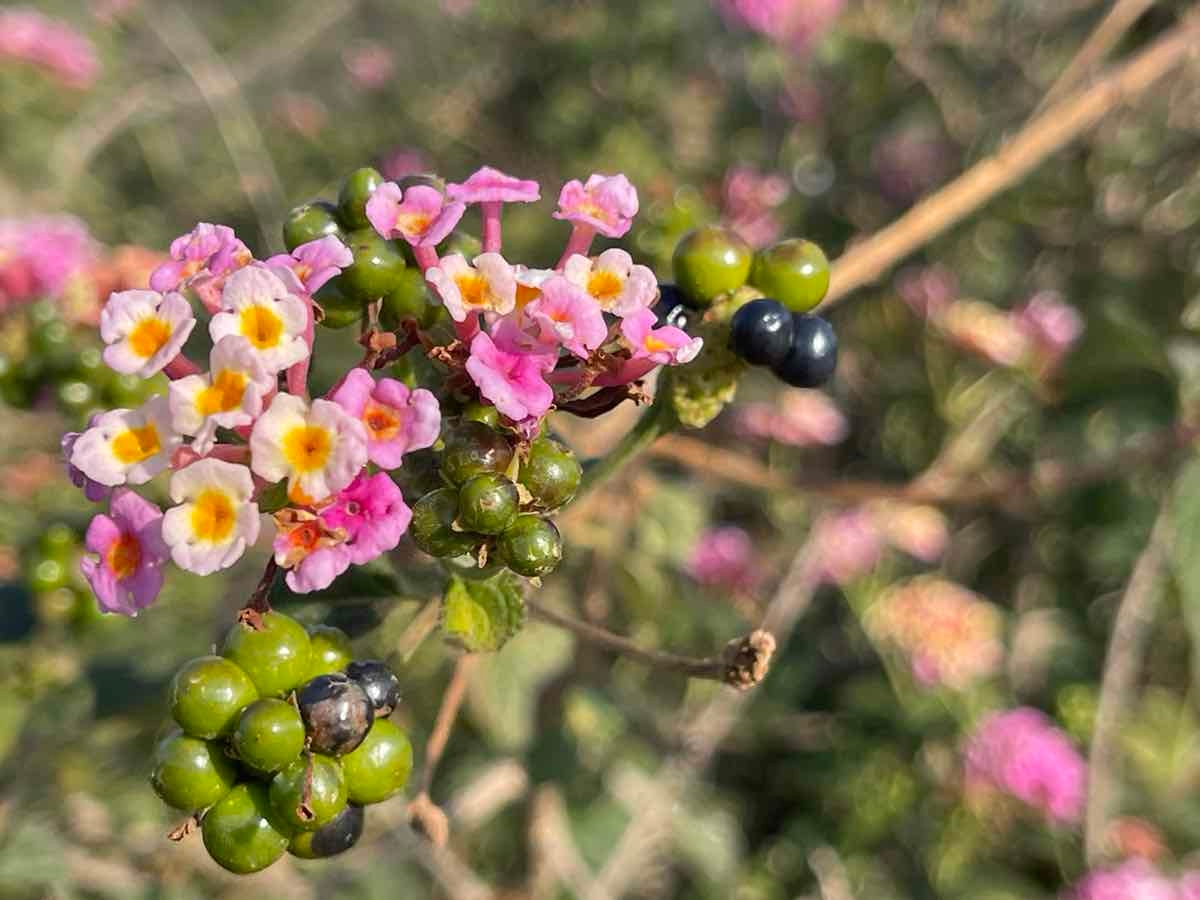
Lantana camara is a shrub that is not native to California.
There is a high risk of this plant becoming invasive in California according to Cal-IPC.
[Wikipedia] Native to the American tropics.: Lantana camara (common lantana) is a species of flowering plant within the verbena family (Verbenaceae), native to the American tropics.[5][6] It is a very adaptable species, which can inhabit a wide variety of ecosystems; once it has been introduced into a habitat it spreads rapidly; between 45ºN and 45ºS and more than 1,400 metres (4,600 feet) in altitude.
It has spread from its native range to around 50 countries,[7] where it has become an invasive species.[8][9] It first spread out of the Americas when it was brought to Europe by Dutch explorers and cultivated widely, soon spreading further into Asia and Oceania where it has established itself as a notorious weed, and in Goa it was introduced by the Portuguese.[8]
L. camara can outcompete native species[1],[10] leading to a reduction in biodiversity.[11 (link added by Suzanne L. Weakley)
/app/up/entry/352/th/105677.jpg:!/app/up/io/219/th/io65816-1.jpg:!/app/up/io/219/th/io65816-0.jpg:!/app/up/entry/352/th/105678.jpg:!/app/up/mg/31/th/9475.jpg:!/app/up/io/274/th/io82438-0.jpg:!/app/up/entry/142/th/42719.jpg?a:!/app/up/io/219/th/io65816-3.jpg:!/app/up/io/219/th/io65816-2.jpg:!0000 0000 1115 2469:!
2021 Ron Vanderhoff:!2022 David Strauch:!2022 David Strauch:!2021 Ron Vanderhoff:!2016 Ron Vanderhoff:!2023 Ron Vanderhoff:!2020 Ron Vanderhoff:!2022 David Strauch:!2022 David Strauch:!2015 Neal Kramer:!
mu19495:!io65816:!io65816:!mu19495:!po24876:!io82438:!mu1514:!io65816:!io65816:!null:!
Suggested Citation
Calflora:
Information on California plants for education, research and conservation,
with data contributed by
public and private institutions and individuals.
[web application]. 2024. Berkeley, California:The Calflora Database
[a non-profit organization].Available:
https://www.calflora.org/(Accessed: 10/23/2024).


 one or more occurrences