2021 Mike Russler 2021 Mike Russler 2021 Mike Russler 2021 Mike Russler 2023 Mike Russler 2021 Mike Russler 2021 Mike Russler 2023 Mike Russler 2023 Mike Russler 2008 Keir Morse 2008 Keir Morse
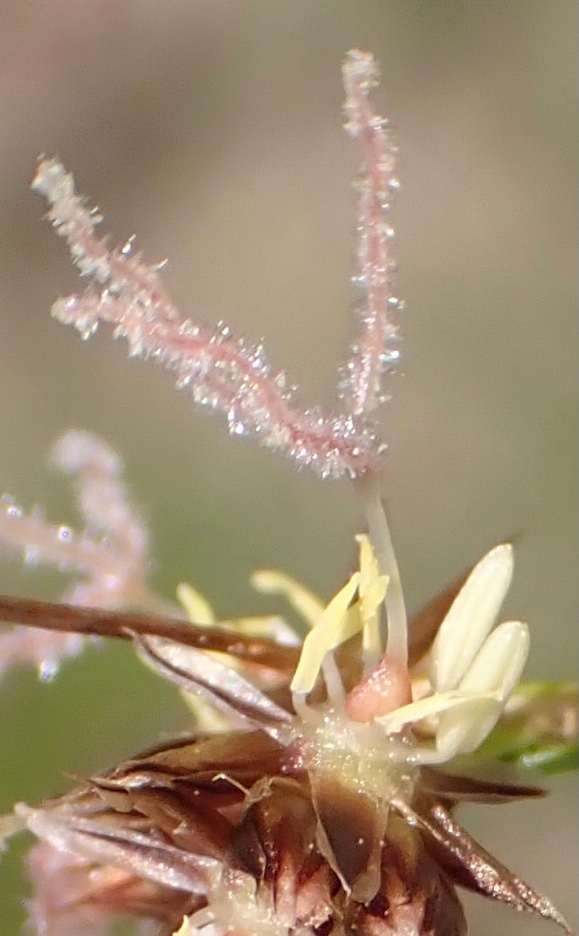
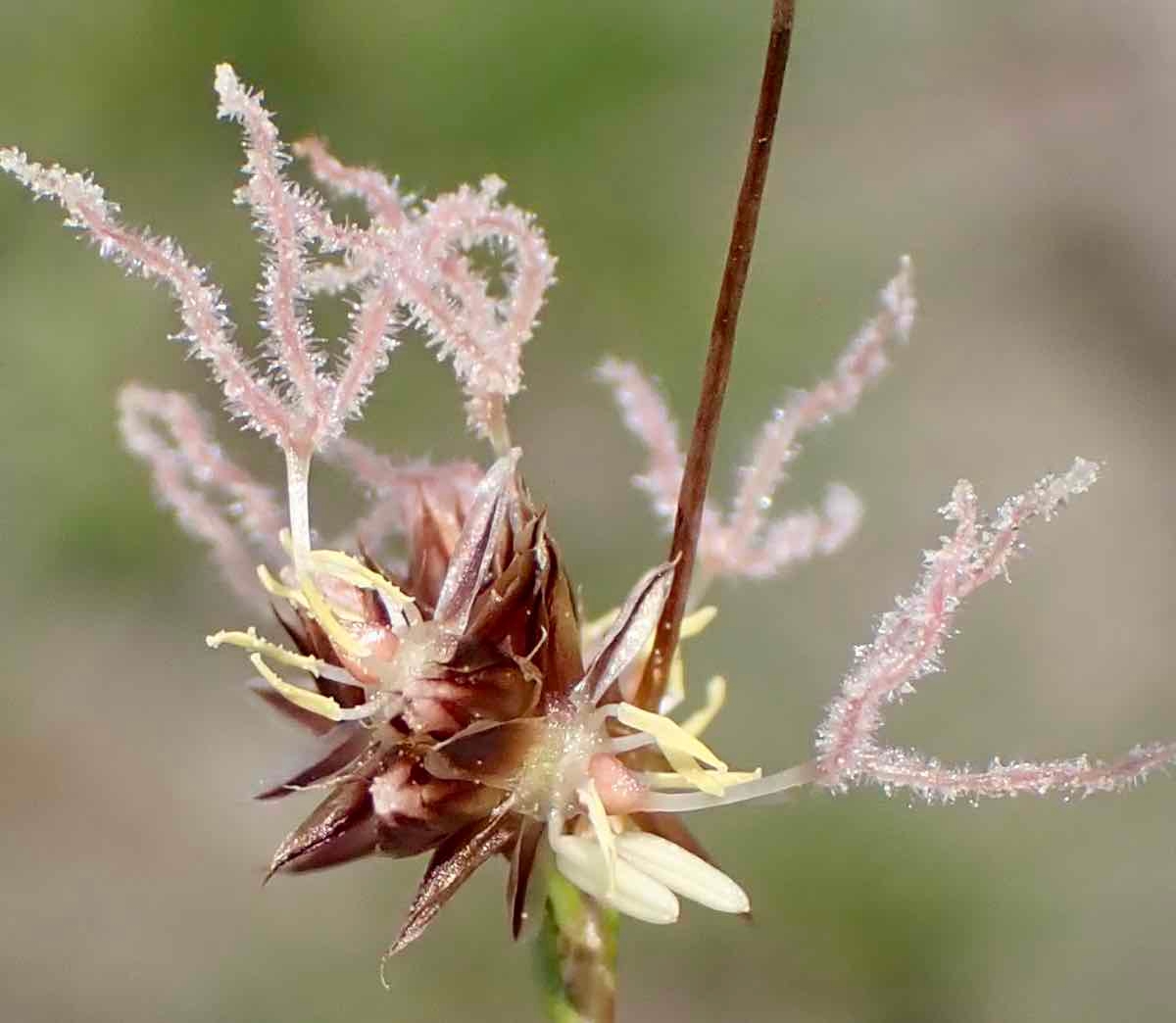
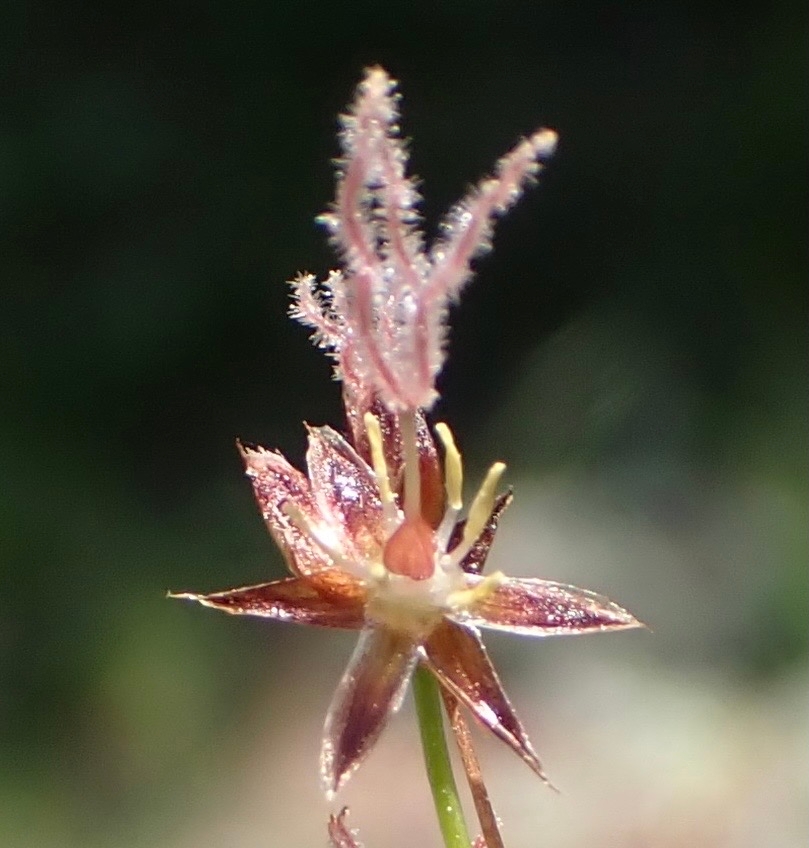
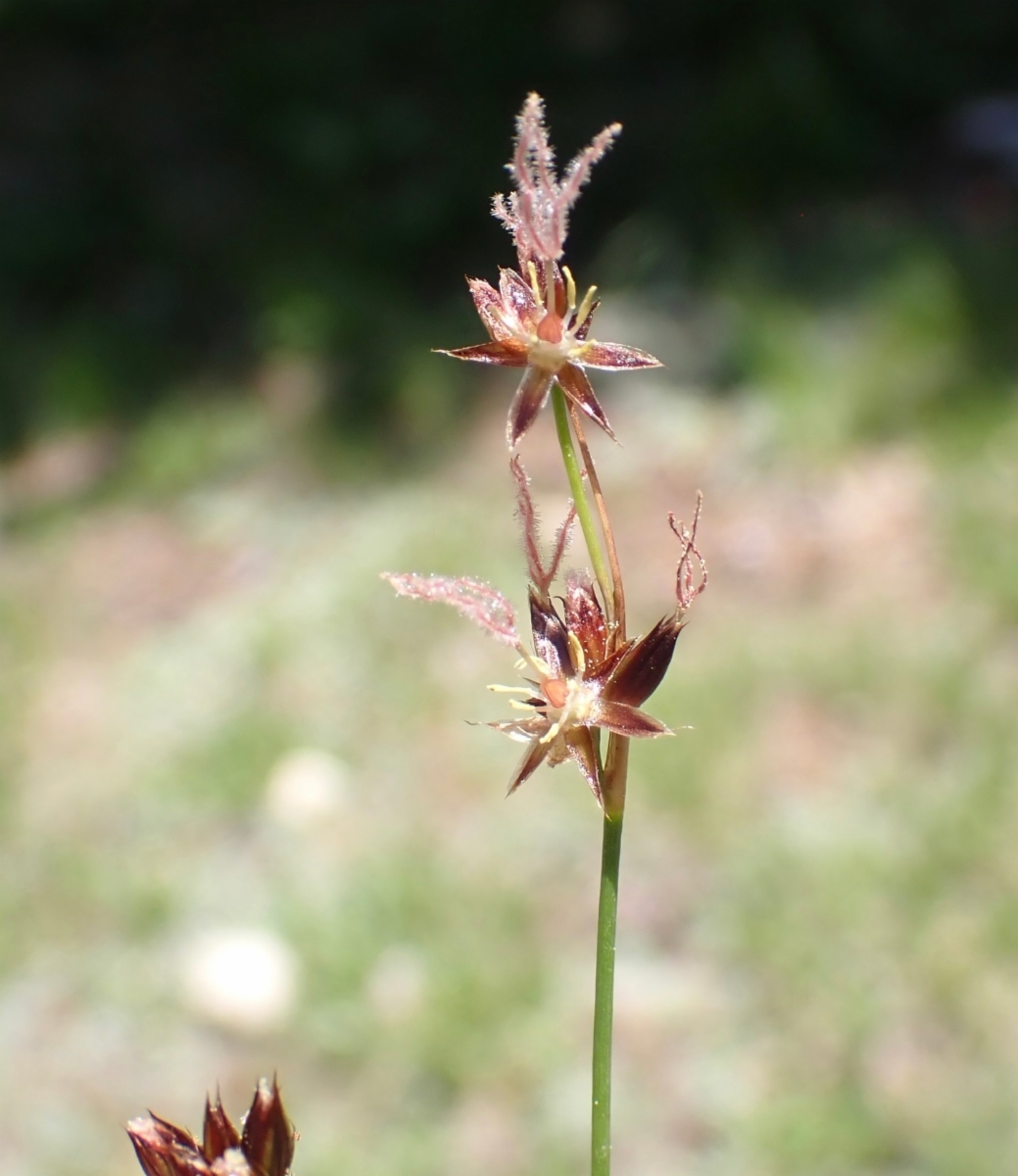
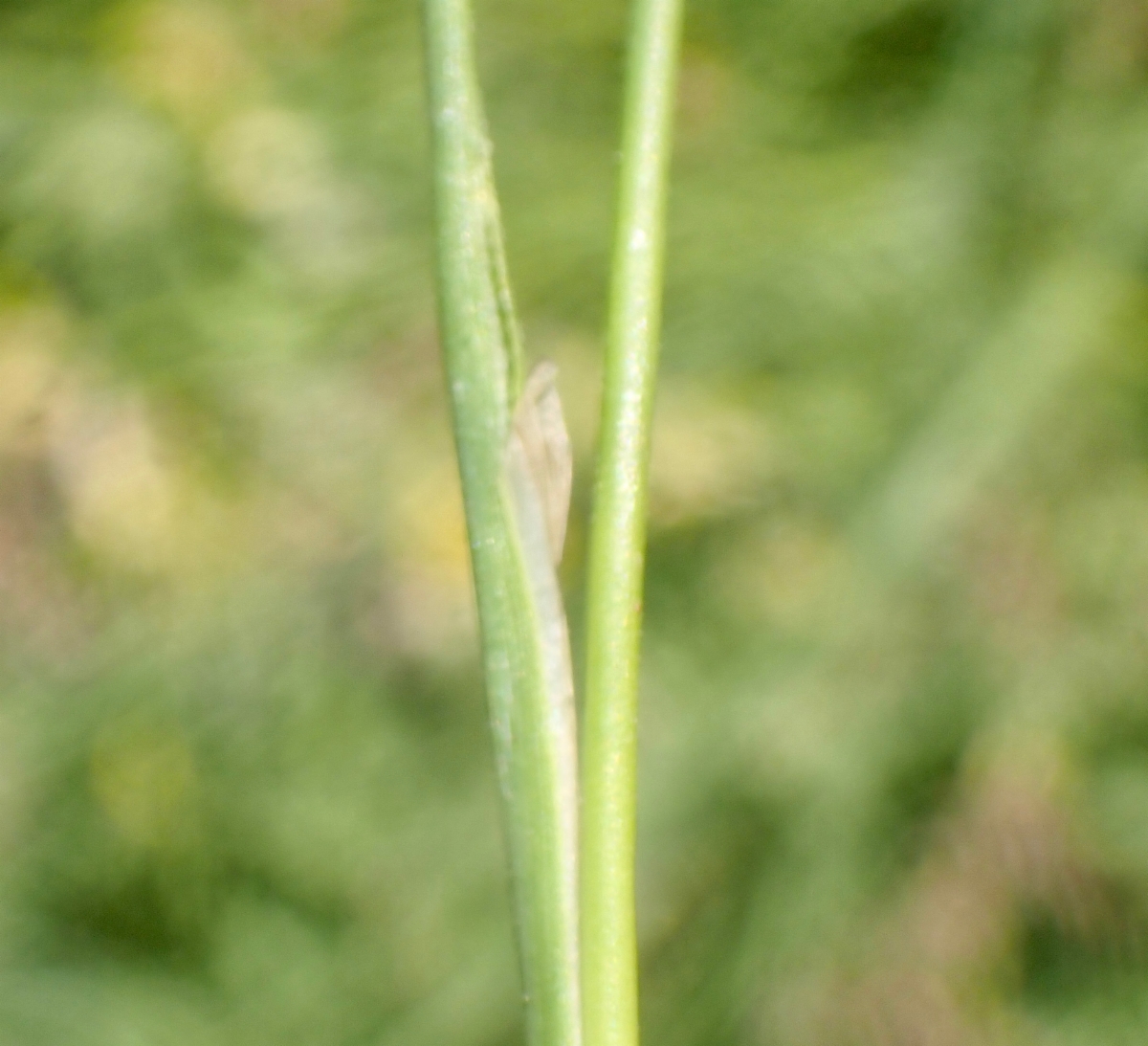
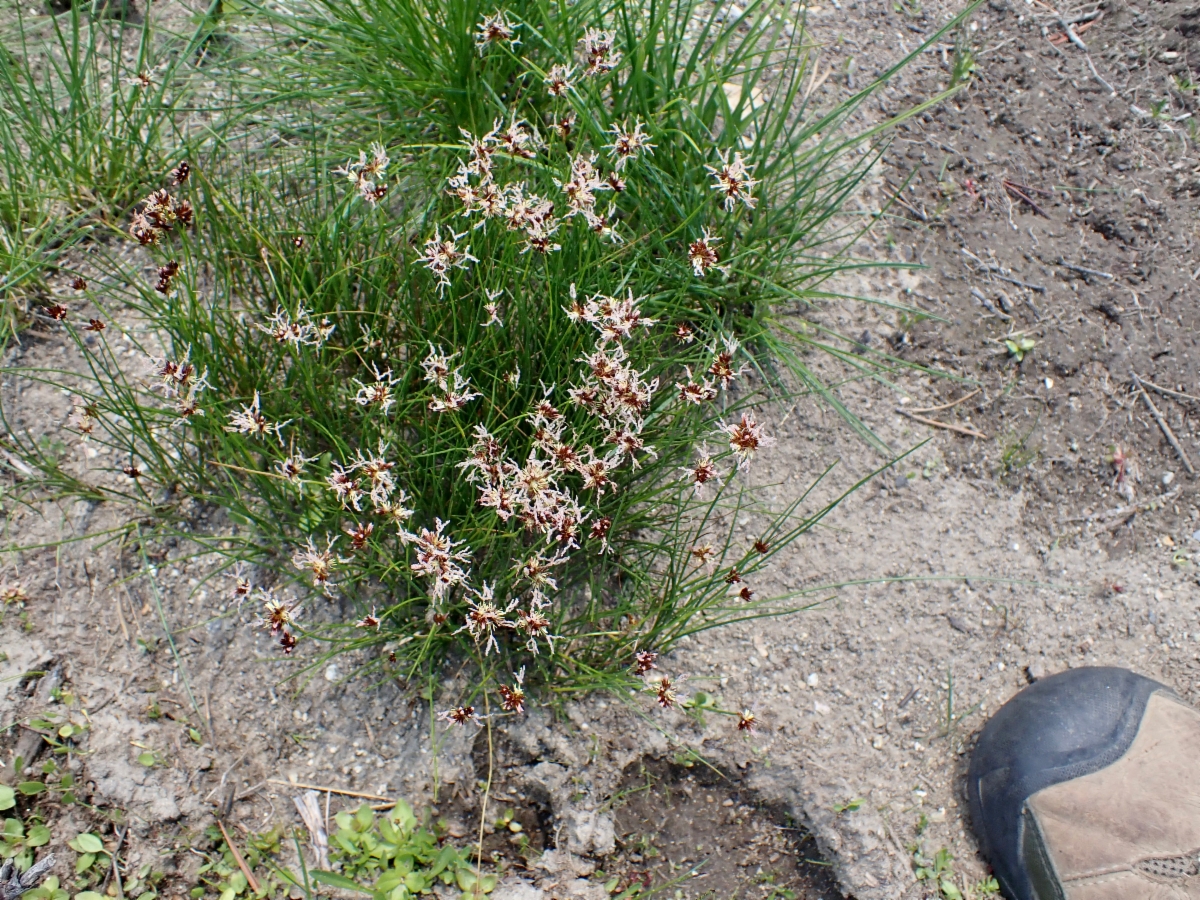
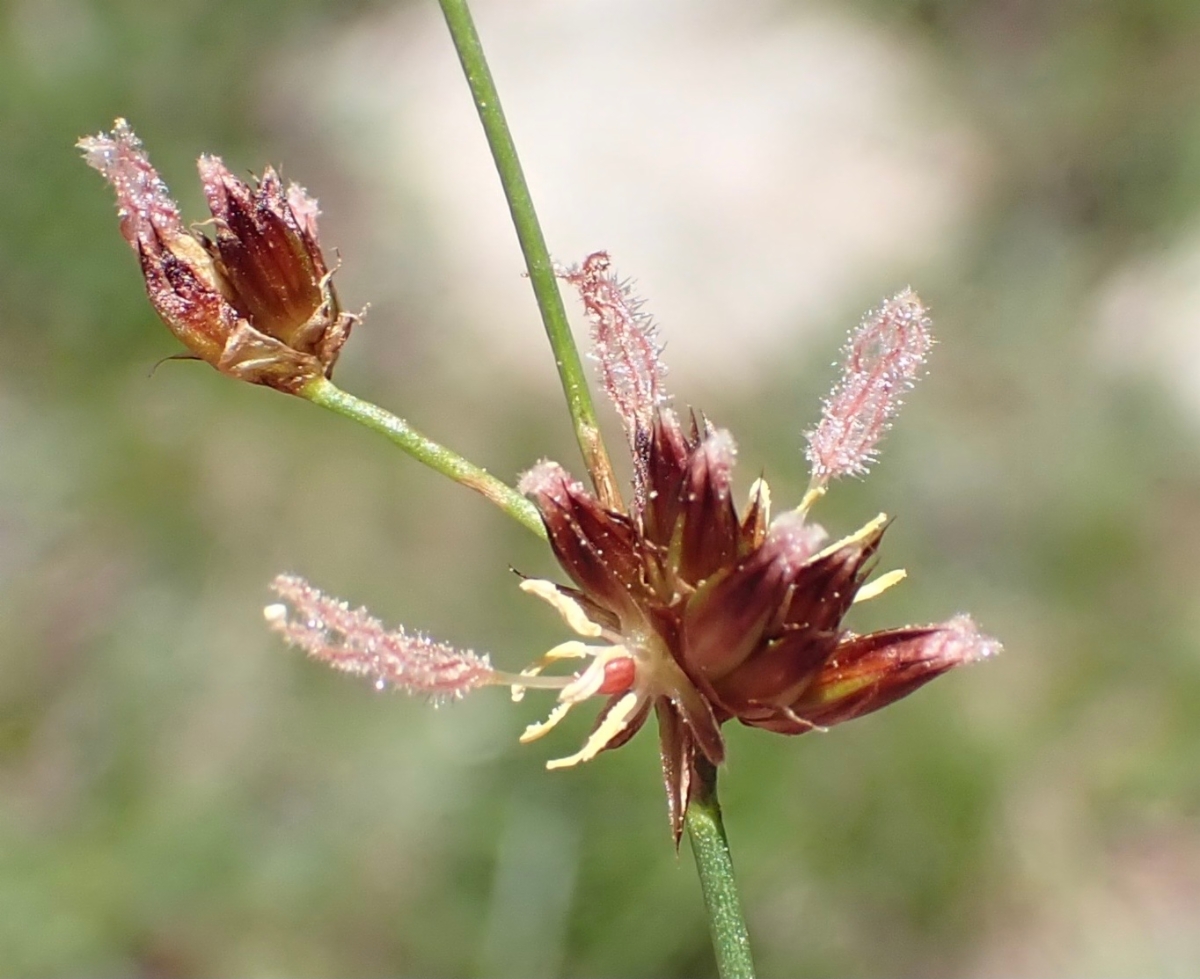
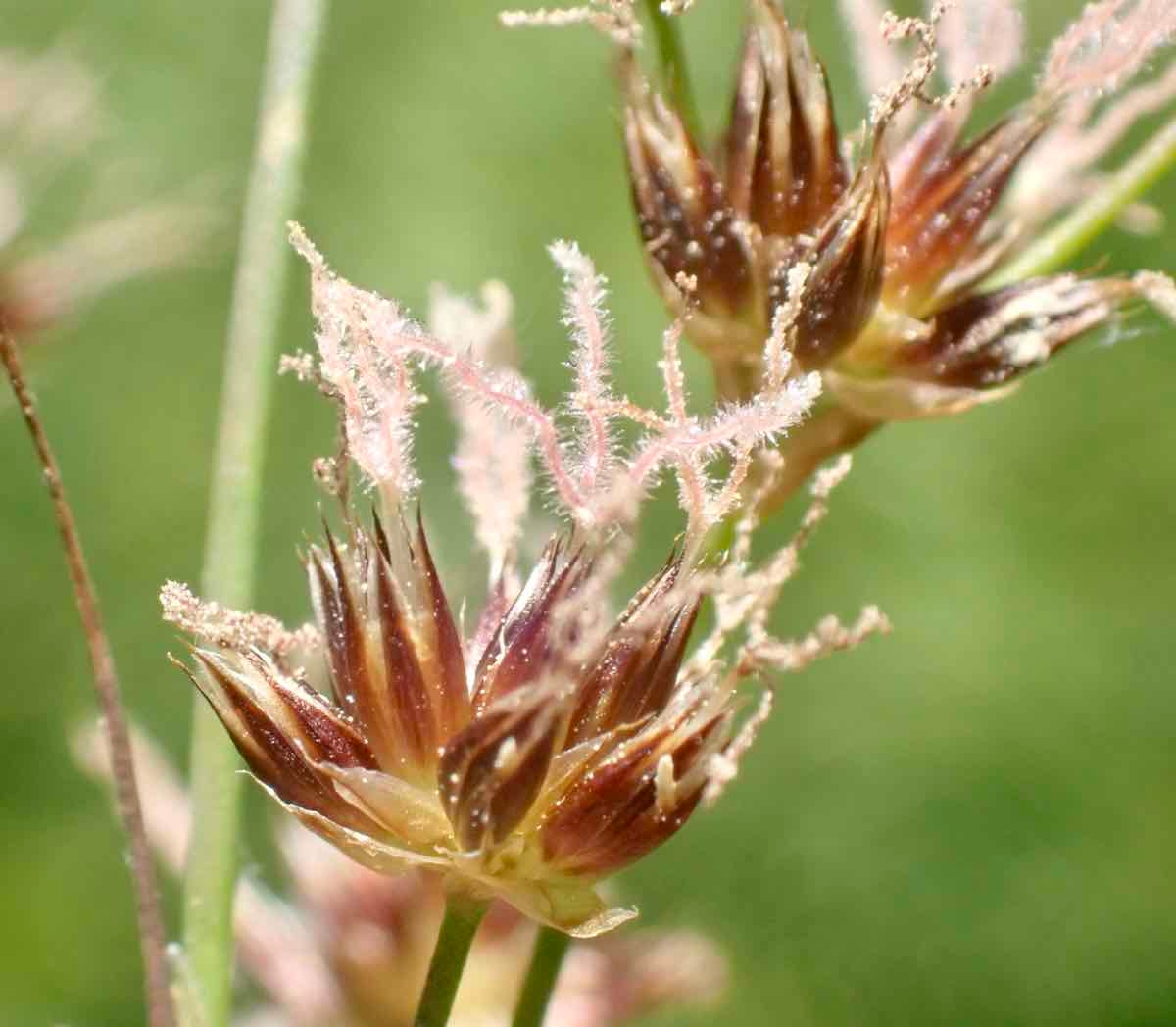
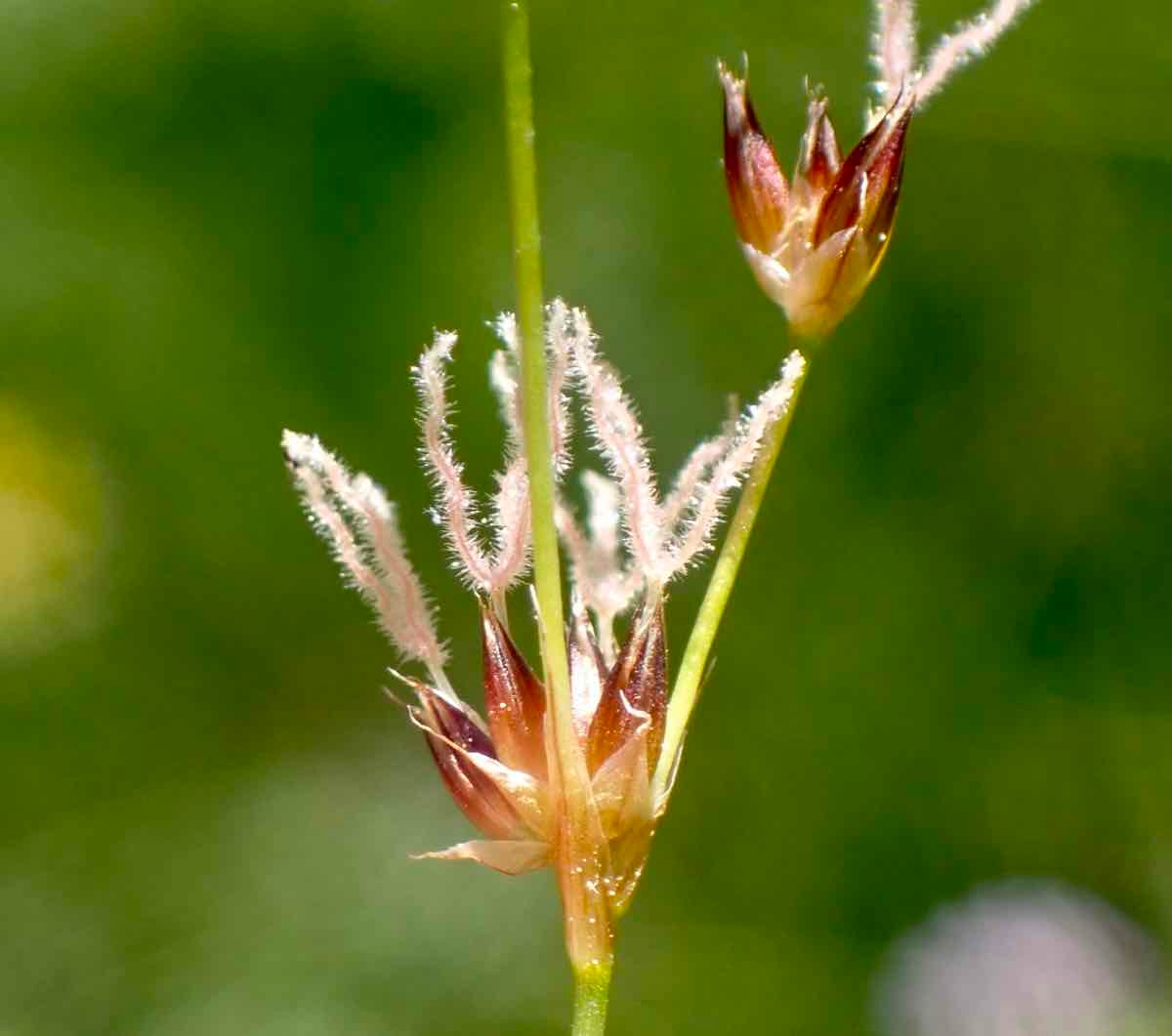
Juncus nevadensis is a perennial grasslike herb that is native to California, and also found elsewhere in western North America.
[Wikipedia] Habitat, Description: Juncus nevadensis is a species of rush known by the common name Sierra rush. It is native to much of western North America from British Columbia to New Mexico, where it grows in wet areas in many habitat types. This is a rhizomatous perennial herb which varies in appearance. Its thin, smooth stems reach a maximum height between 10 and 70 centimeters. The thin green leaves may be up to 30 centimeters long. The inflorescences generally contain a number of flowers, with each flower bearing dark to very light brown tepals, six stamens with large anthers, and very long stigmas. The fruit is a shiny chestnut brown capsule. (link added by Mary Ann Machi)
/app/up/entry/351/th/105562.jpg:!/app/up/io/187/th/io56318-0.jpg:!/app/up/entry/351/th/105566.jpg:!/app/up/entry/351/th/105569.jpg:!/app/up/entry/573/th/172182.jpg:!/app/up/entry/351/th/105564.jpg:!/app/up/entry/351/th/105568.jpg:!/app/up/io/335/th/io100781-1.jpg:!/app/up/io/335/th/io100781-2.jpg:!0000 0000 1208 0182:!0000 0000 1208 0184:!
2021 Mike Russler:!2021 Mike Russler:!2021 Mike Russler:!2021 Mike Russler:!2023 Mike Russler:!2021 Mike Russler:!2021 Mike Russler:!2023 Mike Russler:!2023 Mike Russler:!2008 Keir Morse:!2008 Keir Morse:!
io56318:!io56318:!io56317:!io56317:!io100781:!io56318:!io56317:!io100781:!io100781:!null:!null:!
Suggested Citation
Calflora:
Information on California plants for education, research and conservation,
with data contributed by
public and private institutions and individuals.
[web application]. 2024. Berkeley, California:The Calflora Database
[a non-profit organization].Available:
https://www.calflora.org/(Accessed: 07/26/2024).