Horkelia tenuiloba is a perennial herb that is native to California, and endemic (limited) to California.
California Rare Plant Rank: 1B.2 (rare, threatened, or endangered in CA and elsewhere).
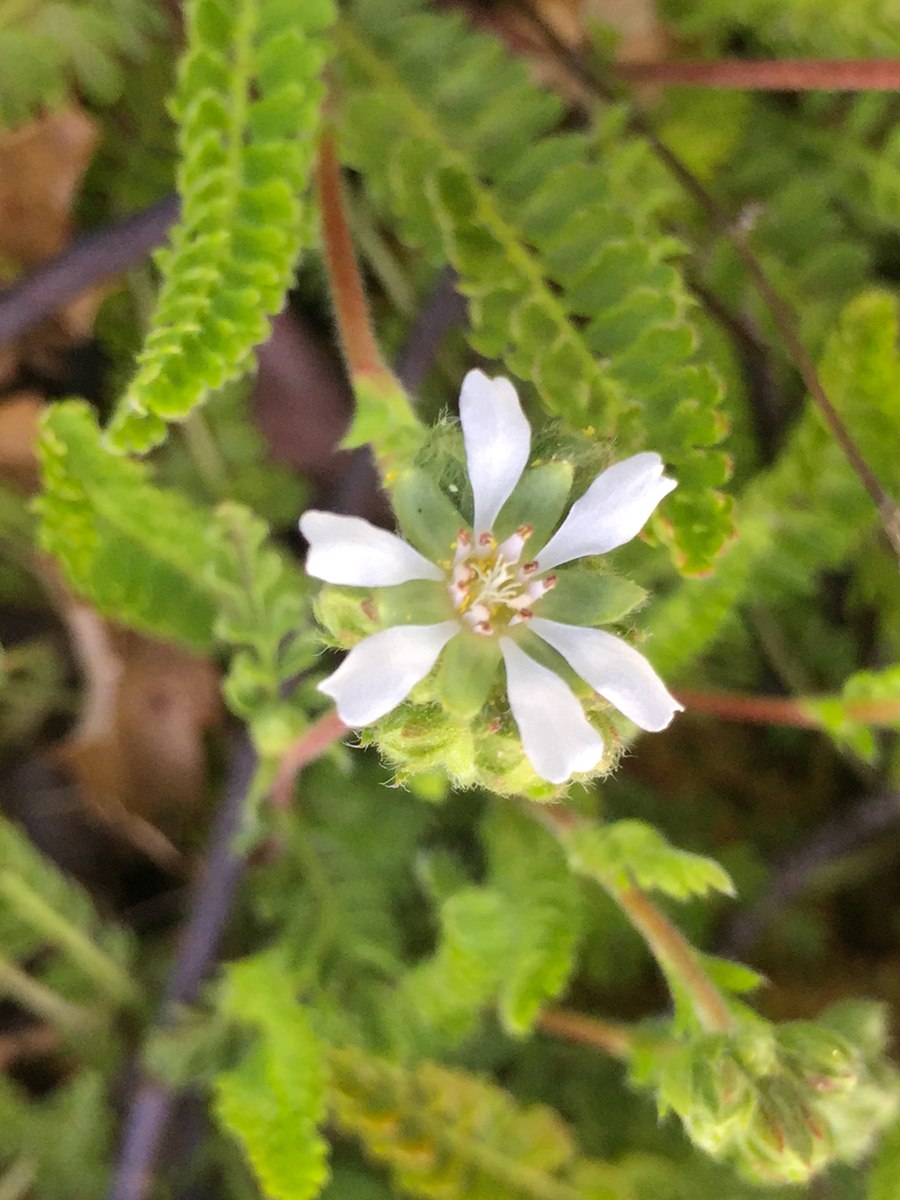
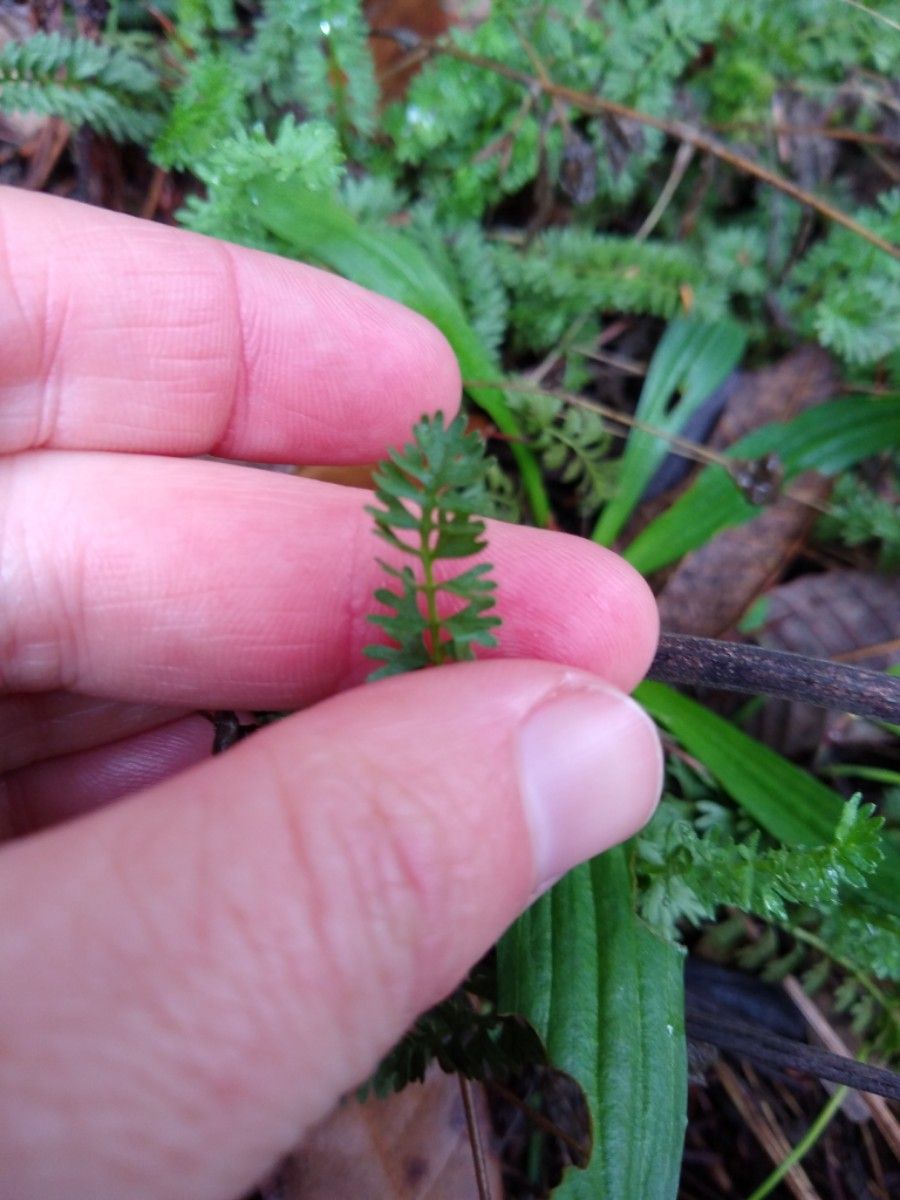
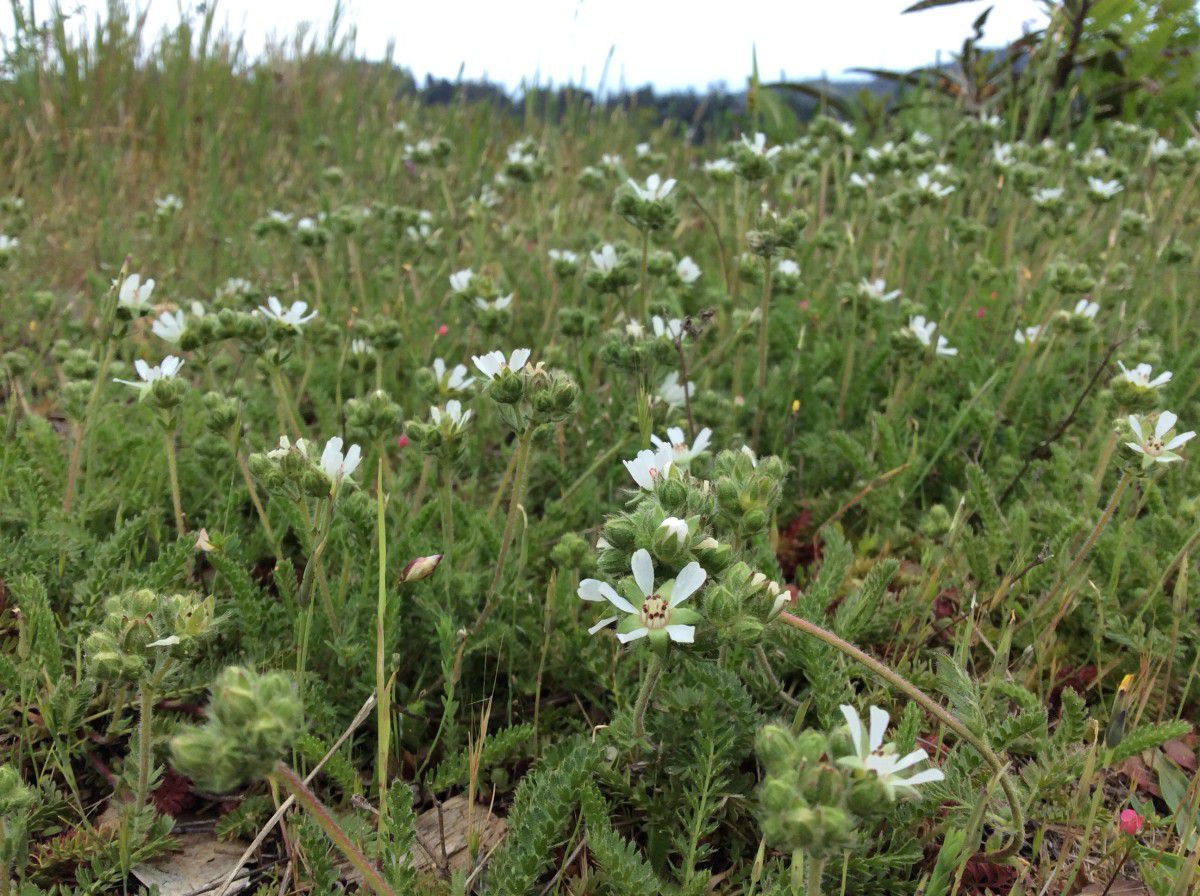
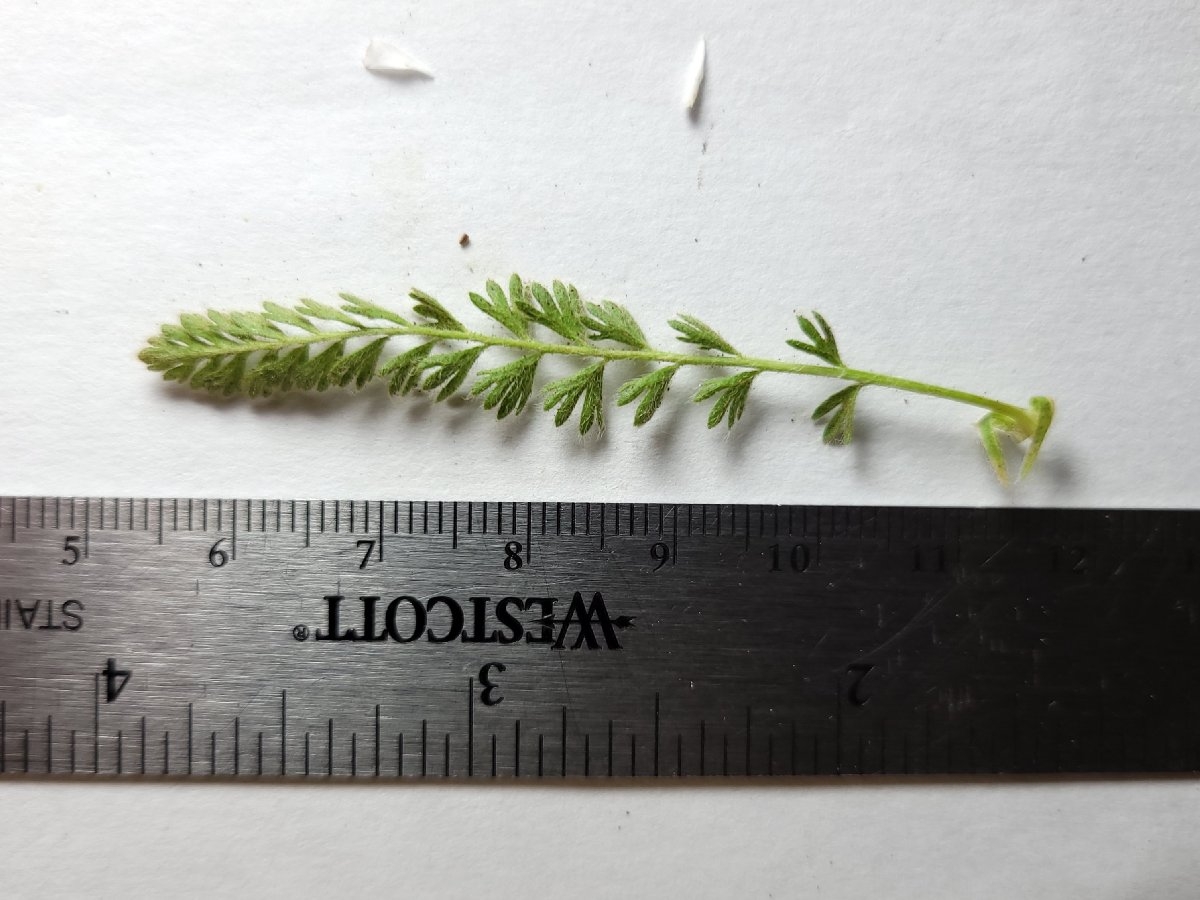
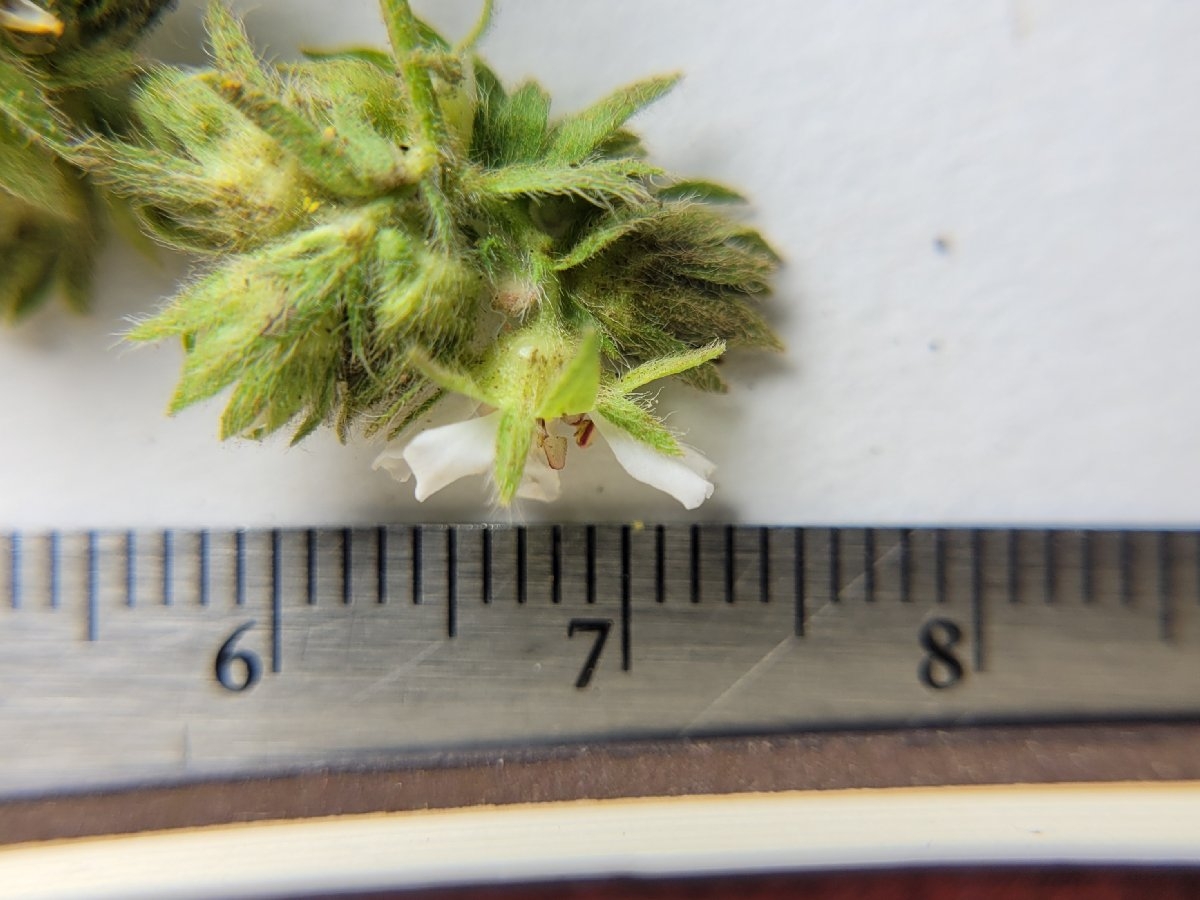
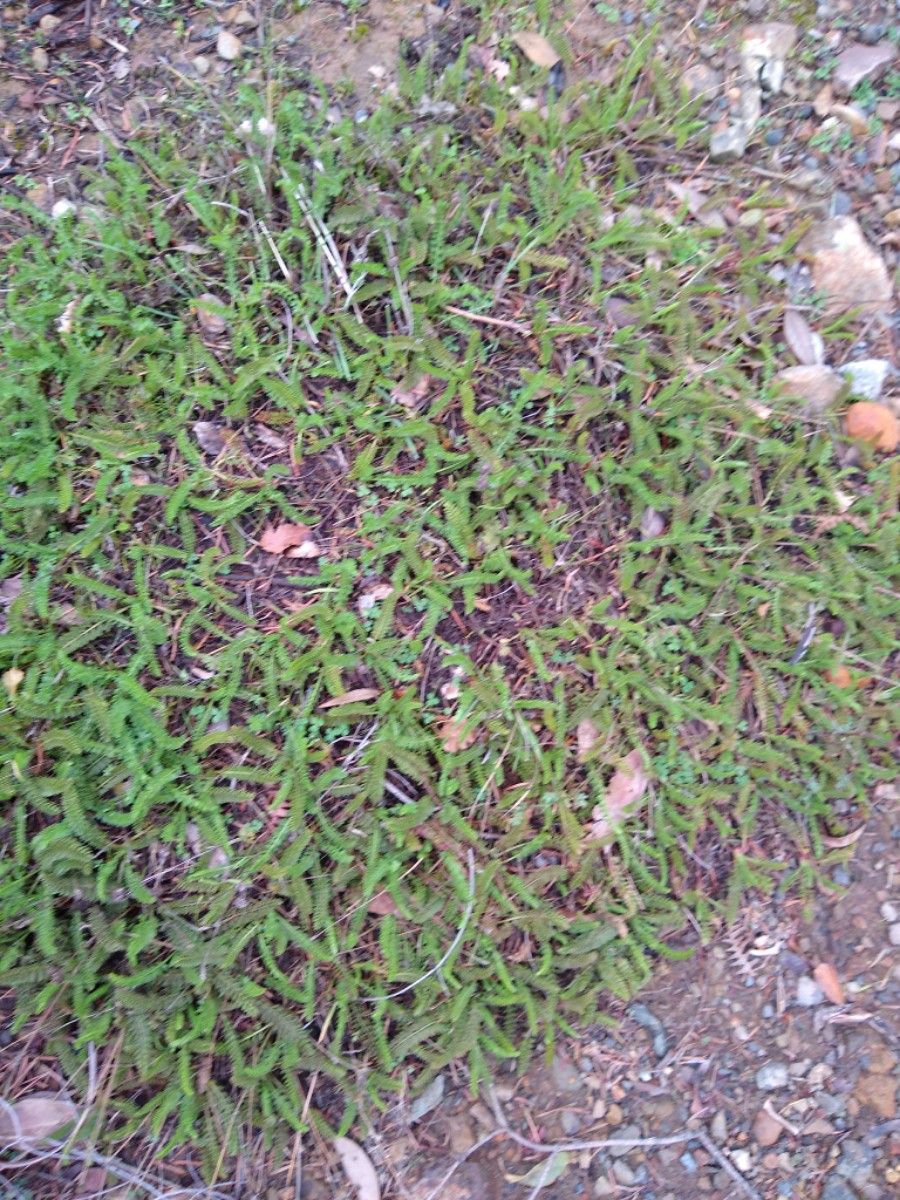
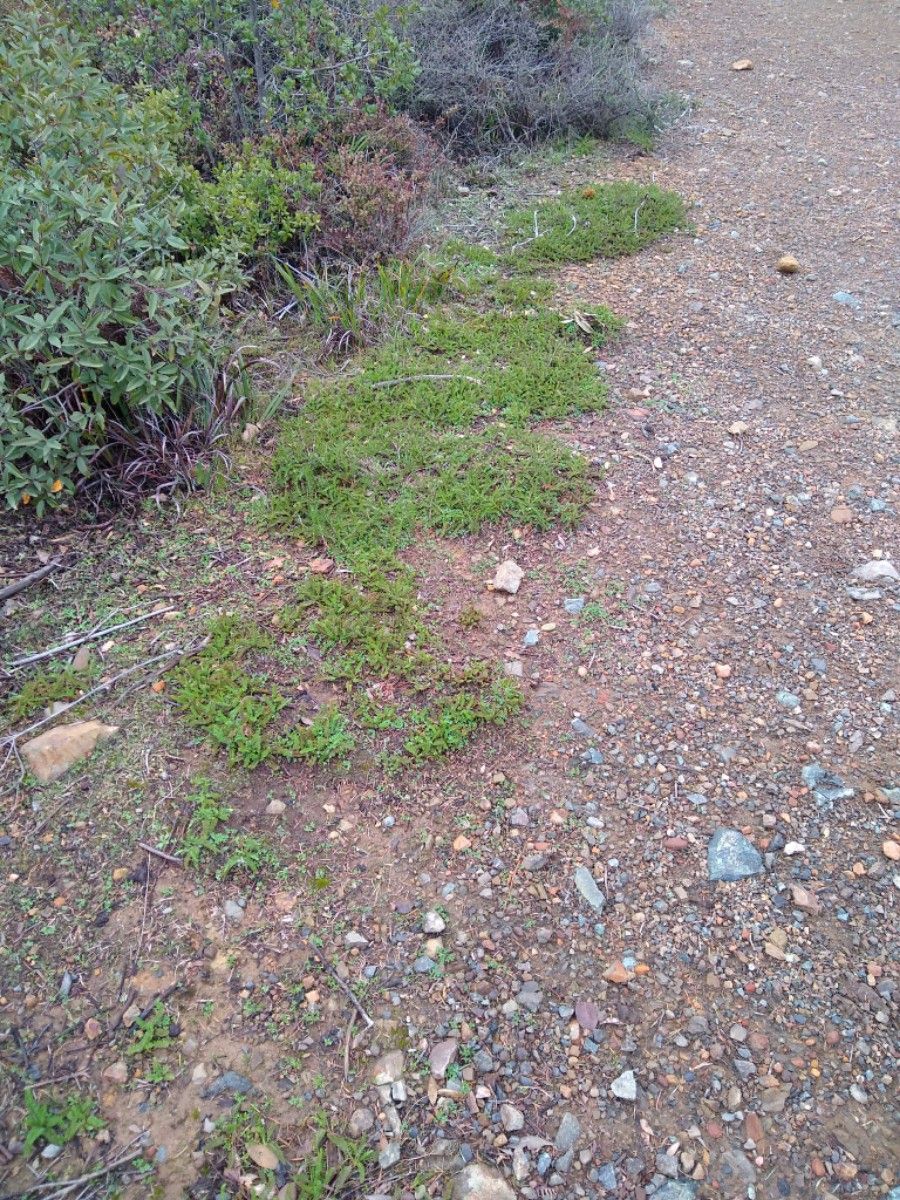
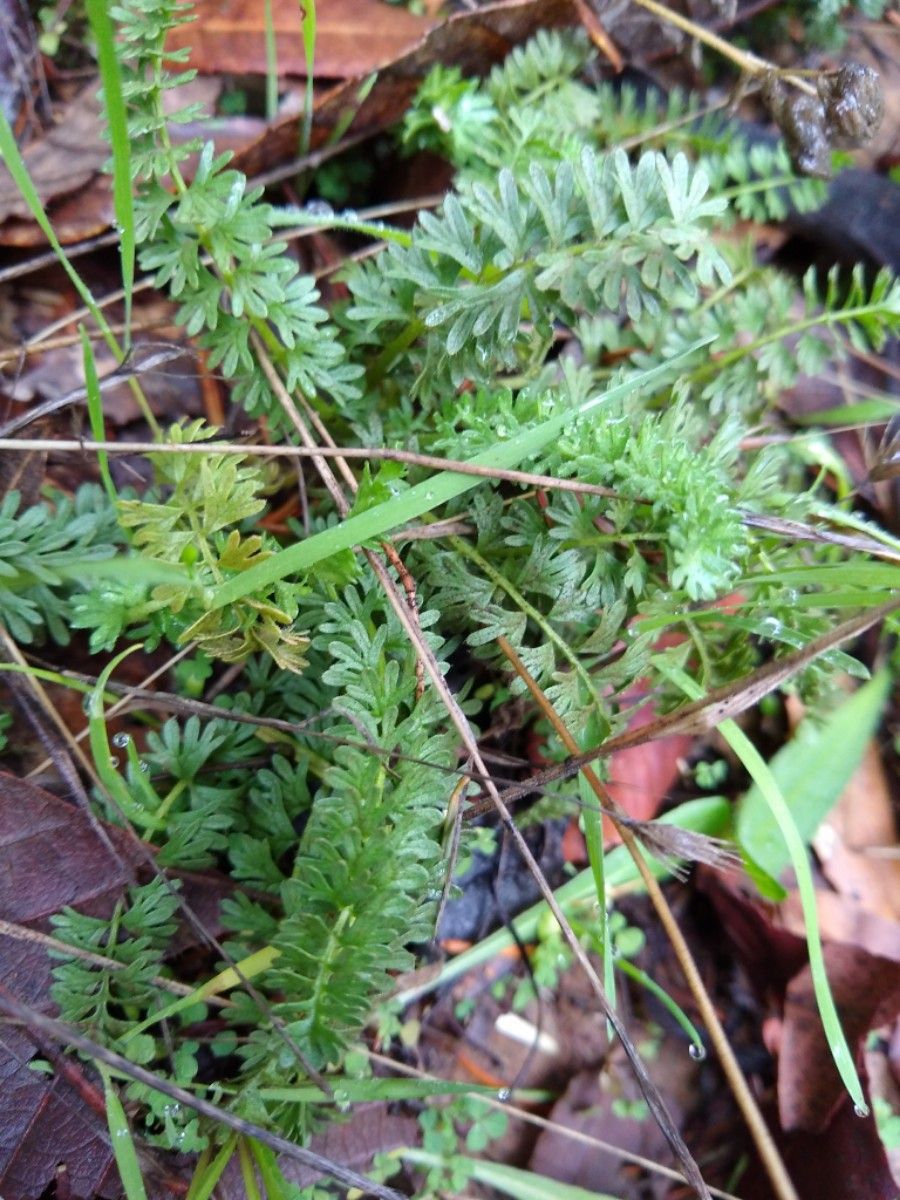
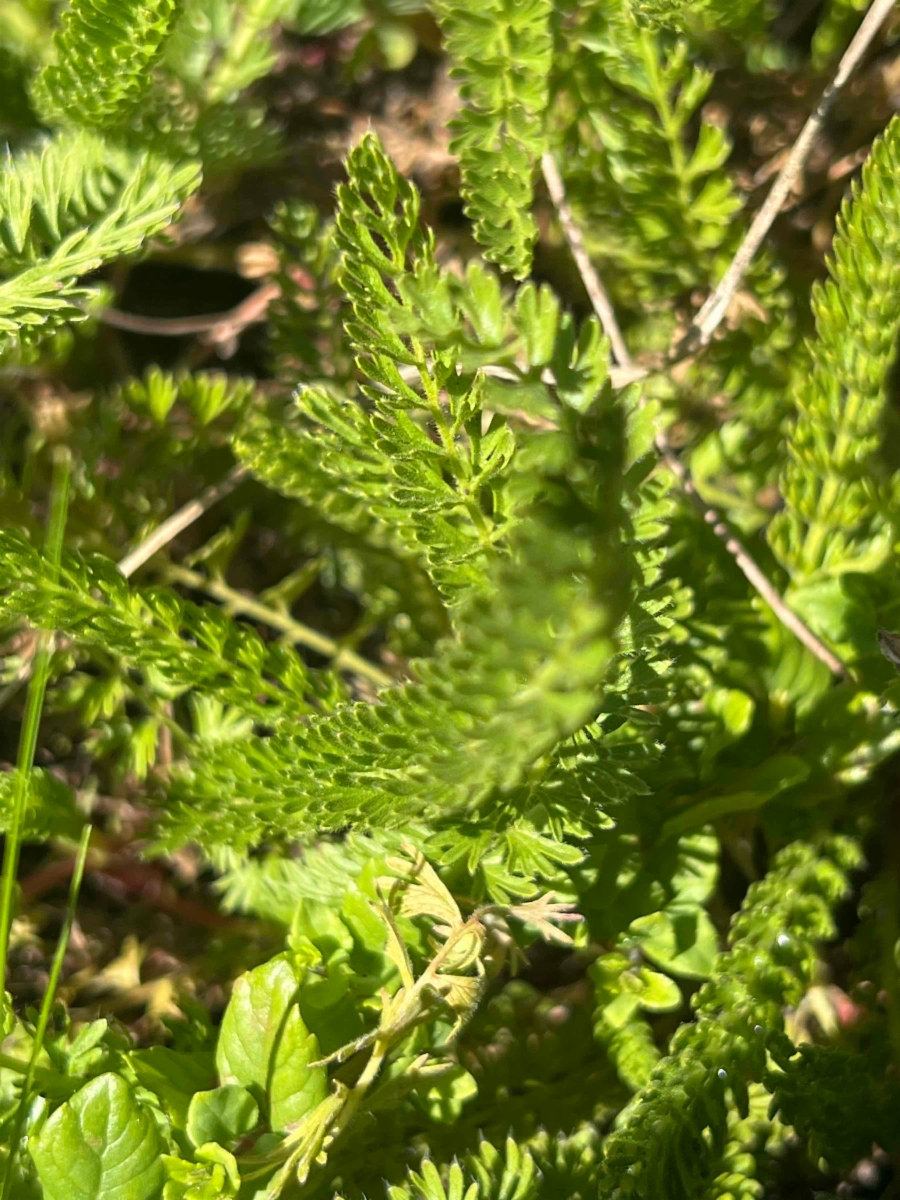
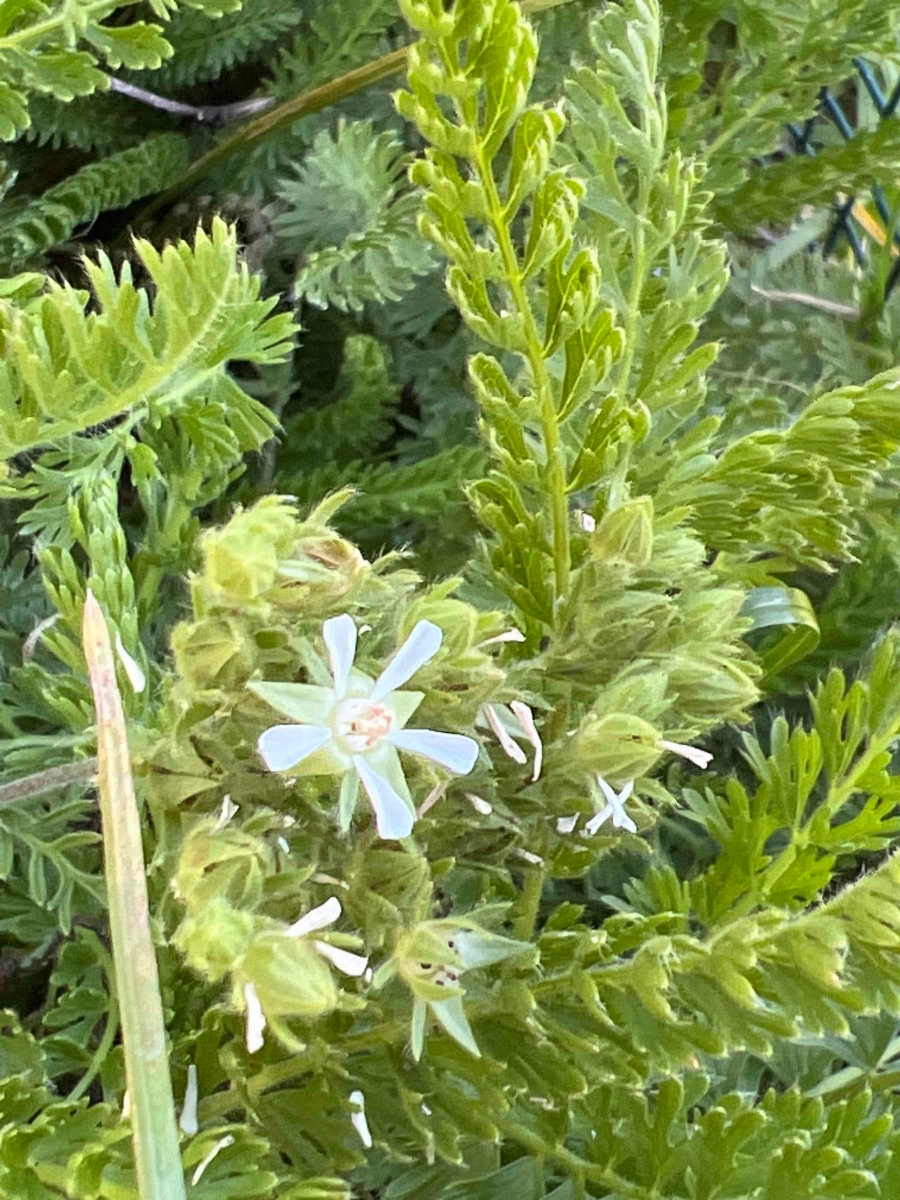
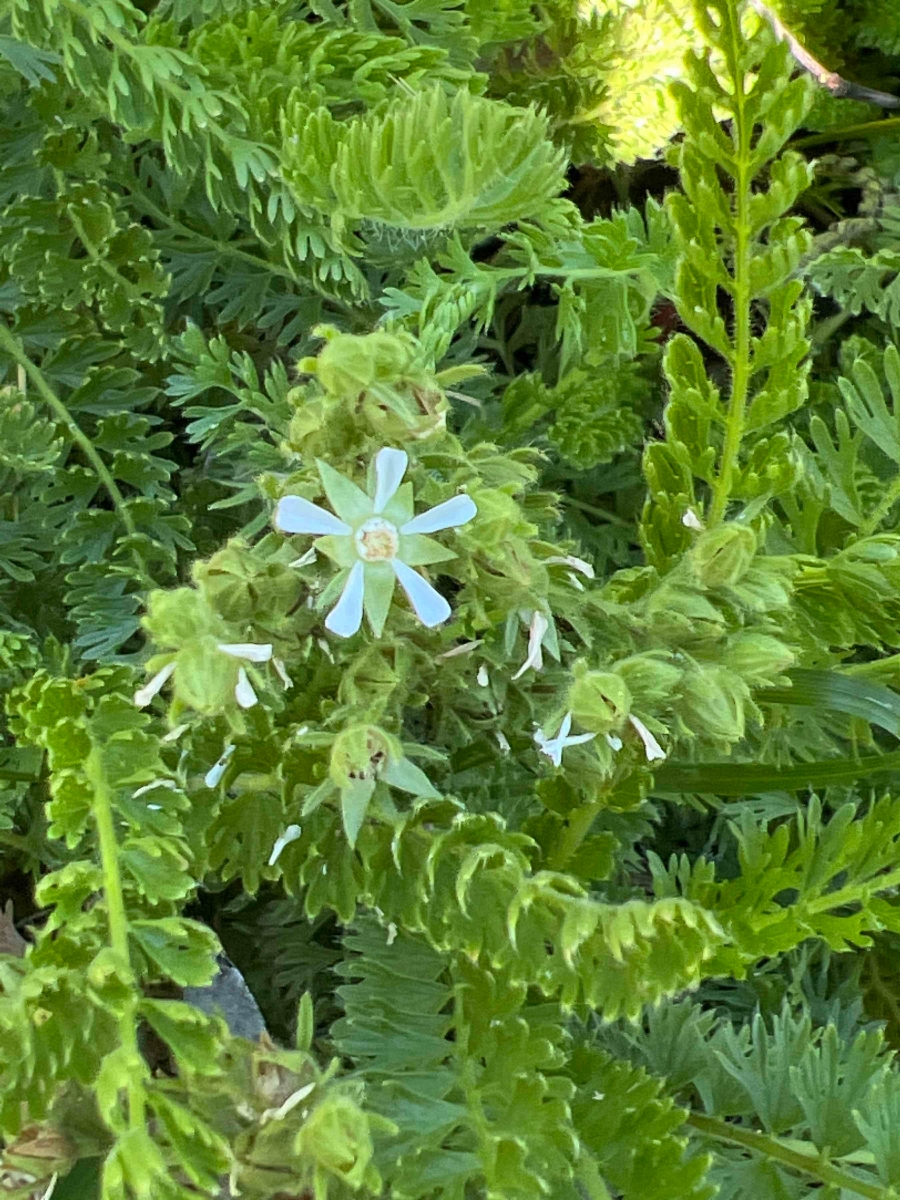
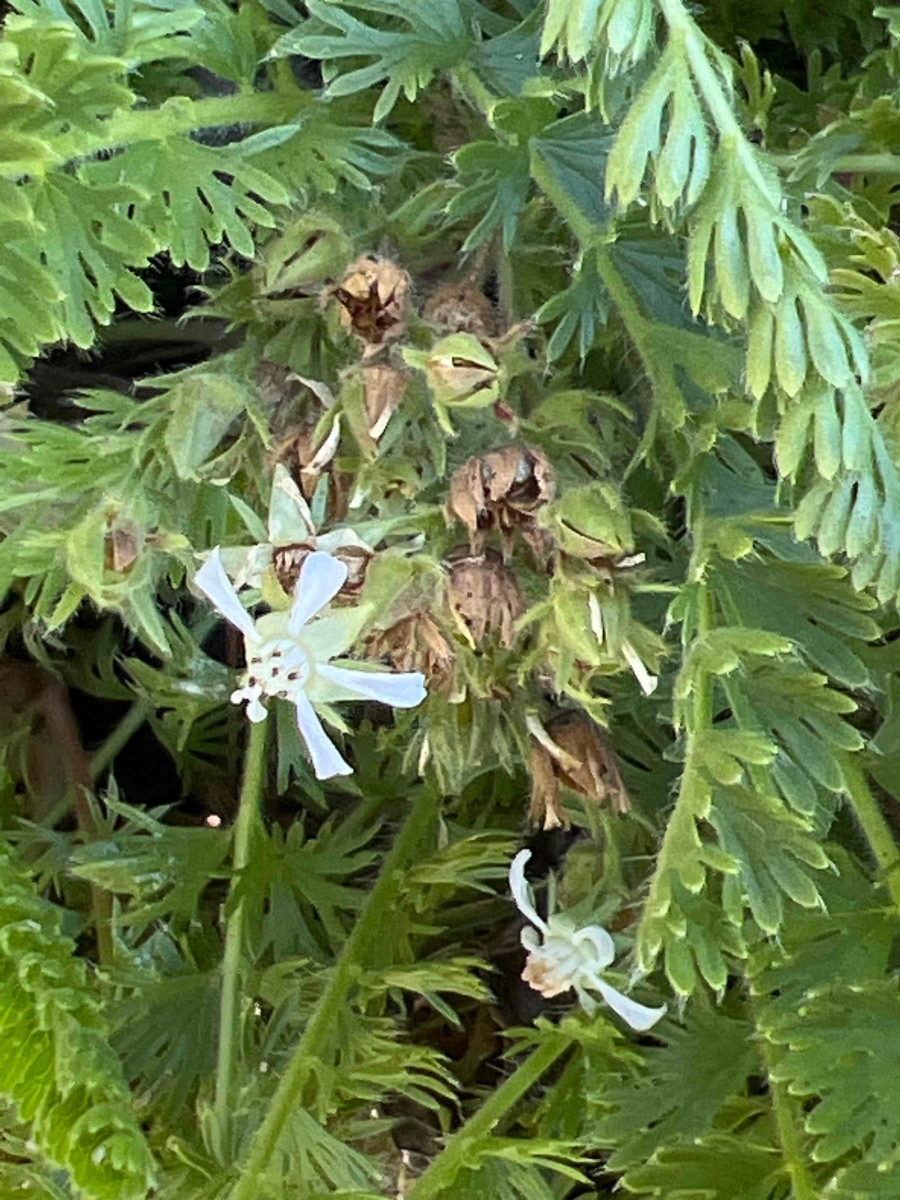
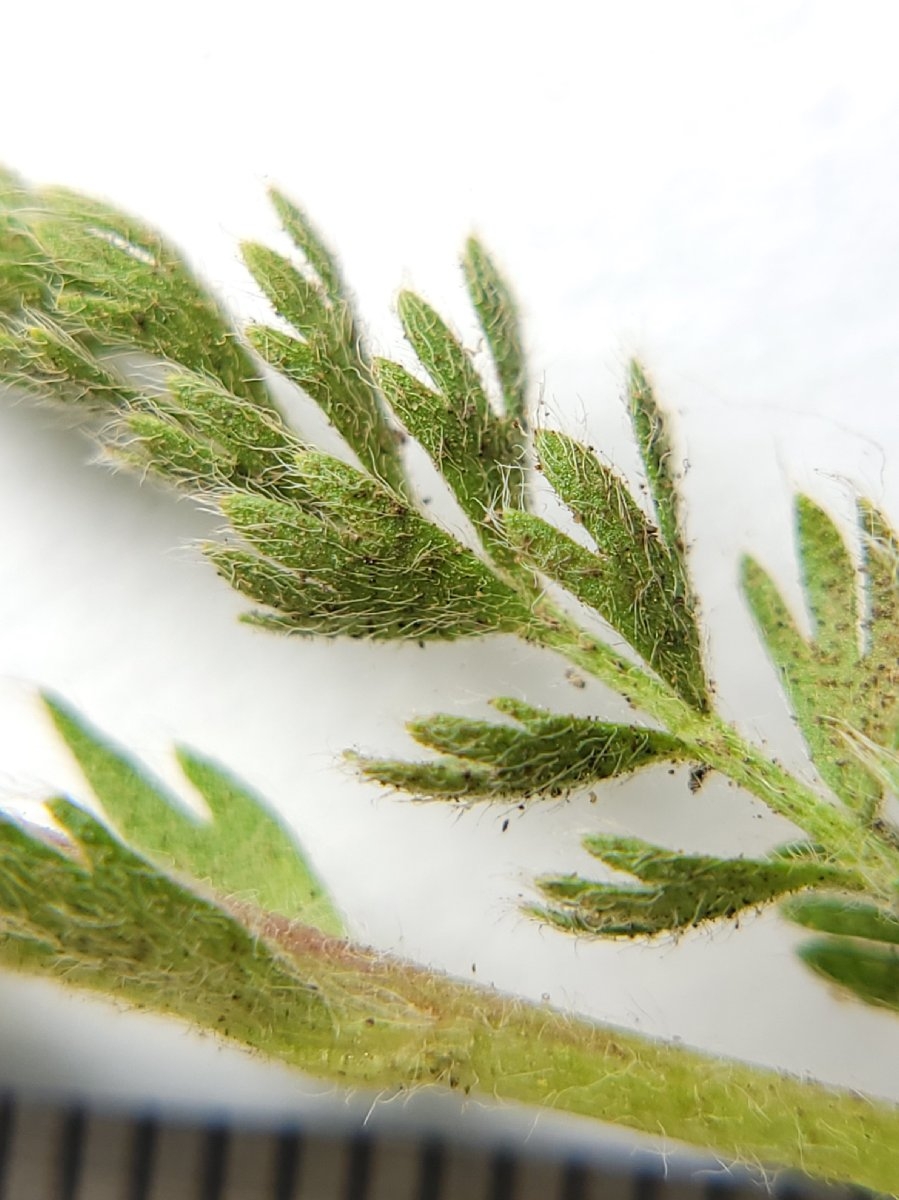
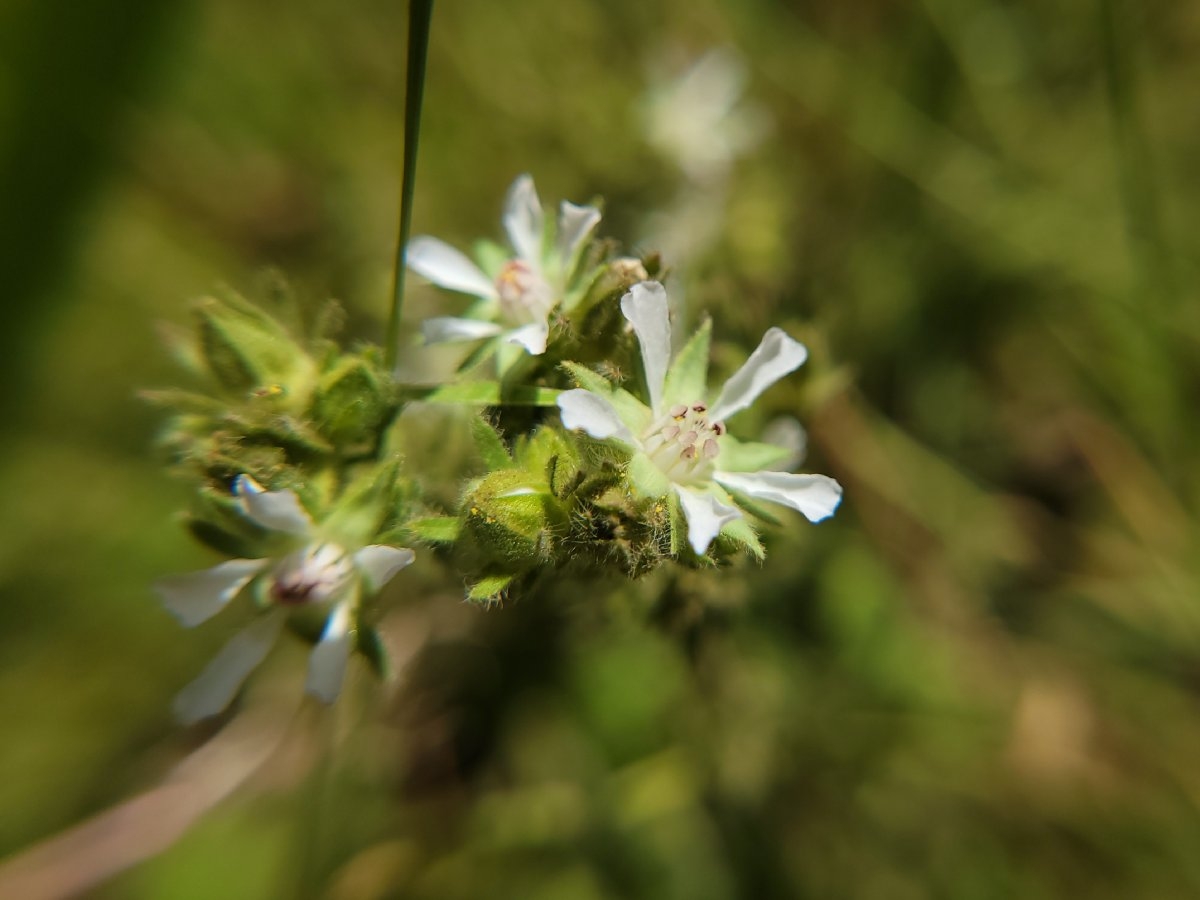
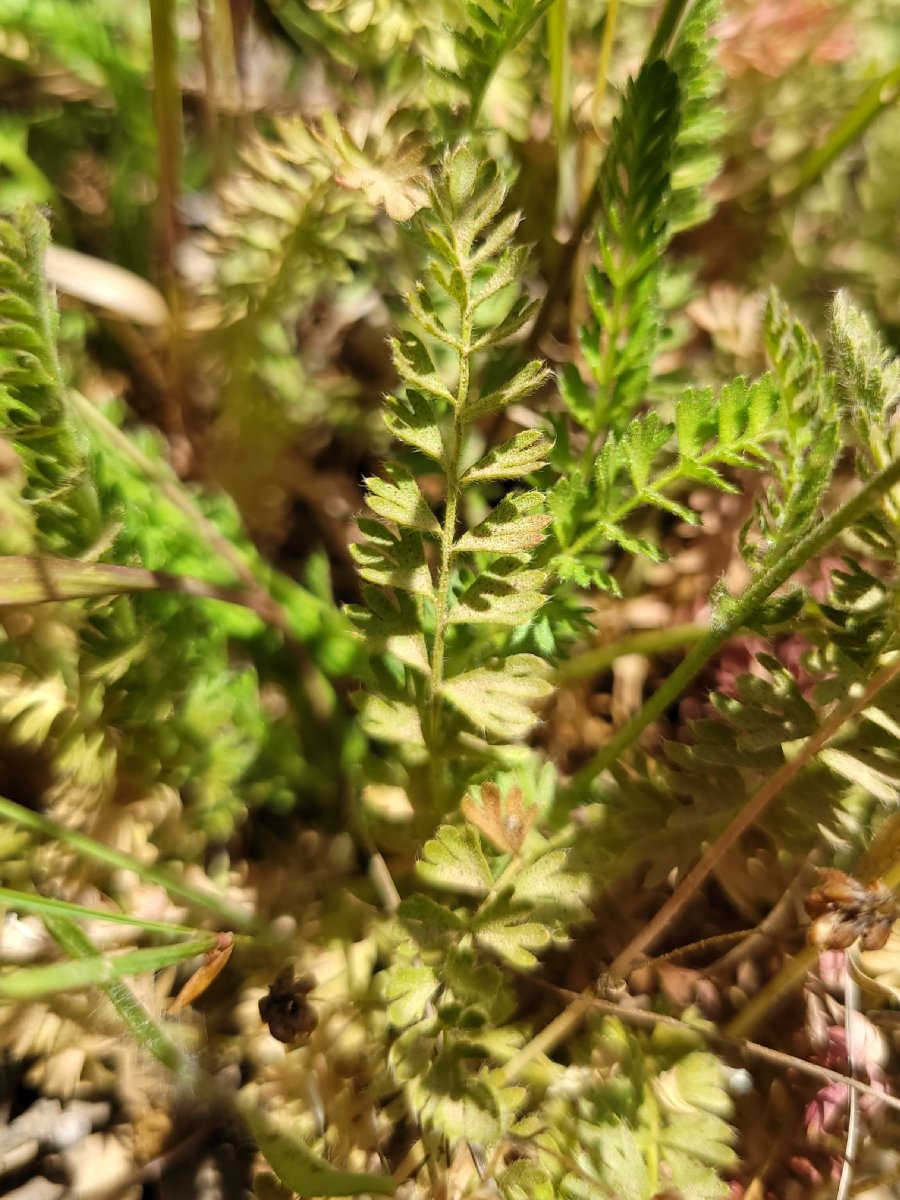
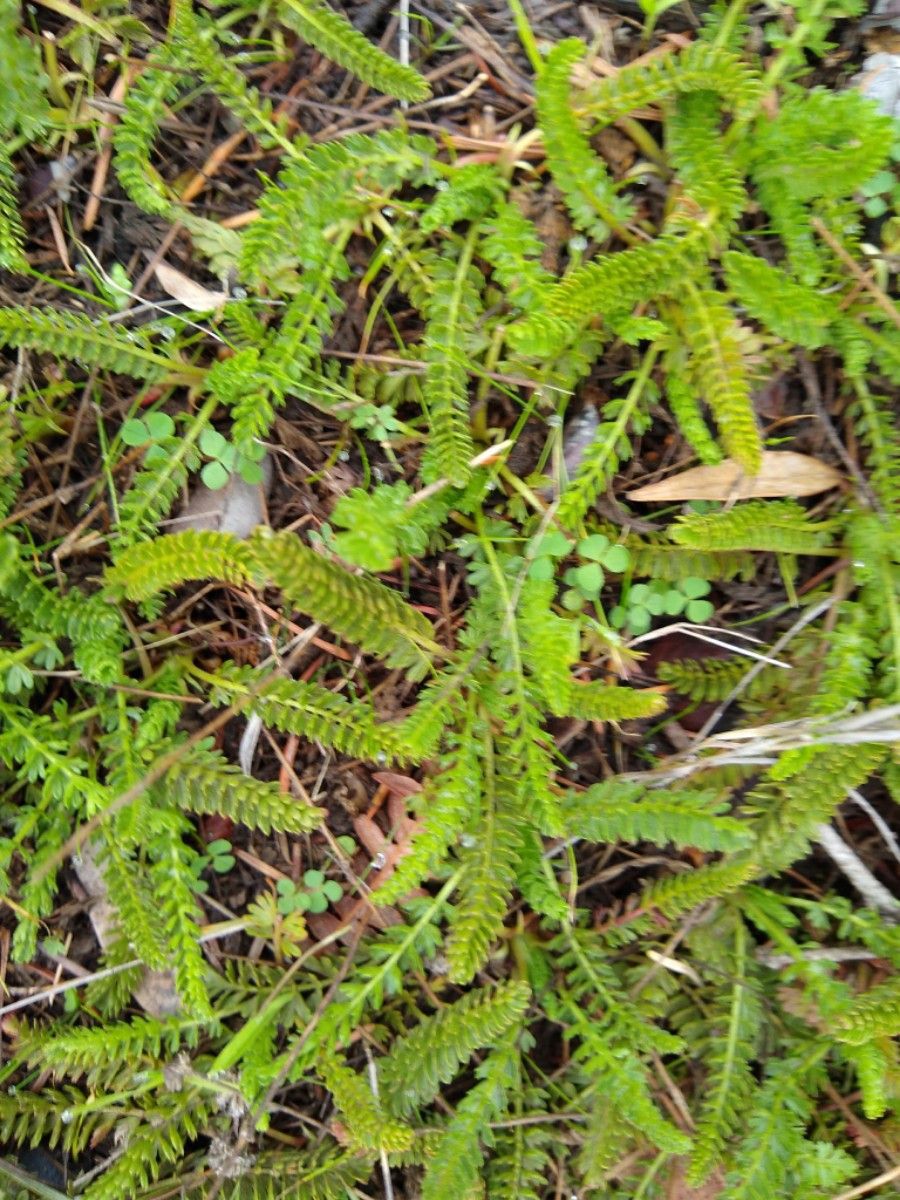
[Wikipedia] Range, Description, Threats: Horkelia tenuiloba is a species of flowering plant in the rose family known by the common names Santa Rosa oceanspray,[1] Santa Rosa horkelia and thin-lobed horkelia. It is endemic to California, where it is known only from the coastal hills and mountains north of the San Francisco Bay Area. It is a plant of chaparral habitat.[1] This is a perennial herb producing a low mat of hairy, glandular green foliage around a woody base. The leaves are cylindrical or somewhat flat, often tapering to a point, and each is made up of several densely packed pairs of hairy leaflets. The inflorescence is an array of flowers atop an erect stalk, each flower made up of five pointed green sepals and five white petals. At the center of the flower is a cone of stamens tipped with reddish anthers around many pistils. It flowers in May.[2][better source needed] It is threatened by trampling, trail maintenance, and development.[1] (link added by Mary Ann Machi)
Calflora:
Information on California plants for education, research and conservation,
with data contributed by
public and private institutions and individuals.
[web application]. 2024. Berkeley, California:The Calflora Database
[a non-profit organization].Available:
https://www.calflora.org/(Accessed: 07/26/2024).


 one or more occurrences