2022 Julie A. Kierstead 2022 Julie A. Kierstead 2022 Julie A. Kierstead 2022 Julie A. Kierstead 2022 Julie A. Kierstead 2022 Julie A. Kierstead 2022 Julie A. Kierstead
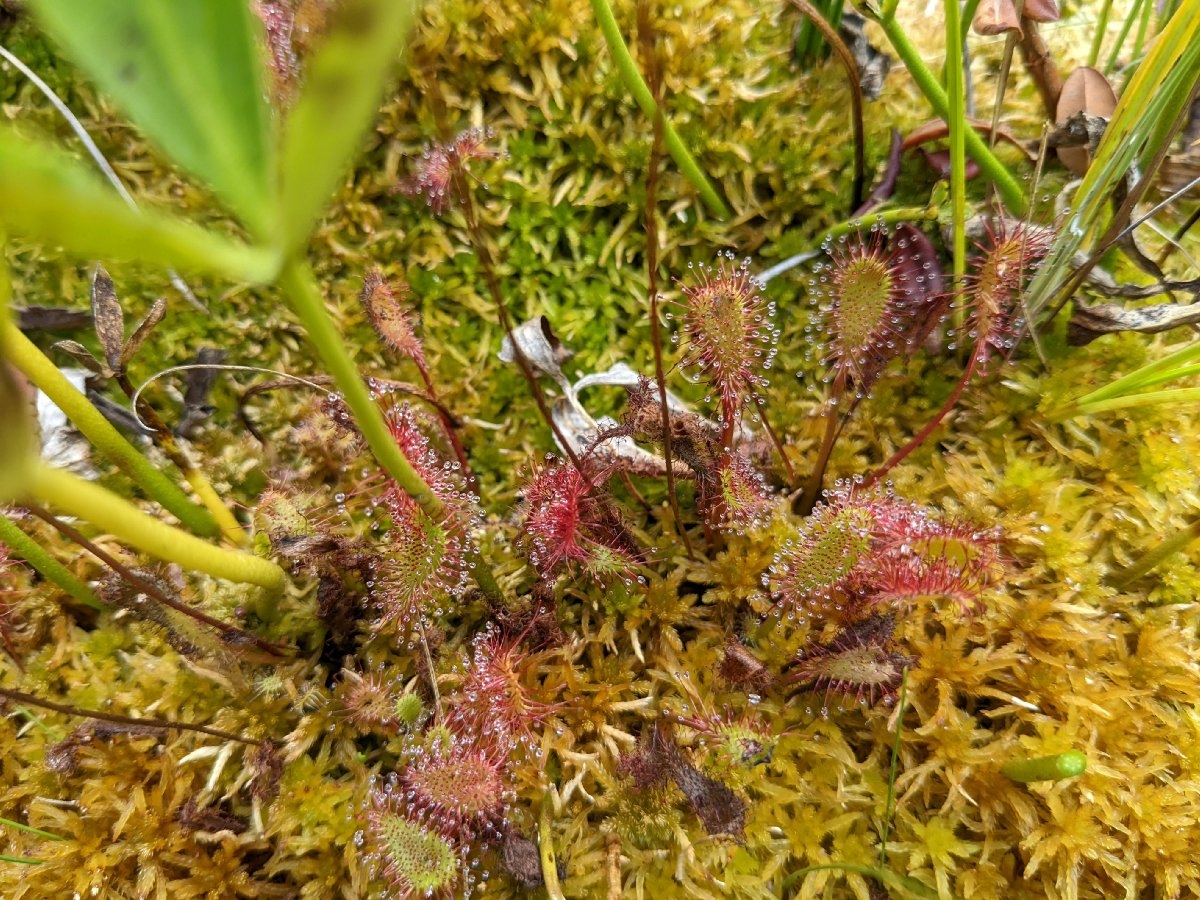
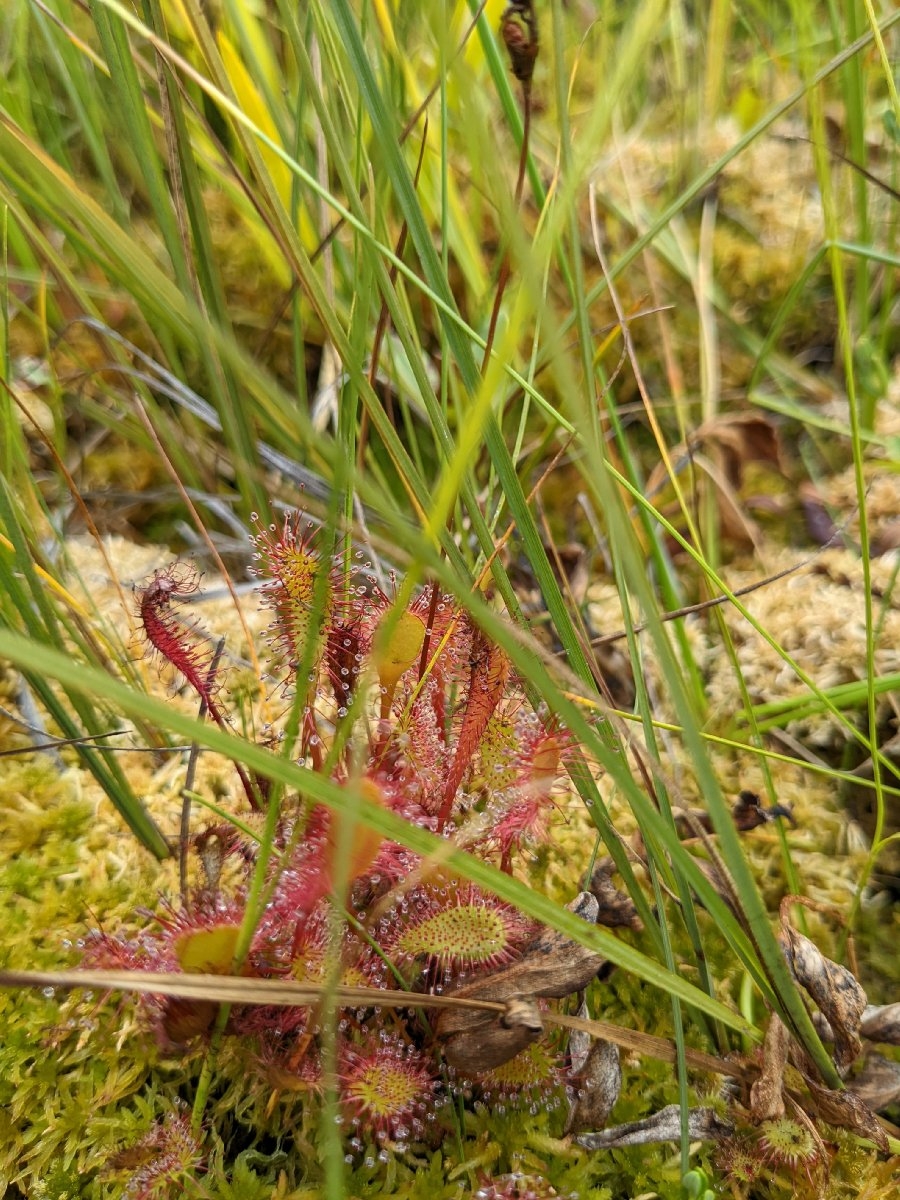
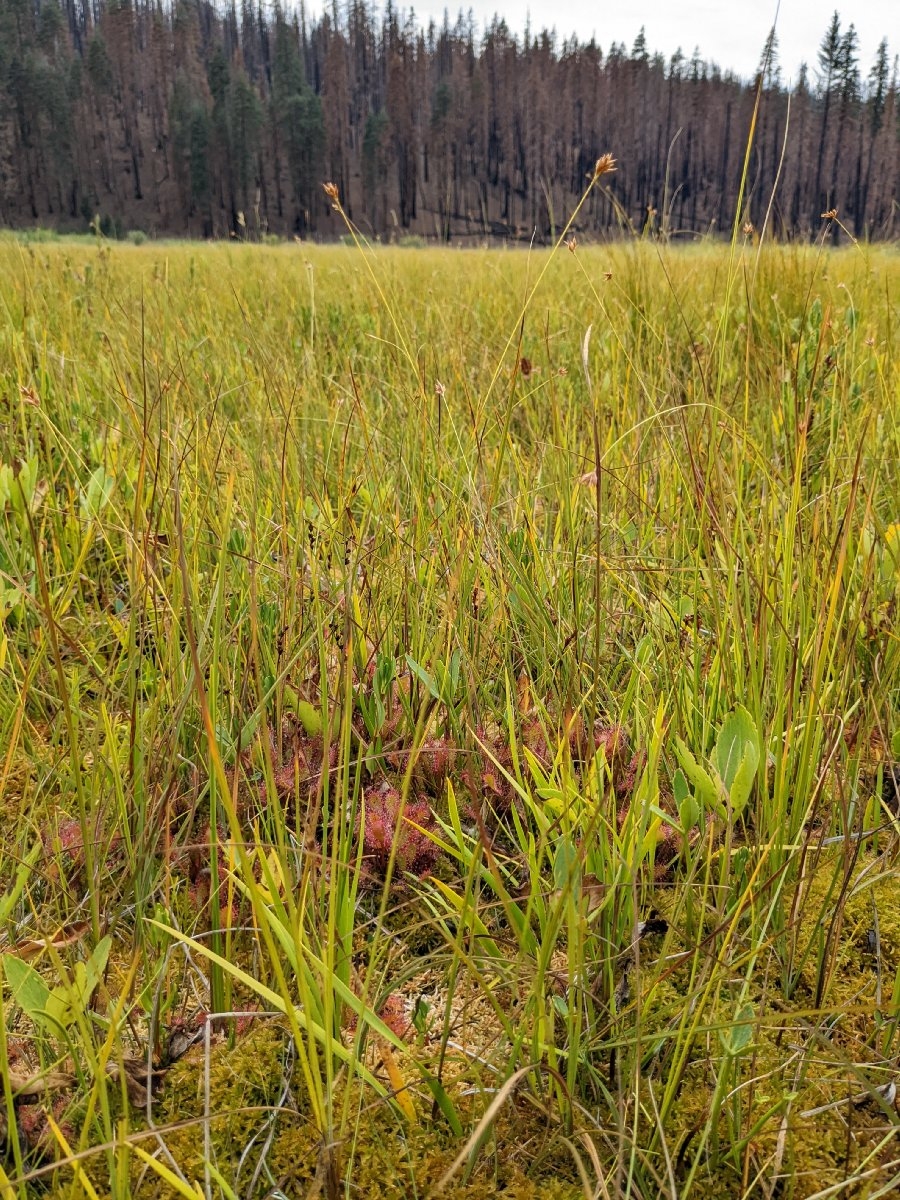
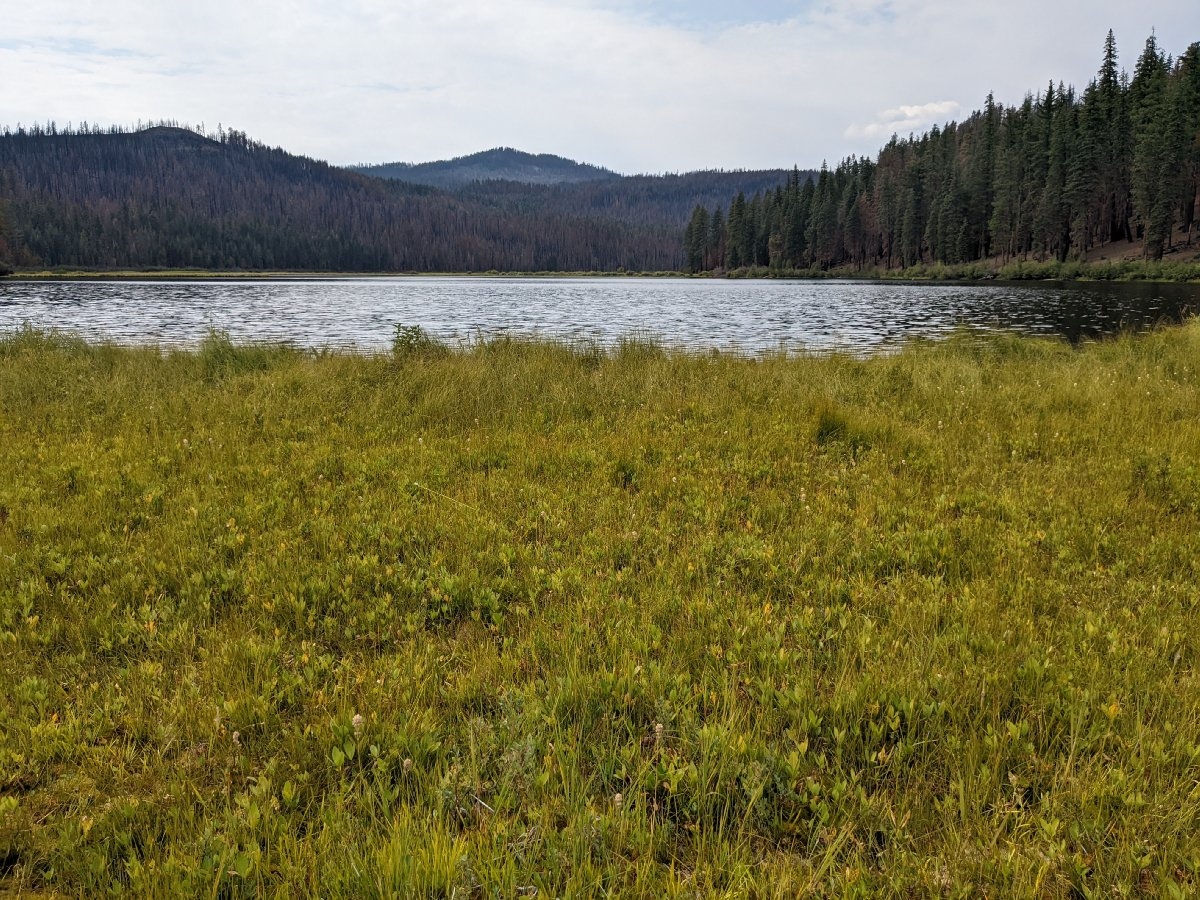
Drosera ×obovata is a perennial herb (carnivorous) that is native to California.
Drosera: from the Greek droseros, "dewy," referring to the gland-tipped hairs on the leaves that make them look moist
[Wikipedia] Carnivory: All species of sundew are able to move their tentacles in response to contact with edible prey. The tentacles are extremely sensitive and will bend toward the center of the leaf to bring the insect into contact with as many stalked glands as possible. According to Charles Darwin, the contact of the legs of a small gnat with a single tentacle is enough to induce this response.[6] This response to touch is known as thigmonasty, and is quite rapid in some species. (link added by Mary Ann Machi)
/app/up/entry/454/th/136286.jpg:!/app/up/entry/454/th/136288.jpg:!/app/up/entry/454/th/136290.jpg:!/app/up/entry/454/th/136287.jpg:!/app/up/entry/454/th/136285.jpg:!/app/up/entry/454/th/136289.jpg:!/app/up/entry/454/th/136291.jpg:!
2022 Julie A. Kierstead:!2022 Julie A. Kierstead:!2022 Julie A. Kierstead:!2022 Julie A. Kierstead:!2022 Julie A. Kierstead:!2022 Julie A. Kierstead:!2022 Julie A. Kierstead:!
mu25502:!mu25502:!mu25502:!mu25502:!mu25502:!mu25502:!mu25502:!
Suggested Citation
Calflora:
Information on California plants for education, research and conservation,
with data contributed by
public and private institutions and individuals.
[web application]. 2024. Berkeley, California:The Calflora Database
[a non-profit organization].Available:
https://www.calflora.org/(Accessed: 07/26/2024).