2018 Ron Vanderhoff 2018 Ron Vanderhoff 2021 Ron Vanderhoff 2018 Ron Vanderhoff 2021 Ron Vanderhoff 2023 Ron Vanderhoff 2022 Ron Vanderhoff 2022 Ron Vanderhoff 2022 Ron Vanderhoff 2022 Ron Vanderhoff 2022 Ron Vanderhoff 2023 Ron Vanderhoff 2022 Daniel Huynh 2022 Daniel Huynh 2022 Daniel Huynh 2018 Joan Miller 2018 Joan Miller 2021 Ron Vanderhoff 2021 Ron Vanderhoff 2021 Ron Vanderhoff 2021 Ron Vanderhoff 2023 Ron Vanderhoff
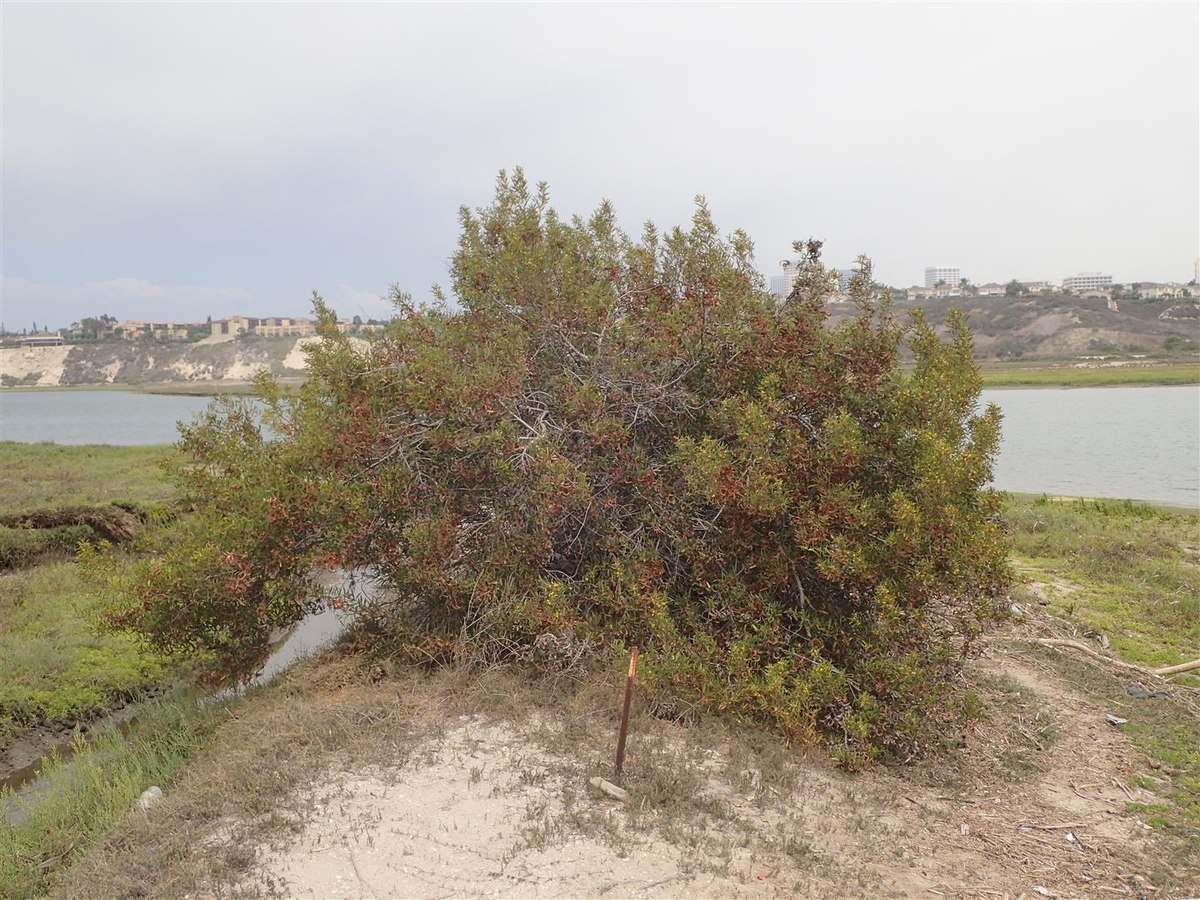
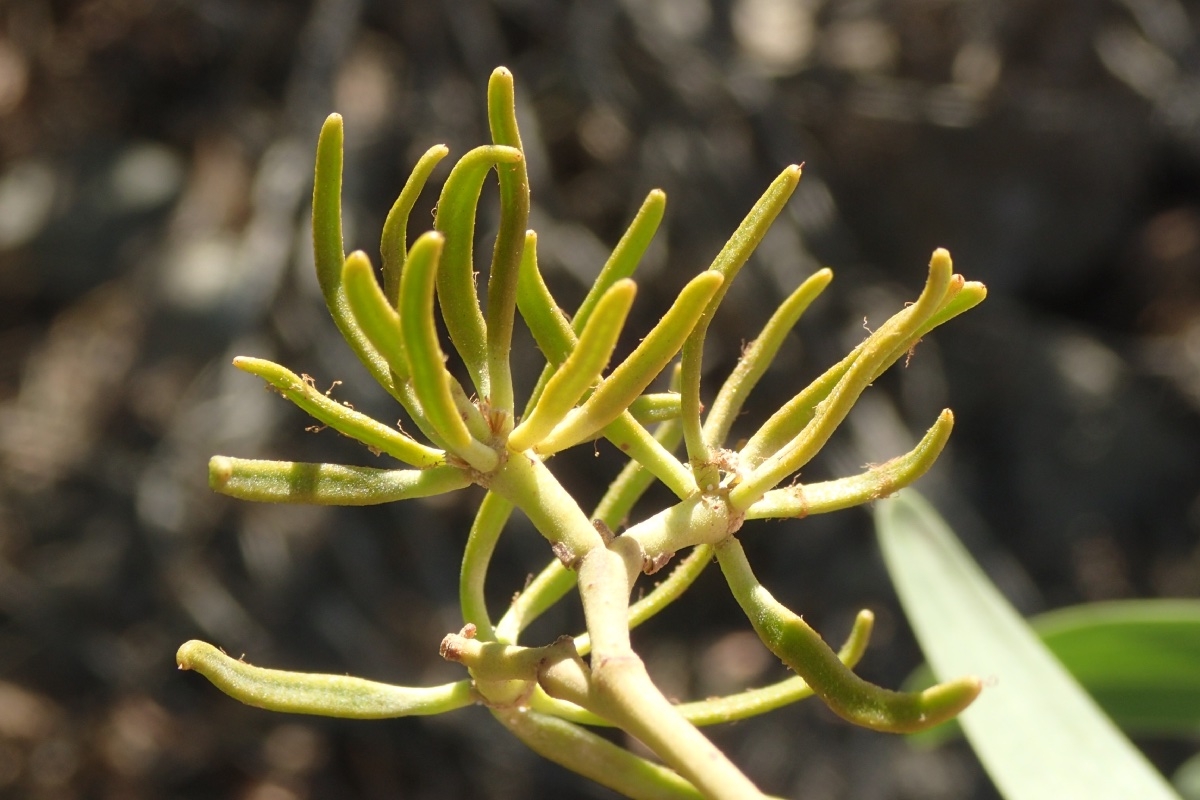
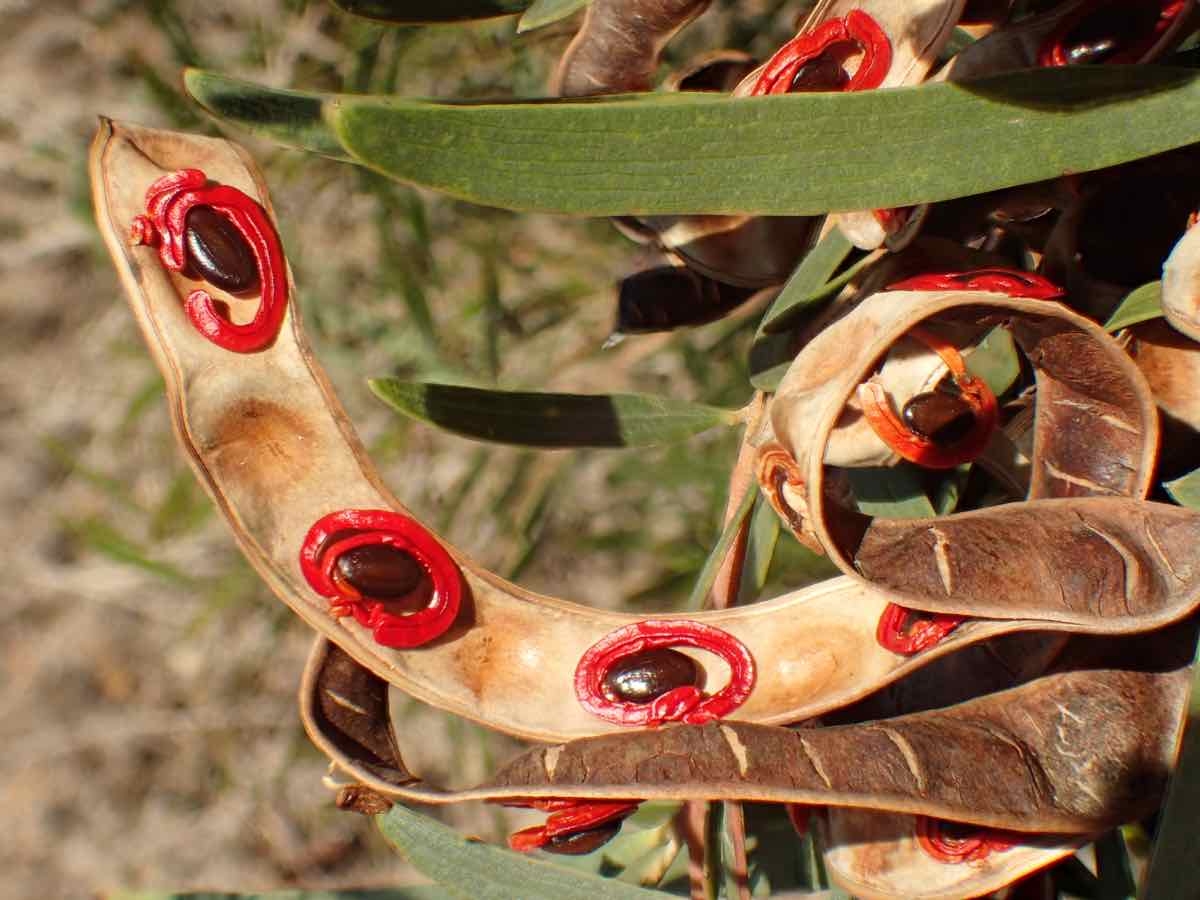
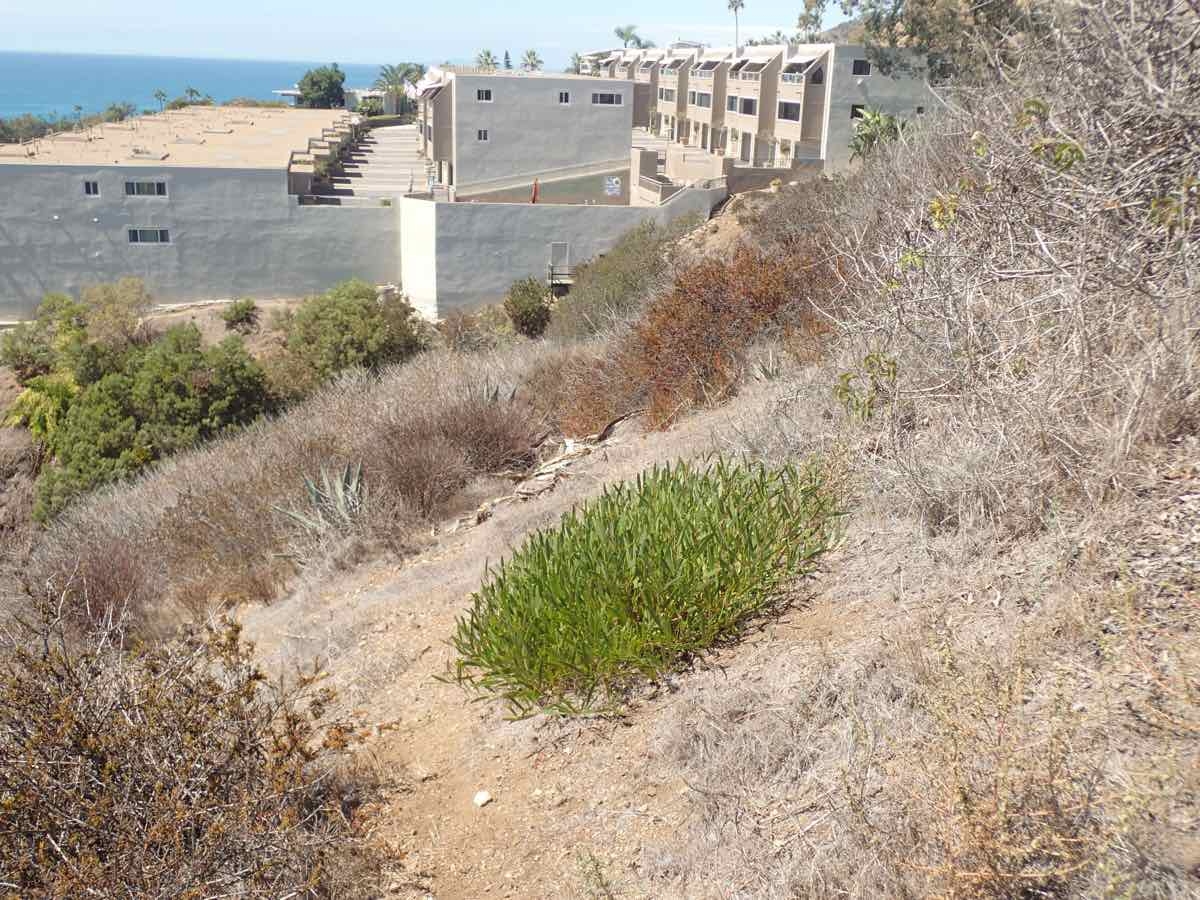
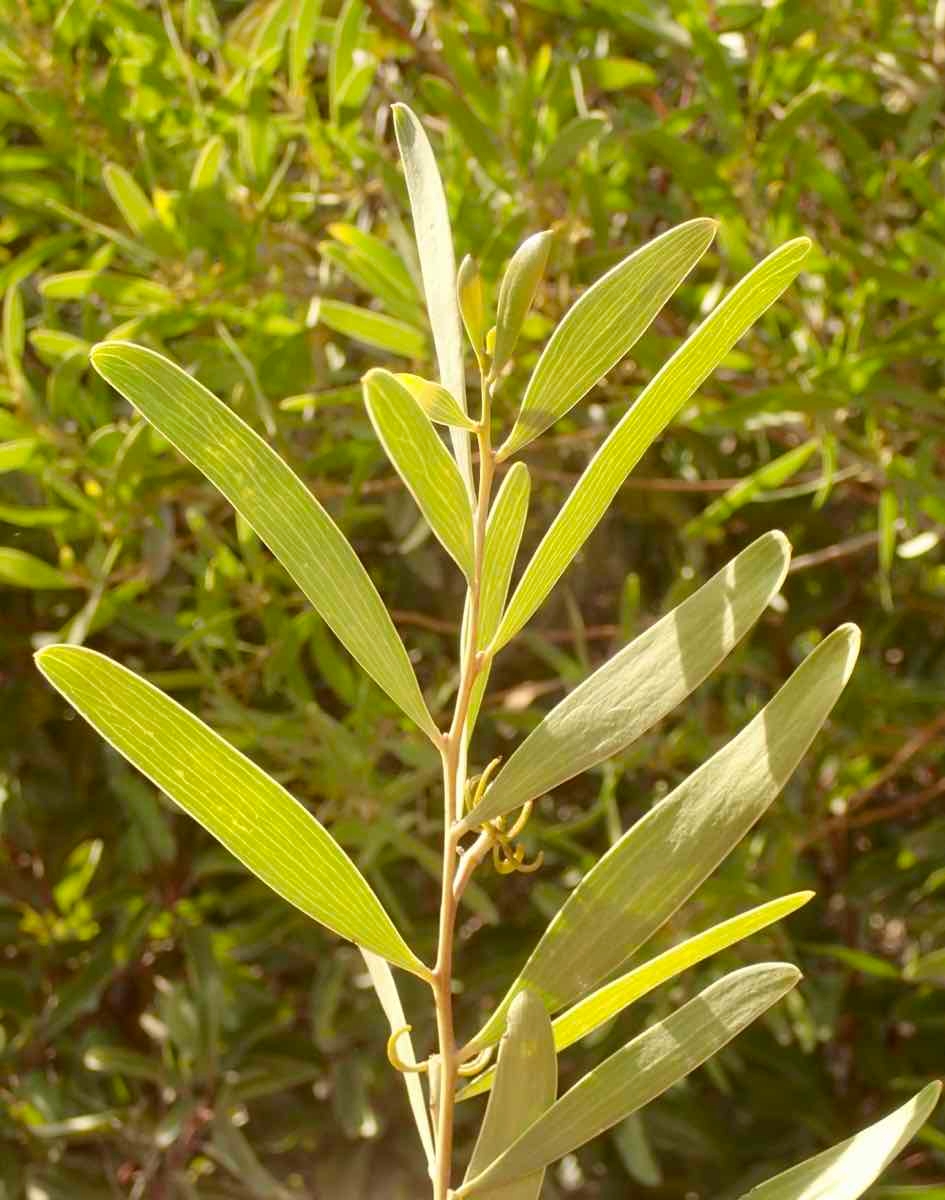
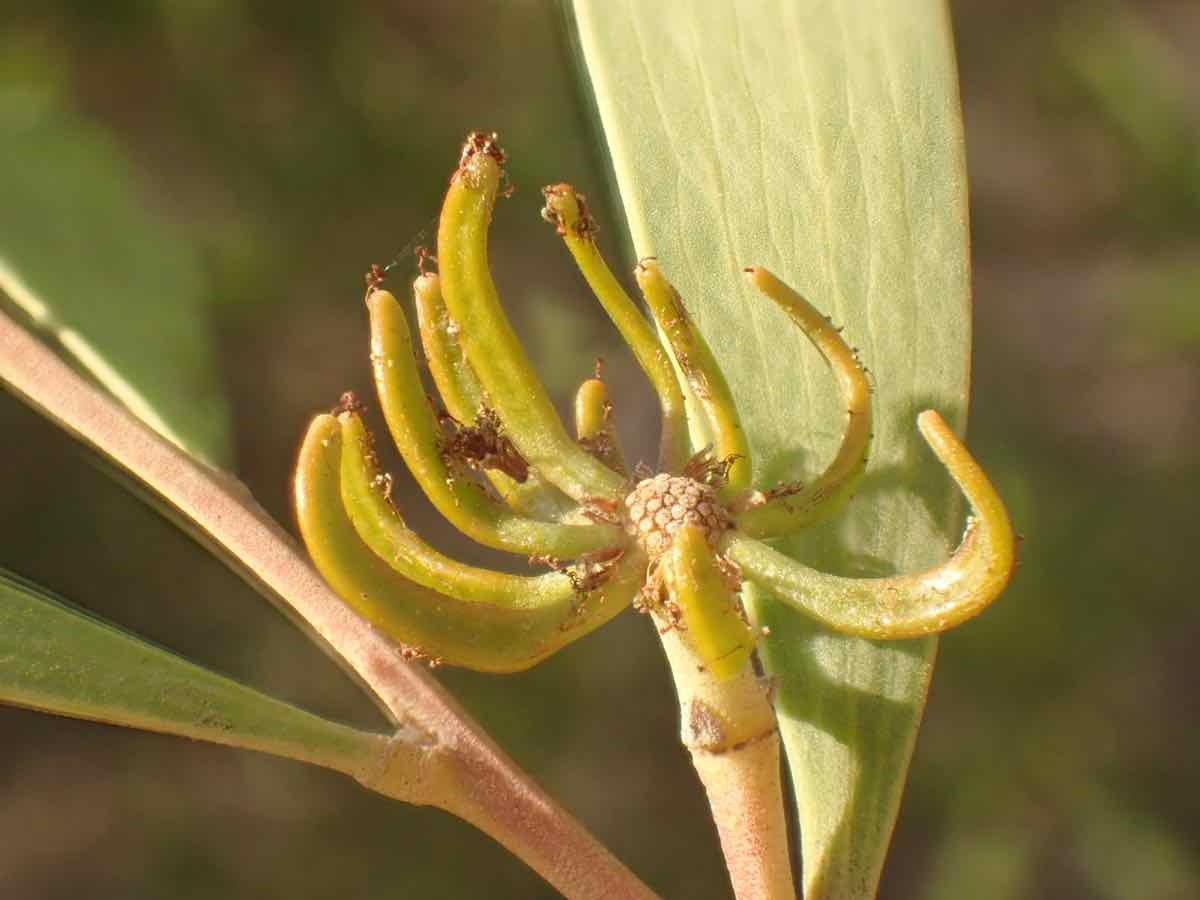
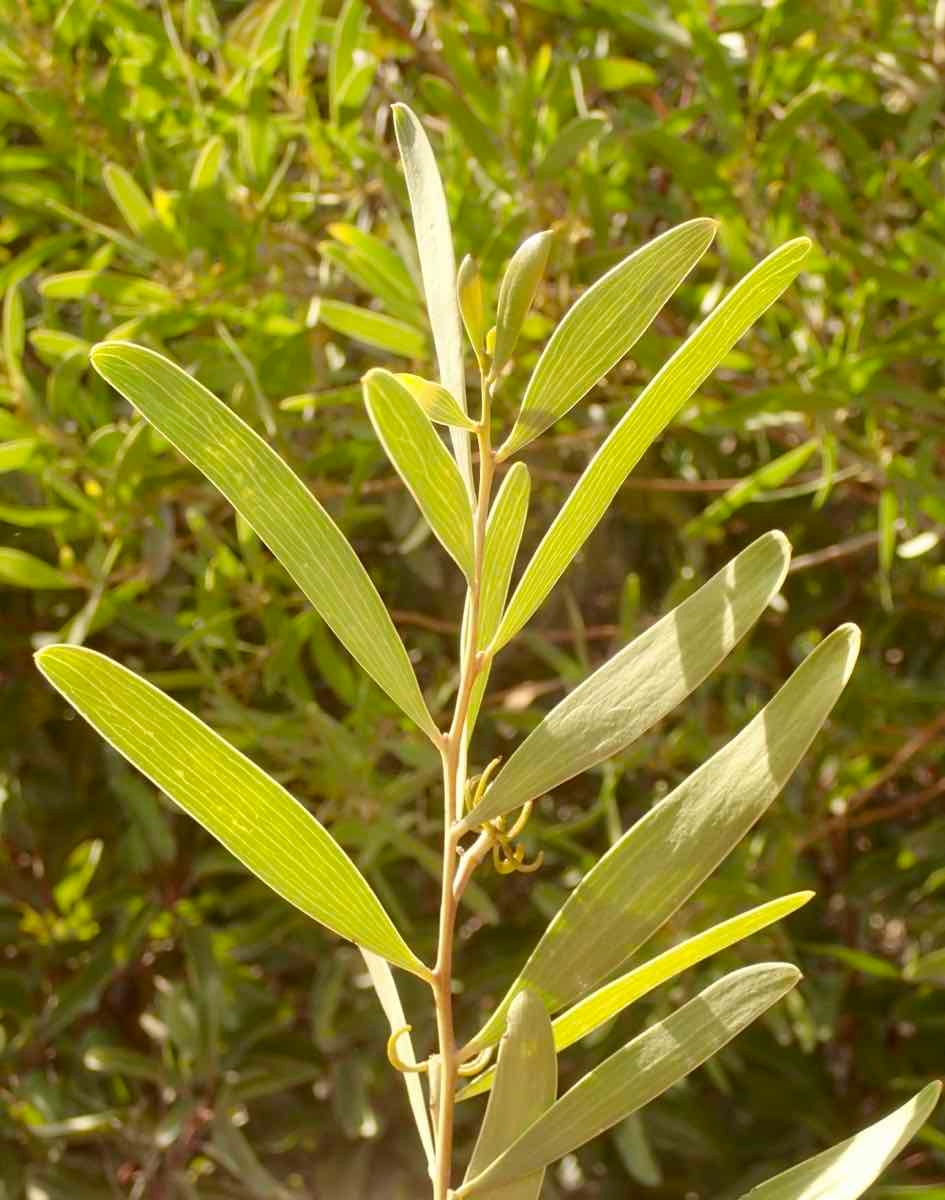
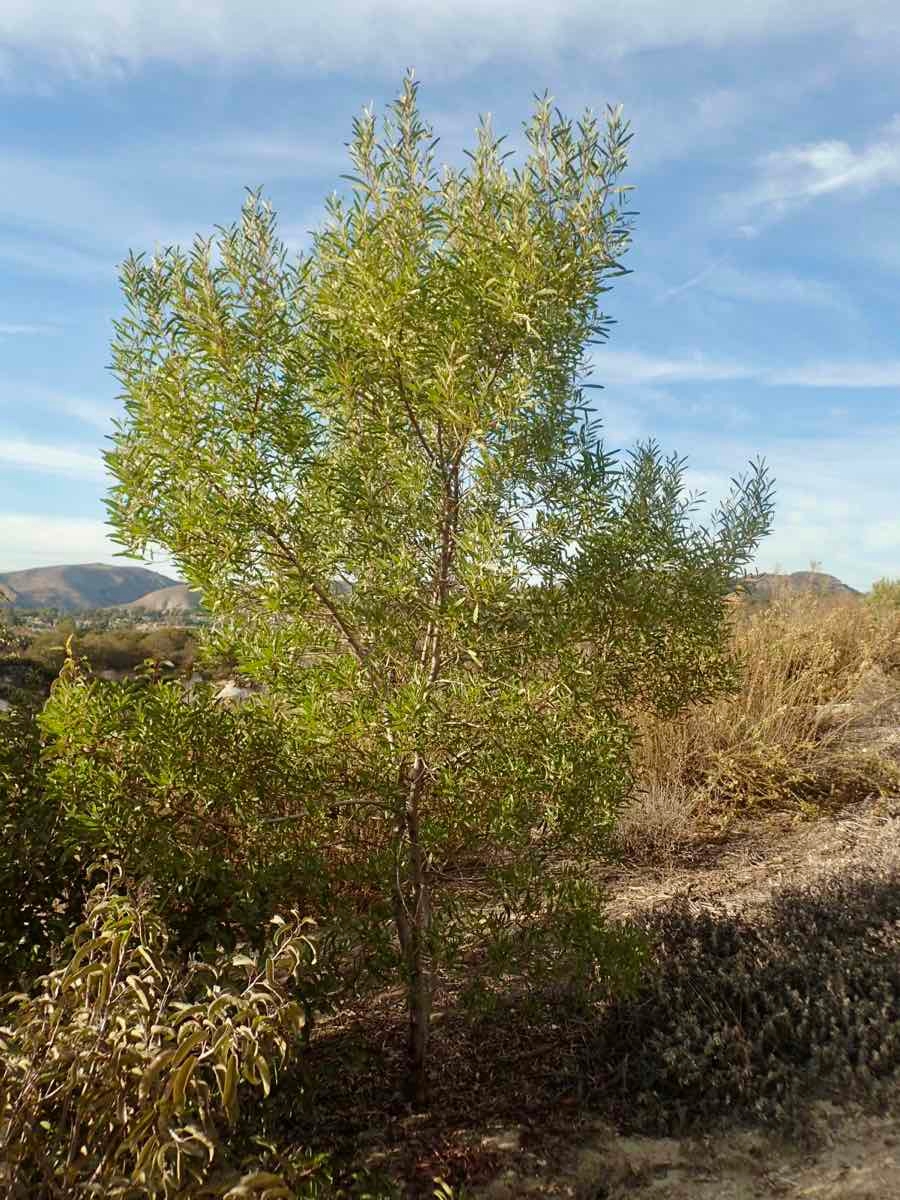
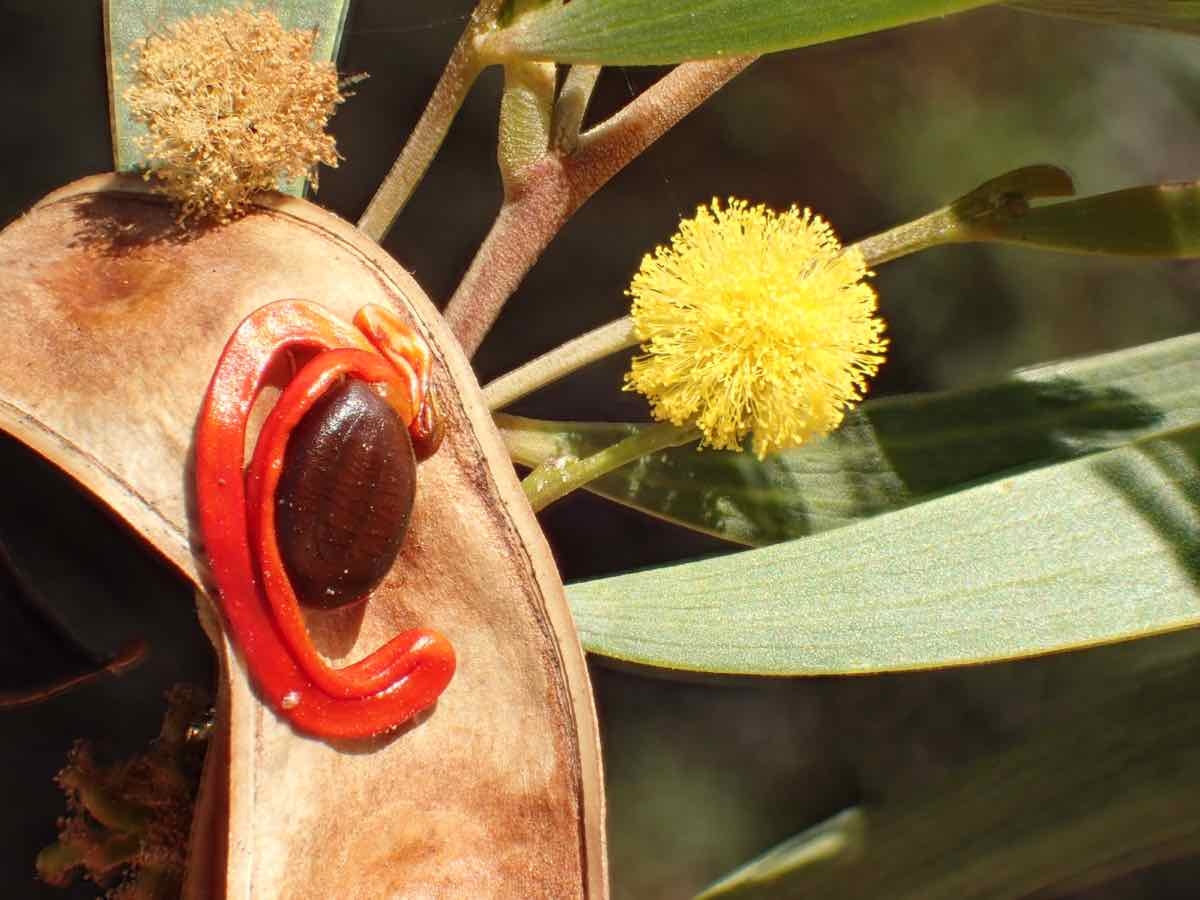
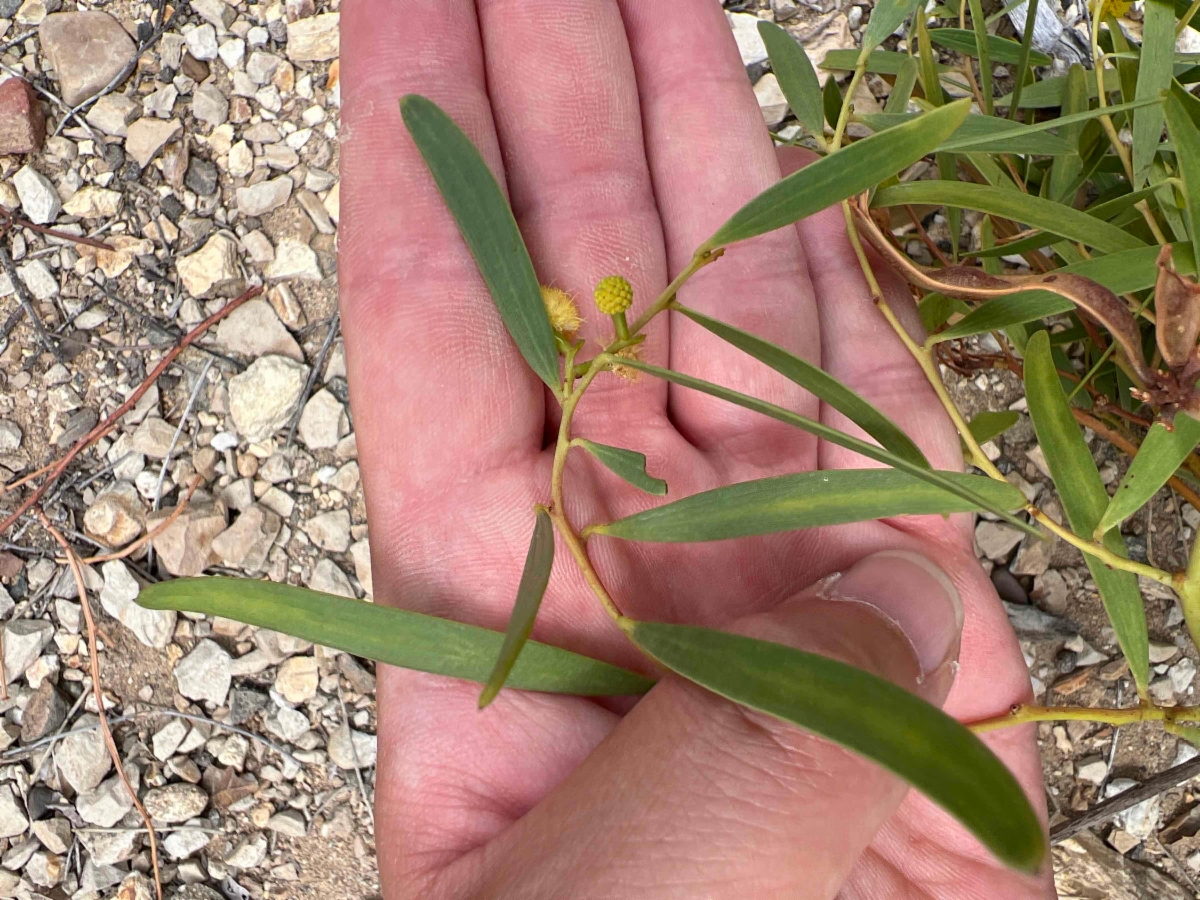
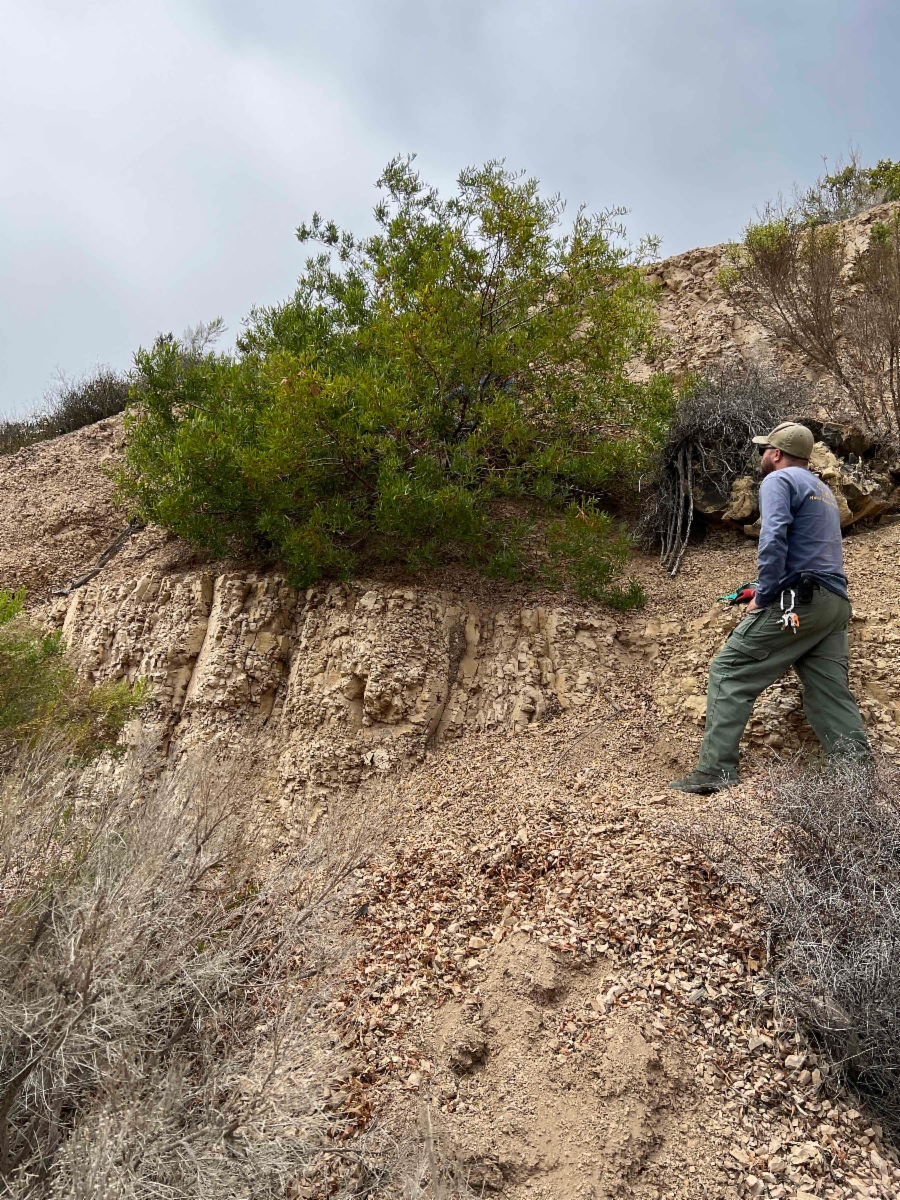
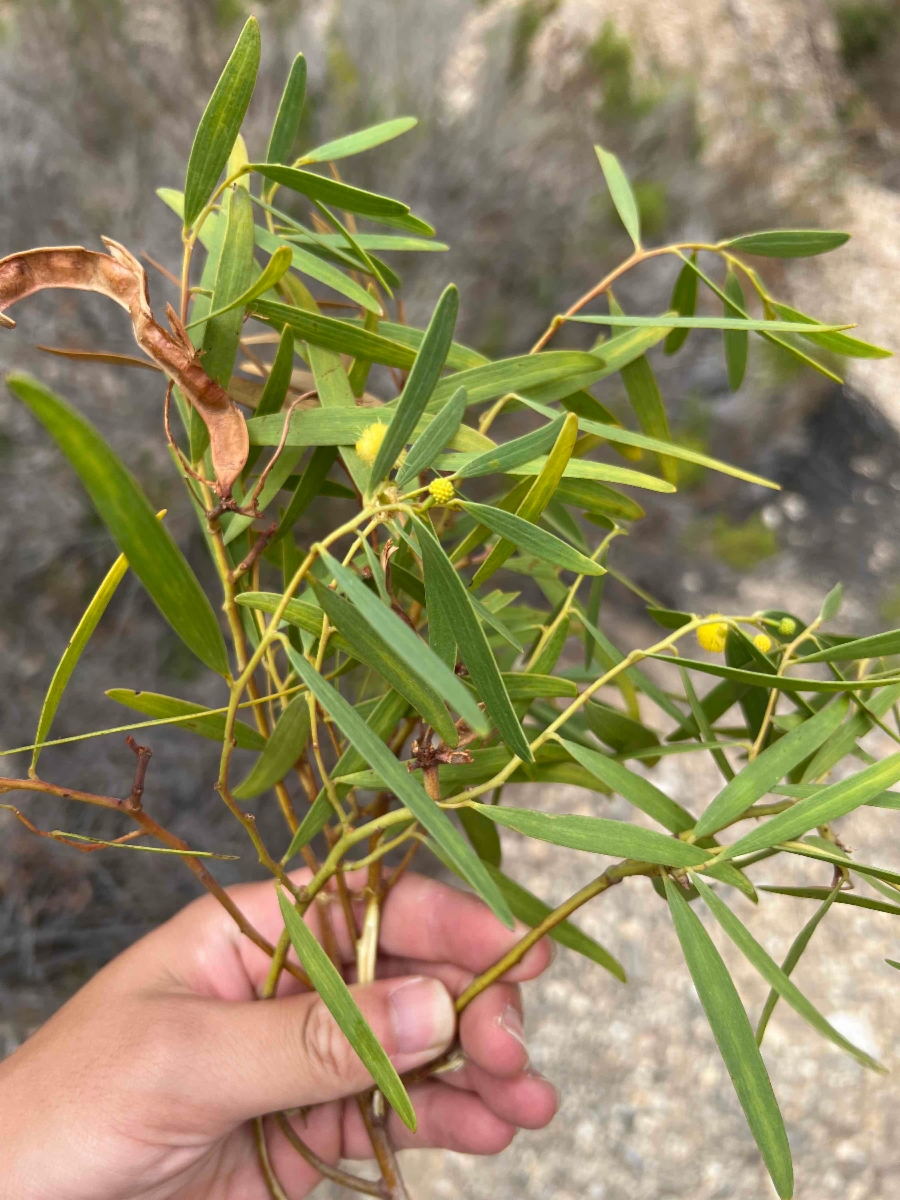
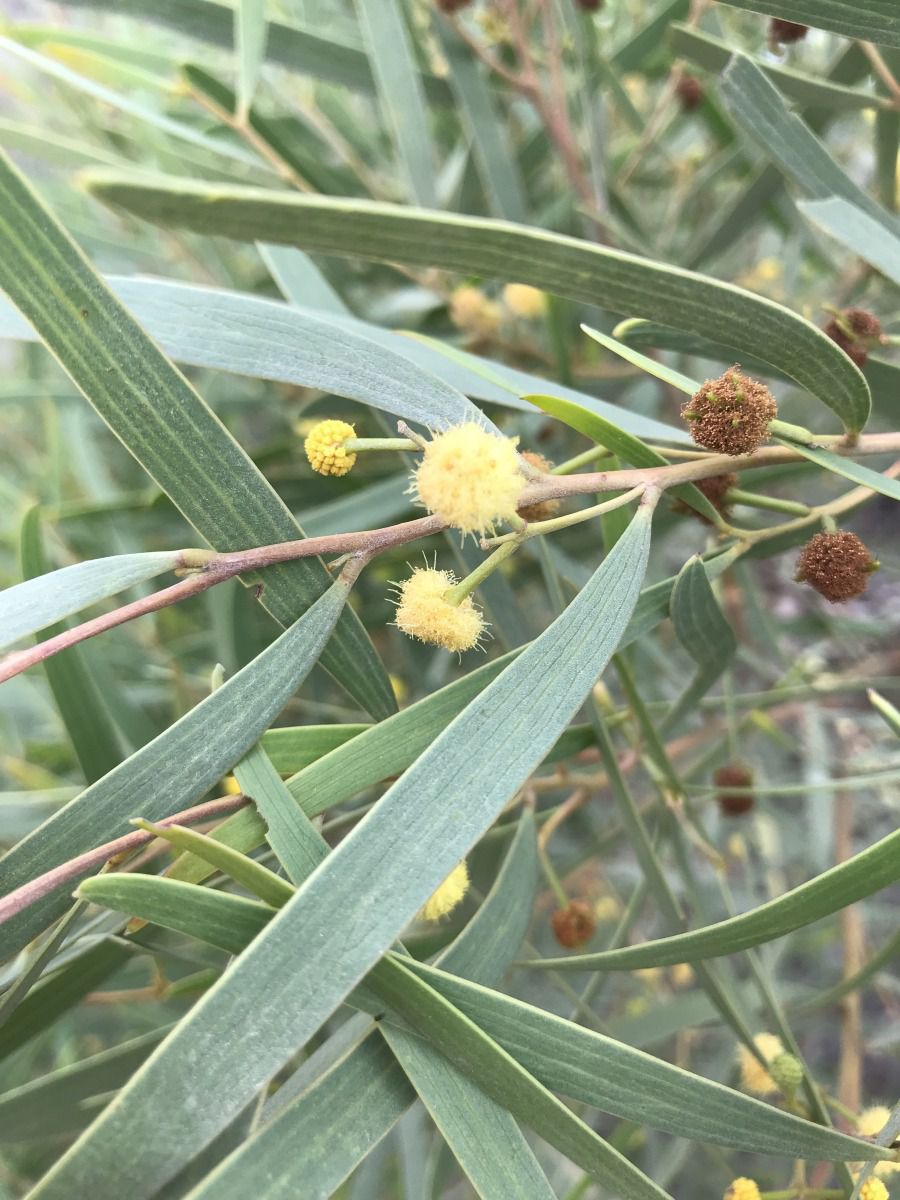
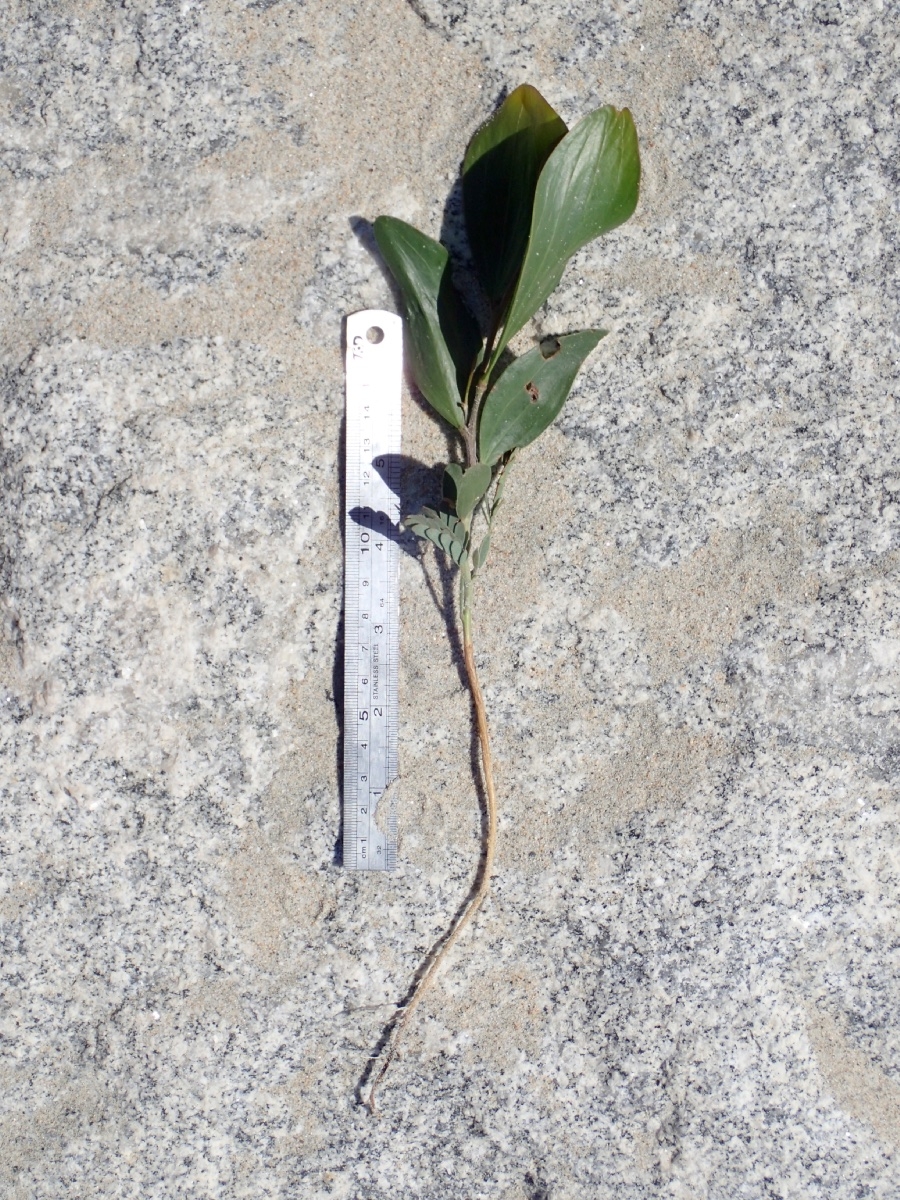
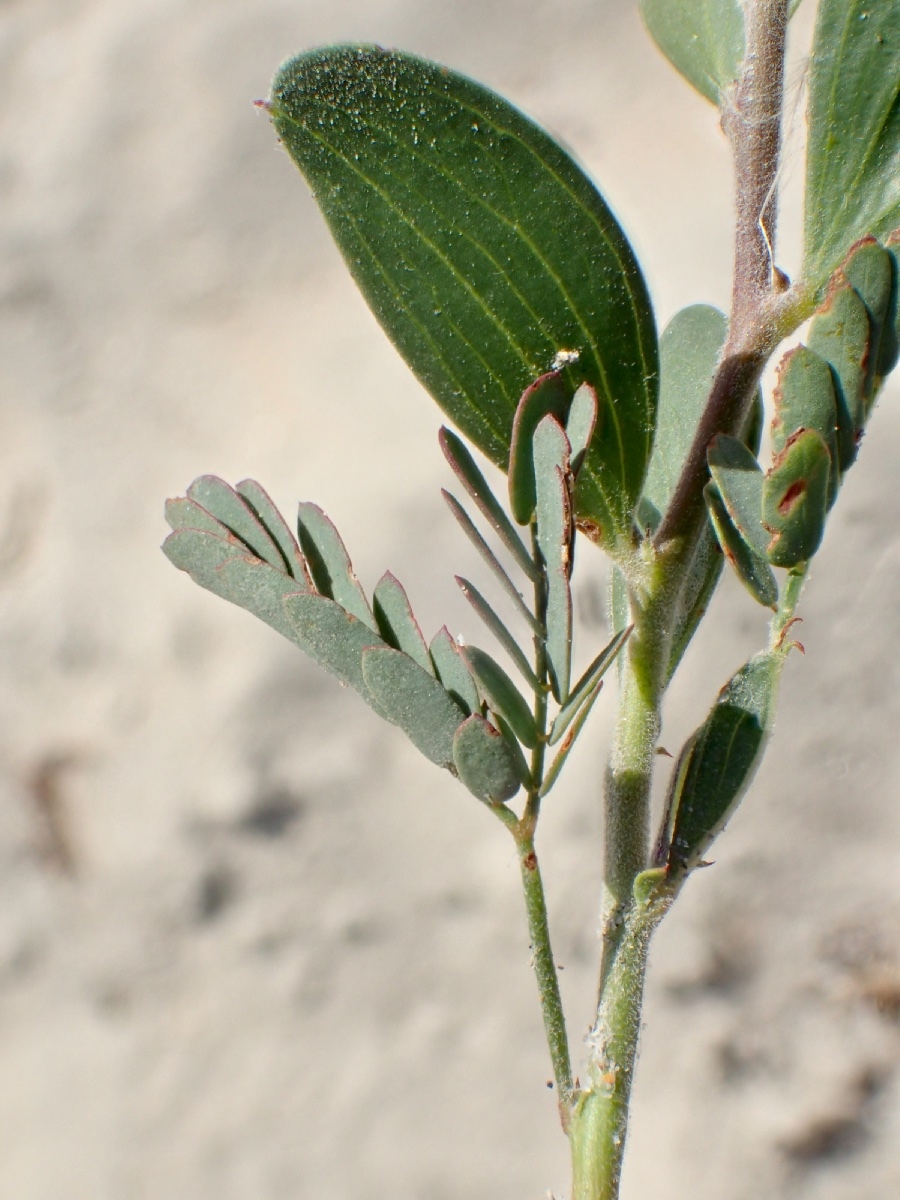
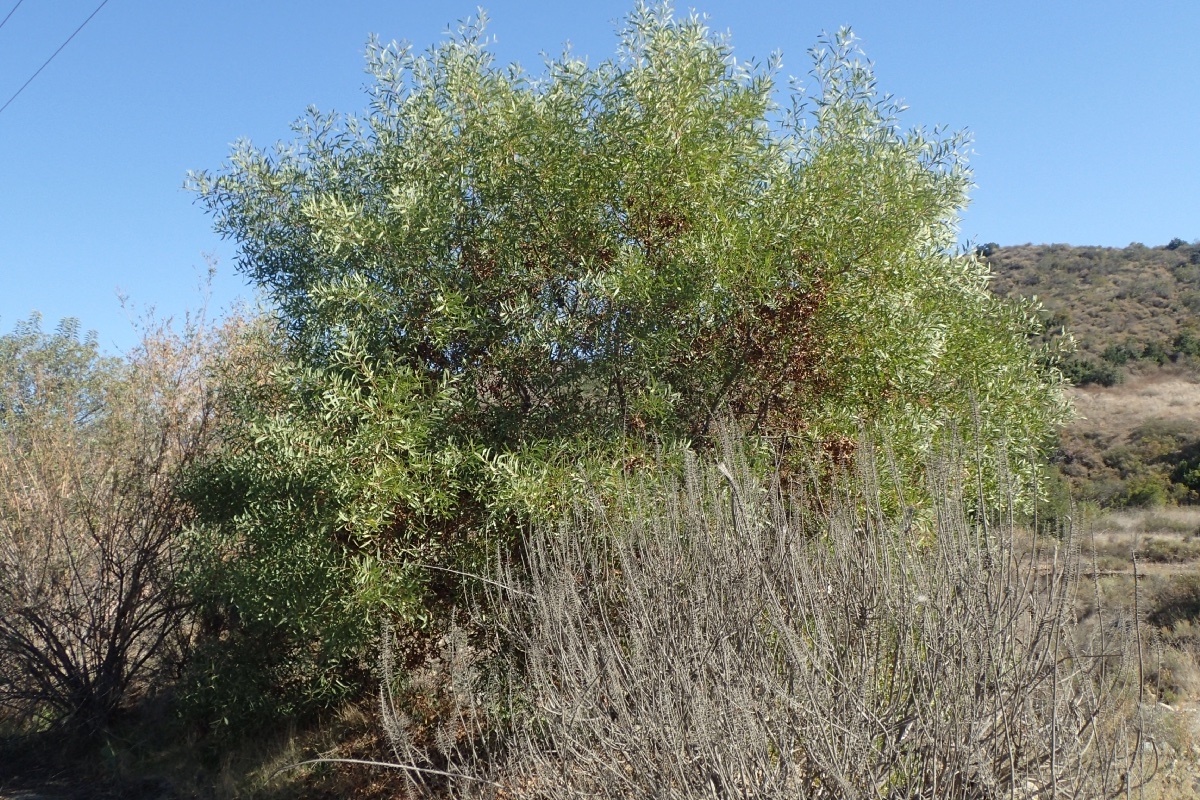
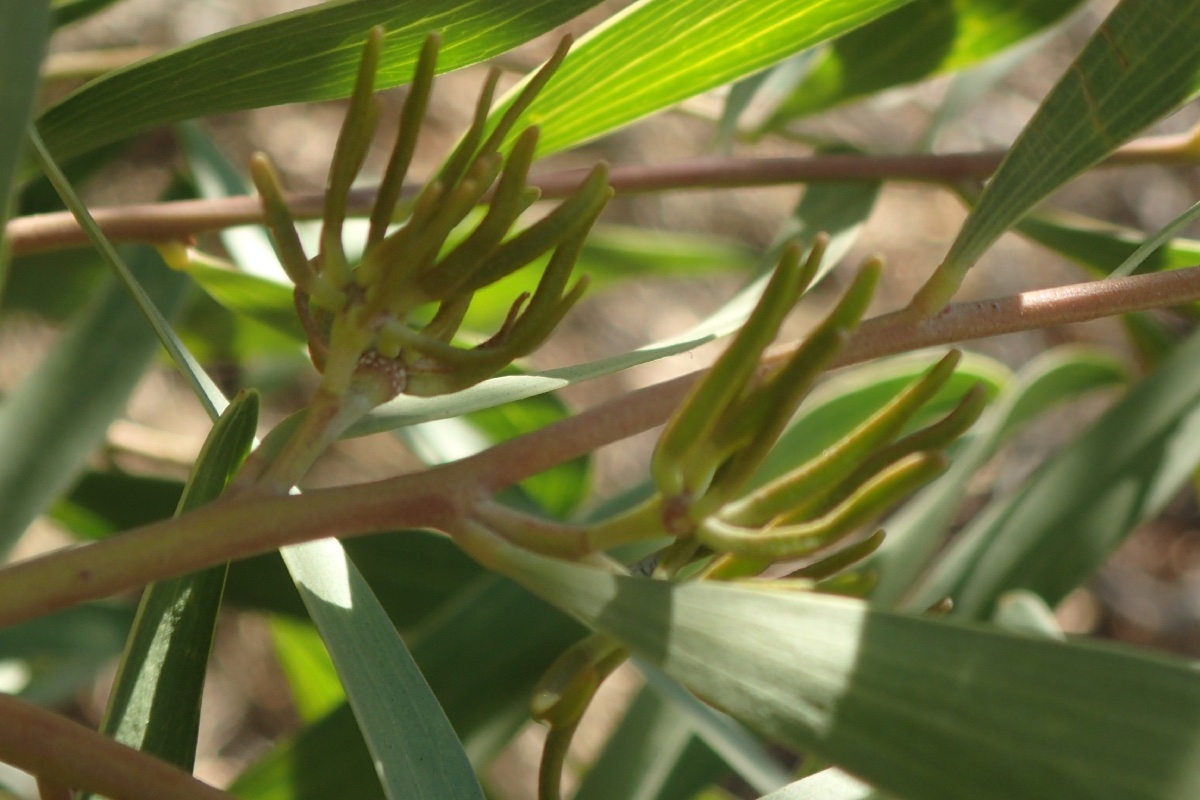
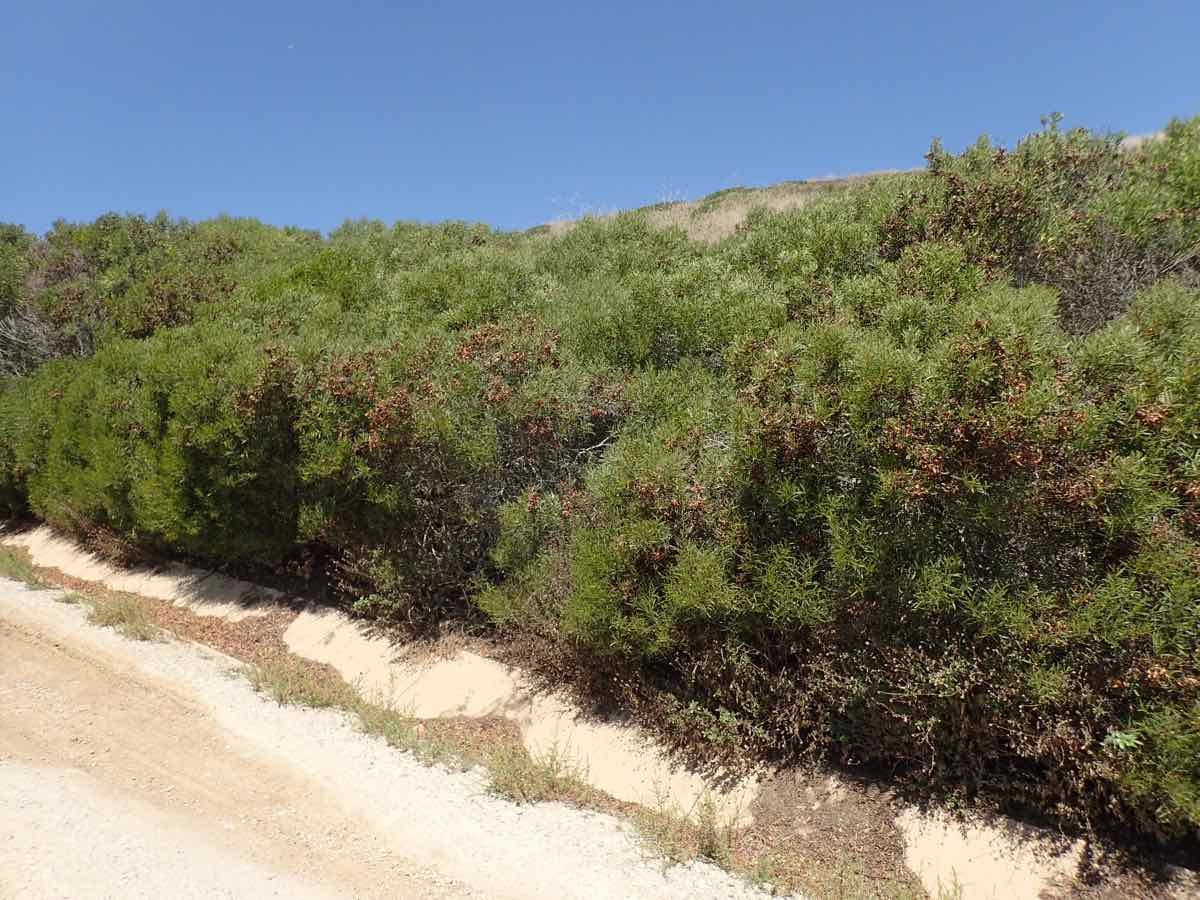
Acacia cyclops is a shrub that is not native to California.
There is a high risk of this plant becoming invasive in California according to Cal-IPC.
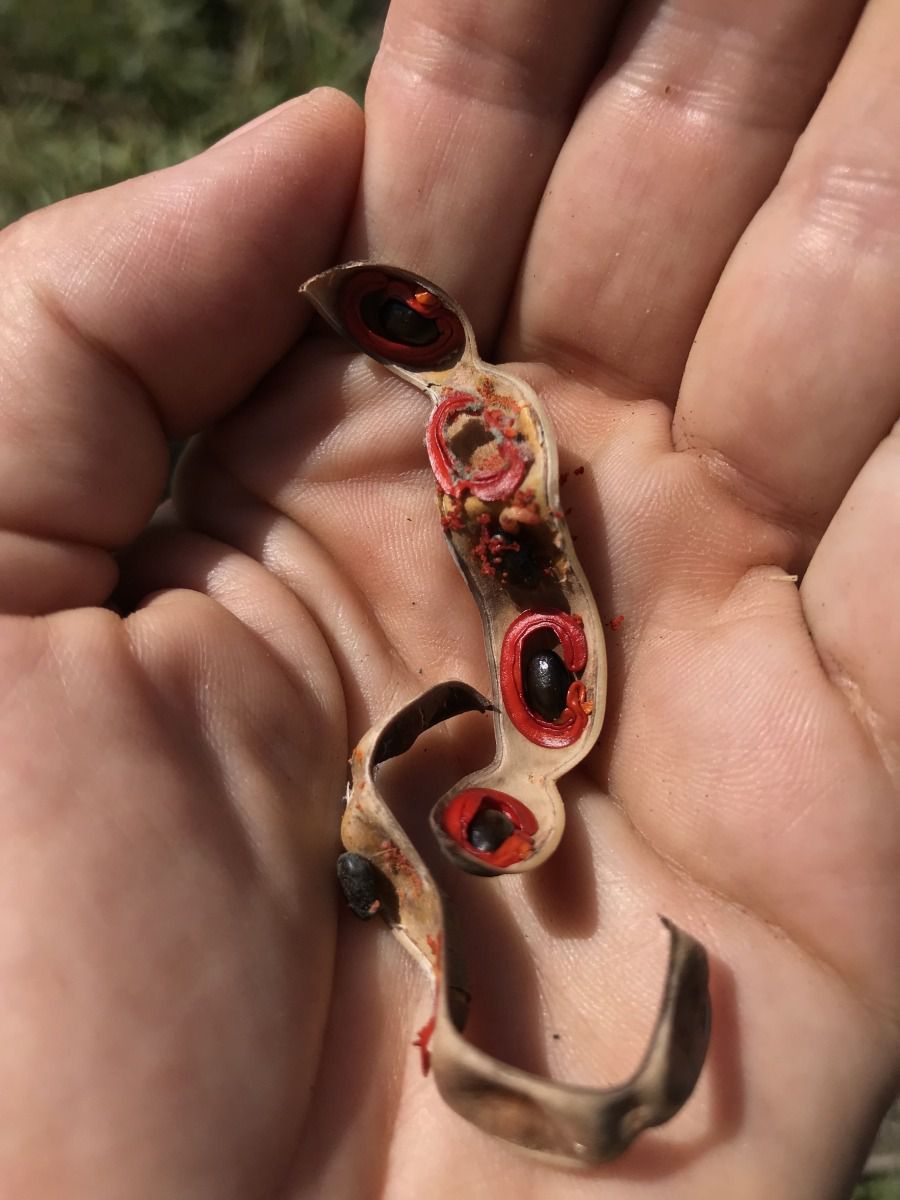
[Wikipedia] Australia native: Acacia cyclops, commonly known as coastal wattle,[1] cyclops wattle, one-eyed wattle, red-eyed wattle, redwreath acacia, western coastal wattle, rooikrans, rooikrans acacia,[2] is a coastal shrub or small tree in the family Fabaceae. Native to Australia, it is distributed along the west coast of Western Australia as far north as Leeman, and along the south coast into South Australia. The Noongar peoples of Western Australia know the plant as wilyawa or woolya wah.
Cañada Rd (link added by Mary Ann Machi)
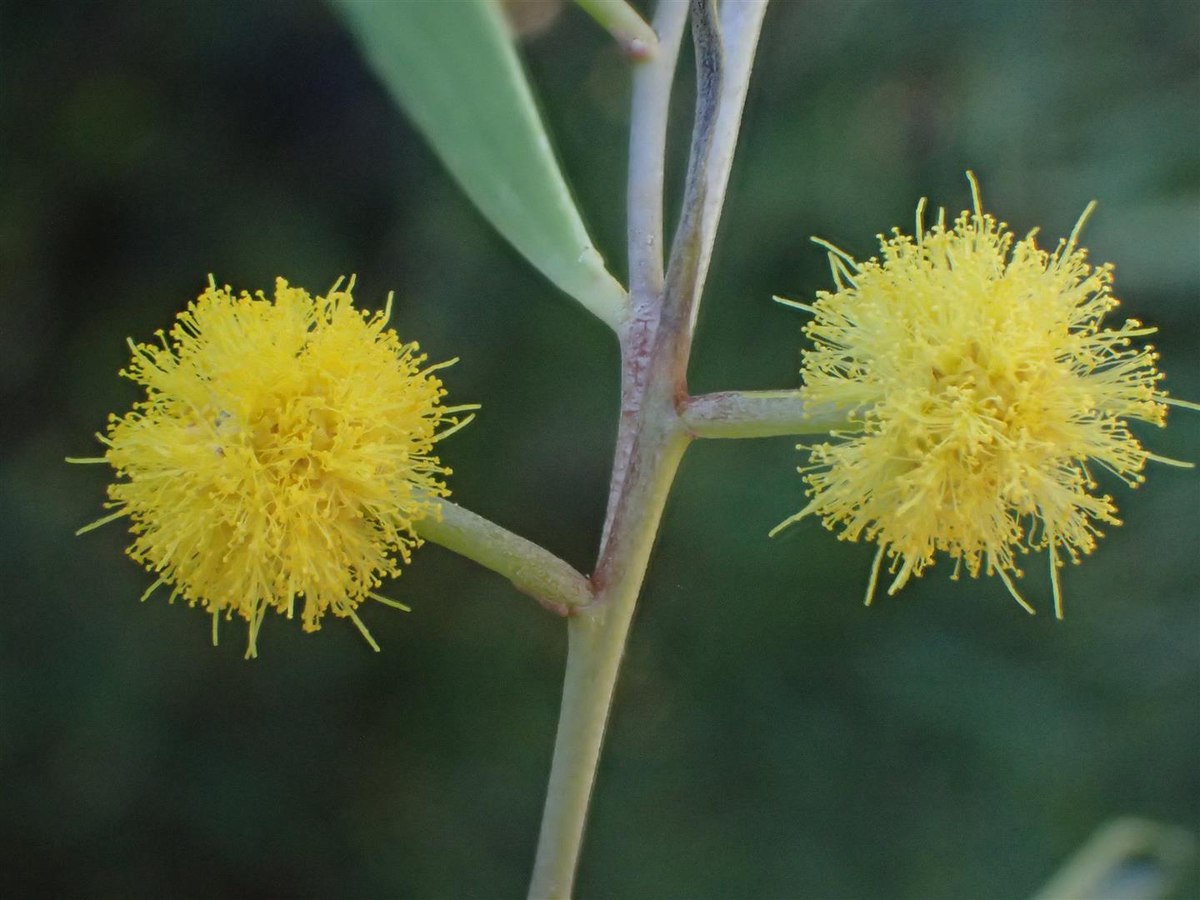
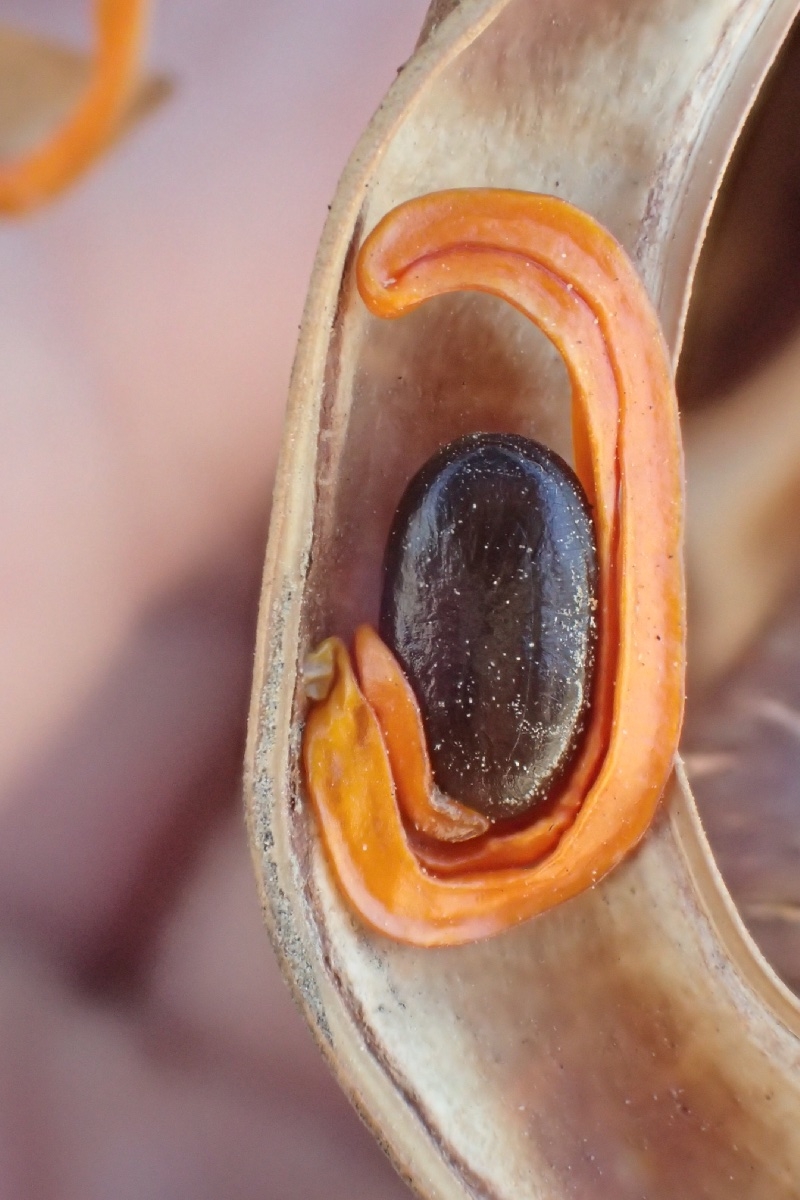
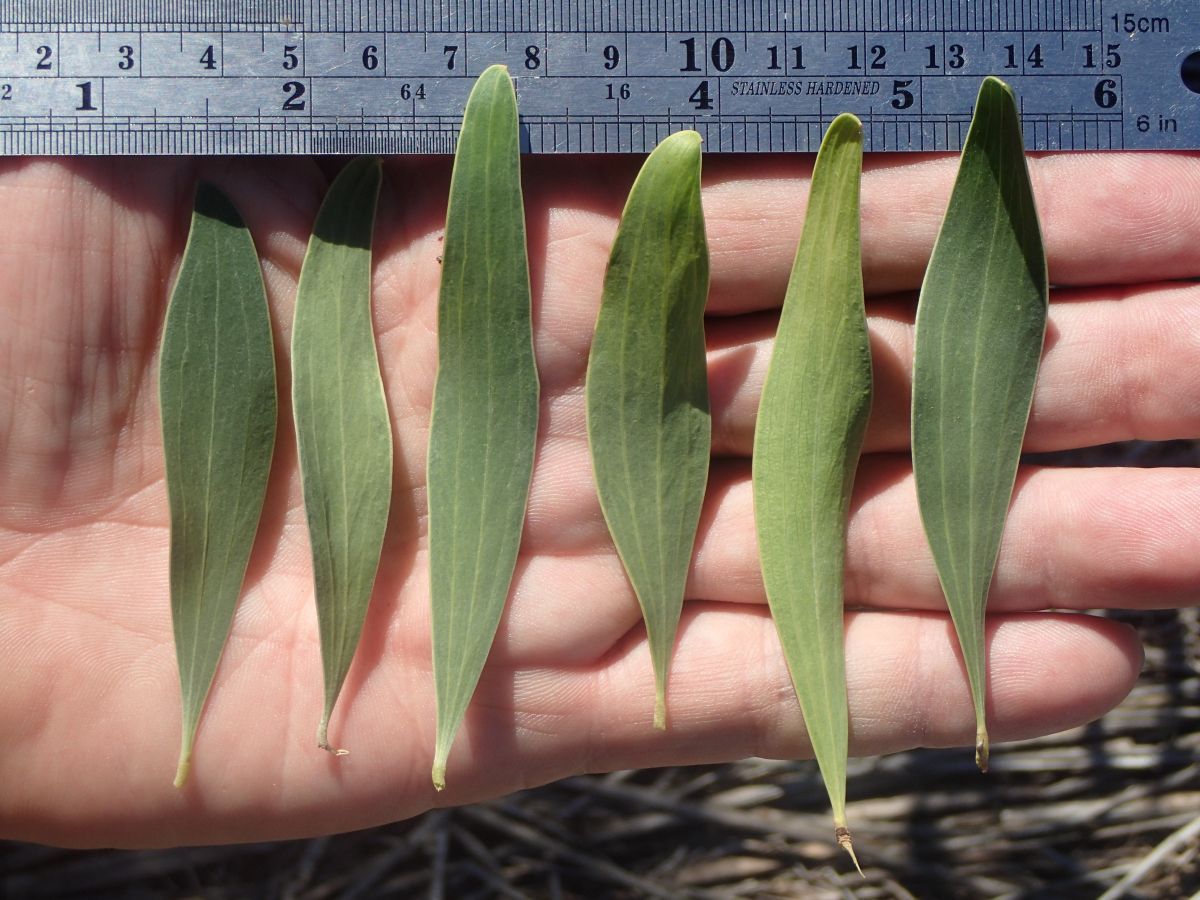
[Cal-IPC] Invasive: Acacia cyclops (cyclops Acacia) is a shrub (family Fabaceae) with golden yellow flowers and narrow leaves found in the coastal ranges and peninsular ranges of California. It is native to Southwestern Australia. It occurs in dunes. Its seeds are dispersed via birds and the germination process may be assisted by the seeds passage through the birds gut.
Cal-IPC Rating: Watch (link added by Mary Ann Machi)
/app/up/gp/44/th/8873.jpg:!/app/up/gp/47/th/9441.jpg:!/app/up/entry/258/th/77496.jpg:!/app/up/entry/67/th/20207.jpg:!/app/up/entry/258/th/77499.jpg:!/app/up/io/368/th/io110429-2.jpg:!/app/up/io/252/th/io75662-0.jpg:!/app/up/io/260/th/io78123-0.jpg:!/app/up/io/260/th/io78123-1.jpg:!/app/up/io/260/th/io78123-2.jpg:!/app/up/io/260/th/io78123-3.jpg:!/app/up/io/368/th/io110429-0.jpg:!/app/up/io/232/th/io69817-2.jpg:!/app/up/io/232/th/io69817-1.jpg:!/app/up/io/232/th/io69817-0.jpg:!/app/up/entry/65/th/19603.jpg:!/app/up/entry/65/th/19602.jpg:!/app/up/entry/366/th/109806.jpg:!/app/up/entry/366/th/109805.jpg:!/app/up/entry/258/th/77505.jpg:!/app/up/entry/258/th/77498.jpg:!/app/up/io/368/th/io110429-3.jpg:!
2018 Ron Vanderhoff:!2018 Ron Vanderhoff:!2021 Ron Vanderhoff:!2018 Ron Vanderhoff:!2021 Ron Vanderhoff:!2023 Ron Vanderhoff:!2022 Ron Vanderhoff:!2022 Ron Vanderhoff:!2022 Ron Vanderhoff:!2022 Ron Vanderhoff:!2022 Ron Vanderhoff:!2023 Ron Vanderhoff:!2022 Daniel Huynh:!2022 Daniel Huynh:!2022 Daniel Huynh:!2018 Joan Miller:!2018 Joan Miller:!2021 Ron Vanderhoff:!2021 Ron Vanderhoff:!2021 Ron Vanderhoff:!2021 Ron Vanderhoff:!2023 Ron Vanderhoff:!
gp8873:!gp9441:!mu11400:!gp9441:!mu11400:!io110429:!io75662:!io78123:!io78123:!io78123:!io78123:!io110429:!io69817:!io69817:!io69817:!po94762:!po94762:!mu20292:!mu20292:!mu11400:!mu11400:!io110429:!
Suggested Citation
Calflora:
Information on California plants for education, research and conservation,
with data contributed by
public and private institutions and individuals.
[web application]. 2024. Berkeley, California:The Calflora Database
[a non-profit organization].Available:
https://www.calflora.org/(Accessed: 10/22/2024).

 one or more occurrences