2016 Steve Matson 2016 Steve Matson 2016 Steve Matson 2023 Diana Wahl 2020 Woody Elliott 2016 Steve Matson 2022 Mike Russler 2018 Cynthia Powell 2018 Brian Charles 2019 Tatiana Manzanillo 2020 Woody Elliott 2020 Tatiana Manzanillo 2021 David Greenberger 2022 Mike Russler 2022 David Strauch 2022 Mike Russler 2022 Mike Russler 2022 Mike Russler 2022 Mike Russler 2022 Mike Russler 2022 Mike Russler 2019 Mary Gerbic 2022 David Strauch 2022 Zoya Akulova
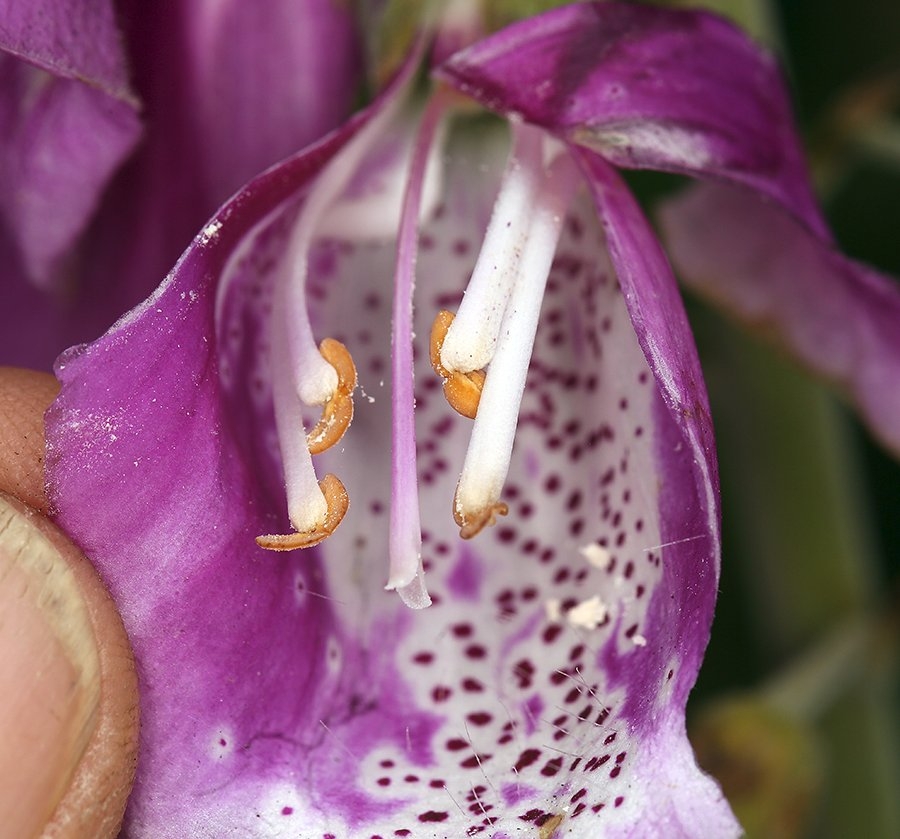
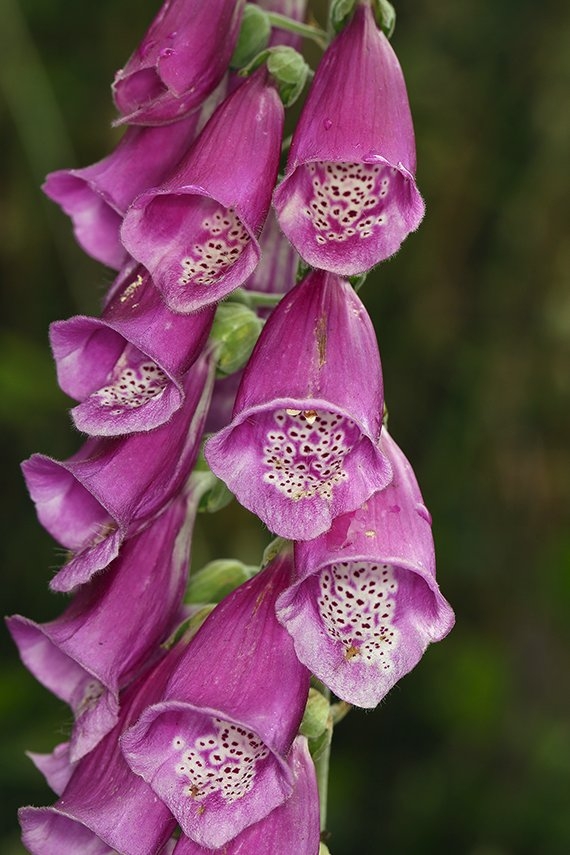
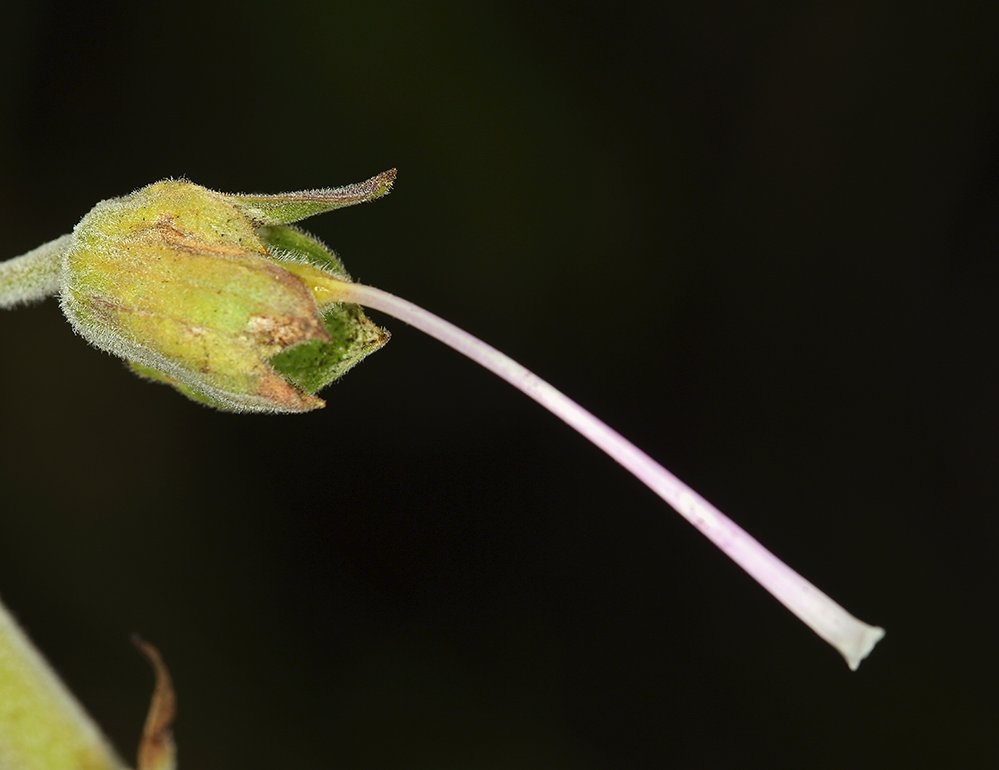
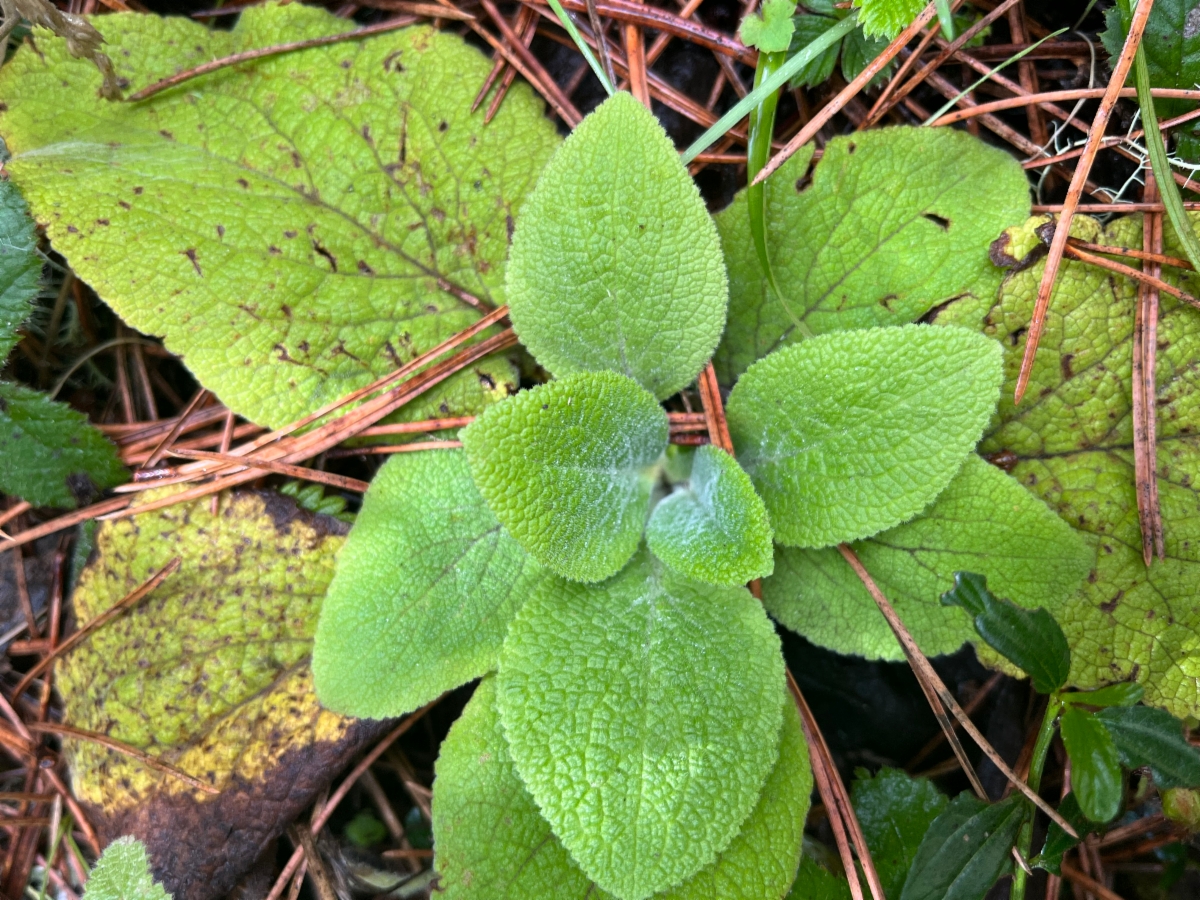
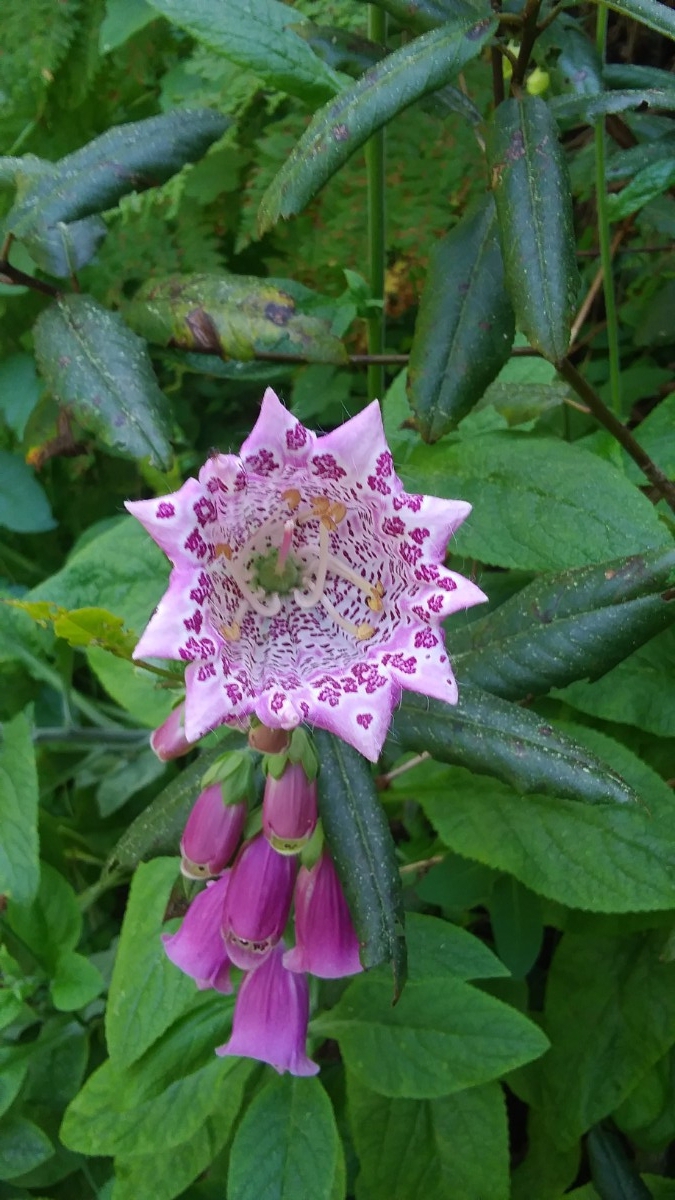
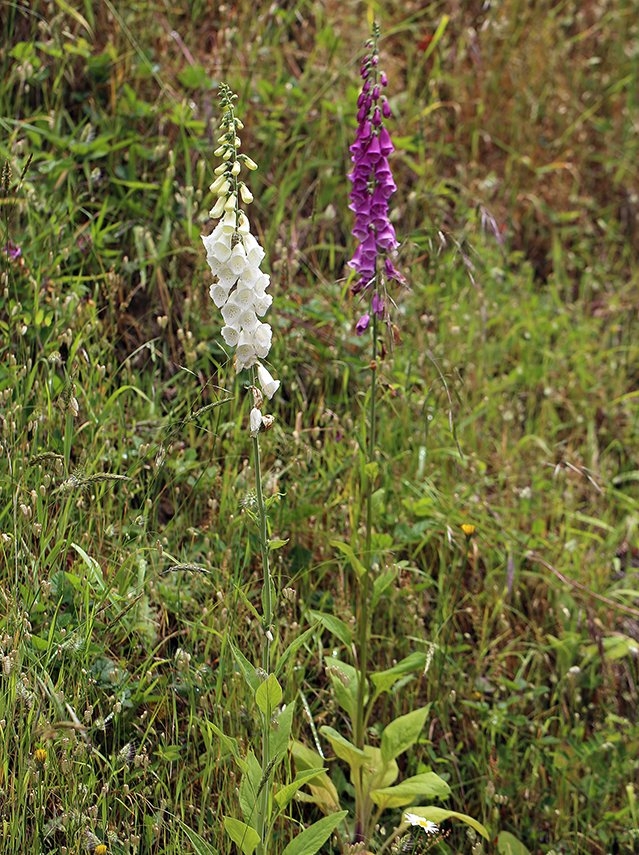
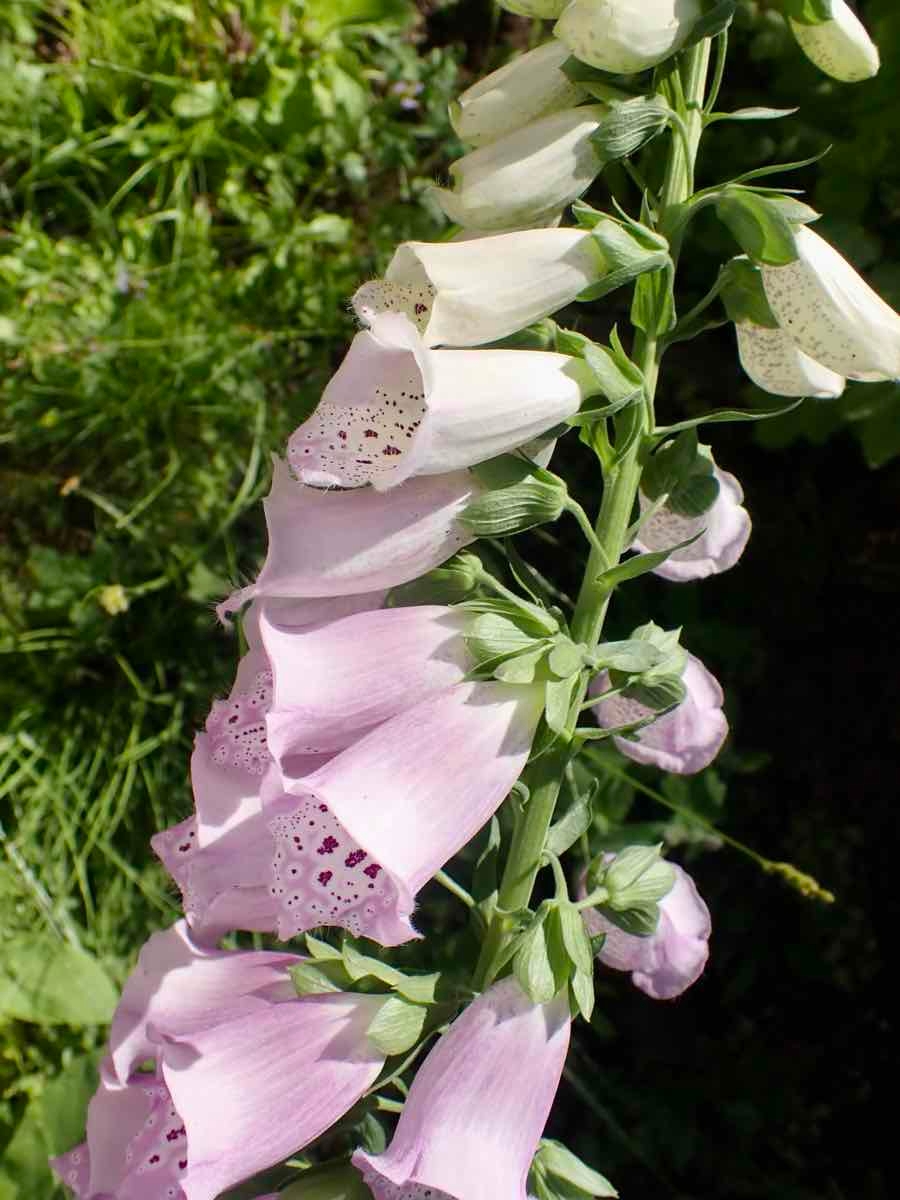
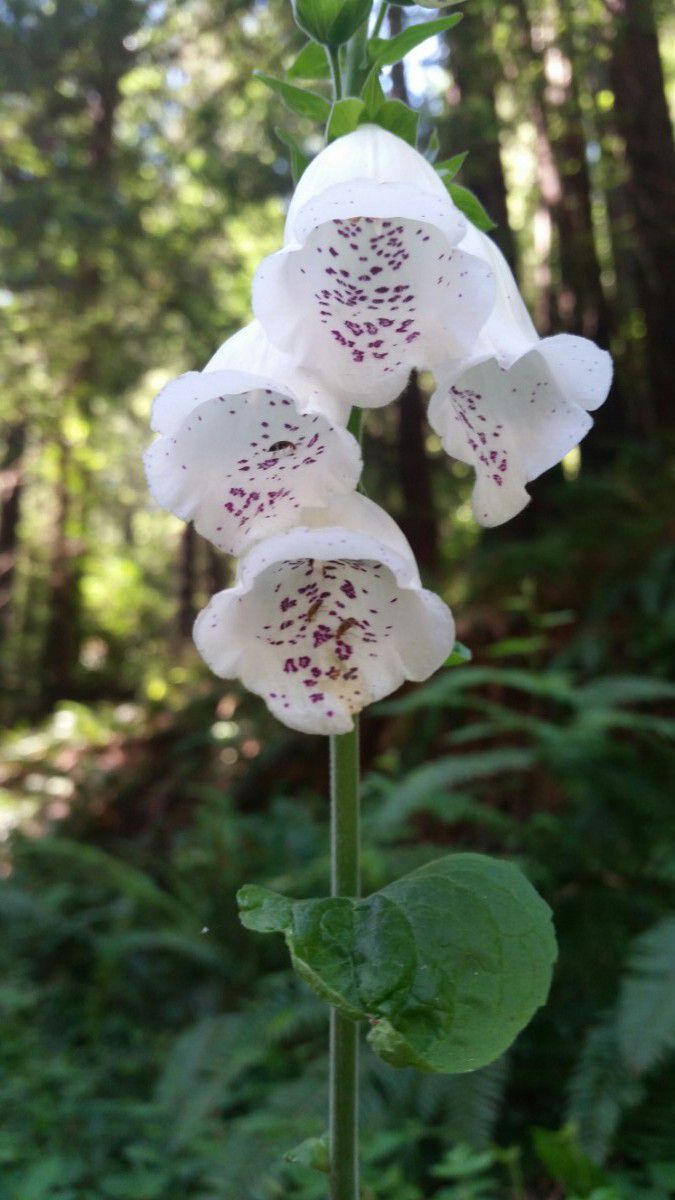
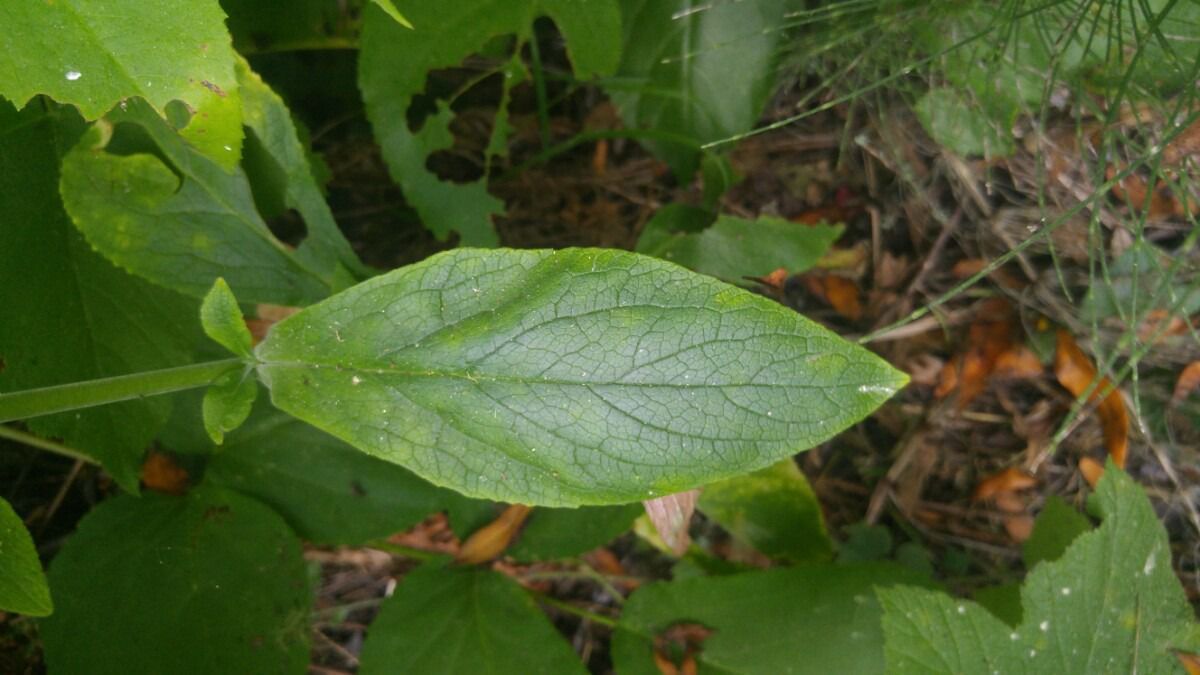
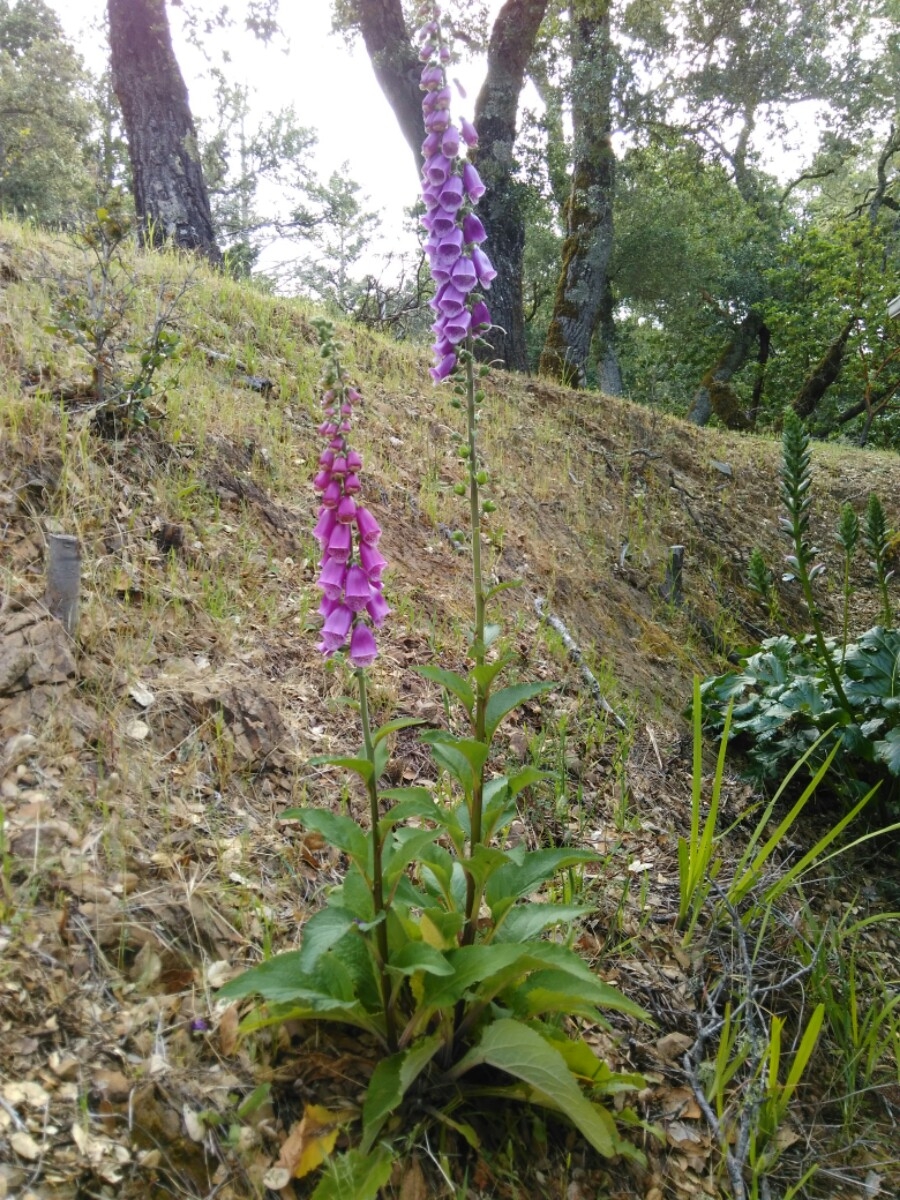
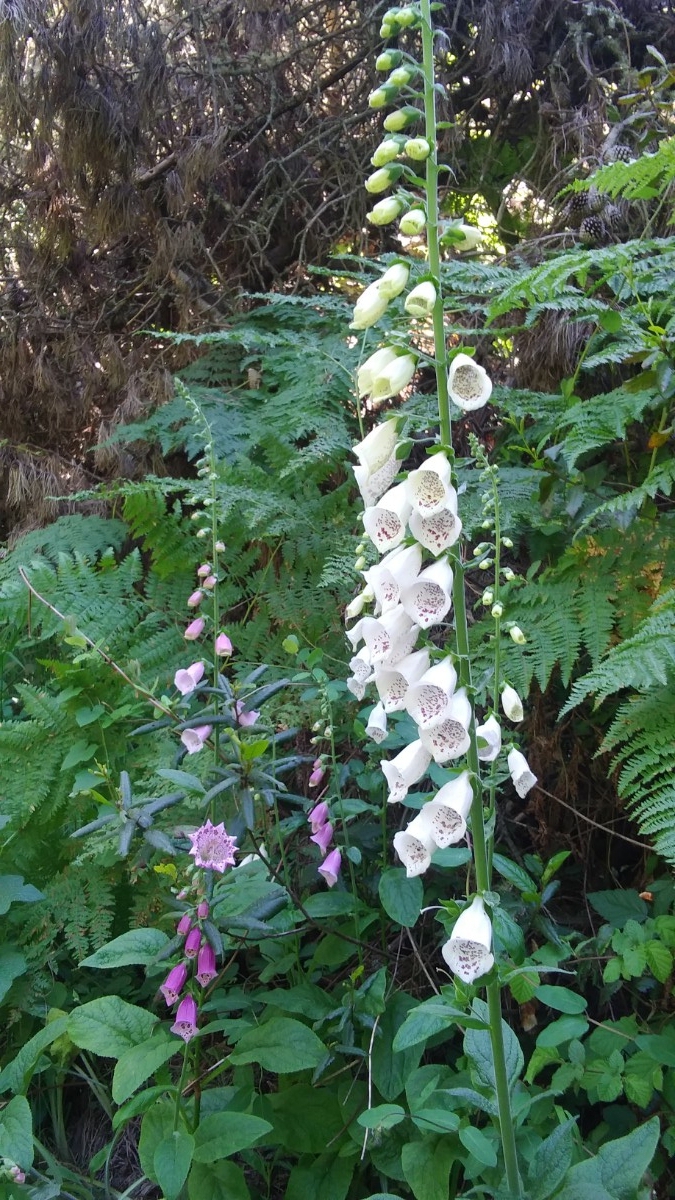
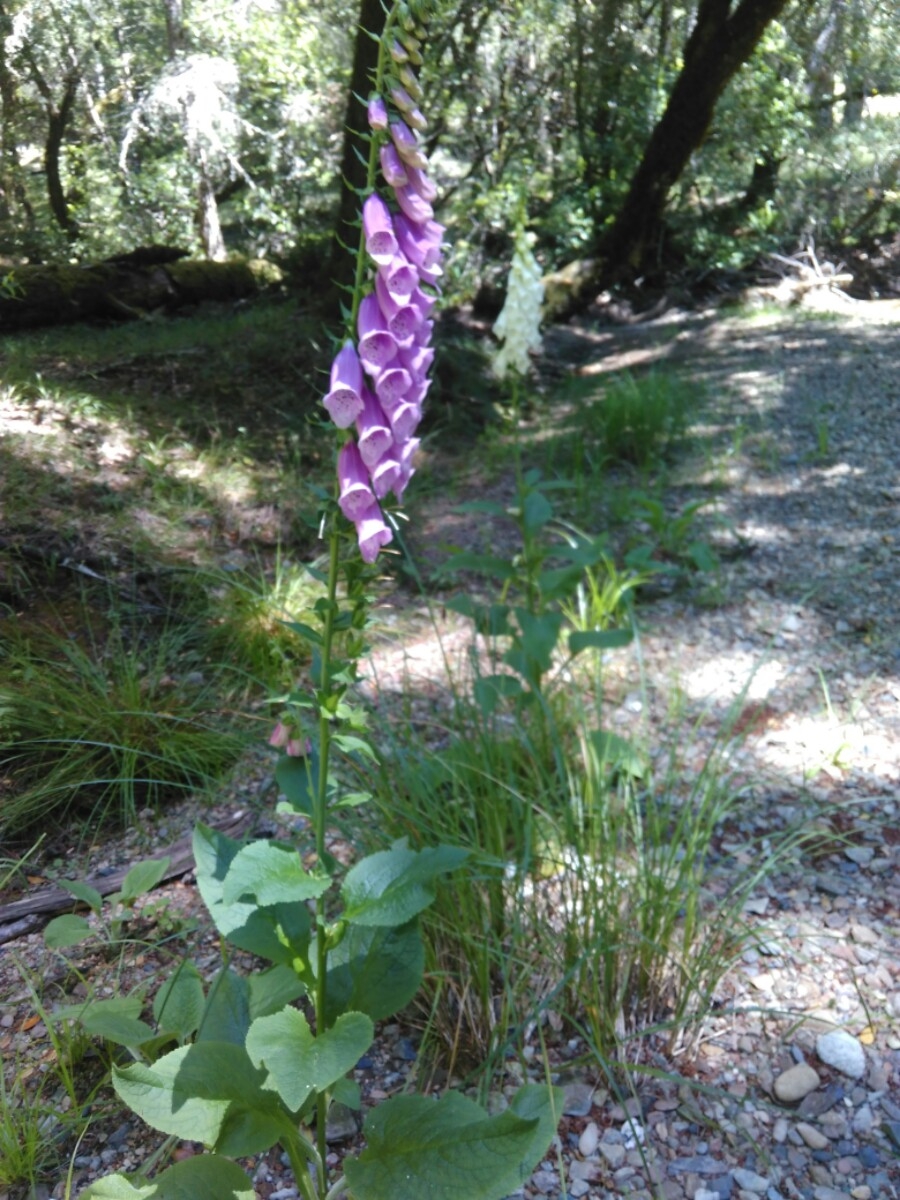
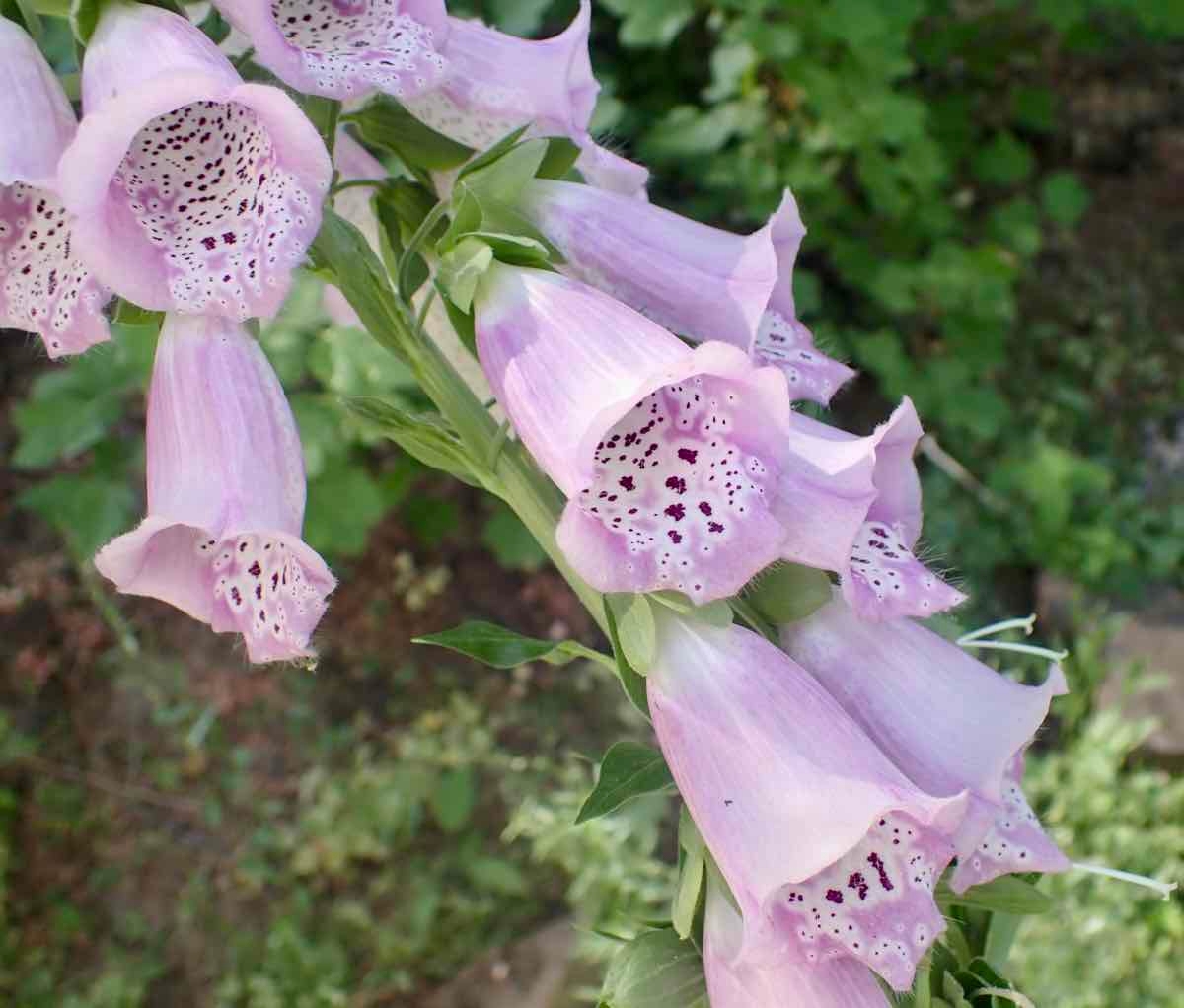
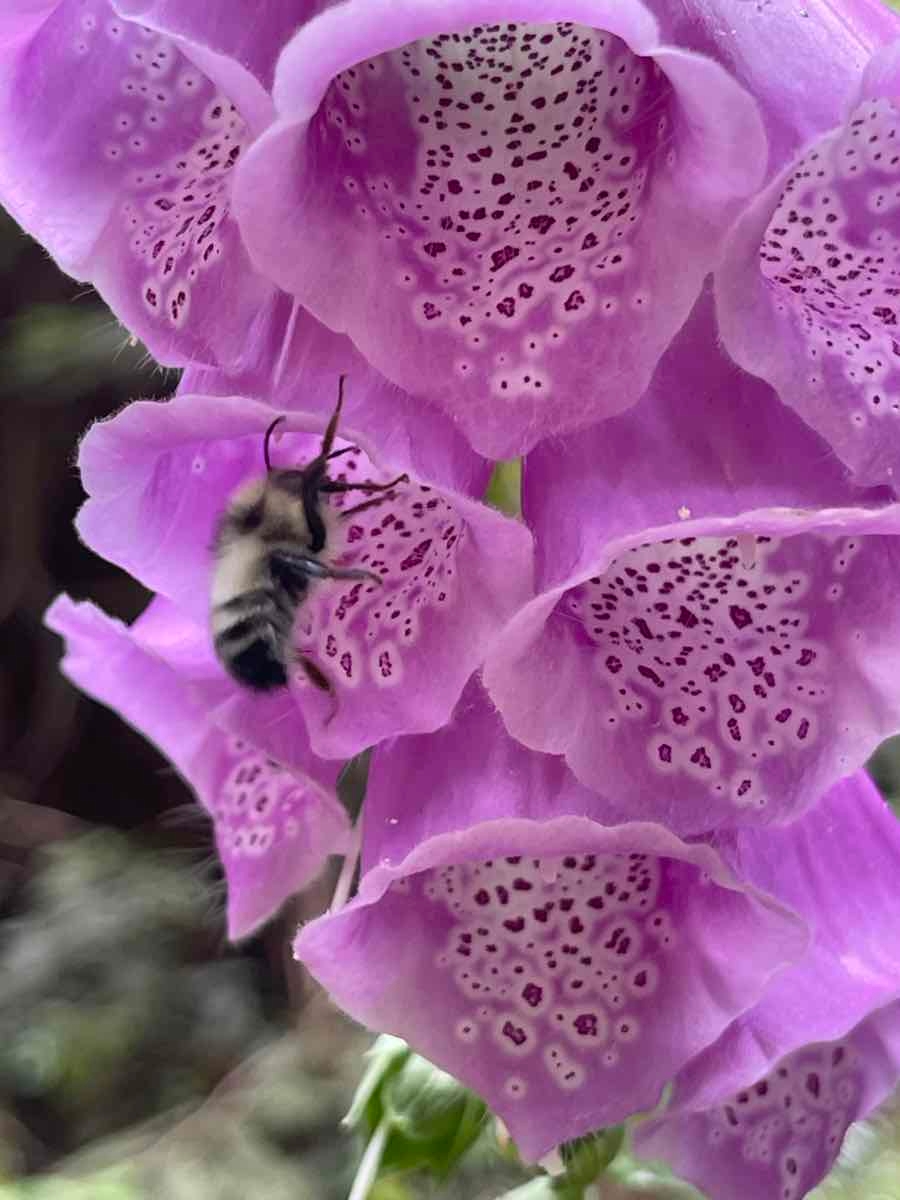
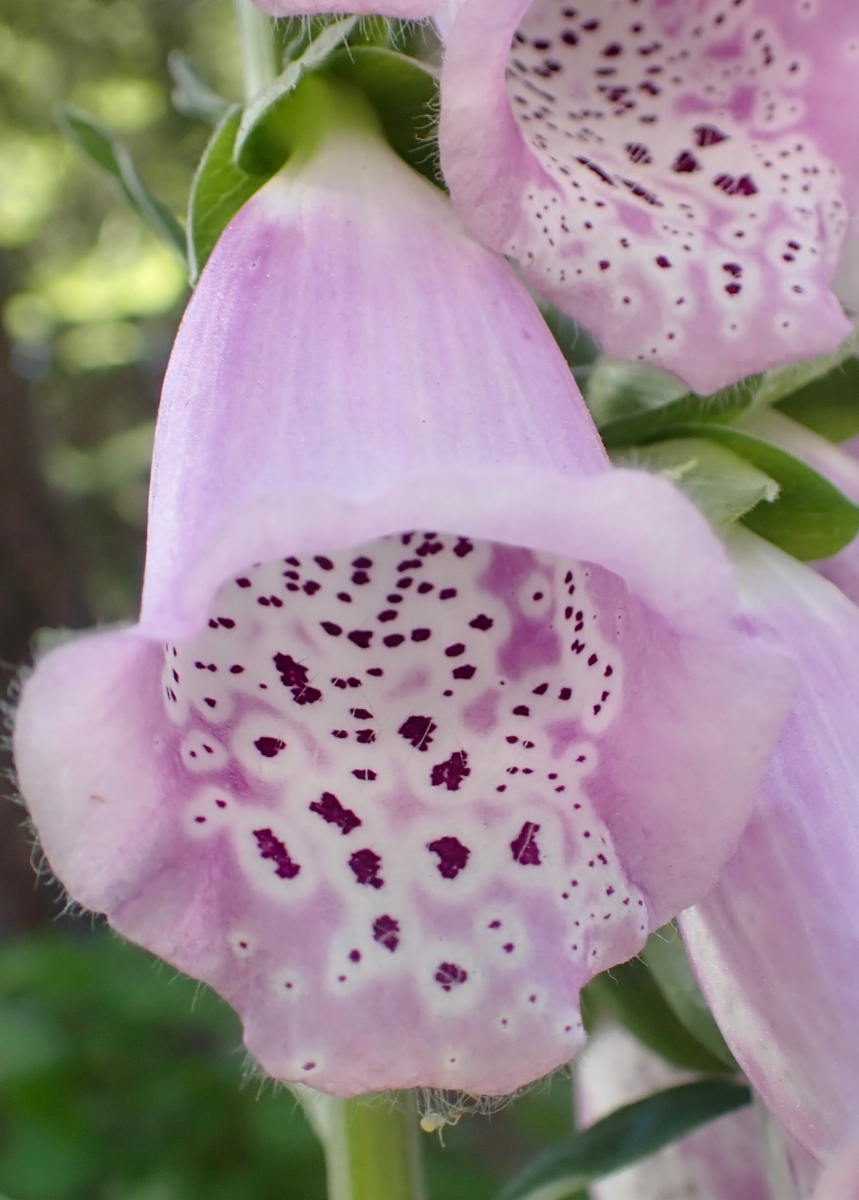
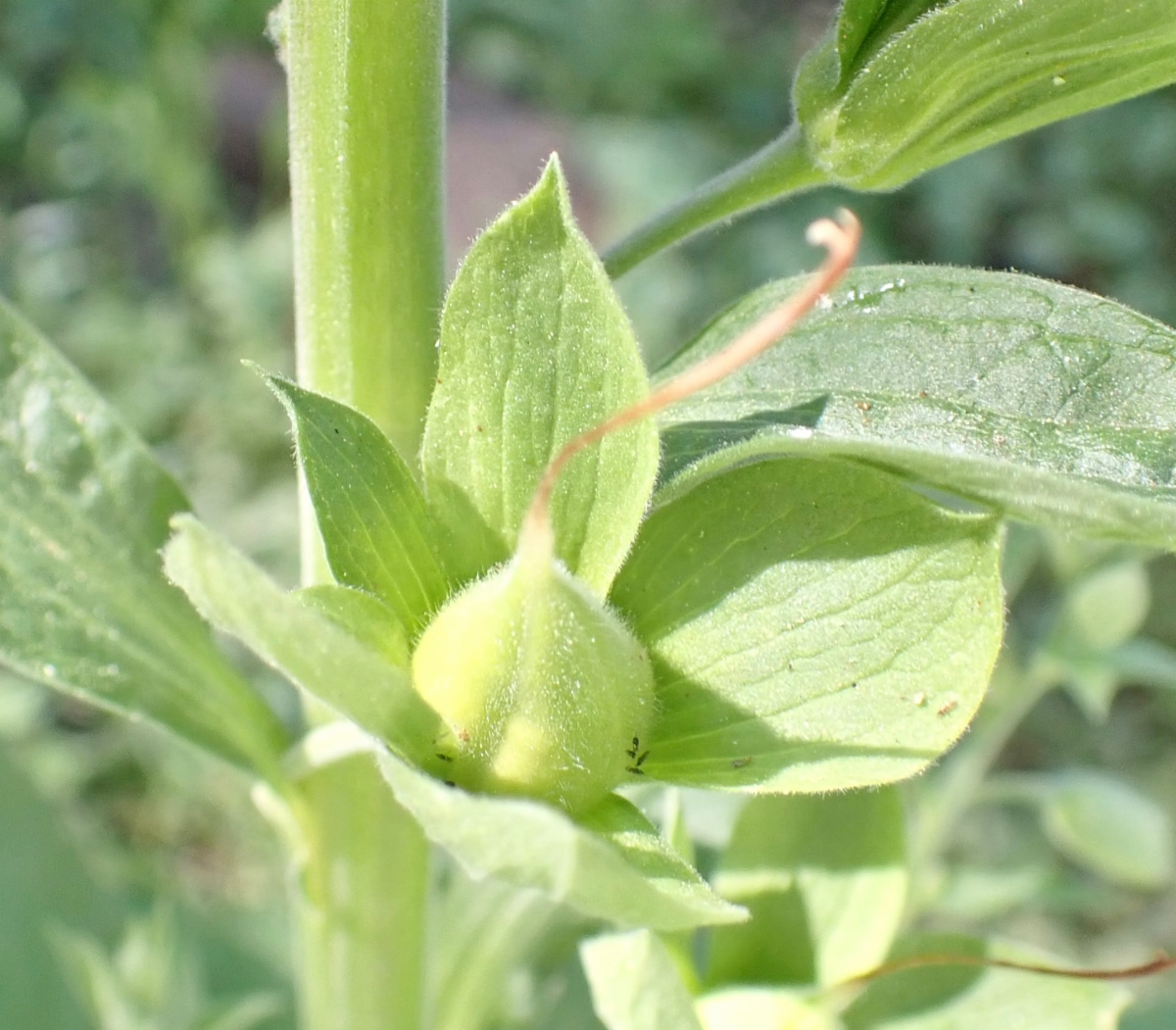
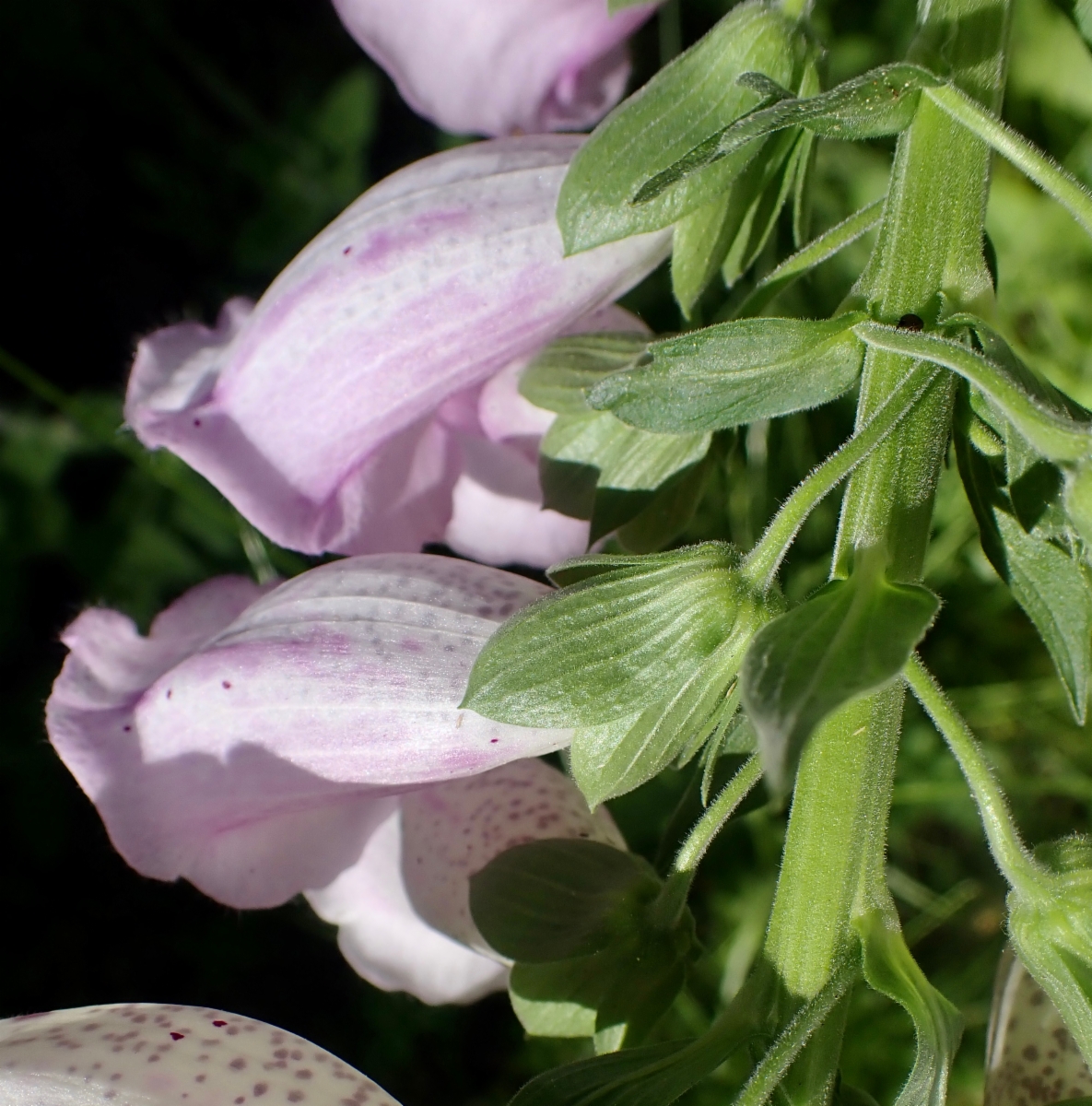
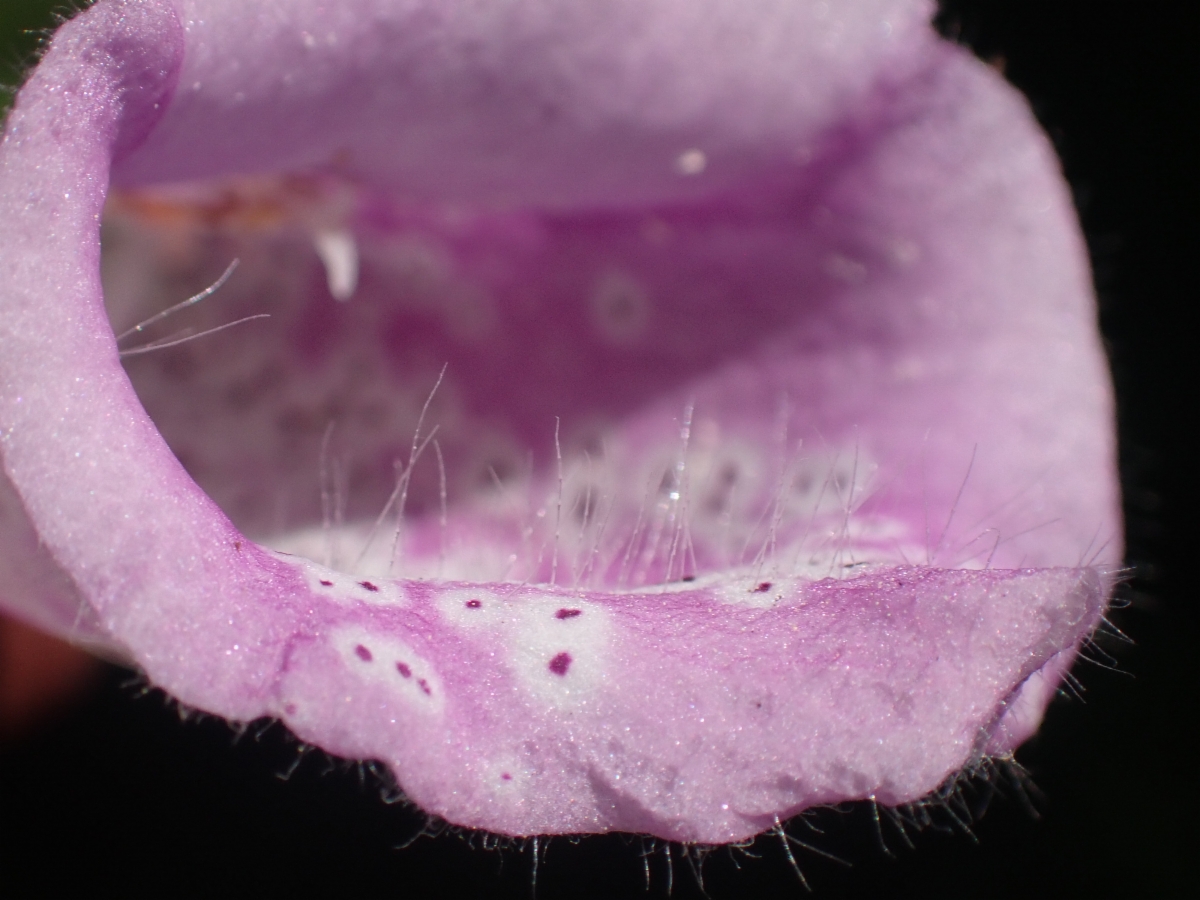
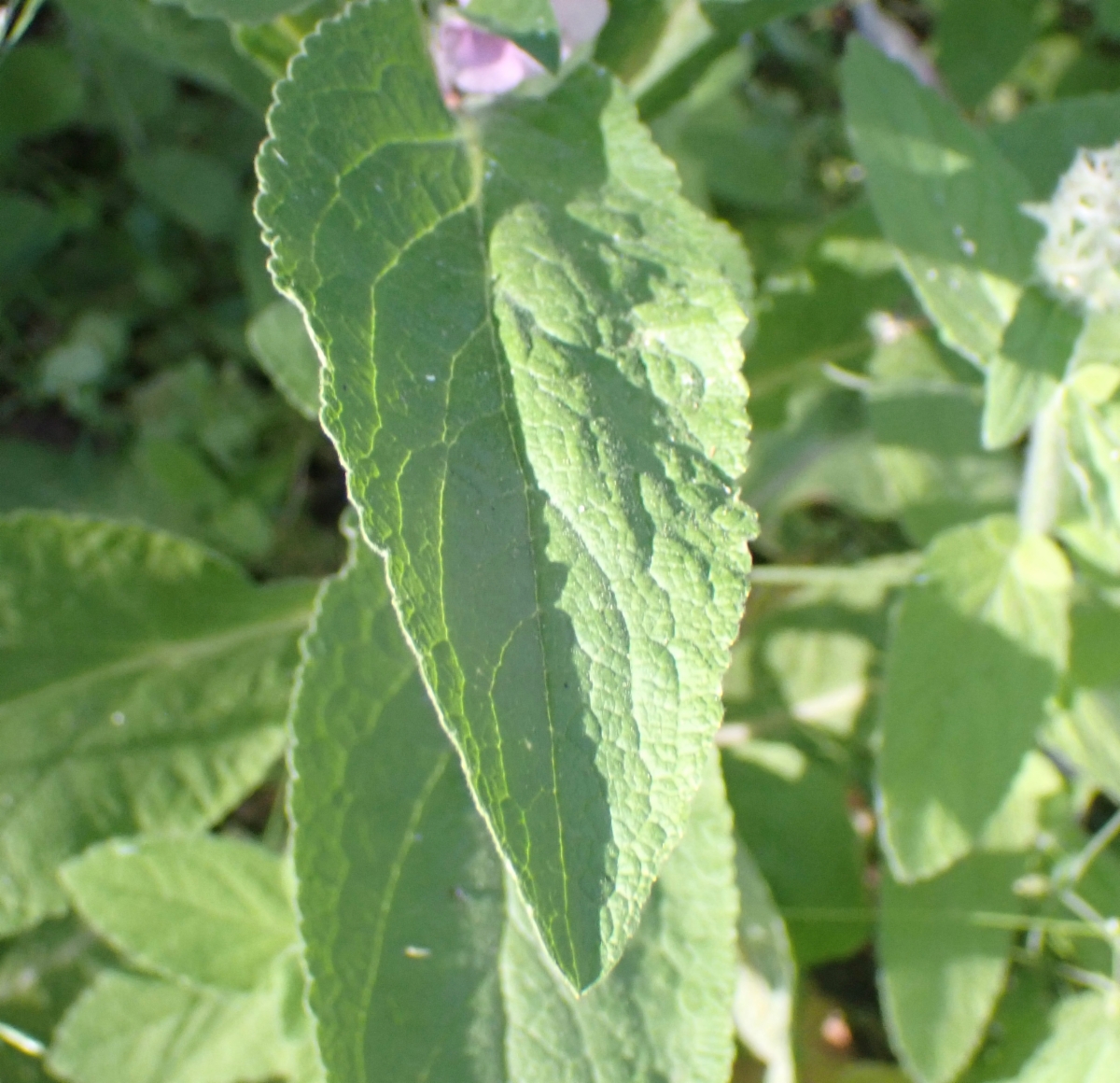
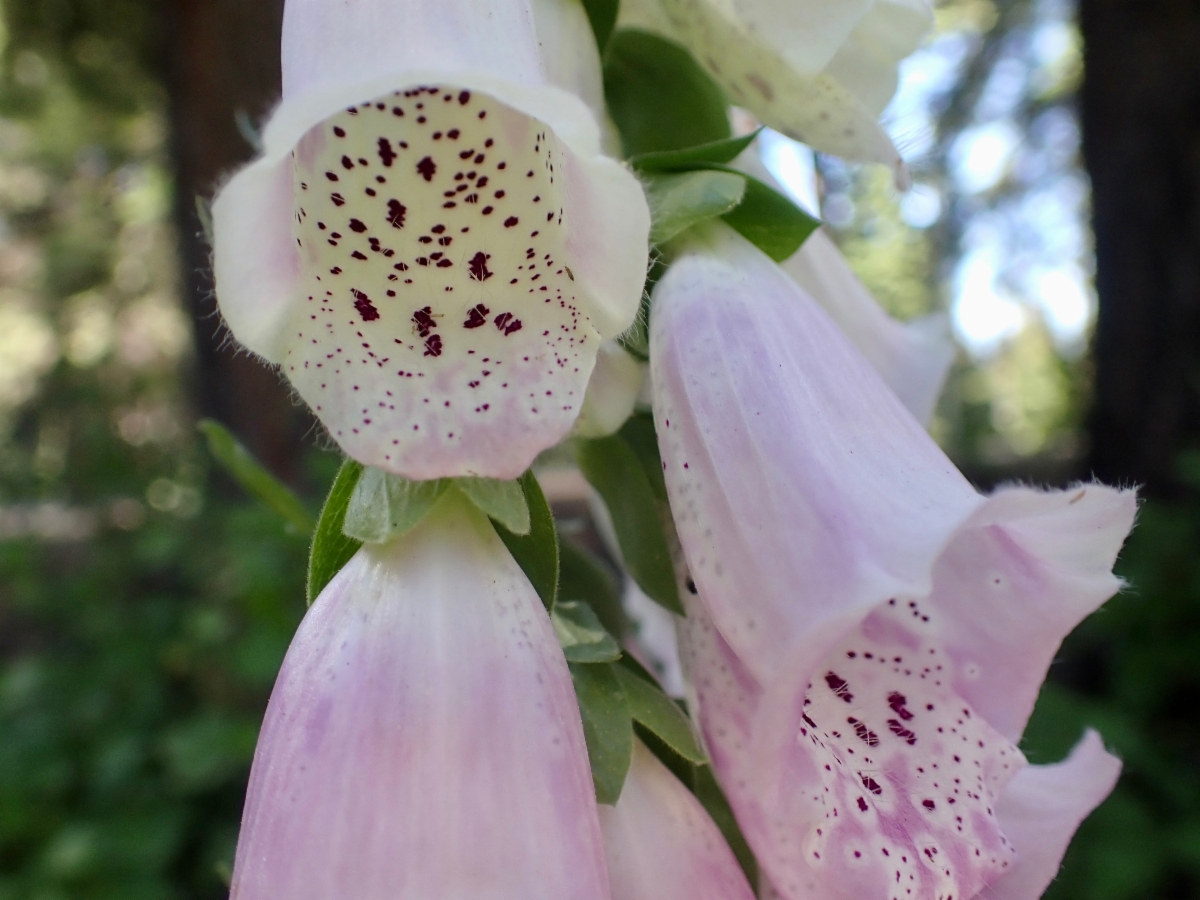
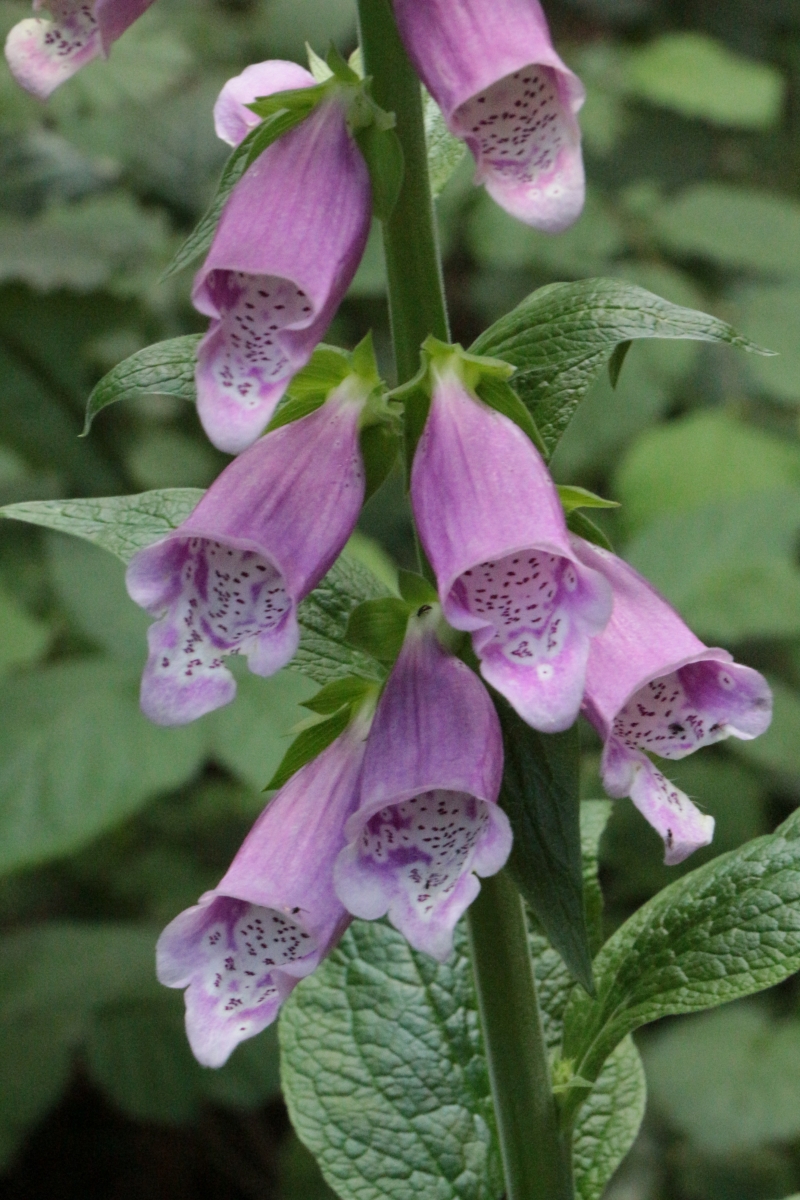
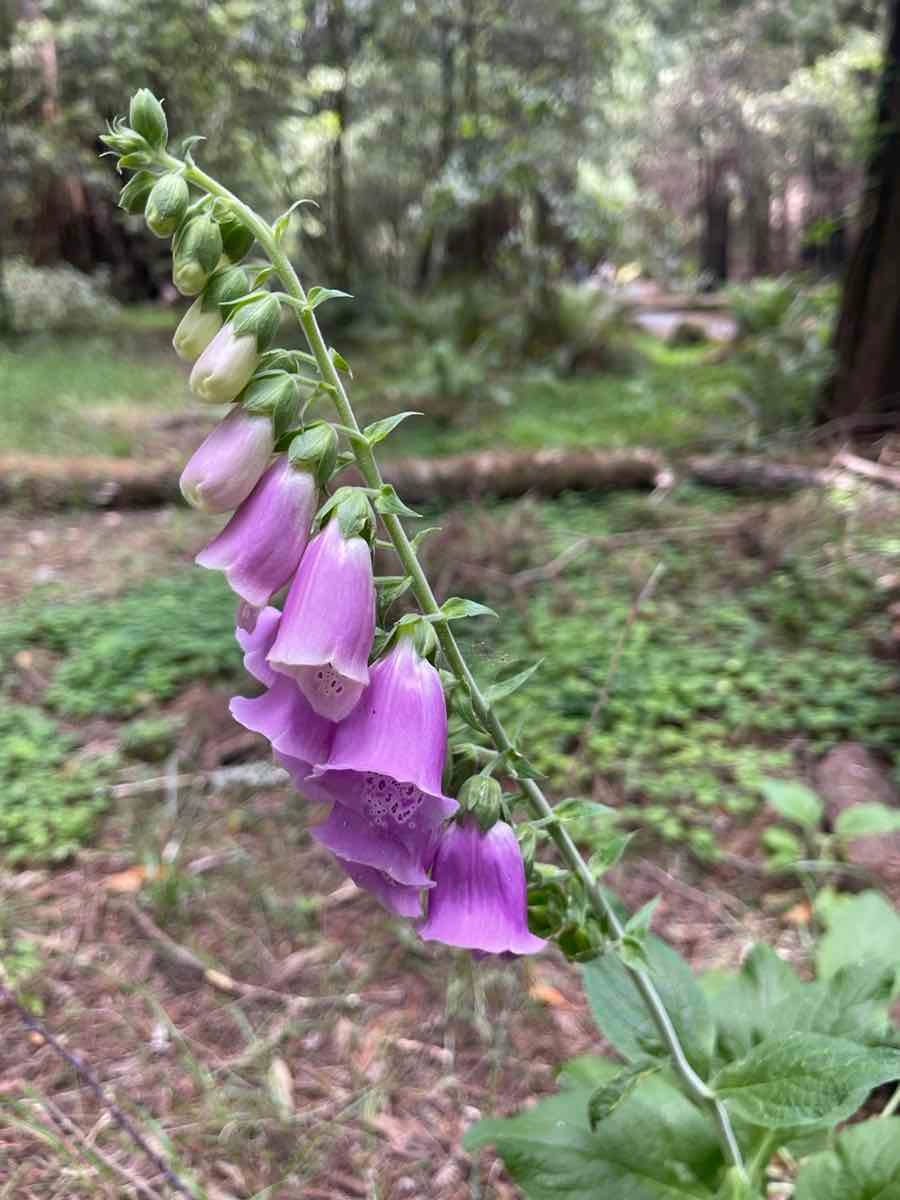
Digitalis purpurea is a perennial herb that is not native to California.
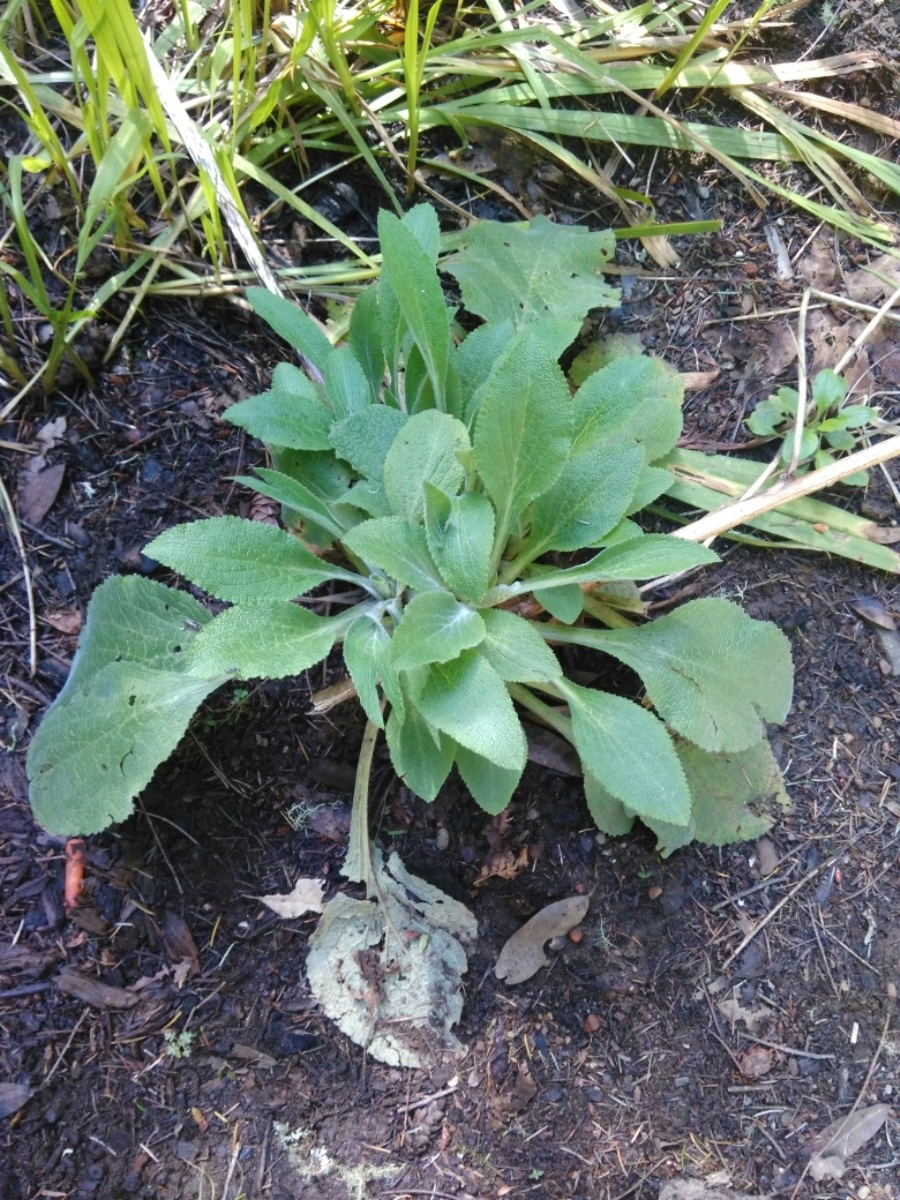
[Wikipedia] Europe native: Digitalis purpurea, the foxglove or common foxglove, is a poisonous species of flowering plant in the plantain family Plantaginaceae,[2] native to and widespread throughout most of temperate Europe.[3] It has also naturalised in parts of North America and some other temperate regions. The plant is a popular garden subject, with many cultivars available. It is the original source of the heart medicine digoxin (also called digitalis or digitalin). This biennial plant grows as a rosette of leaves in the first year after sowing, before flowering and then dying in the second year (i.e. it is monocarpic). It generally produces enough seeds, however, so that new plants will continue to grow in a garden setting. (link added by Mary Ann Machi)
[Cal-IPC] Invasiveness: Digitalis purpurea (foxglove) is an erect, knee-high to head-high herbaceous perennial (family Scrophulariaceae) found along the central and northern California coast and in Sierra Nevada foothills, infesting moist meadows and roadsides. All parts of the plant are toxic. It readily colonizes areas of soil disturbance, forming dense patches that displace natural vegetation. (link added by Mary Ann Machi)
/app/up/entry/265/th/79698.jpg:!/app/up/entry/265/th/79697.jpg:!/app/up/entry/265/th/79696.jpg:!/app/up/entry/515/th/154511.jpg:!/app/up/mg/372/th/mg111761-2.jpg?a:!/app/up/entry/265/th/79699.jpg:!/app/up/io/244/th/io73200-0.jpg:!/app/up/mg/216/th/mg65053-1.jpg:!/app/up/mg/245/th/mg73778-0.jpg:!/app/up/mg/289/th/mg86964-0.jpg:!/app/up/mg/372/th/mg111761-0.jpg?c:!/app/up/mg/387/th/mg116212-0.jpg:!/app/up/mg/429/th/mg128979-0.jpg:!/app/up/io/243/th/io73199-0.jpg:!/app/up/io/232/th/io69772-2.jpg:!/app/up/entry/442/th/132686.jpg:!/app/up/entry/442/th/132687.jpg:!/app/up/entry/442/th/132689.jpg:!/app/up/entry/442/th/132690.jpg:!/app/up/entry/442/th/132691.jpg:!/app/up/entry/442/th/132692.jpg:!/app/up/entry/95/th/28651.jpg:!/app/up/io/232/th/io69772-0.jpg:!0000 0000 0622 0618:!
2016 Steve Matson:!2016 Steve Matson:!2016 Steve Matson:!2023 Diana Wahl:!2020 Woody Elliott:!2016 Steve Matson:!2022 Mike Russler:!2018 Cynthia Powell:!2018 Brian Charles:!2019 Tatiana Manzanillo:!2020 Woody Elliott:!2020 Tatiana Manzanillo:!2021 David Greenberger:!2022 Mike Russler:!2022 David Strauch:!2022 Mike Russler:!2022 Mike Russler:!2022 Mike Russler:!2022 Mike Russler:!2022 Mike Russler:!2022 Mike Russler:!2019 Mary Gerbic:!2022 David Strauch:!2022 Zoya Akulova:!
mu12111:!mu12111:!mu12111:!po246382:!mg111761:!mu12111:!io73200:!mg65053:!mg73778:!mg86964:!mg111761:!mg116212:!mg128979:!io73199:!io69772:!io73199:!io73199:!io73200:!io73200:!io73200:!io73200:!po133482:!io69772:!null:!
Suggested Citation
Calflora:
Information on California plants for education, research and conservation,
with data contributed by
public and private institutions and individuals.
[web application]. 2024. Berkeley, California:The Calflora Database
[a non-profit organization].Available:
https://www.calflora.org/(Accessed: 10/22/2024).
 one or more occurrences