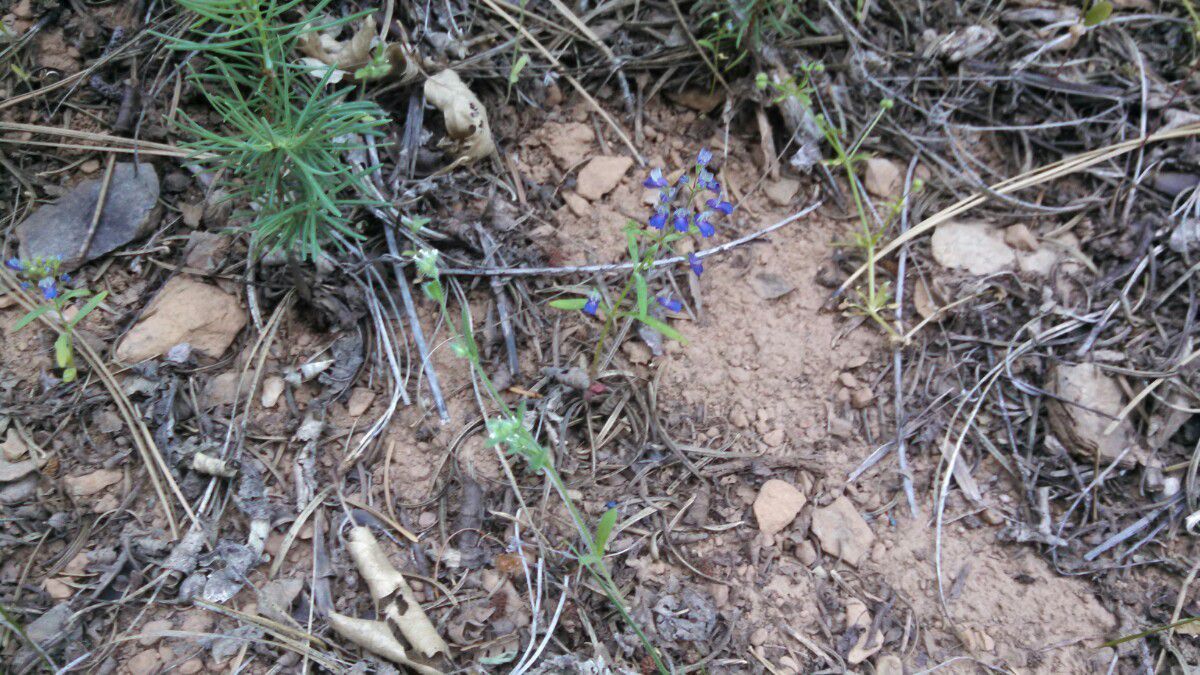
Rattan's blue eyed mary, Rattan's collinsia, Sticky blue eyed mary
2017 David popp 2008 Keir Morse 2004 Sheli Wingo 2022 Ryan O'Dell 2020 David popp 2017 David popp 2018 David popp 2024 Ryan O'Dell 2015 John Doyen 2008 Keir Morse 2014 David popp
Collinsia rattanii is an annual herb that is native to California, and also found elsewhere in western North America.
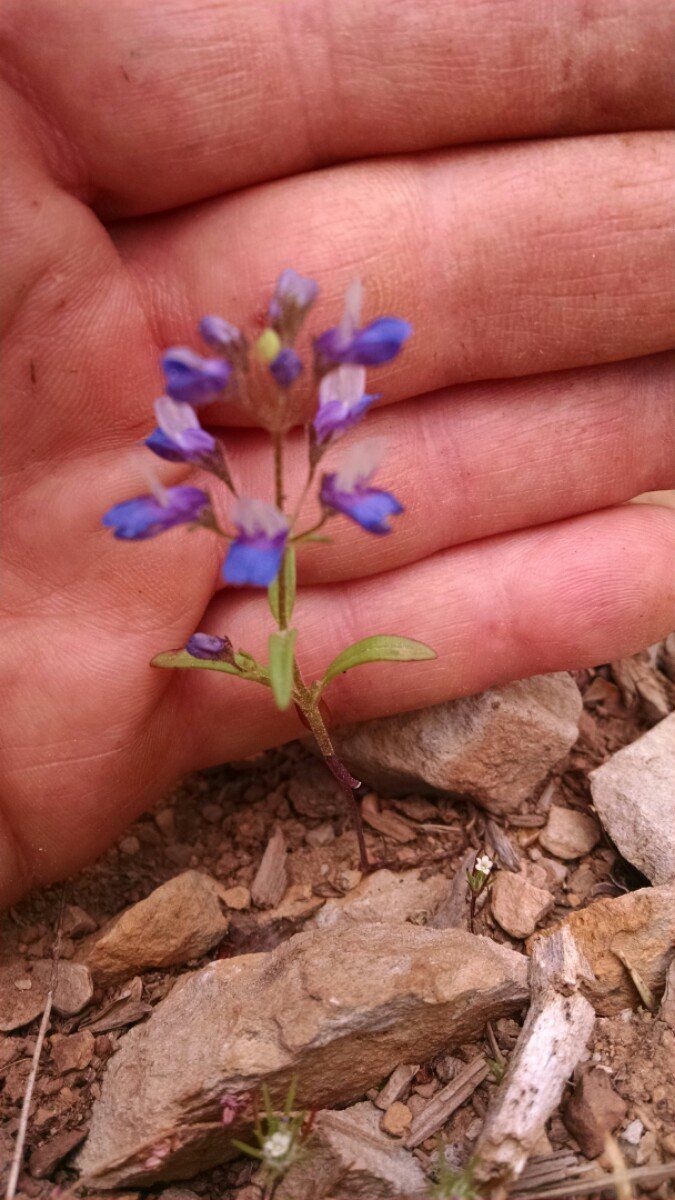
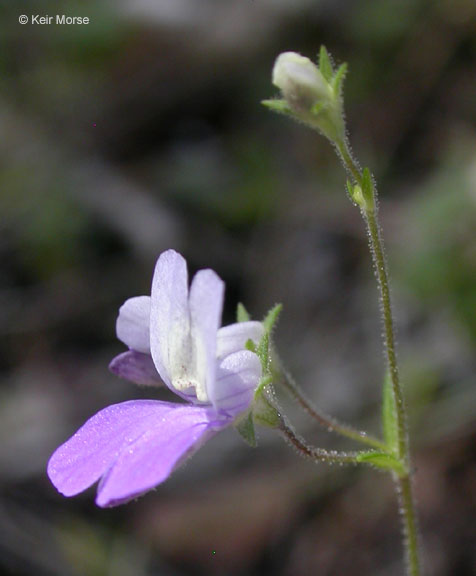
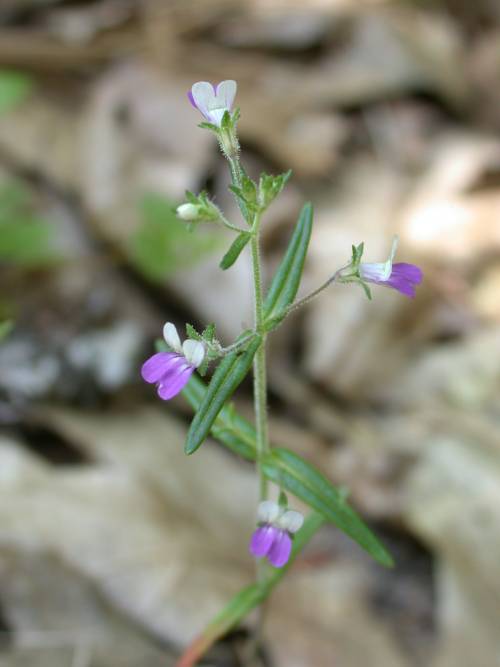
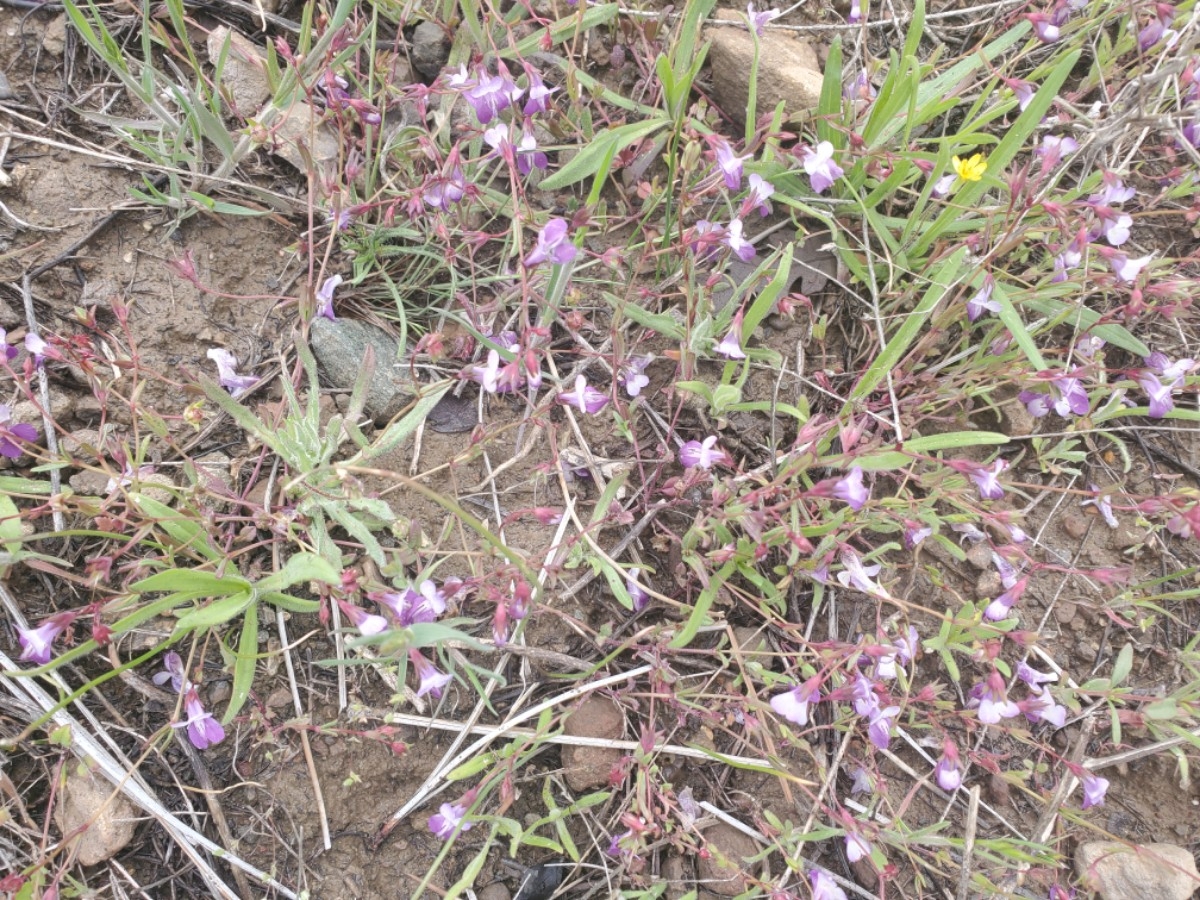
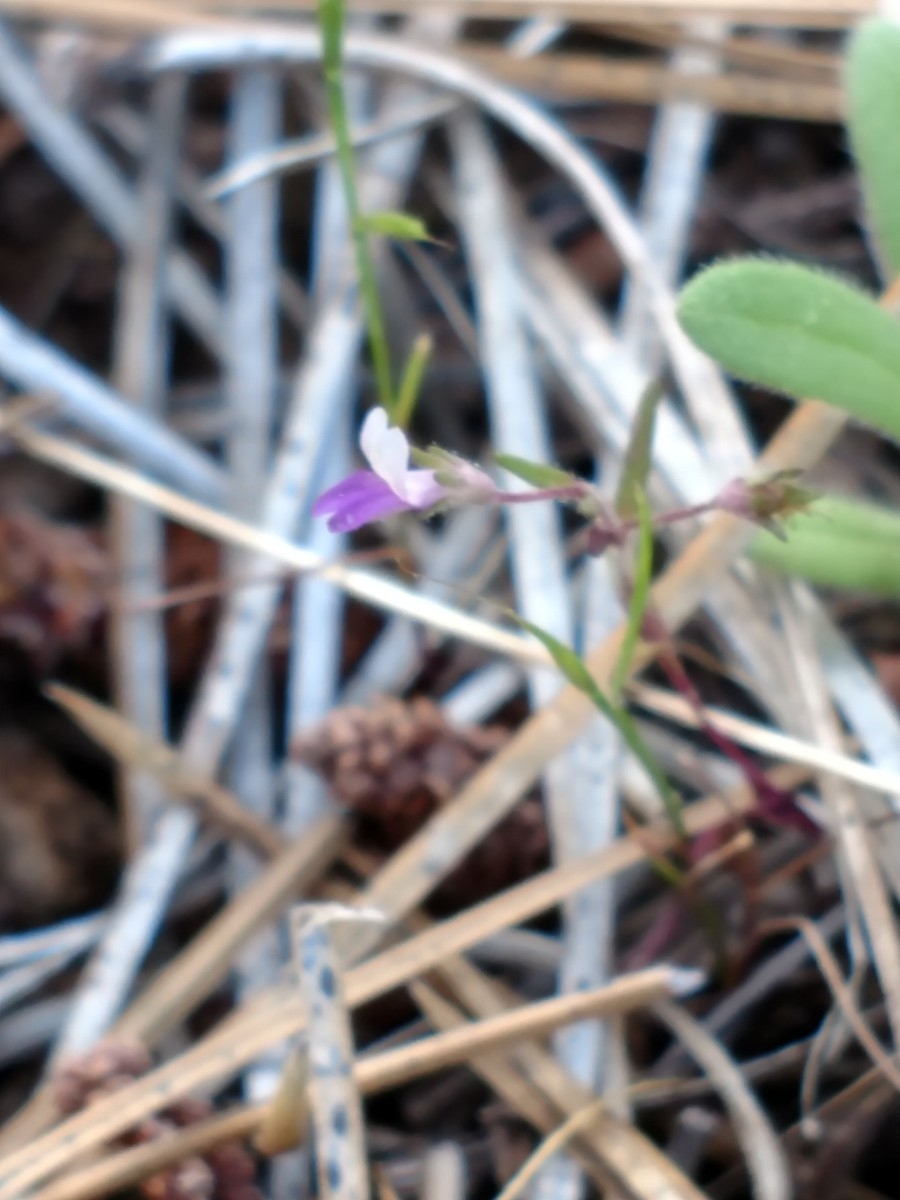
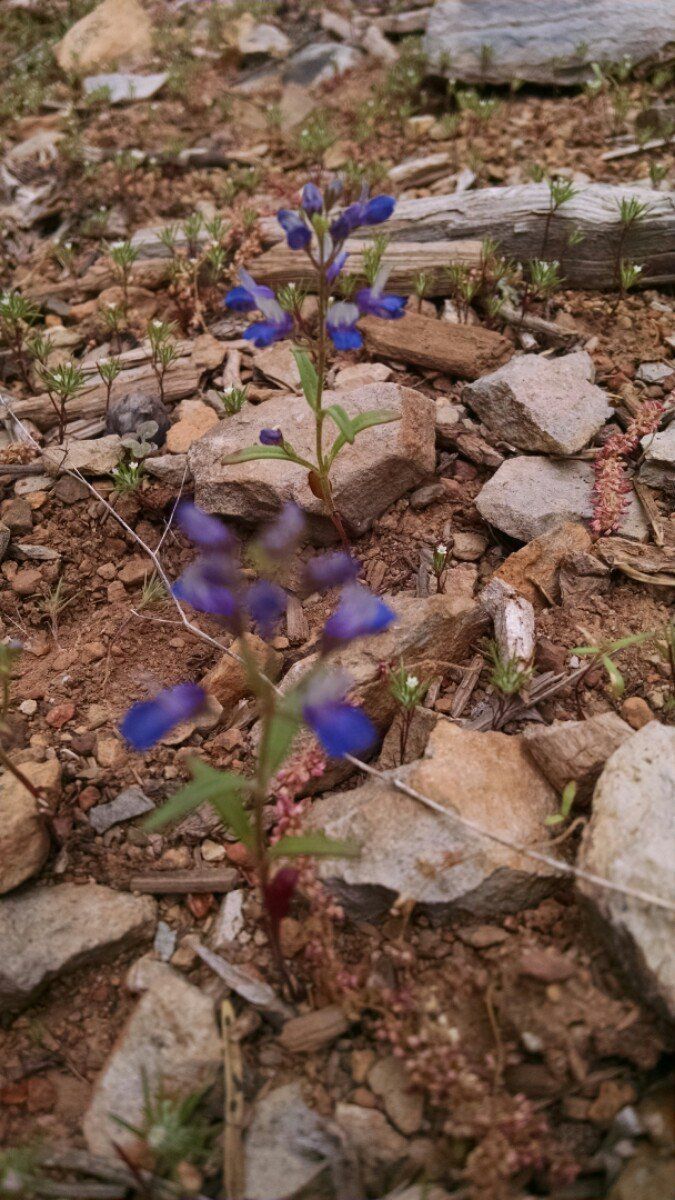
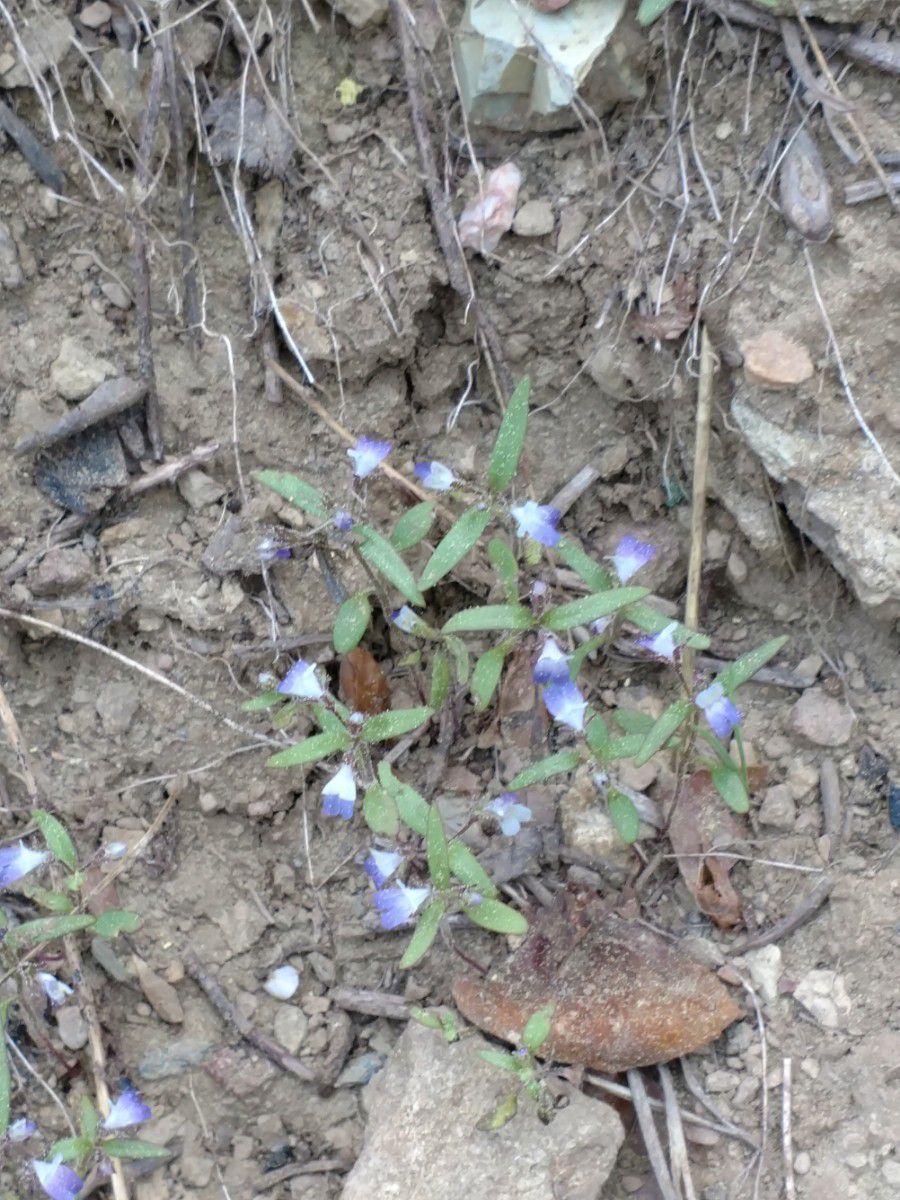
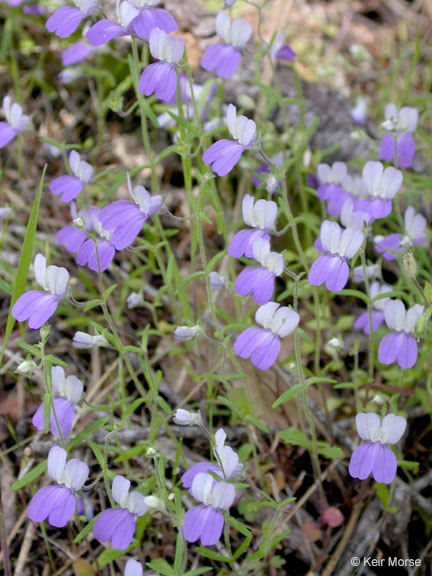
[Wikipedia] Range, Description: Collinsia rattanii is a species of flowering plant in the plantain family known by the common name sticky blue-eyed Mary. It is native to the coniferous forests of the Pacific Northwest of the United States from Washington to northern California. It is an annual herb growing up to 40 centimeters tall with linear leaves rolled under along the edges. The leaves are hairy on the upper surface and hairless and purple-tinted underneath. The inflorescence is coated in sticky glandular hairs. It has a series of nodes from which arise one to five flowers each on pedicels. The flower is only 4 to 8 millimeters long, with two mostly white upper lobes and three mostly purple lower lobes. (link added by Mary Ann Machi)
/app/up/mg/146/th/mg43857-1.jpg:!0000 0000 1208 0351:!0000 0000 0804 0224:!/app/up/mg/539/th/mg161918-0.jpg:!/app/up/mg/385/th/mg115599-0.jpg:!/app/up/mg/146/th/mg43857-0.jpg:!/app/up/mg/220/th/mg66279-0.jpg:!/app/up/mg/839/th/mg251783-0.jpg:!0000 0000 1115 2443:!0000 0000 1208 0349:!/app/up/mg/14/th/mg4388-0.jpg:!
2017 David popp:!2008 Keir Morse:!2004 Sheli Wingo:!2022 Ryan O'Dell:!2020 David popp:!2017 David popp:!2018 David popp:!2024 Ryan O'Dell:!2015 John Doyen:!2008 Keir Morse:!2014 David popp:!
mg43857:!null:!null:!mg161918:!mg115599:!mg43857:!mg66279:!mg251783:!null:!null:!mg4388:!
Suggested Citation
Calflora:
Information on California plants for education, research and conservation,
with data contributed by
public and private institutions and individuals.
[web application]. 2024. Berkeley, California:The Calflora Database
[a non-profit organization].Available:
https://www.calflora.org/(Accessed: 07/26/2024).