Calflora Taxon Report
Claytonia exigua  Torr. & A. Gray  ssp. glauca  (Torr. & A. Gray) John M. Mill. & K. L. Chambers
Blue leaved spring beauty, Serpentine springbeauty
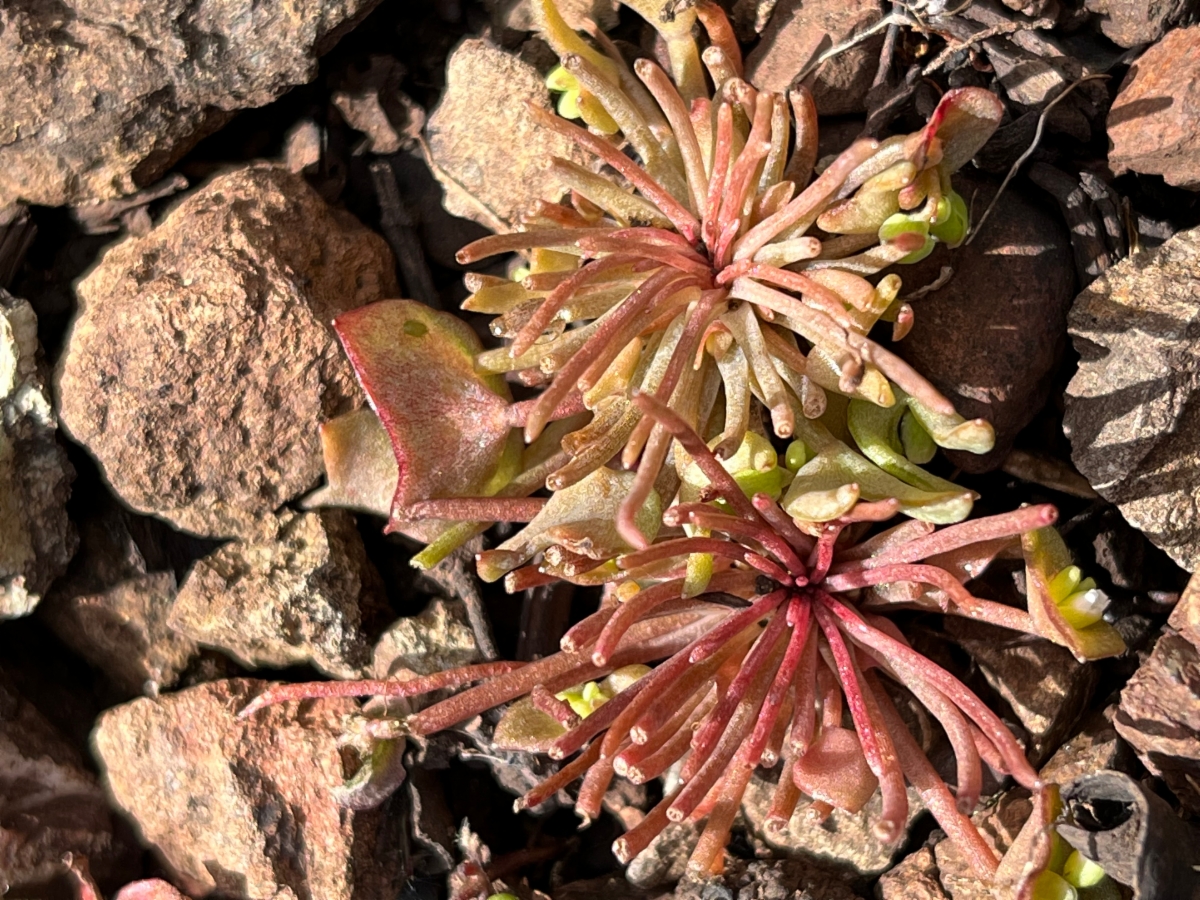
photo on Calflora
2022 Diana Wahl
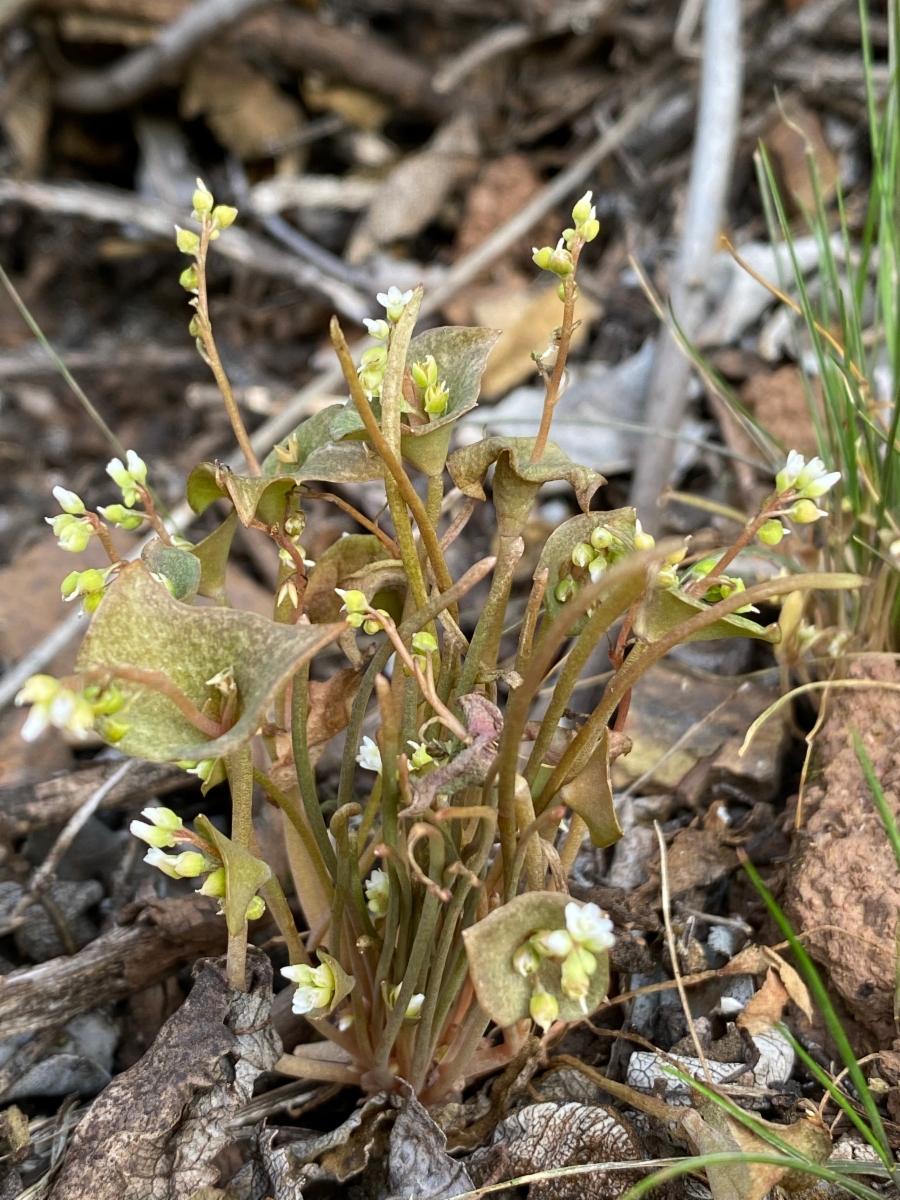
photo on Calflora
2022 Diane Renshaw
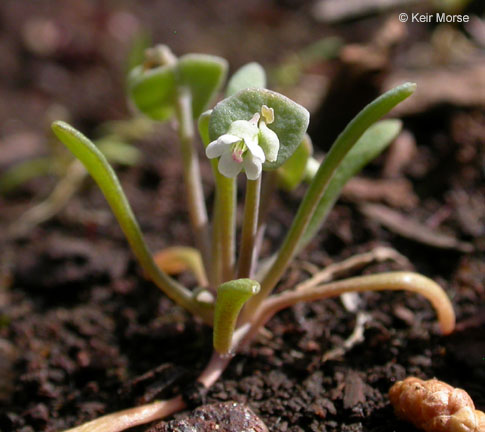
photo on Calflora
2023 catchang
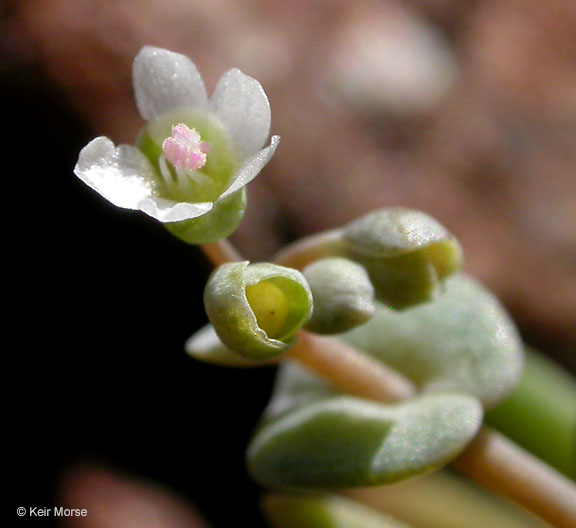
photo on Calflora
2022 sticky_currant
photo on Calflora
2020 anneliesewilson
photo on Calflora
2025 Mary Ann Machi
photo on Calflora
2025 Mary Ann Machi
Claytonia exigua ssp. glauca is an annual herb that is native to California, and endemic (limited) to California.
Siskiyou Del Norte Modoc Humboldt Shasta Lassen Trinity Plumas Tehama Butte Mendocino Glenn Sierra Yuba Lake Nevada Colusa Placer Sutter El Dorado Yolo Alpine Napa Sonoma Sacramento Mono Amador Solano Calaveras Tuolumne San Joaquin Marin Contra Costa Alameda Santa Cruz Mariposa Madera San Francisco San Mateo Merced Fresno Stanislaus Santa Clara Inyo San Benito Tulare Kings Monterey San Bernardino San Luis Obispo Kern Santa Barbara Ventura Los Angeles Riverside Orange San Diego Imperial
DJJJASONAFMM

Bloom Period
Parent: Claytonia exigua
Genus: Claytonia
Family: Montiaceae  
(Portulacaceae)
Category: angiosperm  
PLANTS group:Dicot
Jepson eFlora section: eudicot
Ultramafic affinity: 3.6 - broad endemic / strong indicator
Name Status:
Accepted by JEF + PLANTS
Alternate Names:
PLANTSClaytonia parviflora var. glauca
JEFMontia perfoliata f. glauca
PLANTSMontia perfoliata ssp. glauca
JEFMontia perfoliata var. glauca
JEFMontia perfoliata
External links:

[explorer.natureserve.org] Taxonomy, Distribution, Habitat: In his 1994 Synonymized Checklist, Kartesz included glauca material in Claytonia rubra. In 1999, he moves glauca material into C. exigua and recognizes it as a subspecies, along with the taxon he called Claytonia spathulata in 1994 (=C. exigua ssp. exigua of Kartesz 1999). Found from coastal California to extreme southwestern British Columbia in a variety of habitats including buffs, coastal sand dunes, and other open areas. Distribution is slightly more restricted to areas near the coast (and the Columbia River Gorge) than the typical ssp. but found in a range of habitats. (link added by Mary Ann Machi)

Suggested Citation
“Calflora - Taxon Report.” The Calflora Database, a non-profit organization. .

Accessed: