Calflora Taxon Report
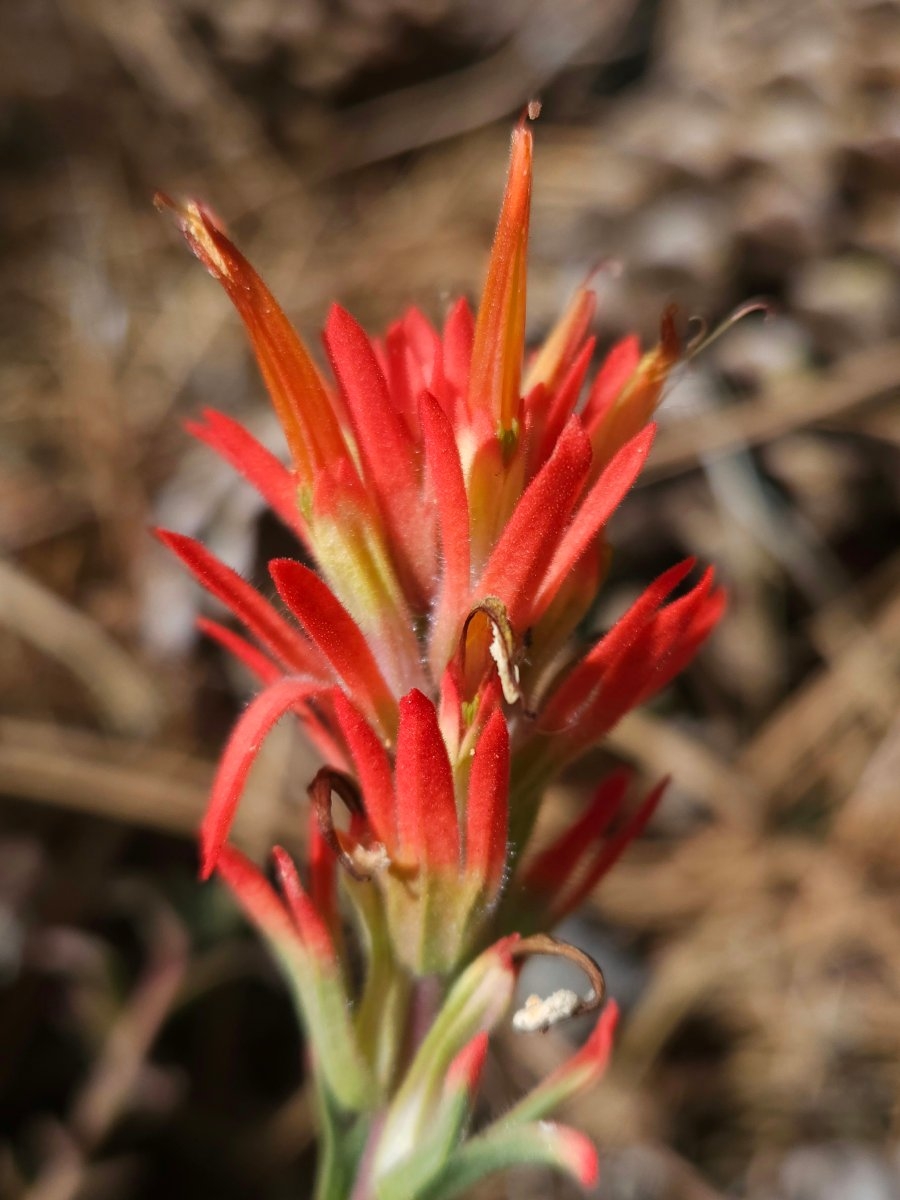
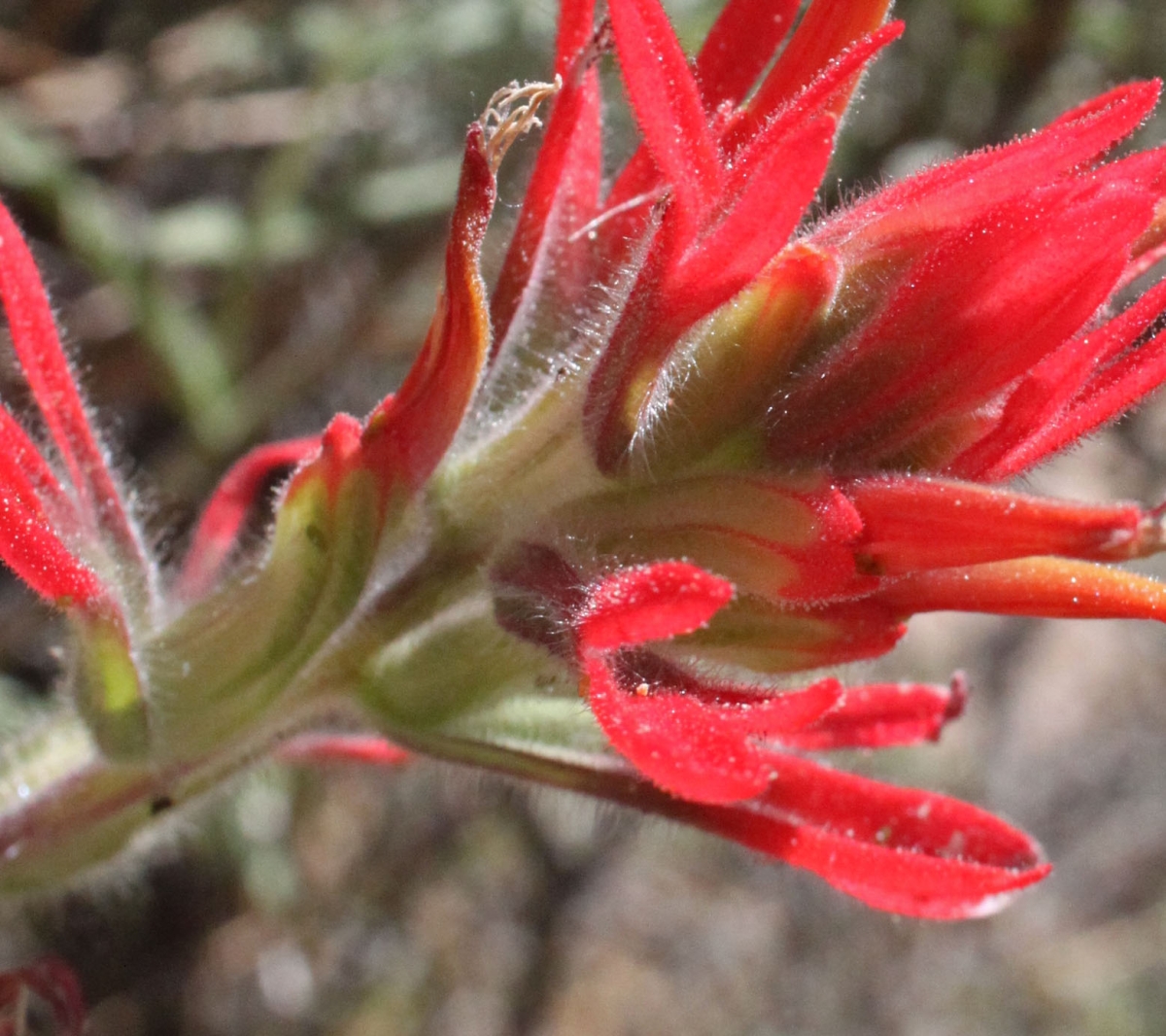
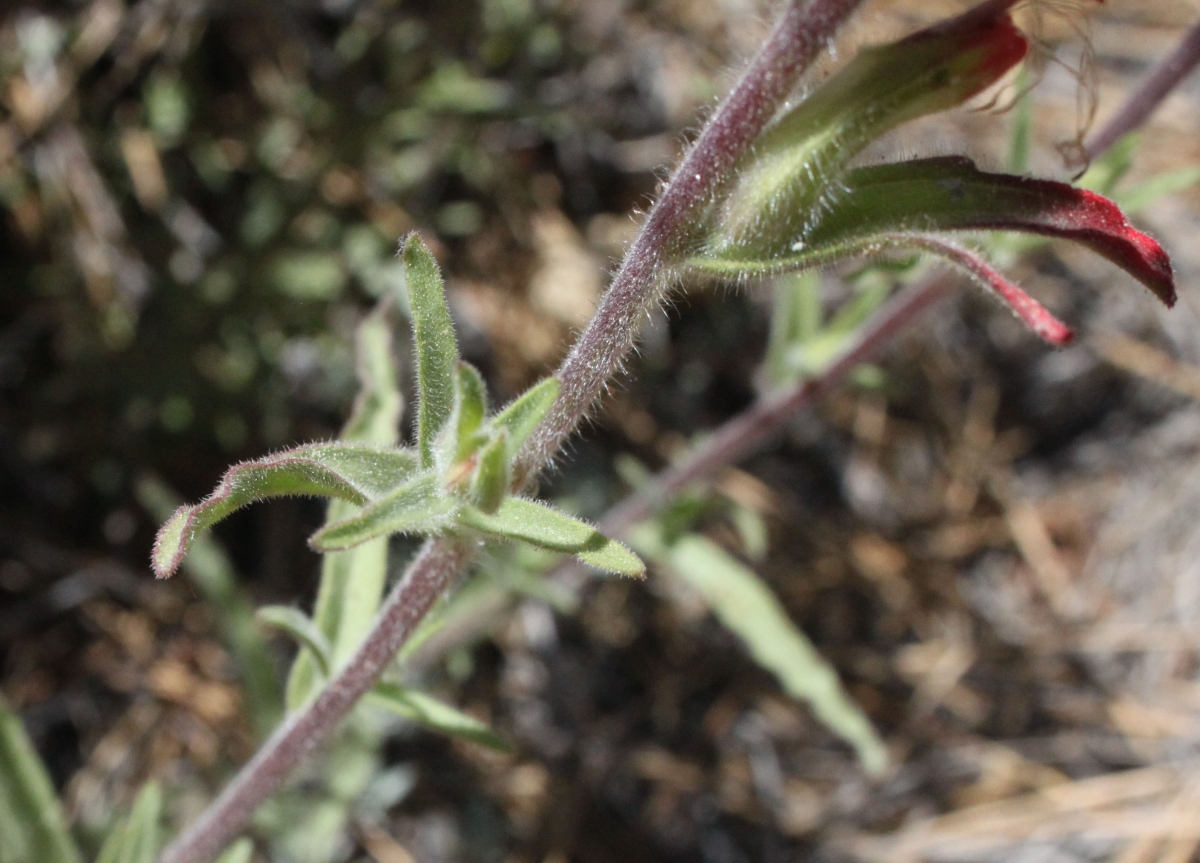
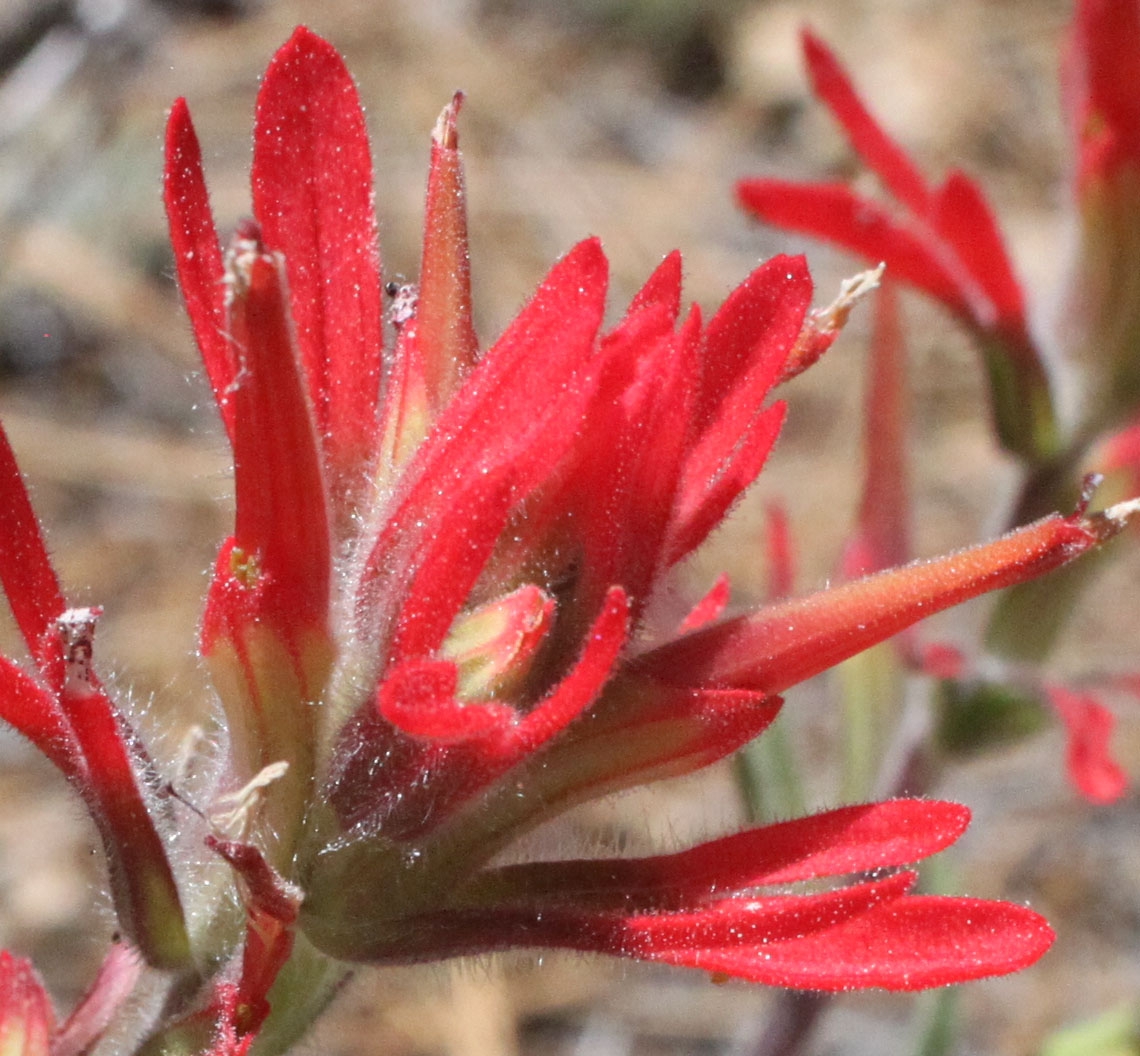
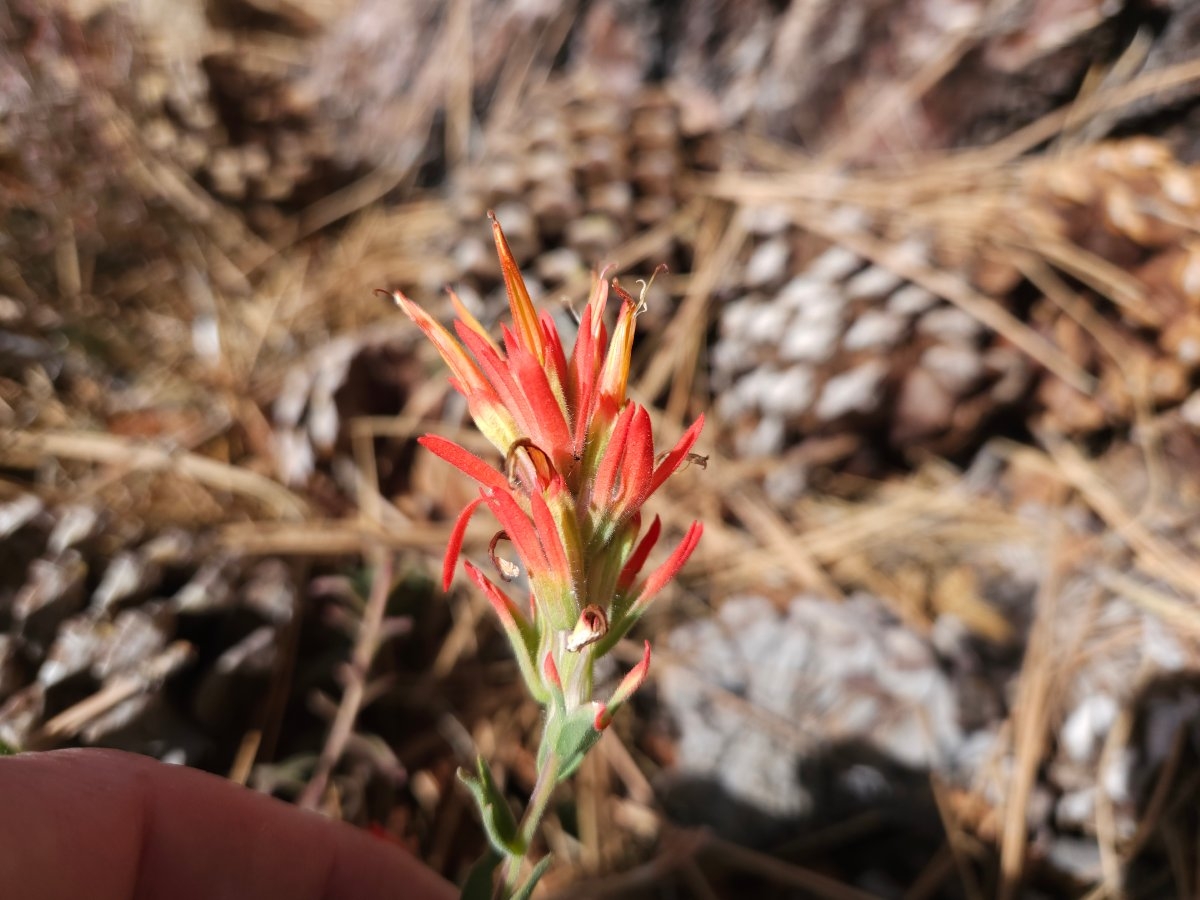
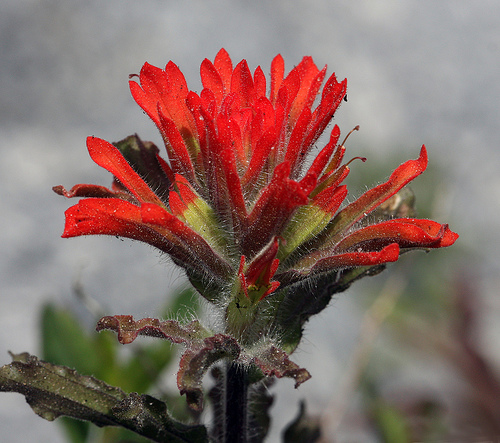
Castilleja montigena  Heckard
Heckard's indian paintbrush
photo on Calflora
2023 R.A. Chasey
photo on Calflora
2019 Diane Etchison
photo on Calflora
2019 Diane Etchison
photo on Calflora
2019 Diane Etchison
photo on Calflora
2023 R.A. Chasey
photo on Calflora
2023 R.A. Chasey
photo on Calflora
2024 Mike Russler
photo on Calflora
2024 Mike Russler
photo on Calflora
2019 Adam Chasey
photo on Calflora
2024 Mike Russler
photo on Calflora
2024 Mike Russler
photo on Calflora
2024 Mike Russler
photo on Calflora
2024 Mike Russler
photo on Calflora
2024 Mike Russler
photo on Calflora
2024 Mike Russler
photo on Calflora
2023 R.A. Chasey
photo on Calflora
2023 R.A. Chasey
photo on CalPhotos
2008 Ron Wolf
Castilleja montigena is a perennial herb (hemiparasitic) that is native to California, and endemic (limited) to California.
California Rare Plant Rank: 4.3 (limited distribution).
Siskiyou Del Norte Modoc Humboldt Shasta Lassen Trinity Plumas Tehama Butte Mendocino Glenn Sierra Yuba Lake Nevada Colusa Placer Sutter El Dorado Yolo Alpine Napa Sonoma Sacramento Mono Amador Solano Calaveras Tuolumne San Joaquin Marin Contra Costa Alameda Santa Cruz Mariposa Madera San Francisco San Mateo Merced Fresno Stanislaus Santa Clara Inyo San Benito Tulare Kings Monterey San Bernardino San Luis Obispo Kern Santa Barbara Ventura Los Angeles Riverside Orange San Diego Imperial
DJJJASONAFMM

Bloom Period
Genus: Castilleja
Family: Orobanchaceae  
(Scrophulariaceae)
Category: angiosperm  
PLANTS group:Dicot
Jepson eFlora section: eudicot
Communities: Yellow Pine Forest, Red Fir Forest, Lodgepole Forest, Pinyon-Juniper Woodland
Name Status:
Accepted by JEF + CNPS + PLANTS + POWO
Alternate Names:
CNPSCastilleja ewanii
External links:

[nwwildflowers.com] Range, Identification Info: Castilleja montigena is endemic to the northeastern portion of the San Bernardino Mountains of southern California. In the field, this species is consistently and relatively easily distinguished from nearby populations of C. martini var. martini, which it essentially replaces in the northeastern portion of the San Bernardino Mountains. It is apparently of allopolyploid hybrid origin between C. martini var. martini and C. chromosa, which approaches its range from the adjacent Mojave Desert. (link added by Mary Ann Machi)

Suggested Citation
“Calflora - Taxon Report.” The Calflora Database, a non-profit organization. .

Accessed: