Wetlands: Arid West: Occurs usually in wetlands, occasionally in non wetlands Mountains, Valleys and Coast: Equally likely to occur in wetlands and non wetlands
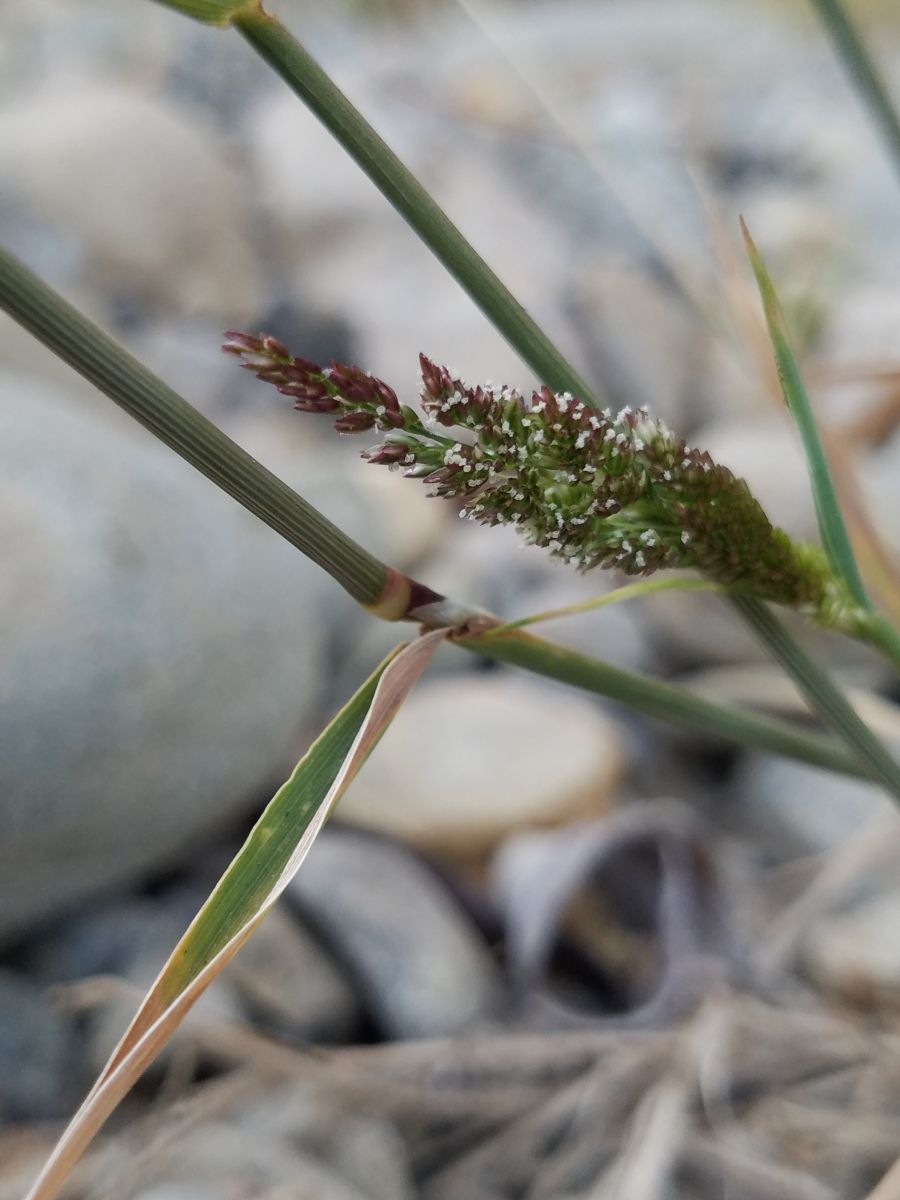
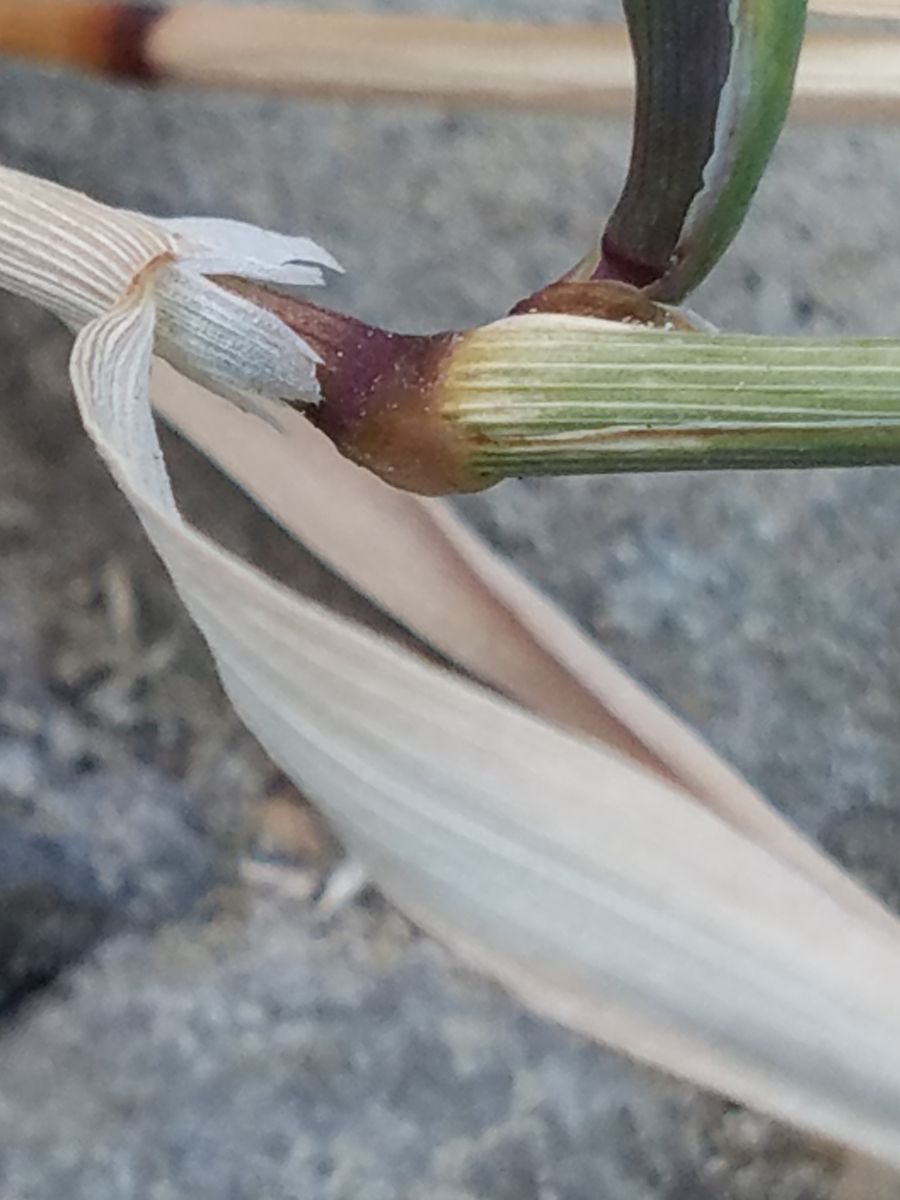
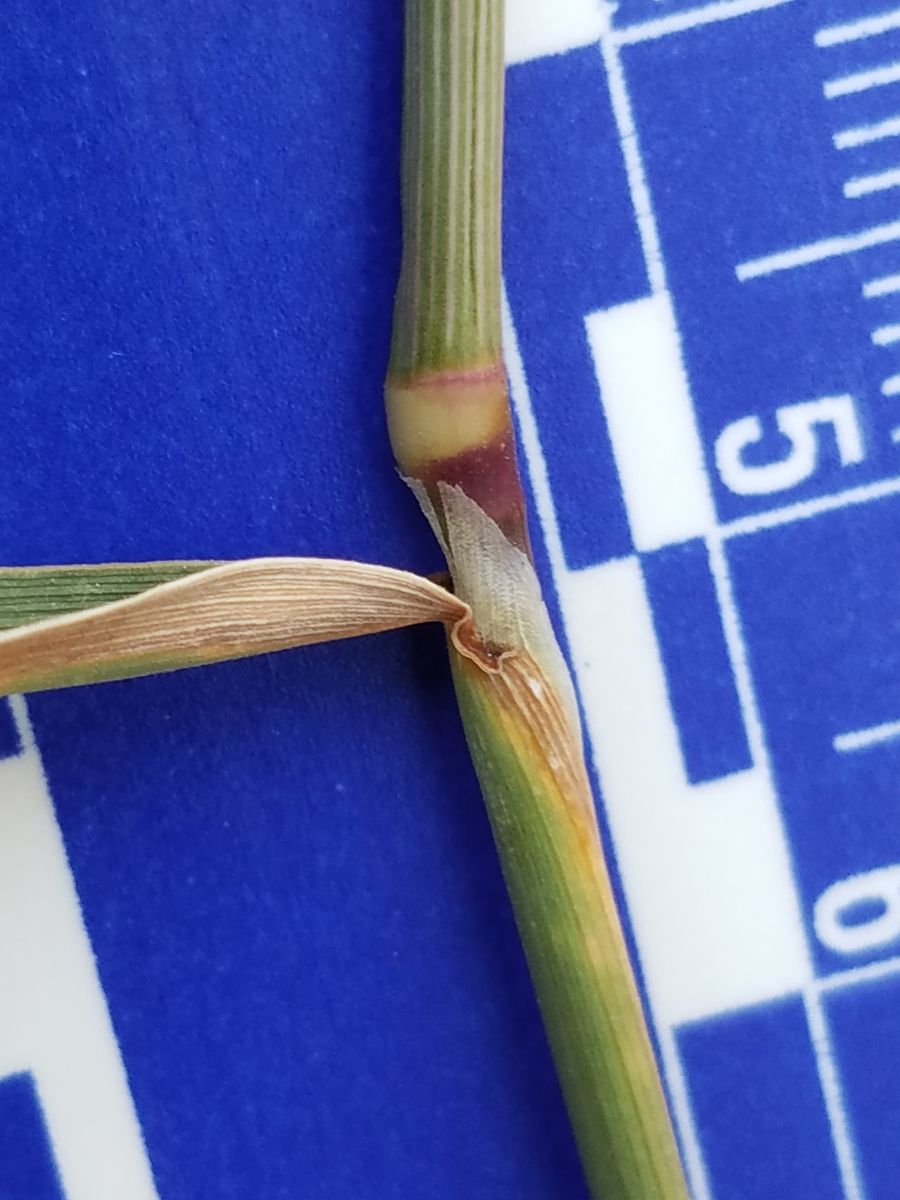
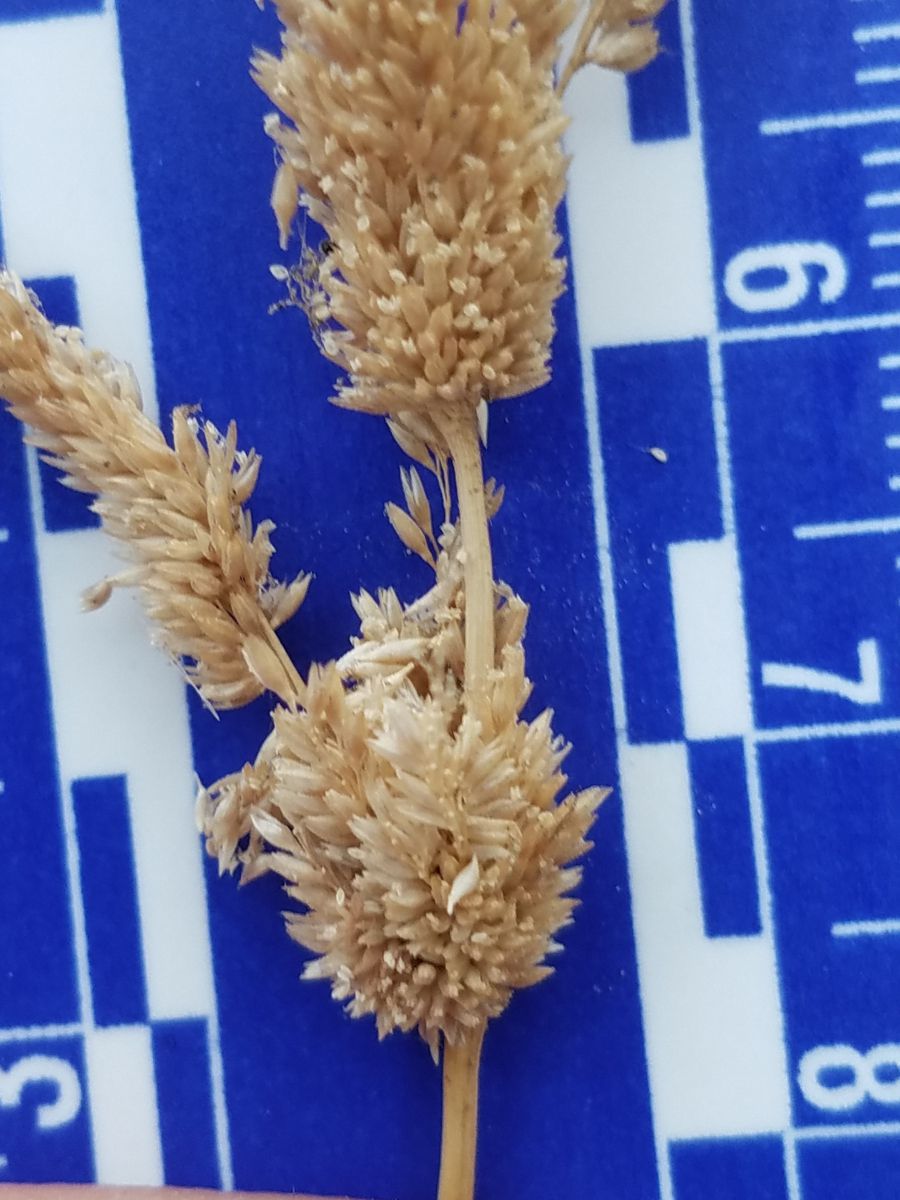
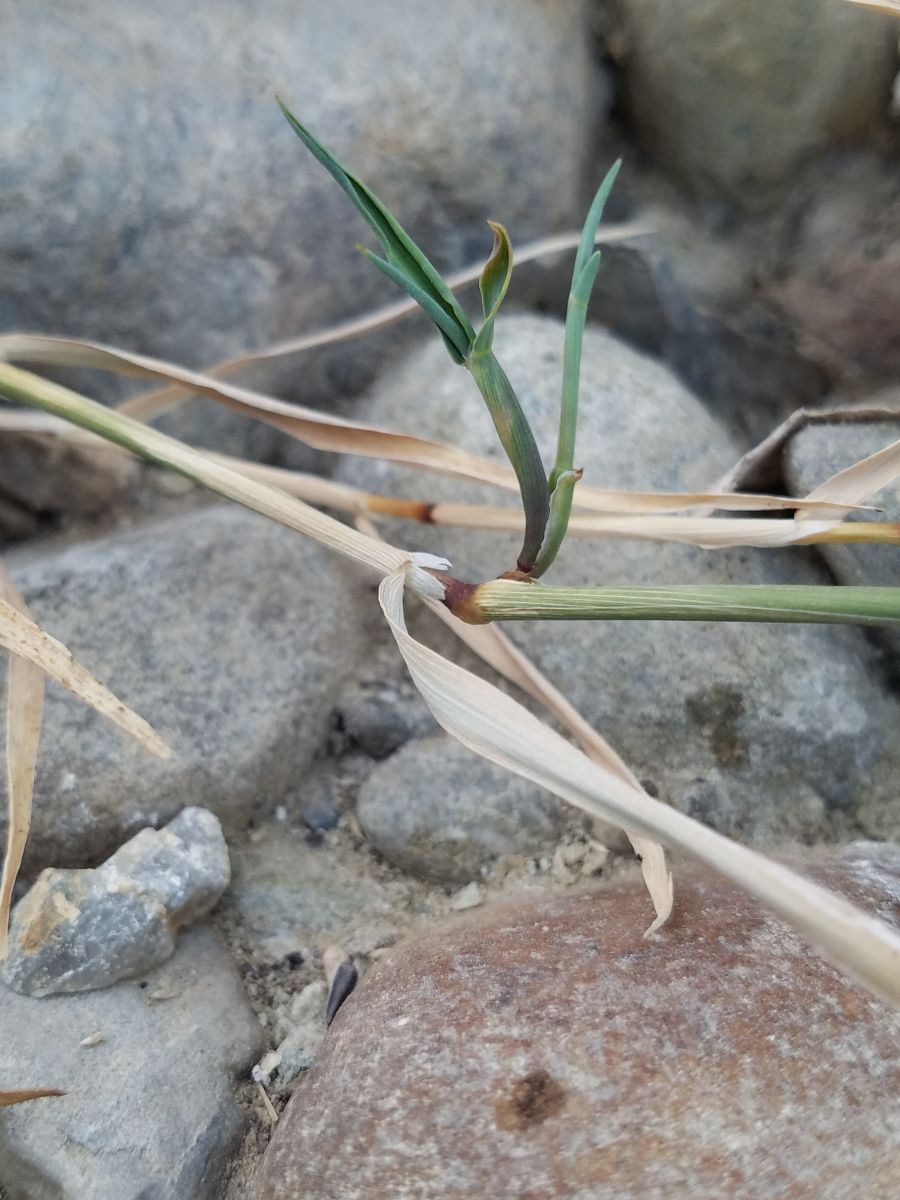
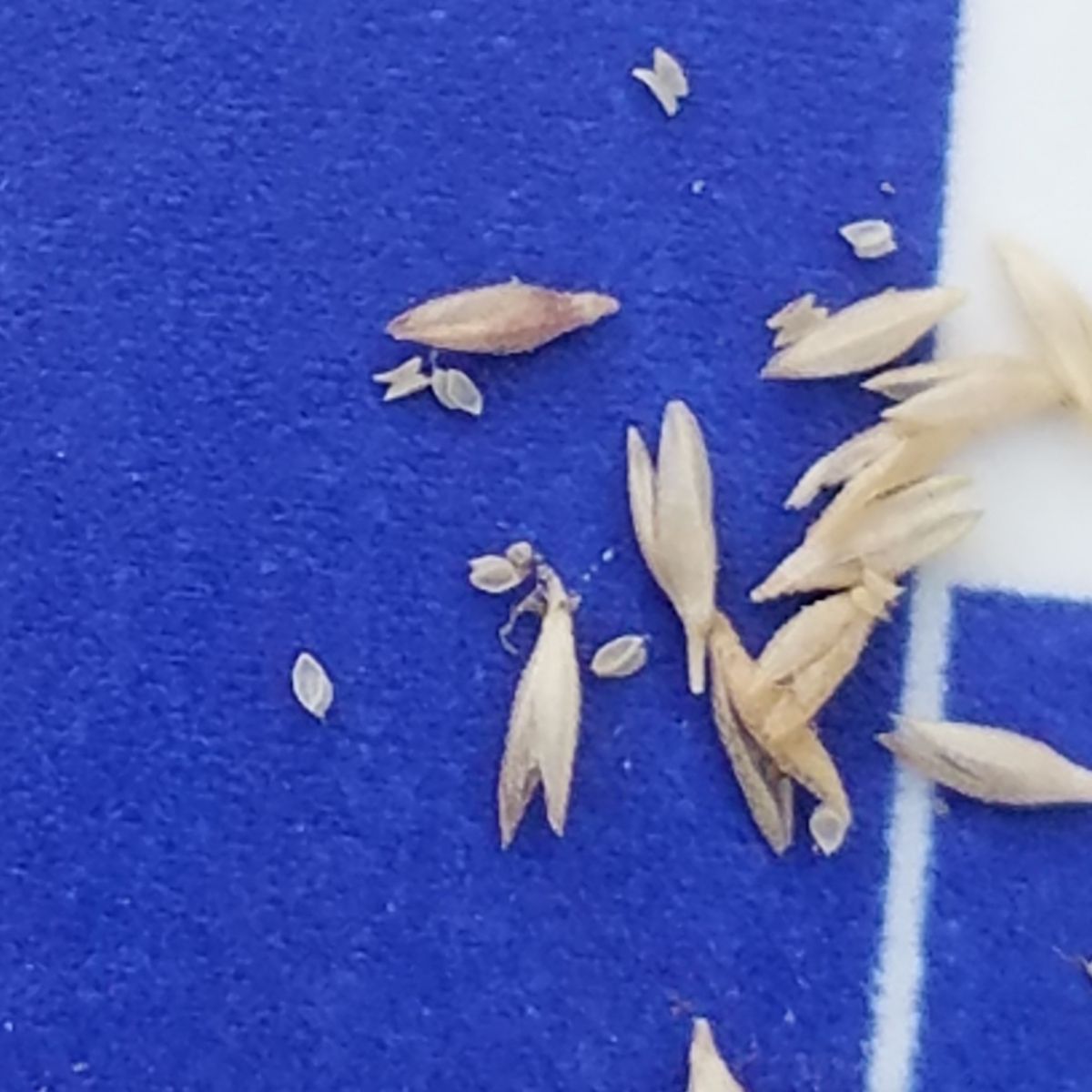
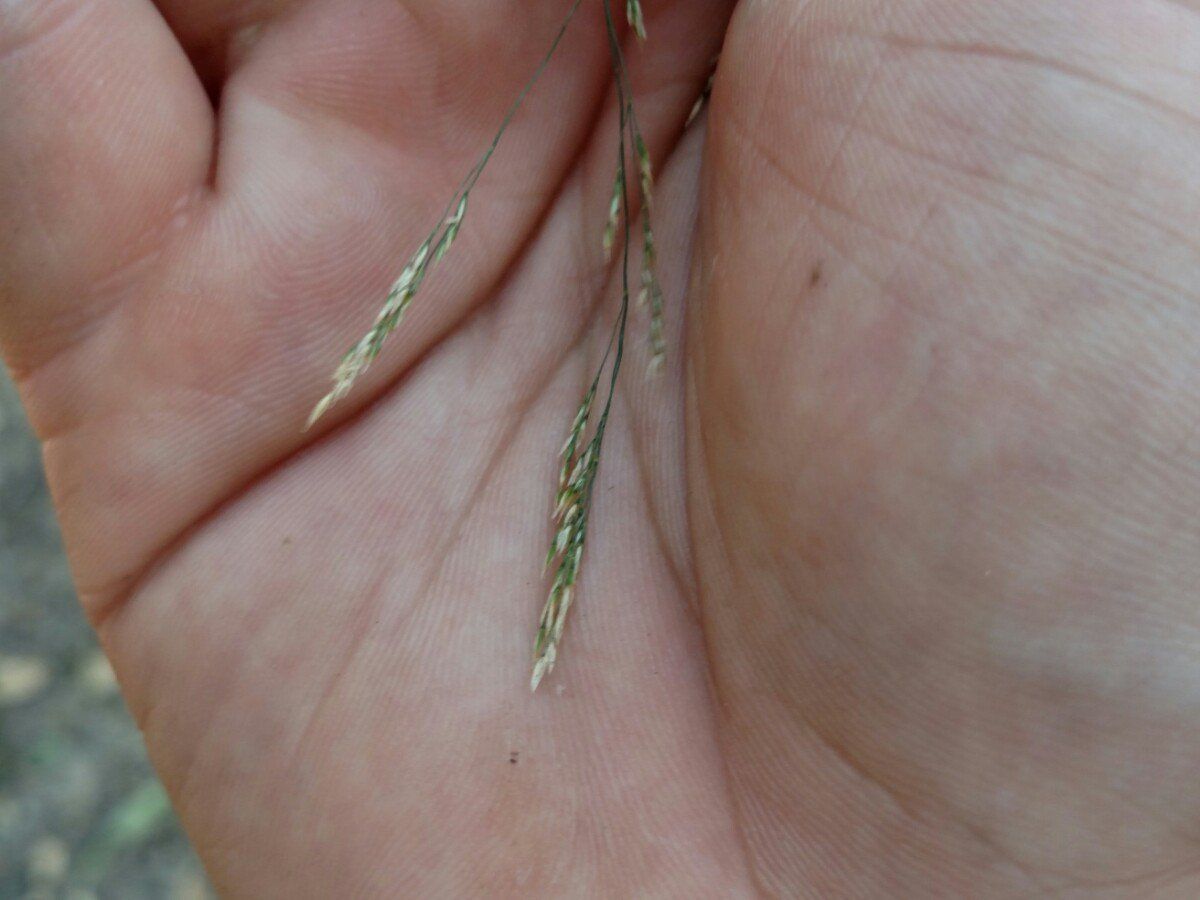
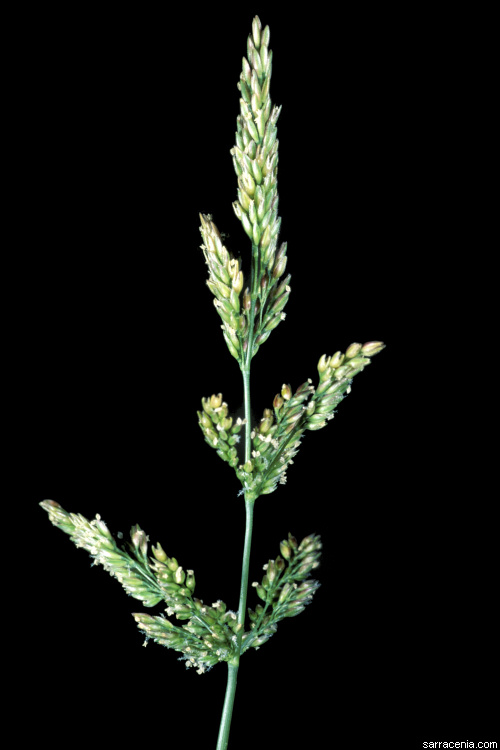
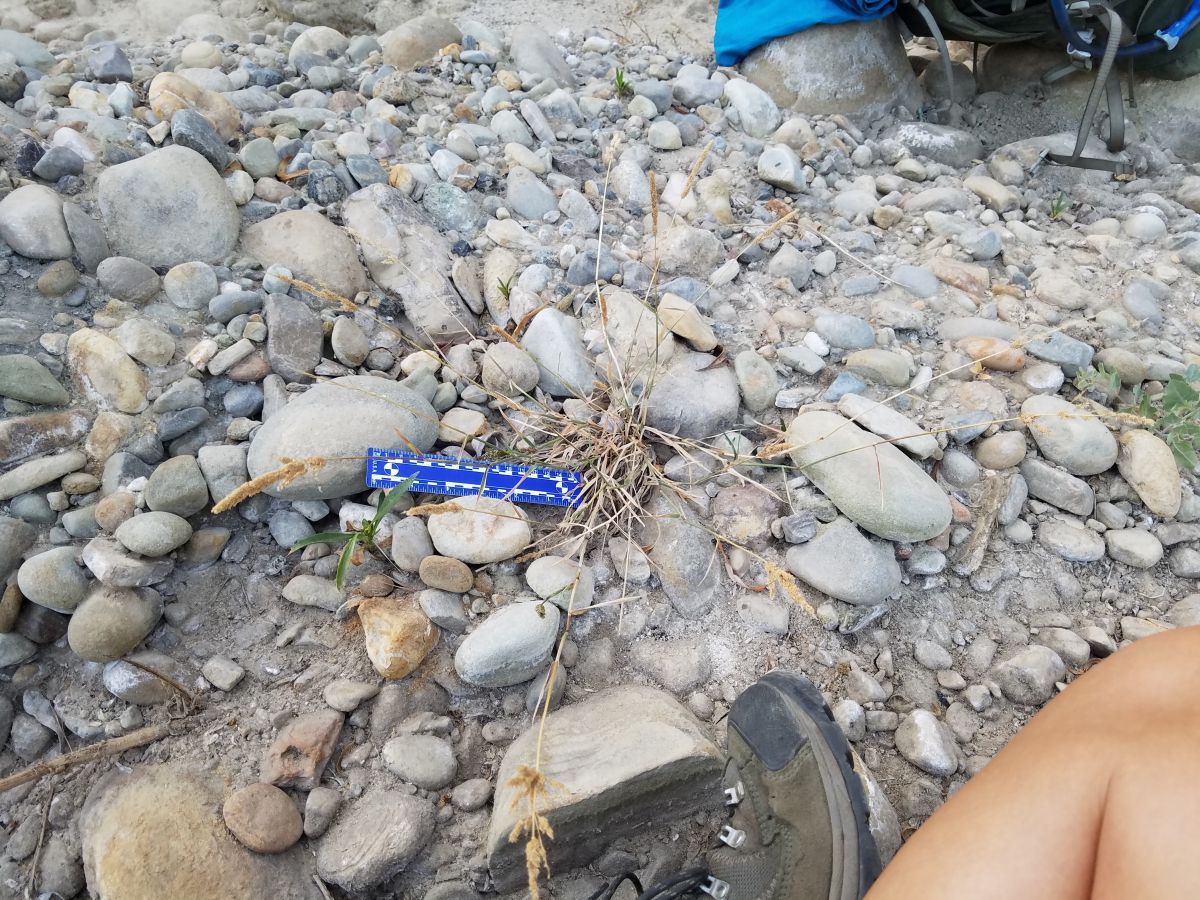
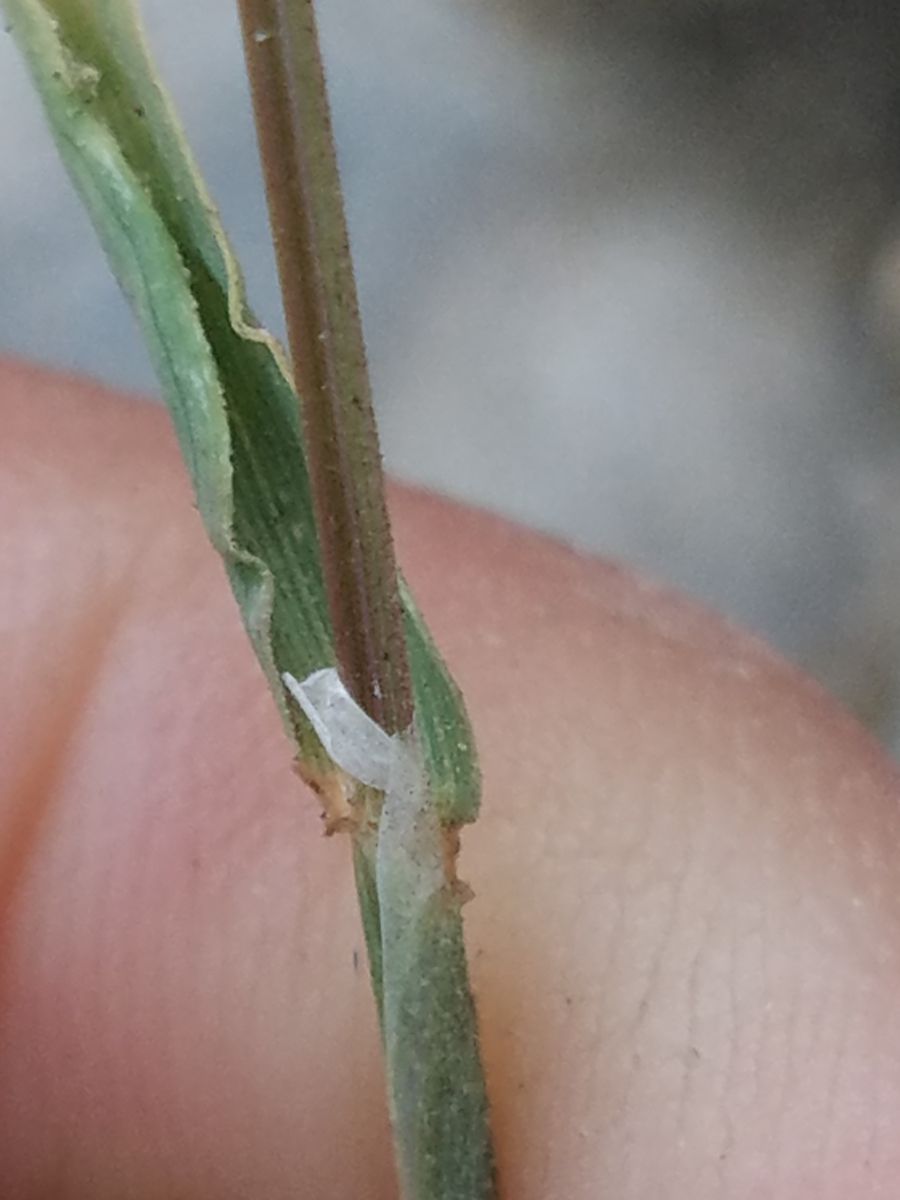
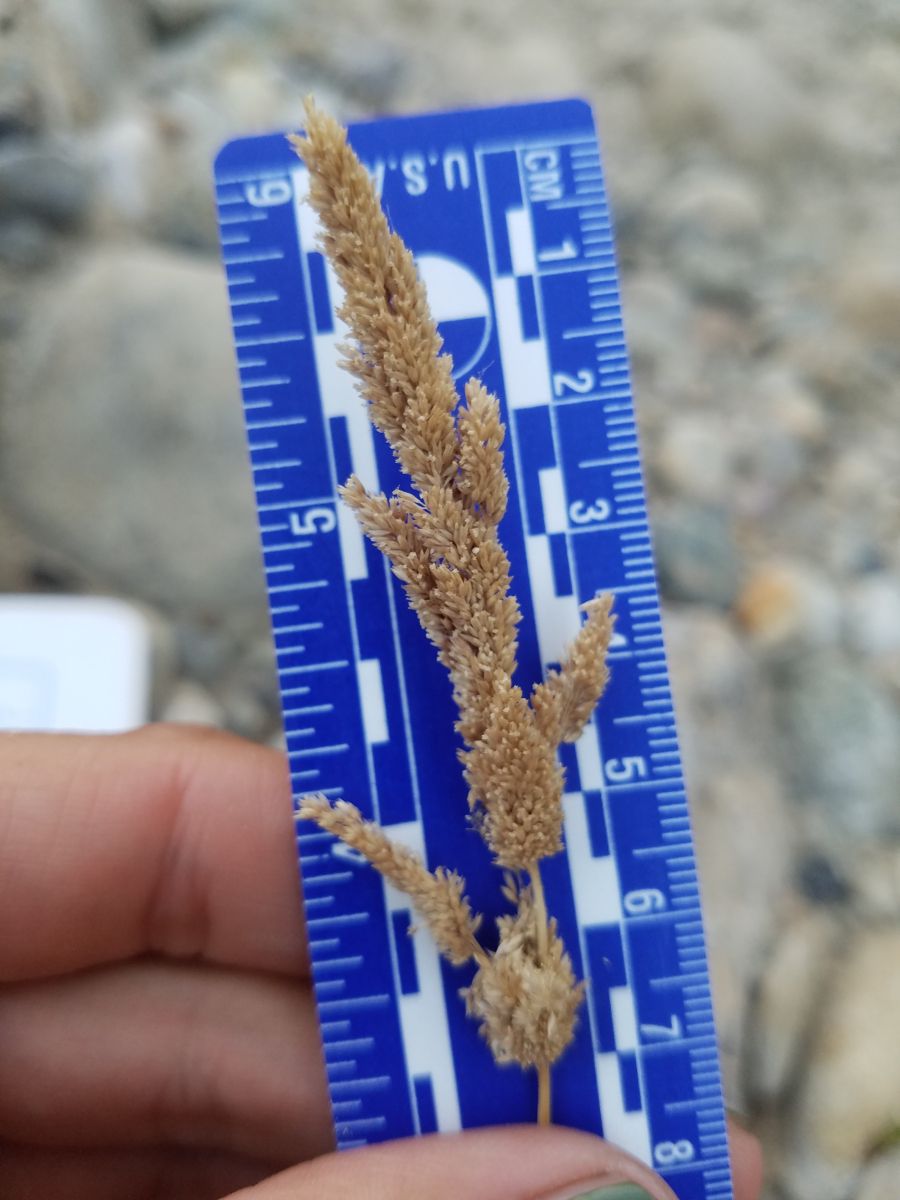
[Cal-IPC] Invasive: Agrostis stolonifera (creeping bentgrass) is a perennial grass (family Poaceae) and is located throughout California. Creeping bentgrass is an escaped turfgrass that can aggressively out-compete native grass species by forming dense mats.
Cal-IPC Rating: Limited (link added by Mary Ann Machi)
[Wikipedia] Native to Eurasia, North Africa, possibly North America: t can be found growing in a variety of habitats including woodlands, grasslands and meadows, wetlands, riparian zones, and as a pioneer species on disturbed sites.[4] It is native to Eurasia and North Africa (Algeria, Morocco and Tunisia). It is possible that it may also be native to northern parts of North America, and in any case it has been widely introduced and naturalised on that continent and in many other places (link added by Mary Ann Machi)
/app/up/entry/77/th/23187.jpg:!/app/up/entry/77/th/23193.jpg:!/app/up/entry/77/th/23189.jpg:!/app/up/entry/77/th/23190.jpg:!/app/up/entry/77/th/23192.jpg:!/app/up/entry/77/th/23194.jpg:!/app/up/mg/96/th/mg28996-0.jpg:!0000 0000 0509 1632:!/app/up/mg/847/th/mg254186-0.jpg:!/app/up/mg/847/th/mg254156-1.jpg:!/app/up/mg/847/th/mg254156-0.jpg:!/app/up/io/380/th/io114043-0.jpg:!/app/up/entry/77/th/23195.jpg:!/app/up/entry/77/th/23191.jpg:!/app/up/entry/77/th/23188.jpg:!0000 0000 0818 1377:!
2018 Rachelle Gray:!2018 Rachelle Gray:!2018 Rachelle Gray:!2018 Rachelle Gray:!2018 Rachelle Gray:!2018 Rachelle Gray:!2016 Andrew Longman:!2009 Barry Rice:!2024 David popp:!2024 David popp:!2024 David popp:!2023 Laura Booth:!2018 Rachelle Gray:!2018 Rachelle Gray:!2018 Rachelle Gray:!2018 Zoya Akulova:!
mg69874:!mg69874:!mg69874:!mg69874:!mg69874:!mg69874:!mg28996:!null:!mg254186:!mg254156:!mg254156:!io114043:!mg69874:!mg69874:!mg69874:!null:!
Suggested Citation
Calflora:
Information on California plants for education, research and conservation,
with data contributed by
public and private institutions and individuals.
[web application]. 2024. Berkeley, California:The Calflora Database
[a non-profit organization].Available:
https://www.calflora.org/(Accessed: 10/22/2024).




 one or more occurrences