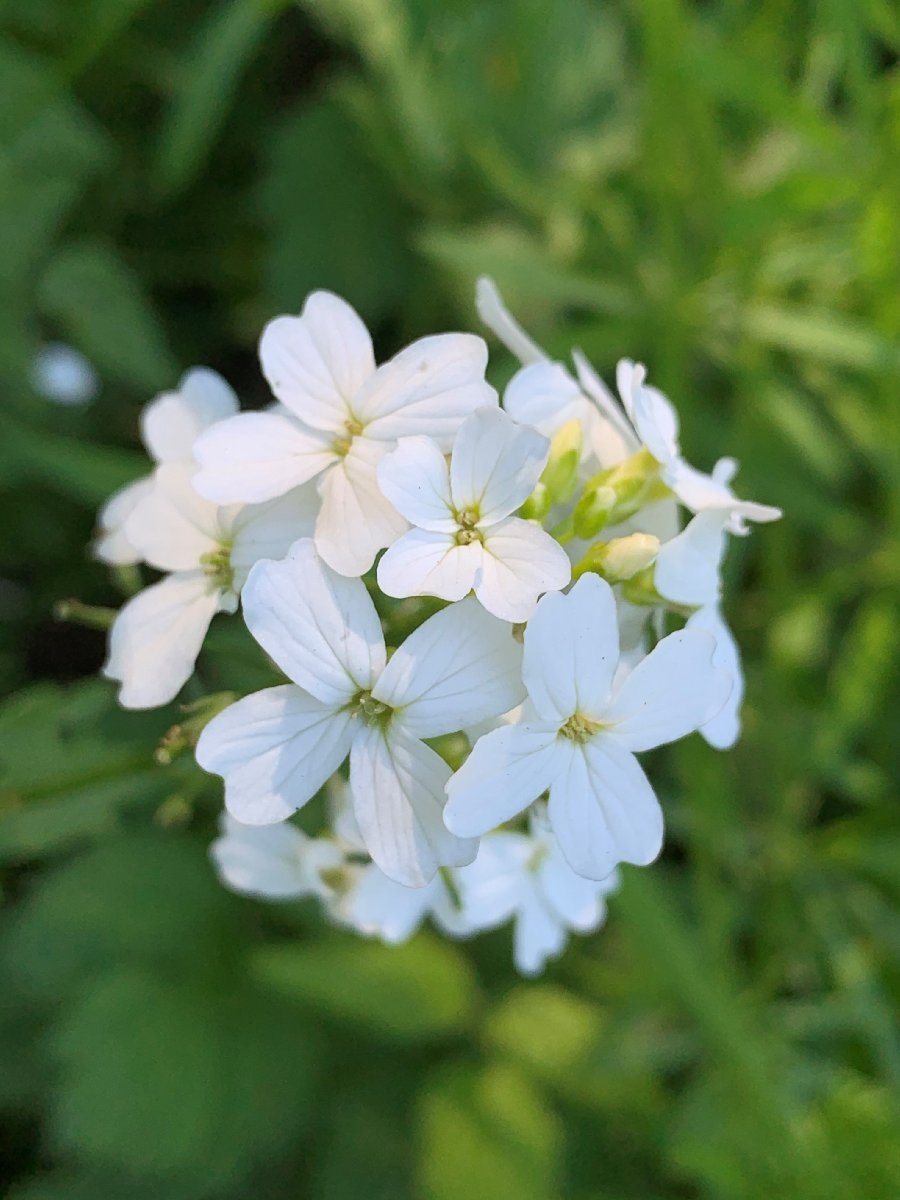
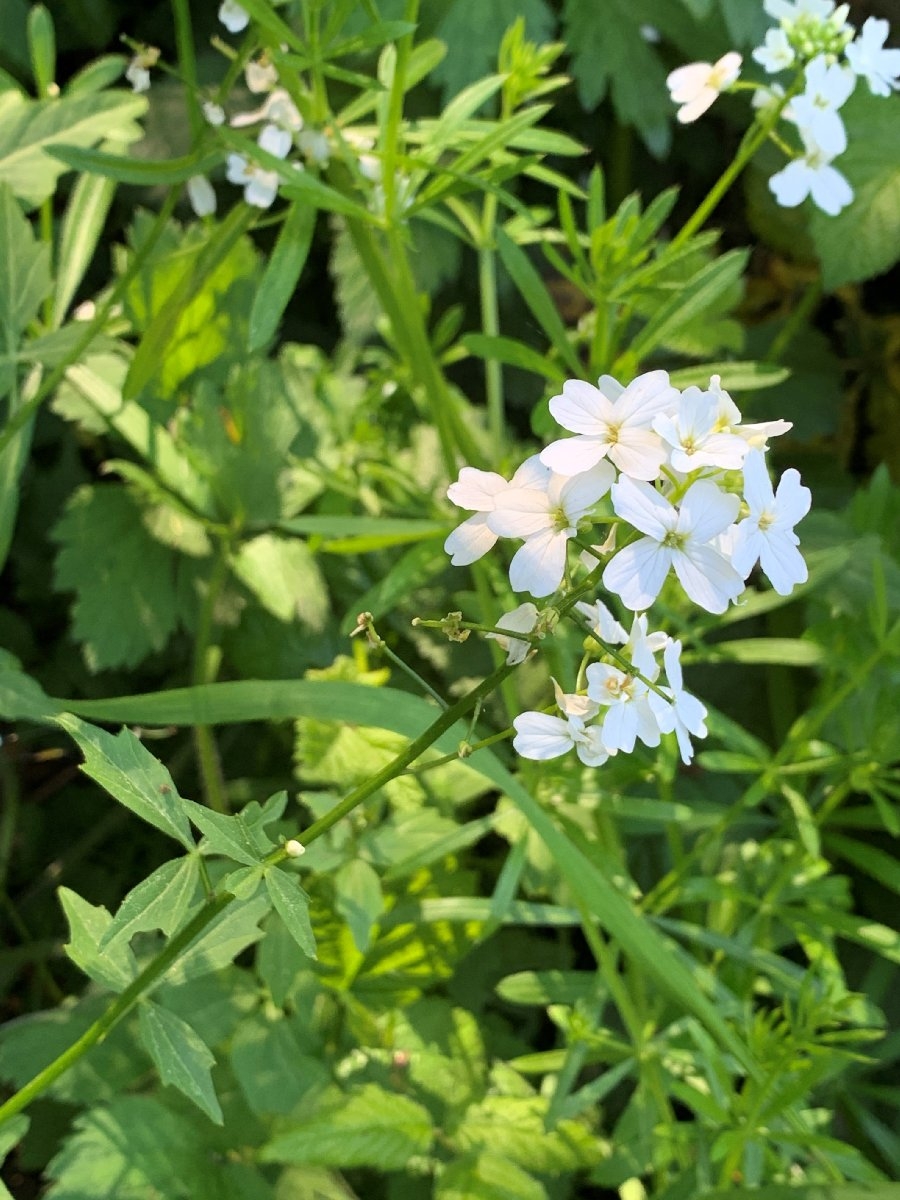
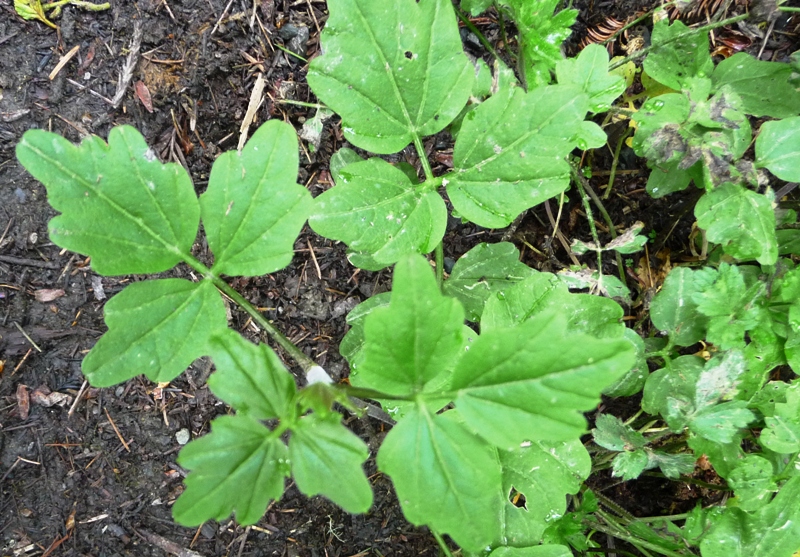
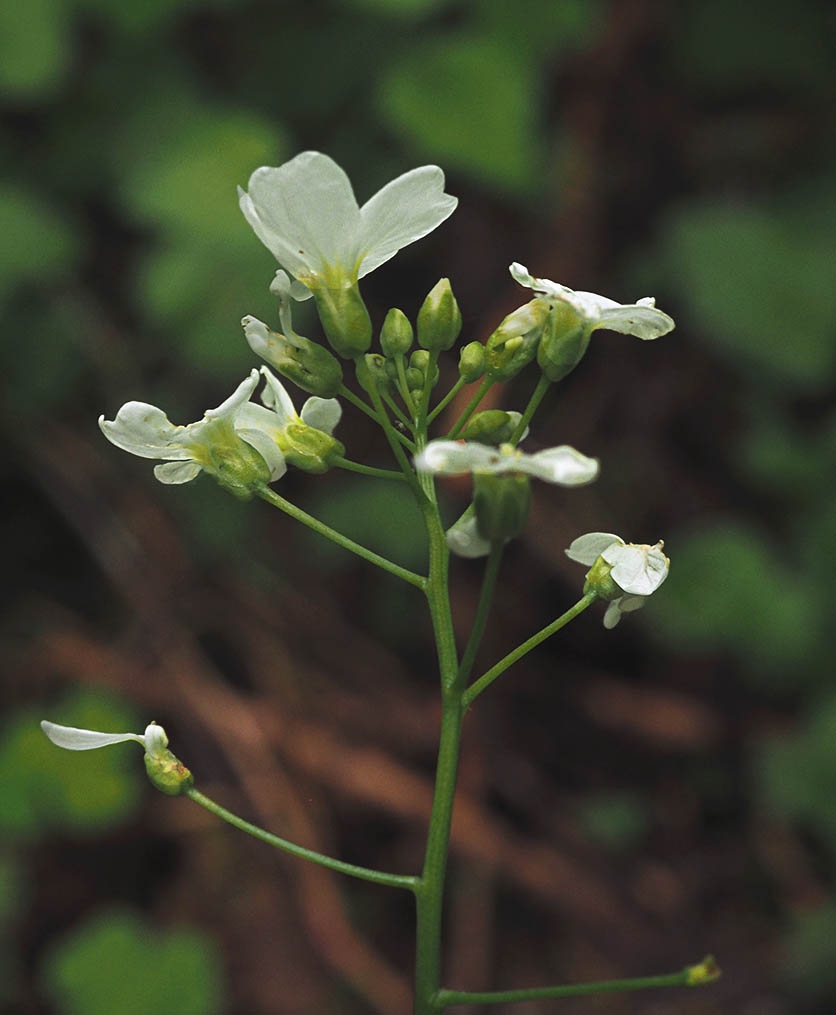
2021 Dana York 2021 Dana York 2015 Dana York 2020 Susan McDougall 2020 Susan McDougall
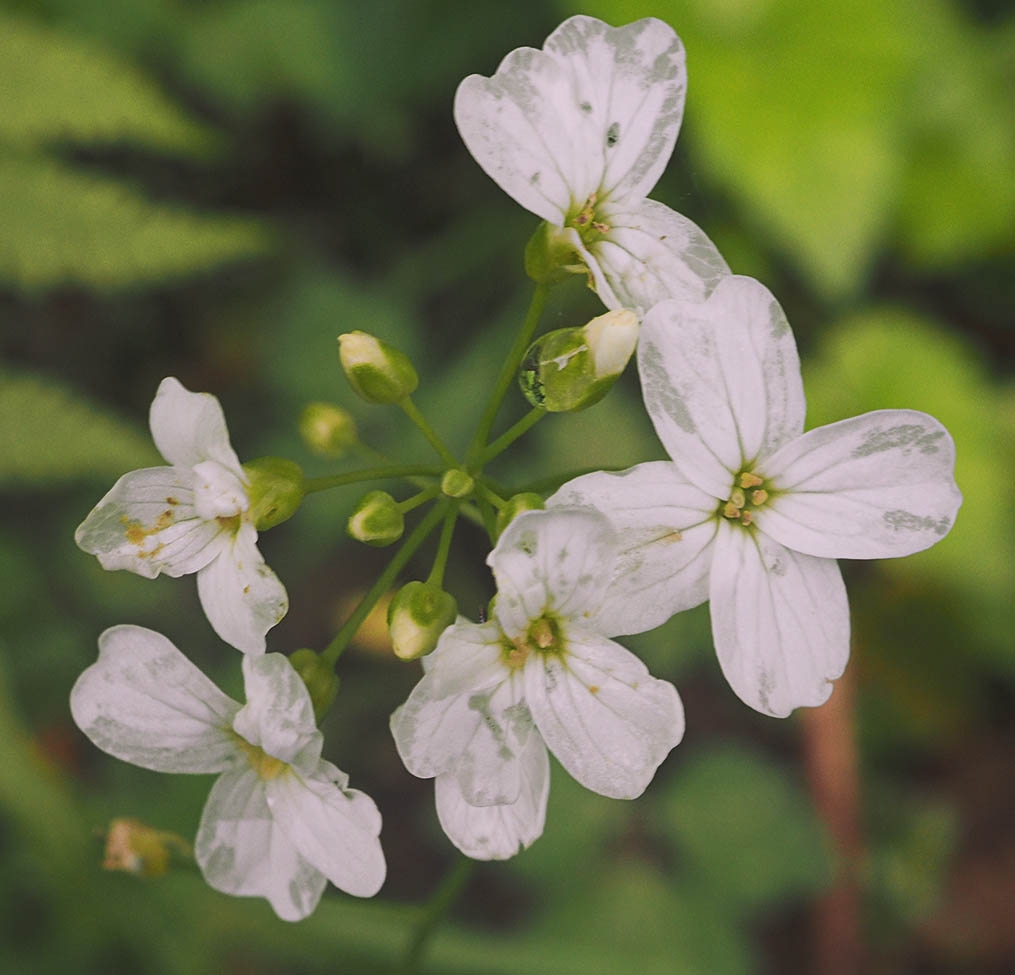
Cardamine angulata is a perennial herb that is native to California, and also found elsewhere in western North America.California Rare Plant Rank: 2B.2 (rare, threatened, or endangered in CA; common elsewhere).
[Wikipedia] Edibility, Medicinal Uses: The roots of most species are edible raw.
Some species were reputed to have medicinal qualities (treatment of heart or stomach ailments). (contributed by Mary Ann Machi)
/app/up/entry/517/th/155227.jpg:!/app/up/entry/517/th/155228.jpg:!0000 0000 0515 2259:!/app/up/entry/147/th/44318.jpg:!/app/up/entry/147/th/44319.jpg:!
2021 Dana York:!2021 Dana York:!2015 Dana York:!2020 Susan McDougall:!2020 Susan McDougall:!
mu30501:!mu30501:!null:!po156122:!po156122:!
Suggested Citation
Calflora:
Information on California plants for education, research and conservation,
with data contributed by
public and private institutions and individuals.
[web application]. 2024. Berkeley, California:The Calflora Database
[a non-profit organization].Available:
https://www.calflora.org/(Accessed: 04/30/2024).


 one or more occurrences