2021 John Rawlings 2016 Andrew Longman 2022 Donald Burk 2021 Donald Burk 2022 Donald Burk 2021 Donald Burk 2018 Doug Allshouse 2020 David popp 2021 John Rawlings 2012 Robert Steers
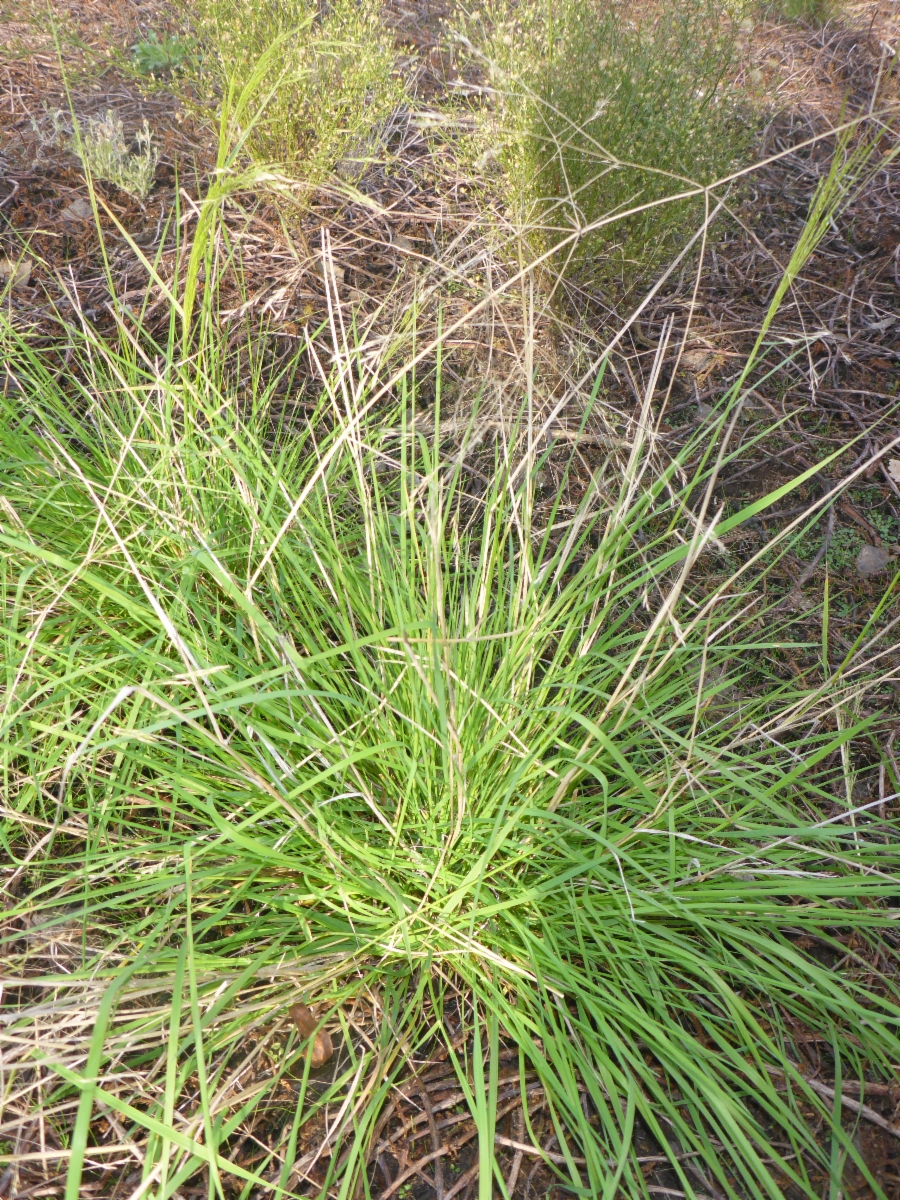
Agrostis avenacea is a perennial grasslike herb that is not native to California.
[Cal-IPC] Invasive: Agrostis avenacea (Pacific bentgrass) is a perennial grass (family Pocaceae) commonly found throughout northern California and San Diego County. This weed easily outcompetes native vegetation. Pacific bentgrass inhabits open, disturbed, often moist places to 300 m elevation. It is especially invasive in vernal pool habitat in the San Diego area. (link added by Mary Ann Machi)
[Wikipedia] Australia, New Zealand, and other Pacific Islands native, invasi: Lachnagrostis filiformis (syn. Agrostis avenacea) is a species of grass known by the common names Pacific bent grass, New Zealand wind grass, fairy grass, or blown-grass. It is native to Australia, New Zealand, and other Pacific Islands including New Guinea and Easter Island. While it is found in a wide variety of habitats, it seems particularly invasive in areas with damp soils, such as areas near bodies of water. It has been introduced to southern Africa, the United Kingdom, Taiwan, the southern United States and Mexico.
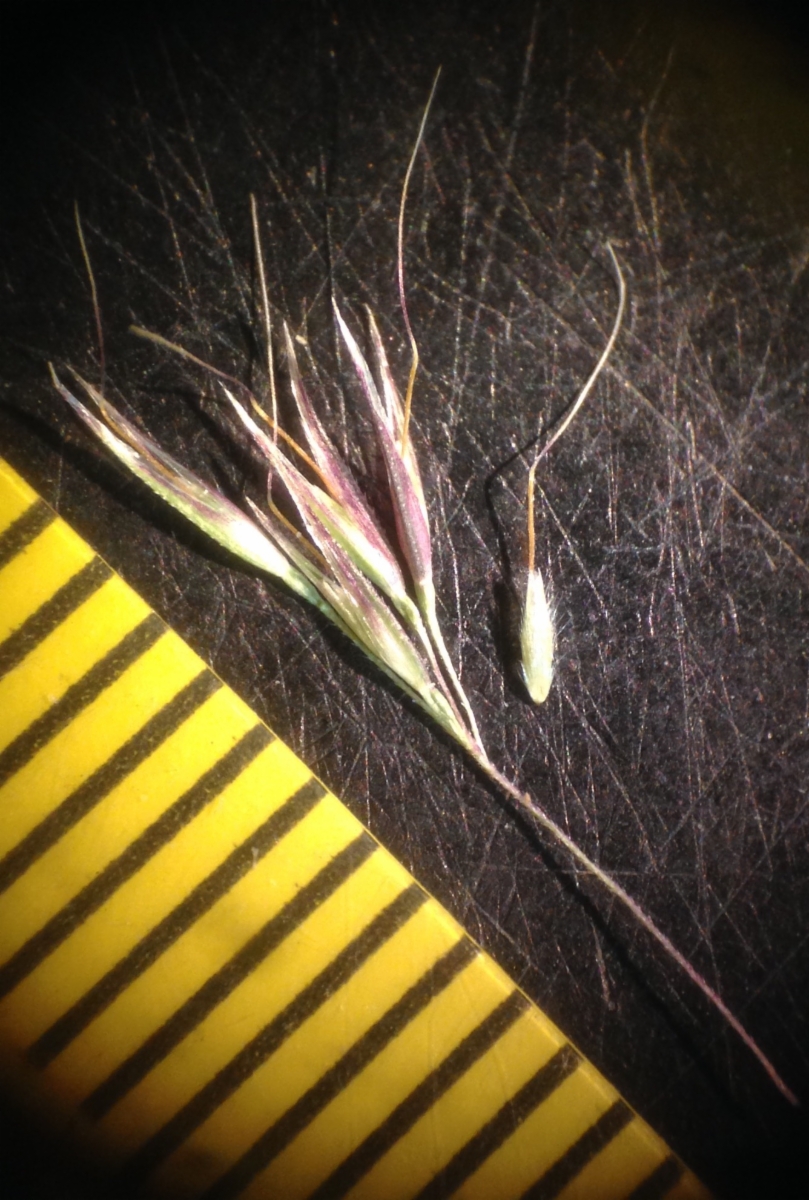
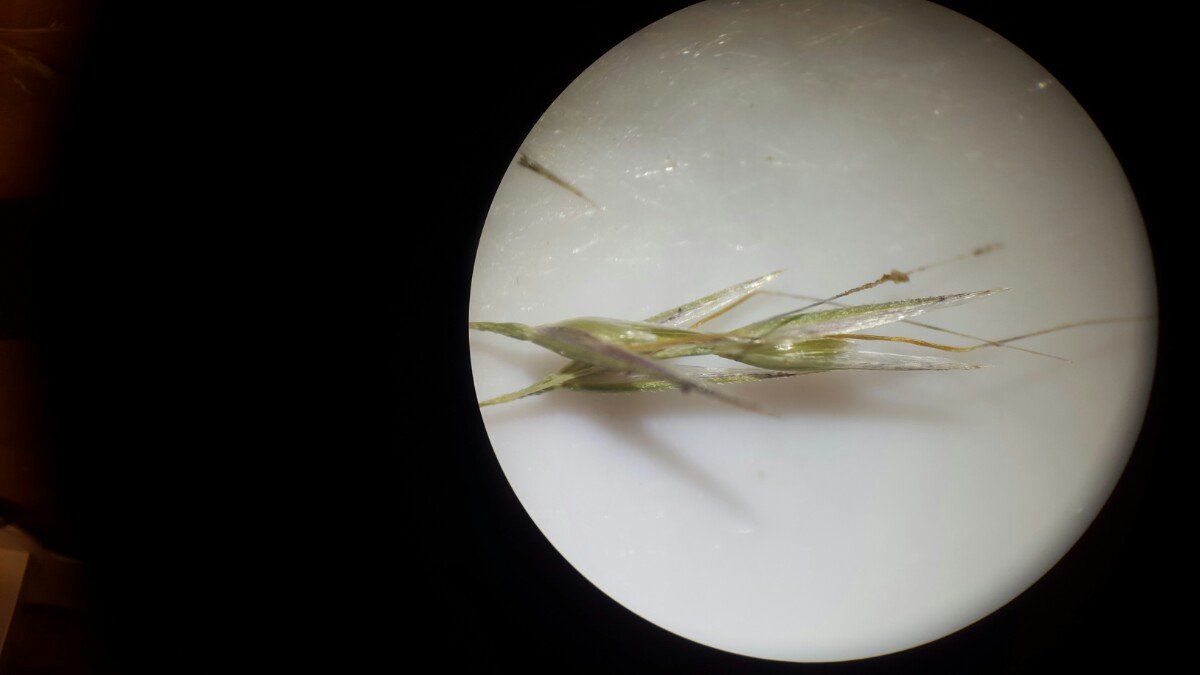
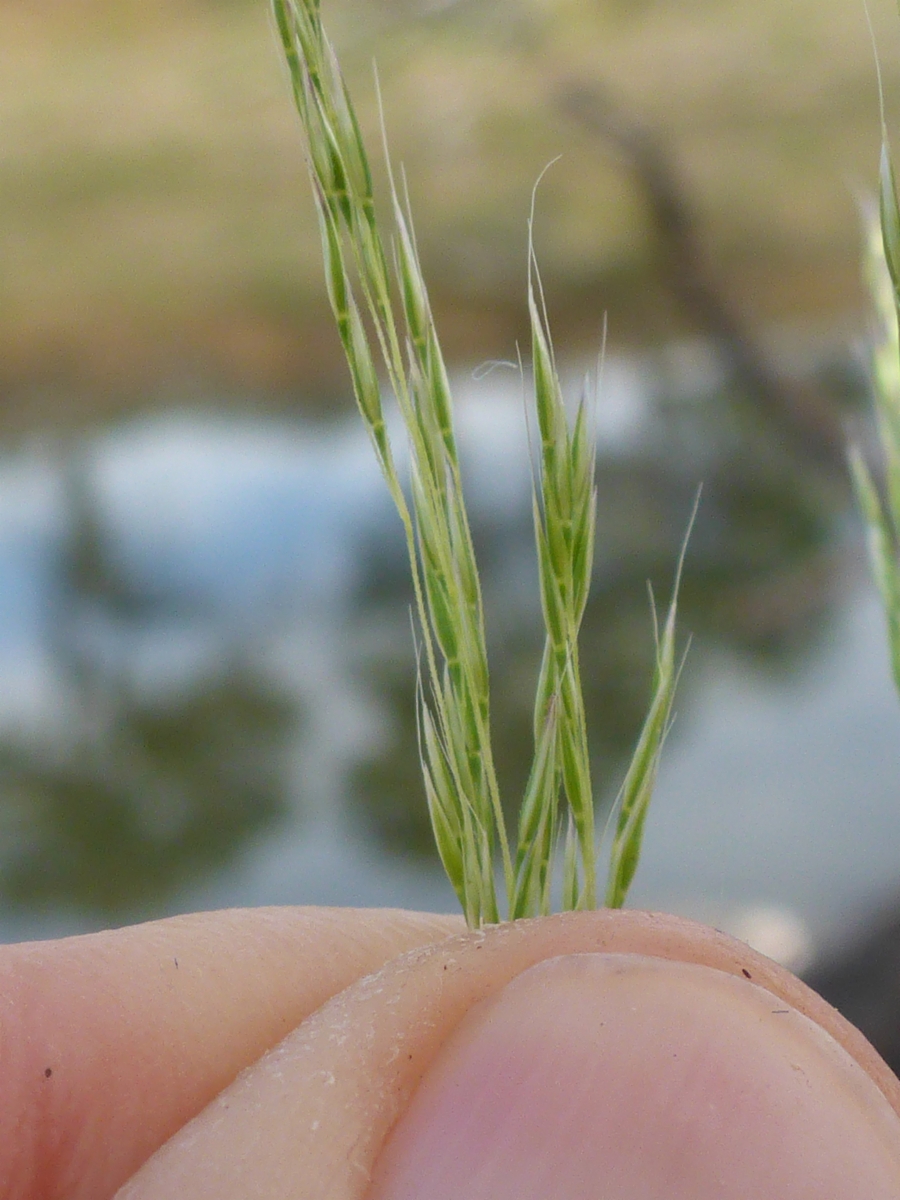
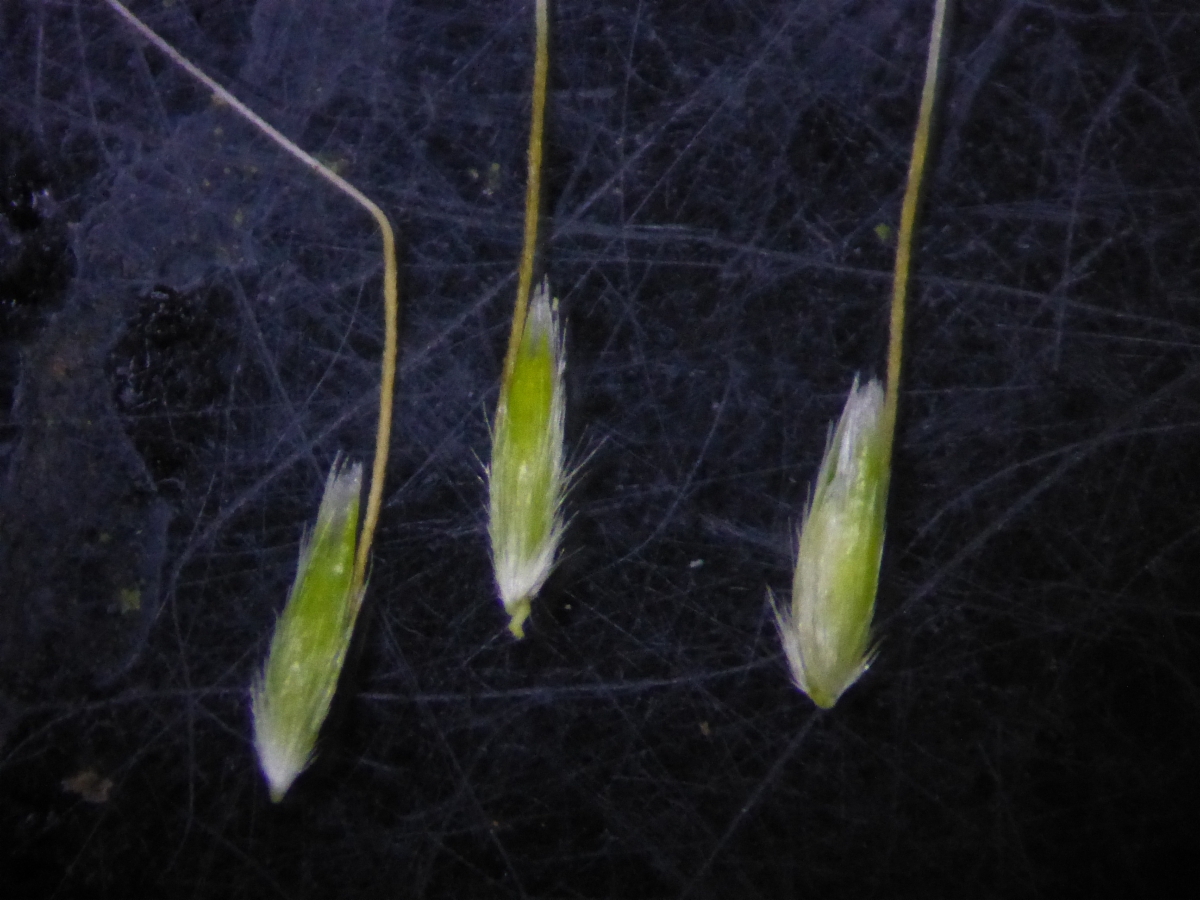
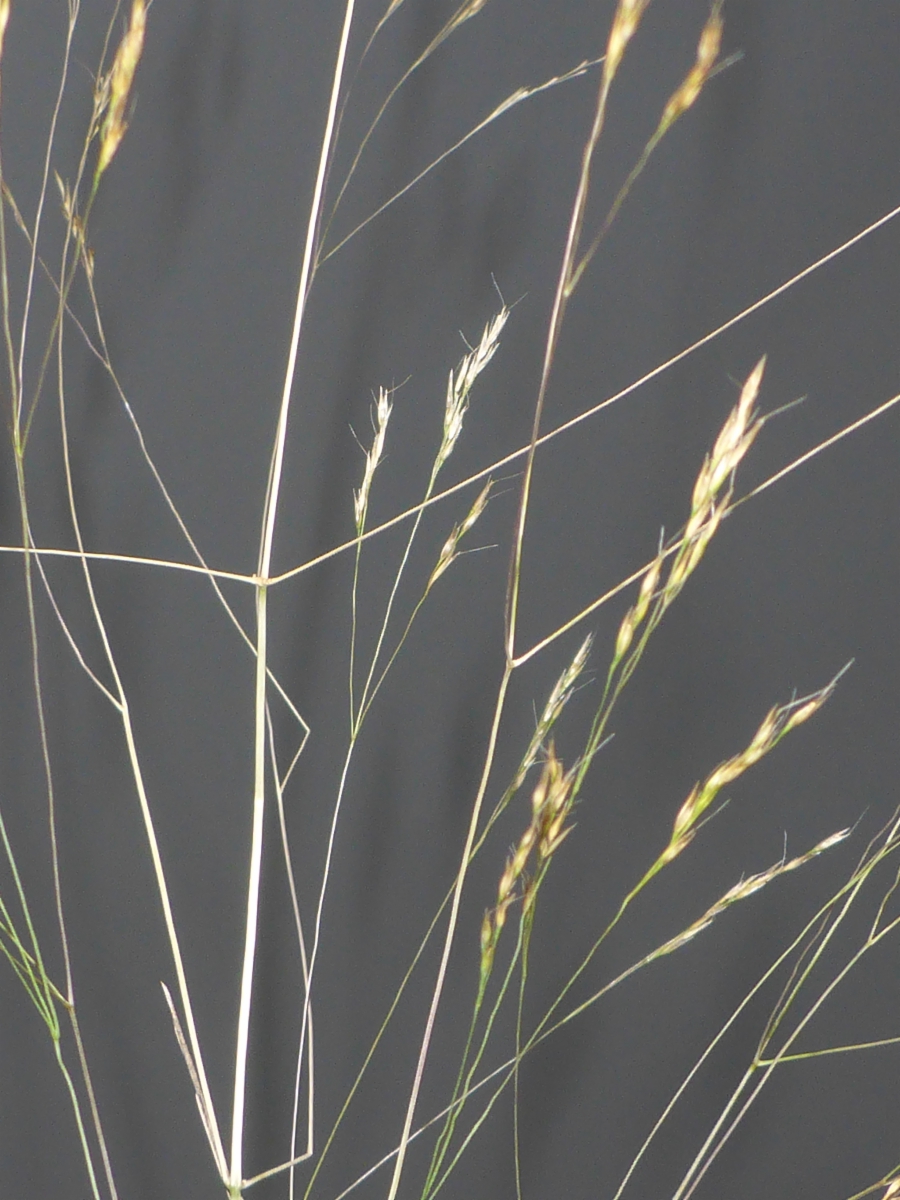
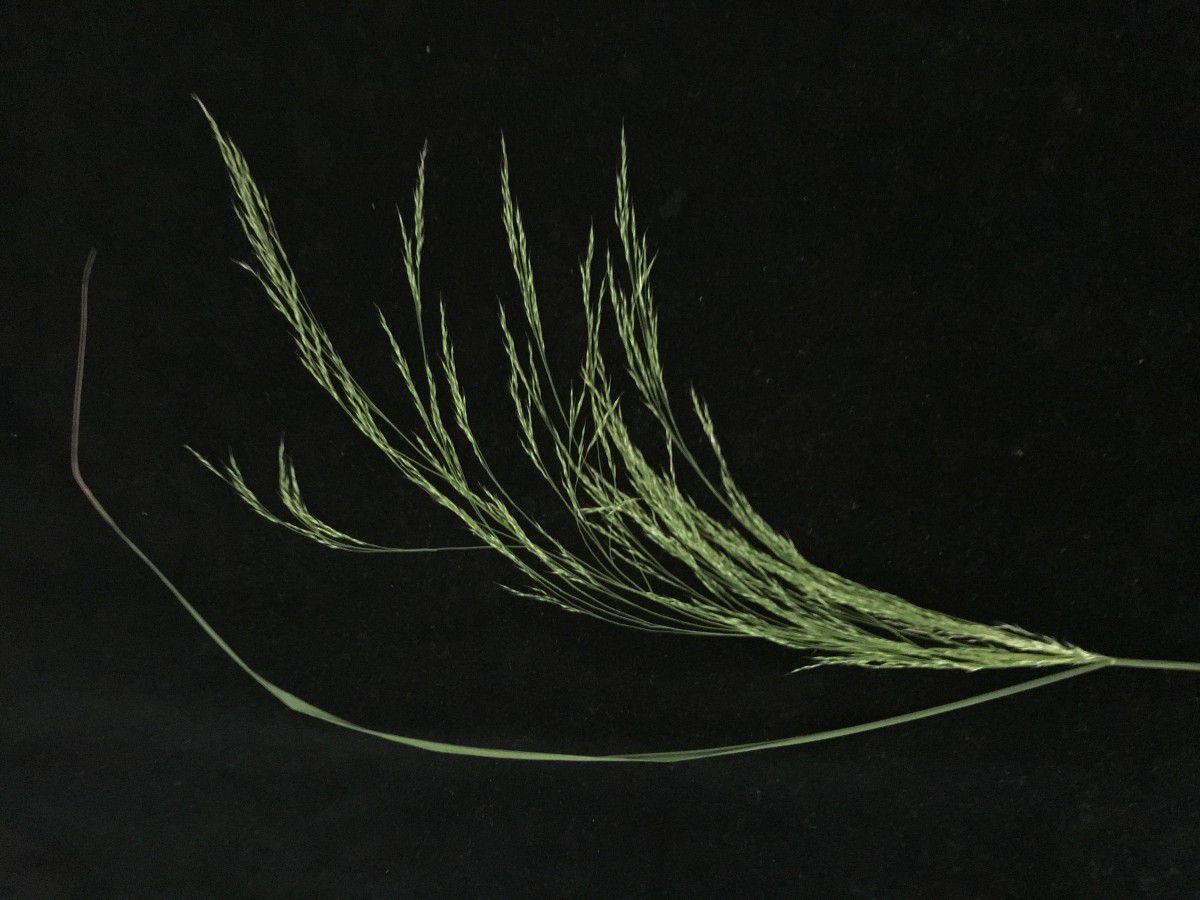
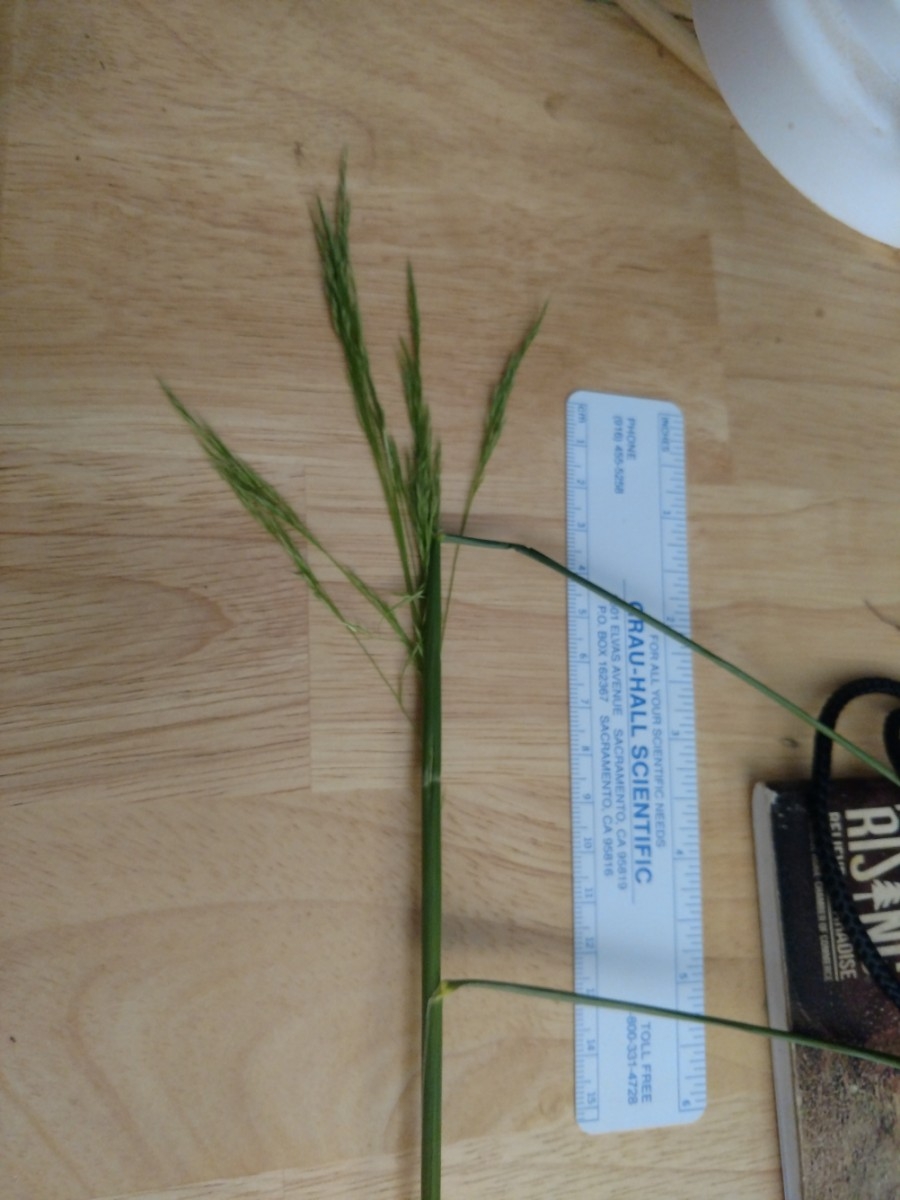
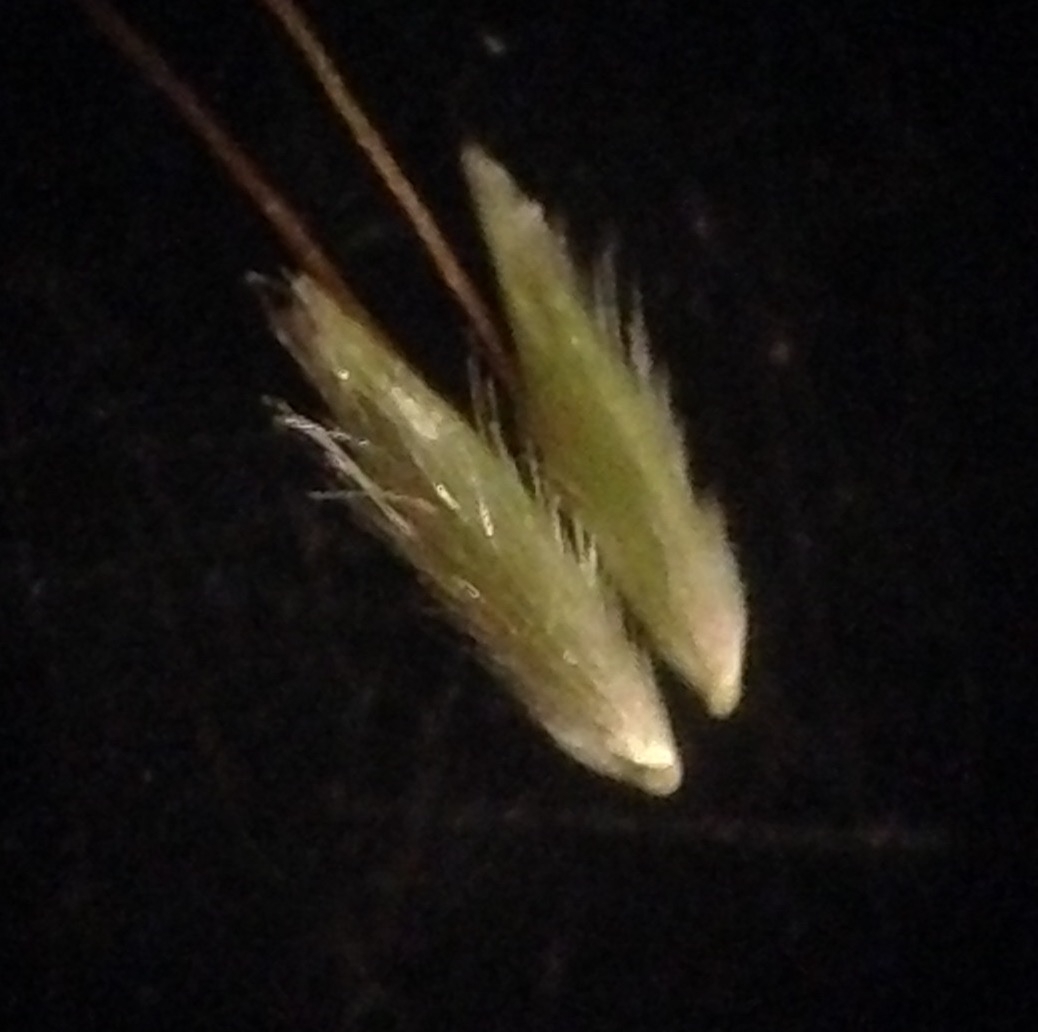
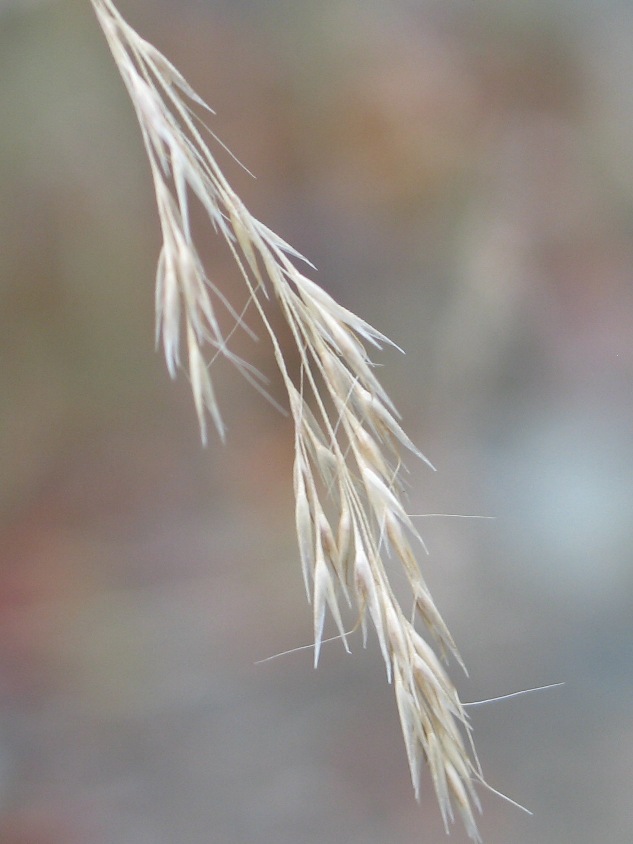
Pacific bent grass is a tufted perennial grass growing up to 65 centimeters tall. The leaf blades are flat and about 8 to 25 centimeters long and 2 to 3 millimeters wide. The stems, which are round or polygonal, are hollow.The inflorescence, which appears in June and July, may be from 7 to 30 centimeters long. It consists of a panicle of wispy strands, each with several tiny, fuzzy spikelets at the end. The spikelets are two or three millimeters long.
In Australia it is a fire hazard, and interferes with trains.
Lachnagrostis filiformis is known elsewhere as an introduced species and sometimes a noxious weed. It is particularly invasive in California, where it is a weed of sensitive vernal pool ecosystems around San Diego. (link added by Mary Ann Machi)
/app/up/entry/305/th/91697.jpg:!/app/up/mg/87/th/mg26307-1.jpg:!/app/up/entry/417/th/125290.jpg:!/app/up/entry/373/th/112123.jpg:!/app/up/entry/417/th/125292.jpg:!/app/up/entry/373/th/112124.jpg:!/app/up/entry/62/th/18689.jpg:!/app/up/mg/369/th/mg110990-0.jpg:!/app/up/entry/305/th/91698.jpg:!0000 0000 0312 2398:!
2021 John Rawlings:!2016 Andrew Longman:!2022 Donald Burk:!2021 Donald Burk:!2022 Donald Burk:!2021 Donald Burk:!2018 Doug Allshouse:!2020 David popp:!2021 John Rawlings:!2012 Robert Steers:!
po188703:!mg26307:!po231063:!po199303:!po231063:!po199303:!po91893:!mg110990:!po188703:!null:!
Suggested Citation
Calflora:
Information on California plants for education, research and conservation,
with data contributed by
public and private institutions and individuals.
[web application]. 2024. Berkeley, California:The Calflora Database
[a non-profit organization].Available:
https://www.calflora.org/(Accessed: 07/26/2024).

 one or more occurrences