Calflora Taxon Report
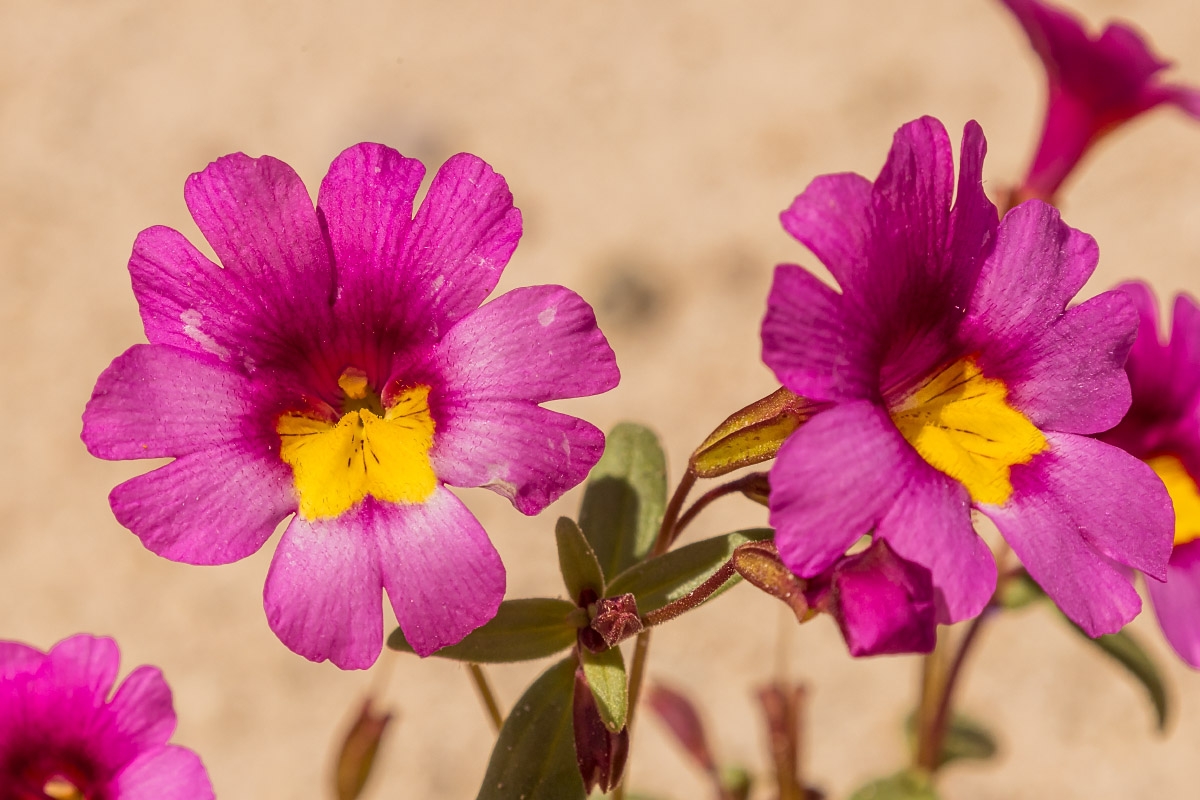
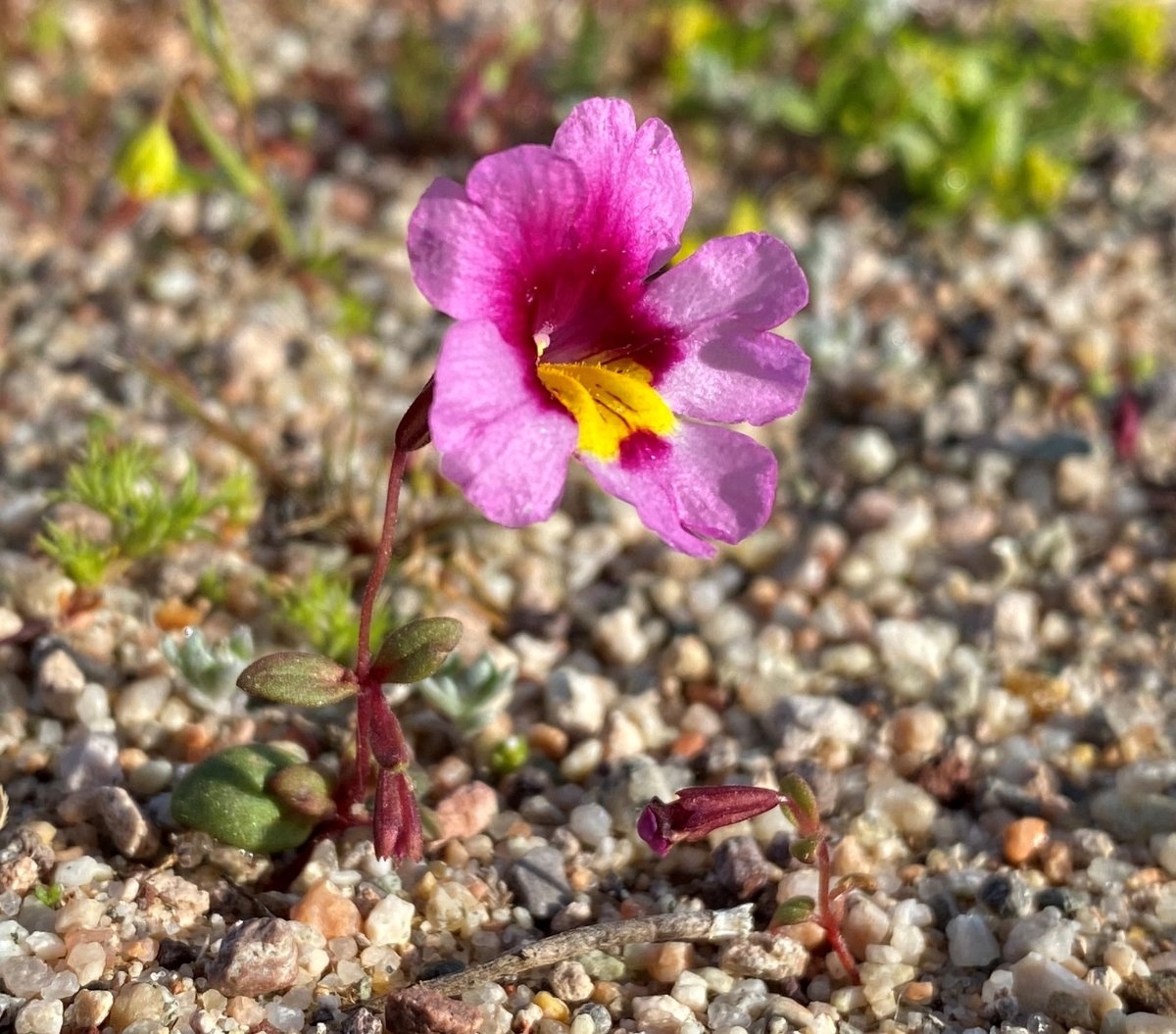
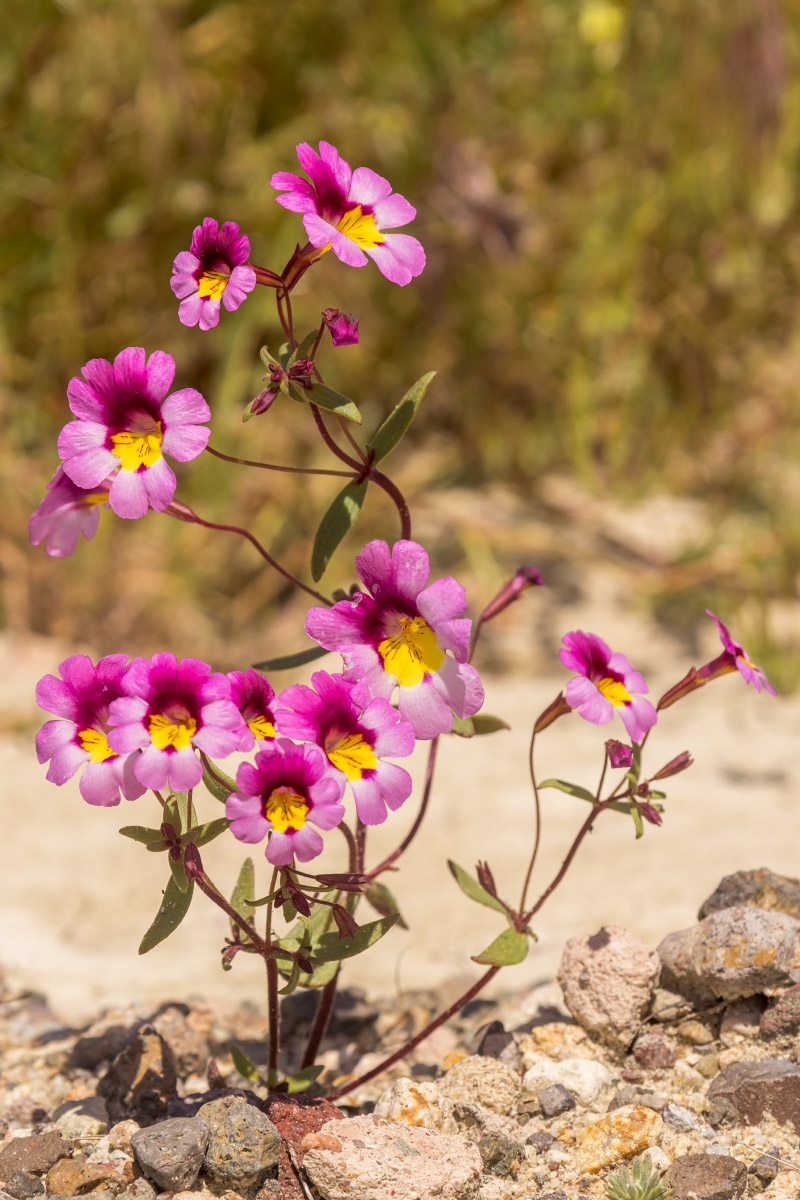
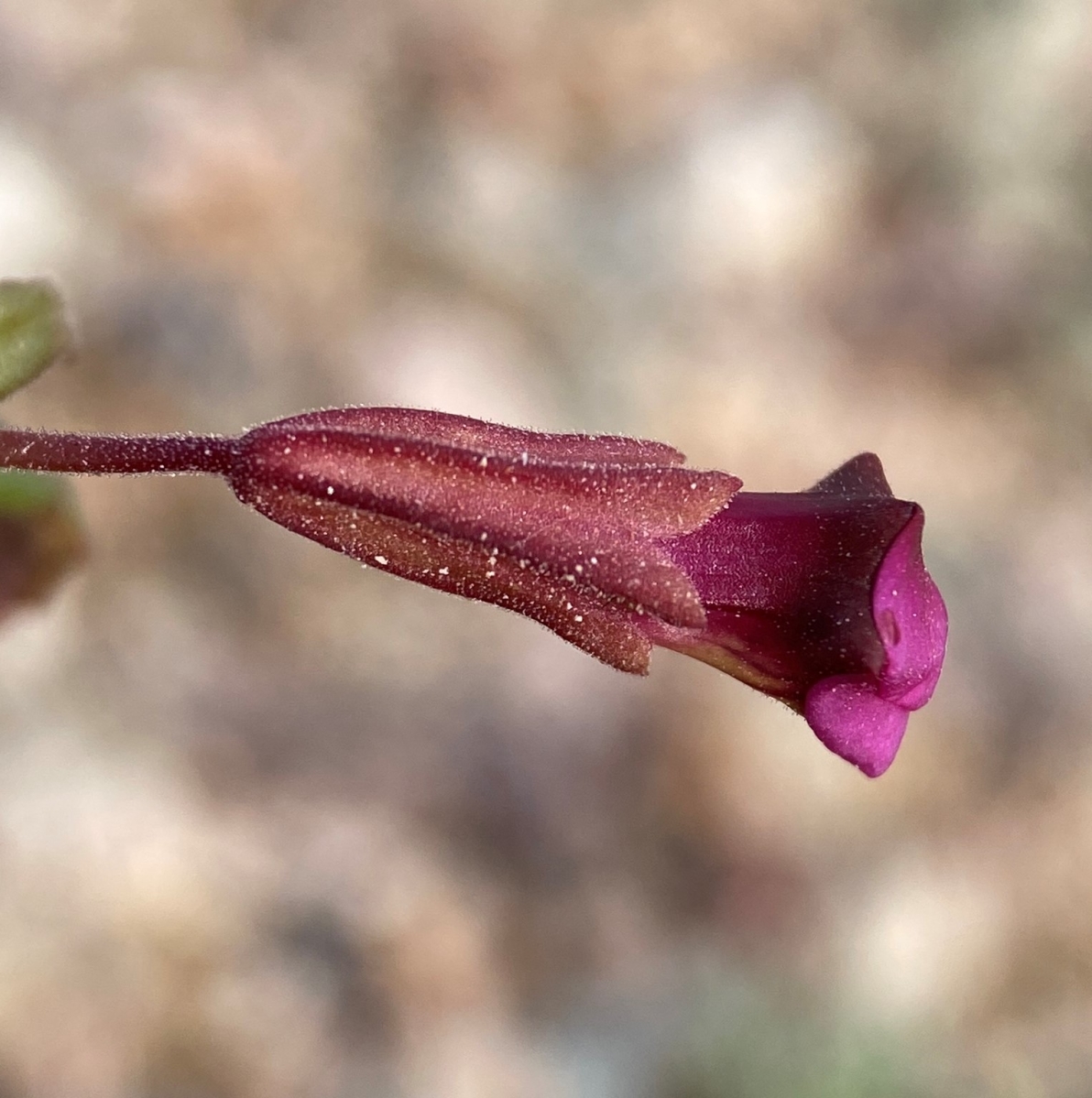
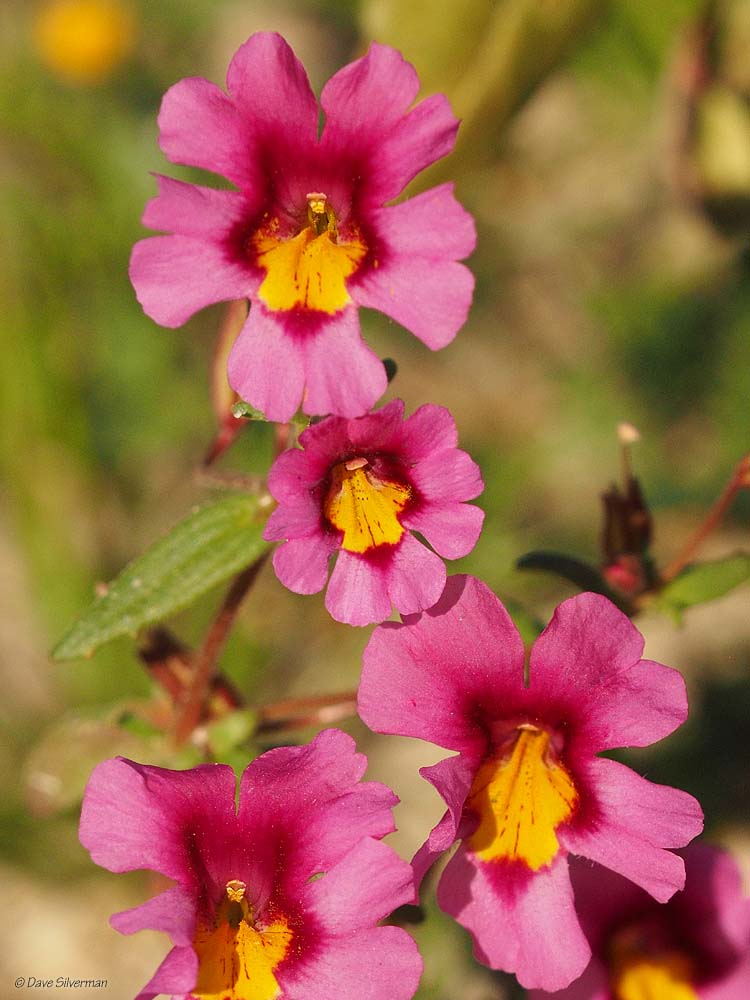
Erythranthe rhodopetra  N.S. Fraga
Red rock canyon monkeyflower
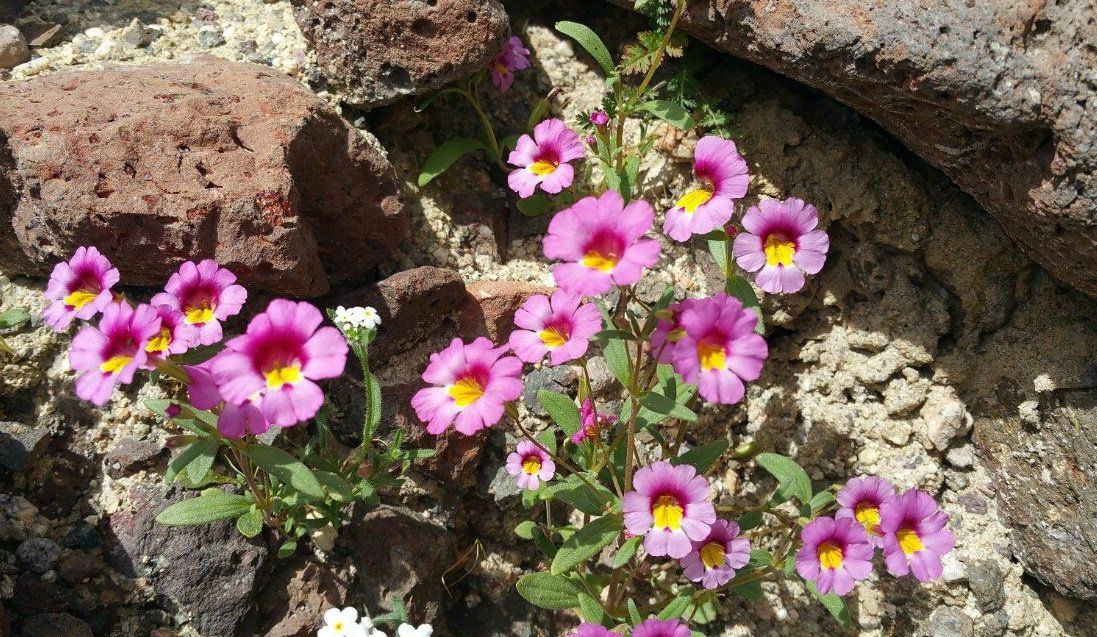
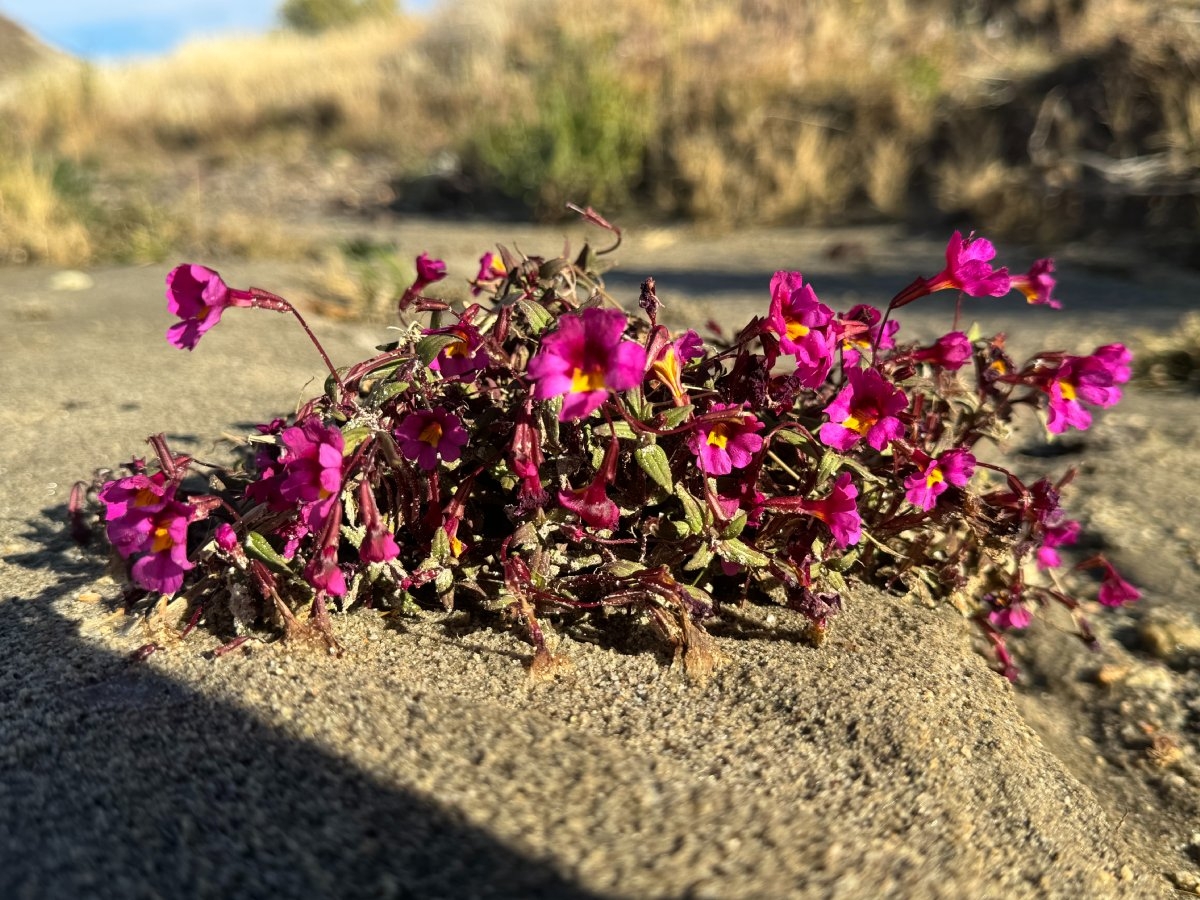
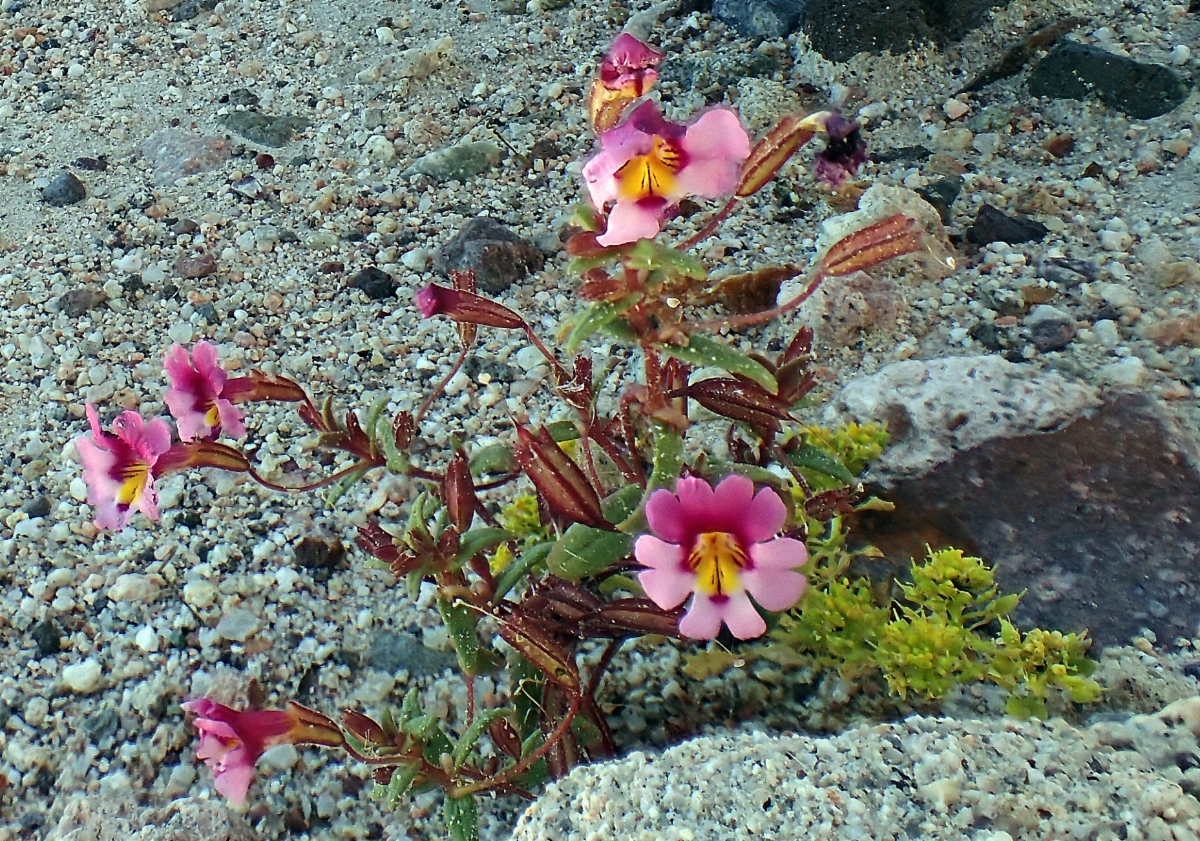
photo on Calflora
2023 Bob Steele
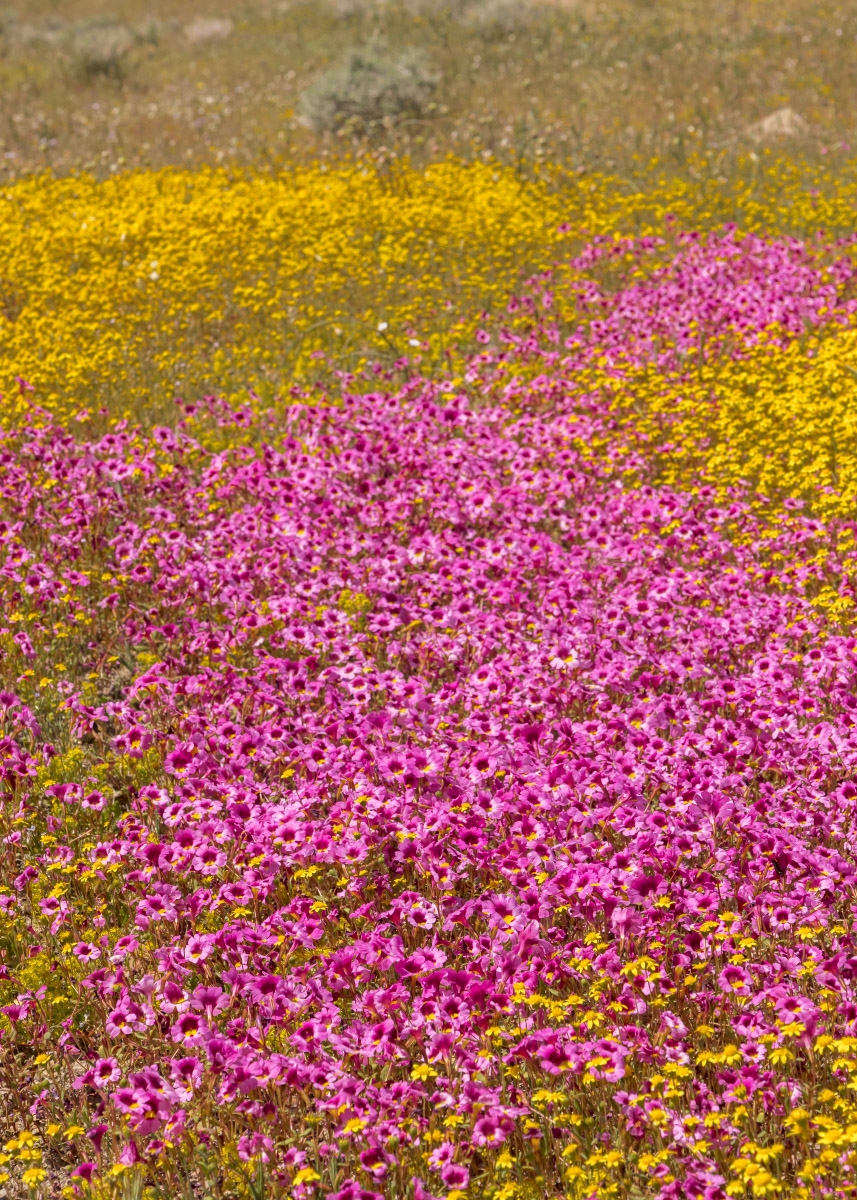
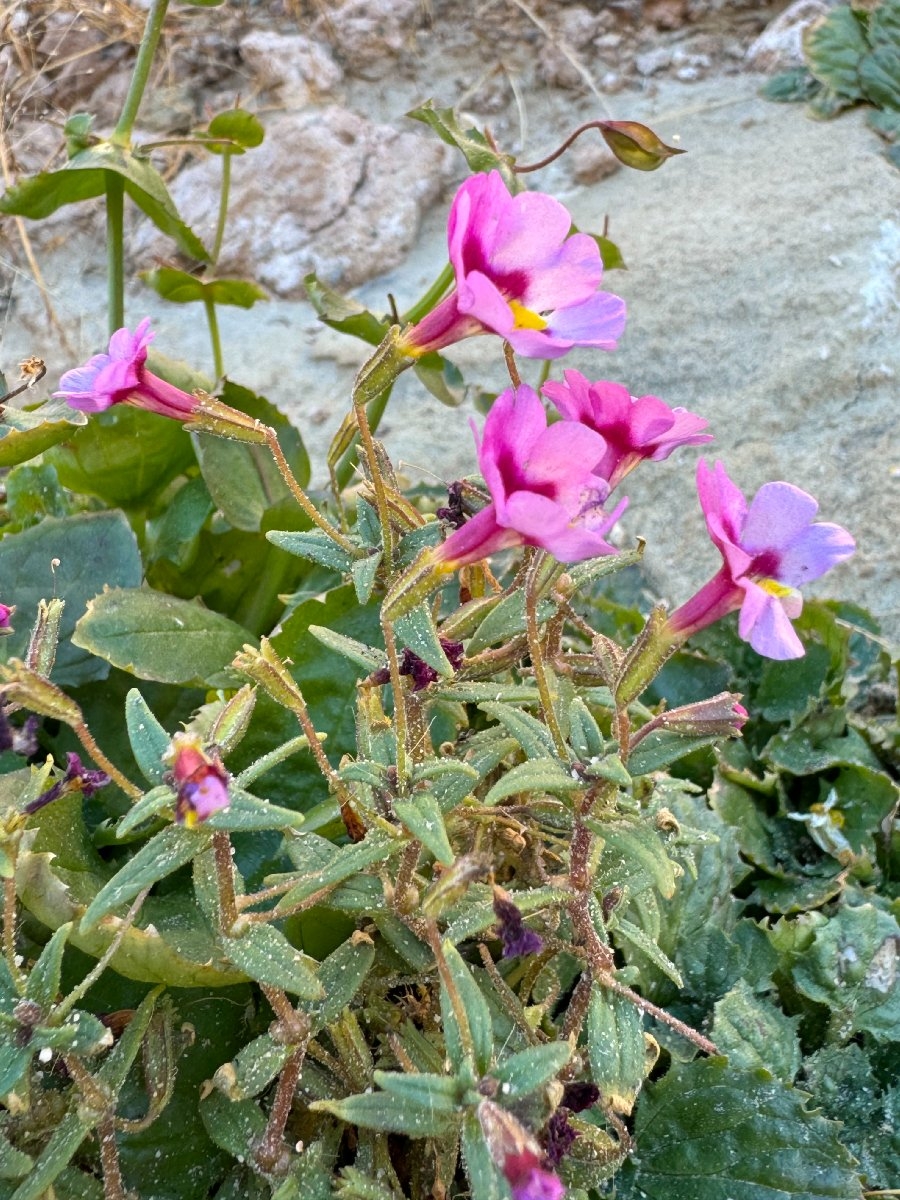
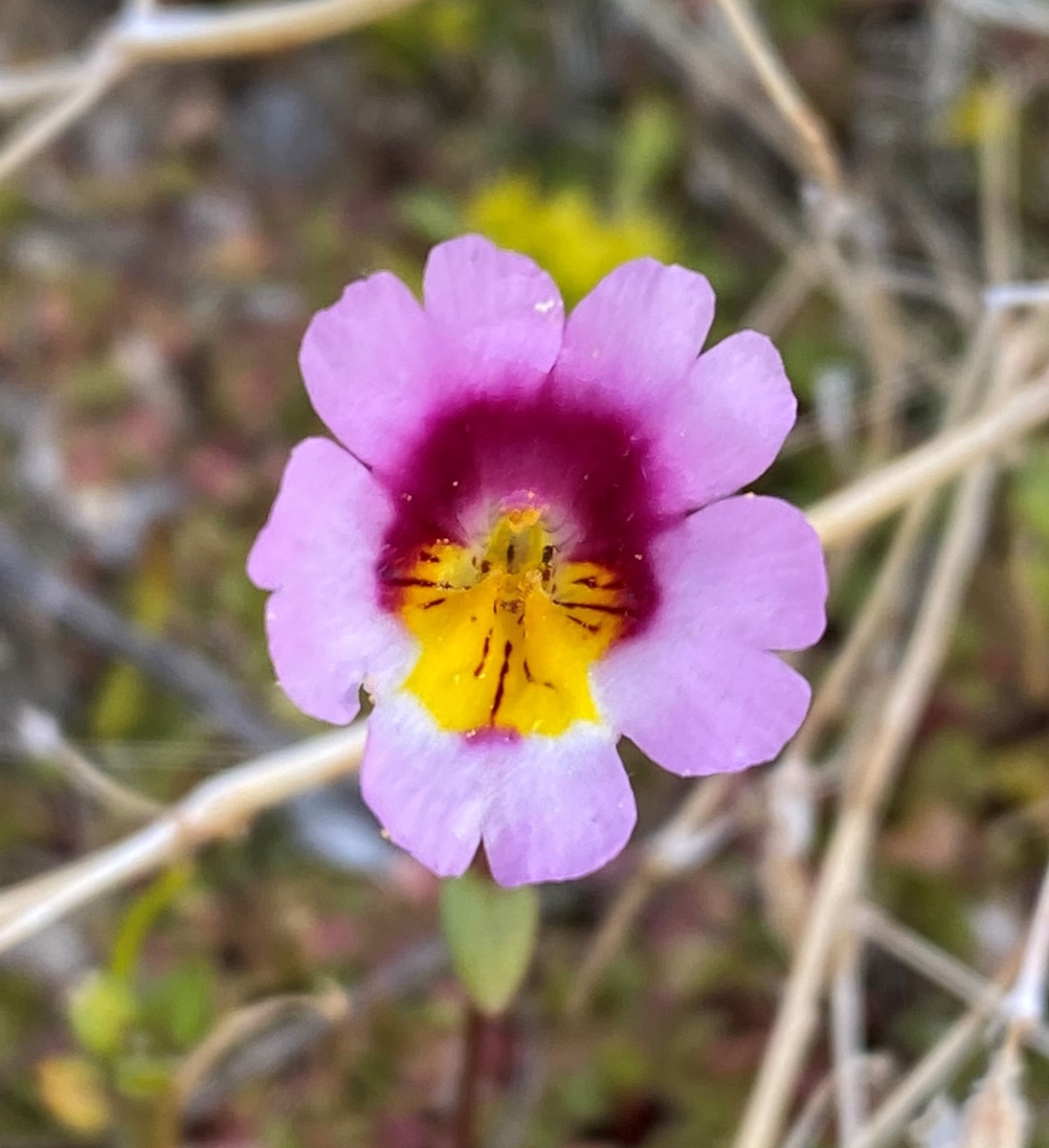
photo on Calflora
2020 Matt Berger
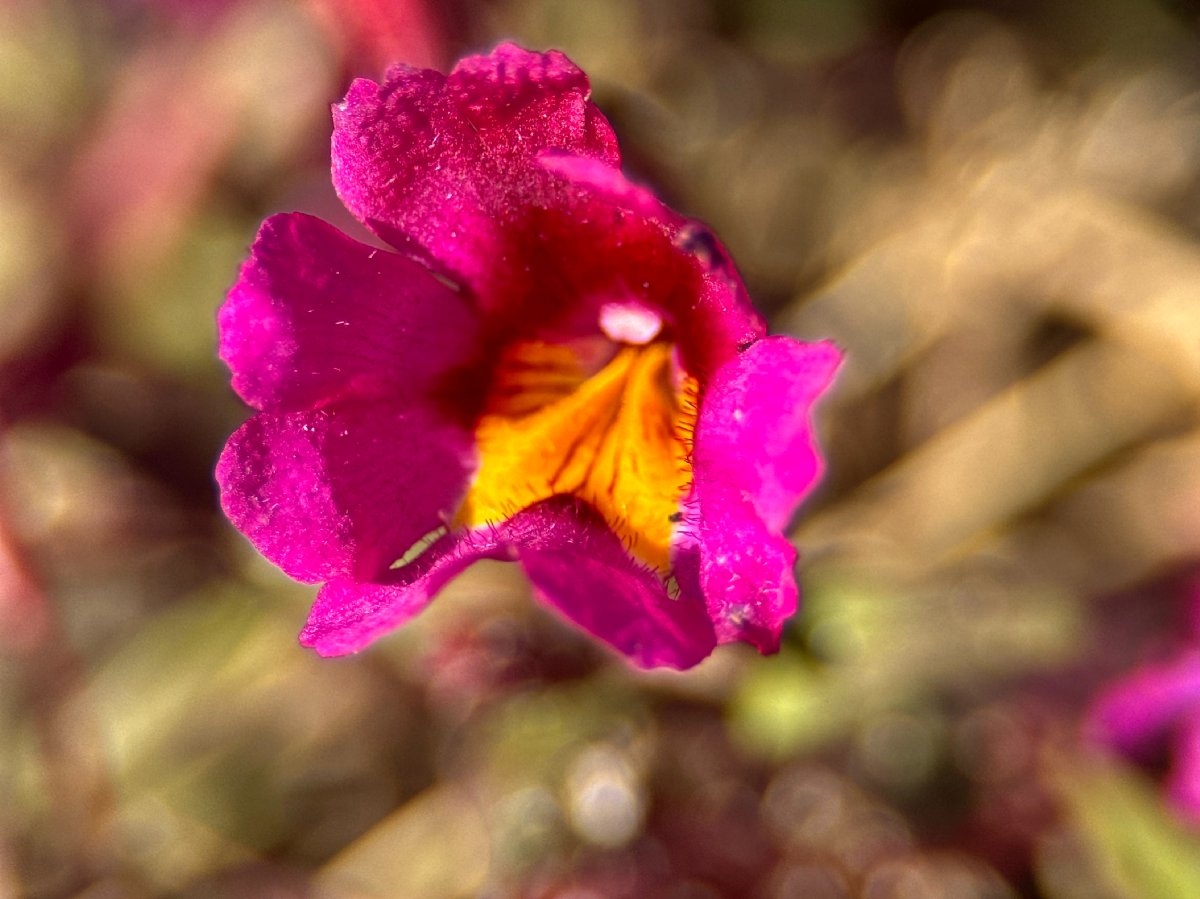
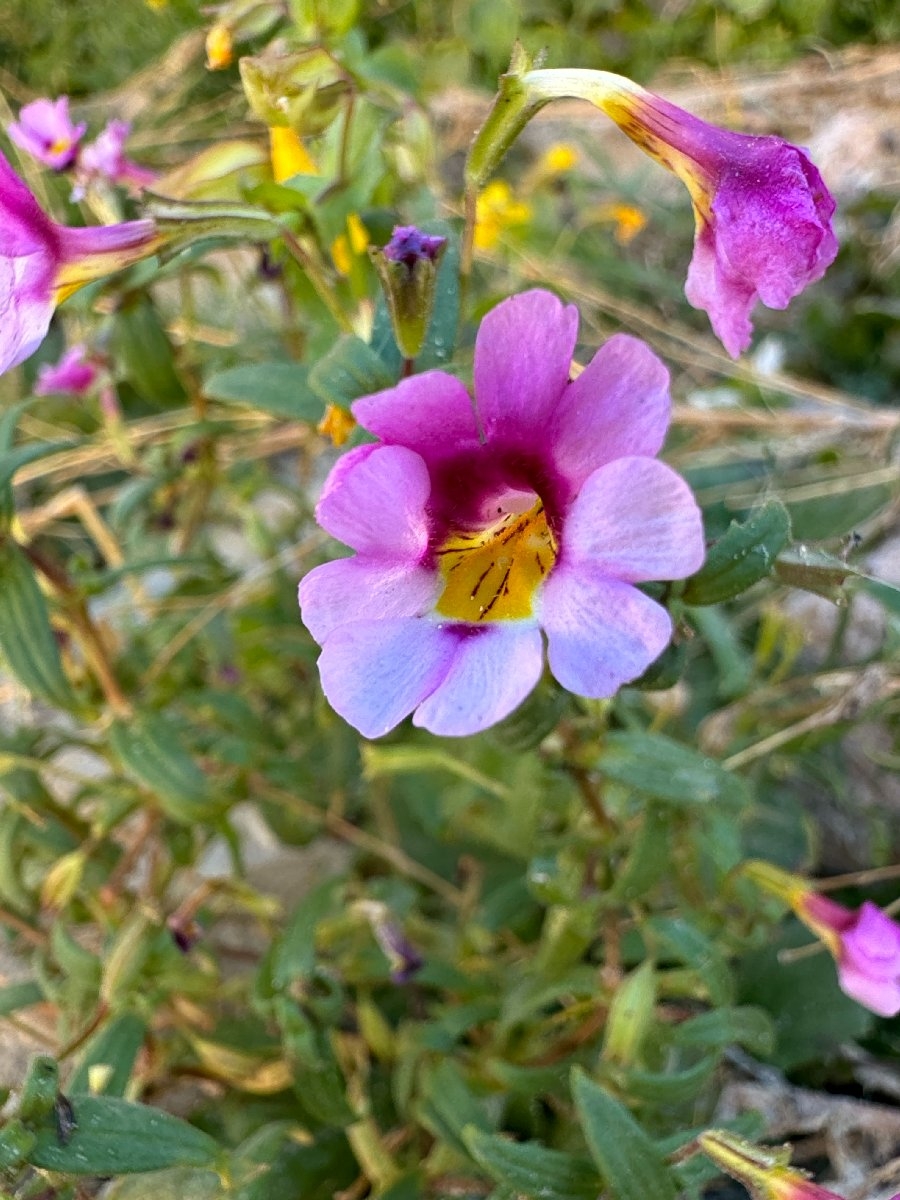
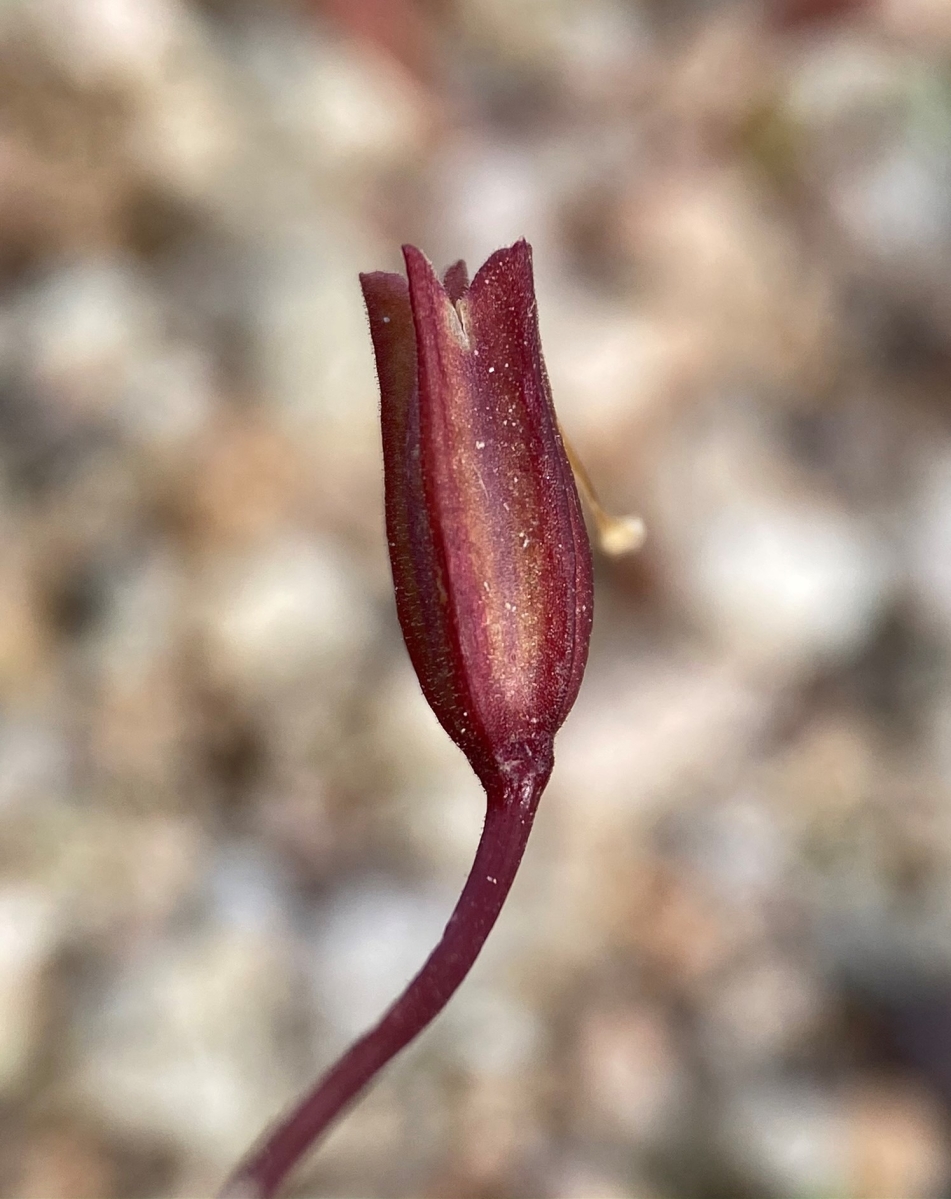
photo on Calflora
2023 Bob Steele
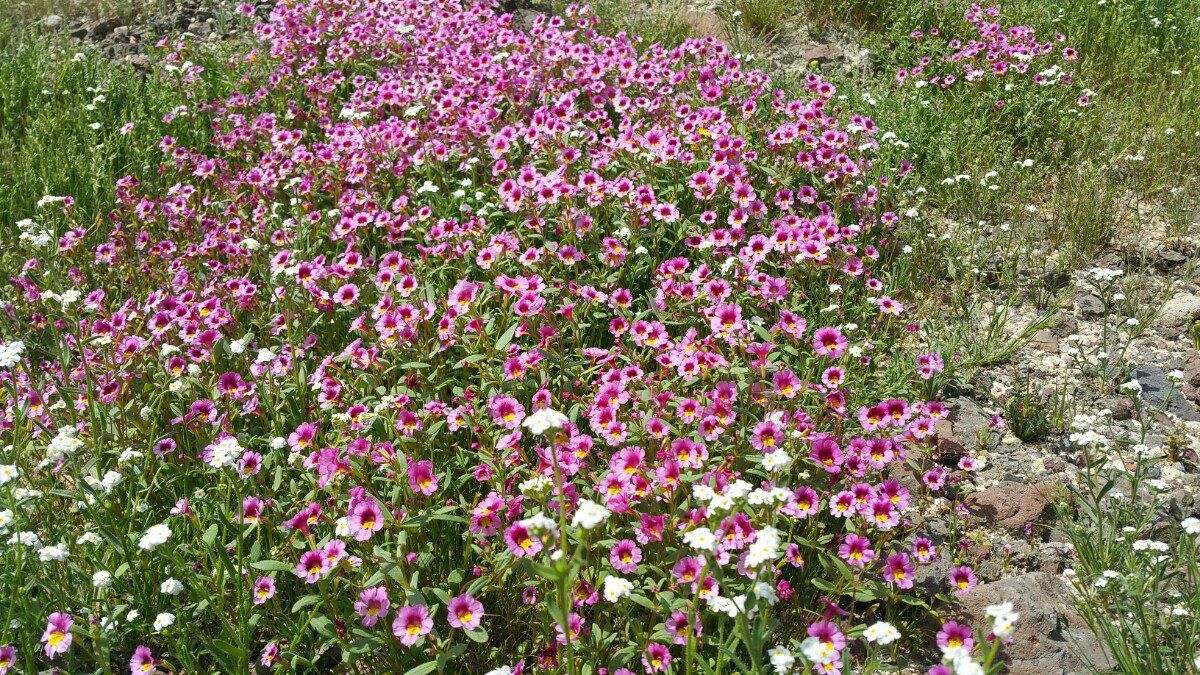
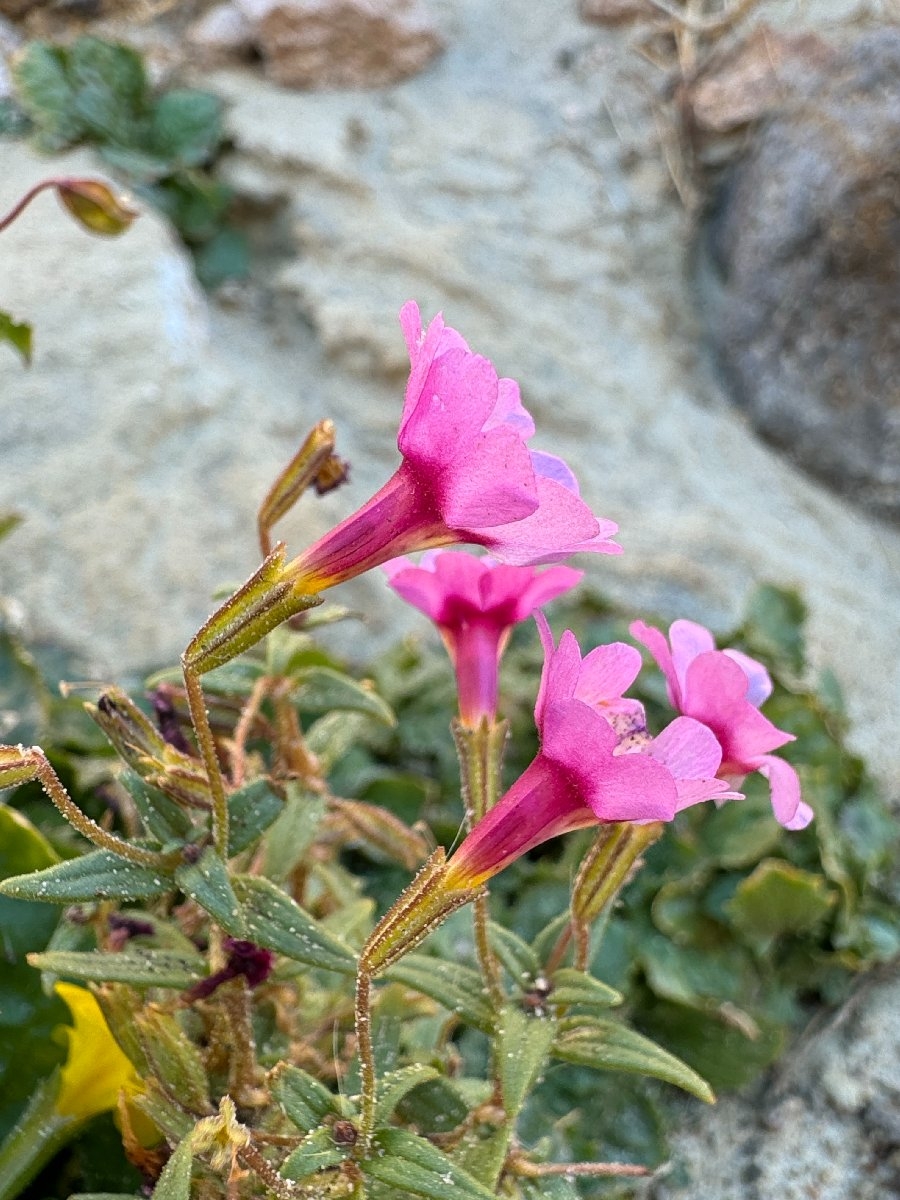
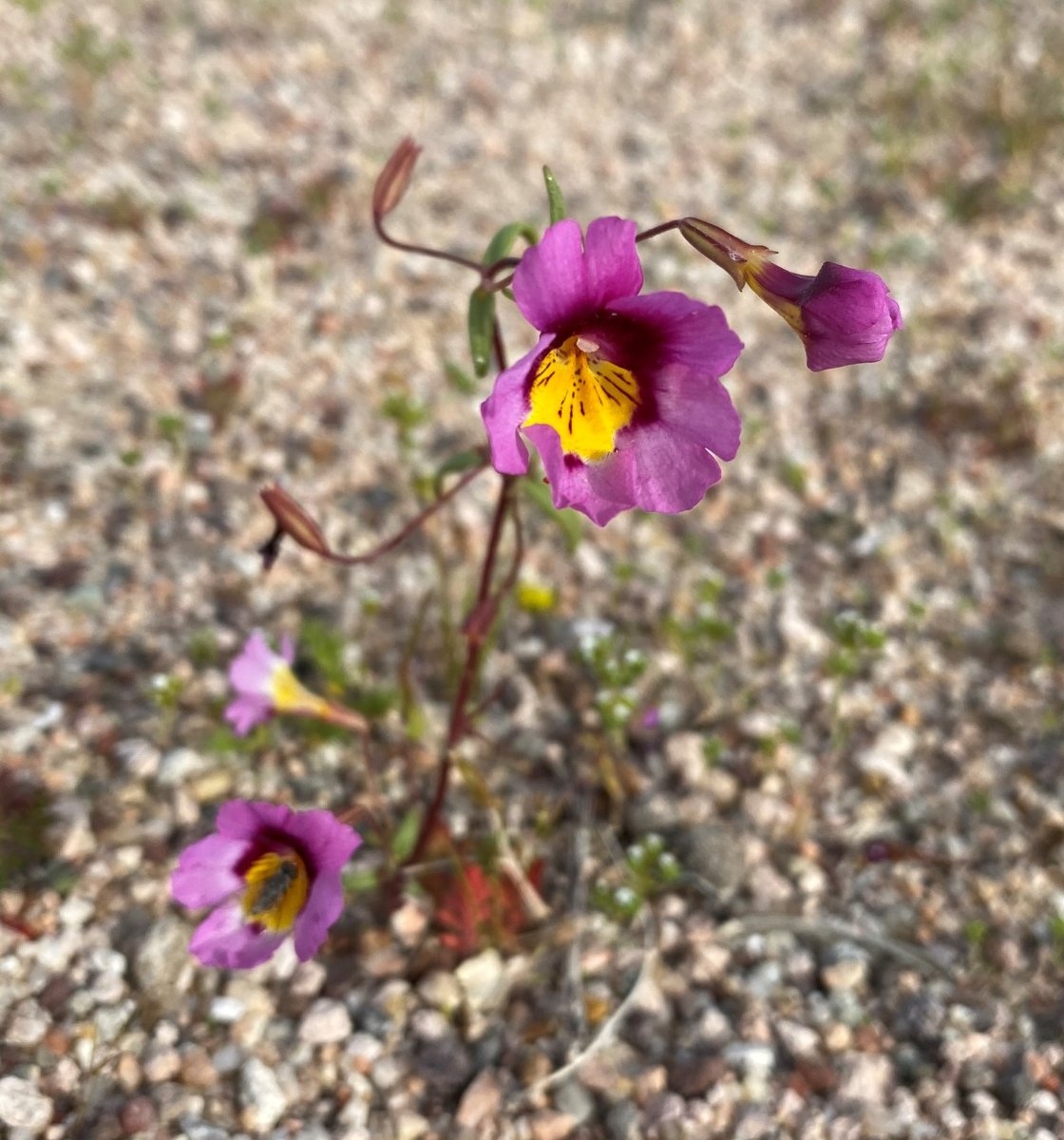
photo on Calflora
2020 Matt Berger
photo on Calflora
2020 Matt Berger
photo on Calflora
2023 Bob Steele
photo on Calflora
2023 Bob Steele
photo on Calflora
2024 Bob Steele
photo on Calflora
2024 Bob Steele
photo on Calflora
2025 Mike Russler
photo on Calflora
2025 Mike Russler
photo on Calflora
2023 Bob Steele
photo on Calflora
2023 Bob Steele
photo on Calflora
2023 Richard Spjut
photo on Calflora
2018 Adam Chasey
photo on Calflora
2019 Dylan Neubauer
photo on Calflora
2020 Matt Berger
photo on Calflora
2020 Matt Berger
photo on Calflora
2017 Adam Chasey
Erythranthe rhodopetra is an annual herb that is native to California.
California Rare Plant Rank: 1B.1 (rare, threatened, or endangered in CA and elsewhere).
Siskiyou Del Norte Modoc Humboldt Shasta Lassen Trinity Plumas Tehama Butte Mendocino Glenn Sierra Yuba Lake Nevada Colusa Placer Sutter El Dorado Yolo Alpine Napa Sonoma Sacramento Mono Amador Solano Calaveras Tuolumne San Joaquin Marin Contra Costa Alameda Santa Cruz Mariposa Madera San Francisco San Mateo Merced Fresno Stanislaus Santa Clara Inyo San Benito Tulare Kings Monterey San Bernardino San Luis Obispo Kern Santa Barbara Ventura Los Angeles Riverside Orange San Diego Imperial
Genus: Erythranthe
Family: Phrymaceae  
(Scrophulariaceae)
Category: angiosperm  
PLANTS group:Dicot
Jepson eFlora section: eudicot
Name Status:
Accepted by JEF + CNPS + POWO
External links:

[Wikipedia] Etymology: The derivation of Erythranthe is from Greek erythros red, with anthos, flower. They are called monkey-flowers because some species have flowers shaped like a monkey's face. (link added by Mary Ann Machi)

[Wikipedia] Limited Range, Threats, Similar Species: Erythranthe rhodopetra, also known as the Red Rock Canyon monkeyflower, is a species of plant.[1] Erythranthe rhodopetra is a rare plant native to Kern County, California, United States.[2] According to the California Native Plant Society, "Known only from the El Paso Mtns. Many occurrences historical; need field surveys. Possibly threatened by mining, vehicles, recreational activities, foot traffic, and non-native plants. Previously identified as, and similar to, E. palmeri." (link added by Mary Ann Machi)

Suggested Citation
“Calflora - Taxon Report.” The Calflora Database, a non-profit organization. .

Accessed: