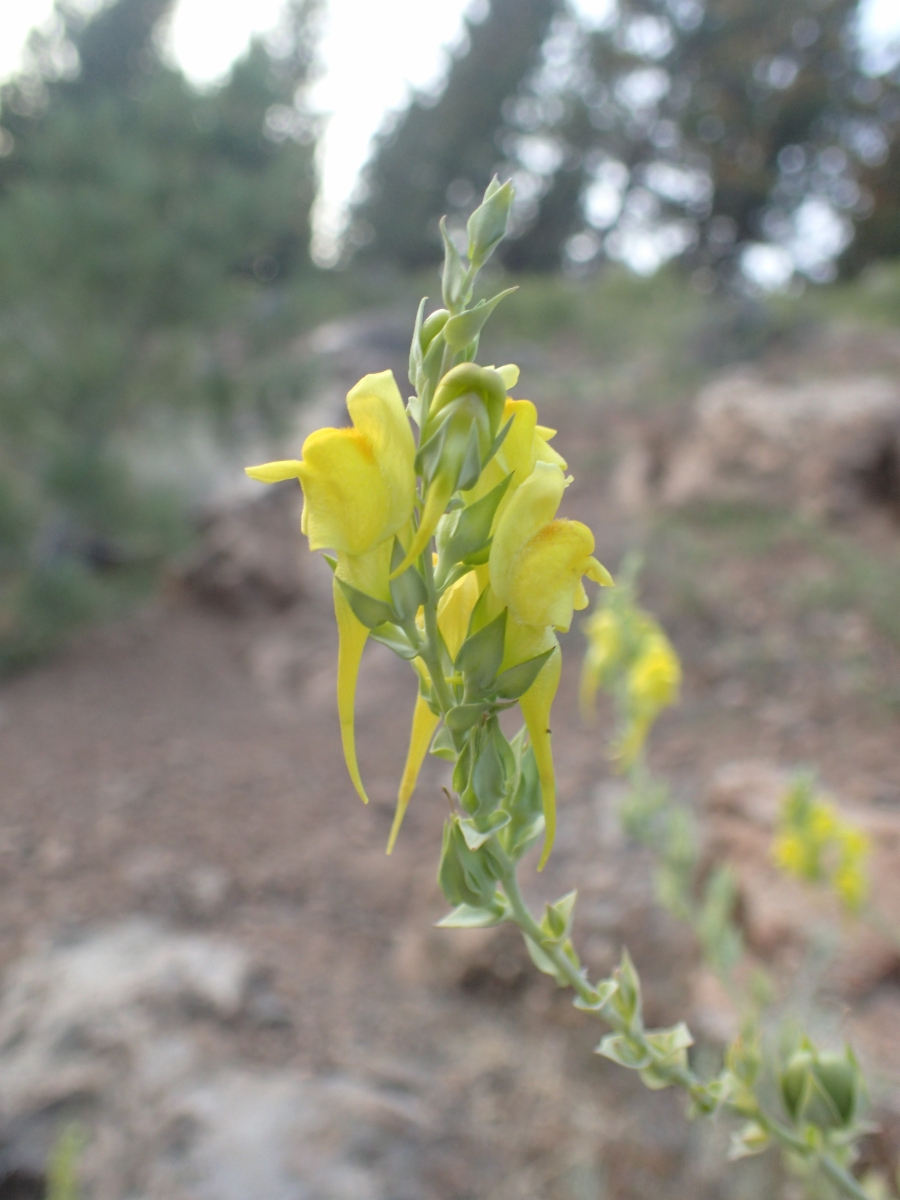
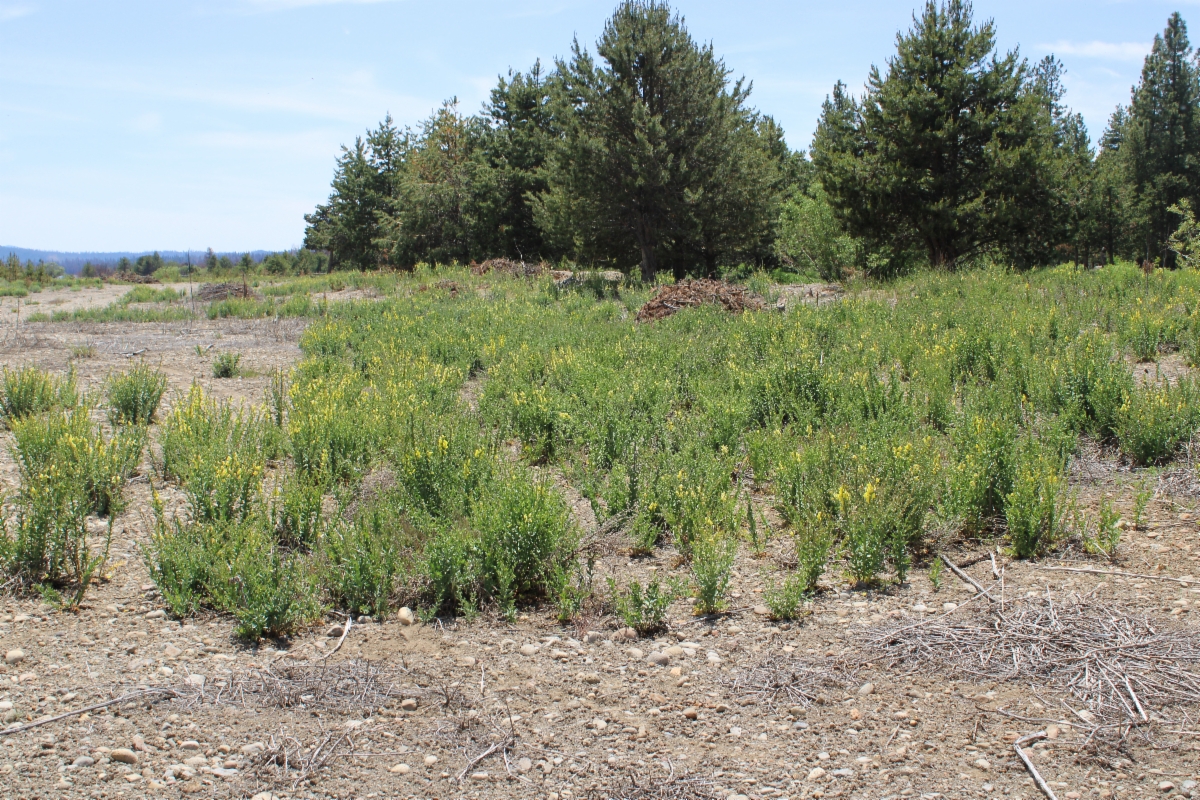
2022 Jonathan Widdicombe 2022 Patrick Hoffman 2021 Diana Wing 2021 Diana Wing 2021 John Beall 2022 Jonathan Widdicombe 2022 Jonathan Widdicombe 2022 Jonathan Widdicombe 2022 Jennifer Wiley 2005 Louis-M. Landry
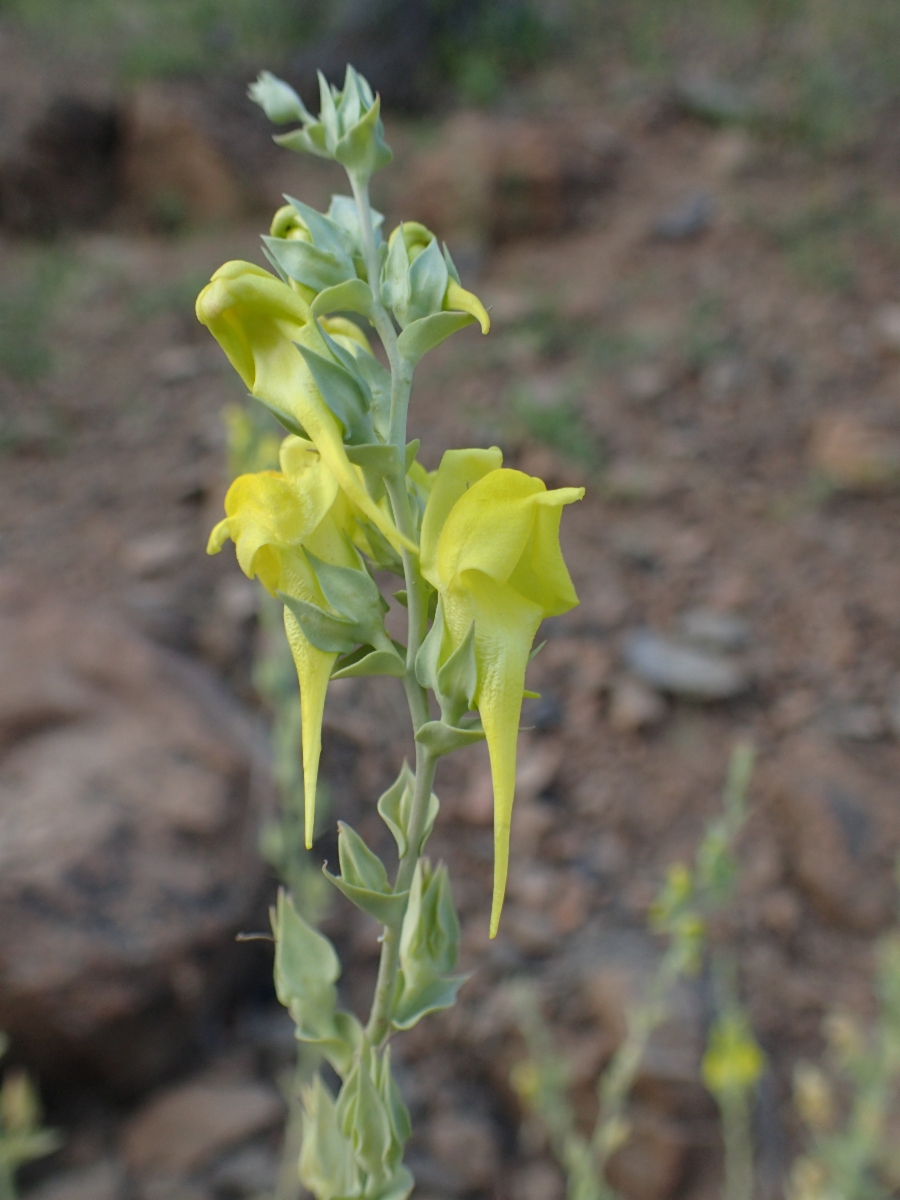
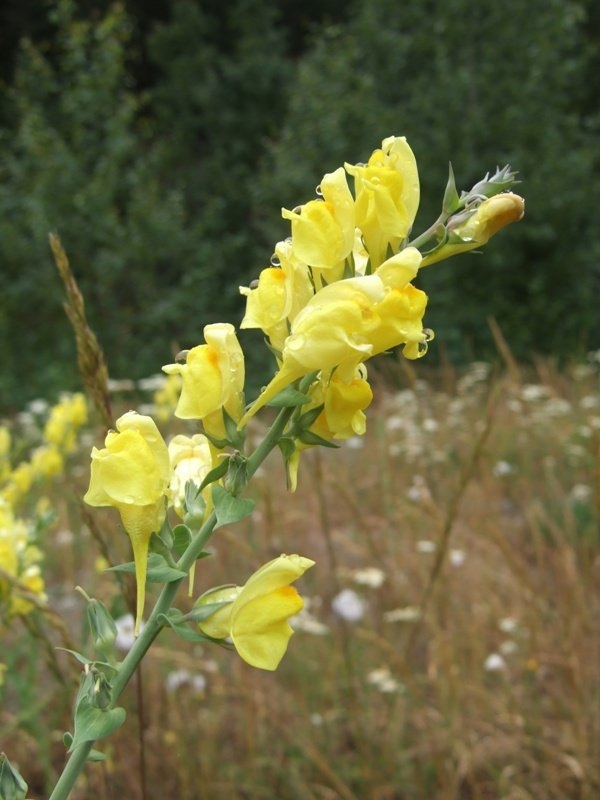
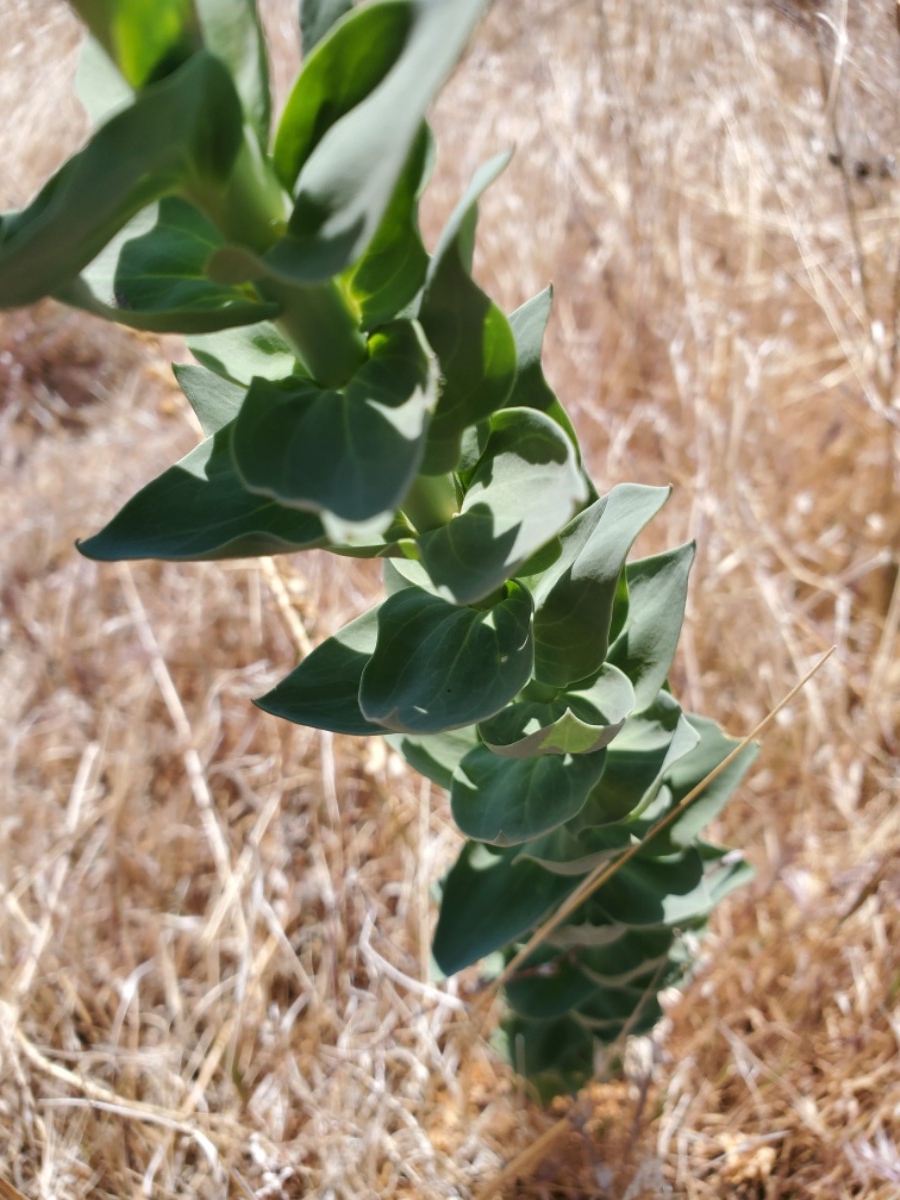
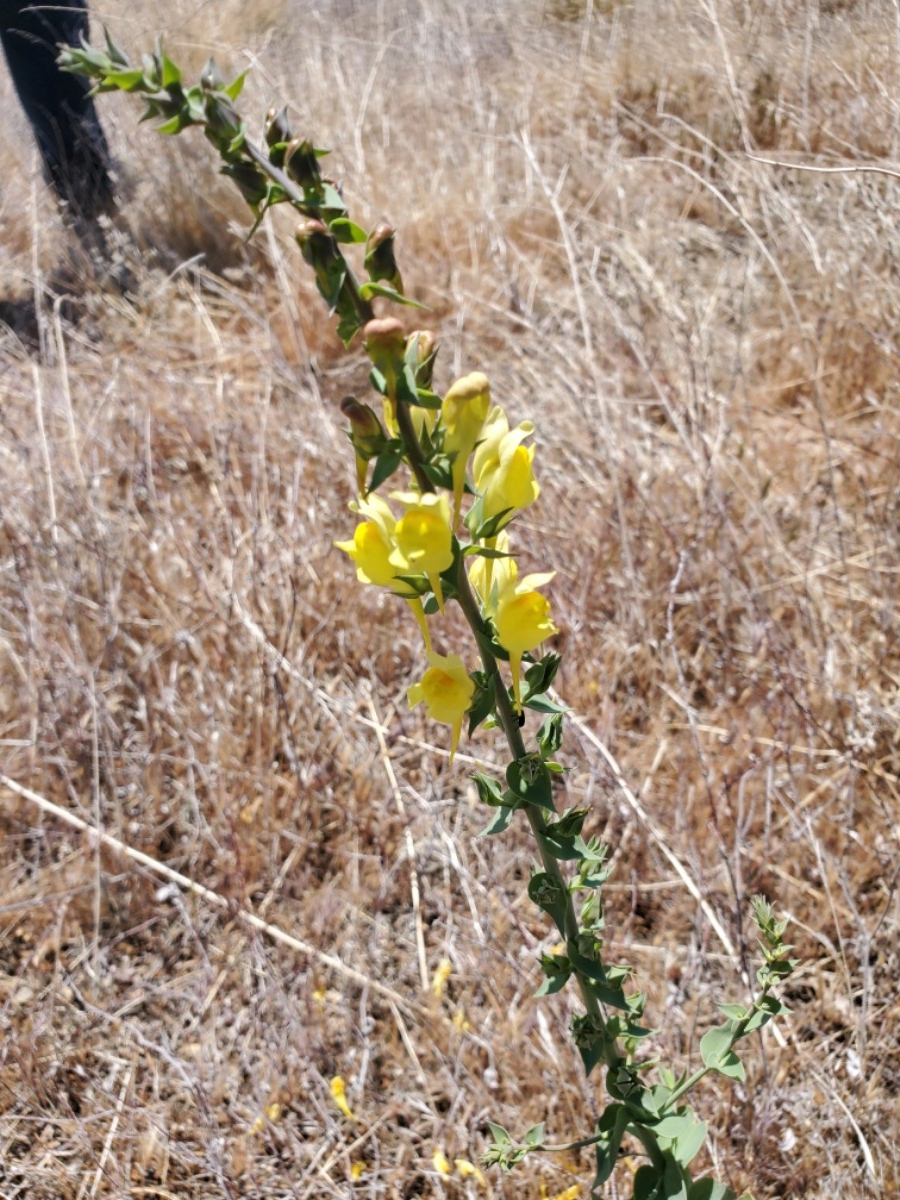
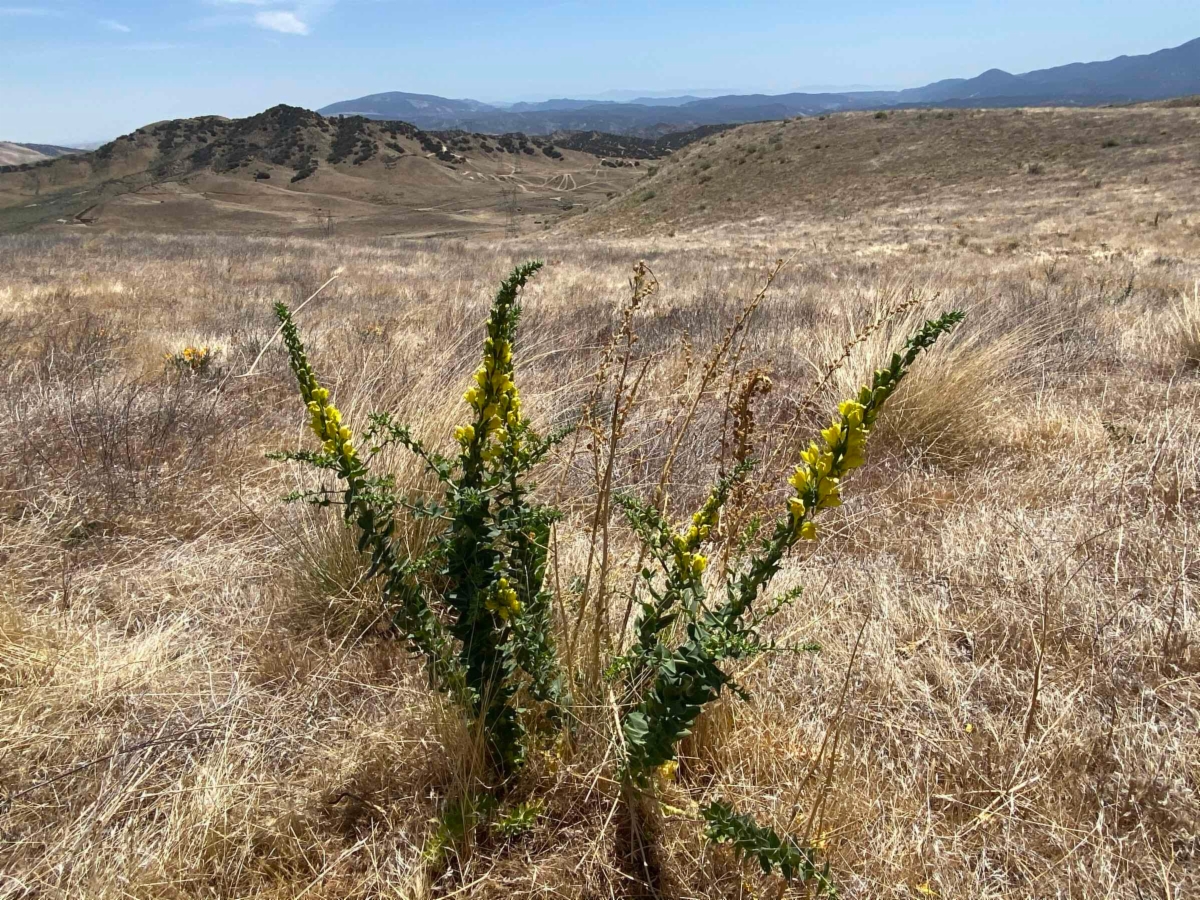
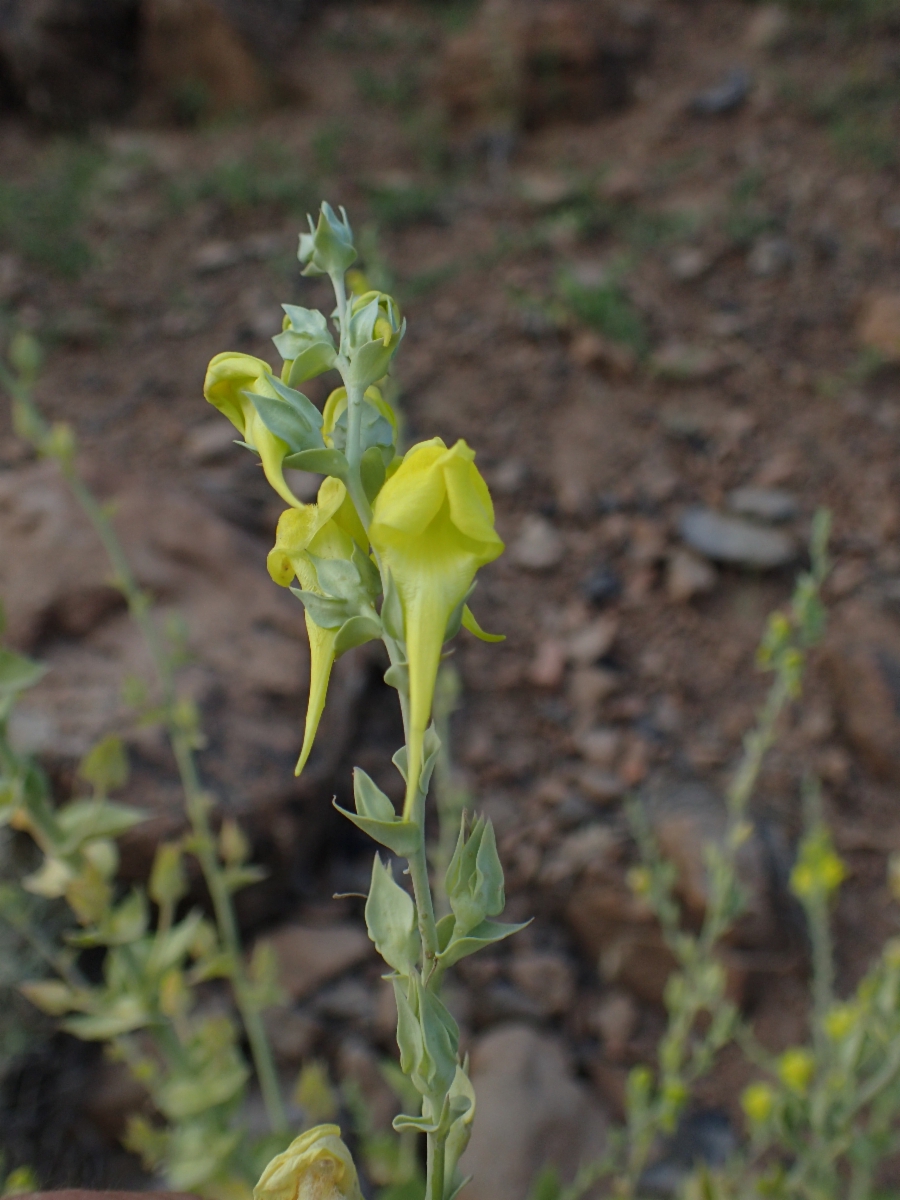
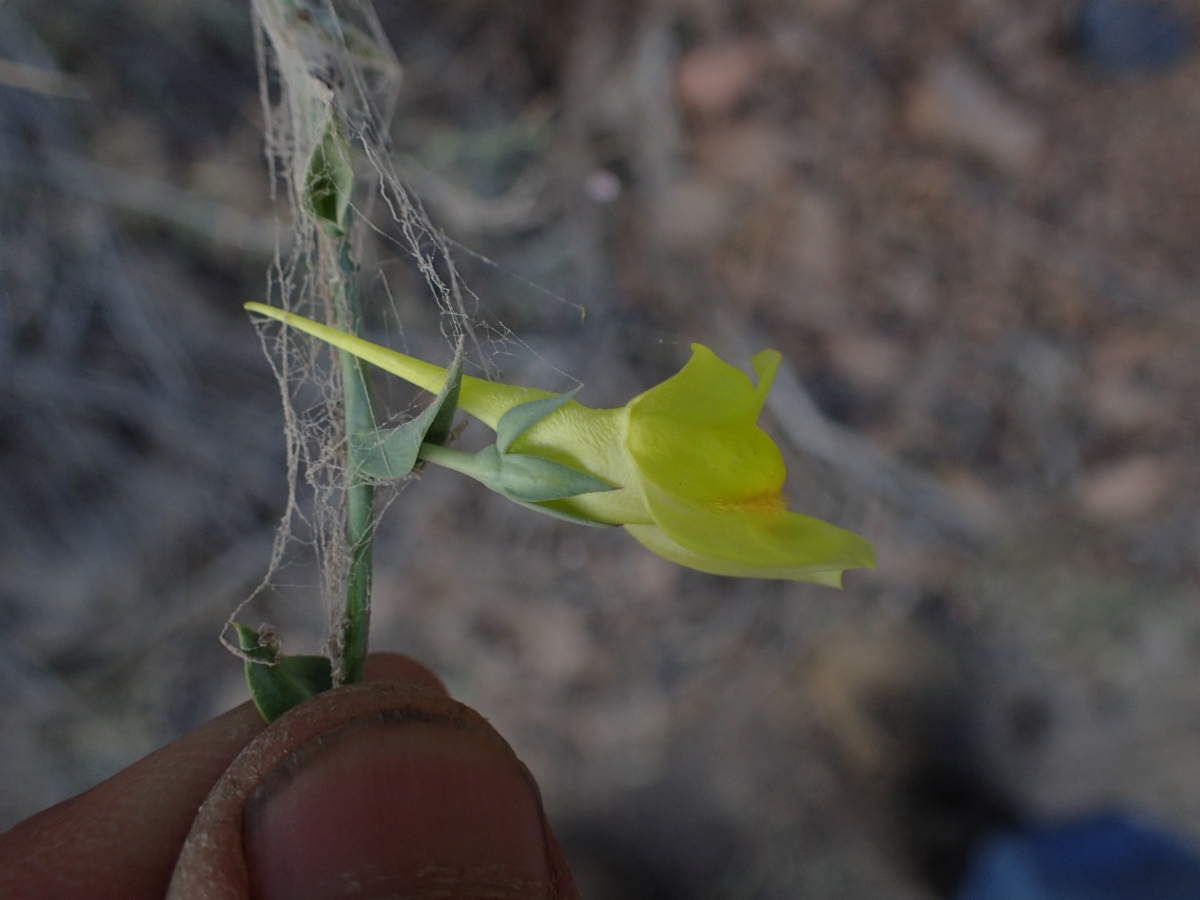
Linaria dalmatica is a perennial herb that is not native to California.
/app/up/entry/478/th/143583.jpg?a:!/app/up/entry/450/th/135241.jpg:!/app/up/mg/448/th/mg134446-1.jpg:!/app/up/mg/448/th/mg134446-0.jpg:!/app/up/io/157/th/io47399-0.jpg:!/app/up/entry/478/th/143584.jpg?a:!/app/up/entry/478/th/143581.jpg?b:!/app/up/entry/478/th/143580.jpg?a:!/app/up/entry/471/th/141302.jpg:!0000 0000 0105 0457:!
2022 Jonathan Widdicombe:!2022 Patrick Hoffman:!2021 Diana Wing:!2021 Diana Wing:!2021 John Beall:!2022 Jonathan Widdicombe:!2022 Jonathan Widdicombe:!2022 Jonathan Widdicombe:!2022 Jennifer Wiley:!2005 Louis-M. Landry:!
po241054:!mu25440:!mg134446:!mg134446:!io47399:!po241054:!po241054:!po241054:!po240081:!null:!
Suggested Citation
Calflora:
Information on California plants for education, research and conservation,
with data contributed by
public and private institutions and individuals.
[web application]. 2024. Berkeley, California:The Calflora Database
[a non-profit organization].Available:
https://www.calflora.org/(Accessed: 07/26/2024).