2005 Steve Matson 2005 Steve Matson 2005 Steve Matson 2005 Steve Matson 2005 Steve Matson 2005 Steve Matson 2005 Steve Matson 2005 Steve Matson 2005 Steve Matson
Botrychium ascendens is a fern (rhizomatous) that is native to California, and also found elsewhere in North America and beyond.
California Rare Plant Rank: 2B.3 (rare, threatened, or endangered in CA; common elsewhere).
Wetlands: Arid West: Equally likely to occur in wetlands and non wetlands Mountains, Valleys and Coast: Occurs usually in non wetlands, occasionally in wetlands
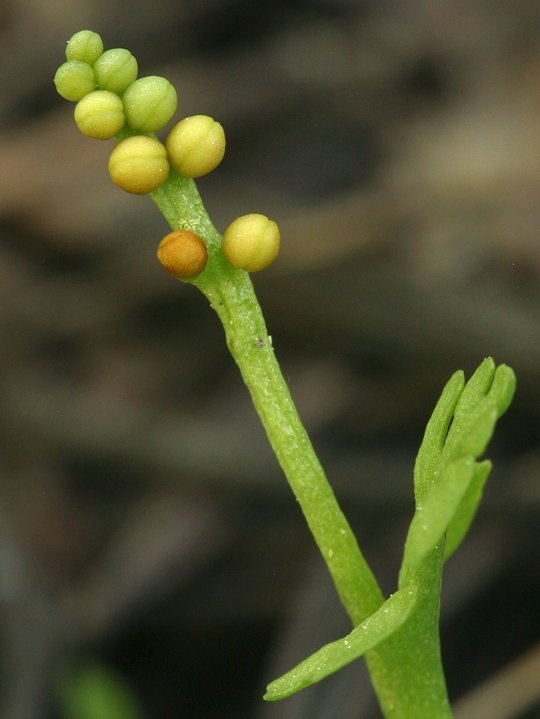
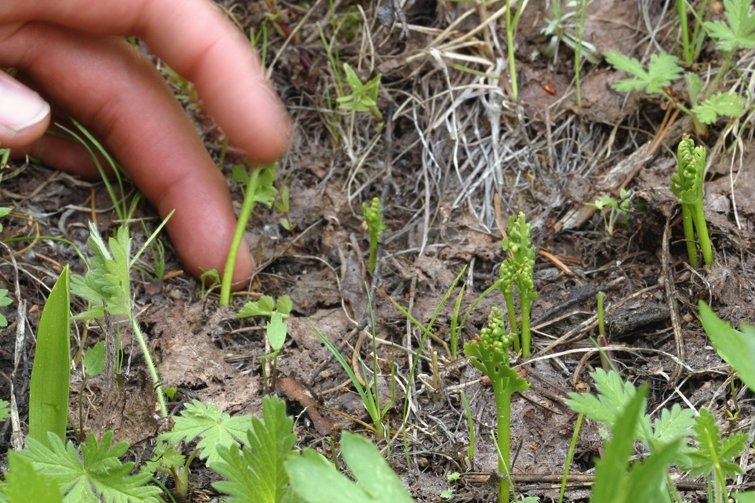
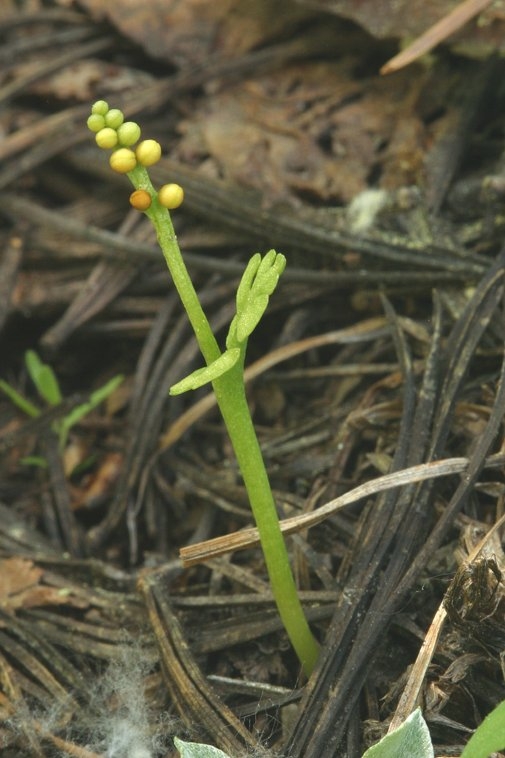
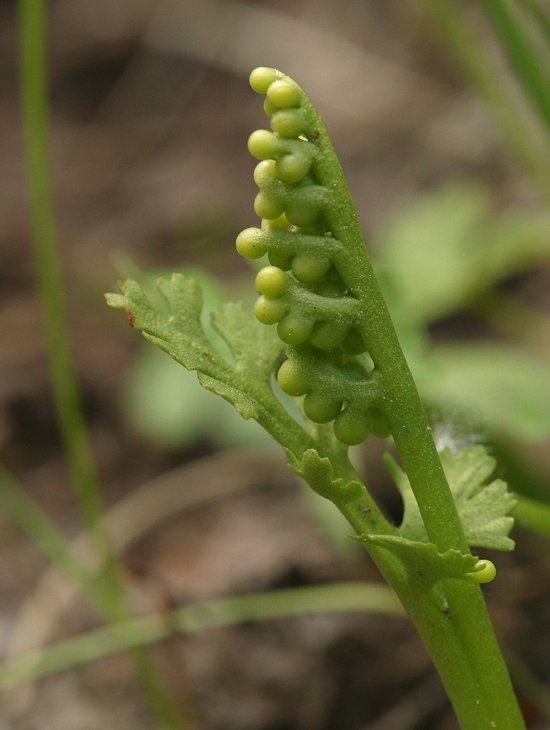
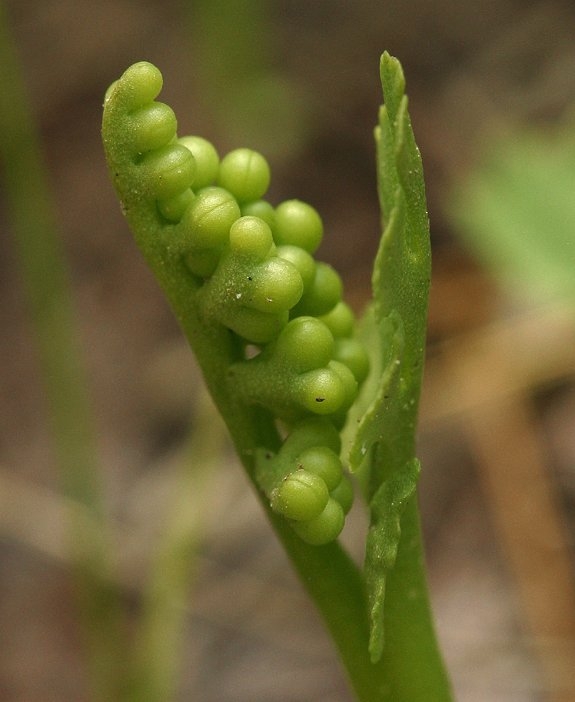
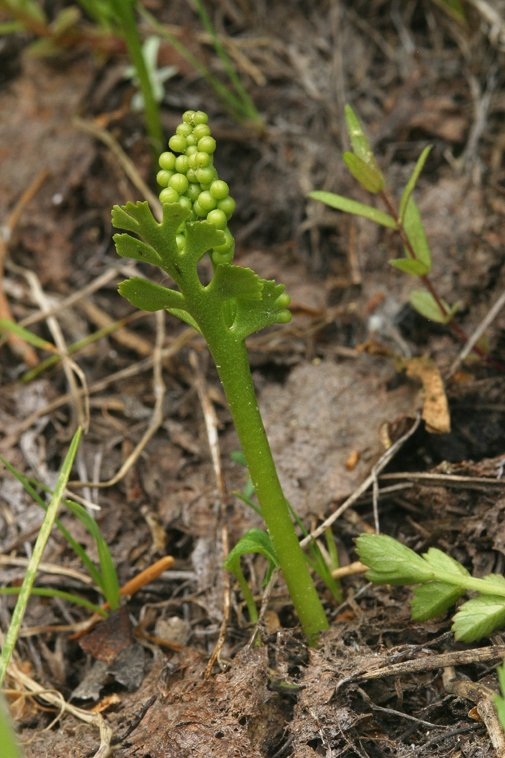
[Wikipedia] Range, Habitat, Description: Botrychium ascendens is a species of fern in the family Ophioglossaceae[2] known by the common names triangle-lobe moonwort and upswept moonwort. It is native to North America from British Columbia to northern California as well as parts of eastern Canada. It lives in different habitat types, including grassy riverside areas. This is very small plant growing from an underground caudex and sending one yellow-green leaf above the surface of the ground. The leaf is up to 6 centimeters tall and is divided into a sterile and a fertile part. The sterile part of the leaf has fan-shaped or wedge-shaped leaflets. The fertile part of the leaf is very different in shape, with tiny grapelike clusters of sporangia by which it reproduces. (link added by Mary Ann Machi)
/app/up/entry/262/th/78899.jpg:!/app/up/entry/263/th/78907.jpg:!/app/up/entry/263/th/78902.jpg:!/app/up/entry/263/th/78901.jpg:!/app/up/entry/263/th/78900.jpg:!/app/up/entry/263/th/78904.jpg:!/app/up/entry/263/th/78903.jpg:!/app/up/entry/263/th/78905.jpg:!/app/up/entry/263/th/78906.jpg:!
2005 Steve Matson:!2005 Steve Matson:!2005 Steve Matson:!2005 Steve Matson:!2005 Steve Matson:!2005 Steve Matson:!2005 Steve Matson:!2005 Steve Matson:!2005 Steve Matson:!
mu11934:!mu11934:!mu11934:!mu11934:!mu11934:!mu11934:!mu11934:!mu11934:!mu11934:!
Suggested Citation
Calflora:
Information on California plants for education, research and conservation,
with data contributed by
public and private institutions and individuals.
[web application]. 2024. Berkeley, California:The Calflora Database
[a non-profit organization].Available:
https://www.calflora.org/(Accessed: 10/22/2024).



 one or more occurrences