2021 Aleksandra Evert 2021 Jacob Smith 2018 MCOSD Restoration Crew 2021 Danielle Carney 2014 Al Keuter 2019 Lynn Gale 2022 Katheryn Pitkin 2021 Caelan Noyes 2019 Julian Geoghegan 2017 Pete Frye 2022 Joe Woods 2020 Paul Aigner 2019 Lynn Gale
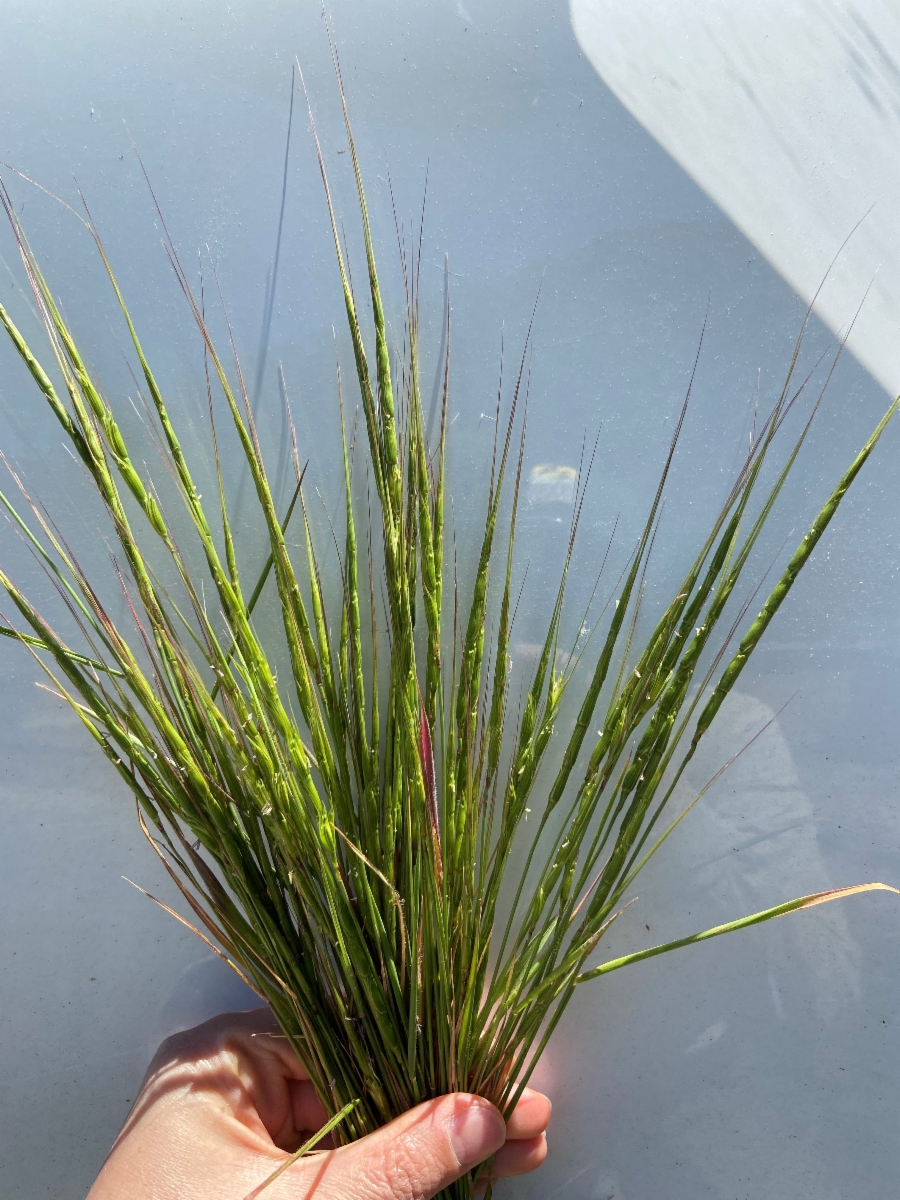
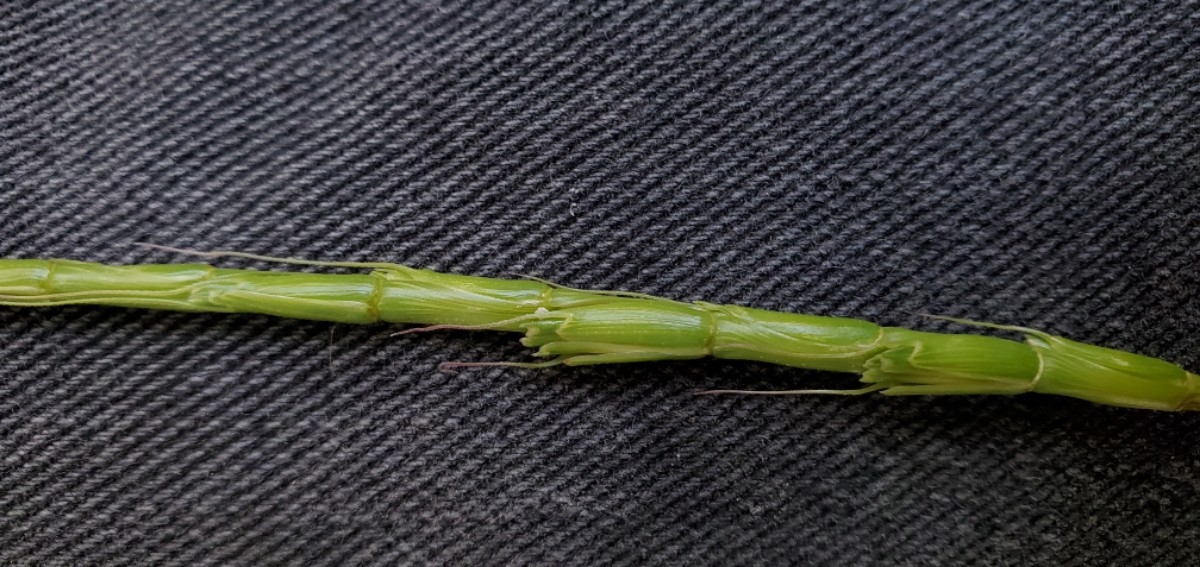
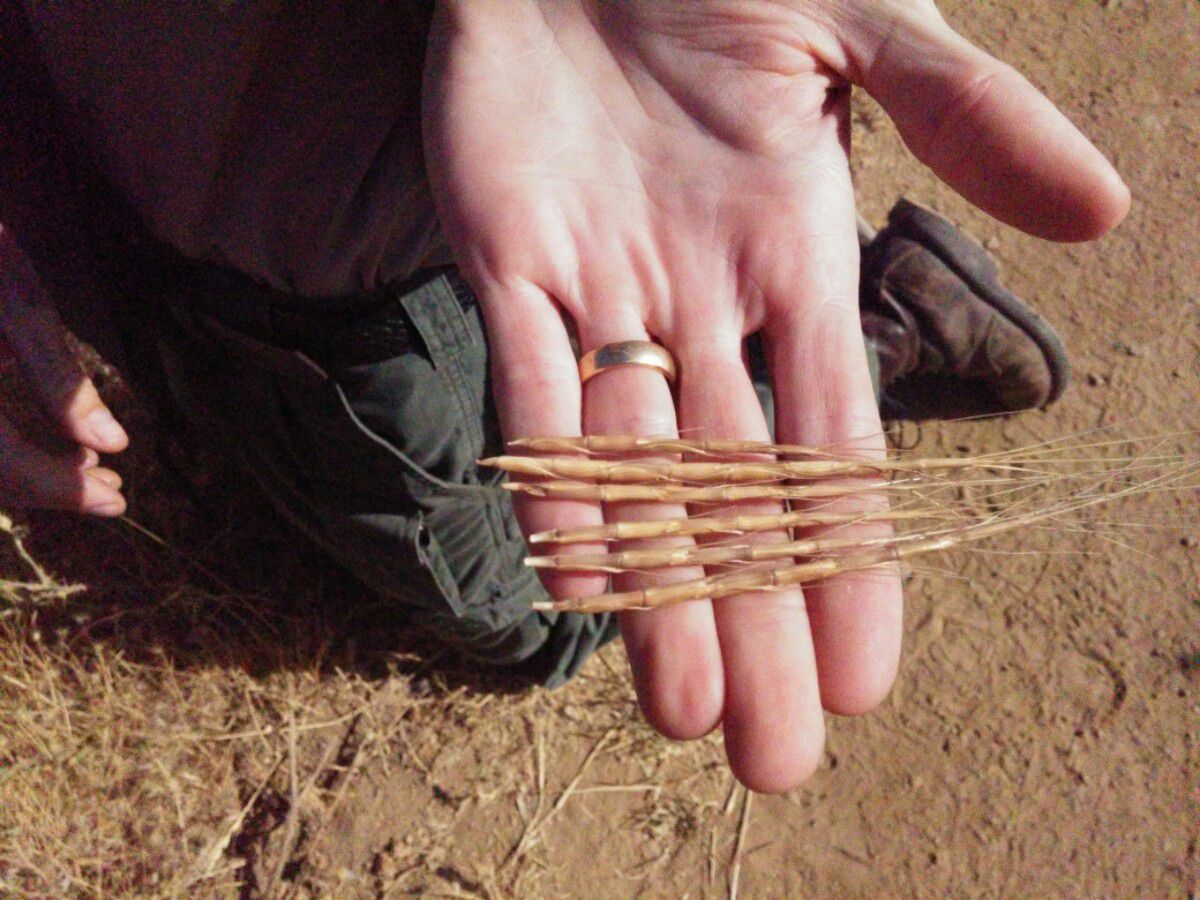
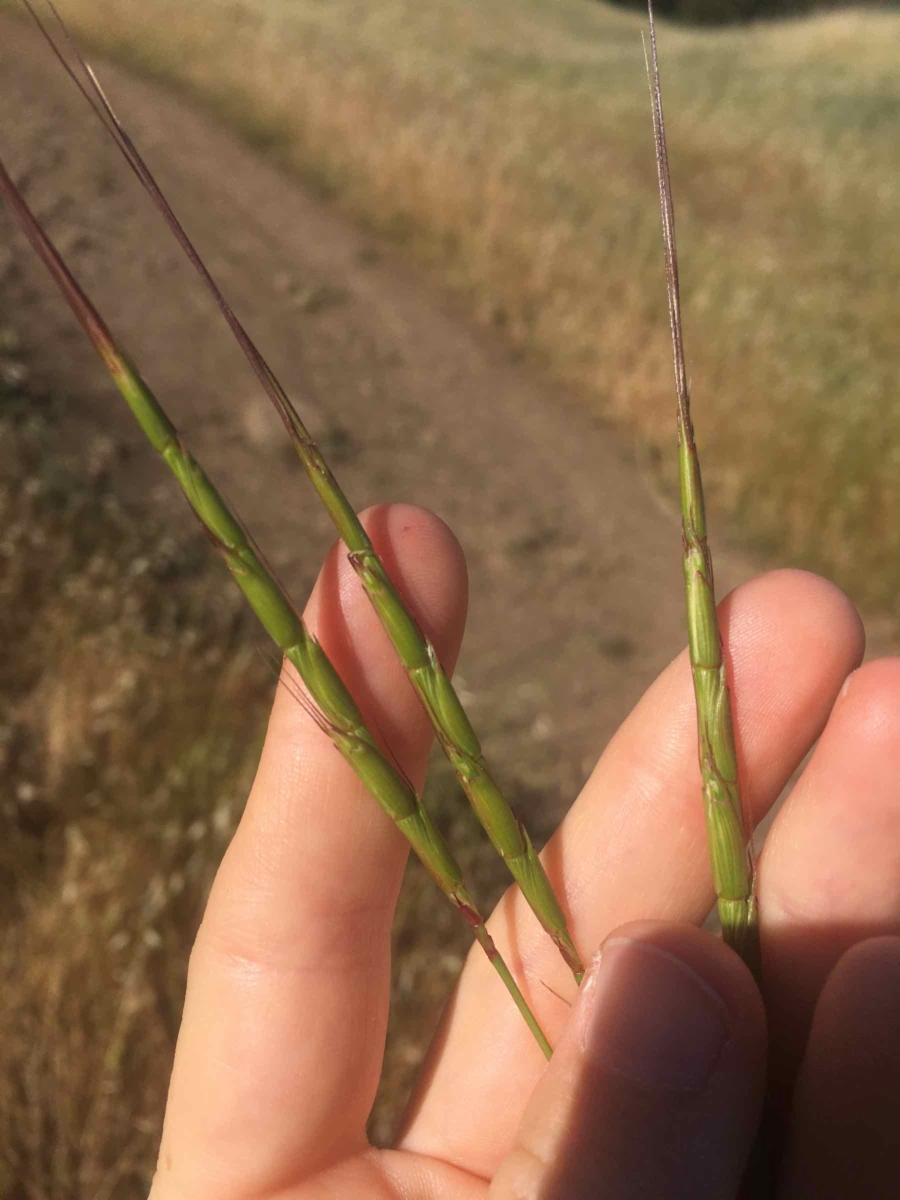
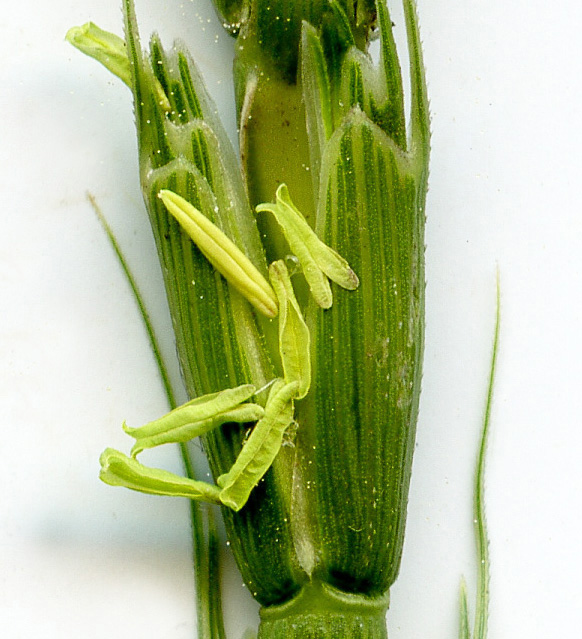
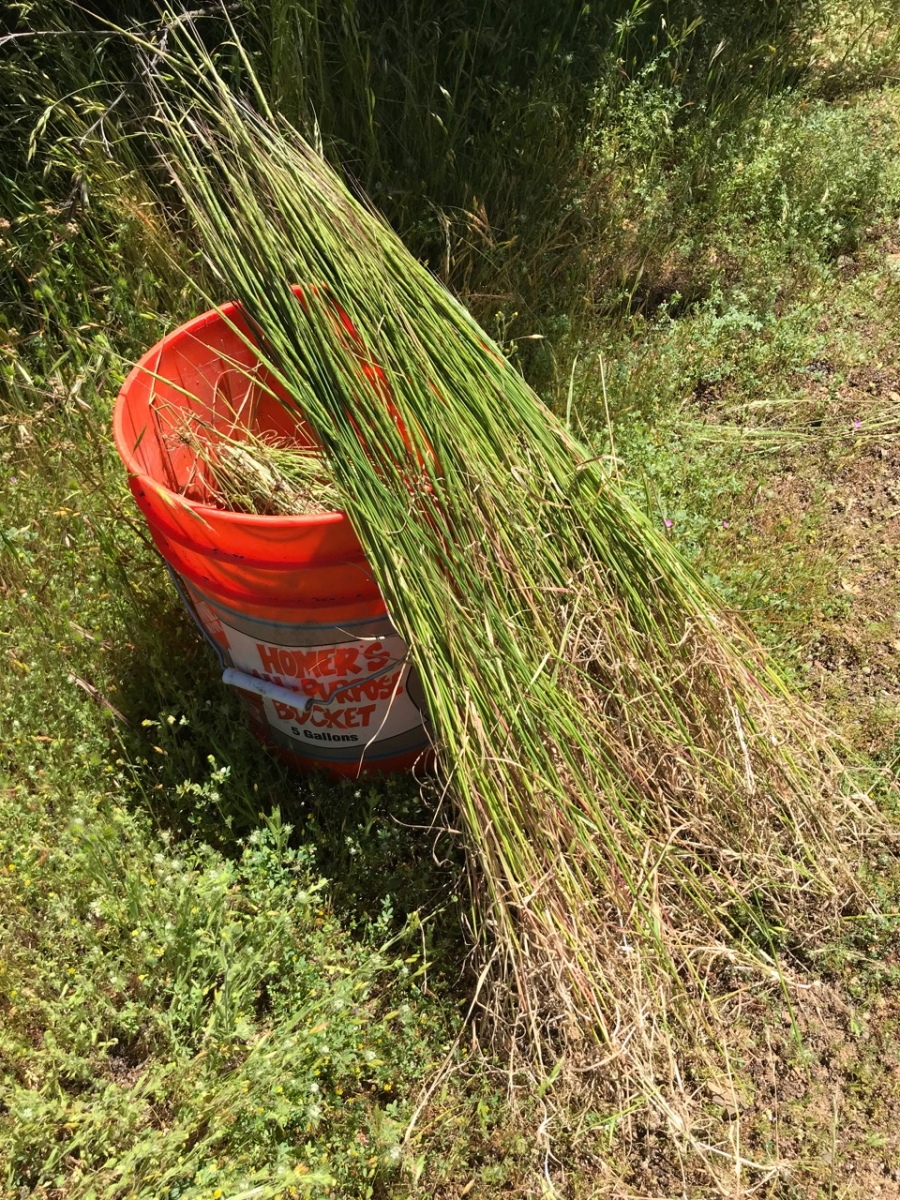
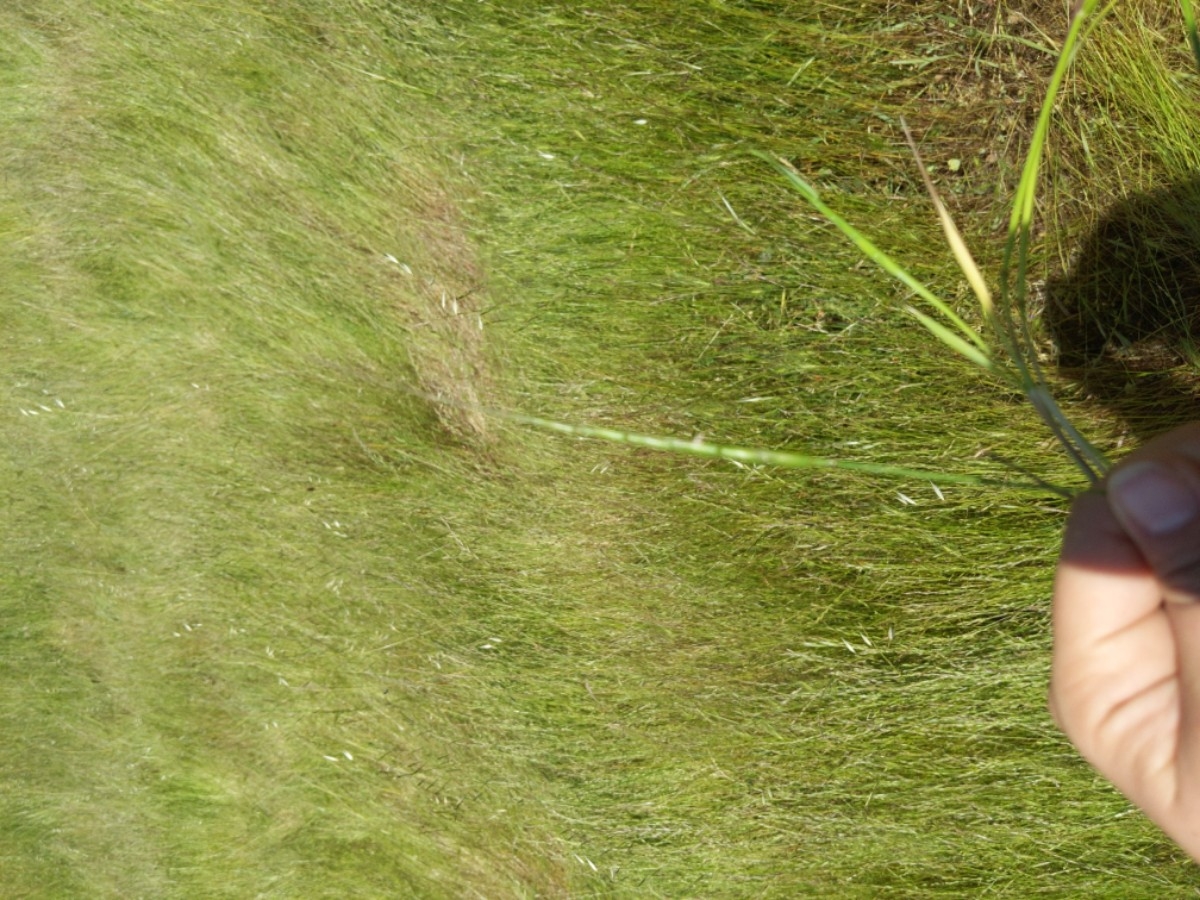
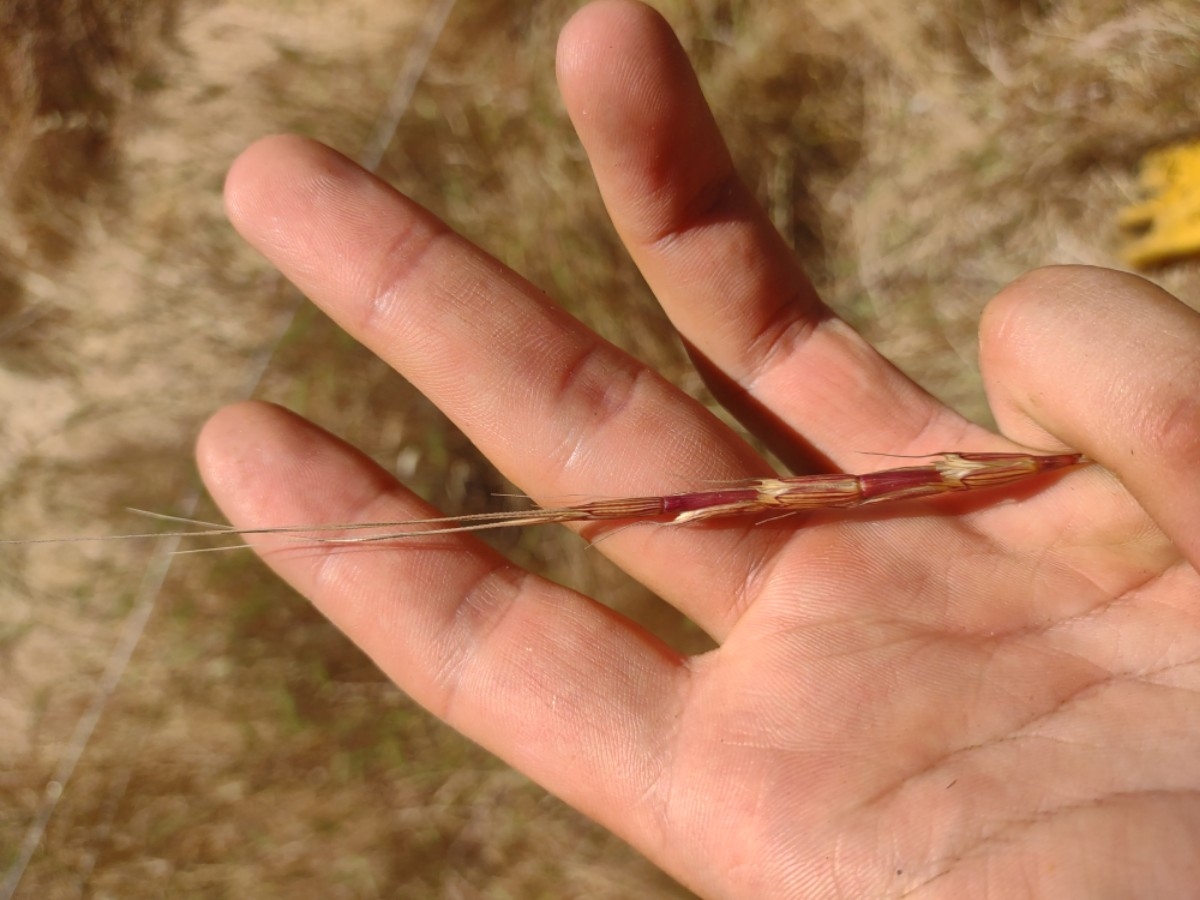
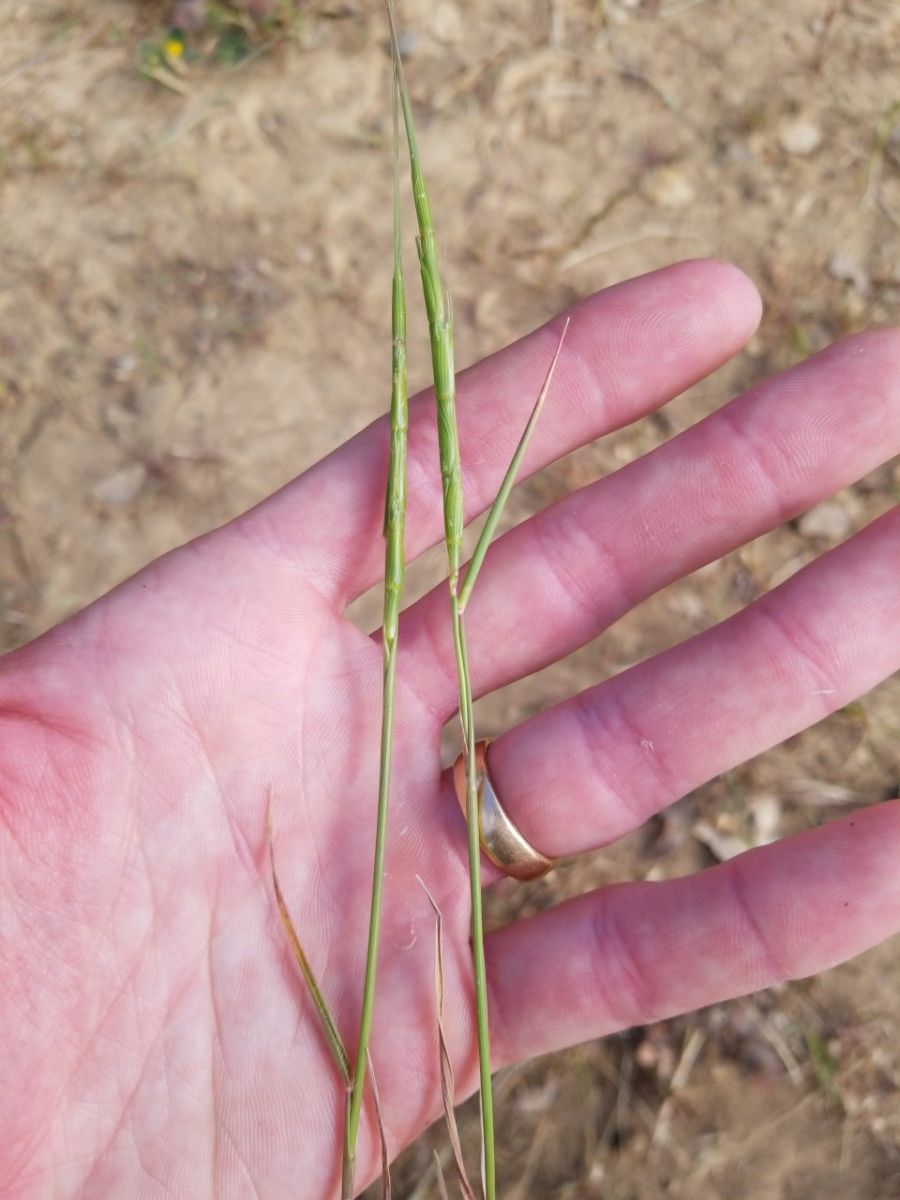
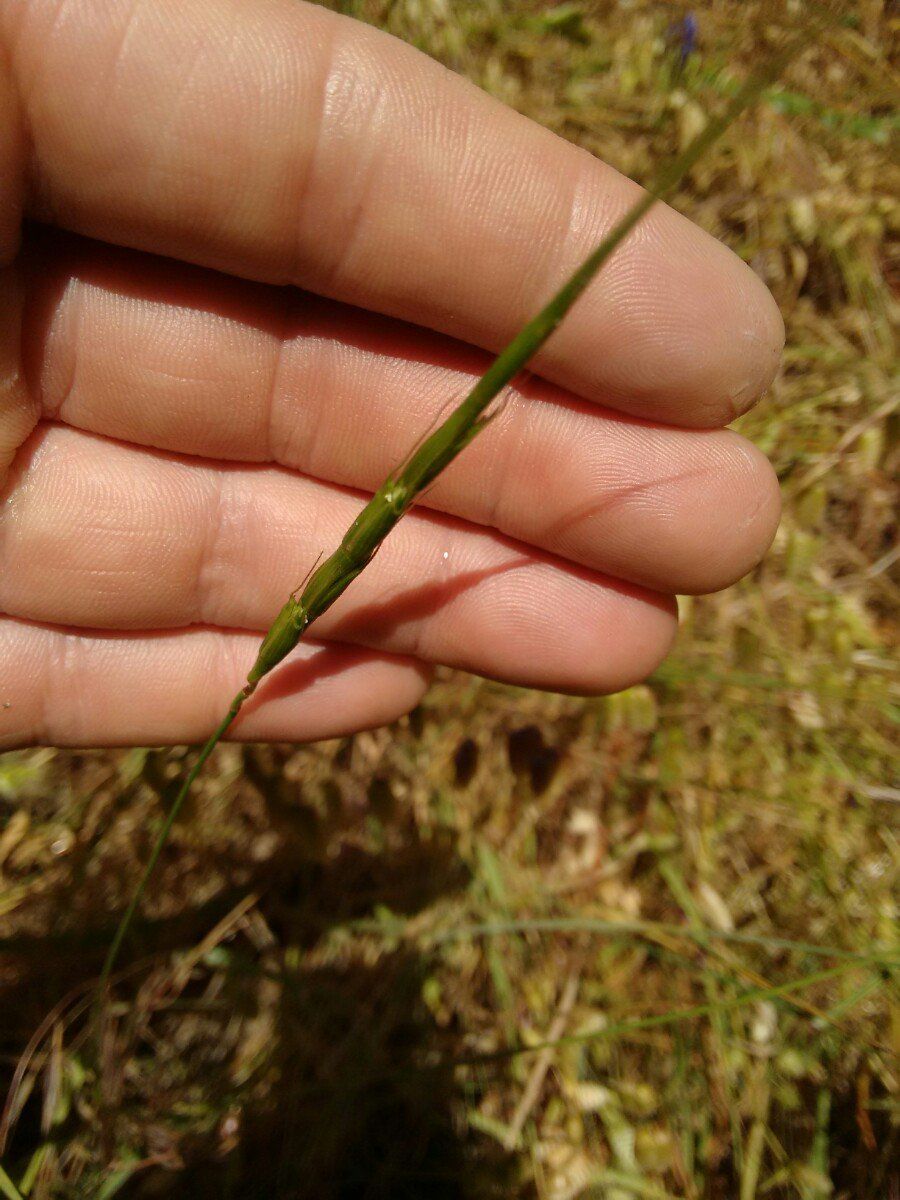
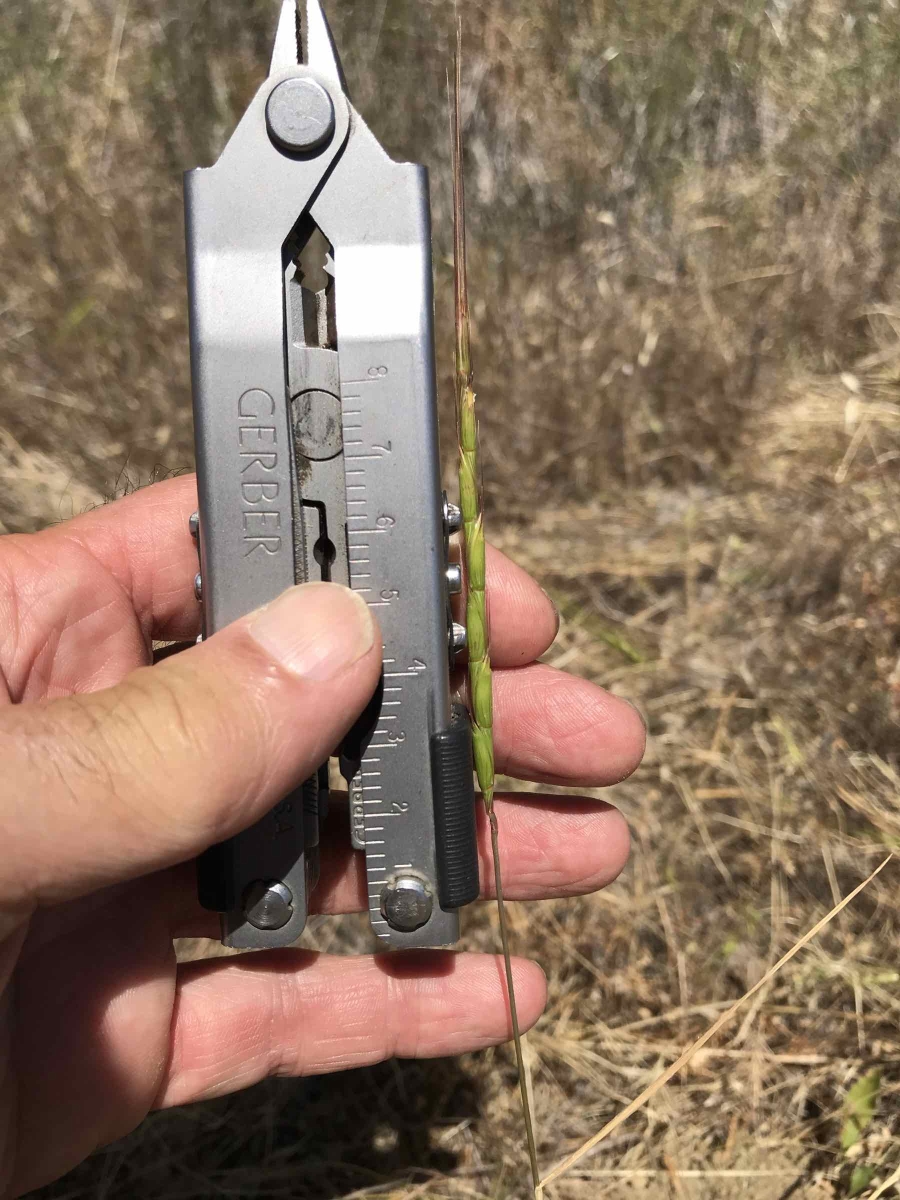
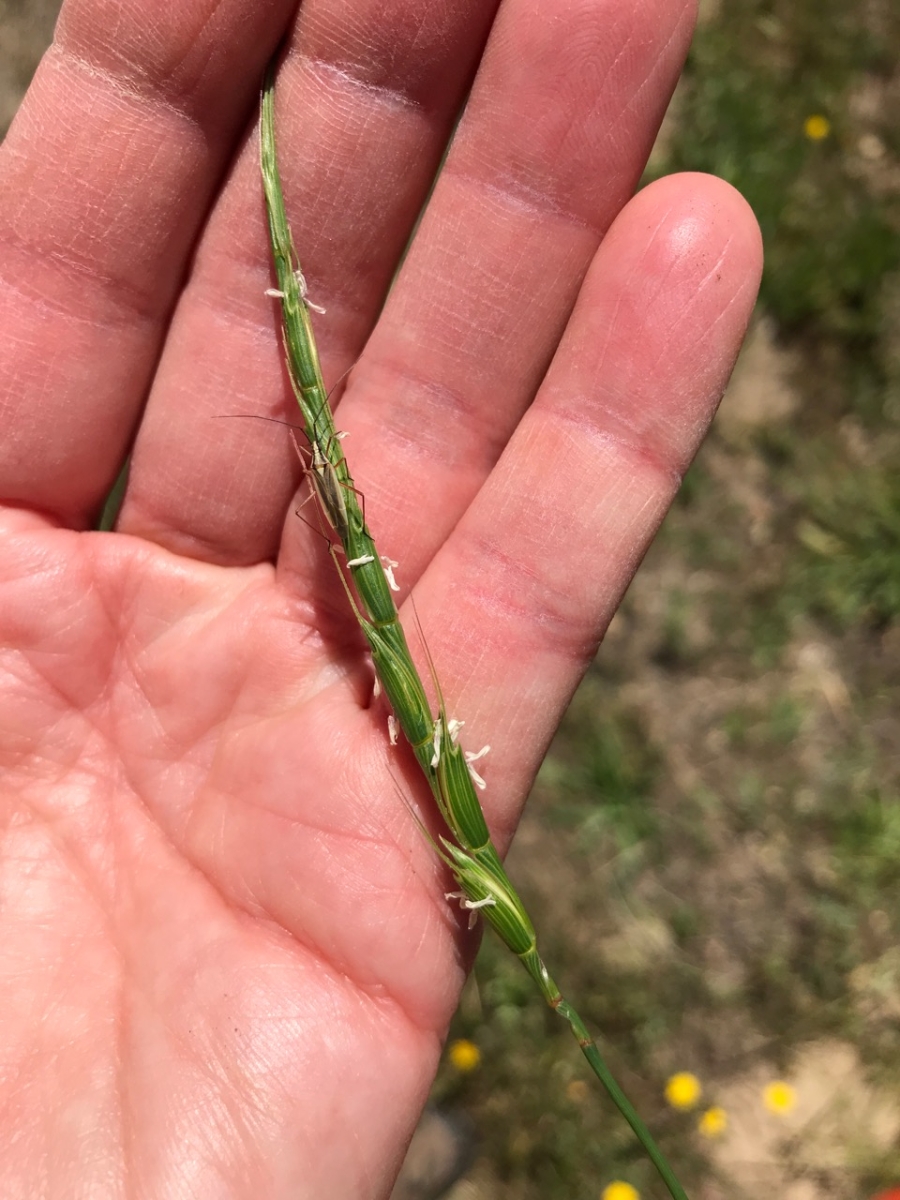
Aegilops cylindrica is an annual grasslike herb that is not native to California.
There is a high risk of this plant becoming invasive in California according to Cal-IPC.
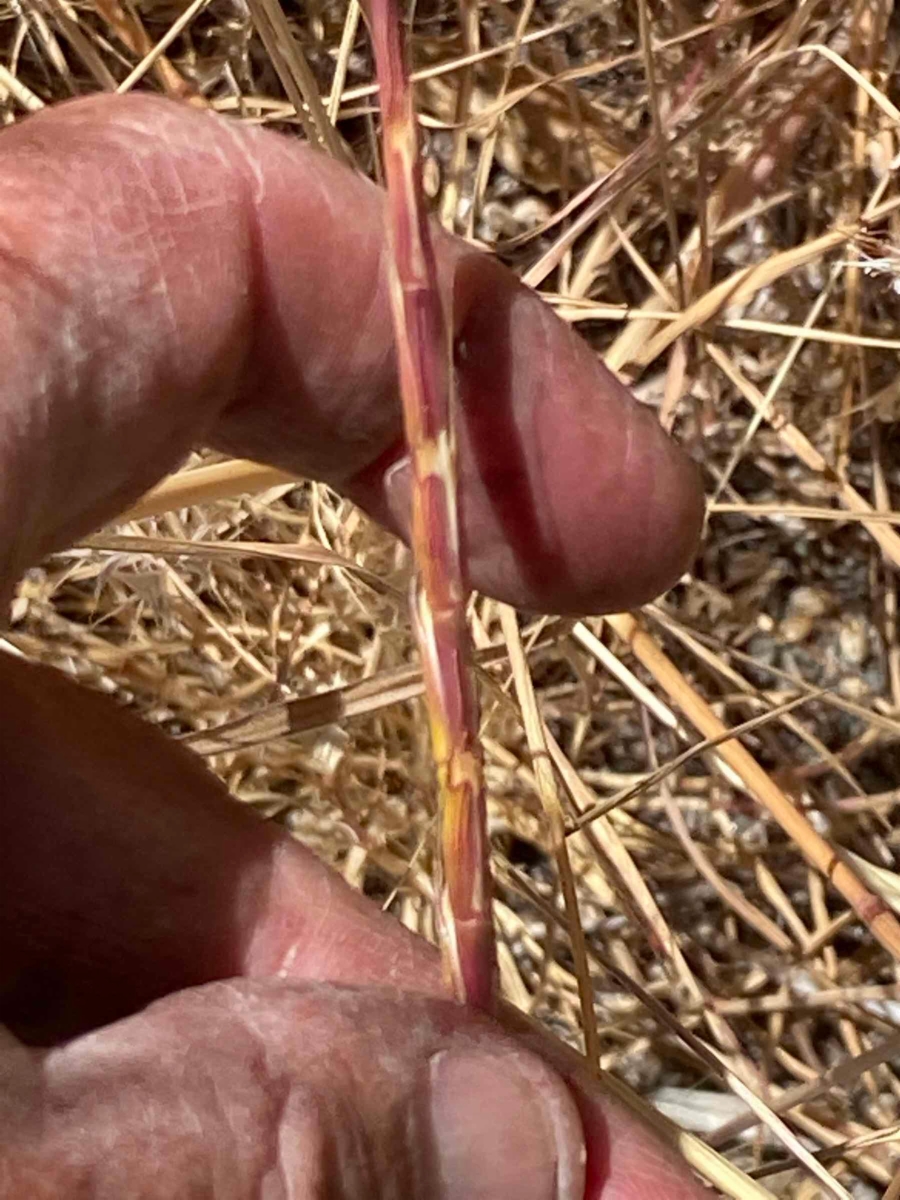
[Cal-IPC] Mediterranean Europe, western Asia native, invasive: Aegilops cylindrica (jointed goatgrass) is an annual grass (family Poaceae) with joints similar to wheat that can grow up to 4 feet tall and is found in the Cascade ranges, Modoc Plateau, Sacramento Valley and San Bernardino and peninsular ranges of southern California. It is native to Mediterranean Europe and western Asia. It favors grasslands. It spreads via agricultural and human activities, wind and water. Joints and seeds will attach to clothing, fur and feathers. (link added by Mary Ann Machi)
/app/up/entry/317/th/95178.jpg:!/app/up/mg/454/th/mg136414-2.jpg:!/app/up/mg/225/th/mg67566-0.jpg:!/app/up/io/162/th/io48735-0.jpg:!0000 0000 0514 2402:!/app/up/entry/98/th/29501.jpg:!/app/up/mg/554/th/mg166287-0.jpg:!/app/up/mg/460/th/mg138137-0.jpg:!/app/up/mg/283/th/mg84998-0.jpg?a:!/app/up/mg/143/th/mg42990-0.jpg:!/app/up/io/236/th/io71015-2.jpg:!/app/up/io/109/th/io32888-0.jpg:!/app/up/entry/104/th/31330.jpg:!
2021 Aleksandra Evert:!2021 Jacob Smith:!2018 MCOSD Restoration Crew:!2021 Danielle Carney:!2014 Al Keuter:!2019 Lynn Gale:!2022 Katheryn Pitkin:!2021 Caelan Noyes:!2019 Julian Geoghegan:!2017 Pete Frye:!2022 Joe Woods:!2020 Paul Aigner:!2019 Lynn Gale:!
po190637:!mg136414:!mg67566:!io48735:!null:!po135032:!mg166287:!mg138137:!mg84998:!mg42990:!io71015:!io32888:!pow1017:!
Suggested Citation
Calflora:
Information on California plants for education, research and conservation,
with data contributed by
public and private institutions and individuals.
[web application]. 2024. Berkeley, California:The Calflora Database
[a non-profit organization].Available:
https://www.calflora.org/(Accessed: 10/22/2024).

 one or more occurrences