Calflora Taxon Report
Streptopus amplexifolius (L.) DC.
Claspleaf twistedstalk
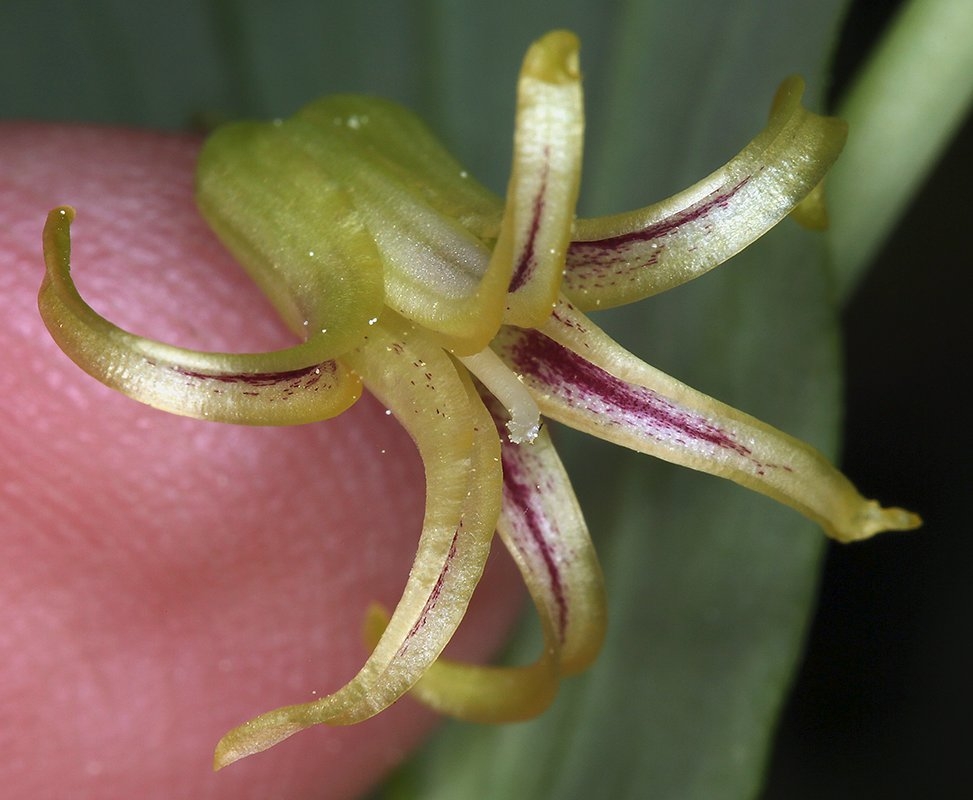
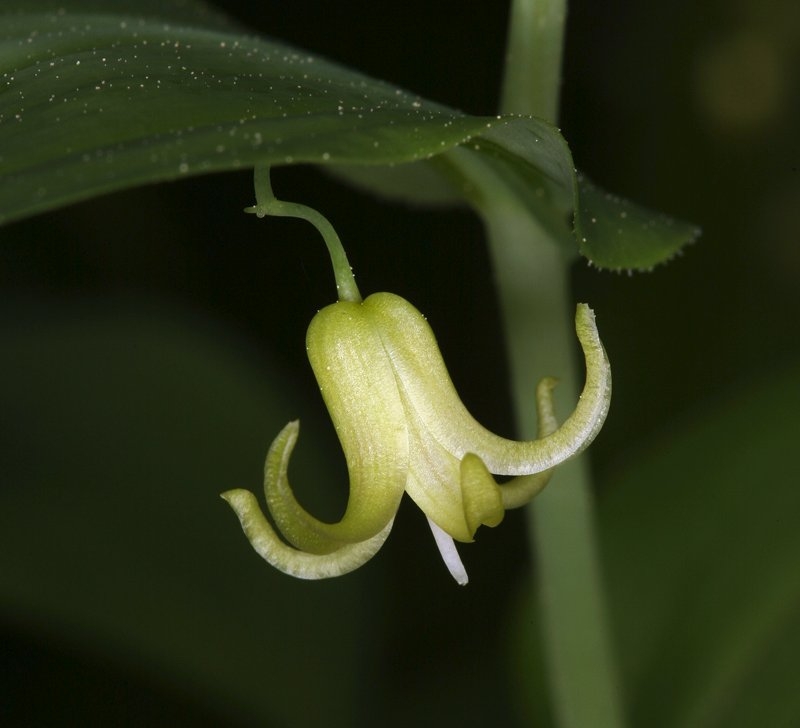
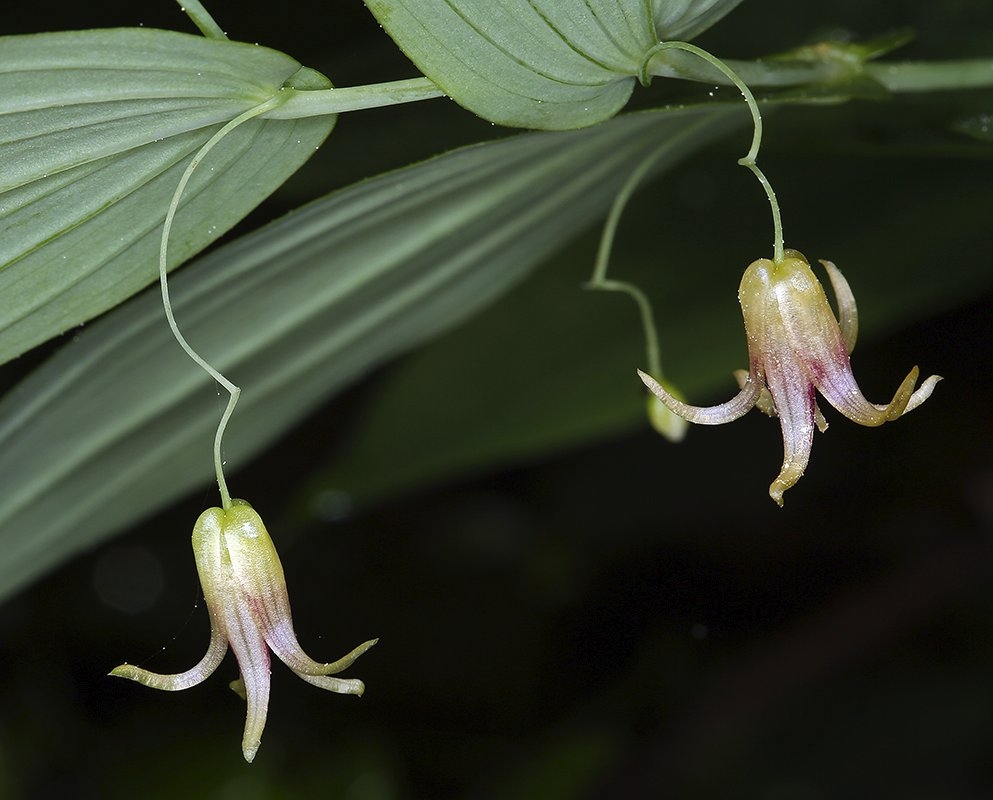
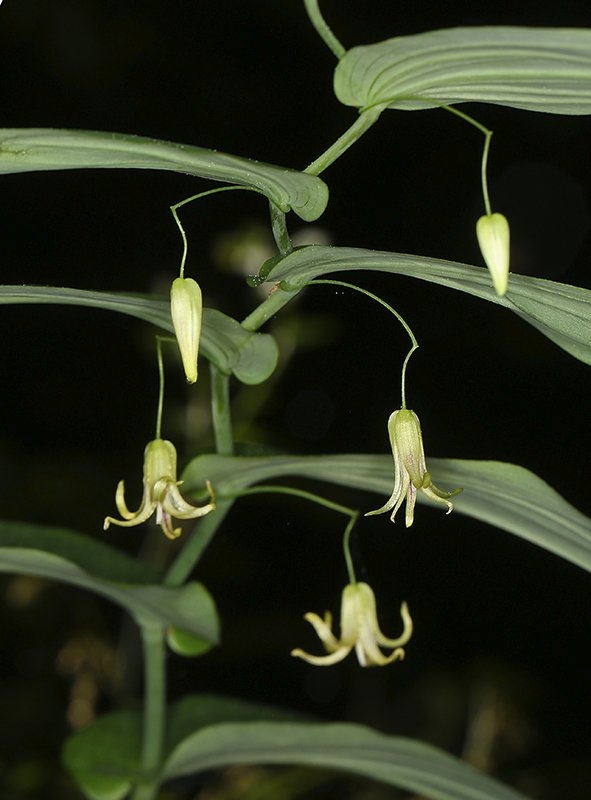
Streptopus amplexifolius is a perennial herb that is native to California, and also found elsewhere in North America and beyond.

Alternate Names and Sources:
None
Siskiyou Del Norte Modoc Humboldt Shasta Lassen Trinity Plumas Tehama Butte Mendocino Glenn Sierra Yuba Lake Nevada Colusa Placer Sutter El Dorado Yolo Alpine Napa Sonoma Sacramento Mono Amador Solano Calaveras Tuolumne San Joaquin Marin Contra Costa Alameda Santa Cruz Mariposa Madera San Francisco San Mateo Merced Fresno Stanislaus Santa Clara Inyo San Benito Tulare Kings Monterey San Bernardino San Luis Obispo Kern Santa Barbara Ventura Los Angeles Riverside Orange San Diego Imperial
DJJJASONAFMM

Bloom Period
The blue points on the map indicate observations in Calflora.
Click on the map to view observations within a specific county.


Accepted by: PLANTS + POWO
Jepson eFlora section:
monocot
USDA PLANTS group:
Monocot

Equally likely to occur in wetlands and non wetlands
Redwood Forest, Douglas-Fir Forest, Yellow Pine Forest, wetland-riparian

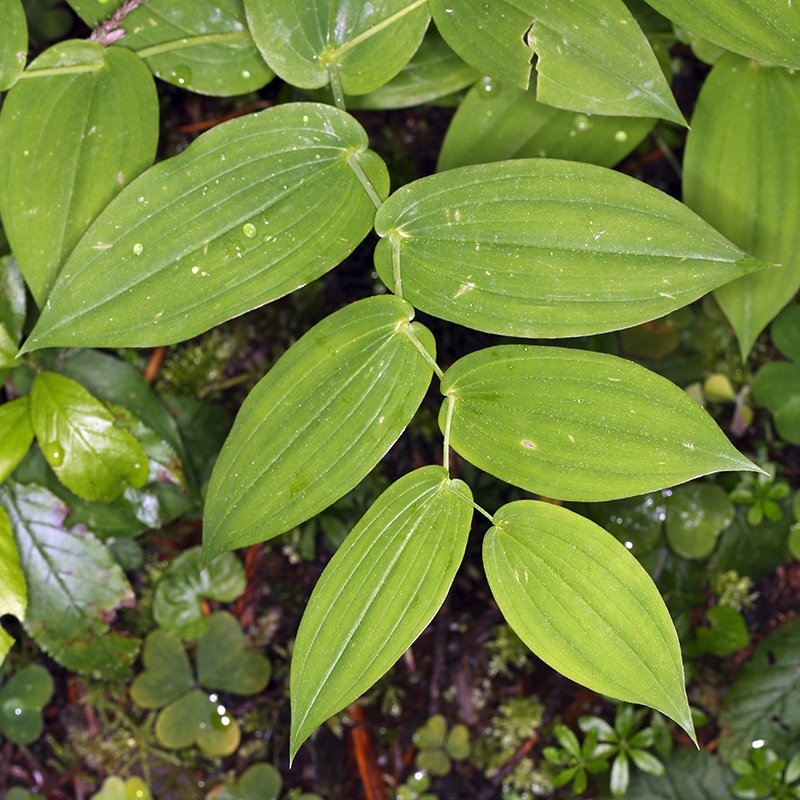
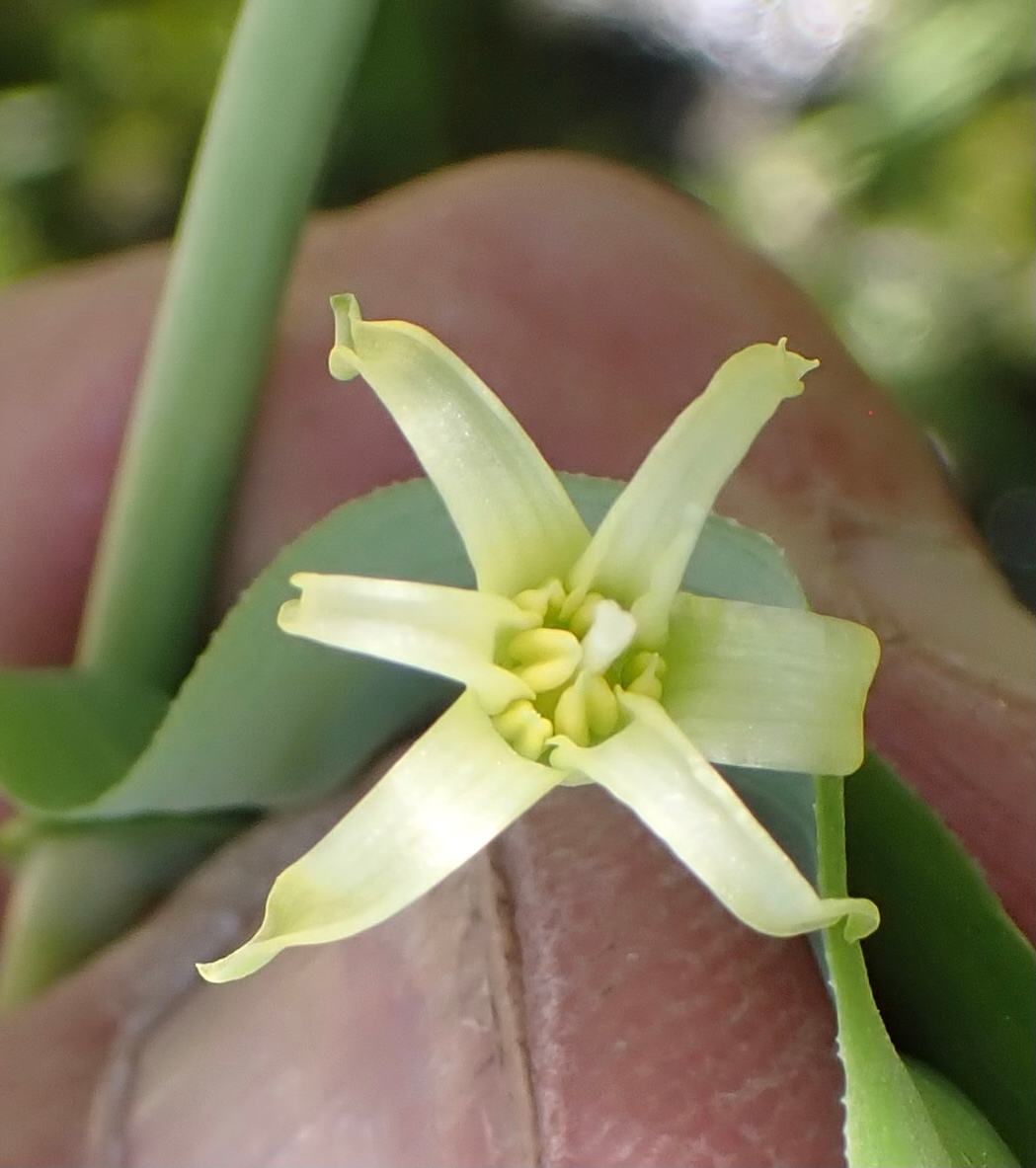
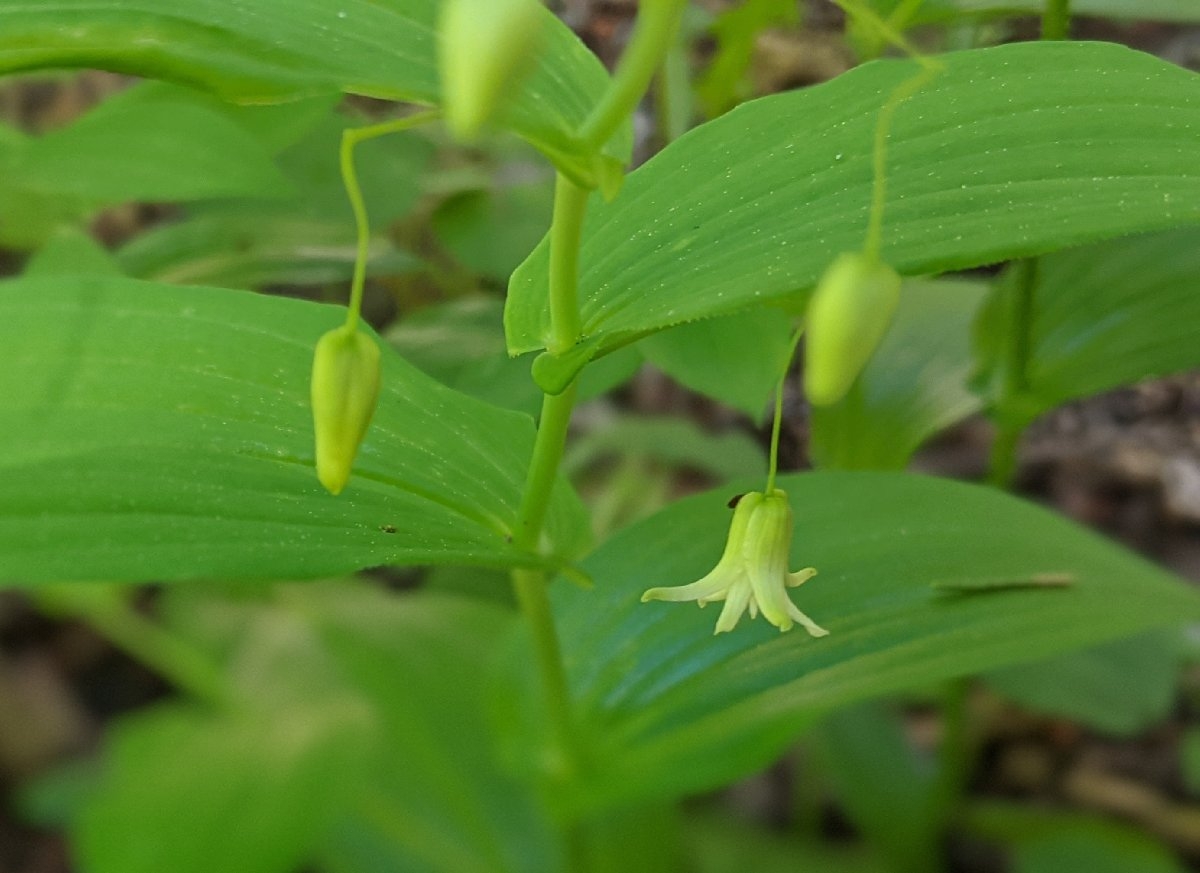
[Wikipedia] Morphology, Differences Between Similar Plant, Consumption Warning: The plants leaves completely encircle the stem, and the stems have a kink at each leaf axil giving the plants stem a "twisted" and wiry appearance. Streptopus amplexifolius has a superficial resemblance to False Solomon's Seal (Maianthemum racemosum), but Twisted Stalk produces axillary flowers and fruits along the stem, where False Solomon's Seal produces a terminal inflorescence. Also False Solomon's Seal is always a single unbranched stem, while Twisted Stalk can be branched at the bottom. In fruit, Twisted Stalk is easily identified by its large, juicy red berries which grow from each leaf axil and are highly visible, even in the thickest undergrowth, as they boldly contrast with the surrounding foliage. Large, juicy red berries grow from each leaf axil. When young, Twisted Stalk resembles members of the genus Veratrum, highly toxic plants that are members of the lily family, also. This plant should not be consumed unless identification is positive. (link added by Mary Ann Machi)

Suggested Citation
“Calflora - Taxon Report.” The Calflora Database, a non-profit organization. .

Accessed:
My Calflora My Observations Add Observations Phone Applications Donate to Calflora HOME About Calflora NEWS Search for Plants Observation Search What Grows Here? Planting Guide NRCS eVegGuide Weed Manager Contact Calflora