Sphenopholis obtusata is a perennial grasslike herb that is native to California, and also found elsewhere in North America and beyond.
California Rare Plant Rank: 2B.2 (rare, threatened, or endangered in CA; common elsewhere).
[Wikipedia] Range, Description: Sphenopholis obtusata is a species of grass known by the common names prairie wedgescale and prairie wedge grass. It is native to North America where it is widespread across southern Canada and the United States. It occurs in many types of habitat, including prairie, marshes, dunes, and disturbed areas.
Description
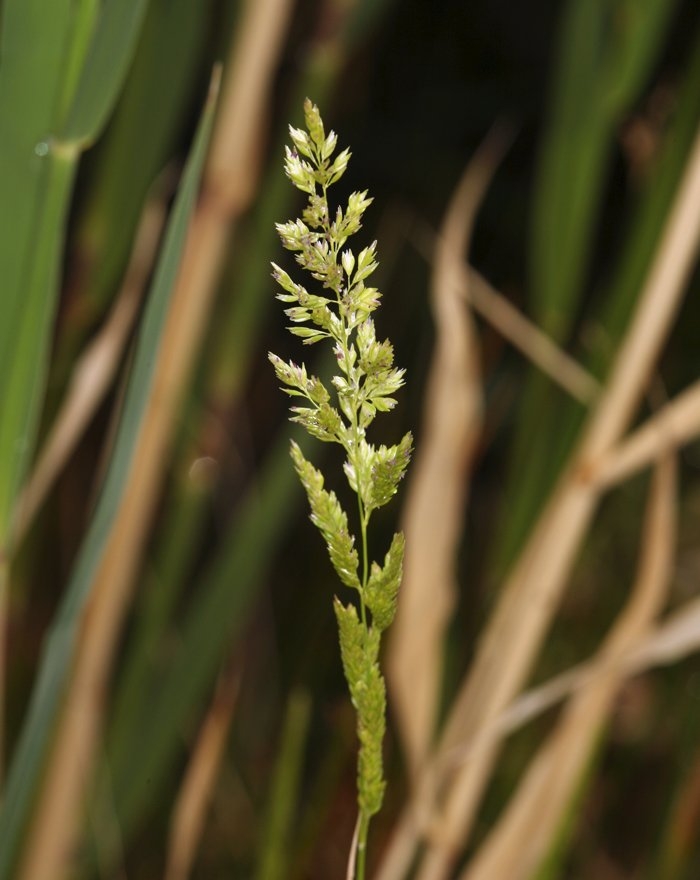
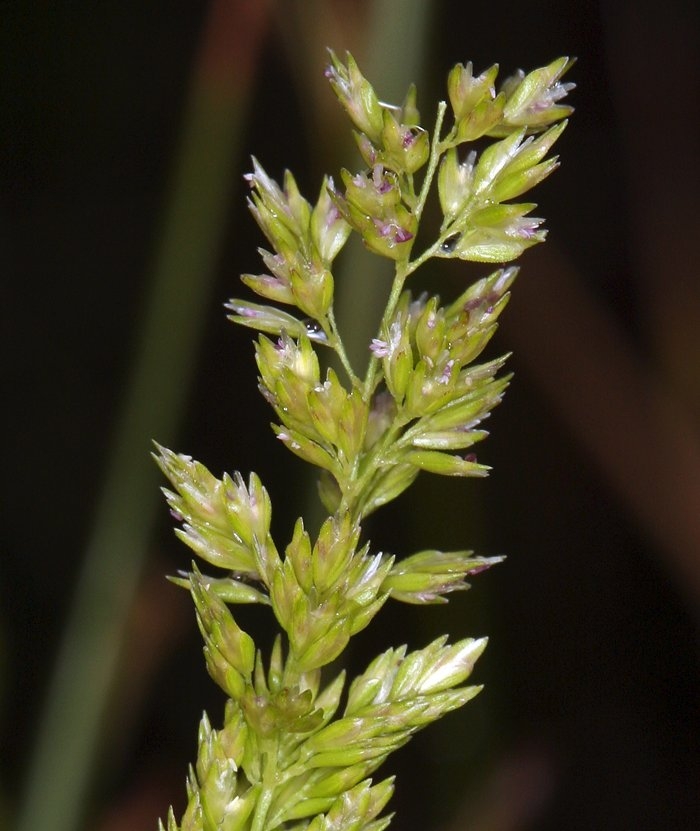
Sphenopholis obtusata is a perennial bunchgrass growing 20 centimeters to well over one meter in maximum height. The short leaves have ligules with jagged tips. The inflorescence is generally a dense, spikelike panicle of oval-shaped spikelets. The inflorescence is greenish white, darkening brownish as it matures. (contributed by Mary Ann Machi)
/app/up/entry/271/th/81553.jpg:!/app/up/entry/271/th/81552.jpg:!
2009 Steve Matson:!2009 Steve Matson:!
mu12730:!mu12730:!
Suggested Citation
Calflora:
Information on California plants for education, research and conservation,
with data contributed by
public and private institutions and individuals.
[web application]. 2024. Berkeley, California:The Calflora Database
[a non-profit organization].Available:
https://www.calflora.org/(Accessed: 04/18/2024).


 one or more occurrences